In the fast-moving world of high-end fashion and lifestyle, two weeks can feel like a century. We’ve seen a whirlwind of activity that signals a fundamental shift in how the world’s most prestigious houses operate—moving away from selling objects and toward building entire ecosystems.
From LVMH’s aggressive pivot into high-end hospitality to Dior’s architectural floral masterpiece in Beijing, the latest headlines are not just about new collections; they are about a new world order. Whether you are tracking the strategic acquisitions at Kering, the leadership transition at Bulgari, or the “Connection” trends identified by The Future Laboratory, this briefing distills every major move from the past fortnight into one essential analysis. If you want to know where the smart money is moving and how the definition of “luxury” is being rewritten for 2026, read on.
In the current landscape of high-end commerce, a distinct pattern has emerged: the transition from the “Product House” to the “Lifestyle Ecosystem.” As the industry looks toward 2026, the trend is no longer about exclusivity through scarcity, but exclusivity through immersion. This “Total Brand” approach ensures that a consumer can live, travel, eat, and invest within a single brand’s aesthetic and ethical framework.
Strategic Leadership and the Hospitality Pivot
The executive shifts at the top of the pyramid signal this change. LVMH has formalised its entry into the experiential market by creating a dedicated Hospitality Division, led by Stéphane Rinderknech. This structural change aligns with the appointment of Laura Burdese to succeed the long-standing CEO at Bulgari, suggesting a future where hard luxury (jewellery and watches) is inextricably linked to high-end service and hospitality.
Further solidifying their grip on the “Total Brand” model, Louis Vuitton recently debuted “Visionary Journeys” in Seoul. This is not merely a retail space but a six-story cultural destination blending heritage exhibitions with the culinary expertise of Maxime Frédéric and Junghyun Park.
Manufacturing and Asset Management
The luxury giants are also tightening their control over the physical world. Kering has moved to acquire the jewelry manufacturer Raselli Franco Group, ensuring that the “Made in Italy” pedigree remains under its direct supervision. Simultaneously, Kering is treating its real estate as a strategic lever, partnering with the private equity firm Ardian on a Fifth Avenue investment. By selling a 60 percent stake in the venture, Kering raised $690 million, proving that in 2026, savvy property management is as essential as creative direction.
The Architecture of Presence
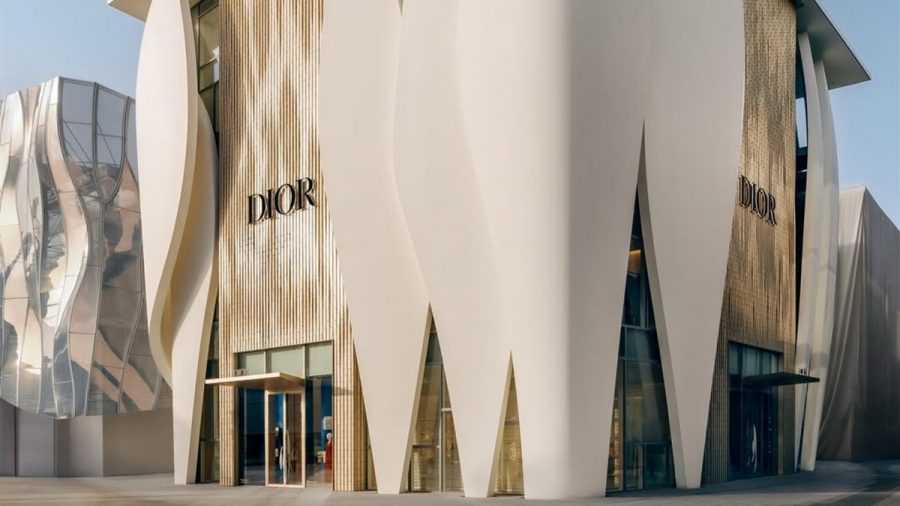
Physical retail is undergoing a renaissance of scale. Dior has unveiled a five-story flagship in Beijing, its largest in China, designed by a Pritzker Prize-winning architect to serve as a landmark rather than just a boutique. This is mirrored by Pratesi’s continued North American expansion with a new Boston location, and Ennismore’s selection of Bangkok for the first SLS Residences in the region. Even in the digital sphere, the focus is on physical reliability; the relaunch of the e-commerce platform Matches in 2026 is being framed as a “second act” aimed at restoring trust in high-end digital commerce.
The Science of Value and Sustainability
The Map to Modern Luxury
THE CURATED CALENDAR
Discover the world’s most prestigious gatherings & exhibitionsAs the market grows more complex, the industry is turning to data to maintain its allure. Fashionphile is attempting to turn luxury authentication into a precise science, a necessary move as luxury groups grapple with the management of unsold inventory. This focus on “future-proofing” is reflected in the research sector as well. The Future Laboratory identifies “Connection” as the defining theme of 2026, highlighting trends like “Climate-attuned Beauty” and “Future-proof Foods.”
Evidence of this shift toward corporate responsibility is seen in Coty’s recent ‘A’ score from the CDP for its sustainable governance. This suggests that for the modern luxury consumer, a brand’s environmental “scorecard” is becoming as prestigious as its logo.
Automotive, Audio, and the Experience Economy
The automotive sector is bracing for a significant surge, with BCG expecting the US luxury car market to double in the next decade. Audi is leaning into this with futuristic electric mobility concepts, while Lamborghini is cultivating its community through programs like the women-led driving series in the French Alps.
In the realm of lifestyle, the boundaries continue to blur
Bang & Olufsen is marking its centennial with the “Sound. Elevated.” anniversary collection.
Seabourn is integrating global sports culture by broadcasting the 2026 World Cup aboard its luxury cruises.
The culinary world is seeing high-profile crossovers, such as Chef Yotam Ottolenghi debuting at the Mandarin Oriental Amsterdam.
The Resilience of the Image
Despite some financial headwinds—notably the bankruptcy of De Grisogono, fundraising needs at Aston Martin, and Tod’s navigating a slight sales dip—the power of the “Object” remains. Whether it is Hermès showcasing surrealism in its spring campaign, Dior and Rizzoli publishing a book on a decade of the Lady Art project, or Burberry and EssilorLuxottica renewing their eyewear license for another ten years, the visual and tactile language of luxury remains the industry’s strongest currency.
The overarching sense of 2026 is clear: Luxury is no longer something you buy; it is a world you inhabit.