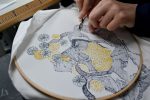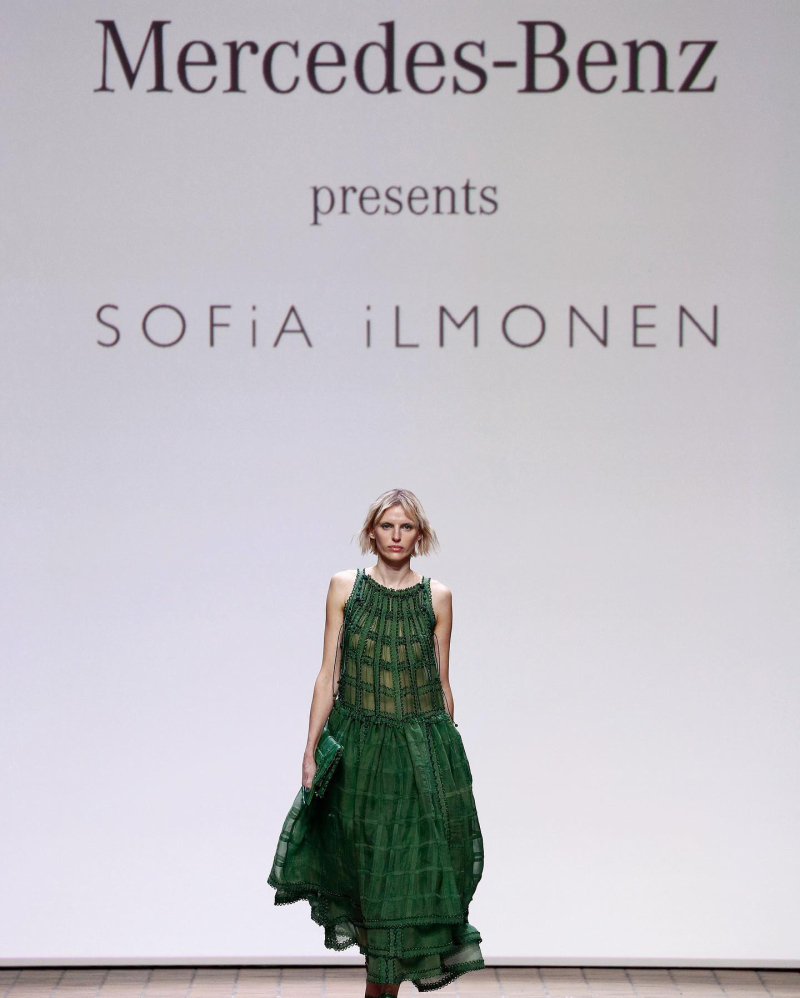
Mercedes Benz Fashion Week continues to mentor young international talents in fashion

Mercedes Benz Fashion Week Berlin provides humanitarian aid for refugees from Ukraine. As part of its global fashion engagement, Mercedes‑Benz presented the MBFW Berlin Autumn/Winter 2022 season at the “Kraftwerk” location from 14 to 16 March 2022. Invited by the title sponsor, Finnish emerging designer Sofia Ilmonen presented her new collection in the opening show. … Read more

Celine, Chaumet, Patou, Dior and Louis Vuitton working with refugee artisans

@La Fabrique NOMADE; / @lafabriquenomade.com/

“These are much more than simply fashion and décor items, they embody the tenacity that transforms beauty into esteem, esteem into hope, and hope into a future,” – Inès Mesmar, La Fabrique NOMADE director.

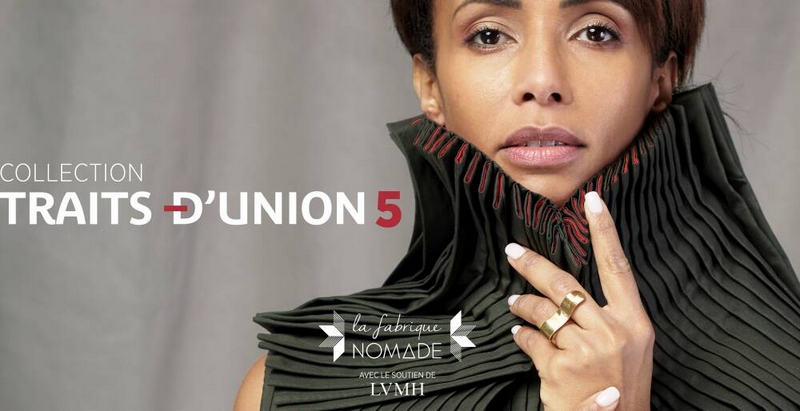
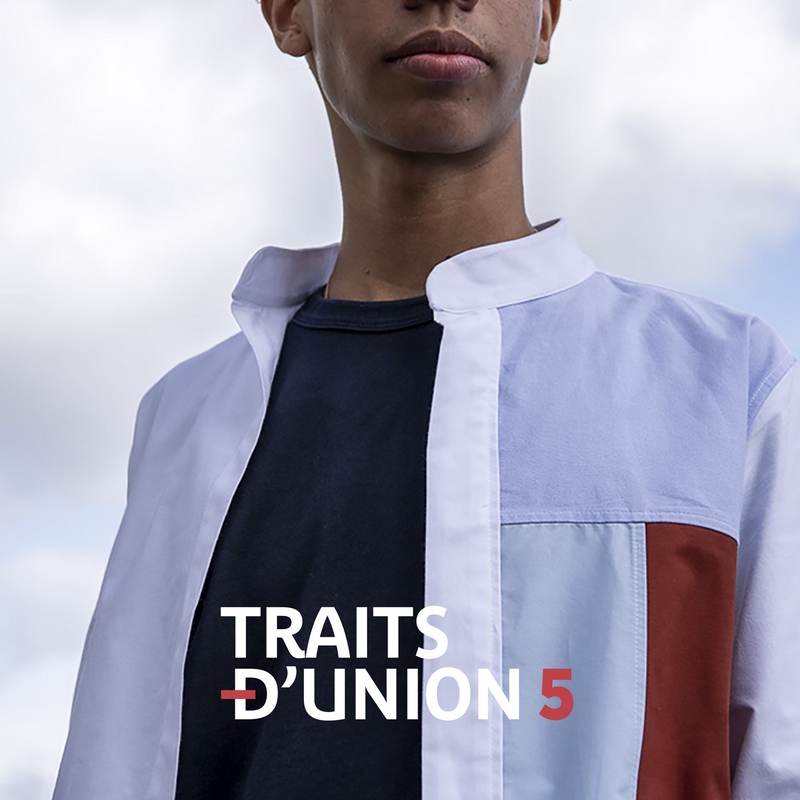
On March 23, La Fabrique NOMADE, a non-profit that helps talented artisans who have sought refuge in France use their skills as a path to integration, presented the Traits d’Union 5 collection of new clothes, jewelry and objets d’art by refugee artisans on their website. LVMH has since 2019 actively supported La Fabrique NOMADE.

LVMH, the biggest luxury group in the high-end segment, is once again supporting the collection this year, in particular through the engagement of designers, artisans and experts from Celine, Chaumet and Louis Vuitton who are working with the craftspeople supported by the charity.

This year La Fabrique NOMADE asked Guerlain ambassador Sonia Rolland to act as godmother of the event. Filmmaker, actress and activist, notably in support of refugees, Sonia Rolland is particularly attuned to the difficult journeys of the artisans sponsored by the workshop.
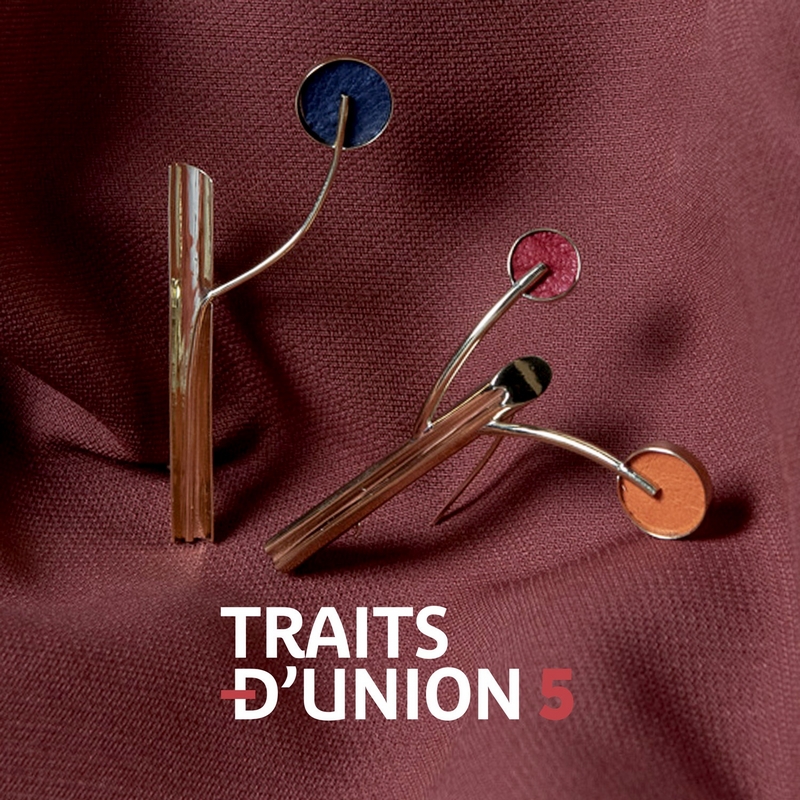
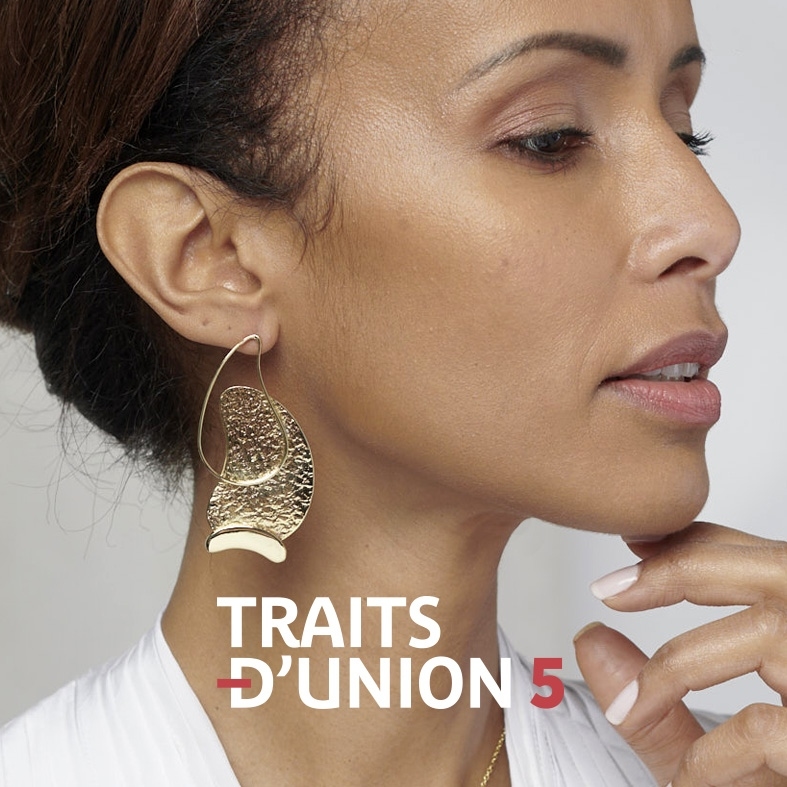
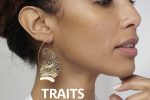
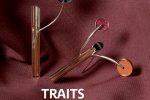
Collaboration between Artak Tadevosyan, Armenian jeweler and Amira Sliman, jeweler; photography @La Fabrique NOMADE; / @lafabriquenomade.com/

Founded five years ago by Inès Mesmar, La Fabrique NOMADE promotes the skills of refugee artisans by presenting
collections created with support from volunteer designers and stylists. Its new Traits d’Union 5 collection will be launched online on March 23 at 7 pm (Paris time), featuring creations around the evocative theme of “Le Renouveau” (Renewal), proposed by creative directors Pauline Ricard-André and José Lévy. Clothes by talented couturiers from Azerbaijan, Côte d’Ivoire, Iraq and Senegal will be shown alongside jewelry by artisans from Armenia, Cameroon, Morocco and Peru. Iranian, Ivorian and Turkish artisans all found inspiration in their native cultures for the objets d’art in the collection.

“I discovered above all an exceptional crossroads of cultural exchange that promotes sharing of savoir-faire and facilitates the integration of these craftswomen and craftsmen into French culture and the French economy. This is a virtuous, intelligent and human model of integration.” – Sonia Rolland, the godmother of La Fabrique NOMADE’s latest collection.
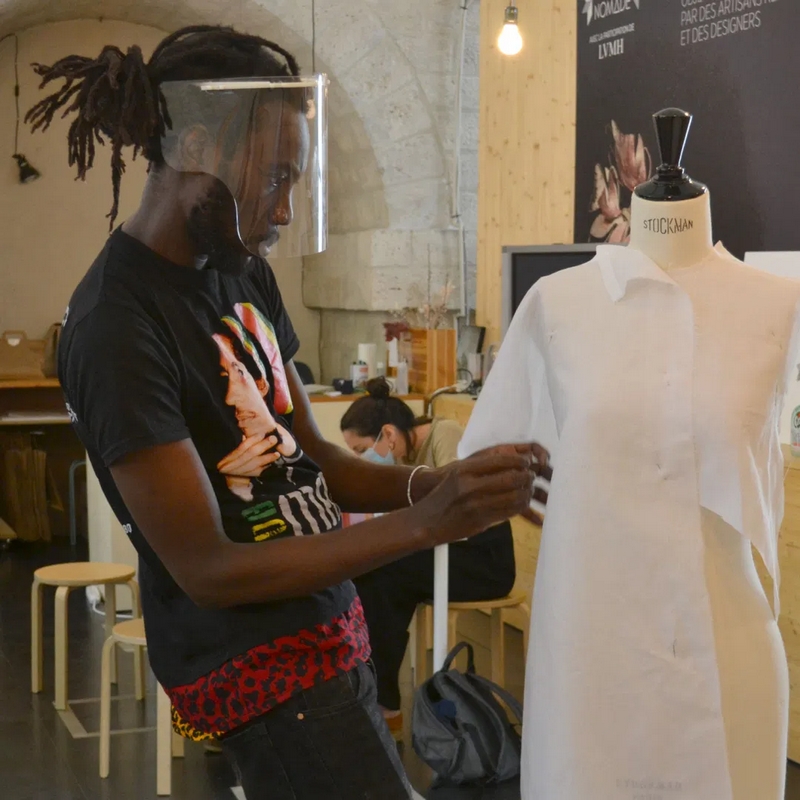
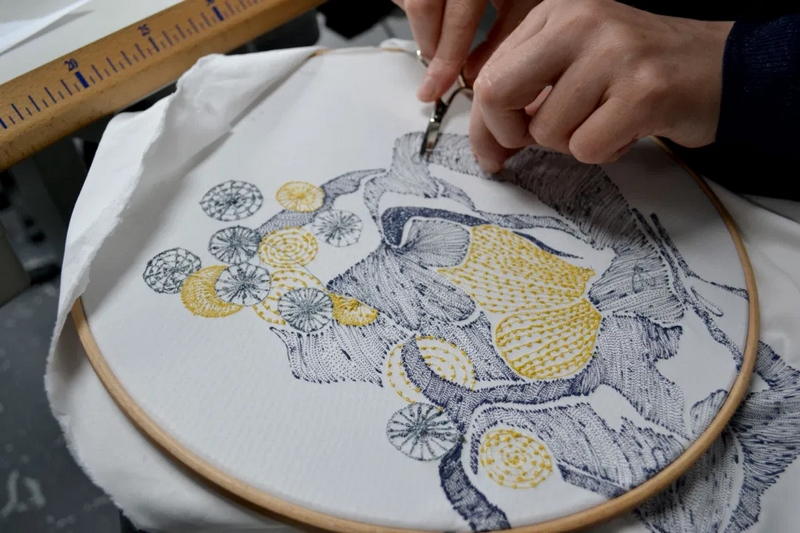
photography @La Fabrique NOMADE; / @lafabriquenomade.com

Chaumet and Patou luxury brands, for example, have taken on artisans as interns this year, while Dior hired a couturière at its workshop last year.

The collection “Le Renouveau” is available from La Fabrique NOMADE’s e-shop as well as its store at the Viaduc des
Arts, 1 bis avenue Daumesnil in the 12th arrondissement of Paris.

“I am delighted that our Maisons have welcomed these artisans to visit their workshops and encouraged their contribution to joint projects. Sharing experience is a two-way process that’s extremely enriching for everyone involved. This partnership has also brought talented people together and resulted in very concrete achievements in terms of professional integration.” – LVMH’s Antoine Arnault.
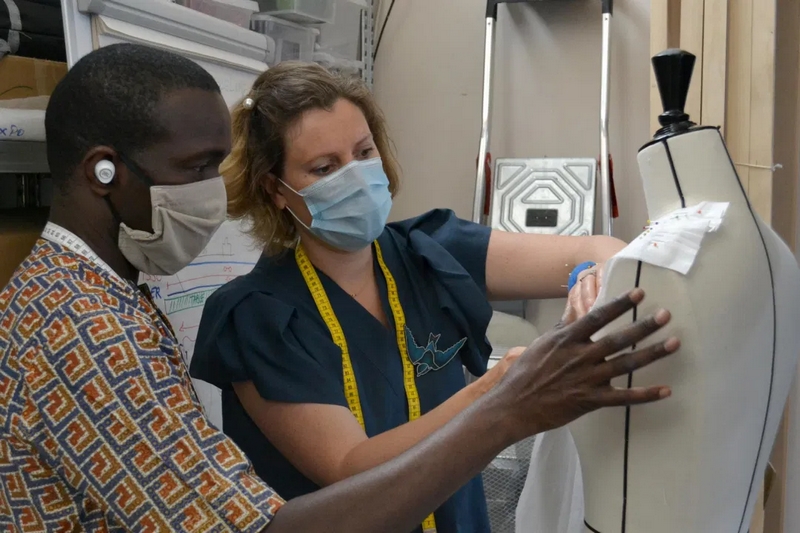
 

@La Fabrique NOMADE; / @lafabriquenomade.com
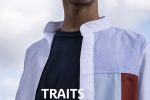
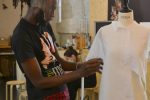
La Fabrique NOMADE – Collaboration between Macoumba Tall, Senegalese designer and Kaisa kinnunen, stylist; @La Fabrique NOMADE; / @lafabriquenomade.com
@La Fabrique NOMADE; / @lafabriquenomade.com
Collaboration between Ismaila Ibrahim Awal, Ivorian jeweler and Clemence Valade, designer; @La Fabrique NOMADE; / @lafabriquenomade.com/
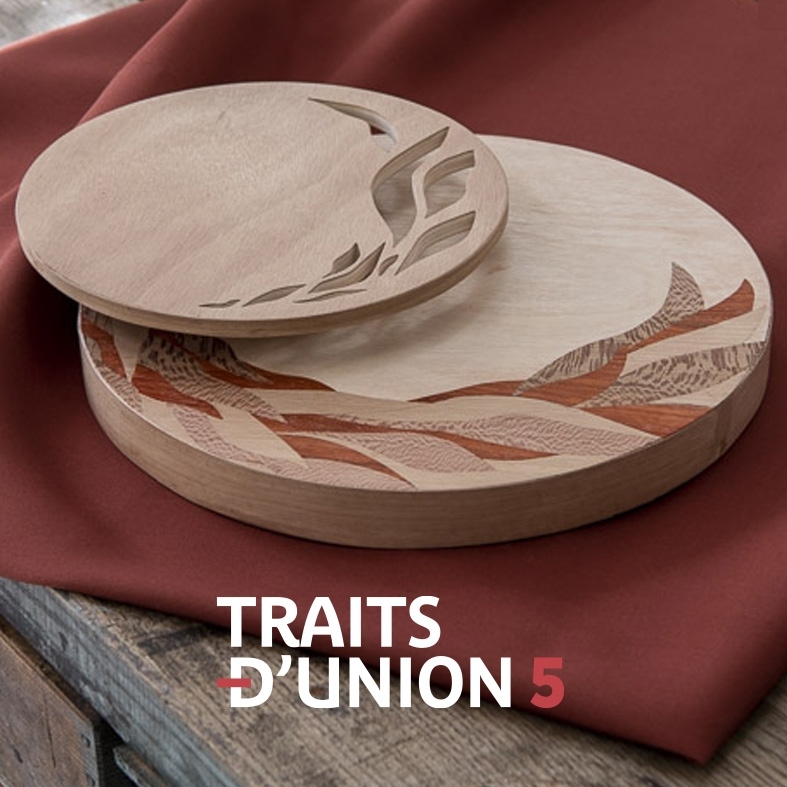
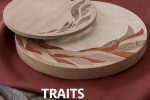
Collaboration between Samira Mokarrami, singing and marquetry, Iran and Rémi Nguyen, designer; @La Fabrique NOMADE; / @lafabriquenomade.com/
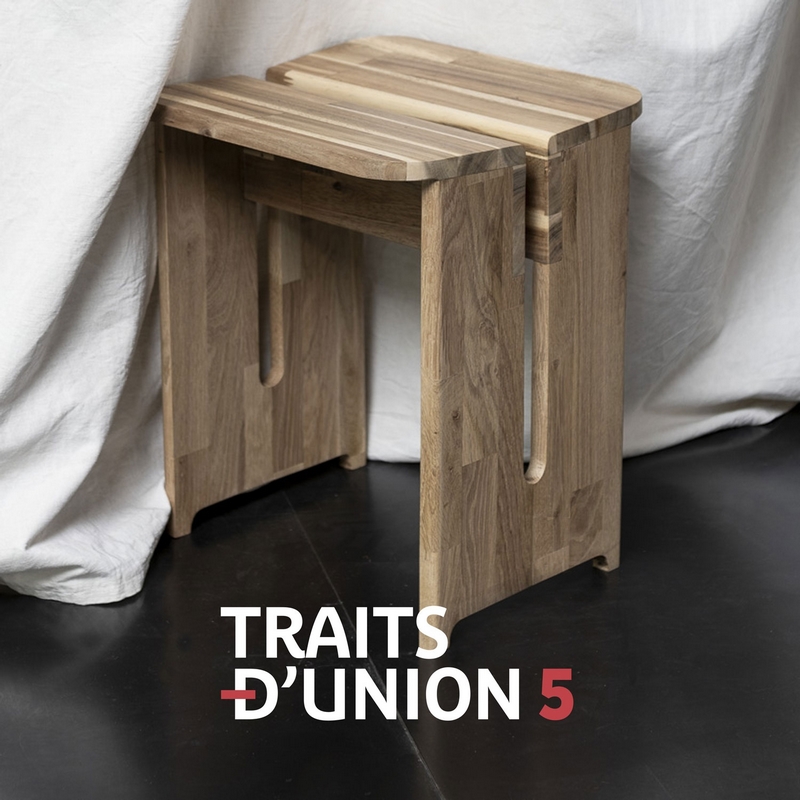
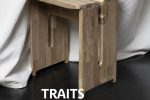
Collaboration between Yaya Sangare, Ivorian carpenter and Alba Diaz Strum, designer; @La Fabrique NOMADE; / @lafabriquenomade.com/

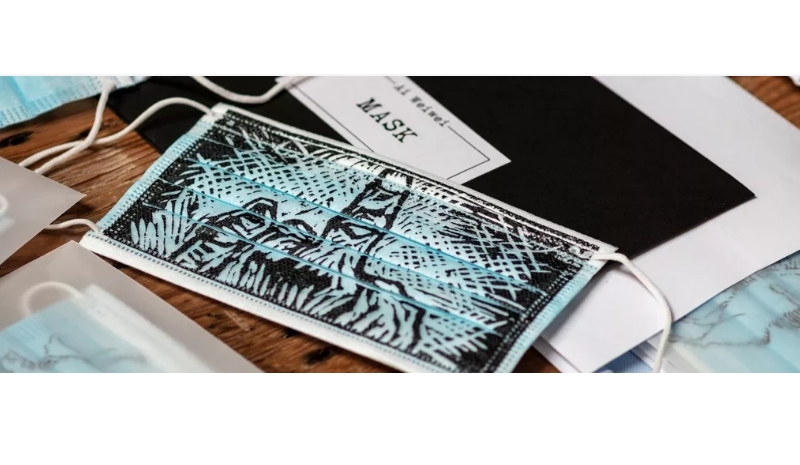
Ai Weiwei creates 10,000 masks in aid of coronavirus charities

Humanitarian groups to receive artist’s eBay income from masks bearing sunflower seeds – or a middle finger

Coronavirus – latest updates

Experience Ai Weiwei’s first virtual reality artwork, Omni

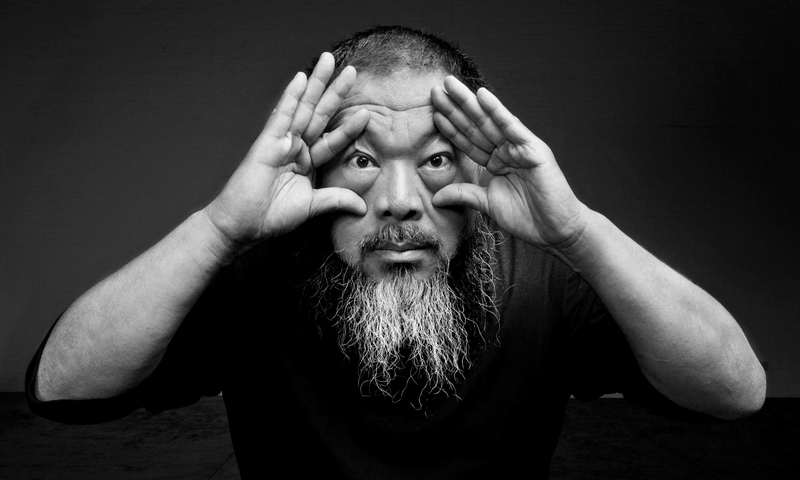
Ai Weiwei. Photograph: Gao Yuan. Ai Weiwei Studio

Powered by Guardian.co.ukThis article titled “Experience Ai Weiwei’s first virtual reality artwork, Omni” was written by Alex Needham and Simon Hattenstone, for theguardian.com on Tuesday 21st January 2020 13.30 UTC

Ai Weiwei’s first virtual reality video, which you can see here, is called Omni. It fuses together two films the artist has made focusing on the migrant crisis, immersing viewers in the upheaval of displacement and exile for both animals and humans.

The first part of Omni focuses on the elephants of Myanmar. Once, they worked with their trainers, mahouts, dragging logs from the jungle. Now the government has placed severe restrictions on their jobs and the animals are redundant. Lost and confused by the destruction of their natural environment, the elephants attempt to return to the wild, sometimes coming across the refugees whose camps have been erected on their long-lost migratory routes.

“I relate to the elephants,” Ai says. “There are lot of small ones who have lost their parents. Elephants are like humans. Without parents they cannot survive. They have to stay with them until they are seven years old.”

The second part of Omni drops the viewer into the centre of a migrant camp known as Cox’s Bazaar, in Bangladesh just over the border from the refugees’ home in Myanmar’s Rakhine state, where they have fled persecution, ethnic cleansing and a military crackdown. The work provides a migrants’-eye view of daily activities, such as queuing for supplies, and takes the viewer through the camp, from its tents to its markets and playgrounds.

As well as the harshness of life in the camp, it shows solidarity, sharing and teaching. “I feel a lot of positive things about humanity even in the worst conditions,” Ai said. “I don’t want to show that there is just sadness. Happiness and sadness always coexist. That’s a reason to protect that happiness.”

  • Omni was produced with Acute Art, who work with artists to make virtual and augmented reality videos. On 30 January, Ai Weiwei will show the project to an audience at a Guardian event at Conway Hall, London.
  • Viewers on mobile should have the YouTube app already pre-installed. You must click on the title in the embedded video, and will then be taken to the video in-app where you can actually experience the video in 360 degrees.

guardian.co.uk © Guardian News & Media Limited 2010

Published via the Guardian News Feed plugin for WordPress.

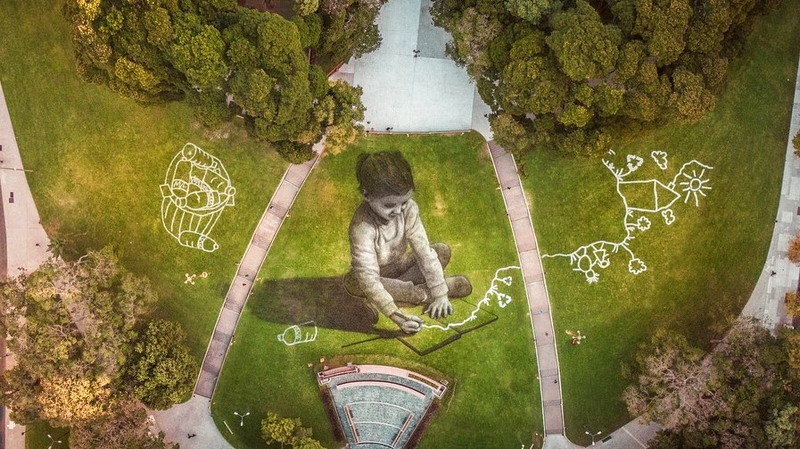
Saype’s grassy graffiti: meet the street-art sensation who sprays mountains

The French artist’s giant biodegradable artworks adorn fields, are best seen by drones and last only days. Now, Guardian readers can get their hands on them