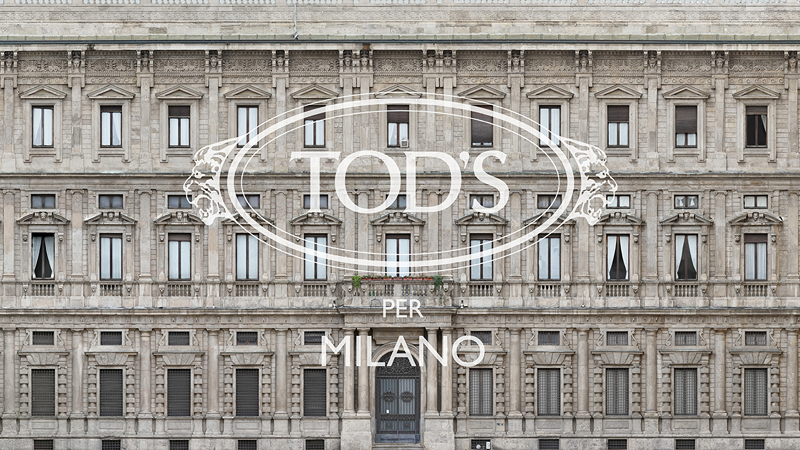
There is a specific kind of magic that happens when Italian industrial titans decide to play guardian angel to history. This week, the scaffolding finally came down in the heart of Milan, revealing a Palazzo Marino that looks less like a dusty administrative seat and more like the architectural marvel Galeazzo Alessi intended back in the 1500s. If you’ve walked past Piazza della Scala recently, you’ve likely seen the work in progress. Now, thanks to the Tod’s Group, the city has its “home” back—and it is absolutely glowing.
Restoration at this level is essentially high-end dermatology for buildings.
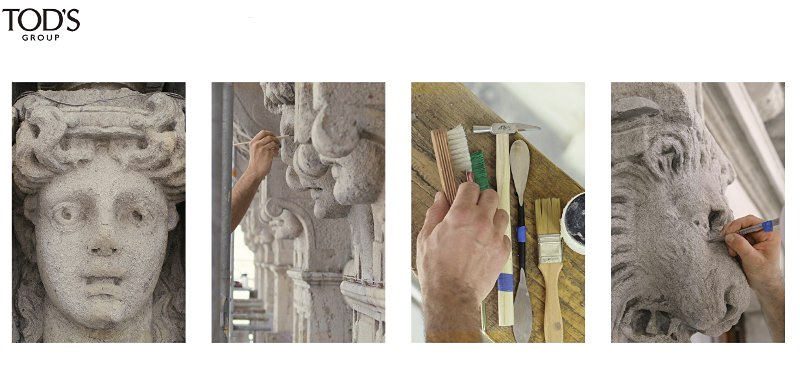
Over 16 months, experts treated 7,500 square meters of interior and exterior façades. We aren’t just talking about a quick power wash here; this was a meticulous process of removing centuries of Milanese smog and those stubborn “black crusts” that eat away at history. The team used some seriously high-tech science, involving nano-lime and ammonium phosphate to strengthen the porous stone without damaging its soul. They even stuck to eco-conscious, lime-based mortars, proving you can preserve the past without compromising the future.
Chairman Diego Della Valle isn’t just writing checks for the PR.
He has been a vocal advocate for “civic engagement,” often reminding his peers that companies have a social debt to the country that birthed them. As he put it during the unveiling, it was about returning a symbol to the citizens exactly on schedule. In the world of Italian bureaucracy, finishing “on schedule” is perhaps the most luxury feature of all. Mayor Giuseppe Sala seemed to agree, noting that the palace is effectively the “home of the Milanese,” and seeing it returned to its former glory is a massive win for the city’s identity.
Of course, Tod’s isn’t the only player in what feels like a Great Italian Restoration Race. Italy’s luxury houses have become the unofficial Ministry of Culture. While a skeptic might call it branded philanthropy, the results are hard to argue with. You have Bulgari keeping Rome’s Spanish Steps and Largo Argentina bright enough to match their diamonds, and Brunello Cucinelli essentially rebuilding the entire medieval hamlet of Solomeo under his “humanistic capitalism” banner. Fendi, meanwhile, famously kept the Trevi Fountain flowing.
While it is wonderful that these landmarks are being saved, there is always a bit of a critical conversation to be had about whether the world’s most beautiful heritage should depend on the quarterly earnings of leather goods companies. But for now, the answer is a pragmatic yes. Without these modern-day patrons, many of these sites would still be hidden under layers of soot and neglect.
Looking at the broader Tod’s Group galaxy, the energy isn’t just going into old stones.
The Map to Modern Luxury
THE CURATED CALENDAR
Discover the world’s most prestigious gatherings & exhibitionsThe entire entity is firing on all cylinders across its digital platforms. At Tod’s, the focus remains on the “Artisans of Italy,” leaning into a look that is sophisticated but carries a more technical, comfortable edge for 2026. Over at Roger Vivier, they are still the undisputed masters of the “jeweled step,” blending Parisian flair with that rock-solid Italian construction.
Hogan has doubled down on the luxury sneaker niche, blending retro-future designs with hyper-light materials, while Fay is seeing a huge resurgence. The iconic four-hook coat has been reimagined for a younger, urban audience that still appreciates a heavy-duty clasp and a garment that actually lasts.
Ultimately, when you invest in a piece from these brands, a tiny fraction of that goes toward ensuring that when you visit Milan or Rome, the history hasn’t crumbled away. The completion of Palazzo Marino is a win for the city, a win for the Della Valle legacy, and a win for anyone who appreciates seeing a masterpiece treated with the respect it deserves.
Welcome back, Palazzo. You look fantastic.