Leaders in innovative technologies shared updates on their advanced air mobility real solutions

EBACE Connect 2021: Advanced Air Mobility Technology is Here Now. During EBACE Connect 2021, leaders in innovative technologies shared updates on advanced air mobility (AAM), electric vertical takeoff and landing (eVTOL) aircraft and electric and hybrid airplanes, while discussing the importance of technology advancements, sustainability, public acceptance and harmonized public policy to the future success of … Read more

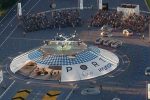
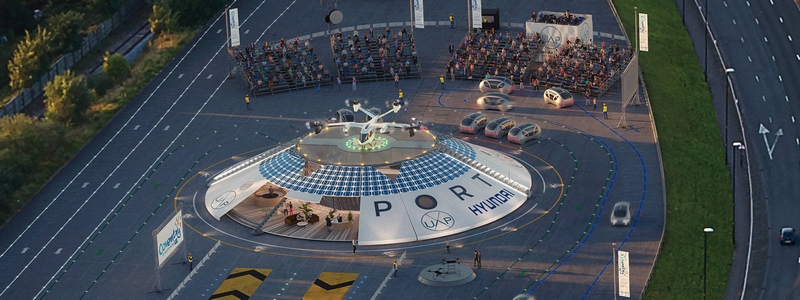
UK is building its first Urban Air Port Air-One, an airport for flying cars


Urban Air Port Air-One eVTOL hub; @hyundai.news

Urban Air Port has the potential to revolutionise cities across the world, making them more connected, cleaner and accelerating our green economic recovery.

Urban Air Port Air-One is an innovative hub for future electric Vertical Take-Off and Landing (eVTOL) aircraft – such as air taxis and autonomous delivery drones – that will transport people and cargo across cities in the coming years.

The aviation company plans to install more than 200 zero emission sites worldwide over the next five years in response to global demand.

NASA predicts that urban-air mobility in the US alone could be worth up to $500 billion USD (£375 billion) in the near-term and states that a significant barrier to market growth is the lack of infrastructure, an issue which Urban Air Port was established to resolve.

The Urban Air Mobility Division of Hyundai Motor Group has chosen Urban Air Port as its priority infrastructure partner to support the global growth of this new sector. The South Korean company plans to create its own eVTOL aircraft and support the broader urban air mobility eco-system. Hyundai Motor Group is supporting the development of Air-One® as part of its plan to commercialise its aircraft by 2028.

The eVTOL hub provides an integrated approach to the decarbonisation of cities. It is designed to support any eVTOL aircraft and
complements other modes of sustainable transport as a hub for electric vehicles, buses or scooters. The design enables Urban Air Ports to be easily moved to alternative sites, as the air-mobility sector develops. This design also means the sites are ideal for disaster emergency management. Urban Air Ports can rapidly deploy drones and other eVTOL to collect and transport emergency supplies, equipment and people where needed.
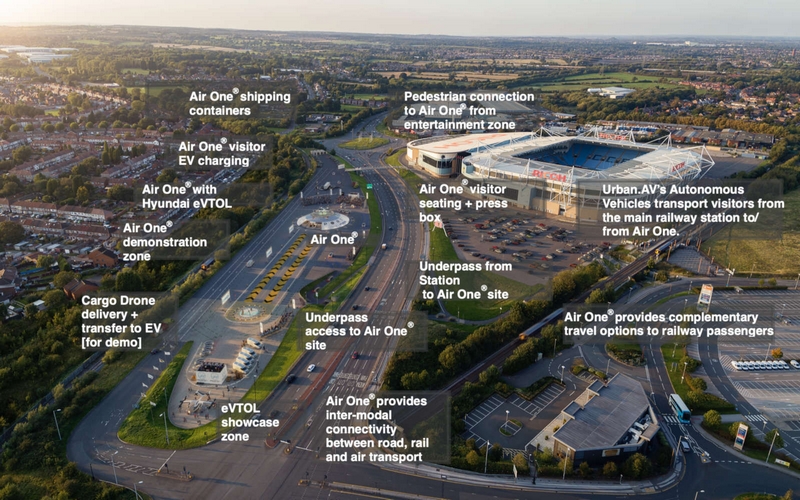
Urban Air Port Air-One eVTOL hub; @hyundai.news

The physical footprint of an Urban Air Port is 60% smaller than a traditional heliport (the most comparable existing infrastructure). Using innovative construction, the sites can be installed in a matter of days, emit net zero carbon emissions and can be operated completely off-grid, meaning they do not always have to rely on a suitable grid connection.

“Cars need roads. Trains need rails. Planes need airports. eVTOLs will need Urban Air Ports. Over a hundred years ago, the world’s first commercial flight took off, creating the modern connected world. Urban Air Port will improve connectivity across our cities, boost productivity and help the UK to take the lead in a whole new clean global economy. Flying cars used to be a futuristic flight of fancy. Air-One will bring clean urban air transport to the masses and unleash a new airborne world of zero emission mobility.” – Ricky Sandhu, Founder and Executive Chairman of Urban Air Port.

Urban Air Port chose Coventry for the first site due to its important location in the heart of the UK and because it is a historic hub for the automobile and aerospace industry, with a pool of people and skills that can support the manufacturing industries of the future. The city’s unique location also provides easy access within four hours to most parts of the country. In December 2020, Coventry was named the best UK town for electric cars. Air-One will be unveiled during Coventry’s UK city of culture celebrations in 2021 and continue to form part of the Commonwealth Games in 2022.

Urban Air Port has been awarded a £1.2 million grant from UK Research and Innovation’s Future Flight Challenge. The programme is funded by £125 million from the Industrial Strategy Challenge Fund and is expected to be matched by up to £175 million from industry.
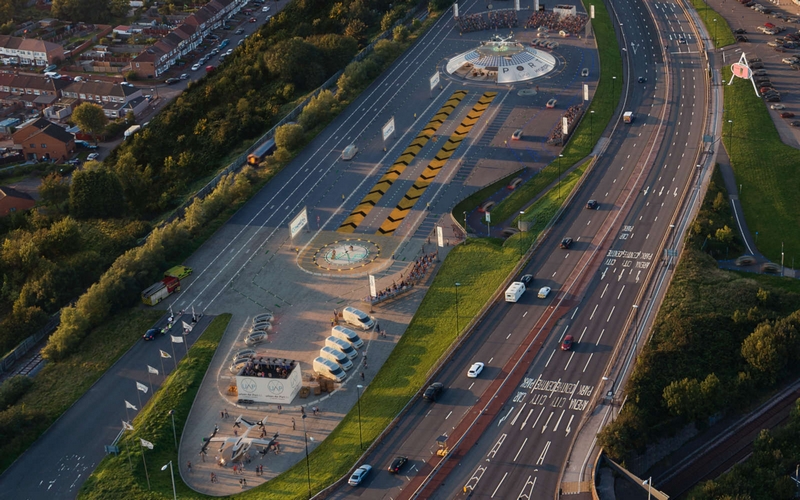
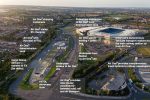
Urban Air Port Air-One eVTOL hub; @hyundai.news

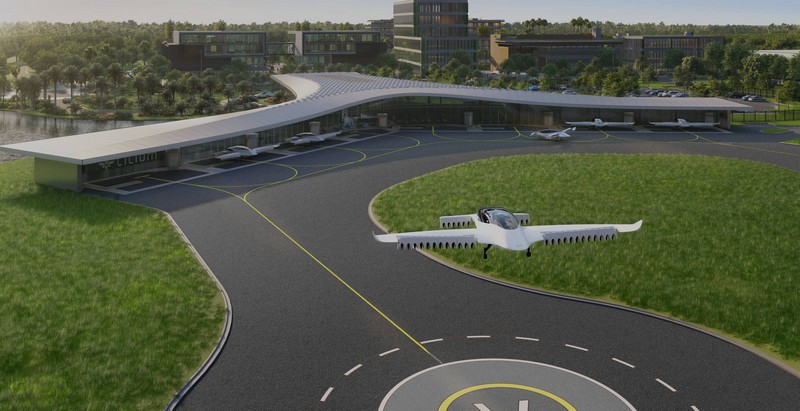
German eVTOL maker Lilium announces first hub for a high-speed electric air mobility network in America

    First US Vertiport to be located at Orlando’s Aerotropolis in Lake Nona. Lilium is building the first stretch of Florida’s high-speed electric transportation network with Central Florida. Advanced air mobility: German eVTOL maker Lilium is building the first vertiport for its electric aircraft as a regional commuter hub. The first hub location for … Read more

Self-flying: Quadcopter drone market player laying solid foundation for urban air mobility


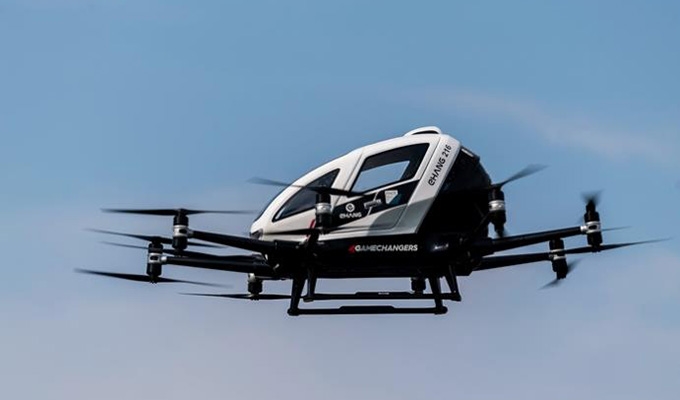
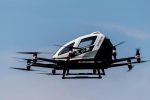
The autonomous passenger aircrafts of the future can contribute to more efficient transport, particularly in urban areas, and the electric models are a great contribution to the green shift. The autonomous Ehang 216 is paving the way for eVTOL air-taxi flights.

@ehang.com

EHang, one of the world’s leading autonomous aerial vehicle (AAV) technology platforms, is laying a solid foundation for
future urban air mobility (UAM) operations.

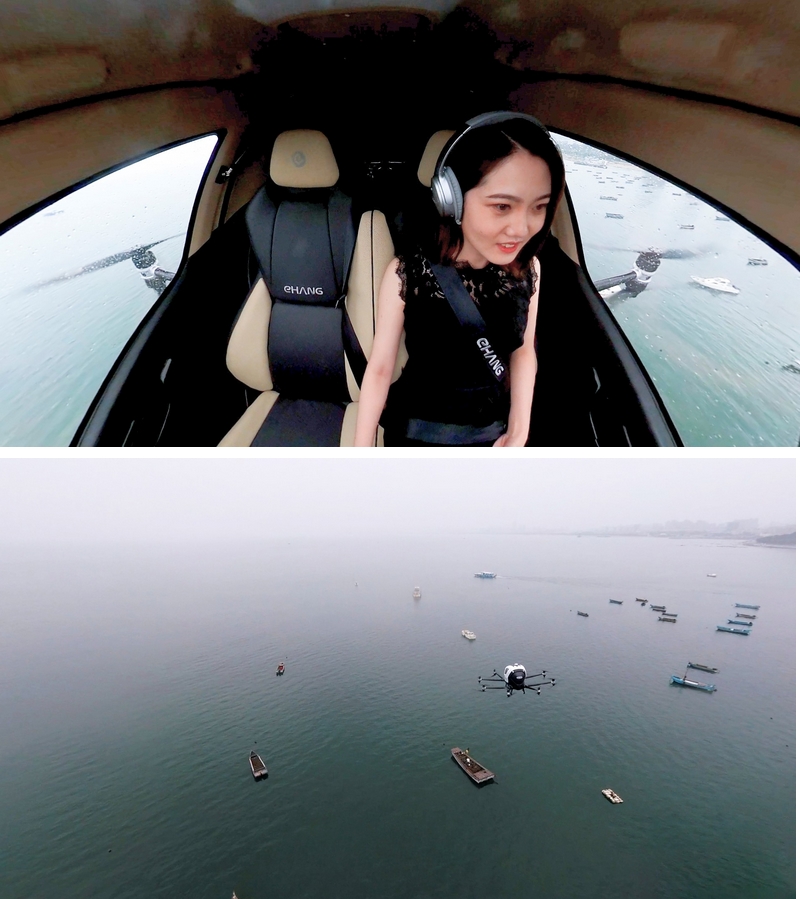
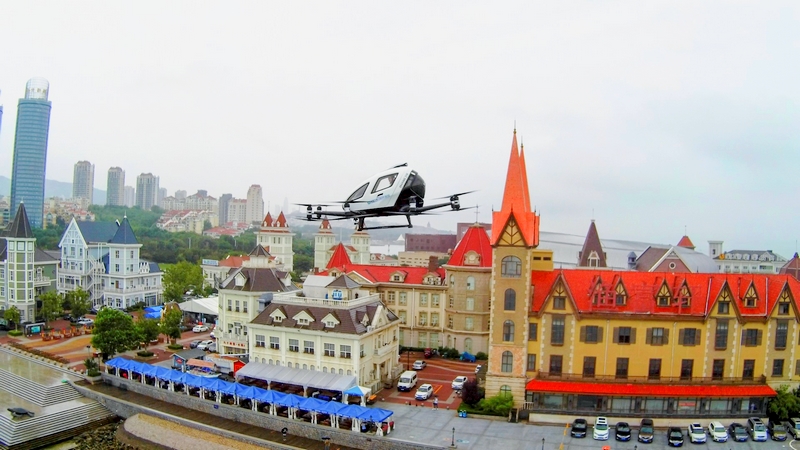
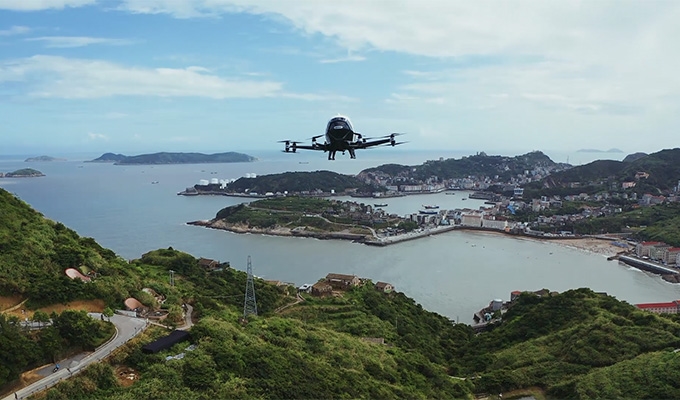
Self-flying EHang 216 Showcases Aerial Sightseeing Trips Over the Sea in East China

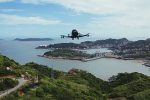
EHang 216 announced aerial sightseeing trial flights in Yantai, a coastal city in East China. An EHang 216 took four passengers to the air for aerial sightseeing trips over the sea around the beautiful Fisherman’s Wharf in Yantai city, one of the many AAAA national tourist attractions locations throughout China.

This trial flight event was part of EHang’s world flight tour, which is aimed to demonstrate the reliability and versatility of its passenger-grade AAVs through safe autonomous flights in various commercial use cases, including passenger transportation, aerial sightseeing, air logistics, medical emergency response, etc. EHang’s passenger-grade AAVs have completed thousands of trial and demo flights in 21 cities and 6 countries, including China, the U.S., Austria, Netherlands, Qatar and UAE.

@ehang.com

Air taxis are expected to help solve traffic problems in cities by using airspace as a “third dimension”. Newly developed, environmentally-friendly electric drives, high-performance batteries with short charging times, minimal space requirements for take-off and landing areas, fast computers and big data create the necessary conditions for tackling urban air mobility concepts within and between cities. In addition to transporting people or goods, autonomous aircraft offer numerous other applications such as flights to transport urgent emergency goods or high-risk operations from the air in the event of environmental catastrophes. The market potential is very promising: According to a study by Roland Berger, there is a demand for air taxis worth EUR 32 billion over the next decade.

EHang’s Founder, Chairman and CEO, Hu Huazhi said, “As the world’s first provider of passenger-grade AAVs, we are honored to prove this game-changing air mobility solution by demonstrating flights to regulators, customers, partners and the general public. The positive supports and feedback have stregthened our determination in our quest to bring this new style of mobility to the people.”

@ehang.com
@ehang.com

Automotive Technology Meets Aerospace Innovation: Mobi-One Tilt-Wing eVTOL

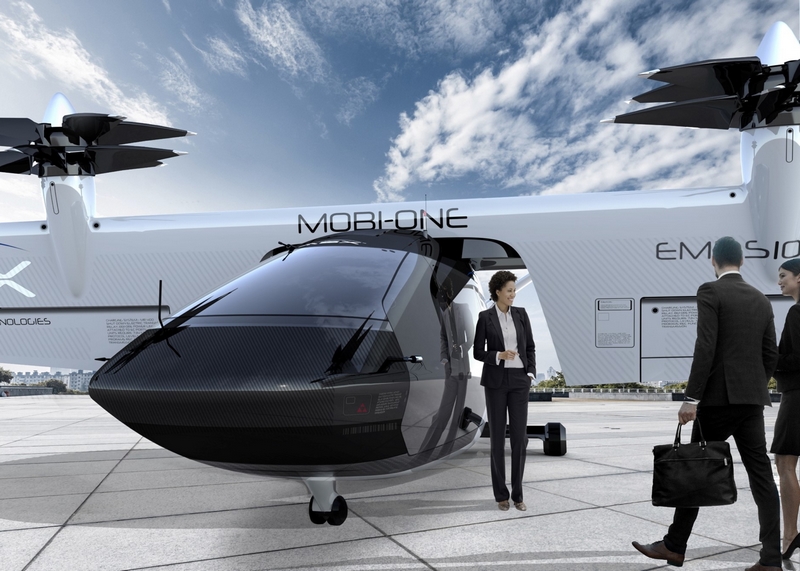
      The latest step towards the commercialization of affordable urban air mobility. Michigan-based Airspace Experience Technologies (ASX), an aviation technology start-up, is re-imagining personal air transportation with MOBi-One – an electric take off and landing, wing-lifted (eVTOL) aircraft. More efficient than a helicopter. Five times faster than driving for the same cost per … Read more

One of the most enduring symbols of futurism – flying vehicles – may soon become reality

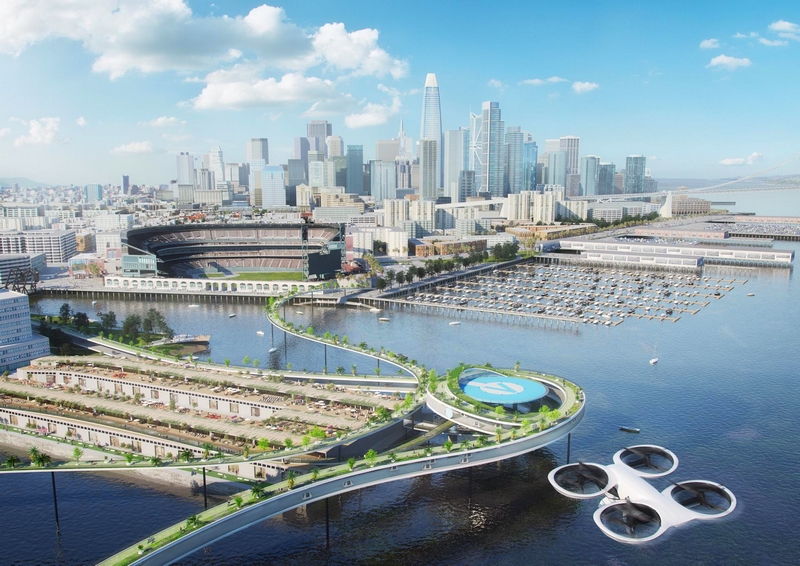
  The research collaboration by MVRDV and Airbus will integrate Air Mobility into urban environments. Thanks to advances in computing, materials, and electric propulsion technology, one of the most enduring symbols of futurism – flying cars – may soon become reality. Netherlands-based architecture and urban design practice MVRDV worked with Airbus, Bauhaus Luftfahrt, ETH Zurich, … Read more