China’s personal luxury market spent 2025 in a state of “recalibration,” which is essentially corporate-speak for everyone collectively deciding to stop panic-buying handbags and start asking if that fifth leather tote is actually worth the price of a small car. According to the latest deep dive from Bain & Company, the market contracted by about 3% to 5%. While that sounds like a bit of a buzzkill, it’s actually a massive improvement over the freefall we saw in 2024. By the second half of the year, things started to look up, mostly because the stock market stopped acting like a rollercoaster and people finally felt brave enough to peek at their bank accounts again.
The big takeaway for 2025 is that the Chinese consumer has officially “grown up.” The era of impulse logo-chasing is being replaced by a much more selective, almost skeptical mindset. Shoppers are now prioritizing “true value”—which doesn’t mean they’re looking for a bargain, but they are looking for quality, exclusivity, and a bit of practicality. Interestingly, people are increasingly choosing “doing” over “having.” Spending on travel and wellness is thriving because, apparently, a week at a luxury spa leaves a better aftertaste than a watch that costs as much as the spa.
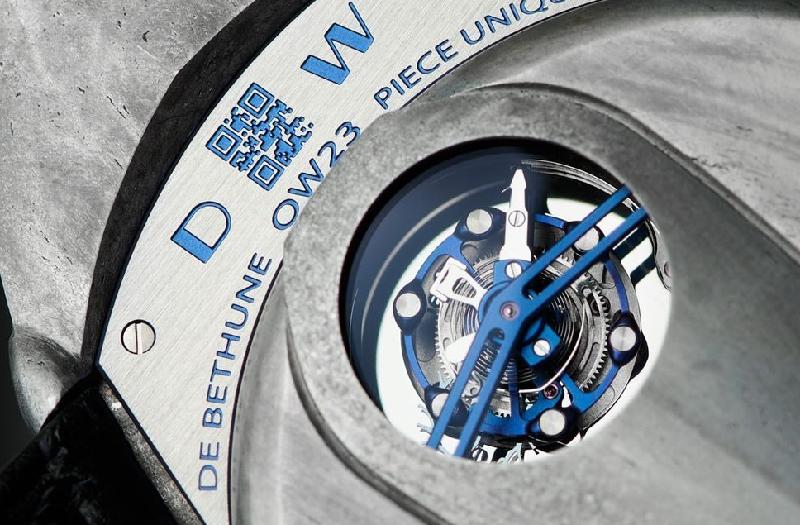
When you look at the categories, the results are as uneven as a DIY haircut. Beauty was the undisputed prom queen of the year, growing by 4% to 7%. It turns out that even when the economy feels shaky, people still want high-end skincare and fancy perfumes to help them forget their troubles. On the flip side, watches took a massive hit, dropping by up to 17%. It seems consumers have realized that their smartphones tell the time just fine, and if they’re going to drop five figures on an “investment,” they’d rather buy gold jewelry or a sporty smart device. Leather goods and fashion also felt the pinch, largely because brands kept hiking prices while the designs stayed… well, a bit familiar. It’s hard to justify a 10% price increase on a bag that looks exactly like the one you bought three years ago.
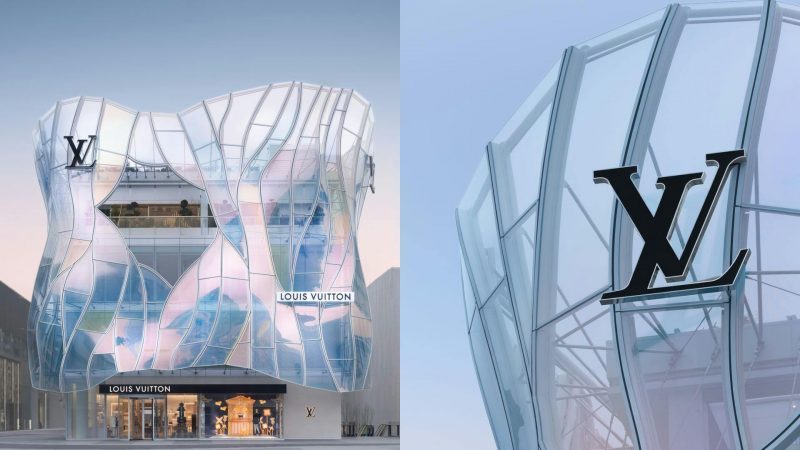
One of the most fascinating shifts is that the “luxury vacation shopper” is becoming a bit of a rare species. About 65% of luxury spending happened right there in mainland China. Between the weak currency and brands finally narrowing the price gaps between Shanghai and Paris, there just wasn’t much of a reason to lug an extra suitcase across the border. Plus, domestic malls have stepped up their game with massive promotions, making “shopping at home” feel like less of a compromise and more of a strategic win.
The Map to Modern Luxury
THE CURATED CALENDAR
Discover the world’s most prestigious gatherings & exhibitionsMeanwhile, the “daigou” gray market—those professional shoppers who buy abroad to resell at home—is finally cooling off. Brands have gotten much better at playing border patrol, tightening their supply chains to make sure their products don’t end up on unofficial platforms. But as one door closes, another opens: the secondhand luxury market is absolutely booming, growing by nearly 20%. Younger, price-conscious buyers are flocking to livestreaming channels to snag pre-owned gems, proving that “pre-loved” is the new “must-have.”
Looking ahead to 2026, the forecast is “modestly sunny with a chance of drama.” Bain expects the market to grow, but it won’t be a tide that lifts all boats. The gap between the winners (brands that actually innovate and respect their customers’ intelligence) and the laggards (brands relying on old logos and new price tags) is going to get wider. Local Chinese brands are also starting to eat the lunch of some global giants by offering designs that actually resonate with local culture. In short, the Chinese luxury market isn’t dying; it’s just getting a lot pickier, and the brands that can’t keep up might find themselves left on the shelf.