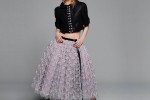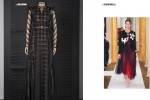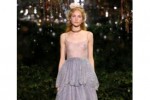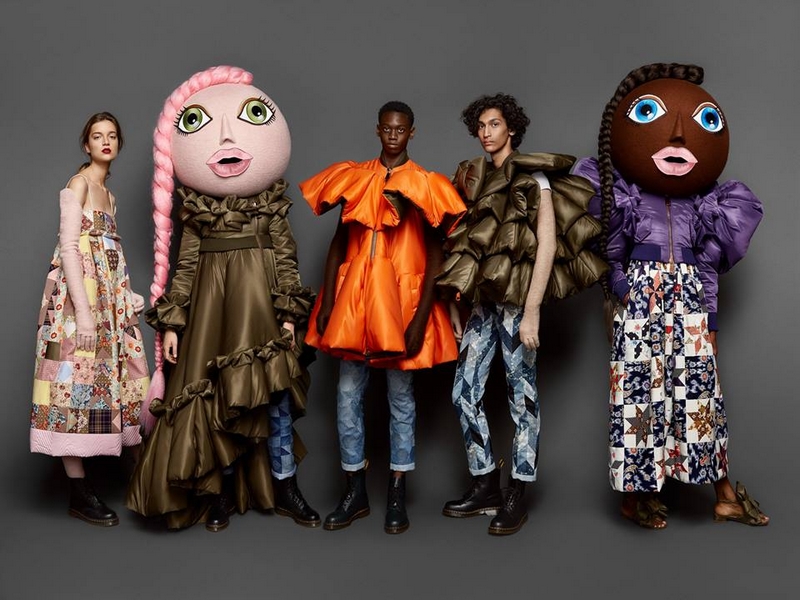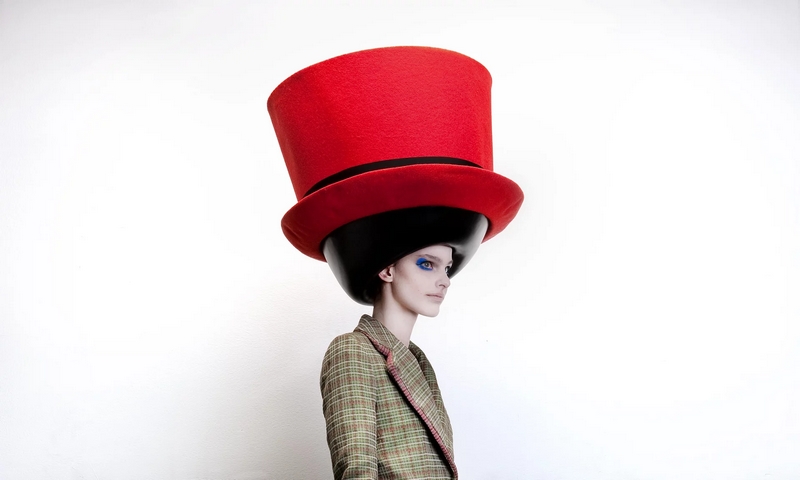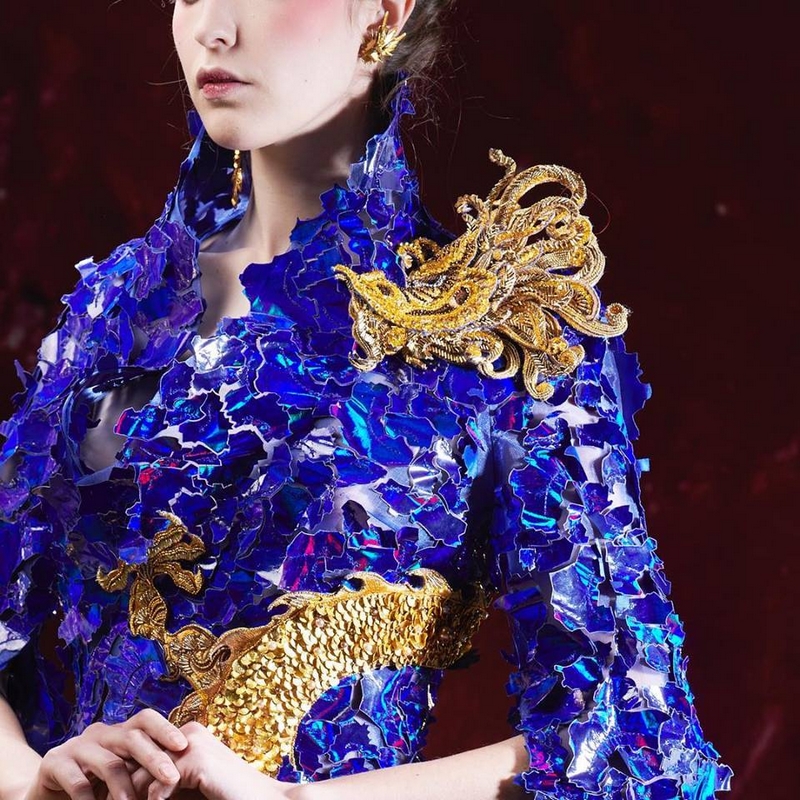
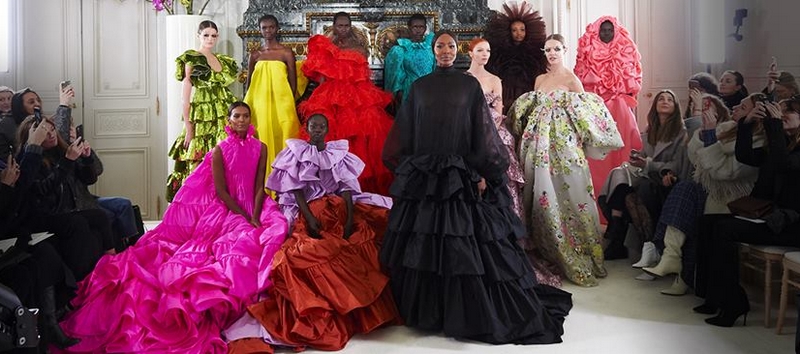
Haute couture captured: a photo essay from the SS19 shows

From Valentino to Viktor & Rolf, Chanel to Dior, the shows in January delivered a dazzling insight into the world of haute couture

Grown-up trousers v fantasy gowns as red carpet showcases change

The two trends together suggest that, for once, the catwalk and reality are in conversation

Haute Dentelle is revealing high-end lace and its use in haute couture today


HAUTE COUTURE AT THE MUSEUM OF LACE AND FASHION

The Cité de la Dentelle et de la Mode in Calais is holding a new exhibition, “Haute Dentelle,” devoted to high-end lace and its use in haute couture today. Haute Dentelle is laid out in the 656 m² temporary exhibition gallery. The exhibition pathway is made up of 14 display cases presenting 65 clothing pieces from the heritage collections of 14 of some of the most prestigious fashion houses on the French and international scene, from CHANEL to VALENTINO and including Ralph & Russo and Viktor & Rolf.

After the success of the exhibitions Hubert de Givenchy, Cristóbal Balenciaga, Anne Valérie Hash and Iris van Herpen, the Museum of Lace and Fashion in Calais, dedicated to hand-made and mechanical lace, presents the “Haute Dentelle” (Designer Lace) exhibition.
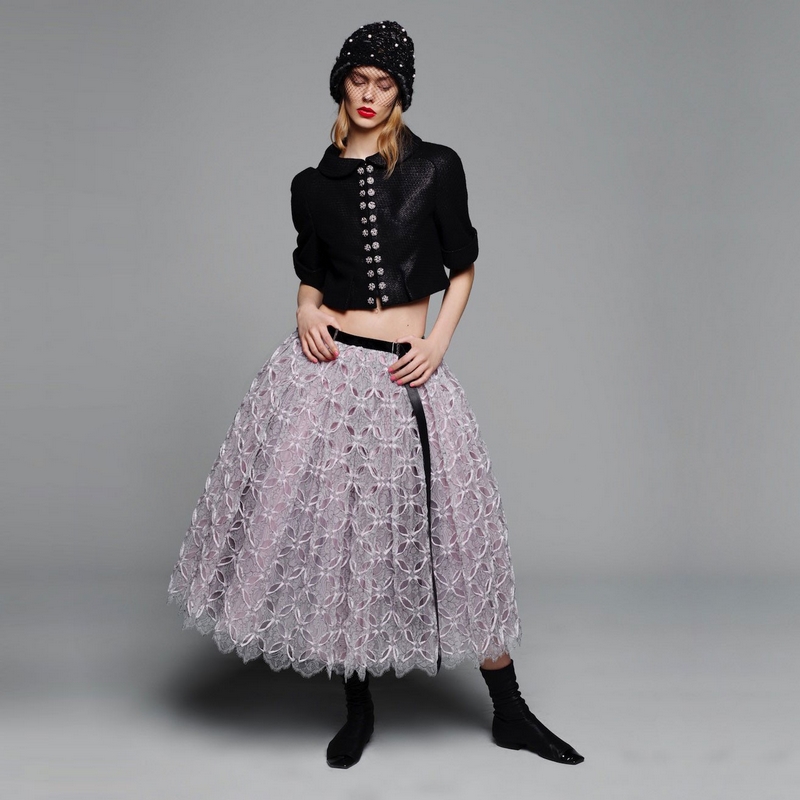
Haute Dentelle Exhibitions
Haute Dentelle Exhibitions; photo: chanel.com; chanel-news.chanel.com/en/home.html

HAUTE COUTURE AND LACE.

“Haute Dentelle” offers a unique insight into the contemporary uses by fashion designers of lace woven on Leavers looms. Implicitly, exhibition curator Sylvie Marot weaves a unique dialogue between lace houses and fashion houses, revealing behind these exchanges powerful creative propositions.
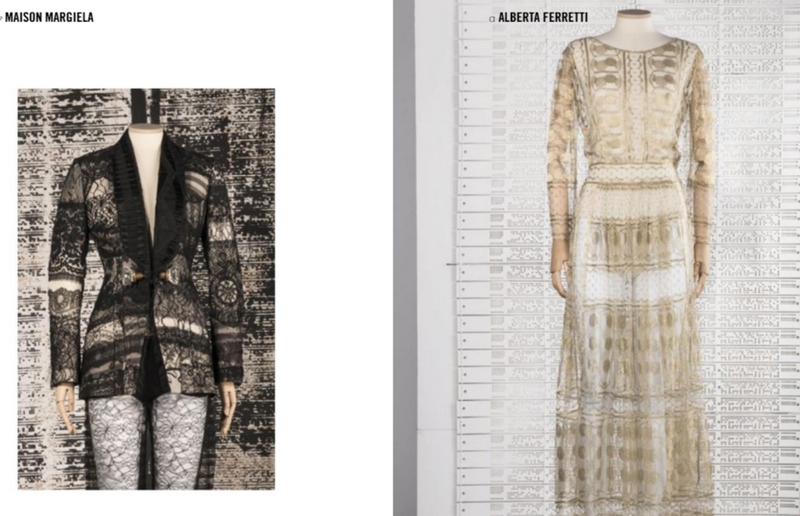
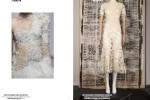
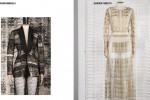
Haute Dentelle Exhibition in Calais - Alberta Ferretti - Maison Martin Margiela
Haute Dentelle Exhibition pieces; photos: www.cite-dentelle.fr/en/

A MATERIAL OF GREAT CREATIVE POTENTIAL.

First inspired by and then liberated from hand-made lace, mechanical laces have been marrying tradition with innovation for 200 years. Synonymous with delicacy, the apparent fragility of the lace is an illusion: its woven texture makes it unravelable. A textile of high technicity, the subject of never-ending design research among
lace-makers, lace has never been so multi-faceted. In infinite shades, textures, finishing techniques and embroideries, it may be transparent or opaque, with floral or abstract patterns, light or three-dimensional… to the point of becoming magnificently unrecognizable.

EXCEPTIONAL PIECES have been selected from thirteen fashion houses: Chanel (11 looks), Christian Dior (1 look), Viktor & Rolf (3 looks), Iris van Herpen (3 looks), Balenciaga (2 looks), Ralph & Russo (3 looks), Maison Margiela (3 looks), Schiaparelli (5 looks), Alberta Ferretti (7 looks), Valentino (6 looks), Louis Vuitton (6 looks),
Yiqing Yin (5 looks), Zuhair Murad (8 looks), and Jean Paul Gaultier (2 looks).

Because of the ultra-contemporary aspect of the lace pieces, all the fashion silhouettes are provided by the fashion houses. The Maison Lemarié has provided samples demonstrating research into textile manipulation. The lace makers have loaned samples of lace, with of without finishing, so as to provide a measure of the richness of this fabric, and also to separate it from the garment.
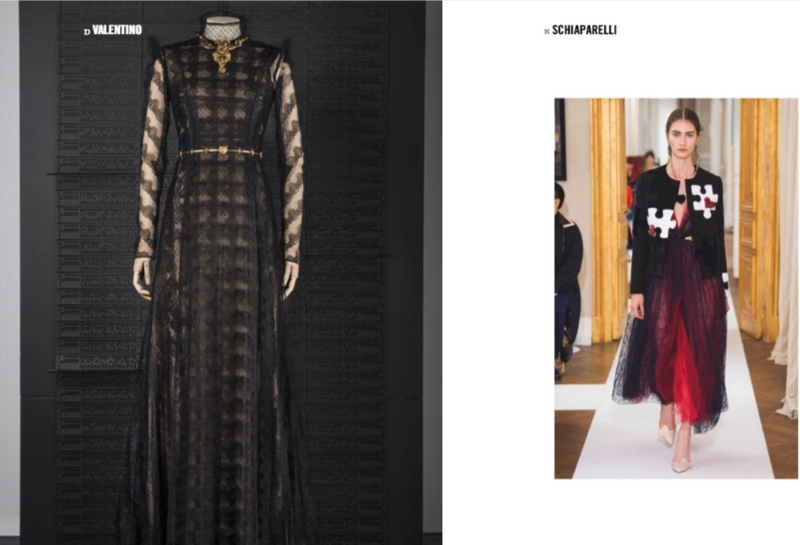
Haute Dentelle Exhibition in Calais - Valentino Schiaparelli
Haute Dentelle Exhibition pieces; photos: www.cite-dentelle.fr/en/

“Haute Dentelle” Exhibition In Figures:

14 display cases are placed along the exhibition pathway;
14 French and International fashion houses (Paris, London, Beirut, Milan, Rome, Amsterdam);
65 silhouettes from the last five years: the oldest dates from summer 2012 and the most recent from summer
2018.;
65 samples of lace;
15 French lace manufacturers today perpetuate the know-how dedicated to the lace woven on Leavers looms.
This lace is intended for haute couture, lingerie and high-end pret-a-porter.
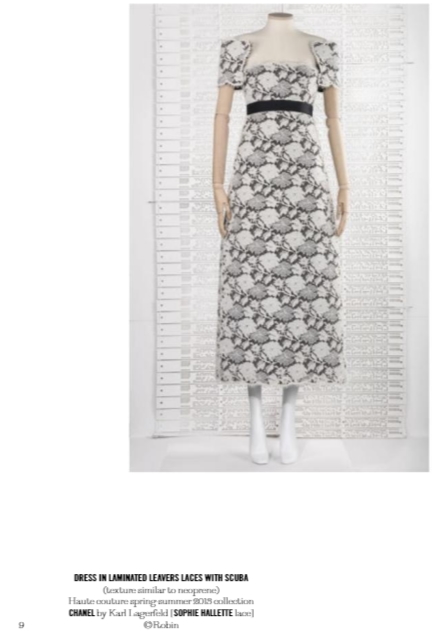
Haute Dentelle Exhibition in Calais - Chanel Dress
Haute Dentelle Exhibition pieces- Chanel Dress; photos: www.cite-dentelle.fr/en/

CHANEL loaned 11 ensembles illustrating the exceptional craftsmanship of the luxury Maison and its Métiers d’art. One of them, an ensemble from the Spring‑Summer 2015 Haute Couture collection photographed by Karl Lagerfeld, was selected for the exhibition poster.

Lace was one of Gabrielle Chanel’s favorite materials for evening gowns. In a 1939 article, Chanel recommends the use of lace, which she saw as “one of the prettiest imitations that’s ever been made of nature’s whimsies. (…) I think tulle and lace have always lent charm, gracefulness and nobility to women’s elegance.” Thanks to Karl Lagerfeld, CHANEL is perpetuating French lace expertise and renewing it through its collections.

“Haute Dentelle” Exhibition;
Cité de la Dentelle et de la Mode, Museum of Lace and Fashion in Calais;
Calais, France;
to January 6, 2019.
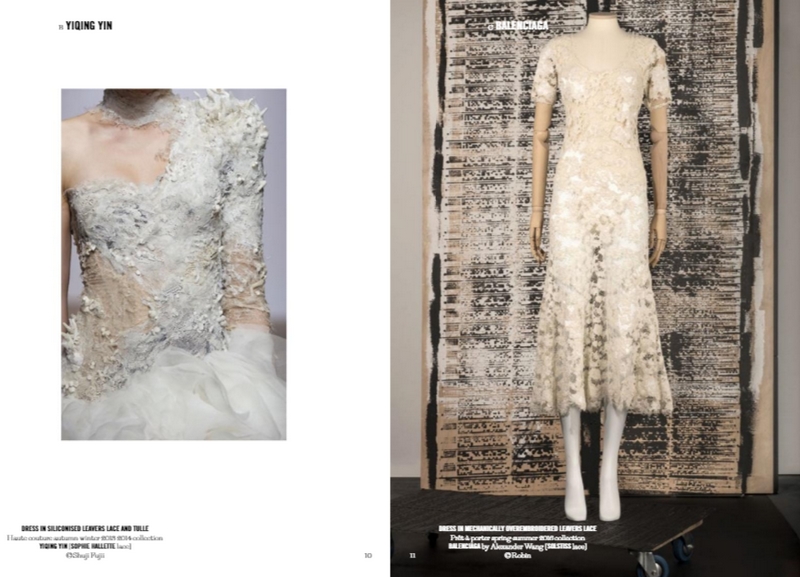
Haute Dentelle Exhibition in Calais - Balenciaga
Haute Dentelle Exhibition pieces; photos: www.cite-dentelle.fr/en/


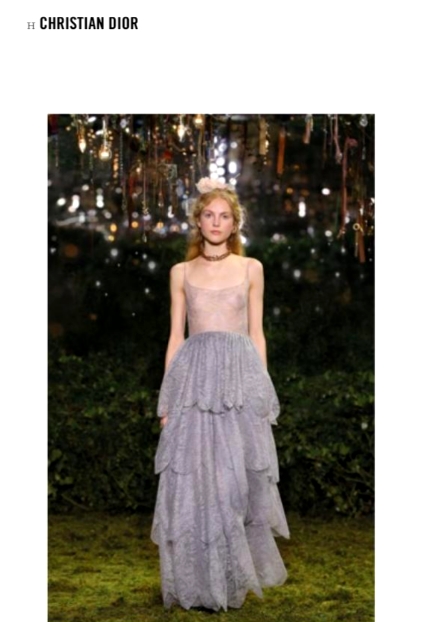
Haute Dentelle Exhibition in Calais - Christian Dior
Haute Dentelle Exhibition pieces Christian Dior Dress; photos: www.cite-dentelle.fr/en/

Viktor & Rolf Haute Couture Fall Winter 2017

When working on their most famous fragrance Flowerbomb, Viktor&Rolf wanted to create something new. They dreamt of a fragrance that had the power to spread a positive message. A profusion of flowers as a weapon to spread the world with beauty and fantasy and to transform the negative into positive. In the couture section Viktor … Read more
Wonder of the vulgar: Barbican exhibition to delve into garish fashion

Autumn show with clothes by Vivienne Westwood and Jean Paul Gaultier will explore renaissance to present day

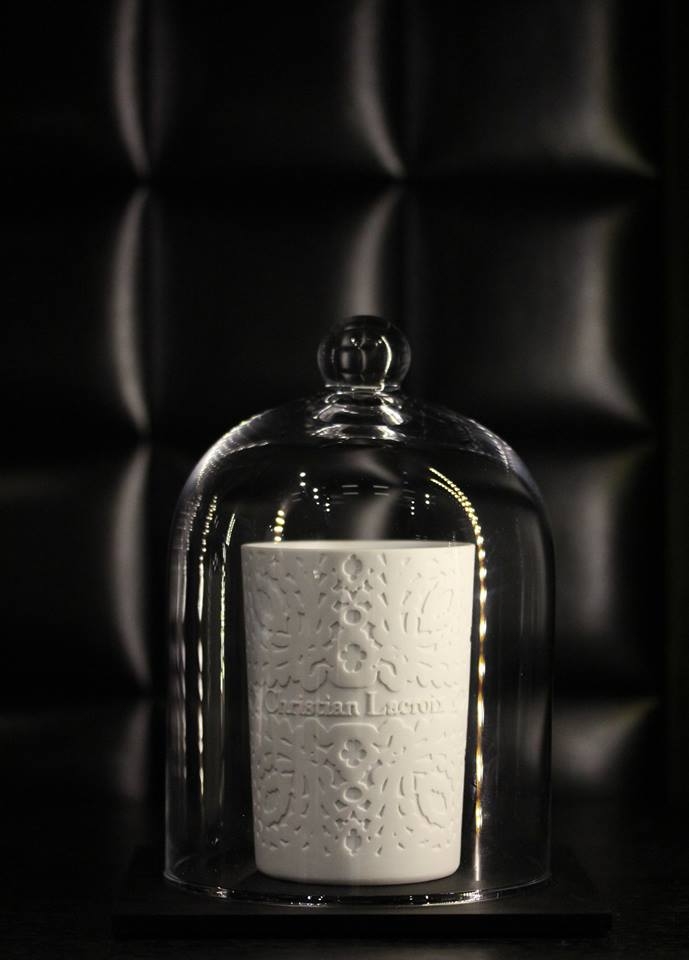
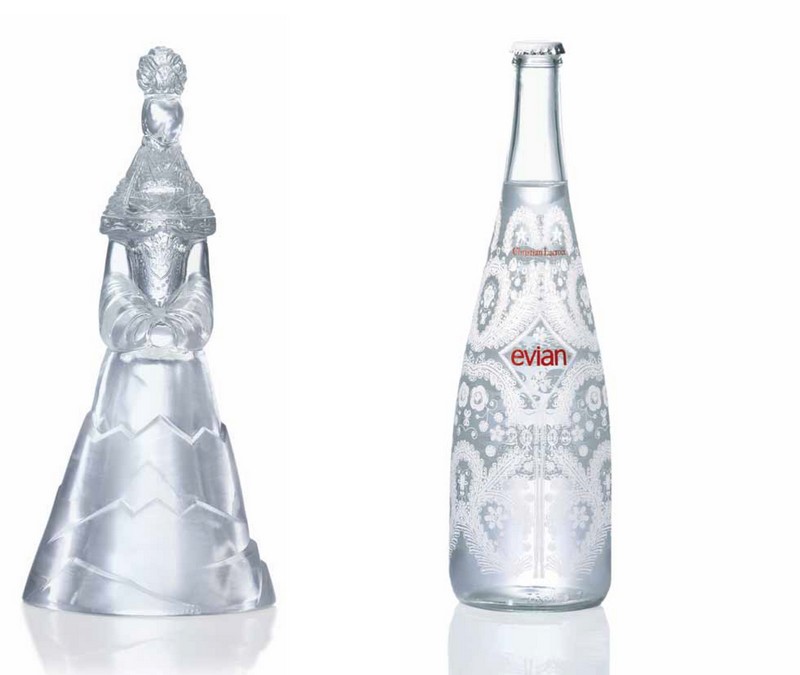
Christian Lacroix – A brilliance of Branding in Unexpected Places

An article and video interview By Philippe Mihailovich.

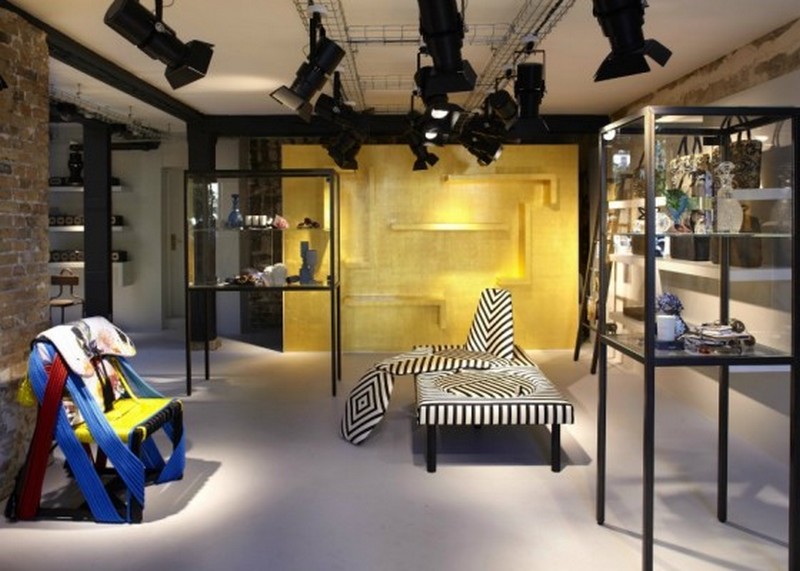
christian lacroix maison and objet 2016

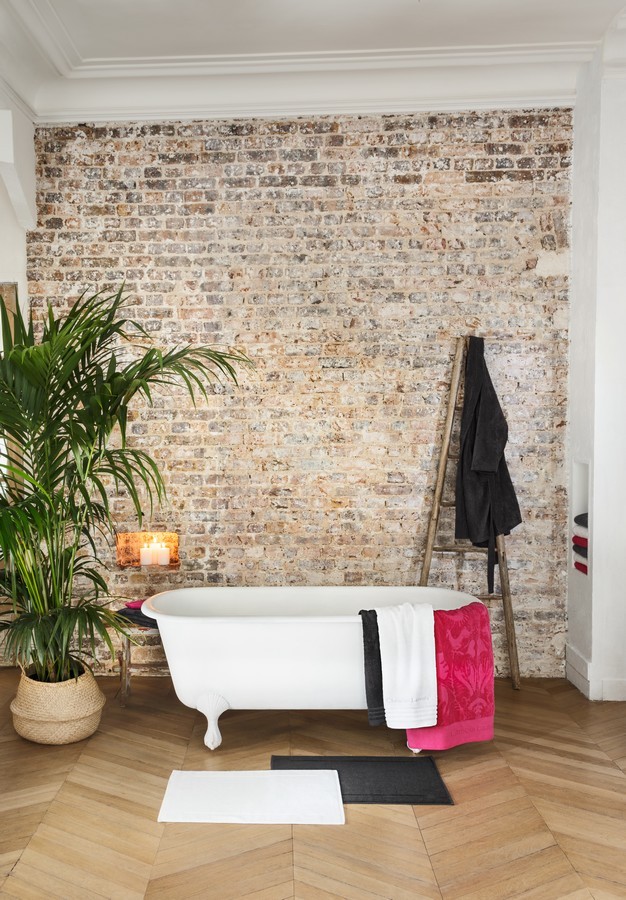
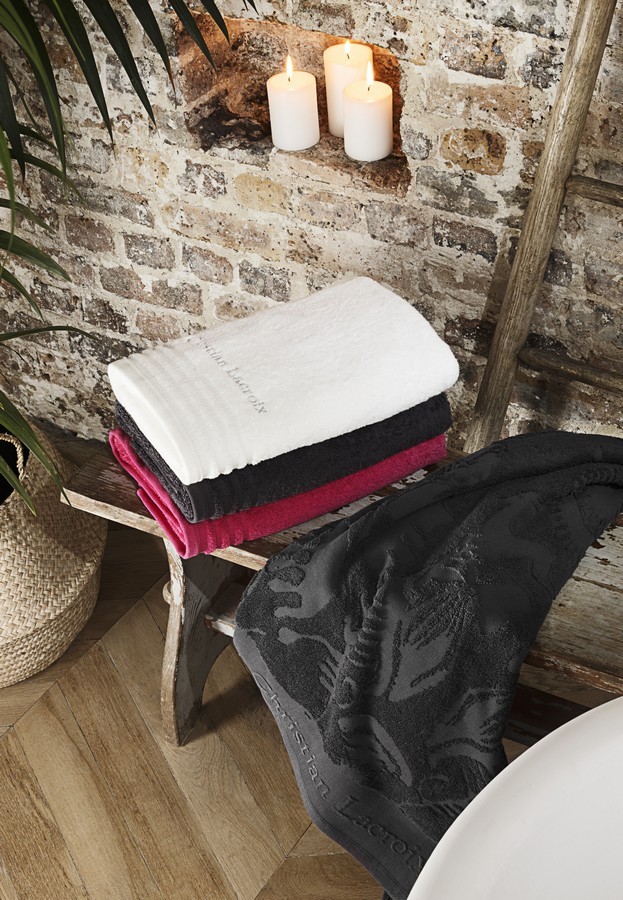
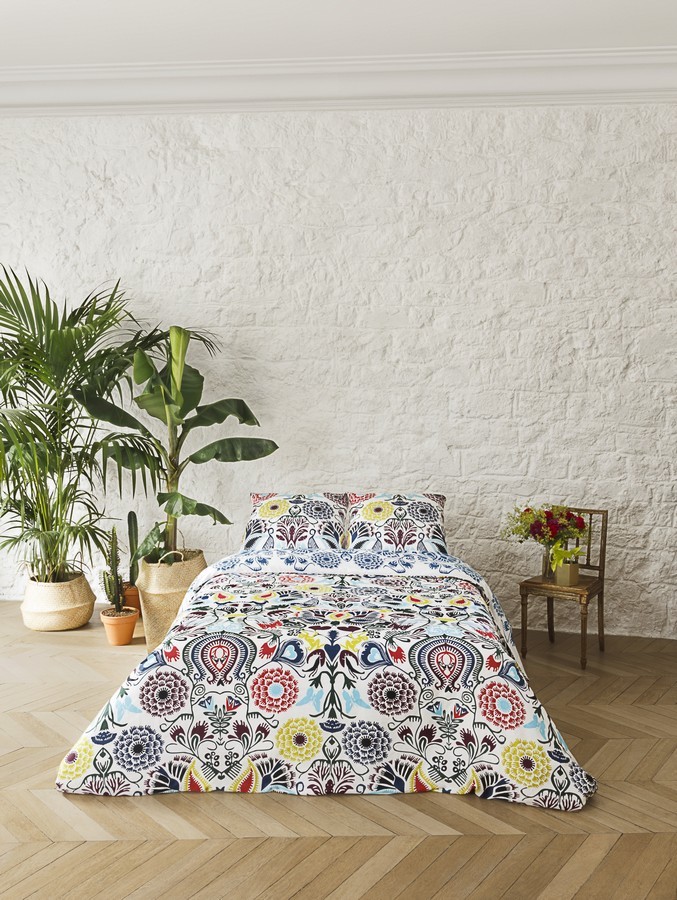
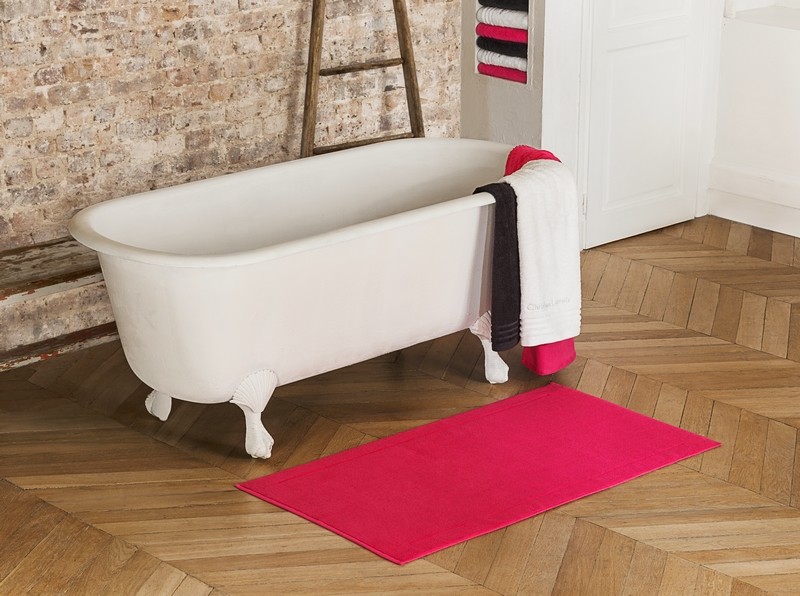
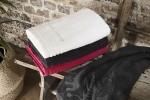
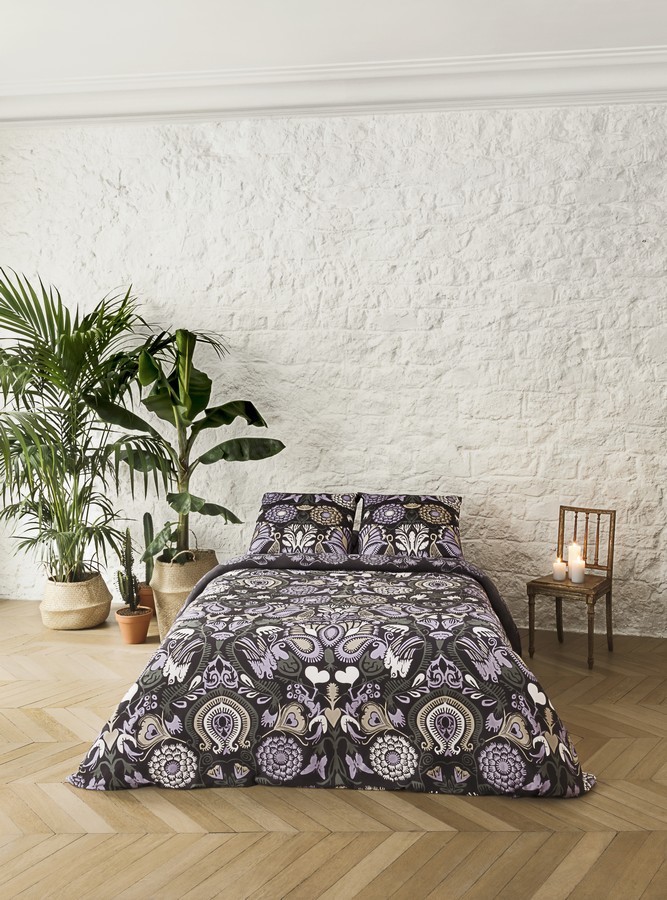
One of the greatest critical success factors for a brand, whether it be a mass market brand or a luxury, is the element of surprise. Of course, we all prefer pleasant surprises to shocks. Apple tends to surprise whilst Benetton chooses to shock. I must admit my own shock when I first came across the Christian Lacroix bedding promotion in a French supermarket chain, Carrefour. “Oh goodness”, I thought, “this brand will end up everywhere just as what happened to Pierre Cardin”. Cardin is often cited as the perfect example of over-licensing, becoming over-exposed and meaningless however one has no doubt that massive amounts of royalties pour into Monsieur Cardin’s bank account daily.

As a young brand manager working in South Africa, I will never forget how generous Monsieur Cardin (née Pietro Cardini) was when we wrote to him to ask if he would be happy to sign off some affordable but elegant walls and doors to attach Hollywood-style in front of the ugly Apartheid government-built ‘matchbox’ houses in Soweto where Pierre Cardin was most respected for his design style and gave instant status. It was not out of greed that he accepted to do so as the royalty offered was minuscule. It was his sincere generosity and wish to offer elegant items at affordable prices. Sadly his brand image has suffered since then.

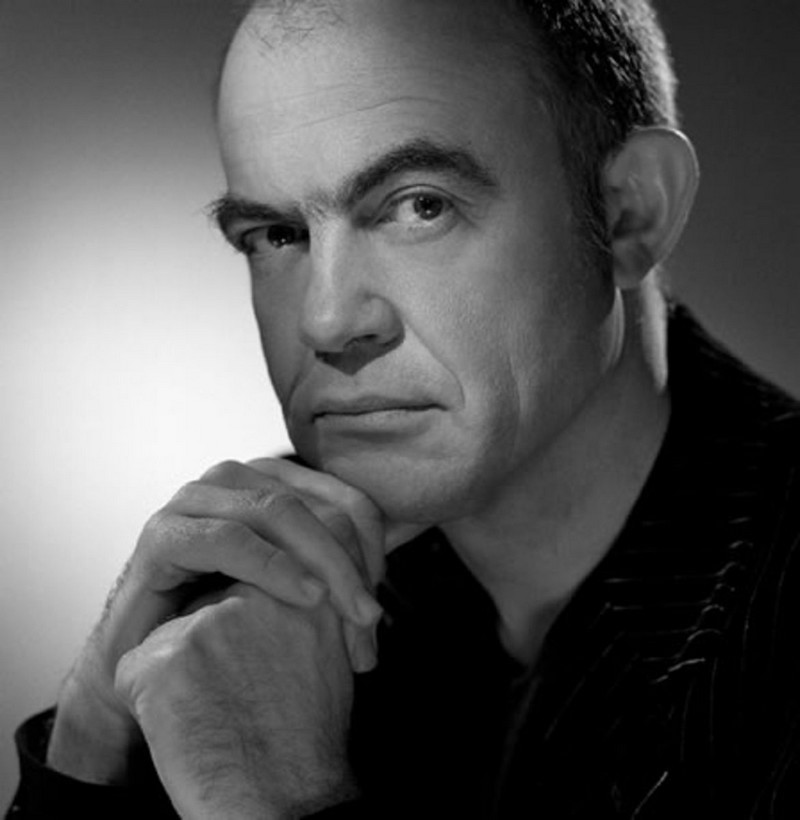
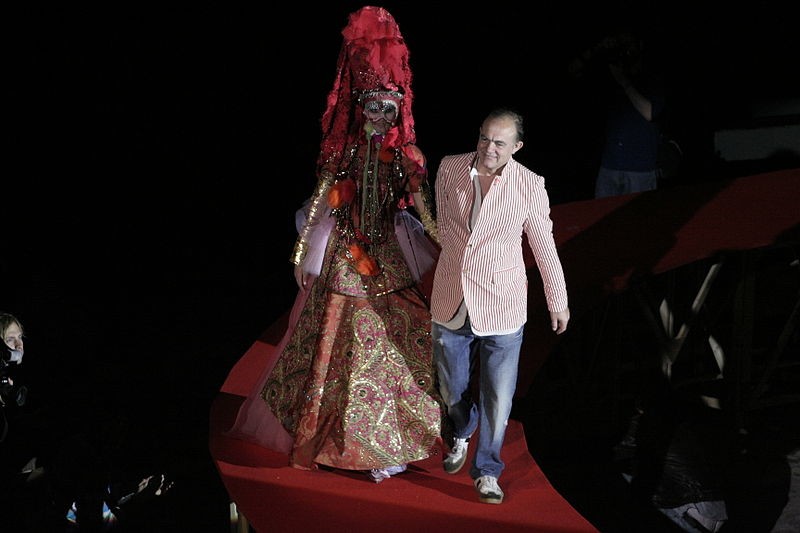
Christian Lacroix Portrait
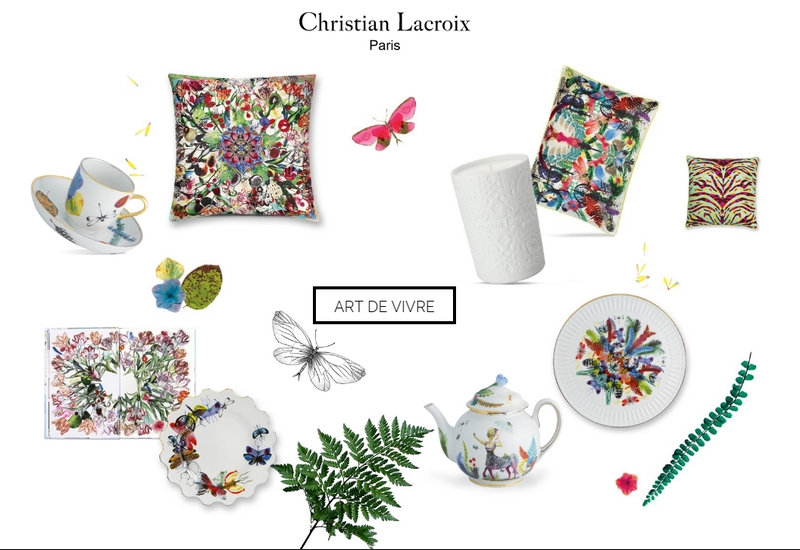
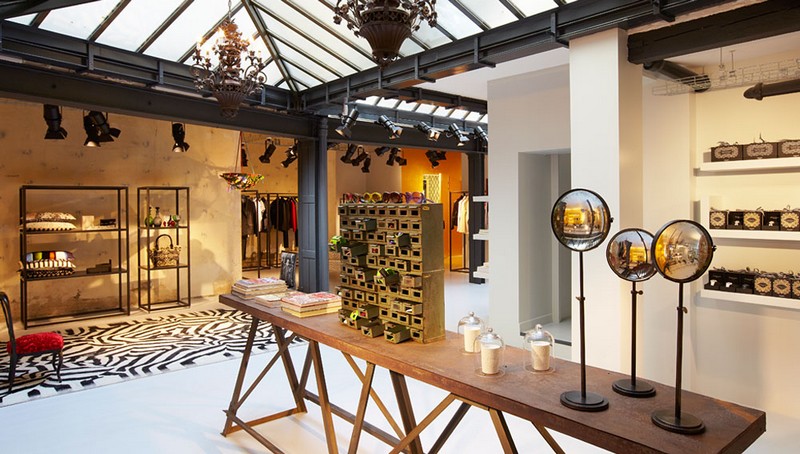
christian lacroix paris art de vivre 2016
Christian Lacroix SS2016 Incroyables et Merveilleuses © Richard Powers - 3_1
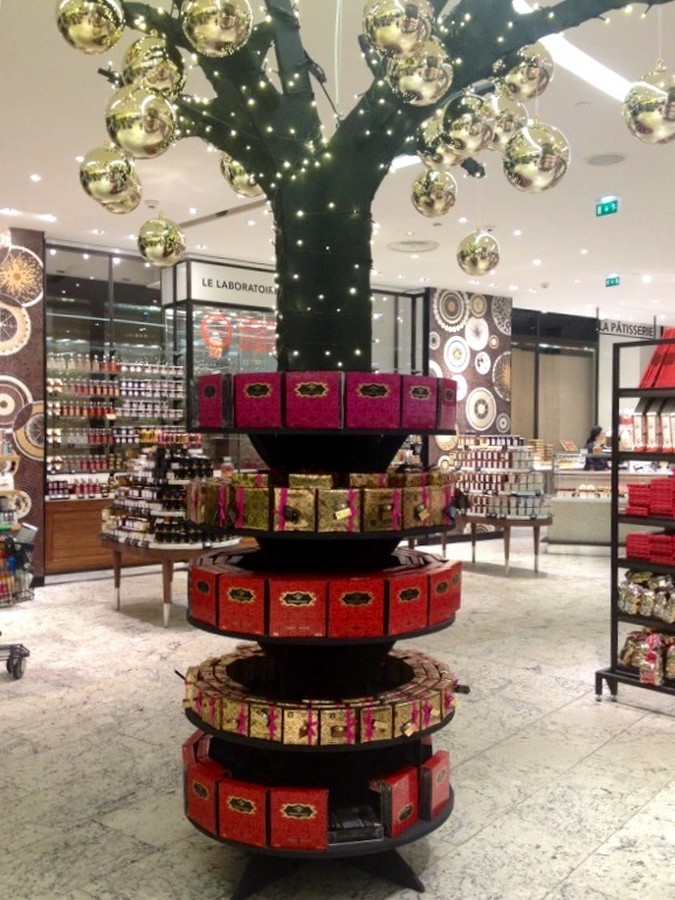
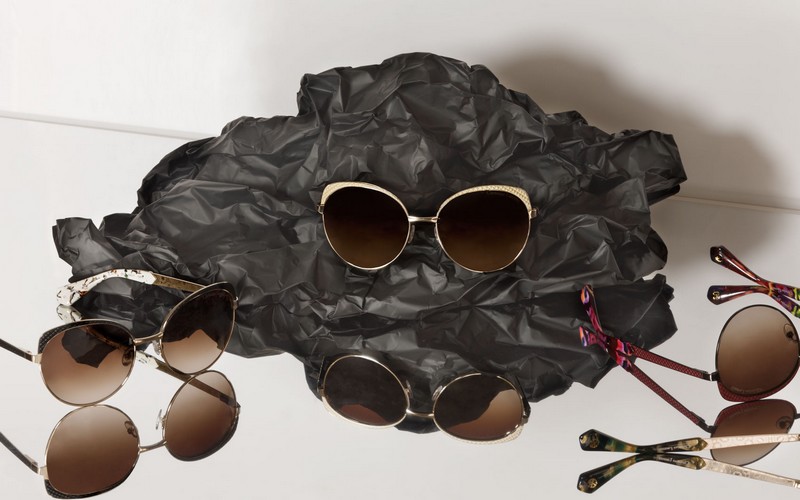
A chance meeting with Christian Lacroix CEO, Nicolas Topiol at the Maison & Object trade fair in late January came as a pleasant surprise (watch the HauteLuxe interview here). At last, I could find out if Christian is truly happier not having to bother with the frenzy of endless fashion collections anymore and if he was having fun conceptualizing and designing costumes for the Ballet de l’Opera, and if it was so underpaid that he was forced to design homeware items for French supermarkets as well.

Lacroix brand presentation_USA_HD-8

christan lacroix -

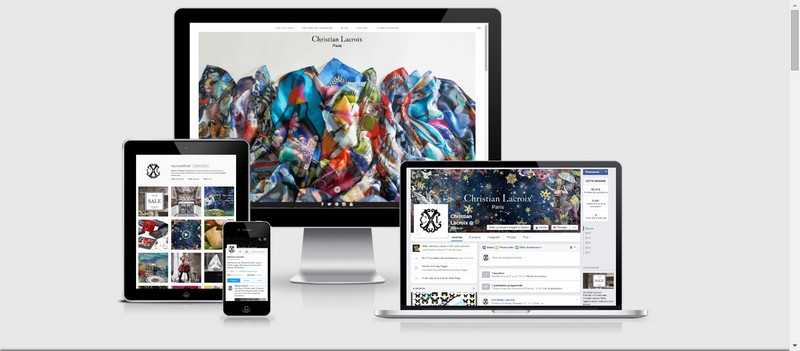
online activities
The greatest surprise was to find how open M.Topiol was to answering any of the questions and how thoughtful and strategic he has been with the house that owns the name, universe and DNA of Christian Lacroix but in fact, its artistic director is Sacha Walckhoff, Lacroix’s ex-studio director who “recently came to the realisation that he has spent longer working with the Christian Lacroix brand longer than Christian Lacroix himself did” (1).

Six years ago, Reuters(2) reported that the fashion company’s total losses over the previous 23 years must have reached between 150-200 million euros. Topiol had tried to steer this famous and very admired brand away from bankruptcy and has since been charged with giving it a life without its ‘face’ or its female fashion. With Walckhoff, their internal creative staff as well as some exceptional collaborations, licensees and co-branding partners, the soul of the brand seems to still be living in the house and the brand is emerging as a strong force in interior design.
800px-Lacroix_rip_juillet08

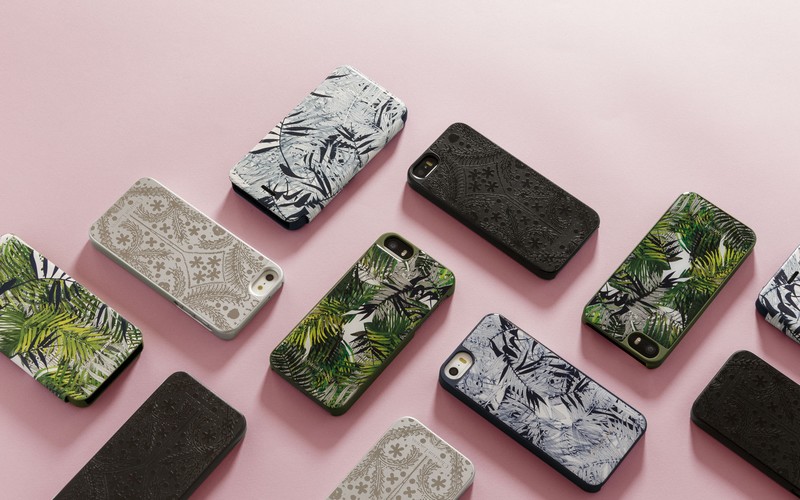
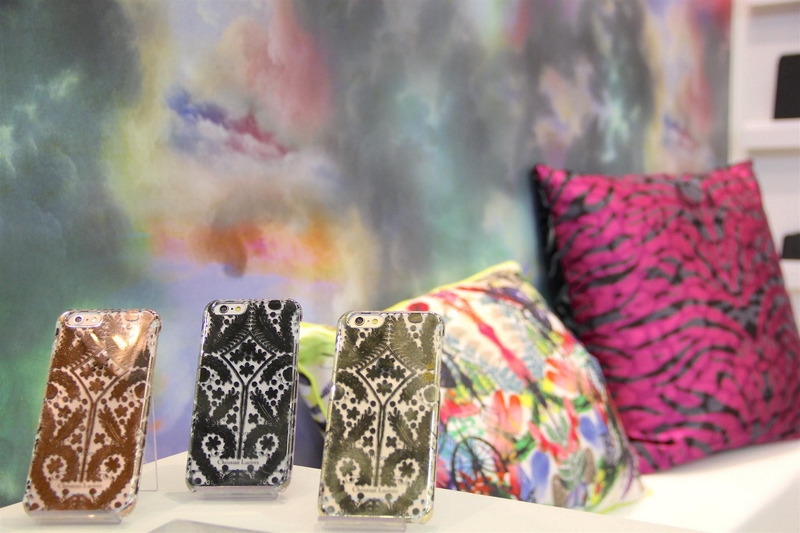
coque1 ©Neil Bicknell Lunettes ©Brian Daly

In the past many fashion houses suffered from their exit from fashion and, or loss of their creative founders, and not through death. Sometimes exiting fashion is a blessing, sometimes a curse. Kenzo initially suffered greatly, as did Yves st Laurent, Helmut Lang, Jil Sander and countless others. Margiela seems to be managing, but not many do. We have recently witnessed Gaultier and Viktor & Rolf abandon ready-to-wear to focus on haute couture to raise their image whilst keeping fragrances and other license to maintain cash flow. The risk for V&R is that unless they push L’Oreal to show fashion in the advertising they will become known as perfumers.

When Clarins shut down the Thierry Mugler brand to focus on Angel, they not only lost their core roots but ended up making the perfume more famous than its creator. Chanel can be cited as the greatest success story of recent times, emerging from what was almost only a perfume brand to become the great global luxury brand it is today. Balenciaga managed it too and others such as Jean Patou must still be thinking about it.

Often the brand extensions have been a blessing and often a curse. In the nineties, the luxury houses from Dior to Ralph Lauren and others went on a worldwide frenzy to buy back their licenses. It was a moment to regain total control of image, quality, distribution and the like. It was a movement back to the concept of ‘Maison’ where all the know-how is in the house and nothing is contracted out or sub-contracted. It was the moment to draw the line between Maisons and Brands. Licensing had become a dirty word for most. It seems to be easier to blame licensing than to blame oneself for mismanagement.

CHRISTIAN  Lacroix at Maison and Objet 2016 christian lacroix --

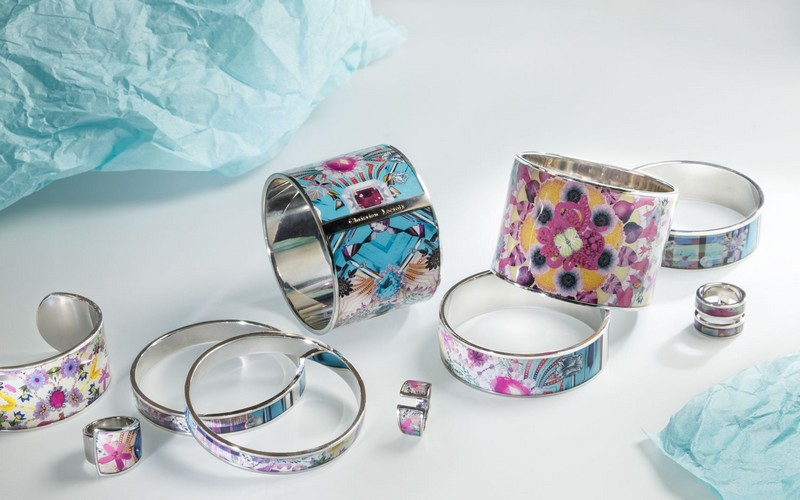
Christian Lacroix Jewellry ©Neil Bicknell

When I wrote the first academic brand stretching strategy and case study on Richard Branson’s Virgin empire in 1995 (3), Branson was accused of stretching his brand too far. In many instances it was true, the brand had been entering categories such as colas and vodka without establishing any true legitimacy via innovations to those categories. Today Virgin remains one of the few examples in the world where a brand is born at the low-end (mail order record company) and has ended up offering luxury space flights. That’s licensing at its best. You invest all the money, Virgin takes a 51 percent ownership, if not more, places a few of its loyal managers into the top echelons of your company, and off you go.

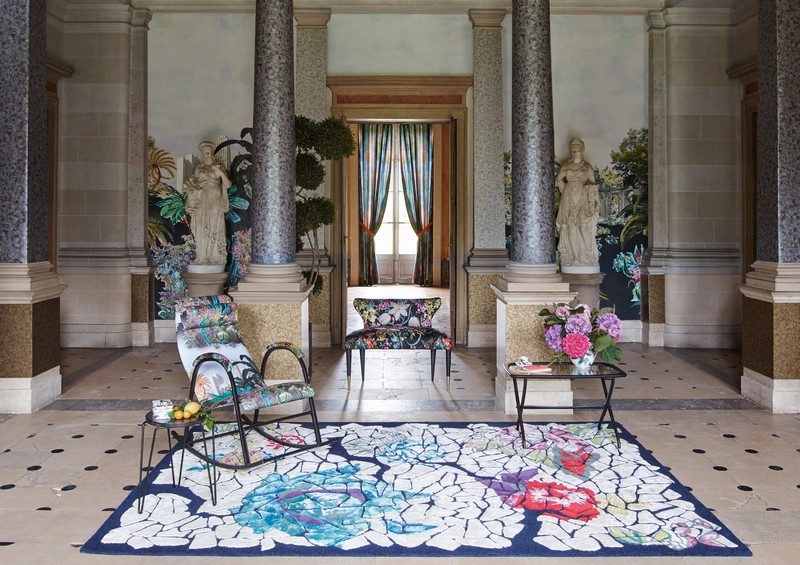
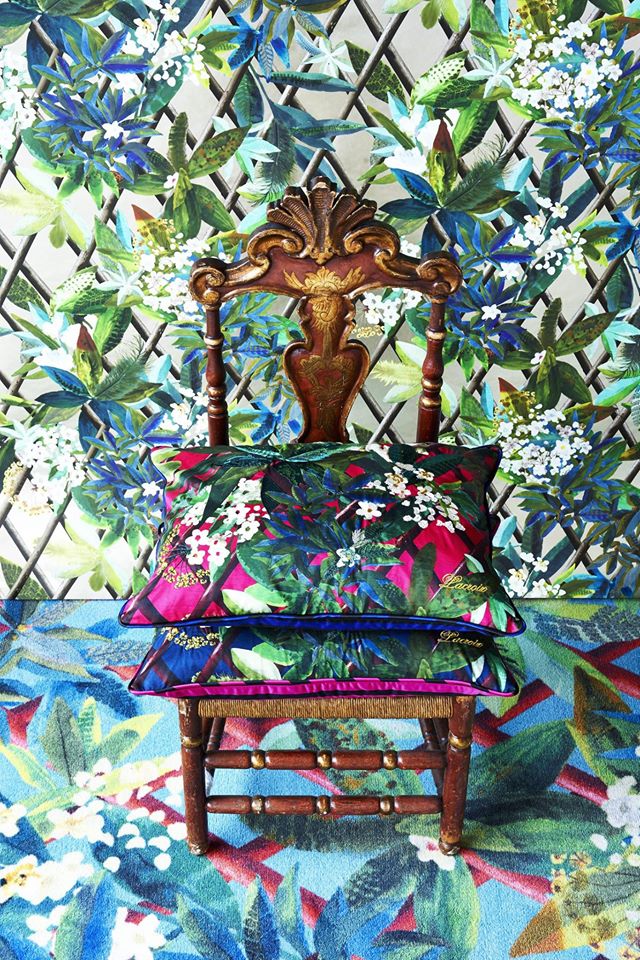
Just as Branson regenerated his brand in order to restart as an Entertainment to travel, health and ultimately an investment group that embodies the soul, culture and values of its founder that include fun and brilliant customer service, Nicolas Topiol has regenerated the house of Christian Lacroix. The core foundations of fabulous fabrics, amazing color combinations and patterns form key aspects of its universe and the warm soul of its founder – inspirations from the sunny south of France and the sophistication of 18th Century Paris including Palais de Versailles – have remained as if its founder has remained.

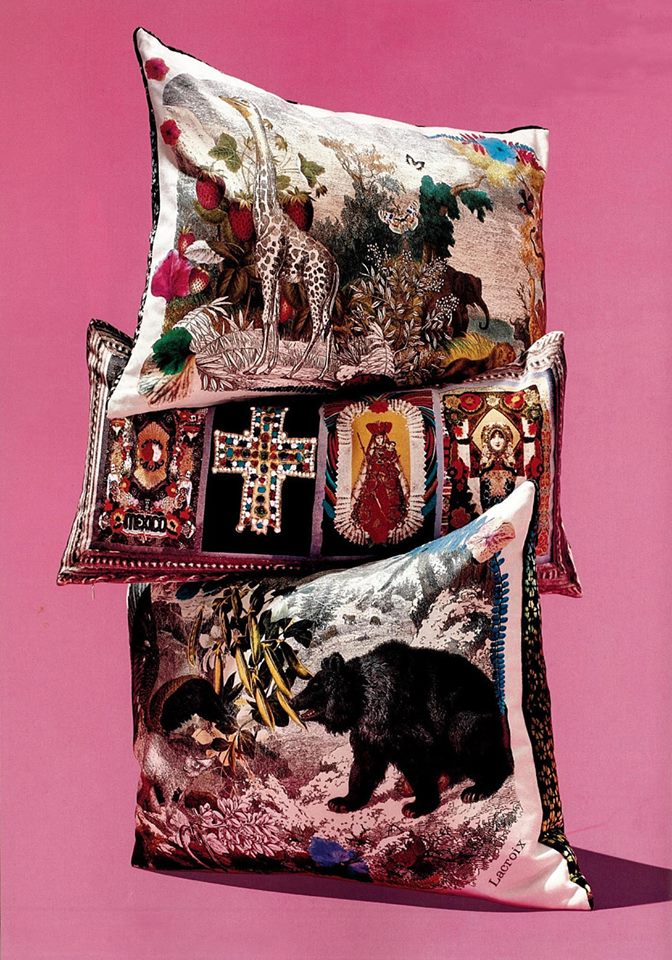
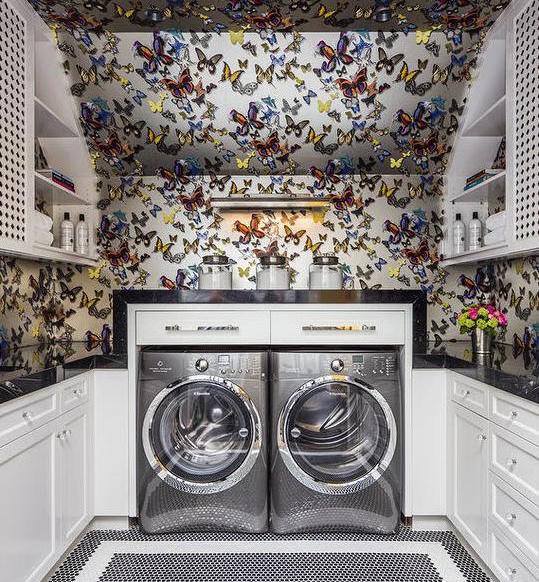
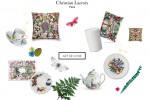
Unlike the heritage houses that often begin repeating the same codes and even designs of their past, Christian Lacroix is entering new categories with an Haute Couture heritage prestige and global prestige, raising the creative bar in industries that seem to have relied on offering simpler decorative offers. You can now expect this brand to turn up in unexpected places, and expect to be pleasantly surprised. Don’t despise the brand for bringing high-end aesthetics to popular product categories, simply take advantage of the opportunity, because it won’t be around longer than was the Karl Lagerfeld collection for H&M.

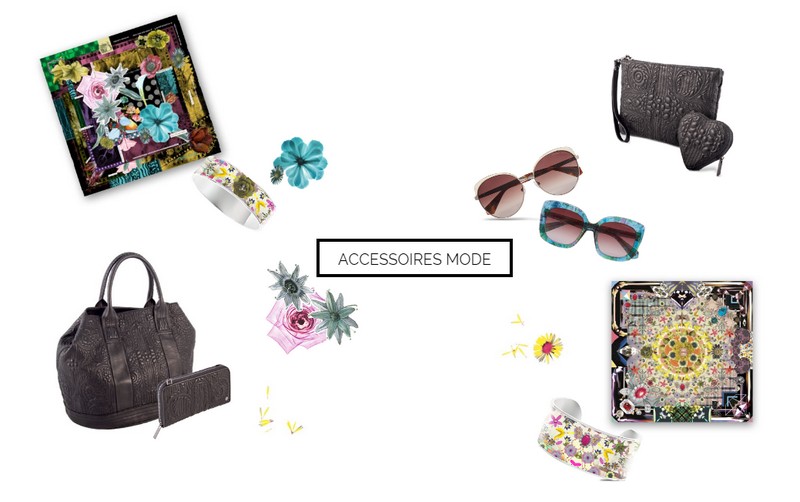
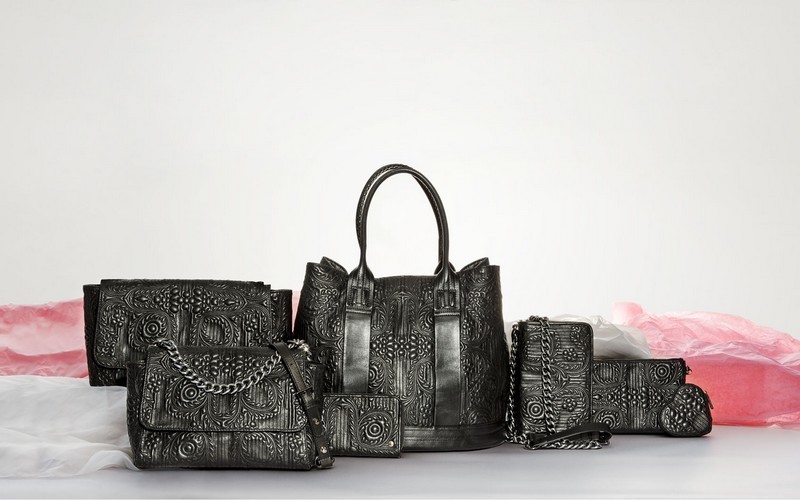
christian lacroix accessories

  1. Selina Denman An inspired chat with the creative director of Christian Lacroix http://www.thenational.ae/arts-life/luxury/an-inspired-chat-with-the-creative-director-of-christian-lacroix#page2
  2. INTERVIEW-Christian Lacroix brand lives on, CEO says http://uk.reuters.com/article/idUKLDE61N10U20100308
  3. Mihailovic,P. ‘Time to Scrap the Rules: Entering Virgin Territory’, The Journal of Brand Management, Volume 3, # 1, August 1995, pp
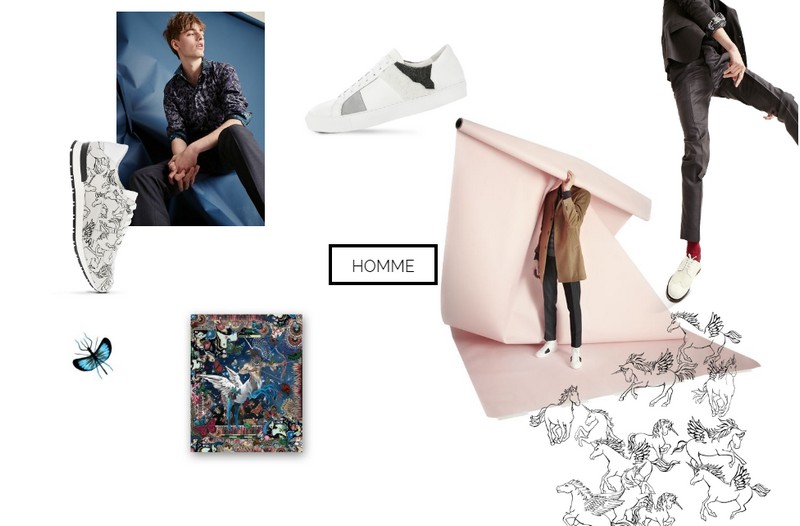
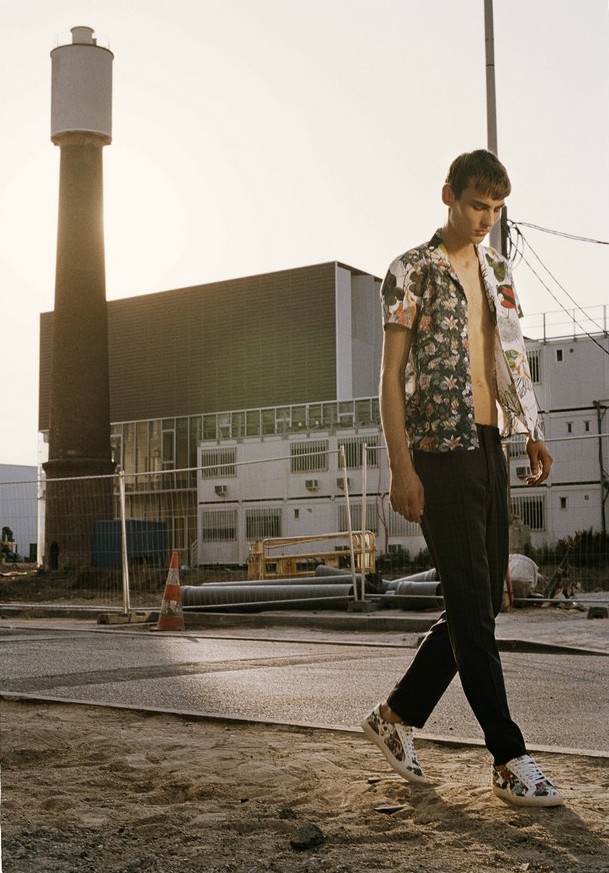
    christian lacroix homme
    22-32Christian Lacroix SS16-3 ©CG Watkins
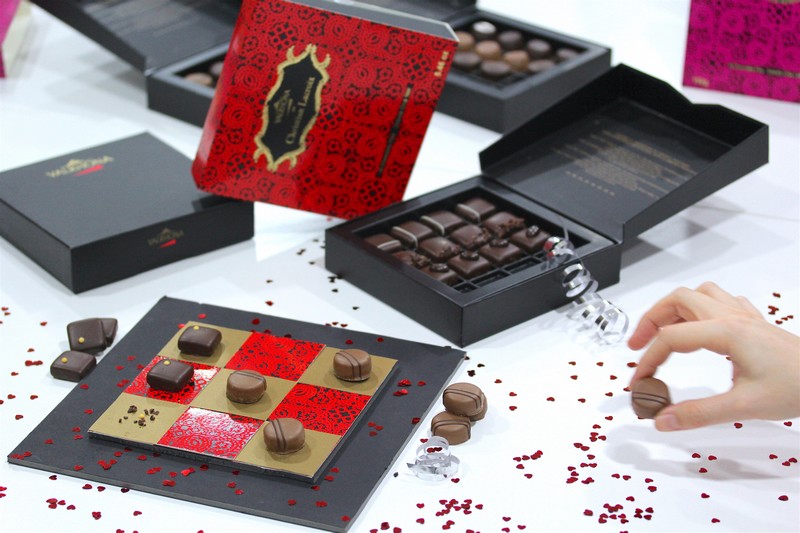
    Valrhona maro ©Neil Bicknell
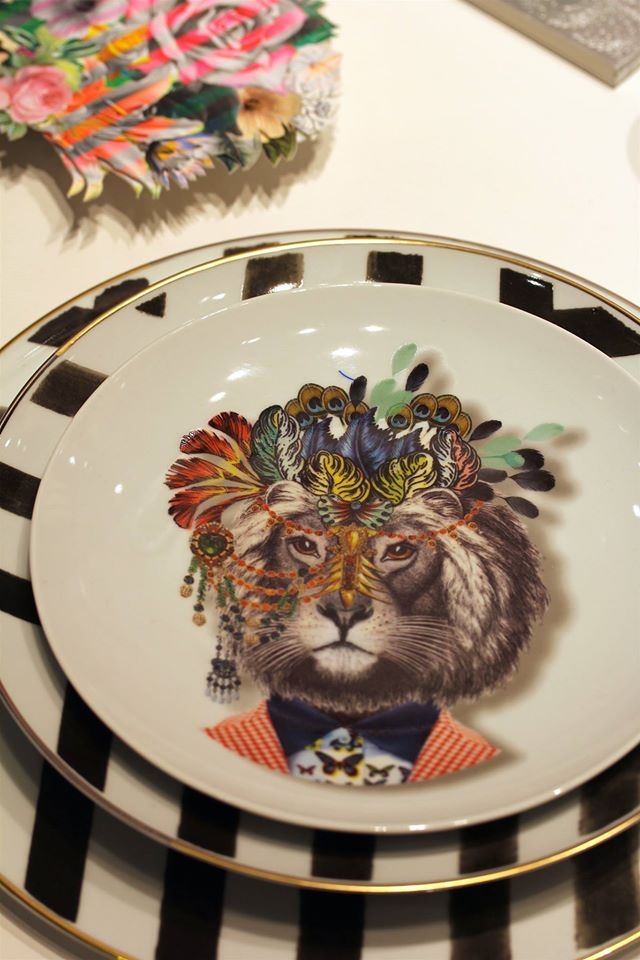
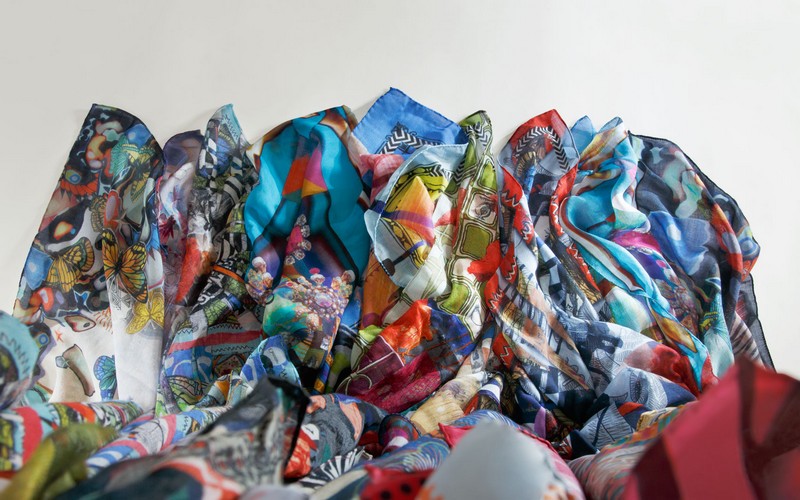
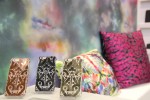
  4. Christian Lacroix silk scarveschristian lacroix maison and objet 2016-christian lacroix maison and objet 2016--cushionschristian lacroix maison and objet 2016--pernechristian lacroix maison and objet 2016- Christian Lacroix's Butterfly ParadeLa Grande Epicerie 1 lunette ©Neil Bicknell CL Maison Promeco by Neil Bicknell 9
  5. christian lacroix maison and objet 2016--CL Maison Promeco by Neil Bicknell 6 CL Maison Promeco by Neil Bicknell 1 CL Maison Carrefour by Neil Bicknell 2 CL Maison Promeco by Neil Bicknell 10 christian lacroix scarves©Neil Bicknell Christan Lacroix Brand Presentation-61