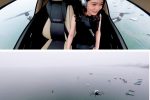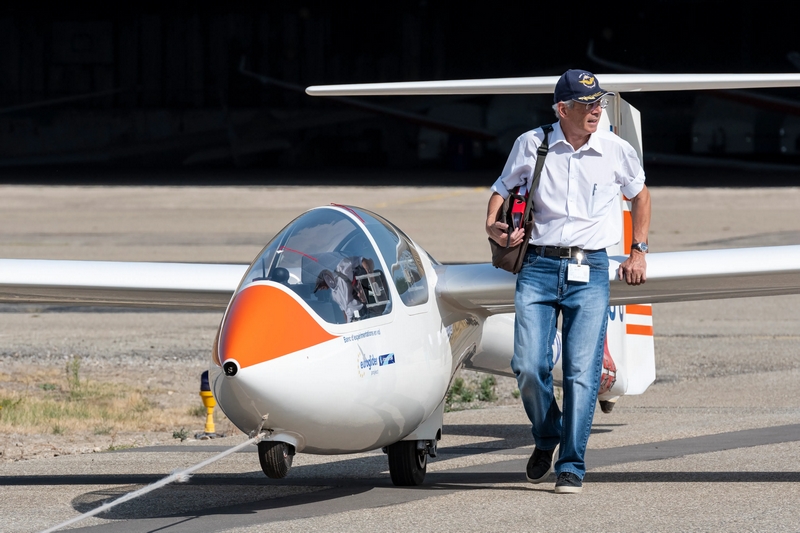
The Euroglider Autonomous Electric Glider is not Waiting For Good Weather

The Euroglider Autonomous Electric Glider Project Takes Off. The ambition of this glider is to be able to carry out complete instructional flights autonomously without having to wait for favorable aerological conditions and while preserving the environment. The result of an innovative partnership involving the European Association for the Development of Gliding (AEDEVV), Dassault Aviation … Read more

A whole new way to ship: Einride autonomous freight truck will hit the road next year


@Einride

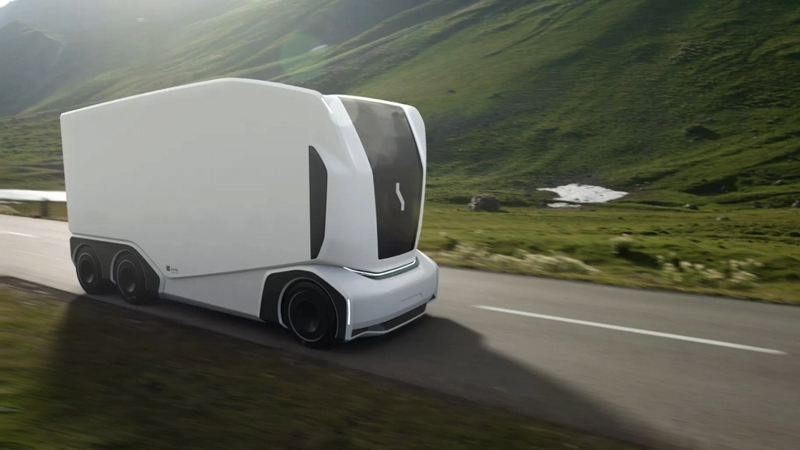
Meet Einride driverless truck – The first fully electric, totally autonomous transport vehicle to operate on a public road in the world.

Technology doesn’t get cooler than this.

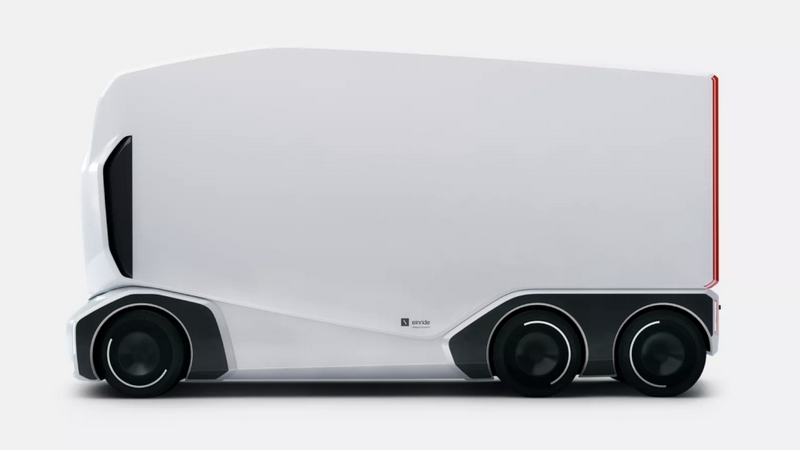
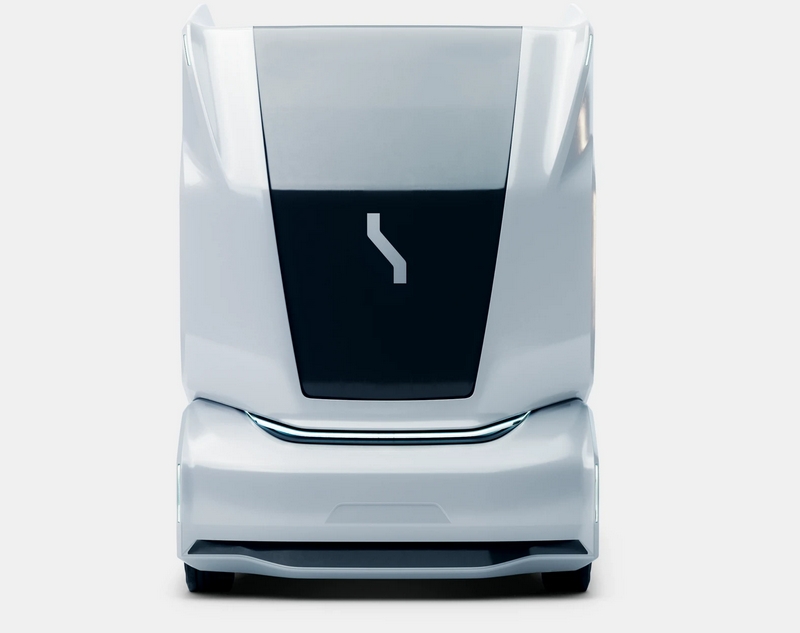
Sweden-based Einride has revealed its first autonomous freight truck concept it hopes to have on the roads as early as next year. With remote monitoring and operation capability, operators can oversee and control the Pod on-demand, with no need for a human driver onboard. Being cabless the autonomous truck allows a greater storage capacity, while the minimalistic design allows the automotive manufacturer to more easily scale up production.

Freight mobility designed, refined.

In 2019 Einride became the first in the world to drive a fully autonomous and electric heavy transport vehicle on a public road, and has been testing and operating Pods at select customer sites in Sweden. Now, businesses around the world can reserve the future of freight and start shipping sustainably and cost-competitively with Autonomous Electric Transport (AET) coordinated by the intelligent freight mobility platform.

“We started this journey in 2016 with a dream to build a better future through technology. Years of hard work and dedication from the whole team at Einride have made us the leader in AET, and today we are taking the next step to bring our solutions to the world and ramp up the transition to a more sustainable future of transport,” said Robert Falck, CEO and founder of Einride.

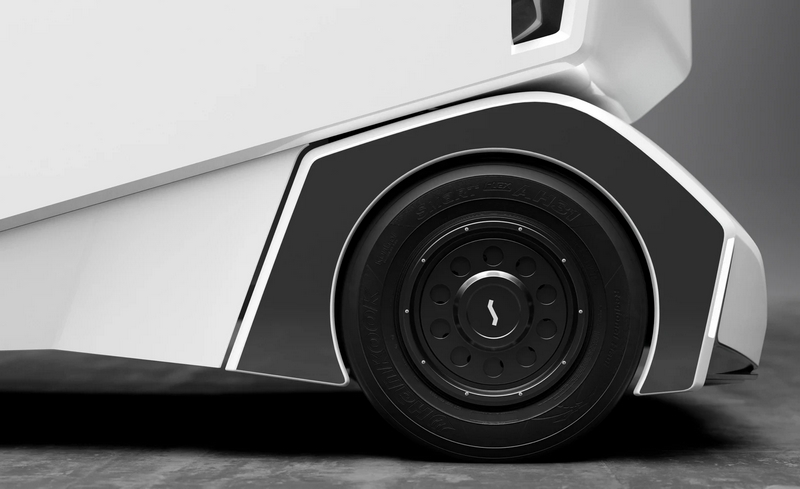
The Pod’s iconic shape has been refined for the next generation to improve functionality and to prepare it for production at scale. The rounded edges and features give it a more aerodynamic shape for improved performance, but do not impede on cargo capacity.

Each autonomous vehicle is equipped with an electric drivetrain, proprietary telematics hardware that interfaces with the freight mobility platform, and autonomous drive hardware such as LIDAR, cameras, and sensors on each Pod.

The Next Gen Pod is designed to operate in different applications, and can be ordered and installed in early 2021.

For the first time, the Pod is available for reservation for those looking to transition away from the analog, inefficient diesel transport solutions of today to a freight mobility solution that is safer, more sustainable, and more cost-effective.

The launch was kicked off with a video filmed by Swedish artist Alexander Wessely and featuring the symphony “Einride” by Jacob Mühlrad played on a player piano.
@Einride

From fenced to freeway: Introducing AET functionality levels

Most self-driving vehicles are designated by SAE J3016 levels of autonomy, ranging from purely assistive (level 0) to fully autonomous, able to drive anywhere on their own under any conditions (level 5). However, these standards rely on some level of human operation as a baseline. The Pod has no driver’s compartment whatsoever, so it was necessary for Einride to develop a proprietary methodology for describing the use cases for Autonomous Electric Transport (AET).

“The Pod is a completely novel vehicle, and therefore doesn’t fit into existing standards, even for cutting-edge technologies like autonomy. We created the AET classification system based on use cases for a driverless, electric freight vehicle. With this approach, we are able to develop and scale our capabilities in the most common and appropriate use cases for freight, with the ultimate goal of automating as much of the transport network as possible,” said Pär Degerman, CTO of Einride.

The AET classification system ranges from levels 1 to 5, and levels 1 to 4 are available for pre-order based on individual business needs. AET 1 (Fenced) is ideal for closed facilities with predetermined routes that are best suited for fully-autonomous operation. AET 2 (Nearby) includes closed facility operation, but adds the capability to traverse public roads over short distances between destinations. Both AET 1 and 2 Pods are available for reservation now, and will begin shipping to customers starting next year.
@Einride

Reserve for the future

Businesses will be able to get access to AET 1 and 2 already today and reserve AET 3 and 4 with deliveries in 2022 -2023. Both ordering and reservation can be done directly through Einride’s website for an initial cost of $1,500 and additional $8,500 to be invoiced following the reservation.

In addition to the $10,000 reservation fee, businesses will be responsible for an operational fee of approximately $18,000 per month for AET 1 and $19,000 per month for AET 2. Pods with AET 3 will cost $20,000 per month to operate, while AET 4 will include a monthly cost of $22,500. The subscription fee includes access to the Einride freight mobility platform which will coordinate and operate the Pods, overseen by Einride-certified remote operators. Subscription fees are liable to change based on individual use cases.

“We can already see a strong traction from the market to start using autonomous and electric transport. The benefits are clear and we want to be the player in the market that can help our customers to make the transition to a better future of transport happen,” said Robert Falck.
@Einride


Self-flying: Quadcopter drone market player laying solid foundation for urban air mobility


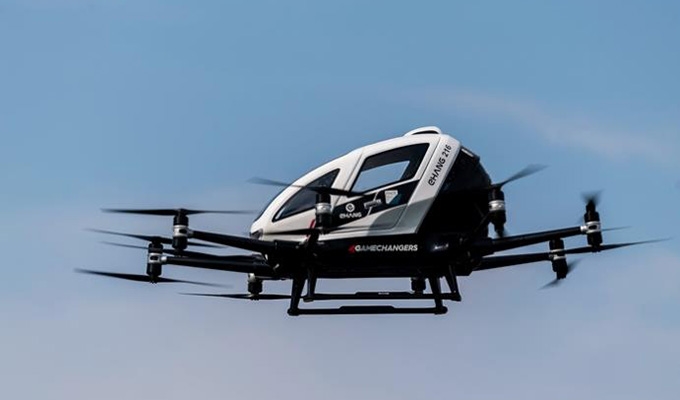
The autonomous passenger aircrafts of the future can contribute to more efficient transport, particularly in urban areas, and the electric models are a great contribution to the green shift. The autonomous Ehang 216 is paving the way for eVTOL air-taxi flights.

@ehang.com

EHang, one of the world’s leading autonomous aerial vehicle (AAV) technology platforms, is laying a solid foundation for
future urban air mobility (UAM) operations.

Self-flying EHang 216 Showcases Aerial Sightseeing Trips Over the Sea in East China

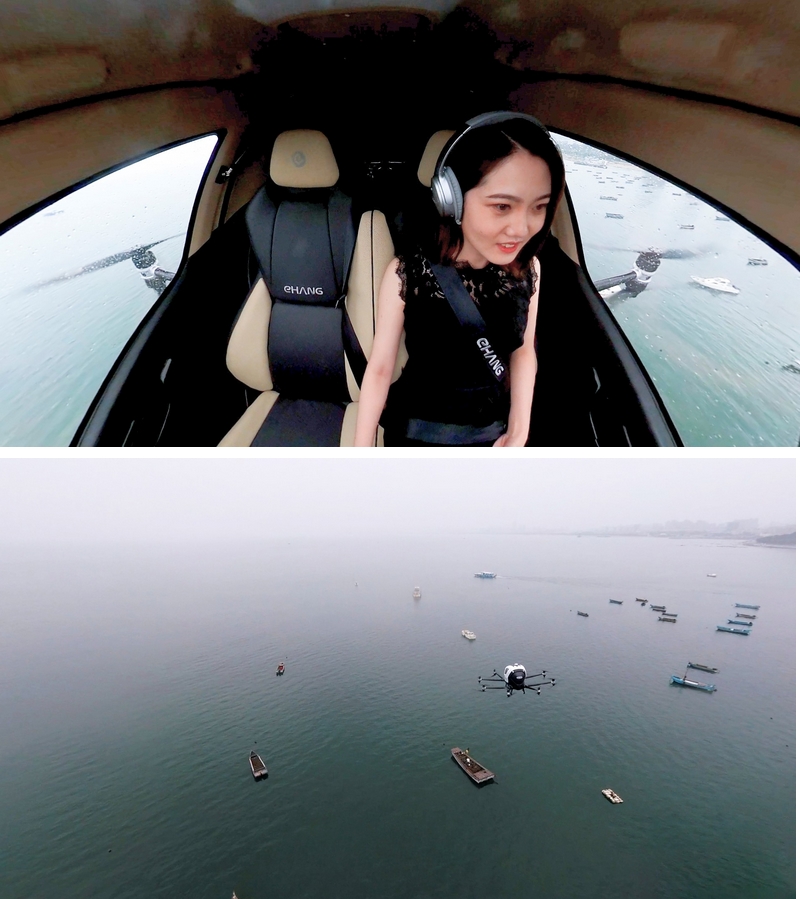
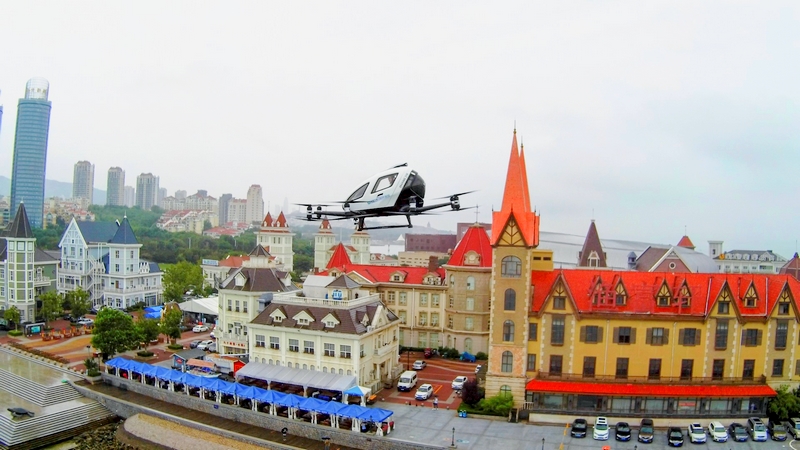
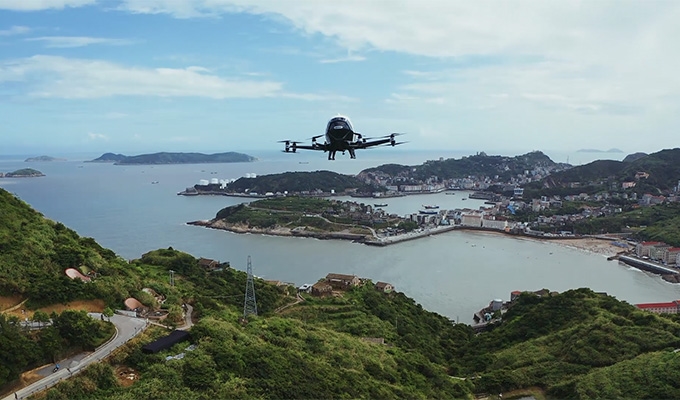
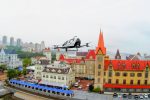
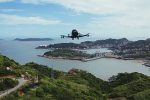
EHang 216 announced aerial sightseeing trial flights in Yantai, a coastal city in East China. An EHang 216 took four passengers to the air for aerial sightseeing trips over the sea around the beautiful Fisherman’s Wharf in Yantai city, one of the many AAAA national tourist attractions locations throughout China.

This trial flight event was part of EHang’s world flight tour, which is aimed to demonstrate the reliability and versatility of its passenger-grade AAVs through safe autonomous flights in various commercial use cases, including passenger transportation, aerial sightseeing, air logistics, medical emergency response, etc. EHang’s passenger-grade AAVs have completed thousands of trial and demo flights in 21 cities and 6 countries, including China, the U.S., Austria, Netherlands, Qatar and UAE.

@ehang.com

Air taxis are expected to help solve traffic problems in cities by using airspace as a “third dimension”. Newly developed, environmentally-friendly electric drives, high-performance batteries with short charging times, minimal space requirements for take-off and landing areas, fast computers and big data create the necessary conditions for tackling urban air mobility concepts within and between cities. In addition to transporting people or goods, autonomous aircraft offer numerous other applications such as flights to transport urgent emergency goods or high-risk operations from the air in the event of environmental catastrophes. The market potential is very promising: According to a study by Roland Berger, there is a demand for air taxis worth EUR 32 billion over the next decade.

EHang’s Founder, Chairman and CEO, Hu Huazhi said, “As the world’s first provider of passenger-grade AAVs, we are honored to prove this game-changing air mobility solution by demonstrating flights to regulators, customers, partners and the general public. The positive supports and feedback have stregthened our determination in our quest to bring this new style of mobility to the people.”

@ehang.com
@ehang.com

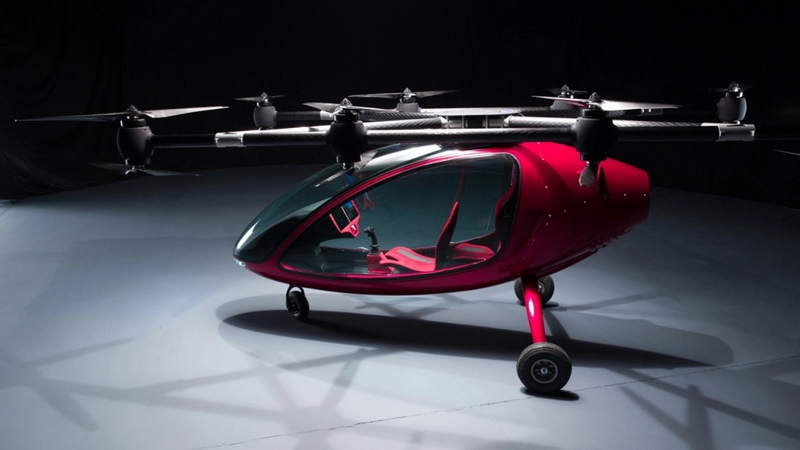
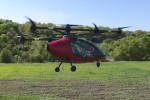
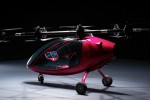
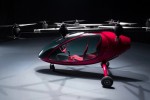
Select Your Destination and The Passenger Drone, the Most Advanced Manned Autonomous VTOL in the World, Takes Over

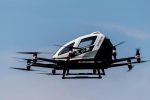
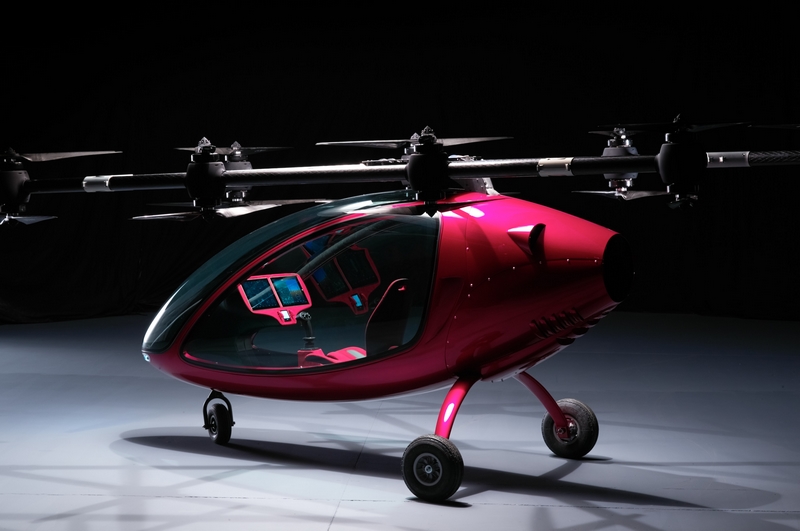
Slightly larger than a small car, the industry leading, Passenger Drone has the potential to change the traditional means of commuter transportation.

Passanger Drone Photos

With the launch of Passenger Drone and few other similar projects in 2017 there is a completely new market segment forming in aviation market – the electric VTOL ( Vertical Takeoff and Landing) Manned Aerial Vehichles (MAV). Passenger Drone is joining the MAV club alongside some of the largest companies in the world (Uber, Airbus, Google, Daimler and many others) who are working in the same direction.

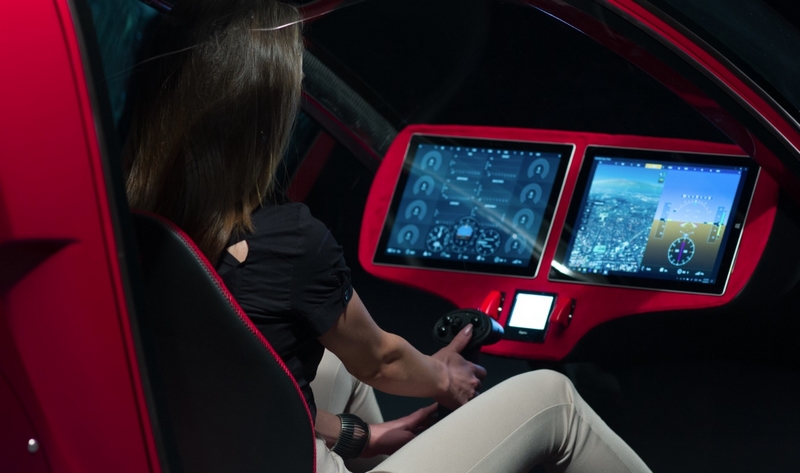
Utilizing its easy to use touch-screen, passengers simply select their destination, sit back and relax, as the drone takes over, eliminating stressful commutes with the ability to travel up to 80 km/h. Passenger Drone was launched in September 2017 and is currently the most advanced VTOL platform in the world with maximum take off weight of almost half a ton ( 1000lbs) it provides fully autonomous flying and exceptional safety.

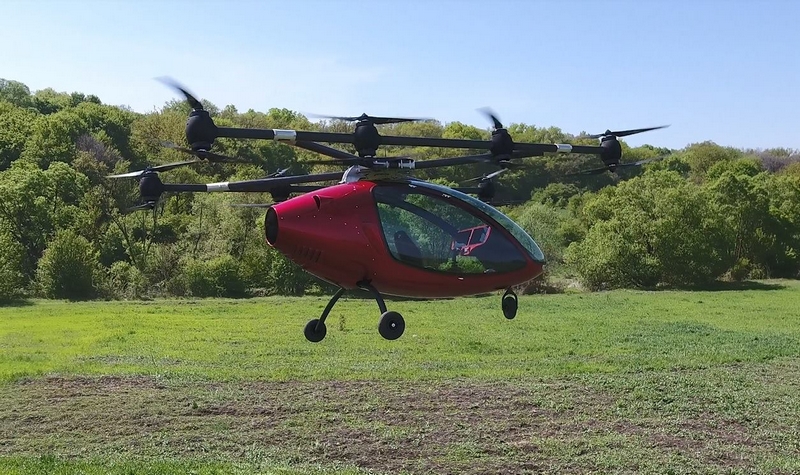
The aircraft commenced flight testing in early May 2017 and for the last few months has performed intensive testing with different simulated payload weights, simulated engine failures and different control modes. In August 2017 first manned flights with passengers onboard took place and the results and passenger feedback is overwhelming – the Passenger Drone is very easy to fly in both manual and autonomous modes and it shows amazing stability and maneuverability.

Passanger Drone Photos-outdoors

Equipped with 16 electric engines (unlike the internal combustion engines of traditional helicopters), it’s a low noise, high speed, and economical mean of transportation which emits zero emissions. Its engine system sheds the complexity of most quad-copters providing enhanced safety, performance, greater payload and range, and less noise than anything else available on the marketplace.The vehicle’s structure is composed of lightweight and strong carbon fiber composites, specially created for Passenger Drone. The avionics, stability systems and electrical control systems have been custom designed specially for the PassengerDrone.

“Over time, VTOLs have the potential to become the go-to form of daily transportation surpassing that of owning a car. Air travel has historically been seen as an expensive proposition, due in great part to the small volume of production seen in today’s aerospace industry. Mass production of the Passenger Drone could potentially revolutionize traditional notions of transport.” explained passenger drone.

Passanger Drone Photos-- Passanger Drone Photos-