
HYCOPTER – a New Phase in Drone Technology Begins
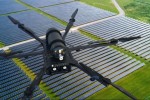
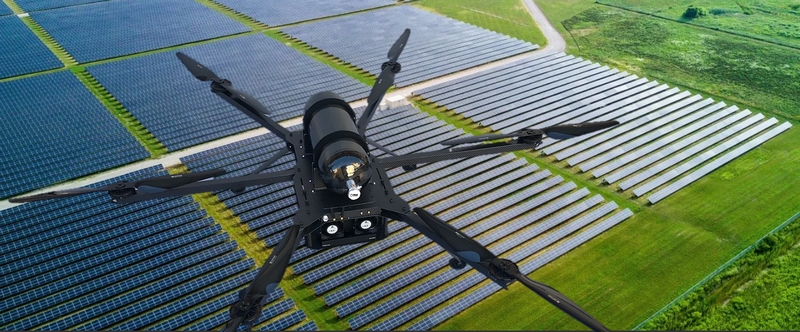
Singapore’s HES Energy Systems is announcing the commercial launch of HYCOPTER, an industrial-grade multi-rotor drone designed for large-scale industrial maintenance inspections. The H2Drone is a long endurance hydrogen-powered multicopter and fixed-wings for high-end-data-collection commercial missions.
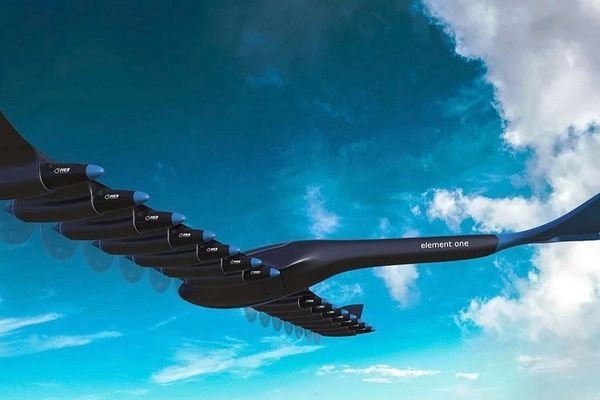
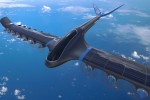
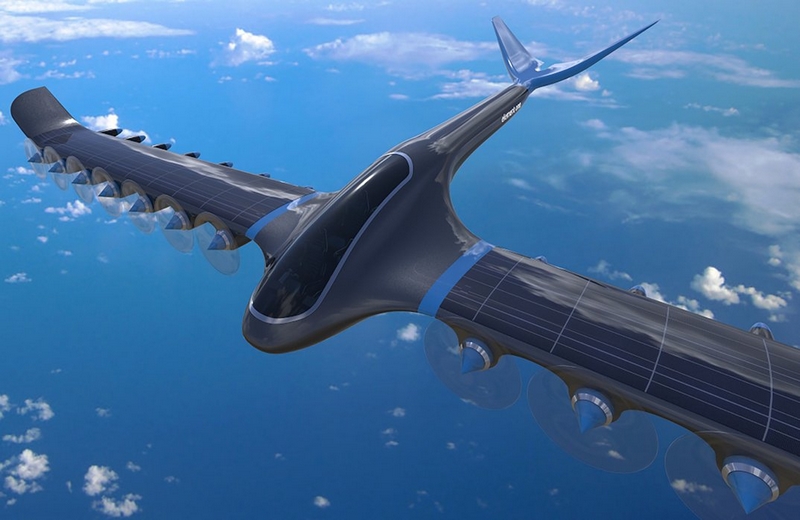
Last month, HES also unveiled plans for regional hydrogen-electric passenger aircraft called Element One. One century after the start of commercial flights, Element One reinvents aviation pioneering a new form of Aerial Mobility: quiet and Zero Carbon, personalized, on-demand, decentralized and economically inclusive of rural communities.
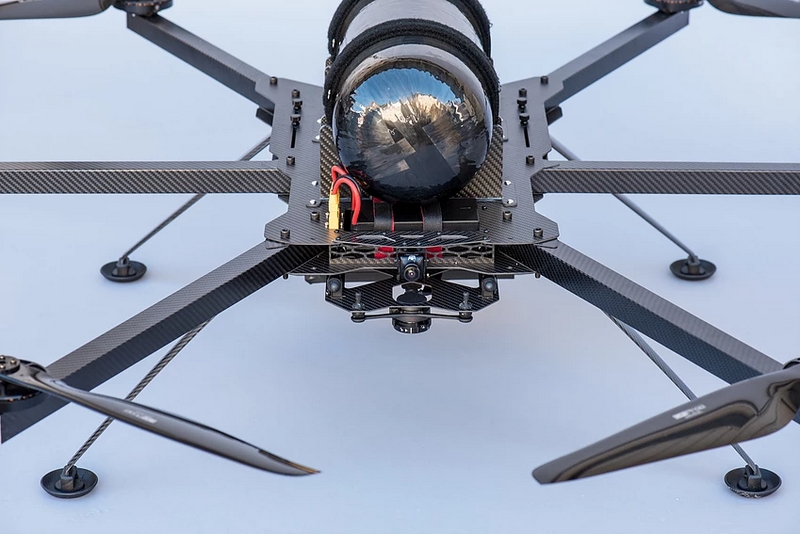
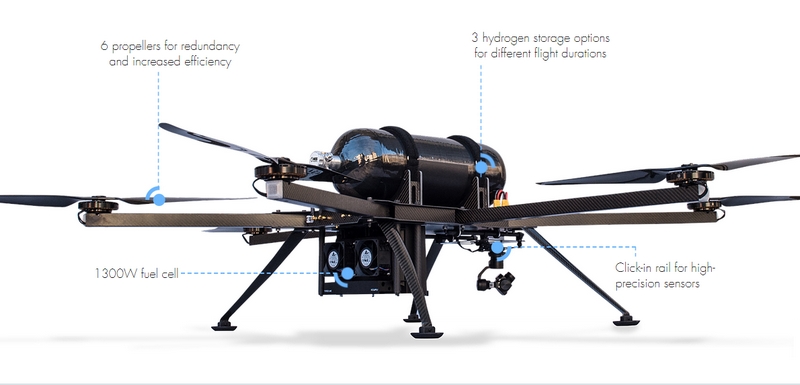
After many years of work, HES Energy Systems merged its core technologies with a specially adapted multi-rotor design so that flight durations can extend to 3.5 hours, instead of the typical 20-30 minutes when using lithium batteries.
Meet HYCOPTER, a hydrogen multi-rotor system by HES Energy Systems which is now able to keep precision cameras and other sensors in the air for much longer, opening up new commercial use cases while reducing operational costs for service providers.
HYCOPTER was designed in Austin, Texas where a local production base is being set up.
Addressing short flight durations is one of the final frontiers in drone technology. HES has a long-standing reputation for producing the world’s lightest and most compact fuel cell systems, which can be as much as 5 times lighter than lithium batteries. Following a first world distance record set in the US by a NASA-backed team from OSU over 10 years ago, HES has been pushing the limits its energy storage technology increasingly further, working from Singapore on various UAV programs and with leading aerospace institutions around the world.
HES is currently capable of over 700Wh/kg system-level specific energy and is working to push this limit even further thanks to a variety of novel technologies.
HYCOPTER includes a new breakthrough 140g pressure regulator capable of reducing hydrogen pressure from 350bar to 0.5 bar. Other system components include specially designed HES fuel cell stacks capable of generating over1W per gram.
HYCOPTER can recharge in minutes using bottled industrial-grade hydrogen from local hydrogen suppliers. Withfurther improvements, HYCOPTER-type platforms could also enable product deliveries over much longer distances than are possible today. In the future, long range cargo drones would be deployed from autonomous hydrogen “droneports”.
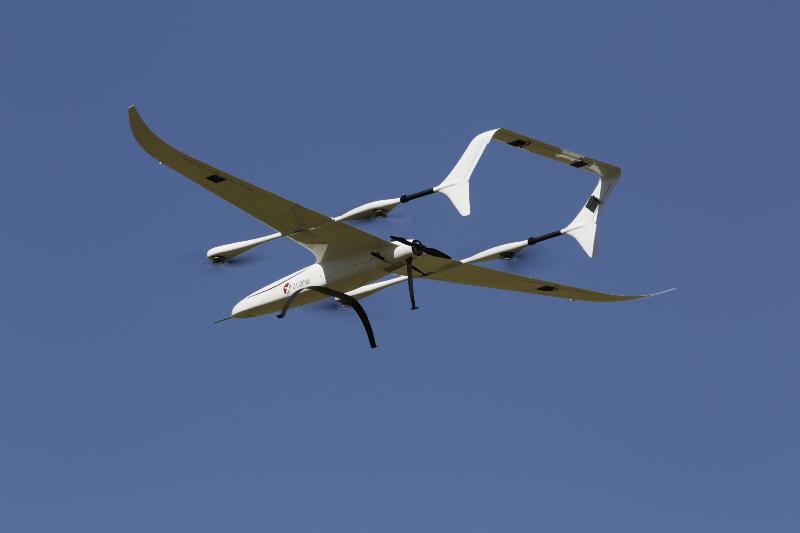
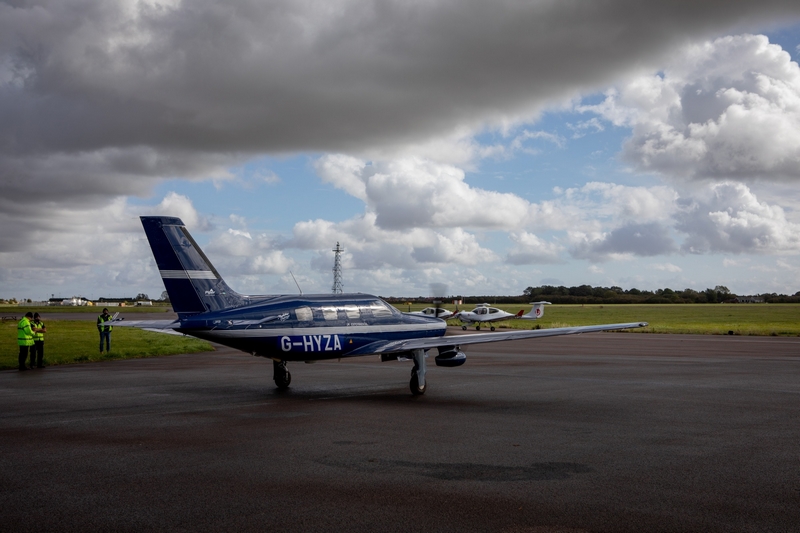
“Versions of HYCOPTER will emerge next in transitional wing VTOL applications, and the same HES core technologyis now being scaled up to power manned electric aviation as well as other aerial mobility platforms under discussion with various international aerospace companies,” announced HES Energy Systems.