Decoding Chanel’s world-first Haute Horlogerie chessboard — and why the watch industry is suddenly obsessed with games.
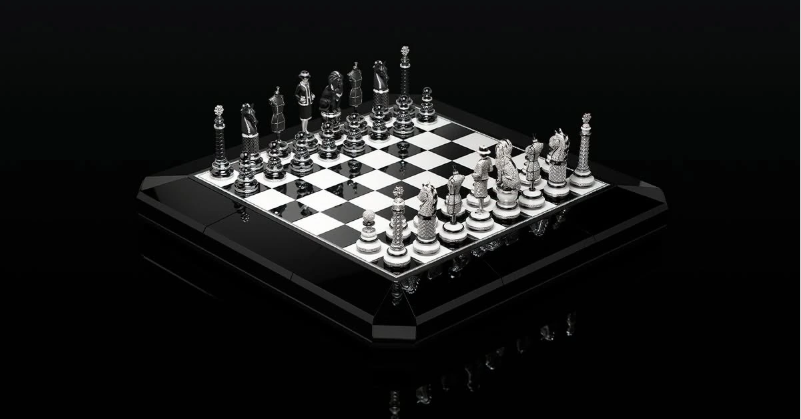
Somewhere in a Swiss workshop, a team of artisans spent thousands of hours doing something that, on paper, sounds almost absurdly simple: building a chess set. Except this isn’t the chess set gathering dust in your parents’ living room. It’s the Coco Game Collection, and Chanel is calling it the world’s first Haute Horlogerie chessboard — which is a fairly audacious sentence until you actually look at what’s inside the box.
The decoding: it’s a chessboard, but every piece is a watch
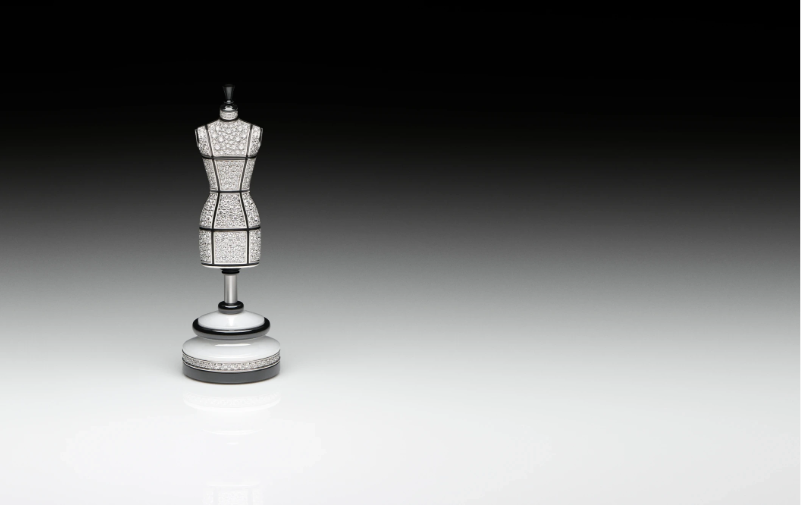
Here’s the twist that turns a board game into a full-blown watchmaking event: all 32 pieces aren’t decorative. They’re sculptural objects crafted from ceramic and white gold, many set with diamonds, and several of them conceal actual dial mechanisms inside. The rooks take the shape of the Place Vendôme column — Chanel’s spiritual home address in the jewelry world. The kings are lions, a nod to Gabrielle Chanel‘s zodiac sign and one of the house’s most recognizable emblems. And then there are the queens: the black queen and white queen, both styled in the image of Gabrielle Chanel herself, each hiding a precious watch dial. Play a game, then unclip the piece from the board, attach the finely wrought onyx-and-diamond chain that comes with it, and suddenly your chess queen is a long necklace with a functioning timepiece at its centre. Checkmate becomes, quite literally, wearable.
Why a fashion house is doing this instead of a watch brand
This is the part worth sitting with. Chess sets belong to the world of objets d’art — the kind of thing a jeweler or a luxury furniture atelier might produce as a flex piece. Chanel making one, entirely in-house, through its own Watch Creation Studio and Manufacture, is a statement about where the house sees its own competitive territory: not just fashion, not just fine jewelry, but full-blown Haute Horlogerie, the same rarefied category occupied by watchmaking’s oldest names. It’s Chanel saying, essentially, we don’t just make beautiful objects — we make objects with mechanisms inside them, and we can do it better than almost anyone.
The Map to Modern Luxury
THE CURATED CALENDAR
Discover the world’s most prestigious gatherings & exhibitions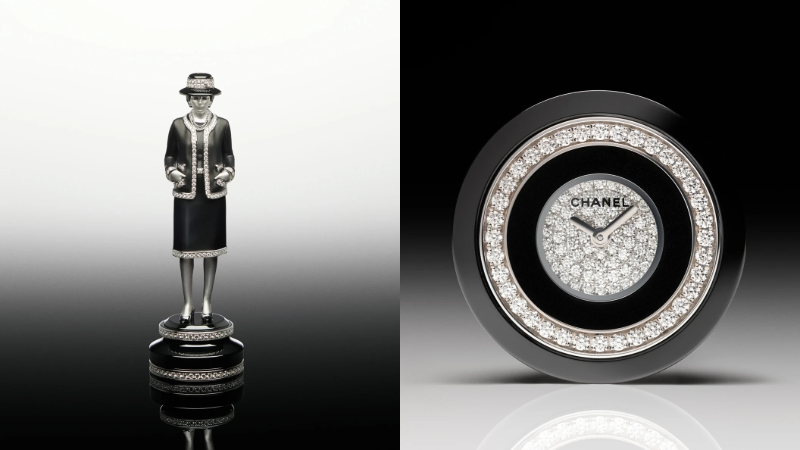
The industry-wide read: luxury’s new favourite metaphor is the game board
Zoom out and this fits a pattern that’s been quietly building across high jewelry and horlogerie for a few seasons: brands reaching for games — chess, backgammon, even playing cards — as a framing device for high-end craftsmanship. Games carry built-in symbolism that luxury marketing departments love: strategy, mastery, exclusivity (not everyone gets invited to play), and a satisfying sense of ritual. A chessboard also solves a genuine creative problem for maisons chasing “newness” in categories that are, fundamentally, hundreds of years old — you can only reinvent the bracelet so many times before you need an entirely different object to hang your craftsmanship on.
Expect competitors to take note. If Chanel can turn 32 tiny sculptures into a headline-grabbing, wearable, technically astonishing single release, don’t be surprised if next season brings a rival house’s take on dominoes, mahjong, or playing cards — anything that lets a brand say “we didn’t just make jewelry, we made a game worth remembering the rules to.”