When one tequila house sells you sculpture and the other sells you the truth, which one is the real flex?
Two of the biggest names in agave spirits made headlines the same week, and — deliciously — they went in opposite directions. One is selling you art. The other is selling you honesty. Welcome to the split personality of luxury tequila in 2026.

The News, Decoded
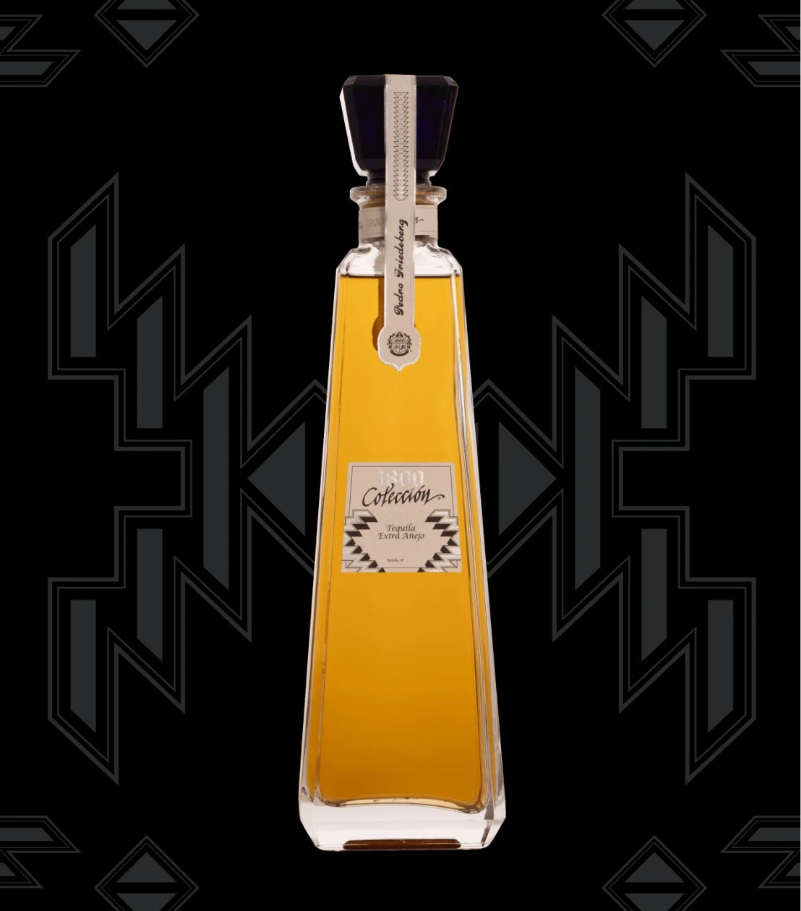
1800 Tequila — the house whose pyramid-shaped bottle nods to Mexico’s Mayan heritage and which counts itself among the most-awarded tequila families in the world — just unveiled Mono Laberinto Doble, the newest release in its 1800 Colección Tequila series. This is an Extra Añejo (meaning it’s aged at least three years, the longest classification tequila gets), finished in a nickel decanter designed by the late Mexican surrealist artist Pedro Friedeberg. Only 50 bottles exist worldwide. Price tag: $11,000 per 700ml bottle. It even gets its own chapter in a coffee-table book from Assouline, the publisher that turns everything from Ferraris to French chateaux into a doorstop you’re not allowed to actually read.
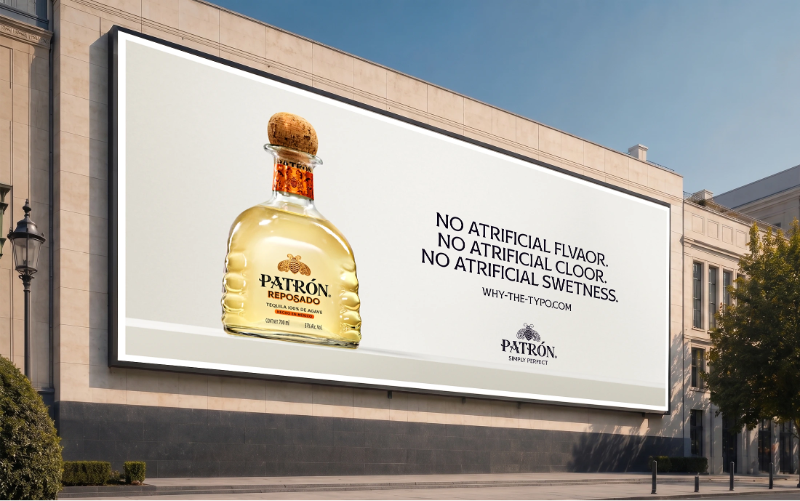
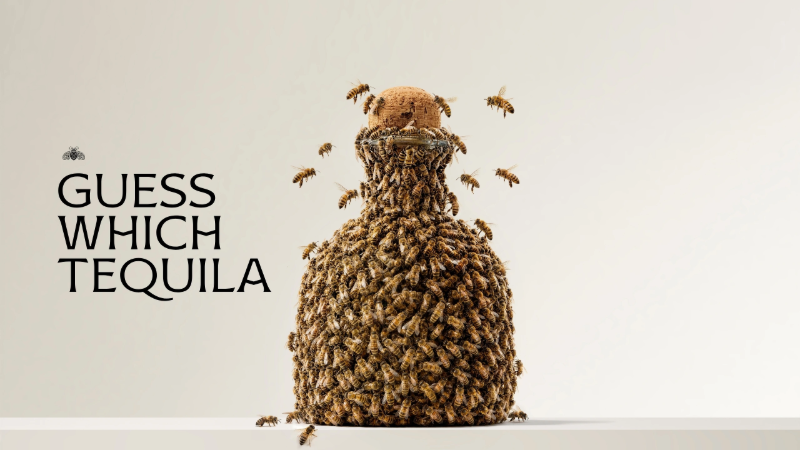
Meanwhile, across town (well, across Bermuda, technically, where it’s headquartered), Patrón Tequila — the brand that basically invented the idea of “sipping tequila” instead of “regretting tequila” — launched a campaign asking a deceptively simple question: what’s actually in your bottle? Turns out current regulations let producers add up to 1% of the product’s weight in additives — glycerin, oak extract, sugar syrup, caramel coloring — without ever putting it on the label. Patrón’s answer, unchanged since 1989: agave, water, yeast. Full stop. Their billboards spell it out with a wink (“no added flvaor, no added cloor, no added swetness”) because apparently even typos can carry a brand message when you’ve got a good enough agency.
The Perspective
Here’s the joke luxury spirits doesn’t want you to notice: both of these are marketing. One brand is selling scarcity and sculpture; the other is selling purity and receipts. But they’re both answering the exact same anxiety — that in a category flooded with celebrity-endorsed bottles and inflated “ultra-premium” claims, the customer doesn’t actually know what makes a $11,000 tequila different from a $40 one, or a $60 tequila different from one quietly padded with additives.
1800’s move is the classic luxury playbook: turn the product into an heirloom. You’re not buying tequila, you’re buying 50/50 access to a piece of art history with a drinking hole. It works because true luxury has always been about scarcity plus story — and pairing a bottle with a dead surrealist’s final creative act is a story money genuinely can’t buy twice.
The Map to Modern Luxury
THE CURATED CALENDAR
Discover the world’s most prestigious gatherings & exhibitionsPatrón’s move is newer and, frankly, smarter for where the category is heading. A 2026 YouGov survey found 61% of Americans want more transparency from producers, and Patrón’s own research says 88% of tequila drinkers would switch brands if they found out their bottle had undisclosed additives. That’s not a niche concern anymore — that’s a category-wide reckoning. Expect “clean label” tequila claims to become the new must-have talking point at every dinner party bar cart, the same way “single origin” took over coffee.
The takeaway for the modern collector: buy the art bottle for the story you’ll tell for a decade. Buy the transparent bottle for what you’ll actually taste tonight. The smartest cellars in 2026 have room for both.
Follow the luxury spirits shelf as it keeps rewriting its own rules — next week, we’re pouring into champagne’s quiet vintage war.