A common trend is emerging in home renovations.
Shelves with no visible support, lighting that seems to float mid-air, screens that divide a room seemingly without touching the ceiling—suspended architecture is everywhere once you know what you’re looking for. But somewhere behind the plaster or above the ceiling line is an invisible fixing doing the real structural work.
So how has the suspended trend become so popular? Let’s explore this new staple of interior design, and how it has taken off.

1. Concealed Steel-Rod Brackets
The classic floating shelf is a contemporary staple relying on steel rods epoxied deep into the wall.
This is a joinery trick rather than a suspension one, but it was one of the early features that set the trend for invisible engineering and suspension.
The engineering hides, and the object appears to defy the laws of gravity in a charming and simplistic manner, making this method a staple of minimalist design.

2. Tensioned Cable Systems
Fine-gauge steel cable under tension carries real weight over long spans, while staying almost invisible.
And a run of vertical cables strung floor to ceiling, dressed with trailing planting or slim brass fittings, reads as a screen from across the room and as nothing at all once you’re standing beside it. This is an elegant way to divide a room.
Ormiston Wire is a flagship UK manufacturer whose wire products have been used for suspension in a range of commercial and creative projects, and are suited to a range of applications in just about any space.

3. Magnetic and Rail-Track Mounting
The Map to Modern Luxury
THE CURATED CALENDAR
Discover the world’s most prestigious gatherings & exhibitionsRecessed rail systems originated for use with curtains, but the approach has been borrowed by museums and galleries, who have adopted the practice for artwork installation as it works well for repositioning pieces without causing damage to the walls.
STAS is a Dutch firm leading the way in this unique method, and their magnetic hooks and hanging rails are used in a range of applications, most commonly for galleries and private collections across the world, and now their hardware is becoming increasingly popular as an alternative to conventional picture hooks in high-end homes.

4. Suspended Ceiling Elements
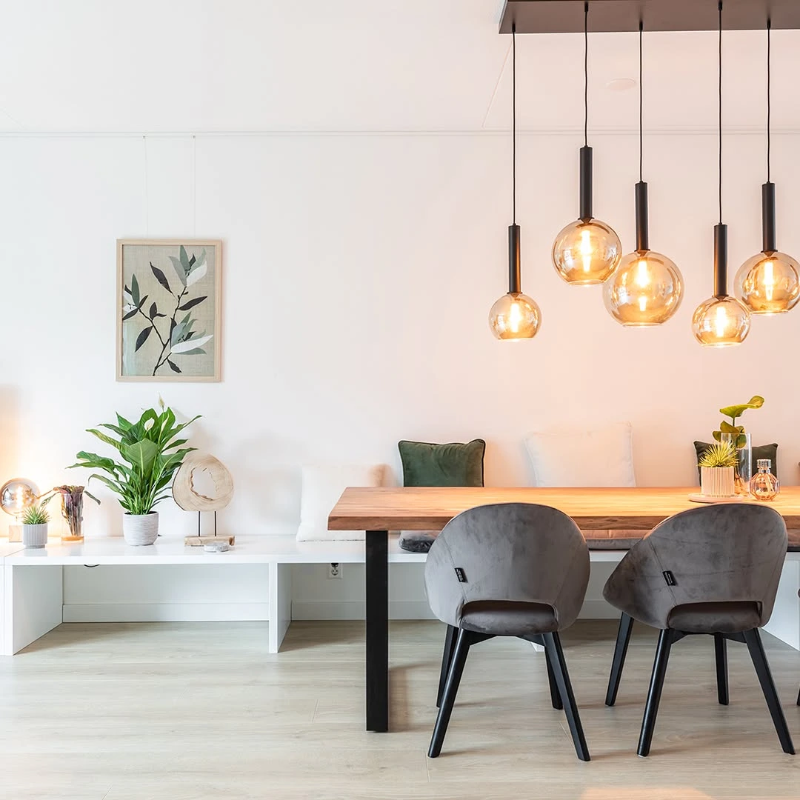
Acoustic baffles and lighting rafts hung from the ceiling are increasingly used to break up a large room without lowering the whole ceiling, creating a cosier and less imposing space.
Hung a few centimetres below the structural slab, they trap noise that would otherwise bounce around an open kitchen or living space, while marking out a dining zone or seating area from below.
The fixings sit above the panels, out of sight, so the effect reads as a floating plane rather than a construction detail. It’s a favourite trick in converted warehouses and loft spaces, where the original ceiling height is worth keeping intact.
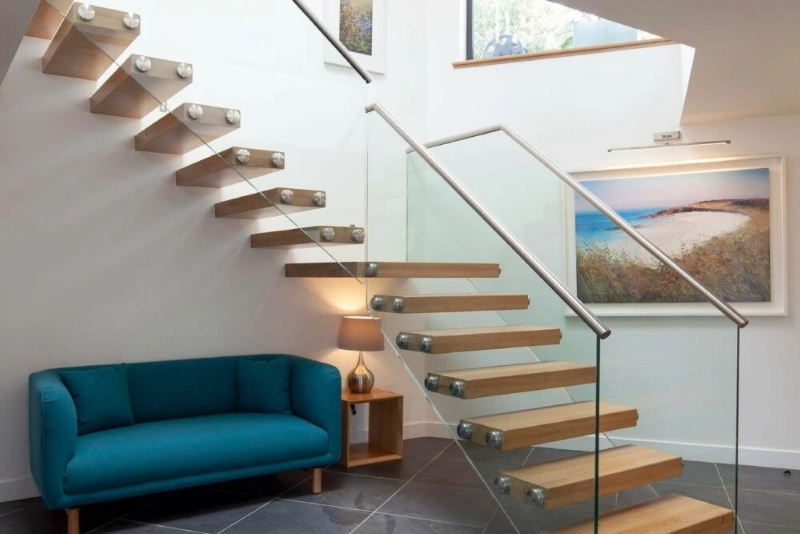
5. Floating Staircases
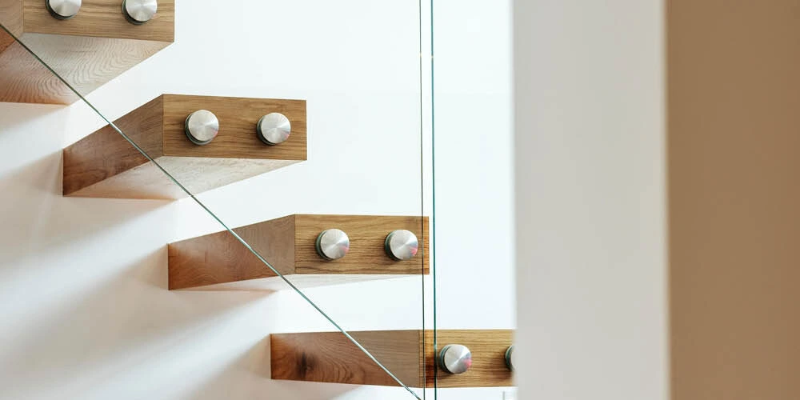
Cantilevered treads remain one of the most dramatic uses of concealed suspension.
Spiral UK is a staircase manufacturer that has been building these types of stairs for four decades. They note that the supporting structure typically sits inside the wall itself, leaving the treads to appear entirely unsupported once installed.
Each of these unique methods uses different innovative techniques to solve entirely different projects. However, each of them shares a core design instinct, and that is to take attention away from the structure itself, and let the object shine.