Inside the first High Jewelry set made entirely of gold you can actually trace
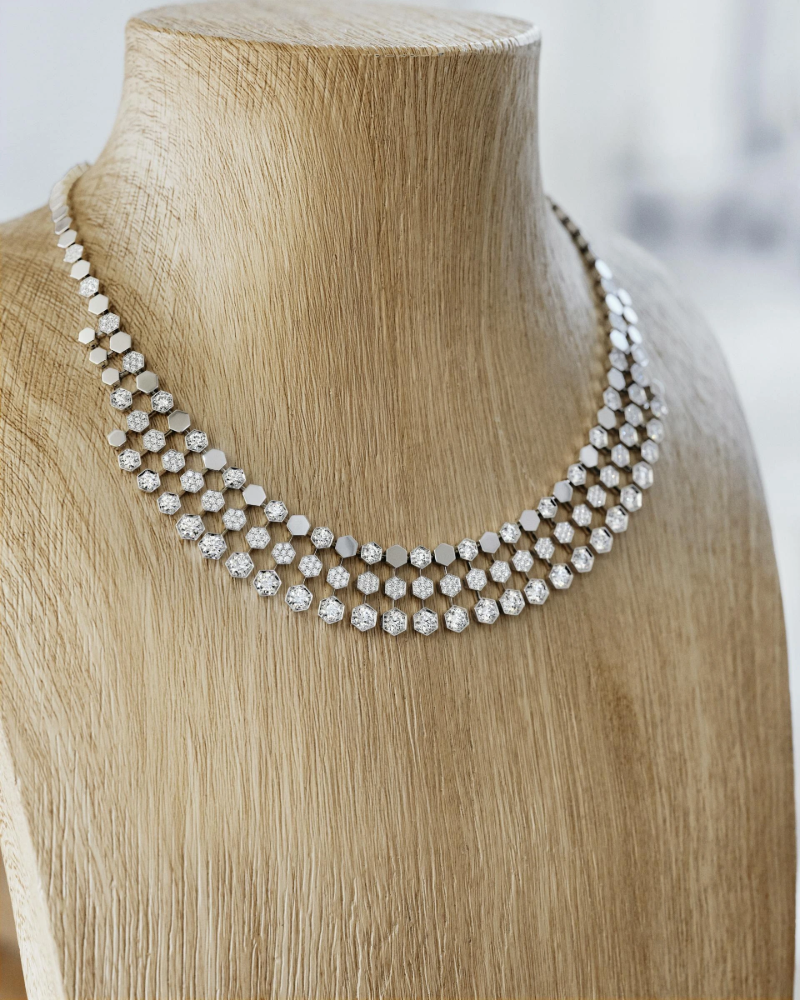
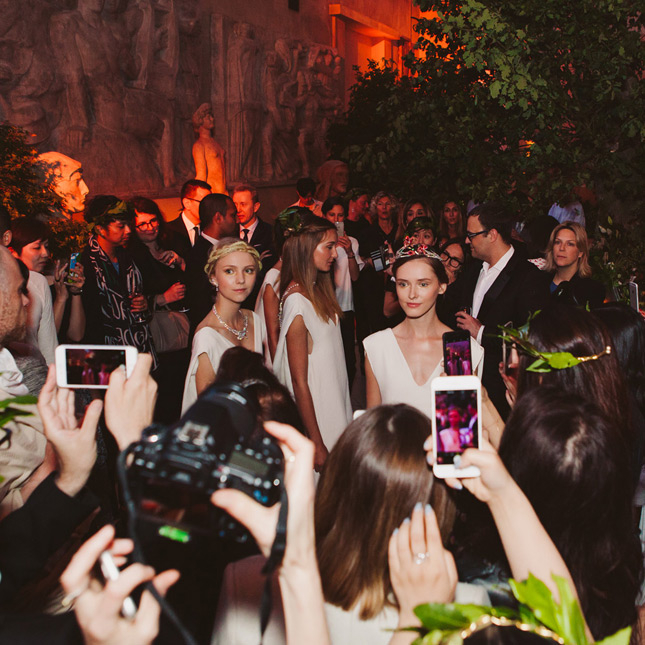
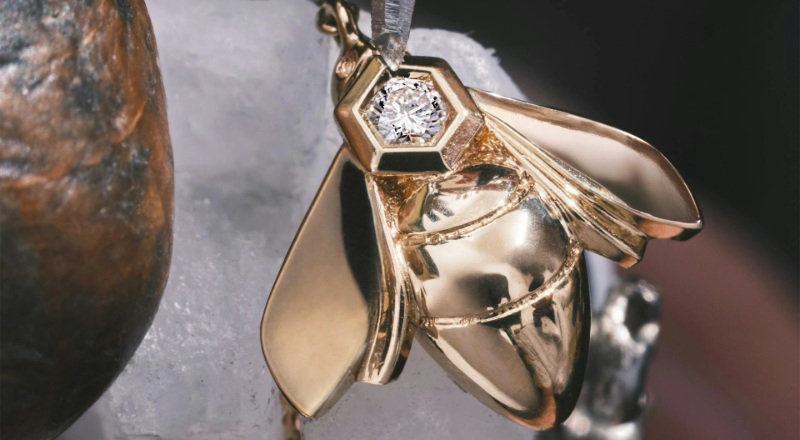
Every so often, the jewelry industry unveils a piece designed to be admired. Occasionally, it unveils a piece designed to be interrogated — in the best sense. Chaumet‘s new Bee de Chaumet High Jewelry set, revealed on July 22, is very much the second kind: a necklace and matching earrings that happen to be gorgeous, but whose real headline is invisible to the eye entirely.
The decoding: what “traceable gold” actually means
Gold, historically, has had a documentation problem. A bar can pass through refineries, dealers and borders with a paper trail that ranges from meticulous to nonexistent, which is a strange thing to accept when the metal in question is about to sit on someone’s collarbone at a gala. “Traceable gold” means the opposite: every gram in this collection can be followed back to its responsibly sourced origin, verified rather than assumed. Chaumet is calling this its first High Jewelry creation built entirely from 100% traceable gold — a step up from typical “responsible sourcing” language, which often applies to a supply chain in general rather than to the specific metal in the specific object in your specific box.
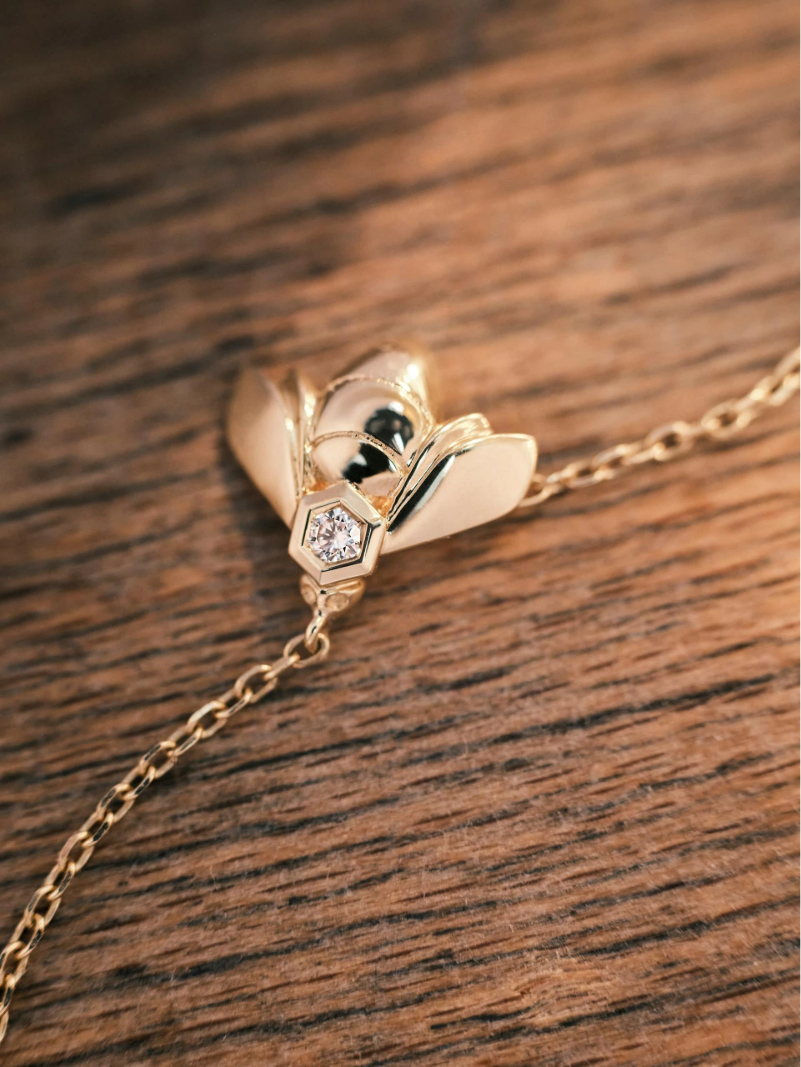
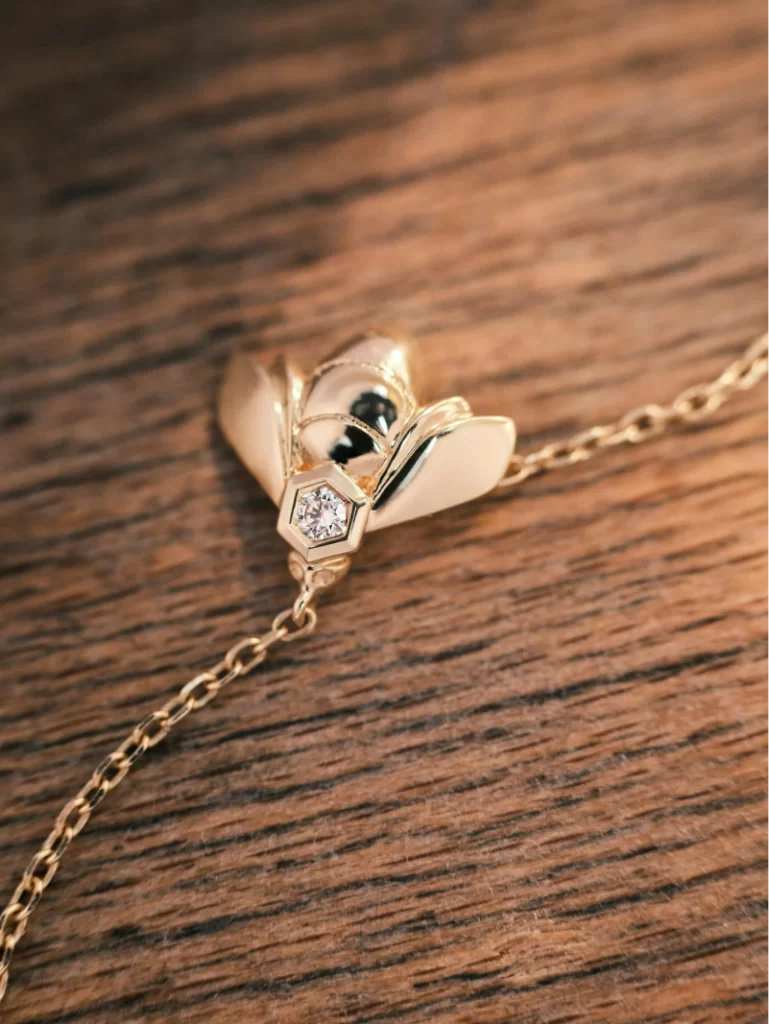
The set itself reworks Bee de Chaumet’s honeycomb motif — all sculptural volume, polished gold and diamond contrast — building on the single Bee pendant the house introduced in 2025. The choice of bee as mascot is, frankly, a gift to headline writers: hives are the original supply chain, run entirely on collective, traceable labor, no middlemen, no smelting required. Chaumet leans into that symbolism deliberately, framing the honeycomb as a nod to collective commitment rather than just a pretty pattern.
Why this matters beyond one very nice necklace
The Map to Modern Luxury
THE CURATED CALENDAR
Discover the world’s most prestigious gatherings & exhibitionsThis launch sits inside LVMH’s broader LIFE 360 environmental program, and Chaumet has spent several years building credentials to back it up — membership in the Responsible Jewellery Council, participation in the Swiss Better Gold Association, and a stated ambition to extend gold traceability progressively across its wider Jewelry and High Jewelry lines, not just this one hero piece.
Here’s the industry-wide implication worth sitting with: High Jewelry has always sold desire first and provenance second, if at all. A 40-carat emerald doesn’t usually come with a spreadsheet. What Chaumet is signaling is that traceability itself is becoming a competitive feature at the very top of the pyramid — not just an ESG checkbox for mass-market gold jewelry, but a flex for maisons who can now say the metal in a six-figure necklace has a documented, responsible life story. Expect competitors to follow, quietly at first, then loudly, because once one maison at Place Vendôme puts “traceable” on a High Jewelry label, the absence of that word on everyone else’s label starts to read as a gap rather than a neutral fact.
The bee, as a symbol, has always stood for industriousness. Chaumet’s version now stands for something slightly rarer in luxury: a straight answer to the question “where did this actually come from?”