Decoding this year’s Pebble Beach spectacle — three very different bets on what “the future of luxury cars” actually means.
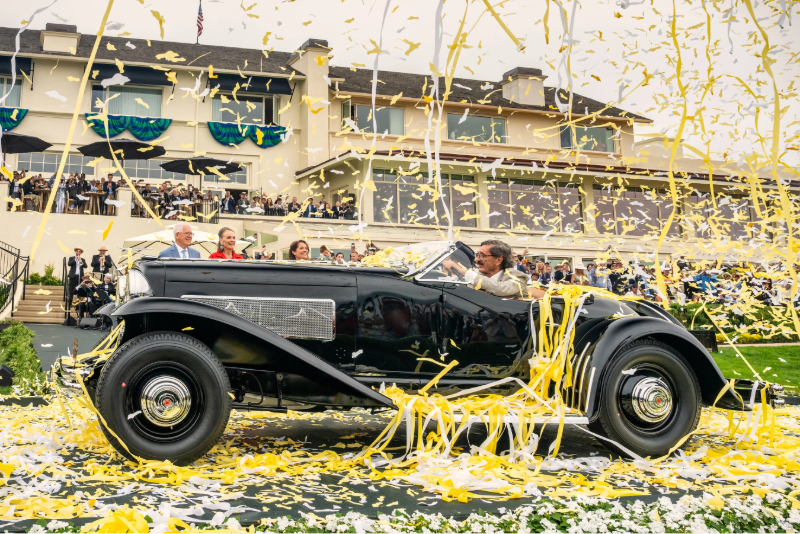
Once a year, a small stretch of California coastline becomes the single most concentrated display of automotive wealth, nostalgia and ambition on the planet. The 75th Pebble Beach Concours d’Elegance and Monterey Car Week (August 7–16, 2026) delivered its usual mix of nine-figure classics changing hands quietly and new metal debuting loudly — but three storylines in particular say a lot about where the ultra-luxury car world thinks it’s heading.
The decoding: three bets on the future, side by side
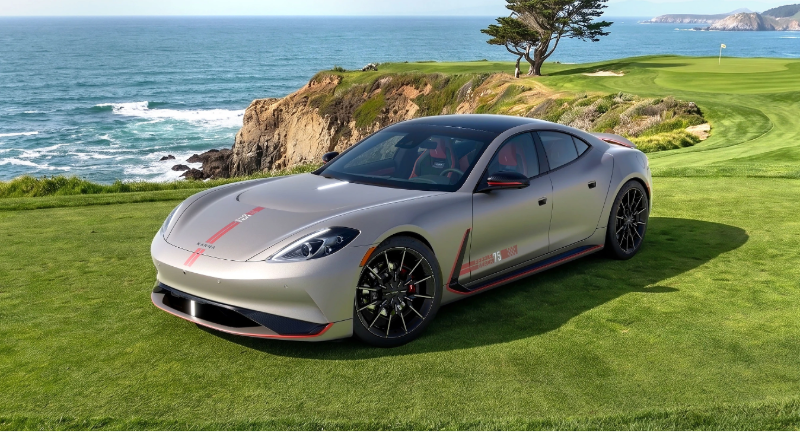
Karma Automotive used the week to make an unusually pointed stateme
nt: the future of ultra-luxury performance isn’t necessarily all-electric. The brand unveiled its next-generation lineup across three very different vehicles — the 2027 Gyesera Grand Coupe, a four-seat Hybrid EREV (extended-range electric vehicle) arriving at dealerships this December from $139,995; the 2028 Amaris GT, Karma’s first production two-door GT, also EREV-powered; and the 2029 Kaveya Super Coupe, a fully electric, over-1,000-horsepower, butterfly-doored halo car pegged around $400,000. Displaying a hybrid, a near-hybrid and a pure-EV side by side at the same event is Karma effectively hedging its bets in public — betting that the “right” powertrain for ultra-luxury buyers isn’t settled yet, and refusing to commit to just one answer.
Meanwhile, Automobili Lamborghini spent the week looking backward on purpose. The brand hosted a dedicated celebration of the Miura — widely considered the world’s first true supercar — marking its 60th anniversary with a gathering of historic examples and the debut of the limited Revuelto Miura 60° Homage, built through Lamborghini’s Ad Personam customization program. It’s proof that even a brand entirely built around forward-looking, hybrid-powered, three-figure horsepower numbers still understands that heritage is its most valuable asset.
And then there was Mazda, which brought perhaps the week’s most unexpected guest: the legendary 787B, the car that remains the only Japanese manufacturer ever to win the 24 Hours of Le Mans outright, appearing at the Rolex Monterey Motorsports Reunion. Its presence is a reminder that “luxury” at Monterey isn’t only about price tags — it’s equally about motorsport pedigree that money alone can’t manufacture.
The Map to Modern Luxury
THE CURATED CALENDAR
Discover the world’s most prestigious gatherings & exhibitions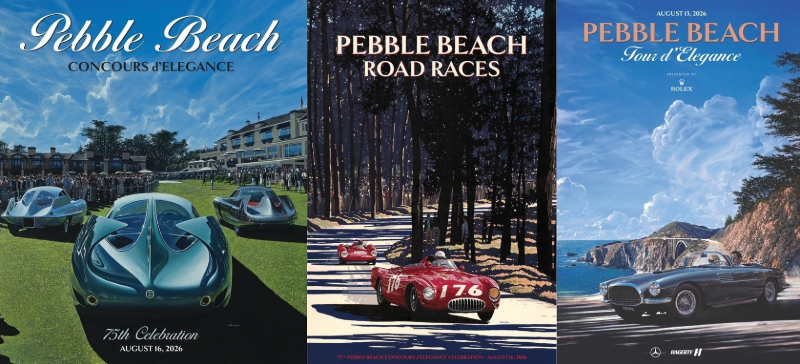
Why this all matters beyond one very expensive week in California
Put these three storylines together and a pattern emerges: the ultra-luxury automotive world is currently hedging on nearly every axis at once — powertrain (hybrid vs. electric vs. combustion nostalgia), identity (forward-looking innovation vs. heritage storytelling), and audience (buyers who want the newest tech vs. buyers who want proof of motorsport soul). Nobody at the very top of the market seems fully confident which bet wins, which is precisely why Pebble Beach increasingly functions less as a single trade show and more as a referendum — dozens of brands testing different theories about what wealthy buyers will actually want in three, five, ten years, all in the same 18 fairway views.
The industry-wide read
For decades, Pebble Beach was mostly a concours in the traditional sense — a beauty contest for cars that already existed. What’s changed is how aggressively it’s now used as a launchpad for cars that don’t exist yet, positioned deliberately alongside the icons that built the categories they’re chasing. That convergence of past and future, on the same lawn, in the same week, is arguably the most honest snapshot available of where high-end automotive taste is actually headed — because unlike an auto show, nobody at Pebble Beach has to pretend the old cars aren’t still the ones everyone really came to see.