A Napa estate, a cognac for Diwali, a lab full of sensors, a smoky “wine” and a butterfly-wing Champagne: five bottles, one message.
Read the week’s drinks headlines individually and they look unrelated. Line them up and they say something sharp about what premium drinkers now want: fewer bottles, better stories, smarter quality control and a reason to buy beyond thirst.
The News, Decoded
Somerston Estate is a private, 1,682-acre Napa Valley property in the eastern Vaca Mountains, with 230 acres of sustainably farmed hillside vineyards. It has launched a new flagship collection of just two wines: the 2023 Somerston Red ($245, 190 cases) and the 2025 Somerston White ($75, 200 cases, due late fall). The bottles are refreshed with a gold-embossed astrolabe, an early navigational instrument, and the estate adds a new culinary program.
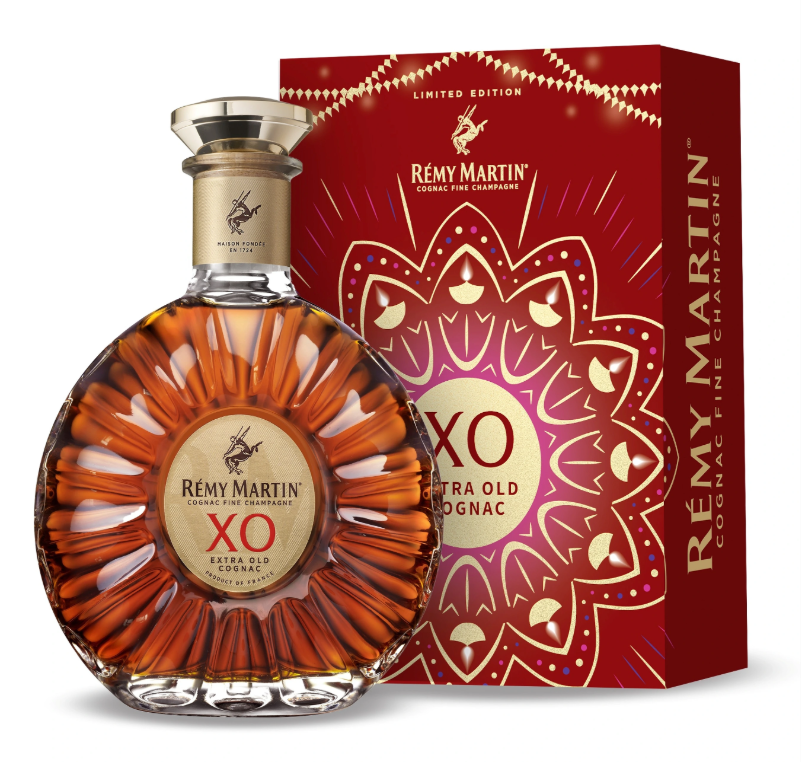
Rémy Martin, the cognac house of Rémy Cointreau, introduced a limited-edition XO Diwali at $199.99, in a gold coffret with rangoli-inspired illustrations and a nod to the diya lamp, backed by a “My Diwali” campaign aimed at gifting and hosting.
Moët Hennessy, the wine and spirits division of LVMH (owner of Moët & Chandon and Hennessy), teamed with semiconductor company Analog Devices and UC Davis on AI-powered chemical sensing. In early results, the system flagged grapes and wine at risk of a “fresh mushroom aroma” defect before it would traditionally be detected. The partners also see uses in vine disease and soil assessment.
Ola Sol, a Los Angeles agave-wine producer founded in 2024, launched Humo: a 24% ABV wine from Oaxacan Espadín agave, fortified with mezcal brandy and smoky without added smoke. It comes with a New York distribution deal (Union Beer/Blueprint Spirits). The pitch: many New York venues hold wine licenses and cannot legally pour mezcal, but they can pour Humo.
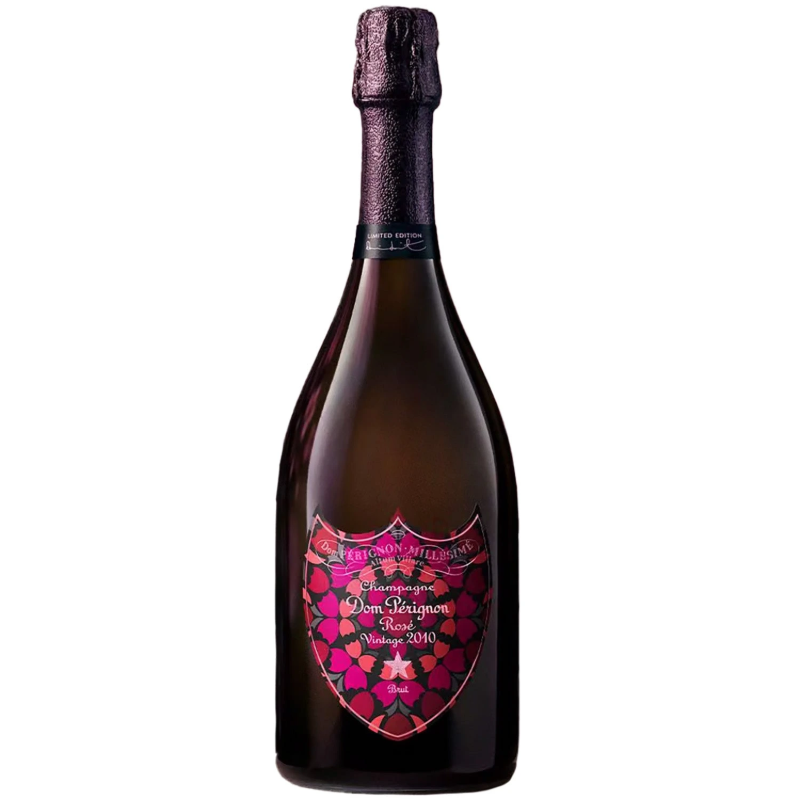
Dom Pérignon, LVMH’s prestige Champagne, commissioned Damien Hirst to dress its Vintage 2018 and Rosé Vintage 2010 for the holidays. Hirst turned the house shield into his kaleidoscope, butterfly-style patterns. The wines themselves are not new releases, only the packaging is.
The Perspective
1. Scarcity is the new vintage chart. Somerston’s collection is small by design, with one red and one white, produced in a couple of hundred cases each. High-end buyers increasingly pay for restraint and place rather than range. Fewer wines say “we chose only the best blocks.”
2. Occasions beat categories. Rémy Martin is not selling cognac in general; it is selling Diwali. Cultural gifting moments have become premium marketing calendars, and the $199.99 price shows the segment is attractive to luxury houses. For consumers, the message is that celebration deserves an object, not just a liquid.
The Map to Modern Luxury
THE CURATED CALENDAR
Discover the world’s most prestigious gatherings & exhibitions3. Technology is going invisible. Moët Hennessy’s project is not about robots replacing winemakers; it is about catching problems earlier while keeping human judgment. Expect luxury houses to talk less about “tradition vs technology” and more about technology that protects tradition. High-end drinkers will care about consistency without wanting the lab coat in the story.
4. Access is a luxury too. Ola Sol’s Humo is clever because it solves a licensing problem rather than a taste problem. It also fits a wider appetite for lower-alcohol options with real flavor. The signal to consumers: a premium cocktail may soon appear in places that never had a spirits license.
5. Art is the new label. Dom Pérignon’s Hirst edition changes the wrapping, not the wine. Collectors buy the bottle as an object, and an artist’s name turns a gift into a display piece. It is the same logic as Ferrari selling a hood: the experience extends beyond consumption.
Humor break: in 2026 your most expensive drink may be one you do not open, one you cannot legally pour in half the bars you love, or one an algorithm tasted before you did.
The takeaway: premium drinkers are being asked to buy stories, scarcity and art in addition to flavor. The winners will be the houses that give the bottle a reason to exist, and the consumers will be those who ask what that reason is.