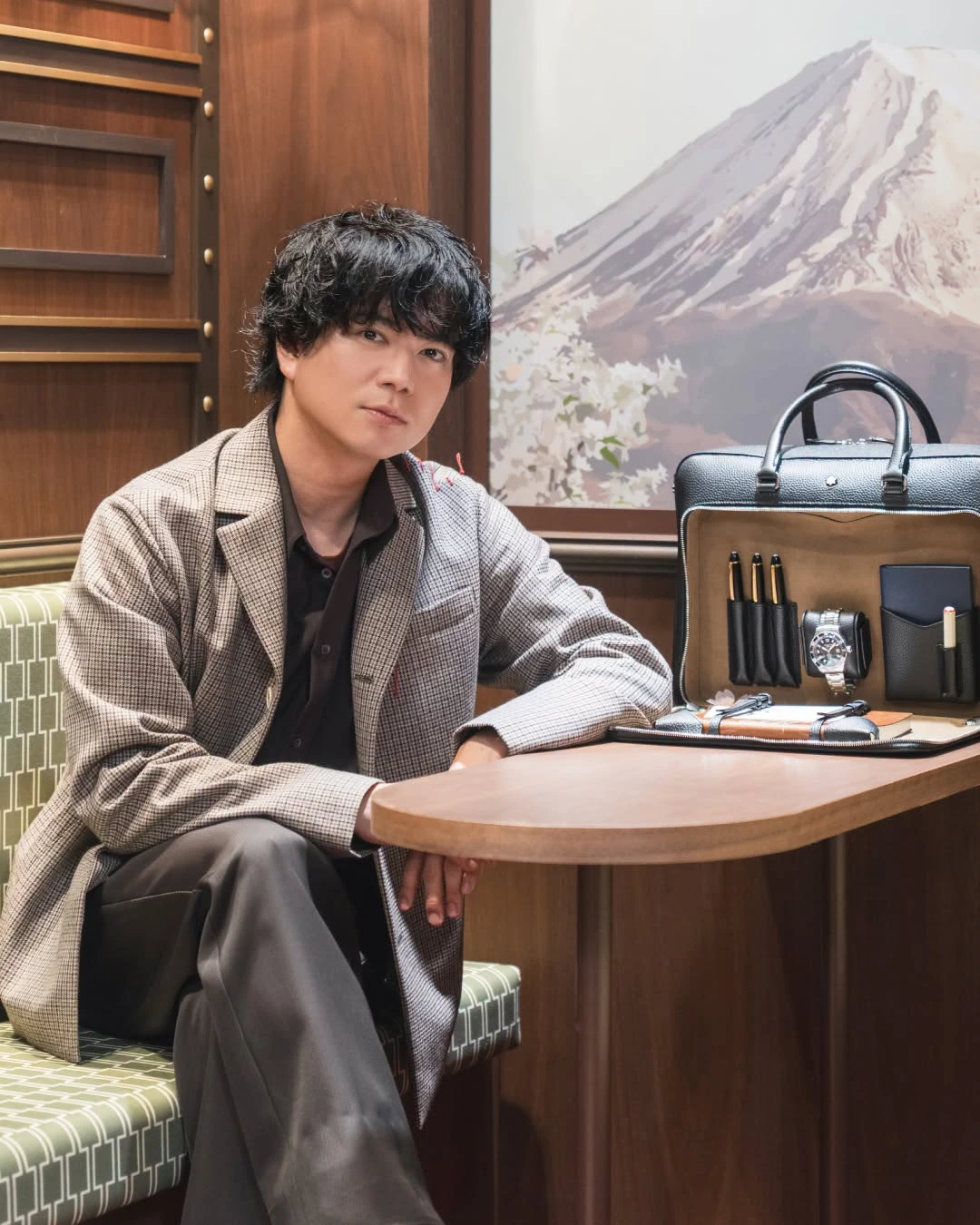
In a world that can generate anything in seconds, the rarest luxury is something that cannot be rushed.
In our piece on the Rimowa x Faber-Castell case we said luxury loves the analog. Here is the evidence. By “analog” we mean objects that work through hands, materials and mechanisms rather than screens: turntables, pens, film cameras, mechanical watches, pencils, wool. And the pattern is hard to miss.
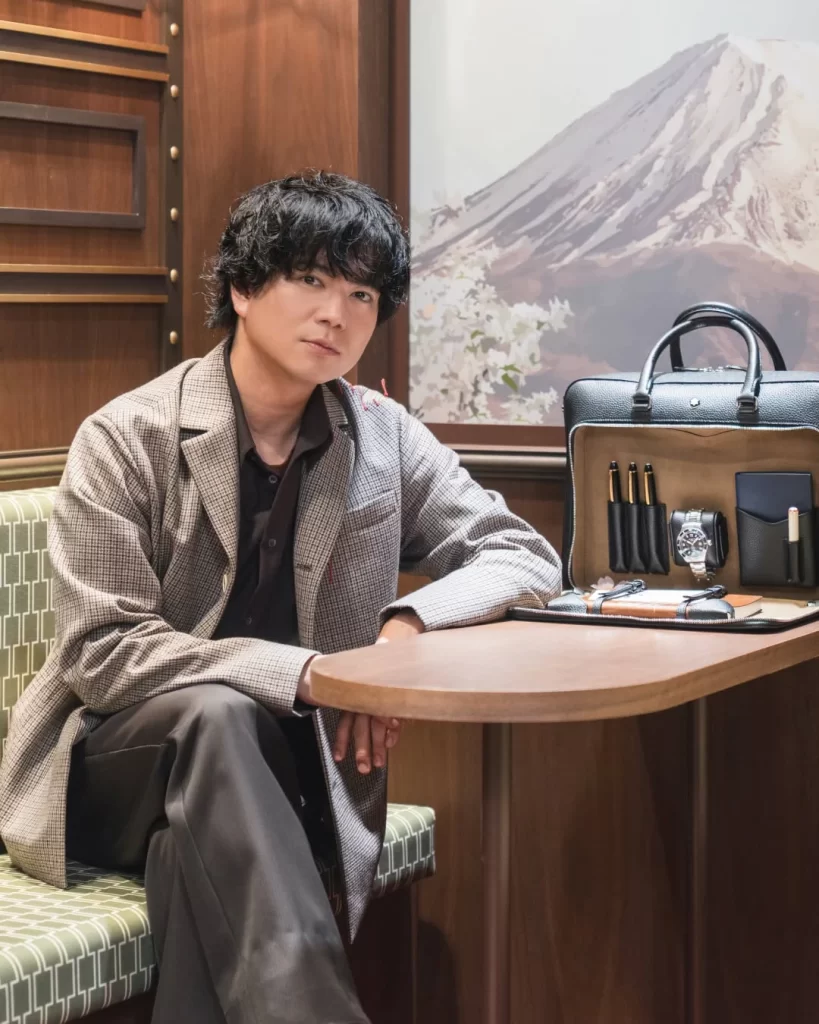
1. Attention is the scarcest resource, and analog protects it
Fashion has noticed what it calls the “Great Switch-off.” Forbes Global Properties points to the “analogue bag,” a viral 2026 trend in which influencers carry crossword books, sketchbooks, knitting and classic cameras instead of gadgets. For wealthy consumers, an object that does one thing without notifications is a form of freedom. Luxury has always sold time; now it sells uninterrupted time.
2. Craft is the one thing an algorithm cannot fake
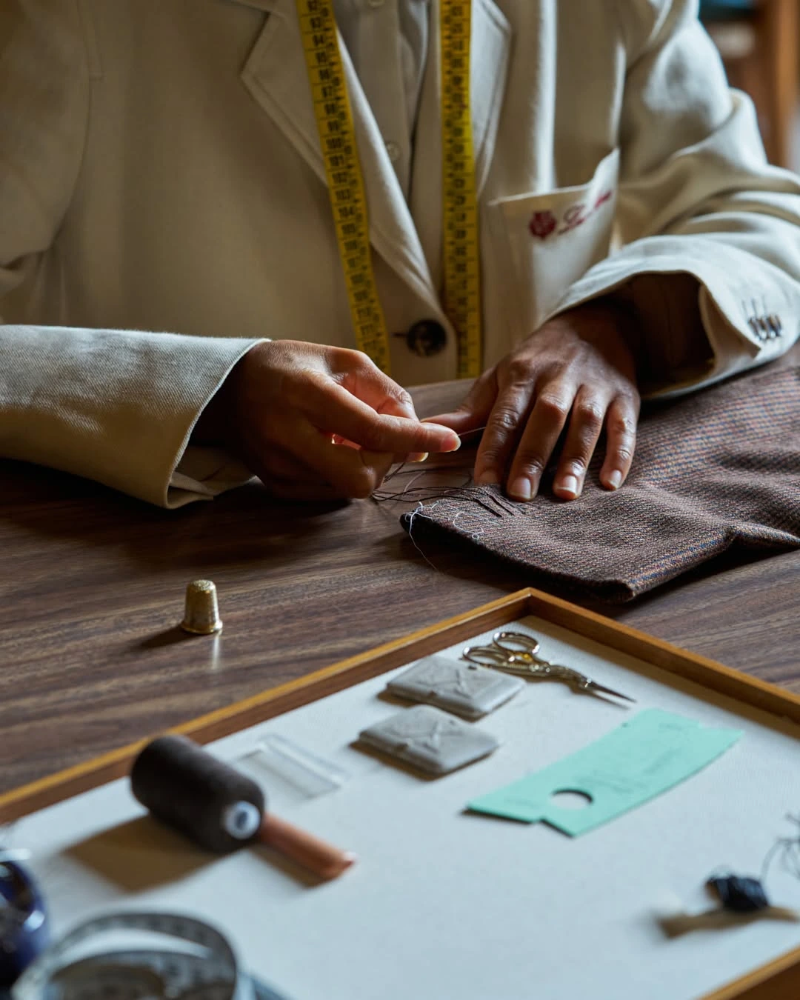
When content, images and even design drafts can be generated instantly, human skill becomes the proof of value. Loro Piana, the Italian cashmere house owned by LVMH, has just opened an 8,000-square-meter knitwear center in Ghemme and keeps an academy there to train new artisans. Vacheron Constantin and The Met spent 18 months on an artisan residency for a furniture maker, a ceramicist and a jeweler. Ferrari turned car panels into canvases for hand-drawn design sketches. The message: if a person made it slowly, it is worth more.
3. Ritual justifies the price
Analog objects ask you to do something: drop the needle, uncap the pen, wind the watch. That ceremony turns use into an experience. Hermès, the French house of the Birkin, launched a turntable in its Spring/Summer 2026 object collection, in mirror-polished chrome and Swift calfskin, with a dual button inspired by vintage camera controls that switches it on, sets volume and selects 33 or 45 rpm. Montblanc, the German writing-instrument house, relaunched its small Schreiberling fountain pen, designed with director Wes Anderson, at $2,500 according to Air Mail. And Rimowa‘s $3,100 Artist Case makes drawing with 120 Polychromos pencils feel like a ceremony. Nobody needs a $3,100 pencil case; that is exactly why it feels like luxury.
4. Patina and permanence beat novelty
Technology ages out; good analog objects age in. Rimowa’s silver aluminum case is designed to develop a patina that grows more personal with use. Mechanical watches are serviced for decades, and 2026 watch coverage notes a renaissance in chiming complications. Forbes Global Properties quotes the view that the strongest luxury positioning today is permanence, not innovation. In a throwaway economy, longevity is the flex.
5. The next generation is buying in
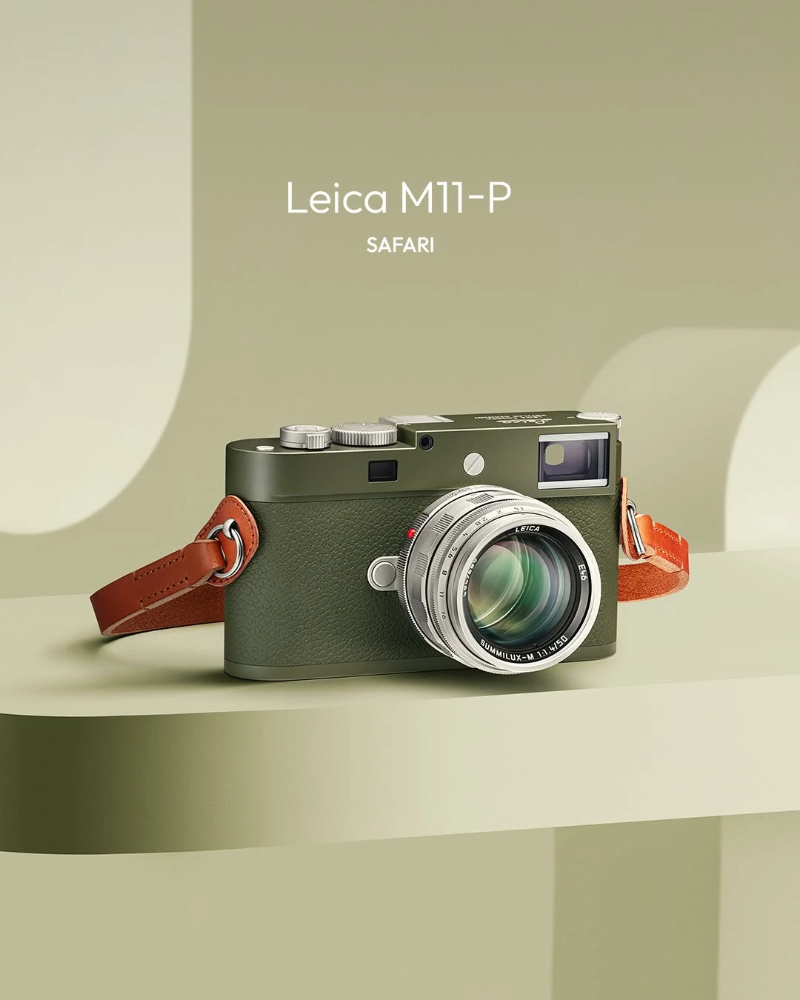
This is not just nostalgia for older buyers. A 2024 Watchfinder & Co survey found 41% of Gen Z respondents had bought a luxury mechanical watch in the previous year, and a 2025 Vinyl Alliance study found a quarter of Gen Z fans buy records monthly. Forbes Global Properties also reports that Leica said film-camera sales jumped 900% in 2024 (treat that as the company’s claim). Leica still makes film rangefinders such as the M6, MP and M-A, priced around $5,000 to $6,500. The generation raised on screens is paying a premium for the opposite.
The Map to Modern Luxury
THE CURATED CALENDAR
Discover the world’s most prestigious gatherings & exhibitions6. Analog is a smarter business model
Analog luxury is hard to commoditize. A hand-finished object cannot be copied at scale, supports repair and resale, and lends itself to limited editions, which collectors adore. It also lets brands extend into new categories (music, writing, hobbies) using the codes they already own, as Rimowa did with its aluminum, and with Winmau’s dartboard earlier this year.
The honest counterpoint
Two caveats. First, analog is also a marketing story: “going analog” is trending on TikTok, which is gloriously ironic. Second, the smartest brands are hybrids, not purists. Montblanc has also sold a Digital Pen and Paper, and watch commentators describe buyers wanting the emotional resonance of a wound movement with modern engineering underneath. Luxury loves analog the way a gourmet loves fire: lovingly, with excellent kitchen equipment nearby.
The takeaway: analog is not a retreat from the future; it is luxury’s answer to it. When everything is fast, free and infinitely reproducible, what is slow, handmade and finite becomes the status symbol. Expect more turntables, pens, cameras and cases from the houses that know how to make time visible.


