While much of fashion outsources, Loro Piana, one of the quietest names in luxury just poured its largest industrial investment into a single sweater-making hub.
In an industry that often talks about craft while quietly optimizing costs, a luxury company building a 8,000-square-meter factory for knitwear is making a statement. Possibly even a loud one, for a brand so devoted to understatement.
The News, Decoded
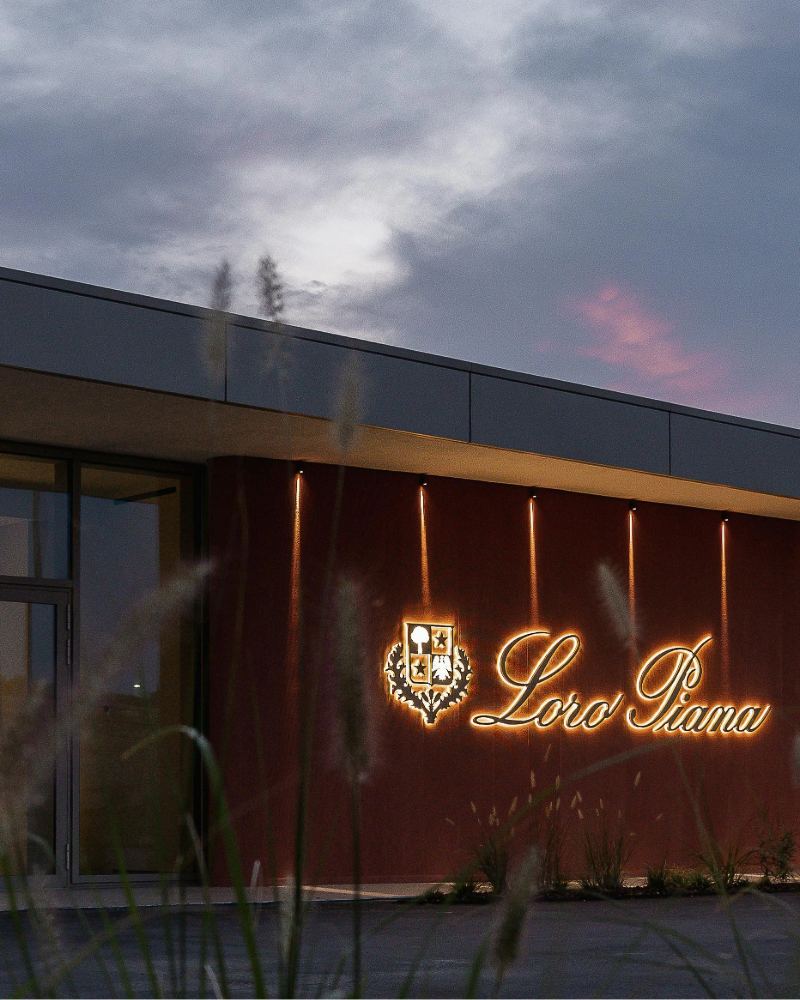
Loro Piana, the Italian house famous for cashmere, vicuña and the “quiet luxury” aesthetic, now owned by LVMH, has opened a new knitwear center in Ghemme, in Italy’s Piedmont region. It is the label’s first new manufacture in more than 30 years and, according to CEO Frédéric Arnault, its largest industrial investment to date. The facility took three years to build.
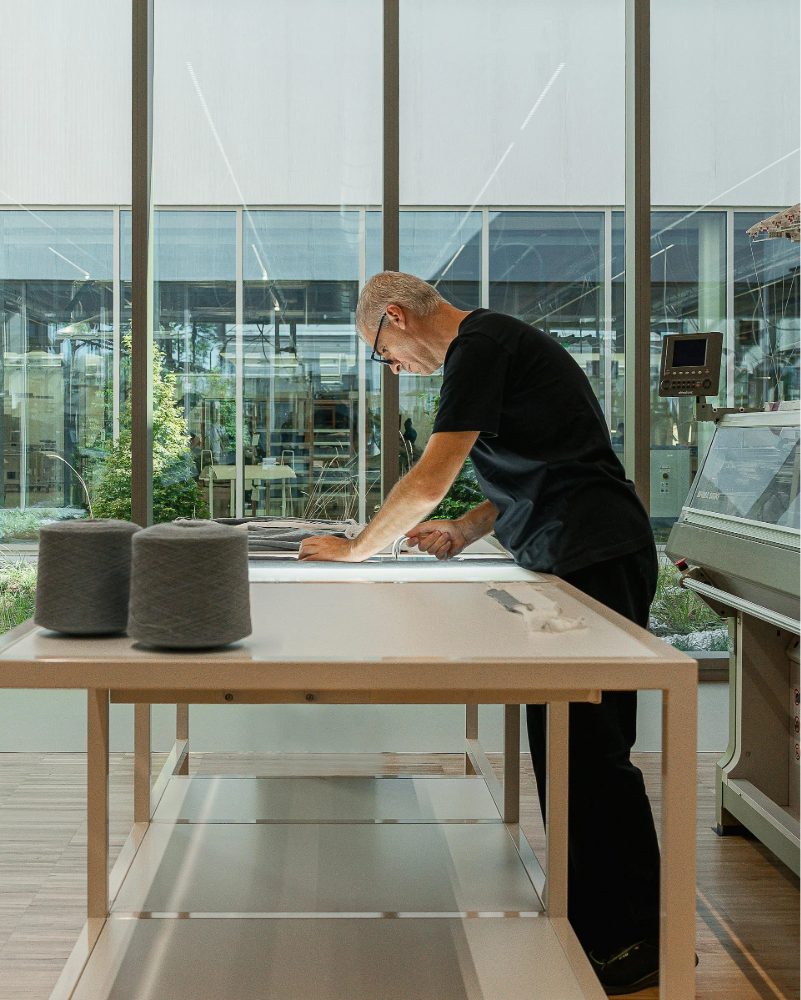
The site handles the full chain under one roof: research and development, programming, knitting, assembly and finishing, plus talent development. It works with the house’s prized fibers, including cashmere, Baby Cashmere, vicuña, Merino wool and Pecora Nera, a rare black sheep wool.
Loro Piana has been in Ghemme since 1987, when it opened a worsted wool spinning mill there. The original water tower and caretaker’s house were preserved, and the latter now hosts the Accademia dei Mestieri, which trains new artisans in specialized knitwear techniques. About 190 people work at the site today, a number expected to reach roughly 300 within three years.
The Perspective
Craft is now infrastructure. The most revealing detail is not the square meters; it is the academy. Luxury’s quiet crisis is not lack of demand but lack of skilled hands. Training your own artisans in a former caretaker’s house turns heritage into a hiring pipeline. A house that wants to make knits for decades must grow its own knitters.
Vertical integration as a luxury moat. Bringing R&D, programming, production and finishing together reduces dependence on outside subcontractors and tightens quality control. In a market where “Made in Italy” claims face scrutiny, owning the full process makes the label credible. It also protects scarce materials: vicuña and Baby Cashmere are not fibers you hand to just anyone.
The Map to Modern Luxury
THE CURATED CALENDAR
Discover the world’s most prestigious gatherings & exhibitionsQuiet luxury needs loud capacity. The category has boomed on the back of unlogoed, tactile products, and knitwear is its core. Investing in capacity signals that Loro Piana expects demand to stay strong, and that it wants to meet it without compromising the product. Scale and exclusivity can coexist if the scale is built carefully.
The humane footnote. Jobs in Piedmont rising from 190 to 300 matter beyond branding: they anchor luxury in a place rather than a logo. For the region, this is the kind of news that sells far more than a sweater.
Humor break: somewhere, a cashmere goat has just been told its work now has a dedicated innovation lab.
The next competitive edge in luxury is not louder marketing but deeper ownership of craft, people and place. Loro Piana is investing in all three, quietly, of course.


