The oldest watch manufacture in continuous operation just spent 18 months mentoring a furniture maker, a ceramicist, and a jeweler. None of them make watches. That’s the point.
Luxury patronage usually looks predictable: a fashion house sponsors an art prize, a watchmaker underwrites a museum wing, everyone gets a plaque. Vacheron Constantin and The Metropolitan Museum of Art just did something considerably weirder and more interesting — they built an entire residency program around crafts that have nothing to do with watches at all.
The News, Decoded
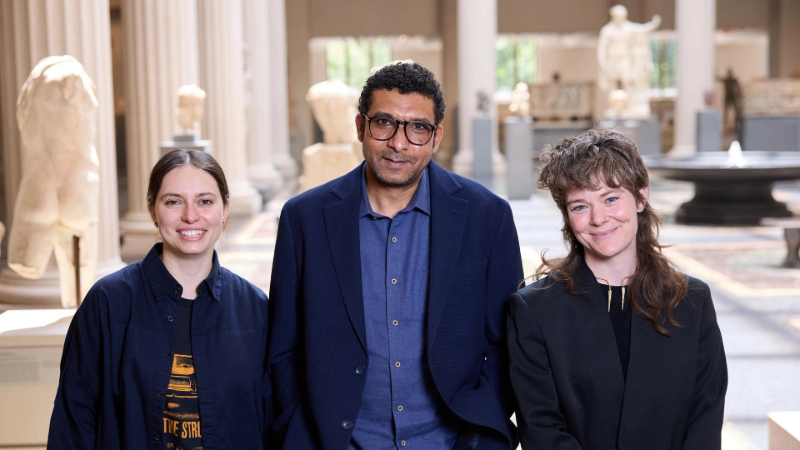
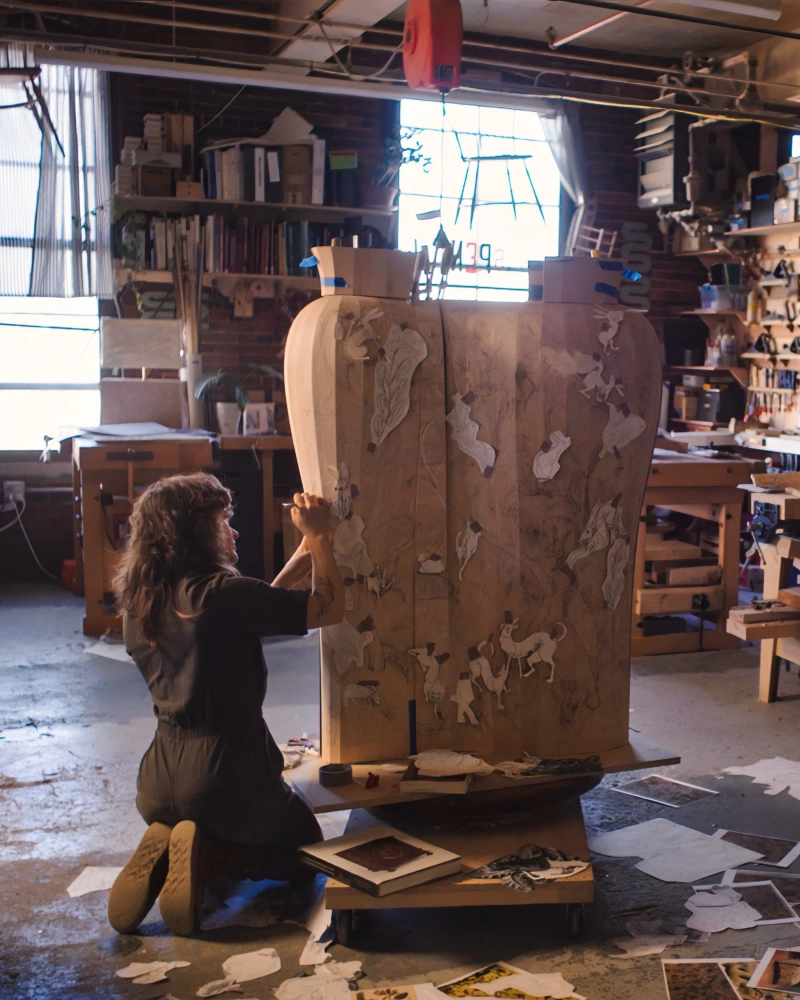
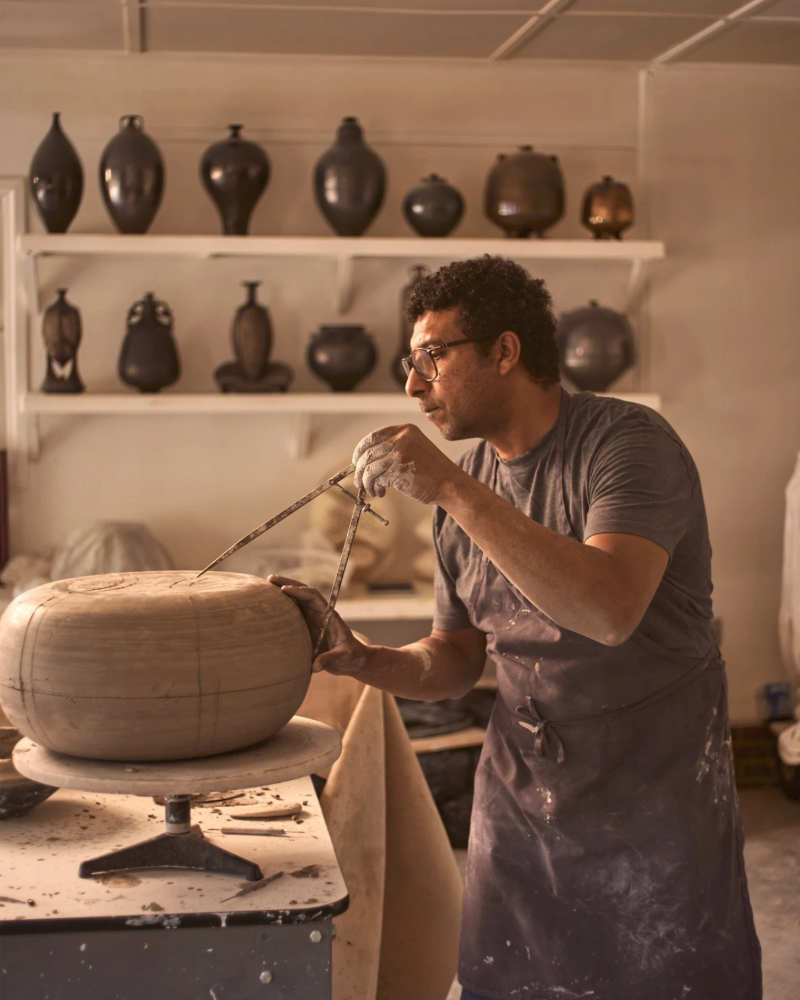
Vacheron Constantin, founded in Geneva in 1755 and the oldest watch manufacture in continuous operation anywhere in the world, partnered with The Met to launch the Artisan Residency Programme, an 18-month initiative selecting three practitioners of traditional crafts from a global applicant pool. The chosen three: Aspen Golann, an American furniture maker specializing in historical woodworking techniques who also runs an equity-focused chairmaking project; Ibrahim Said, an Egyptian ceramicist trained by his father in the ancient pottery traditions of Fustat, Cairo; and Joy Harvey, a British-Italian jewelry designer. None of them make watches. Each spent time both in New York with The Met’s curators and collections, and in Geneva with Vacheron Constantin’s own master artisans, before producing an original work reinterpreting their craft. The residency, which launched in mid-2025 as part of Vacheron Constantin’s 270th anniversary celebrations, culminates on October 8, 2026, when the artisans present their finished pieces and lead public programming at The Met.
The Perspective
The obvious question is why a watch manufacture would invest eighteen months of mentorship, travel, and museum access into a furniture maker and a ceramicist rather than, say, an aspiring watchmaker. The answer says something genuinely smart about how the best heritage houses think about their own identity: Vacheron Constantin isn’t really in the business of selling watches. It’s in the business of preserving the idea that patient, hand-taught mastery still matters — and that idea is bigger than horology. A furniture maker who spends years learning 18th-century joinery techniques is fighting the exact same cultural battle a watchmaker is: proving that slow, difficult, human-scale craft still has a place in a world optimized for speed.
This is also a more durable form of brand-building than anything a marketing campaign could buy. A sponsored art prize generates a headline and fades. A genuine 18-month mentorship — with artisans moving between two continents, working alongside actual master craftspeople, producing something that will live permanently in museum programming — builds an association between Vacheron Constantin and “custodian of craft” that’s nearly impossible for a competitor to replicate quickly. You can’t fast-track 270 years of continuous operation, and you can’t fast-track an authentic patronage relationship either.

Glider Superyacht opens unprecedented cruising opportunities
Find more hidden gems in our archiveTHE CURATED CALENDAR
Discover the world’s most prestigious gatherings & exhibitionsThere’s a mentorship lineage angle worth noting too: Vacheron Constantin has trained apprentices since founder Jean-Marc Vacheron first did so in 1755. Framing this residency as a modern extension of that same 270-year habit — rather than a new marketing initiative — is exactly the kind of narrative continuity heritage luxury houses spend fortunes trying to manufacture, and Vacheron Constantin gets to simply point at its own history and say: we’ve just always done this.
The next era of luxury patronage may have less to do with brands funding art they admire, and more to do with brands funding the practice of mastery itself — regardless of medium. That’s a subtler flex than a sponsored gala, but a far more convincing one.