LV won its lawsuit. China’s museums just quietly won the argument.
Nothing turns a courtroom win into a PR headache faster than a museum exhibit. That’s the position Louis Vuitton finds itself in after a Chinese court sided with the house in a trademark case — only for a state museum to promptly display artifacts predating the brand’s Monogram by centuries.
The News, Decoded
Louis Vuitton — the 1854-founded French house whose interlocking “LV” and four-petal floral Monogram is arguably the most recognized pattern in fashion — sued Molly Tea, a Shenzhen-based jasmine tea chain, for using a similar four-petal floral device across its stores and cups. In late June, the Suzhou Intermediate People’s Court ruled in LV’s favor, ordering Molly Tea to pay 10.3 million yuan (about $1.5 million) for infringing seven of the house’s registered flower marks. Molly Tea is appealing, and LV has reportedly filed similar suits against other Chinese businesses.
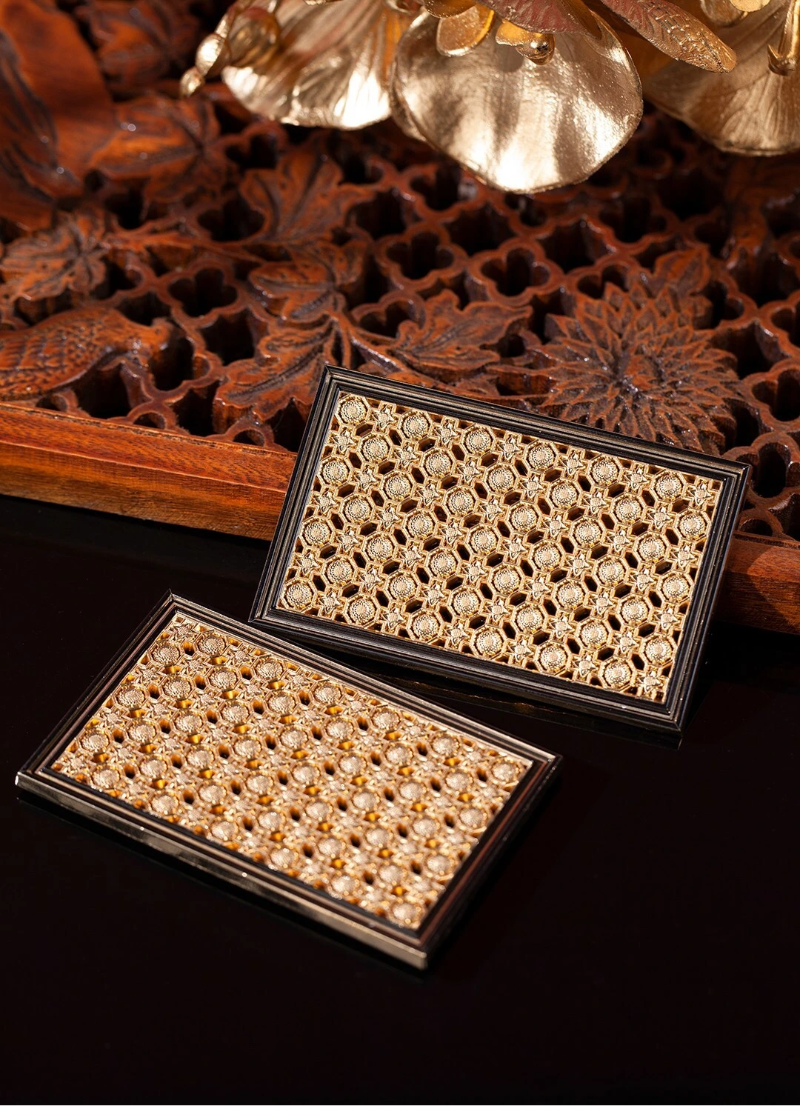
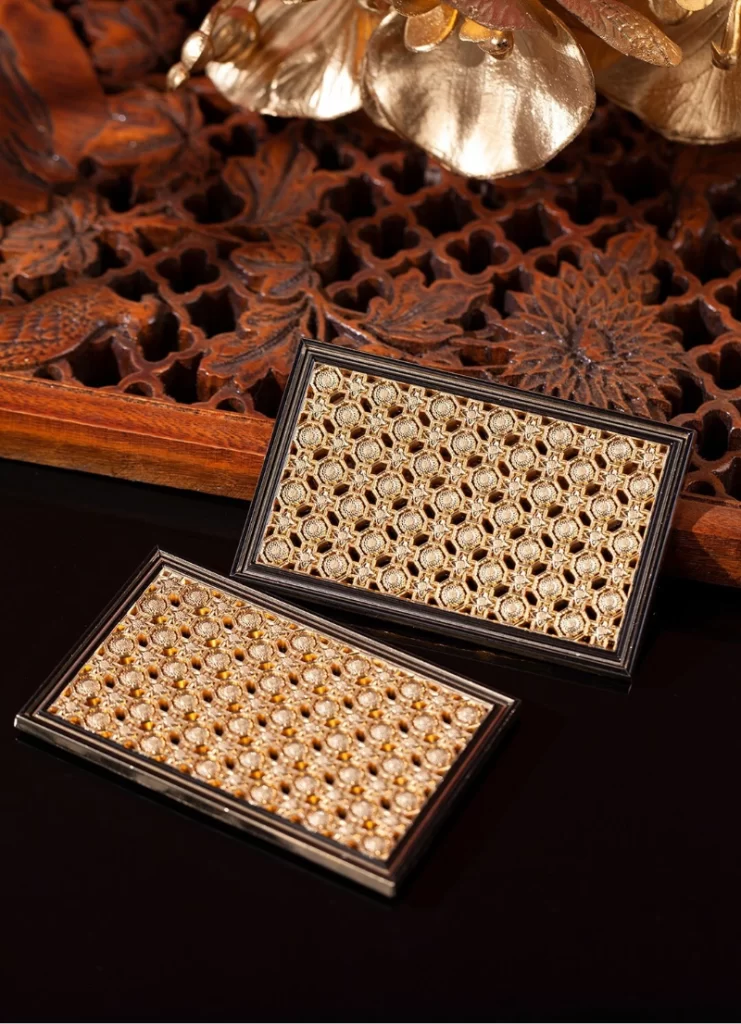
Then came the counter-punch — not from a courtroom, but from a museum. The Guangdong Museum in Guangzhou unveiled an exhibition, “Splendor in Lacquer and Wood: Chaozhou Woodcarving Art,” showcasing a Qing Dynasty gilded woodcarving panel featuring the same symmetrical four-petal floral motifs, arranged in traditional lattice patterns known as guibei jin (“tortoiseshell brocade”). The museum even released a collectible magnet of the design. Chinese social media exploded, with the hashtag “LV Accused of Monopolizing Ancient Chinese Patterns” trending on Weibo, as commentators pointed to motifs like the baoxiang flower and persimmon calyx pattern — believed by many historians to predate and possibly inspire the LV Monogram itself.
Here’s the uncomfortable truth every heritage luxury house eventually has to sit with: monogram equity is built on the legal claim to a pattern, not necessarily the historical claim to inventing it. Louis Vuitton’s Monogram, introduced in 1896, borrowed heavily from Japanese mon crests and global decorative traditions of its era — that’s well documented design history, not controversy. What’s changed is who’s now equipped to make that argument publicly, loudly, and with museum-grade evidence: a state museum, a hashtag, and 1.4 billion potential customers watching.
The Map to Modern Luxury
THE CURATED CALENDAR
Discover the world’s most prestigious gatherings & exhibitionsThis isn’t really a legal problem for LV — they won the case, and trademark law in most jurisdictions genuinely doesn’t require you to have “invented” a pattern, only to have registered and defended it consistently. The real risk is reputational, and it’s a live one for every heritage house with a monogram built on centuries-old motifs: Gucci’s interlocking Gs, Chanel’s double-C, Fendi’s Zucca. As more countries develop the cultural confidence (and museum infrastructure) to publicly stake claims on decorative heritage, expect more of these disputes to play out not just in courtrooms, but in the far more unpredictable court of social media.
The takeaway: owning a pattern legally and owning its story culturally are two very different battles — and in 2026, luxury houses need to start winning both.