Virgin Hyperloop unveiled its all-new supersonic passenger experience


@virgin hyperloop

Imagine being able to commute between cities that are currently hours apart in minutes – and the endless possibilities that opens up.

Just months after their first passenger testing, Virgin Hyperloop today unveiled its vision for the future hyperloop experience. The newly-released concept video takes the viewer step-by-step through a hyperloop journey, from arriving at the portal to boarding the pod.

A hint of the future to come.

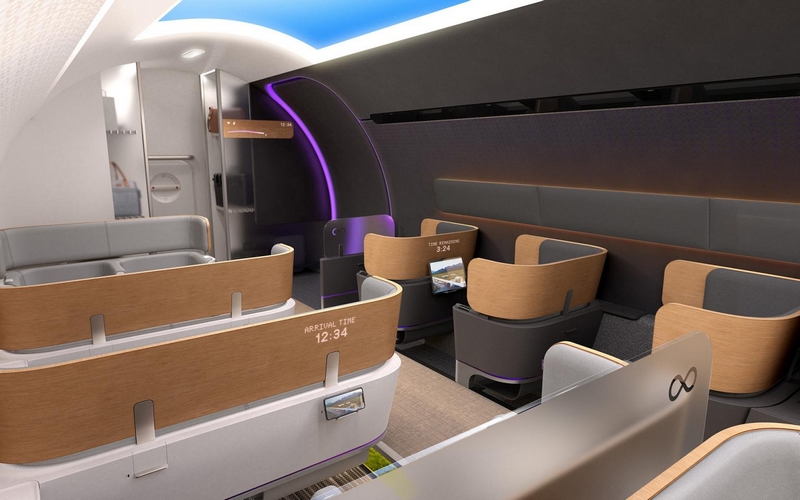
Virgin Hyperloop worked with world-class partners across disparate industries – including Bjarke Ingels Group (BIG) for the portal designs, Teague for the pod designs, SeeThree for the video and animation, and Man Made Music for the score and sonic identity – to design acomprehensive, multi-sensory passenger experience that surpasses that of any other form of mass transit.

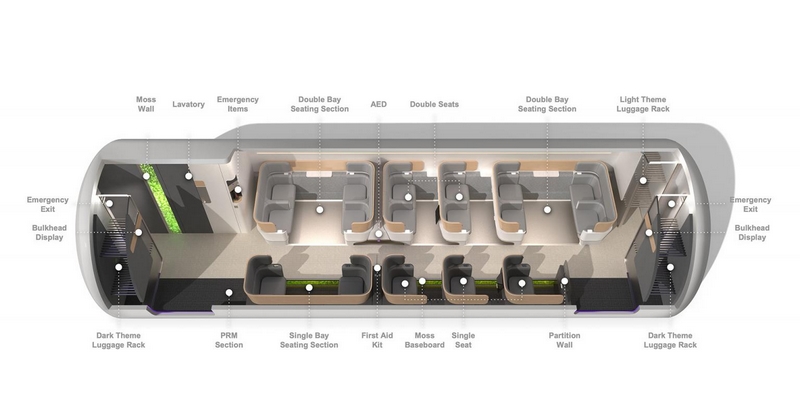
On demand and direct to destination, the hyperloop system would be able to transport thousands of passengers per hour, despite the fact that each vehicle carries up to 28 passengers. This high throughput is achieved by convoying, where vehicles are able to travel behind one another in the tube within milliseconds, controlled by Virgin Hyperloop’s machine intelligence software.

Following their successful passenger testing, Virgin Hyperloop is currently paving the way for the regulation and certification of hyperloop systems around the world. The company aims to achieve safety certification by 2025, with commercial operations – such as those depicted in this video – beginning in 2030.

“To kick off the project, our team created a full-scale volumetric model of the interior to use as a design exploration tool,” said Teague, the designers of the Virgin Hyperloop pods. “The model allowed our teams to experiment with seat configurations and informed human factors and lighting design in a dynamic and real-time build. As part of our process, we also made extensive use of room-scale virtual reality (VR) to quickly evaluate design iterations. We commonly use VR tools and platforms to validate our initial concepts, including Garage, a tool we designed and developed that allows us to quickly review CAD models and their materials without a lot of 3D data pre-processing,” added Teague.
@virgin hyperloop

Virgin Hyperloop’s counter narrative is a more optimistic view of the future: a greener, smoother, safer, and more pleasant mass transit experience.

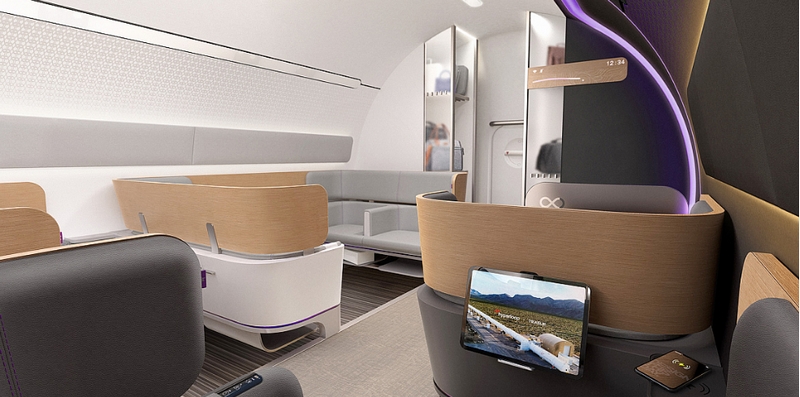
“We leveraged decades of experience designing how people and things move across various modalities – taking some of the best aspects from aviation, rail, automotive, and even hospitality to create a new and better passenger experience that is distinct to Virgin Hyperloop,” said John Barratt, CEO & President, Teague. “Recessed seat wells provide a greater sense of space, while the raised aisle is a touch of the unexpected and unique. Bands of greenery and wood textures subvert the aesthetic of typical mass transit materials with something optimistic and fresh. All lighting in the pod—including the unassuming information displays—are dynamic and adjust based on traveler activity and journey milestones.”

A key pillar of Virgin Hyperloop’s passenger experience is accessibility, ensuring that this new form of transportation will expand opportunities for the masses. While ticket prices will vary depending on the exact route, a recent study in Ohio found that hyperloop fares would be more akin to the cost of driving, rather than flying.

“It’s simple. If it’s not affordable, people won’t use it,” said Jay Walder, CEO of Virgin Hyperloop. “Daily high-speed transport is currently not feasible for most people, but we want to change that notion. Imagine being able to commute between cities that are currently hours apart in minutes – and the endless possibilities that opens up.”

@virgin hyperloop
@virgin hyperloop

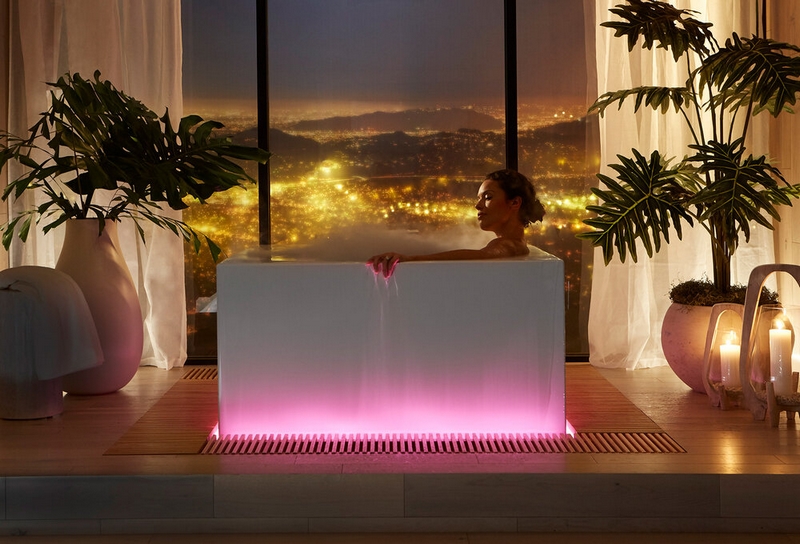
The luxury of pause: The Stillness Bath is transforming into a real spa for quiet mindfulness

  As millions of people around the world spend more time at home, they yearn for balance and seek an escape from the stresses and anxieties of everyday life. The smart home technology has the power to create more moments of wellbeing. It is also making it easier to unwind, destress, and find peace. The … Read more

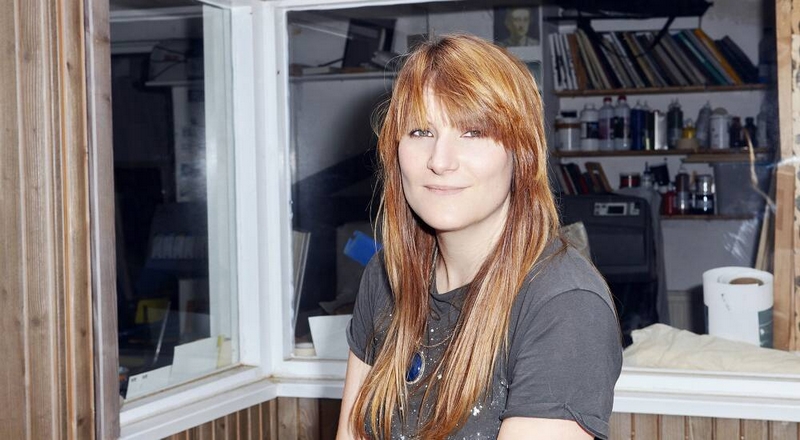
LVMH announces LVMH Métiers d’Art 2021 artist in residence

    Franco-Danish painter Eva Nielsen was selected by LVMH luxury group for its LVMH Métiers d’Art 2021 artist in residence program. LVMH Métiers d’Art invites Eva Nielsen as 2021 artist in residence For six months starting in January 2021, Eva Nielsen will collaborate with artisans at Tanneries Roux, recognized for their exceptional savoir- faire … Read more

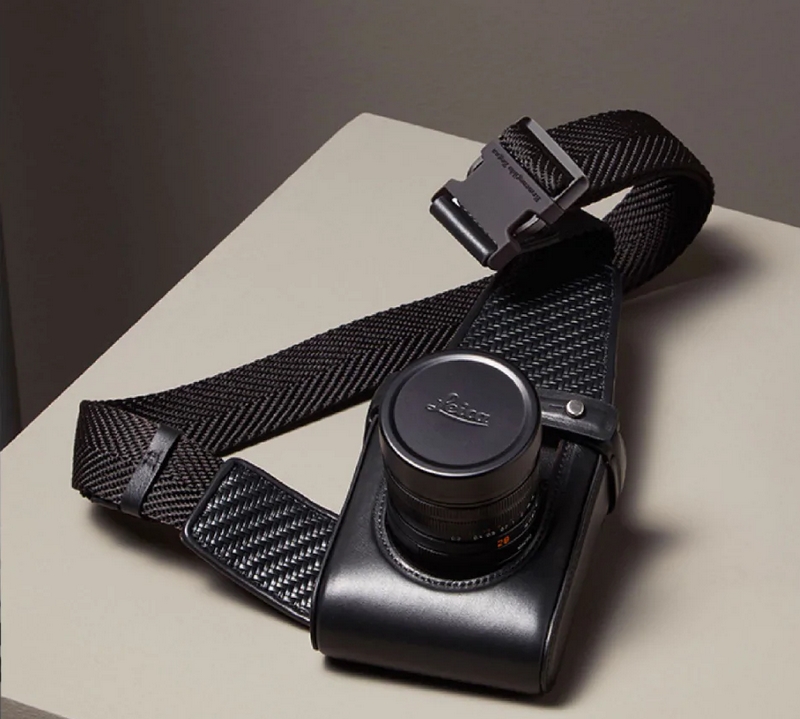
Leica x Zegna: A capsule of high-end camera accessories, possibly the most refined to date

      Fashion meets Photography: an exclusive Collaboration between Leica Camera and Zegna.  Debuted in January 2020 on the runway of the Ermenegildo Zegna XXX Winter 2020 Fashion Show, this highly expected capsule collection finally came to life. Designed for the modern photographer, in search of the most beautiful image but equally attentive to … Read more

A glimpse of Napa Valley’s first and only resort set within a working winery

  The Resort will afford guests unique opportunities to taste complex, age-worthy wines and enjoy immersive, hands-on and educational experiences and tasting sessions steps from their rooms. This new luxury hotel is the only property in the Napa Valley region that sits on an active winery, so guests will be afforded a true grape-to-glass experience … Read more

Most advanced domestic robot ever – cooks from scratch and even cleans up afterwards


Moley Robotic Kitchen by @Moley Robotics; Images and video by @Black Edge Productions

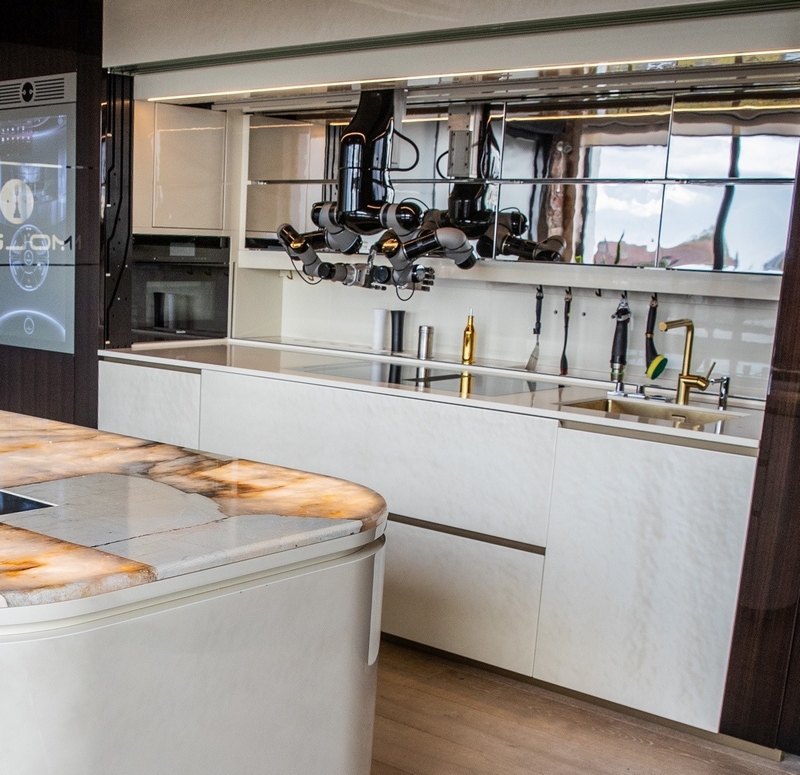
The world’s first robotic kitchen by Moley. The robot even cleans up after itself – without complaint!

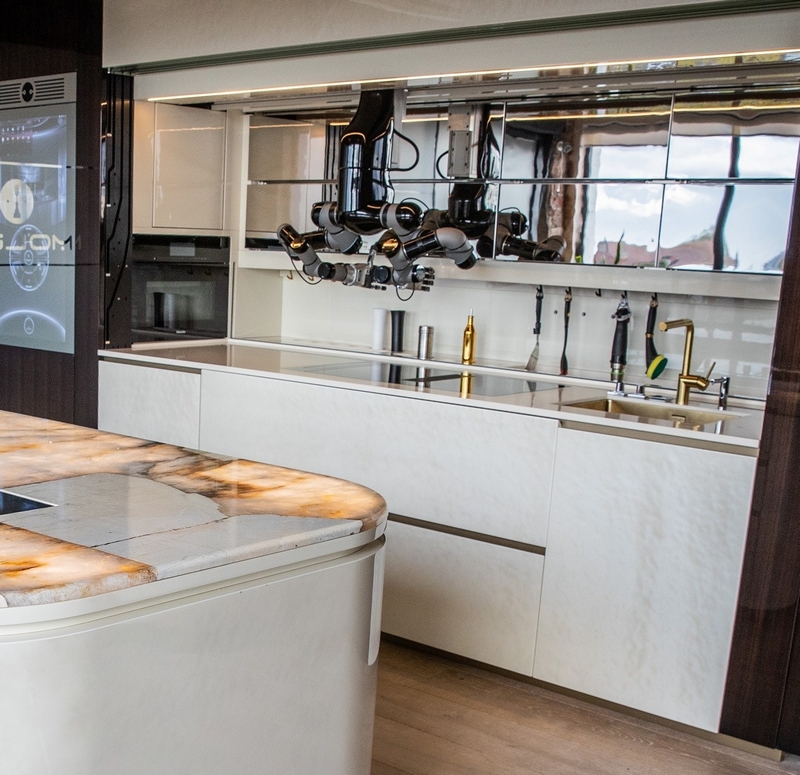
This dexterous robot integrated into a luxury kitchen prepares freshly-cooked meals at the touch of a button. The Moley kitchen is the product of six years research and development by an international team of 100 engineers, product and luxury interior designers and three award-winning chefs. The world’s first robotic kitchen was showcased this week at CES 2021 (Consumer Electronics Show), one of the world’s premier consumer technology shows.

Created by British technology company, Moley Robotics, the system features the most advanced domestic robot ever capable of preparing 5000 recipes or records your own using family favorites. Moley Robotics was founded in 2014 by London-based computer scientist, robotics and healthcare innovator Mark Oleynik.

Moley Robotic Kitchen by @Moley Robotics; Images and video by @Black Edge Productions

Italian design with world-leading German technology

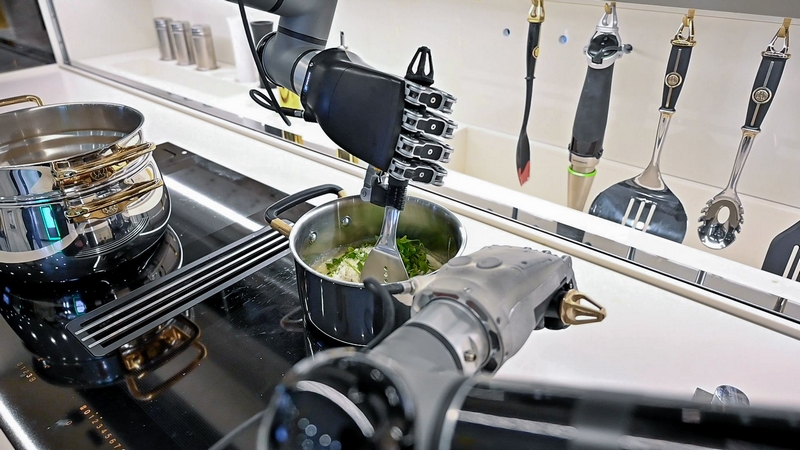
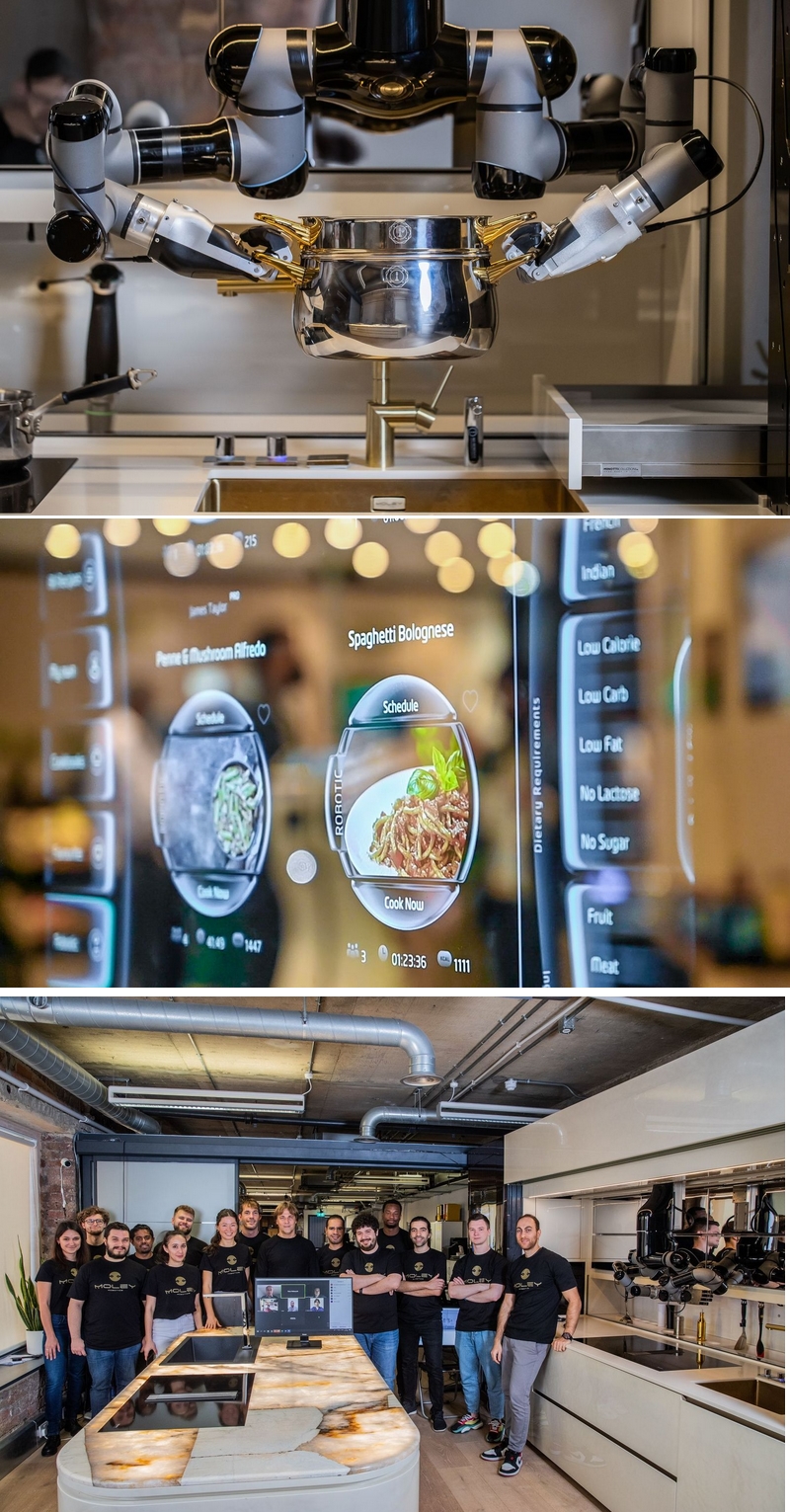
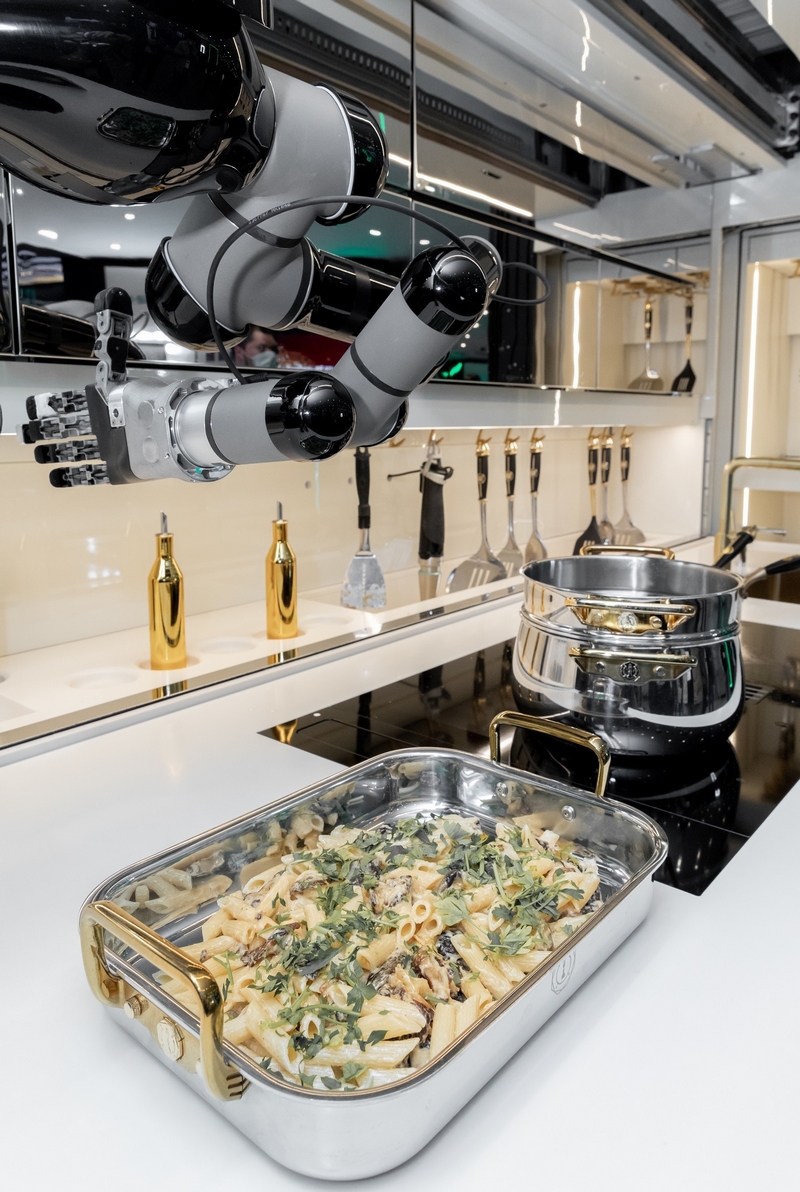
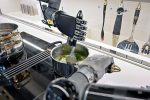
Moley Robotics robot kitchen can retrieve ingredients from the smart fridge, adjust hob temperature, use the sink to fill pans and pour, mix and plate up just as a human cook would. The robot even cleans up after itself.

At the heart of the new technology are two robotic arms featuring fully-articulated ‘hands’, developed in collaboration with world-leading German robotic company SCHUNK, Moley’s exclusive hand partner. The product of 11 exhaustive development cycles they reliably reproduce the movements of human hands.

The Moley Robotics system does not cook like a machine – it captures human skills in motion. Tim Anderson, culinary innovator and winner of the prestigious BBC Master Chef competition (2011) played an integral role in the kitchen’s development, with his cooking techniques 3-D recorded then translated into elegant digital movement using bespoke algorithms.


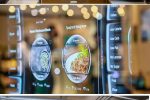
Tim and fellow chefs Nicole Pisani and Andrew Clarke have created 30 dishes to showcase the systems’ capabilities at launch, with new recipes added every month. Ultimately, Moley customers will be able to select from a digital menu with over 5000 choices, as well having the option to record their own family-favorite dishes using Moley’s innovative recipe-creator software tool.

Moley Robotic Kitchen by @Moley Robotics; Images and video by @Black Edge Productions

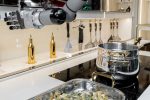
The Moley Robotic Kitchen in operation

The Moley Kitchen can be used by both humans and the robot. Bespoke stainless-steel cookware and utensils have been design to be comfortable to hold as well as providing a precision fit in robotic hands.

The Moley Kitchen uses a combination of sensors and optical cameras to map ingredients, cookware and utensils within in the kitchen. Subtle markers on handles and pan lids help the robot orientate the stainless-steel pots, pans, and utensils. The robot’s optical system can even spot dropped food and clean up before and after cooking. An integrated UV lamp ensures the cooking area is kept germ free.

“What you are looking at here is the world’s first consumer robotic kitchen. Our luxury fully automated smart kitchen is now on sale, and like all breakthrough technologies – cars, televisions and computers – it will appeal to enthusiasts, professionals and early adopters, and is priced accordingly. We anticipate that our pricing will be reduced significantly over time with production volume, efficiencies and economies of scale, whilst simultaneously enhancing additional functionalities of the product”. He continued, “Whether you love food and want to explore different cuisines, follow a low calorie diet or have special dietary requirements the Automated Kitchen can do this. Thanks to the recipe sharing platform, home cooks and chefs will be able to upload personalized variations of recipes and save family favorites for everyone to enjoy for years to come. It is not just a labour saving device – it is a platform for our creativity. It can even teach us how to become better cooks!” – Moley Robotics founder and CEO, Mark Oleynik.

Moley Robotic Kitchen by @Moley Robotics; Images and video by @Black Edge Productions