The Fragrance Foundation gathered the American fragrance industry at Cipriani 42 in New York to announce its 2026 finalists and early winners — and if you know how to read a room, the results are a masterclass in where luxury perfumery is quietly, decisively heading.
There is something almost ritualistic about the Fragrance Foundation Awards. Every year, the industry assembles, celebrates itself, and hands out trophies that — if you look past the ceremony — function as a kind of collective self-portrait. What does this industry value right now? What stories is it choosing to tell? What does it consider excellent, innovative, lasting?
The 2026 edition, held at the legendary Cipriani 42 in New York, was no exception. Five category winners were announced at the luncheon itself. Fourteen more will follow at the June 11th ceremony at Lincoln Center. But the names already on the board are enough to sketch the picture clearly.
And the picture is interesting.
The Headline: Guerlain’s Shalimar Is Still the Greatest Story in Perfumery
Before we get to innovation and indie darlings, let’s acknowledge the most telling winner of the early announcements: the Editorial of the Year went to a piece about a fragrance that is one hundred years old.
What Guerlain’s Shalimar Can Teach About Building a Brand That Lasts 100 Years, published in Rolling Stone by Sudhir Gupta, beat out a field that included pieces in The New York Times and Marie Claire. That a centenary fragrance story — about legacy, longevity, and what it actually means to build something that endures — was voted the most important piece of fragrance writing in 2026 is not an accident. It is a statement of values.
The industry is thinking about permanence. About what lasts. About the difference between a trend and a truth.
Shalimar, incidentally, is also a finalist in the Fragrance of the Year — Women’s Prestige category, in its new L’Essence interpretation by perfumer Delphine Jelk. A hundred years in and still competing. That is the benchmark everything else is measured against.
The Indie Moment: LBTY. Beauty Zephirine Takes the Crown
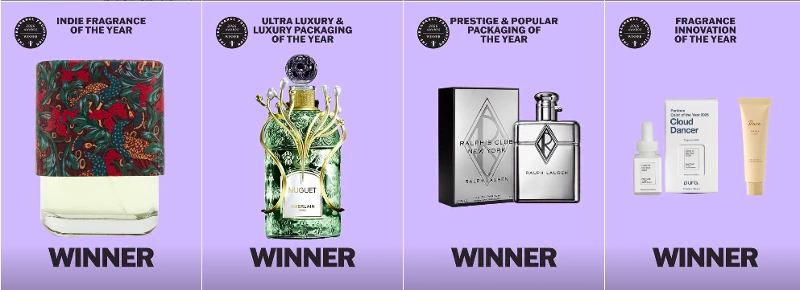
The Indie Fragrance of the Year is often the most revealing category at any fragrance awards — it tells you what is happening at the edges before the mainstream catches up. This year, the winner is LBTY. Beauty Zephirine, created by perfumer Frank Voelkl for dsm-firmenich.
LBTY. Beauty is not a household name. It is precisely the kind of quiet, serious, beautifully made thing that the niche fragrance world quietly champions while the mainstream is still arguing about celebrity scents. The fact that Zephirine also appears as a finalist in the Ultra Luxury & Luxury Packaging of the Year category — with bottle design by Jon Marshall and the legendary Harry Pearce of Pentagram — tells you this is a house that understands that everything is the product. The scent. The bottle. The story. The name.
Frank Voelkl is one of the most respected perfumers working today, with a portfolio that spans Byredo, D.S. & Durga, and some of the most critically admired niche releases of the past decade. His presence here signals that LBTY. Beauty is worth knowing.
Innovation: When Color Becomes Scent (and Balm Becomes Architecture)
Two winners shared the Fragrance Innovation of the Year category, and together they tell a fascinating dual story about where the industry’s creative energy is flowing.
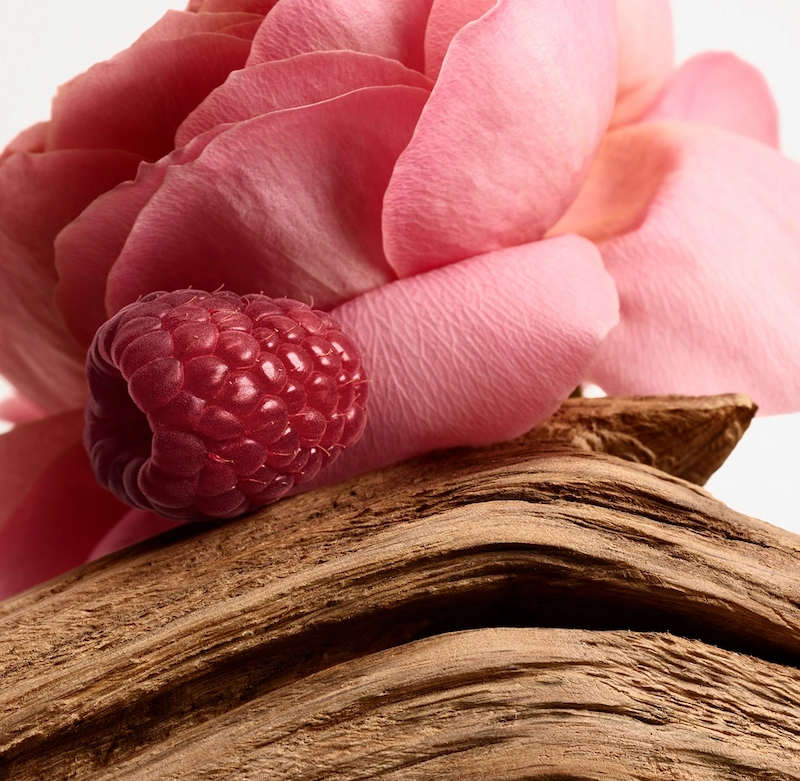
Pura Cloud Dancer Pantone Color of the Year, created by perfumers Clement Gavarry and Erwan Raguenes for dsm-firmenich, does exactly what it sounds like: it translates a color — the official Pantone Color of the Year — into a fragrance. This is synesthetic perfumery. It asks the question: what does a specific shade smell like? It’s the kind of conceptual thinking that ten years ago would have lived exclusively in niche ateliers. Now it’s winning mainstream innovation awards.
The co-winner is arguably even more interesting: Rare Beauty Fragrance Layering Balm, created by Jérôme Epinette for Robertet. A balm. Not a spray. Not an extrait. A balm designed specifically for layering — for building personal scent architecture on skin, product by product, note by note. This speaks directly to a generation that doesn’t want to be given a fragrance identity. They want to construct one themselves.
Epinette, it should be noted, appears four times in this year’s finalist and winner lists across multiple categories. He is quietly having one of the most remarkable years of any perfumer in the awards.
Packaging: Guerlain Wins With a Muguet and a Question About Craftsmanship
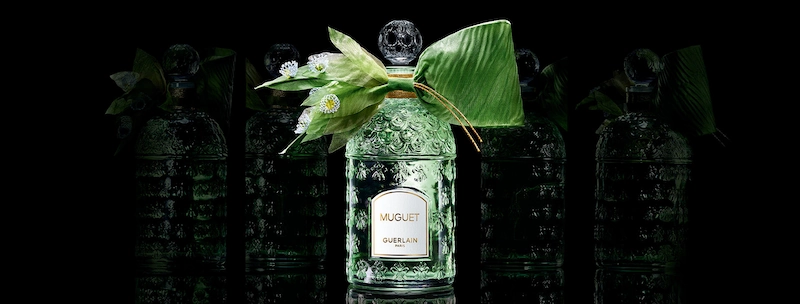
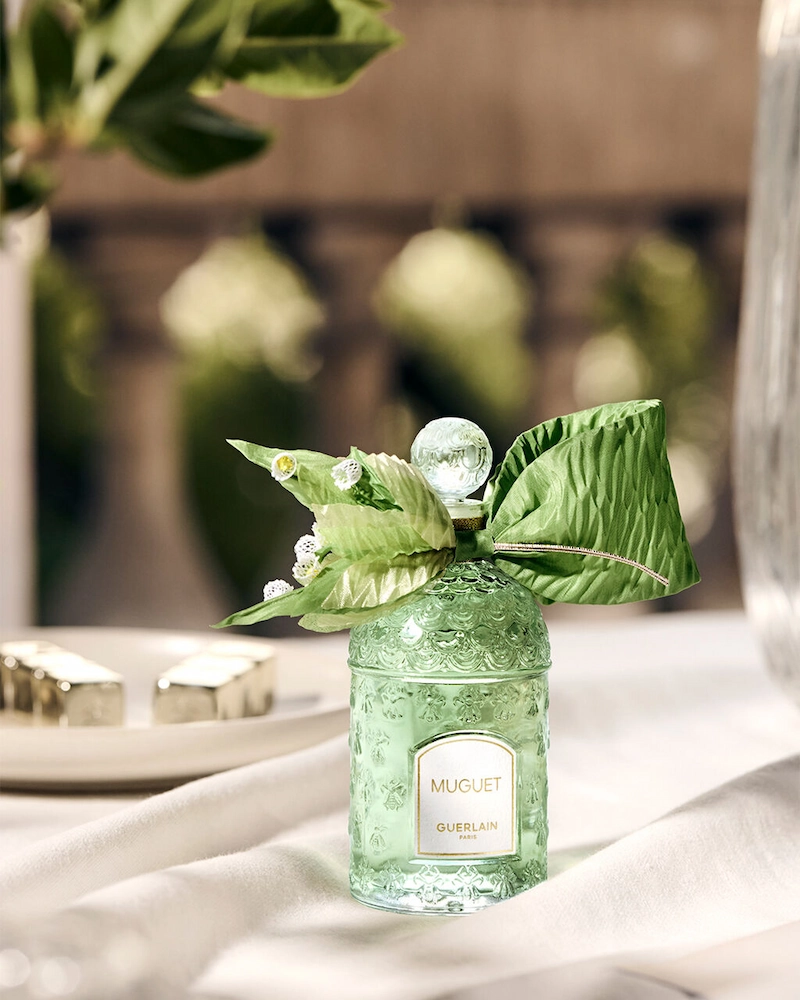
The Ultra Luxury & Luxury Packaging of the Year went to Guerlain’s 2025 Exceptional Rendezvous Muguet, designed by Yann Philippe for LVMH. The Muguet — lily of the valley — is one of Guerlain’s most sacred annual rituals, a limited edition released every May Day that exists somewhere between perfume and objet d’art.
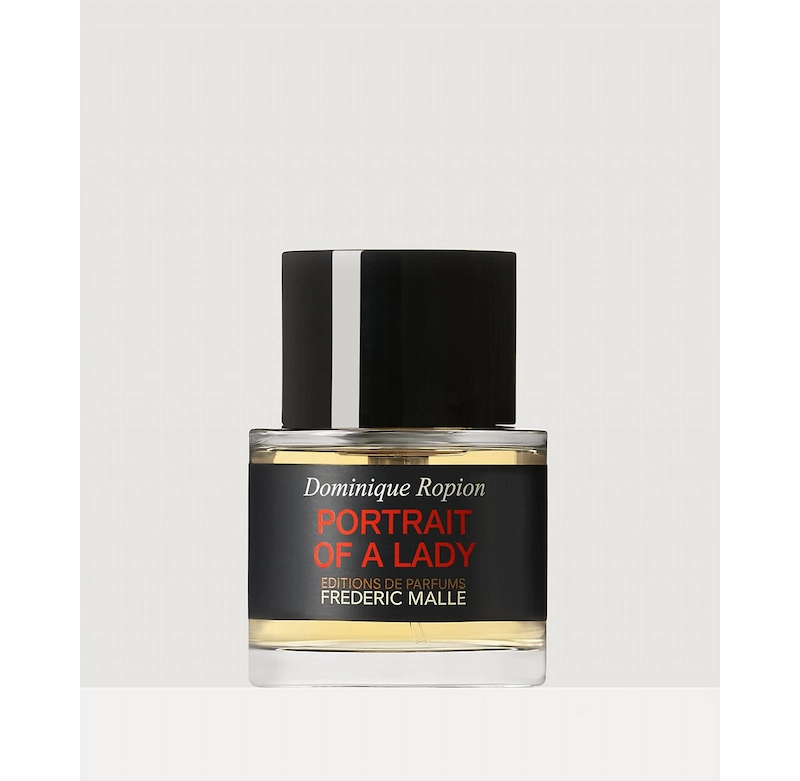
That this piece won over genuinely outstanding competitors — including the Frédéric Malle Portrait of a Lady 15th Anniversary Edition and the remarkable Jil Sander Leaf (designed by Lucie & Luke Meier with the legendary design studio Formafantasma) — says something about how the luxury fragrance world still values the handmade object. The Muguet flacon is not just packaging. It is the kind of thing people keep on dressers for decades.
In the Prestige & Popular category, Ralph Lauren Ralph’s Club New York took the win — a bottle that channels the energy of a New York that no longer quite exists, but that everyone wishes did. Nostalgia, beautifully executed, remains commercially unbeatable.
The Luxury & Niche Finalist Landscape: What to Watch in June
The fourteen remaining categories will be decided at Lincoln Center on June 11th, and the finalist lists in the luxury and niche segments are dense with intention. A few threads worth following:
The Map to Modern Luxury
THE CURATED CALENDAR
Discover the world’s most prestigious gatherings & exhibitionsChristine Nagel at Hermès appears twice — once with Barénia Eau de Parfum Intense in the Women’s Prestige category, and again with Terre d’Hermès Eau de Parfum Intense in Men’s Prestige. She is arguably the most quietly authoritative perfumer working within a single house today, and both entries represent the kind of deep, unhurried craft that Hermès has always treated as non-negotiable.
Tom Ford Black Orchid Reserve appears in both the Women’s Luxury category and the Media Campaign of the Year finalists — a sign that Estée Lauder Companies is pushing this release seriously across every available channel. Black Orchid is already iconic. The Reserve edition is clearly positioned as a statement about what the house believes fine fragrance can be at its most uncompromising.
Byredo Alto Astral and Kilian Paris Angels’ Share Paradis are the niche heavyweights in the Ultra Luxury category, competing against a Dior La Collection Privée by Francis Kurkdjian and a Tom Ford Oud Voyager with a trio of perfumers — Dominique Ropion, Carlos Benaïm, and Pascal Gaurin — working together. That is a formidable lineup, and the outcome will say something meaningful about whether the awards continue to privilege heritage or embrace the newer luxury niche players.
In the Perfume Extraordinaire category — traditionally the most exciting for serious fragrance followers — the field includes D.S. & Durga Grey Blazer, Byredo Bois Obscur (Jérôme Epinette again), and the quietly brilliant Mind Games Kingside by David Apel for Symrise. This category tends to reward the most daring, least commercial fragrance thinking. Watch it closely.
The Human Story: Honorine Blanc and Michael Edwards
Behind every award season there are people, and this year two individuals deserve more than a footnote.
Honorine Blanc, named Lifetime Achievement Perfumer, is a career study in the difference between commercial success and artistic depth. Born in Beirut, trained in Paris, based in New York — she created YSL Black Opium, Valentino Born in Roma, and has multiple top-ten US bestsellers. But she is equally known in niche circles, and equally known for mentoring younger perfumers. She represents exactly the kind of career the industry needs more of: one that doesn’t choose between accessibility and excellence, but insists on both simultaneously.
Michael Edwards, recipient of the Game Changer Award, is the man who literally gave the fragrance world a common language. His Fragrance Wheel — the system that organizes all perfumery into families and subfamilies — is so embedded in how the industry thinks and communicates that most people using it have no idea who invented it. Over forty years, he and his team have classified more than 60,000 fragrances. His books, Perfume Legends and the recently completed American Legends, are the closest thing the industry has to a definitive history of itself. Honoring him is not just appropriate. It is overdue.
The Trend Reading: What 2026 Is Actually About
Pull back from the individual winners and a set of clear signals emerges from this year’s awards landscape.
Layering and personalization are no longer niche concepts — they are mainstream innovation, as the Rare Beauty Layering Balm win confirms. The idea that a fragrance is a fixed, finished identity is giving way to the idea that scent is a personal composition, built and rebuilt daily.
Synesthesia and concept are entering the mainstream. Color-as-scent, emotion-as-scent, memory-as-scent — the editorial winner about Shalimar, the Pantone fragrance innovation, the storytelling ambition of the indie finalists. The industry is moving away from purely olfactory marketing toward something closer to cultural and sensory philosophy.
Craft as competitive advantage runs through the packaging winners, the Hermès double finalist showing, the Guerlain Muguet win. In a market flooded with celebrity fragrances and fast-beauty launches, the houses and perfumers that can demonstrate genuine craft — in the juice, in the bottle, in the story — are being rewarded with both critical recognition and consumer loyalty.
The indie space is maturing fast. The Indie Fragrance of the Year finalists this year include houses working with Givaudan, Robertet, IFF, Takasago — the full spectrum of the world’s finest fragrance ingredient suppliers. Independent no longer means scrappy. It means focused, values-driven, and increasingly capable of producing work that competes with any house at any price point.
One Last Note
The 2026 Fragrance Foundation Hall of Fame finalists include Portrait of a Lady by Frédéric Malle, DKNY Be Delicious, Juliette Has a Gun Not a Perfume, Estée Lauder Pleasures, Philosophy Amazing Grace, and Juicy Couture Viva La Juicy — a list that spans high niche and mass market with complete confidence, treating both as equally valid chapters in the American fragrance story.
That breadth, that refusal to separate the serious from the joyful, the expensive from the accessible — it might be the most honest thing about the fragrance world right now.
Perfume has always known that emotion doesn’t have a price point. These awards, at their best, remember that too.
The remaining 14 category winners will be announced at the Fragrance Foundation Awards ceremony on June 11th at Lincoln Center, New York. Full finalist listings at fragrance.org.