Did you know that the Internet also pollutes the planet?

Even if we turn off the lights and unplug electrical appliances, we unwittingly contribute to global warming. Did you know that we leave a digital carbon footprint when we send an email, give a like, surf the Internet, or send messages on WhatsApp? That’s right: the Internet pollutes the planet! Why does technology represent environmental … Read more

What would be the best boat propulsion for a totally silent boat ride: Here are some ideas


Zero emissions, oil spills or pollution.

The most efficient boat motor ever will last a lifetime without maintenance, is four times more efficient than the best electric outboards and makes for a totally silent boat ride. With the launch of the all-electric Candela C-POD boat motor, the Swedish marine tech company Candela is aiming to disrupt boating as we know it.
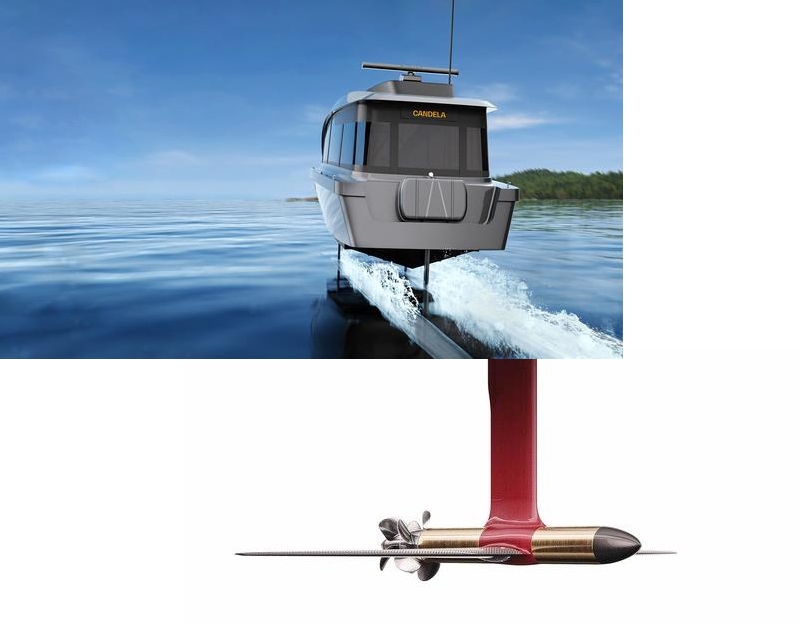
@Candela C-POD; @candela.com/technology/

Combustion engine outboards are noisy, require expensive maintenance, cost a small fortune to run and emit more CO2 per kilometer than most road vehicles.

All this is set to change with the revolutionary Candela C-POD, an electric pod drive developed by Europe’s leading electric boat manufacturer, the Stockholm-based tech firm Candela.

What would be the best boat propulsion one could imagine? Here are some ideas: electric, completely silent, without oil changes and with an almost unlimited lifetime. Add to that almost no losses – converting most of the energy to thrust, says Gustav Hasselskog, Candela’s Founder and CEO.

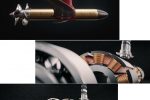
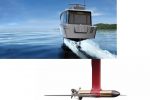
In other boat motors, be it electric or fossil fuel, the motor is typically situated in a box above the waterline, transferring thrust to the propeller through a complicated set of shafts, bearings and gears. The Candela C-POD gets rid of the gears altogether. Two ultra-compact yet very powerful electric motors are mounted under the water in a torpedo-like socket, directly driving the propellers. Each motor is coupled directly to a propeller, which minimizes friction losses. Contra rotating propellers add the benefit of very high propeller efficiency.

“The engineering challenge was to make the electric motors compact enough. Being submerged, they have to have a very small diameter in order to cause minimal drag, ” explains Hasselskog.

To accomplish this, Candela’s engineers had to rethink electric motor design bottom-up. Electric motor volume is not driven by power. Instead, it is largely proportional to torque. And power is torque times rpm. For the Candela C-POD motors, Candela opted to increase the rpm and lower the torque to boost the Candela C-POD’s power density. The best way was to split the thrust needed on two propellers. The reason is that the maximum rpm is limited by the speed of the propeller tip moving through water. At around 45 m/s propeller speed, the pressure in the flow around the propeller reaches vacuum and starts to boil. That creates noise, damage and inefficiencies. The speed of the tip of the propeller is a product of rpm and propeller diameter. So splitting load on two propellers allows for propellers with smaller diameter and thereby higher rpm – and in turn smaller motors.
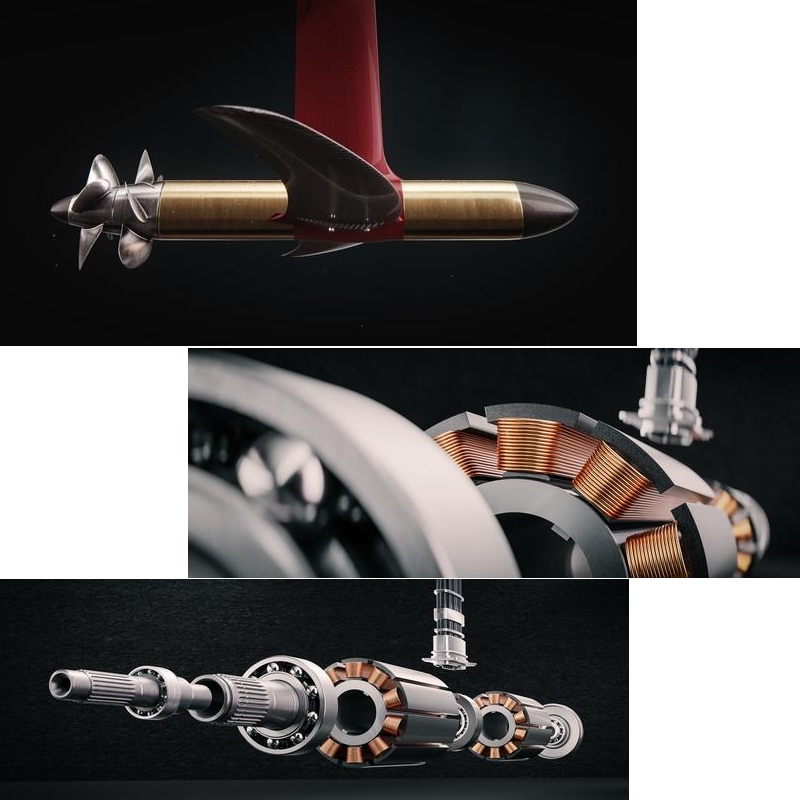
@Candela C-POD

By placing the motors under the water, Candela also elegantly solved the problem all electric motors face: heat. The Candela C-POD engineers designed the slim pod drive to be directly and efficiently cooled by the flow of seawater, thereby enabling higher operating temperatures and extracting more power from the motors.

“The first obstacle towards a very small high-power motor is heat. You can take any motor and give it three times more electricity than it is rated for. It will work. But only for a few seconds. Then it melts. With Candela C-POD, we have almost unlimited cooling power – we just need to get heat from the coils to the surrounding water flow,” says Hasselskog.

An added benefit is silence.

Gasoline outboards are some of the noisiest machines out there. Decibel levels climb into the 90s as they near wide-open throttle; some noisy boats hit 100 decibels – loud enough to damage the human ear. Even conventional electric outboards are not as quiet as they could be, since the gears emit a whining sound at high speeds.

“Candela C-POD has no gears and is therefore totally quiet. No rattling, no squeaking, absolutely no noise, even at 30 knots,” says Hasselskog.

Boat owners are used to paying big bucks for maintenance. Diesel and gasoline engines require annual oil and filter changes, as well as winterization. And commercial boat operators typically have to swap their outboards every two years since gear houses are not designed for more than thousand hours.

Freed from gears and with very few moving parts, the Candela C-POD will last several thousand hours – without any maintenance whatsoever.

“For the average leisure boat user, this means you can just use the motor and forget about the usual hassle with service and winterization. The Candela C-POD will outlast you and probably your kids as well,” says Hasselskog.

The Candela C-POD was born from the unique requirements Candela place on electric drive trains. The company’s electric hydrofoil craft fly above the water on foils and consume 80% less power than traditional powerboats. Making a more efficient motor directly translates to huge gains in range.

The Candela C-POD will be fitted to the Candela P-30 electric shuttle ferry, the Candela P-12 water taxi as well as future leisure boats.

Developing 50 kW for take-off, a single Candela C-POD has enough thrust to propel Candela’s 28 foot, 12-person water taxi, the Candela P-12, at a speed of 30 knots. For the company’s bigger 30-person shuttle ferry, the Candela P 30, two Candela C-POD’s will provide the same speed.
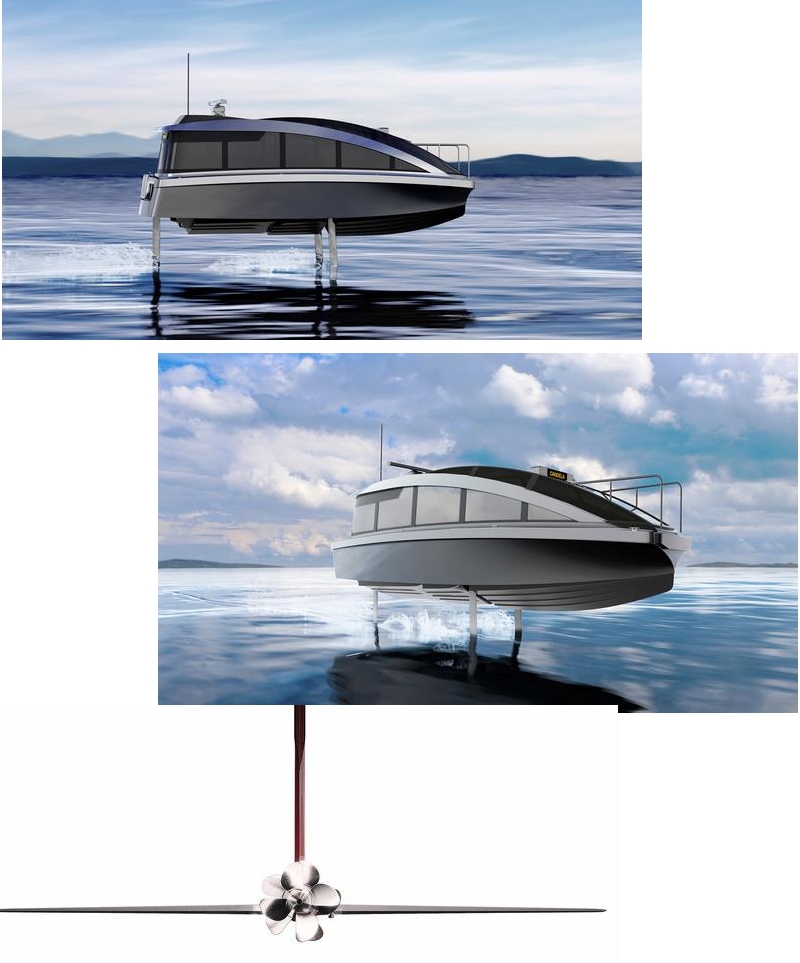
@Candela C-POD

Singapore launches Covid-secure luxury cruises … to nowhere

City state follows Qantas in offering jaunts with no destination with ships half full and masks mandatory

Choose vintage, avoid stretch: how to wear jeans sustainably

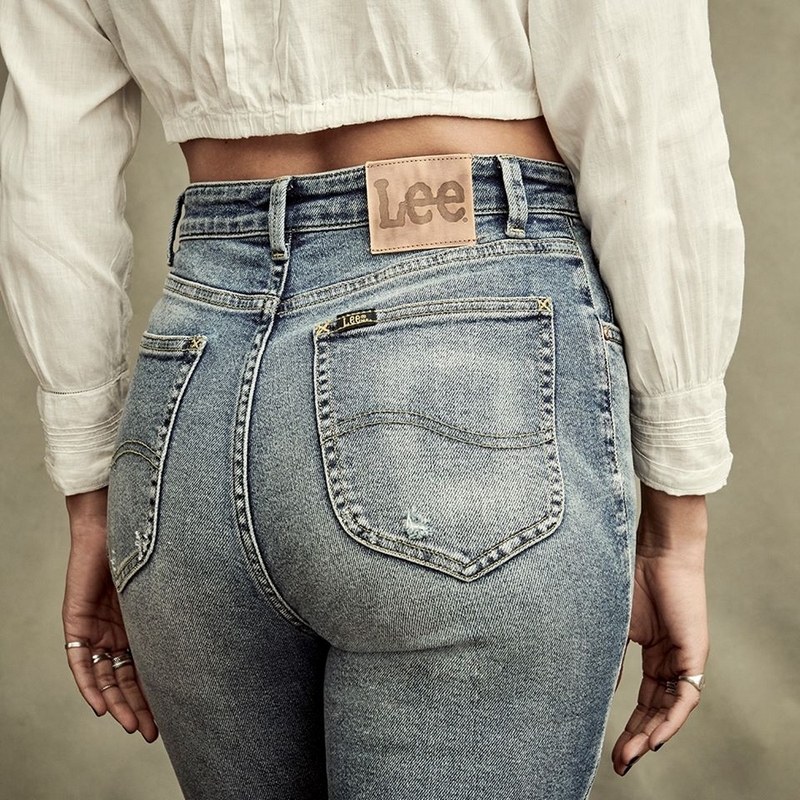
@lee jeans

Powered by Guardian.co.ukThis article titled “Choose vintage, avoid stretch: how to wear jeans sustainably” was written by Tamsin Blanchard, for theguardian.com on Wednesday 5th February 2020 15.04 UTC

Why are jeans so controversial? Is it the estimated 10,000 litres of water needed to grow the cotton for every pair? The dark blue lines of toxic pollution in China’s Pearl River that can be seen from space? The potassium permanganate, widely used to make new jeans look old and distressed, that may cause lung damage in workers? Or is it because there is no guarantee that those workers are paid a living wage, never mind being paid for the overtime they are forced to do?

“The denim industry is at a pivotal moment,” says Roian Atwood, senior director of global sustainable business at Kontoor Brands, which owns Wrangler and Lee, when we met at ART (Art Repair Transform), a denim upcycling and mending workshop at the Copenhagen international fashion last month. Lee are among the 30 brands contributing to the Ellen MacArthur Foundation’s Jeans Redesign project, a new initiative governing all aspects of jean production from regeneratively farmed fibres to washing and finishing techniques – potassium permanganate, for example, is not allowed. Jeans must be made with rivets and hardware that can easily be removed after the jeans are no longer fit for purpose, allowing them to be recycled into something new. The first products bearing the Jeans Redesign logo will go on sale in the autumn.

The industry is working hard to make itself cleaner and more sustainable, investing in new technology such as the innovative dry foam to dye Lee’s Indigood jeans – the use of water is pretty much eliminated, as well as reducing energy and chemicals and hopefully ending the rivers of toxic blue effluent. Already in operation at three denim mills in Spain, Mexico and India, Lee is also launching “compostable” jeans this spring. “They will fully decompose,” says Atwood. “We believe it will take 200 days.”

Denim upcycling and mending workshop A.R.T at the Copenhagen International Fashion Fair.
Denim upcycling and mending workshop A.R.T at the Copenhagen International Fashion Fair. Photograph: Gio Staiano

There is still a long way to go. According to Atwood, there is “a new and emerging environmental issue we are not quite ready to talk about yet, which is that denim has become integrated with a lot of synthetics. The comfort and the stretch movement, athleisure and the omnipresence of the yoga pant have given rise to a lot more stretch in denim. It’s plastic,” he says. And as such, your skinny jeans are responsible for shedding microplastics.

Appropriately enough, we meet in the “confessional booth” designed for visitors to confess their fashion sins and record them for a podcast. “If we are confessing our sins, I am here to say I like to wear light jeans,” he says. “A dark pair of denim uses less water in the wash-down process.” The lighter the denim, the more washing processes it has been through and the more water it has used.

The designer Duran Lantink, who was commissioned to work with Lee’s deadstock to create a small collection of upcycled denim, wears jeans every day (he switches between two vintage pairs) but is aware of the issues. “I think that, by buying a pre-washed jean, it is ruin in reverse,” he says. “I don’t get that.”

For rent … Mud jeans.
For rent … Mud jeans. Photograph: PR

Lantink is part of a growing band of designers who are not just concerned about the environmental impact of the industry but also its waste. Bethany Williams, who has perfected the art of unpicking and upcycling unwanted jeans, has grown a cult following. Brands such as E.L.V. Denim (short for East London Vintage), which is sold at a range of stockists including Net-a-Porter, are building healthy businesses using secondhand denim as their raw material. “There are more jeans than people in the world,” says founder Anna Foster. At her studio and showroom, clients can choose from off-the-peg or custom-made jeans, ingeniously spliced together a few miles away at the Blackhorse Lane Ateliers in Walthamstow.

But slowing down production is not on the agenda for the big denim brands, who would prefer to cut their environmental impact by reducing water and chemical consumption while continuing to produce at the same levels. However, there are some smart and potentially highly disruptive initiatives coming from smaller independents. Netherlands-based Mud Jeans offers a subscription system that allows you to lease your jeans for €7.50 per month, including free repairs. Once you are finished with your jeans, you send them back and they will be recycled. Hiut Jeans, which has revitalised the denim industry in Cardigan, Wales, makes just 100 pairs of jeans per week. “We are here to try and make the best jeans we can and not the most jeans we can,” it says. It also offer free repairs for life.

How to shop sustainably for jeans

Start with vintage

Whether you are a denim aficionado or a student on a budget, you can find jeans to suit your budget and your style if you shop secondhand.

Raw is best

Raw denim hasn’t been washed and treated multiple times. This is what denim used to look like before we started to sandblast, bleach and rip it to make it look old. Buy a pair of unwashed jeans and let them age with you.

Avoid stretch

Let leggings be leggings and jeans be jeans. One hundred per cent means the denim in your jeans can eventually be recycled.

Look at the label

If you are buying new, check the fabric composition. You might want to do some research online first. Look for recycled cotton, GOTS certified organic cotton, Better Cotton Initiative cotton, or G-Star’s Cradle 2 Cradle Gold certification, which means it is 98% recyclable, 100% organic and uses the minimum amount of water.

Wash cold, if at all

One of the biggest sources of water impact and energy use is during the consumer use phase. Roian Atwood advises a cold wash. Hiut Denim has a No Wash Club.

Repair your jeans

A good pair of jeans can last for decades if you look after them and repair them. Ask your denim brand where you can have your jeans repaired. Levi’s has a number of tailor shops where you can customise or repair jeans. Nudie Jeans offers free repairs for life in their shops or, if you can’t get to one, they will send you a free repair kit. Hiut Jeans also offer free repairs.

guardian.co.uk © Guardian News & Media Limited 2010

Published via the Guardian News Feed plugin for WordPress.

Who won what at this year’s glittering Green Carpet Fashion Awards, Italia 2019


Stella McCartney received The GCFA Groundbreaker Award 2019
Stella McCartney received The GCFA Groundbreaker Award 2019; @eco-age.com

Last Sunday in Milan, fashion and entertainment’s finest gathered at the iconic Teatro alla Scala for the third edition of the Green Carpet Fashion Awards, Italia, hosted by Camera Nazionale della Moda Italiana in collaboration with Eco-Age.

Valentino Garavani received The GCFA Legacy Award
Valentino Garavani received The GCFA Legacy Award; @eco-age.com

Green Carpet Fashion Awards celebrate and award the changemakers, disruptors, forward thinkers and organisations that are shaping the fashion industry and steering it towards a sustainable future.

Guests walked the carpet before enjoying a champagne reception in the La Scala Square garden, which was designed by the awain Milan, fashion and entertainment’s finest gathered at the iconic Teatro alla Scala for the third edition of the Green Carpet Fashion Awards, Italia, hosted by Camera Nazionale della Moda Italiana in collaboration with Eco-Age.

All plants and flowers used in the production of the event will be donated to the City of Milan and re-planted after the awards.

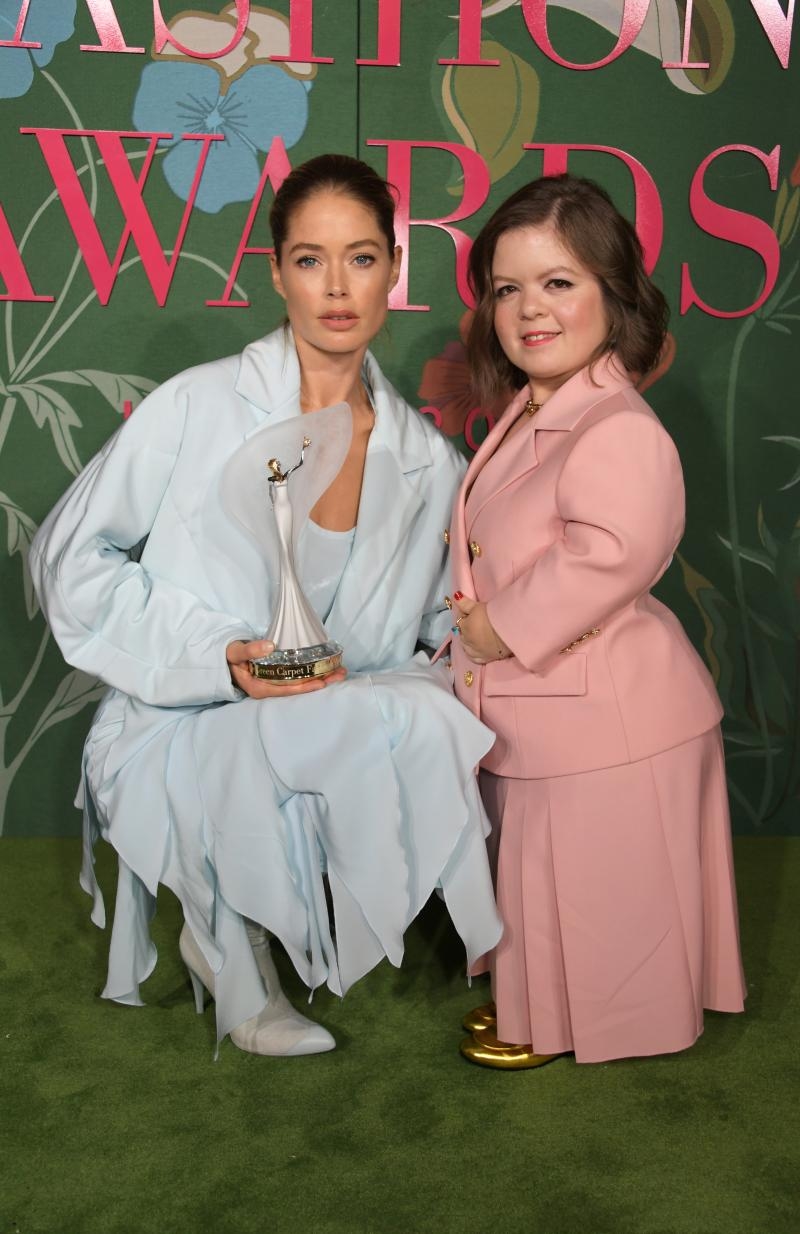
The star-studded ceremony saw 12 awards being presented to recipients including Valentino Garavani, founder of Valentino, who was presented with The GCFA Legacy Award; Stella McCartney, who was awarded the The GCFA Groundbreaker Award; and model Doutzen Kroes, who was presented with the Social Media Changemaker award for using her platform for activism.

The CNMI Talent Competition winner of The Franca Sozzani GCC Award for the best-emerging designer was also announced as Flavia La Rocca.

Flavia La Rocca received The Franca Sozzani GCFA Award for Best Emerging Designer
Flavia La Rocca received The Franca Sozzani GCFA Award for Best Emerging Designer; @eco-age.com

2019 Winners:

The GCFA Legacy Award – Valentino Garavani

  • The GCFA Groundbreaker Award – Stella McCartney;
  • The Social Media Changemaker Award – Doutzen Kroes;
  • The Franca Sozzani GCFA Award for Best Emerging Designer – Flavia La Rocca;
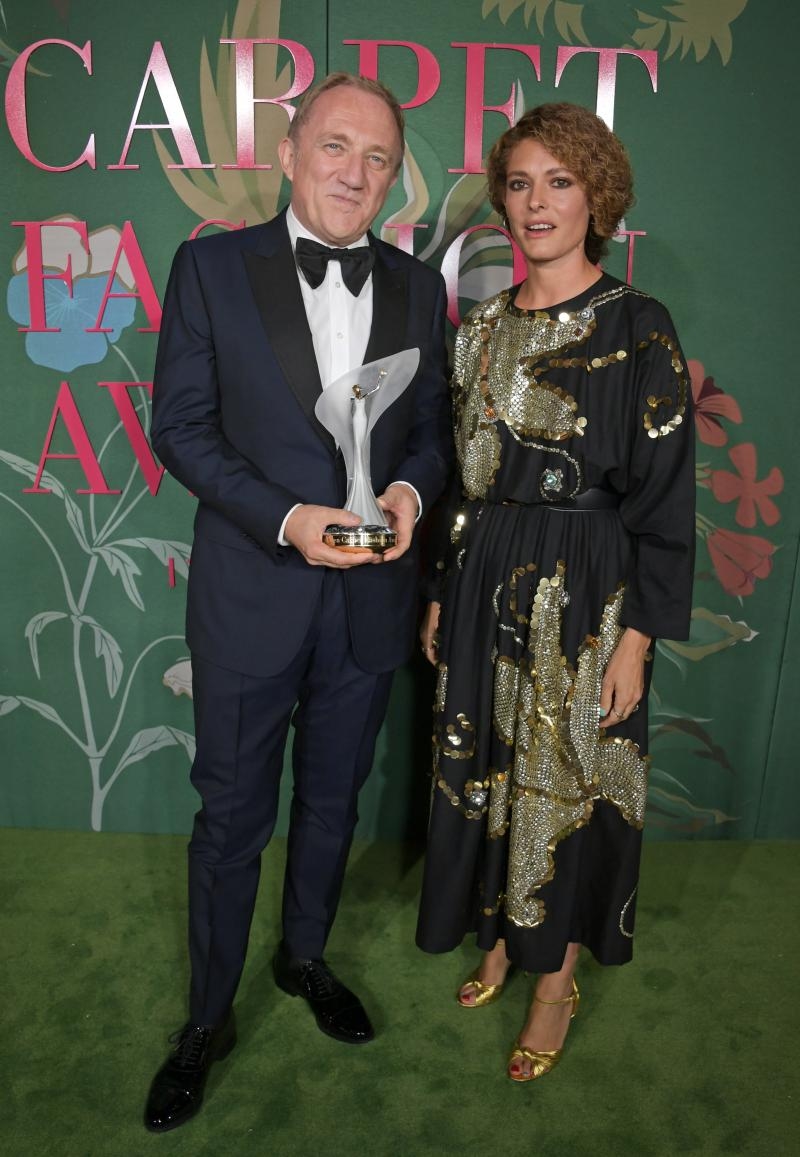
  • The GCFA Visionary Award – Francois Henri-Pinault, chairman and CEO of Kering Group;
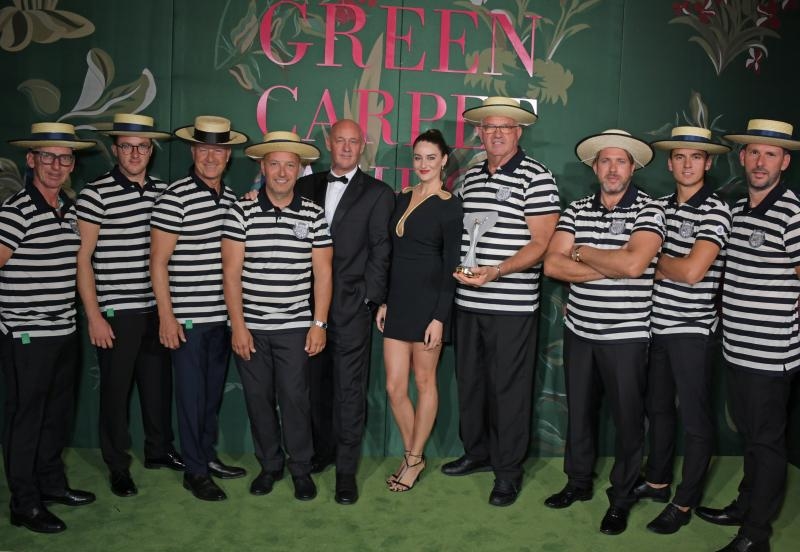
  • The Eco Stewardship Award – The Association of Venetian Gondoliers;
  • The GCFA Circular Economy Award – Healthy Seas;
  • The CMNI in Recognition of Sustainability Award – Max Mara and Zegna;
  • The GCFA Award for Technology and Innovation – SprintItaly and SICIT;
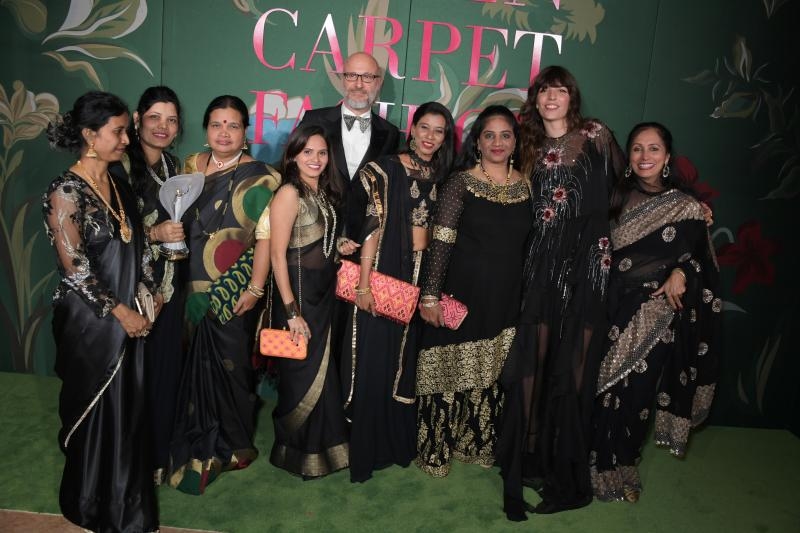
  • The Responsible Disruption Award – I Was a Sari;
  • The GCFA North Star Award – NYU Stern Centre for Business and Human Rights and The Union of Concerned Researchers in Fashion;
  • The Art of Craftsmanship Award – Pino Grasso;
  • Flavia La Rocca received The Franca Sozzani GCFA Award for Best Emerging Designer.
Eco- Age François-Henri Pinault received the GCFA Visionary Award
François-Henri Pinault received the GCFA Visionary Award; @eco-age.com

François-Henri Pinault received the GCFA Visionary Award

Ginevra Elkann presented François-Henri Pinault, chairman and CEO of Kering Group, with the GCFA Visionary Award. Pinault has allowed sustainability to become a core part of the market value rather than a cost of doing business. He has created powerful tools, such as the Environmental Profit and Loss methodology, in remodelling the fashion industry in favour of the environment.

Healthy Seas received The GCFA Circular Economy Award

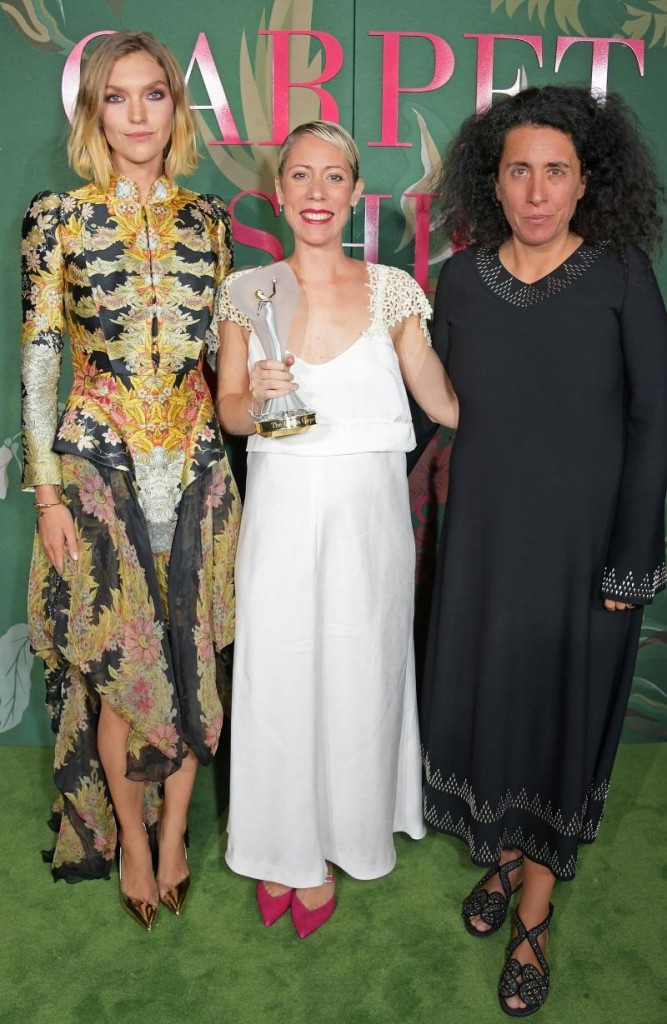
Veronika Mikos accepted the The GCFA Circular Economy Award on behalf of Healthy Seas. The Healthy Seas divers were awarded the Circular Economy Award by Prada’s Lorenzo Bertelli, for the heroic story of skill and courage of their specialist team of divers. Divers collect discarded ghost fishing nets that are then combined with other nylon waste and regenerated into ECONYL yarn by Aquafil and used throughout the fashion and textile industry.

SprintItaly and SICIT received the GCFA Award for Technology and Innovation

Derek Blasberg, SICIT president Valter Peretti and Massimo Neresini accepting the GCFA Award for Technology and Innovation for SprintItaly and SICIT – who were awarded for their collaboration to tackle issues of waste, pollution and circularity in the leather industry.

NYU Stern Centre for Business and Human Rights and The Union of Concerned Researchers in Fashion received the GCFA North Star Award

Colin Firth and Lea T presented NYU Stern Centre for Business and Human Rights and The Union of Concerned Researchers in Fashion – two organizations that have combined world-class research on sustainability issues – with the GCFA North Star Award. The award acknowledged two of the most important academic and political research developments in the last 12 months; NYU Stern’s report – Made in Ethiopia: challenges in the garments industry’s new frontier (May 2019) and The Union of Concerned Researchers in Fashion for its tireless and diligent work in aims to change the face of fashion.

Pino Grasso received The Art of Craftsmanship Award

The Art of Craftsmanship Award was given on stage by Pier Paolo Piccioli, creative director at Valentino who has long championed craftsmanship in his atelier, to Pino Grasso. For the last 60 years Grasso has championed artisanal embroidery done by hand, Pino Grasso is seen to not only preserve traditional handicraft, but also by avoiding machine embroidery, Grasso minimises carbon emissions.


Max Mara and Zegna received The CNMI in Recognition of Sustainability Award

Ian Somerhalder and Nikki Reed presented Elia Maramotti, Gildo Zegna and Ermenegildo Zegna artistic director Alessandro Sartori with the The CNMI Award In Recognition Of Sustainability on behalf of Max Mara and Zegna x Use the Existing Project, awarded for their Cameluxe programme.

I Was A Sari received The Responsible Disruption Award
I Was A Sari received The Responsible Disruption Award; @eco-age.com

I Was A Sari received The Responsible Disruption Award

The Responsible Disruption Award was won by I Was A Sari and presented by actress and singer Lou Doillon. I Was A Sari’s inspiring journey was developed by Stefano Funari in Mumbai where women who were previously excluded from embroidery schools were finally given access to train. The programme has created a legacy of social empowerment and commitment to the circular economy by upcycling saris and empowering women long term. Gucci has partnered with I Was A Sari since the beginning, as this project perfectly encapsulates Gucci’s drive toward social empowerment and commitment to the circular economy.

The Association of Venetian Gondoliers received The Eco Stewardship Award
The Association of Venetian Gondoliers received The Eco Stewardship Award; @eco-age.com

The Association of Venetian Gondoliers received The Eco Stewardship Award

Shailene Woodley presented 8 gondoliers representing The Association of Venetian Gondoliers with The Eco Stewardship Award for its use of responsibly sourced Australian merino wool in the iconic uniform of its gondoliers, created by Emilio Ceccato in collaboration with The Woolmark Company. “This year’s Eco-Stewardship award links the outfits of 400 gondoliers in Venice with Australia’s finest merino herds thanks to a brilliant project re-connecting a centuries-old-tradition with a centuries-old-fibre,” said Shailene.

Doutzen Kroes received The Social Media Changemaker Award
Doutzen Kroes received The Social Media Changemaker Award; @eco-age.com


‘Plastic recycling is a myth’: what really happens to your rubbish?

You sort your recycling, leave it to be collected – and then what? From councils burning the lot to foreign landfill sites overflowing with British rubbish, Oliver Franklin-Wallis reports on a global waste crisis