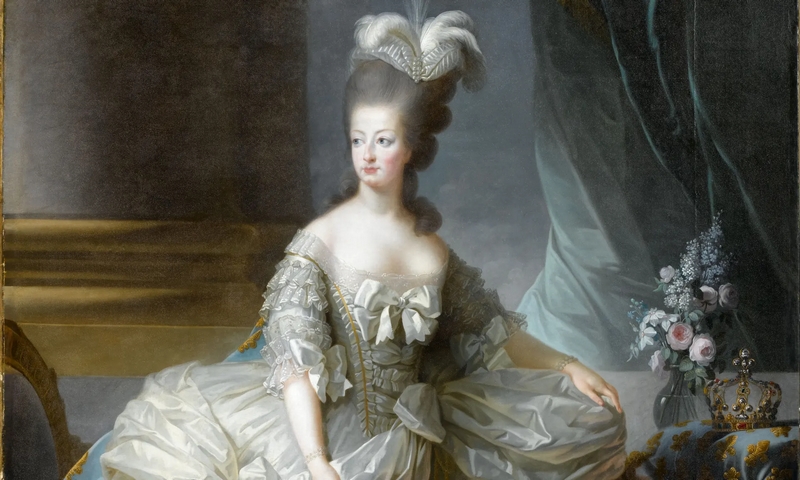
From hated queen to 21st-century icon: Paris exhibition celebrates life of Marie-Antoinette


portrait of Marie-Antoinette
portrait of Marie-Antoinette; Photograph: Château de Versailles

Powered by Guardian.co.ukThis article titled “From hated queen to 21st-century icon: Paris exhibition celebrates life of Marie-Antoinette” was written by Kim Willsher, for The Guardian on Tuesday 15th October 2019 04.00 UTC

When Marie-Antoinette met a gruesome end at the guillotine 226 years ago this week, she was the most hated woman in France. As the horse-drawn cart carried the former queen, her blonde hair shorn and prematurely grey, through the streets of Paris to her execution in 1793, the crowds jostled to spit and hurl insults at her.

She was 37, an Austrian-born “foreigner” accused of treason and of being aloof, branded a shameless spendthrift and nicknamed “Madame Deficit” for the bills she had run up on the finest clothes and jewels.

Worse still, Marie-Antoinette was considered scandalously indifferent to the plight of the starving poor and forever damned for words there is no evidence she ever said: “Qu’ils mangent de la brioche” (Let them eat cake).

Today, however, the woman France loved to hate has become a 21st-century popular icon who draws crowds to her former home at Versailles. Her image features on boxes of chocolates and macarons snapped up by tourists and she is celebrated in literature, contemporary arts and cinema.

This week, to mark the anniversary of her death, the exhibition Marie-Antoinette: the Metamorphosis of an Image opens at the Conciergerie, a former prison on the left bank of the River Seine, where the queen was held in a cell before her execution.

It features 200 works of art and objects including her last letter, portraits, caricatures and other representations, and contemporary uses of her image in manga, film and fashion.

The last letter of Marie-Antoinette
The last letter of Marie-Antoinette. Photograph: Archives nationales

“There has been a proliferation of images of Marie-Antoinette, from her lifetime to now, as if each era, each group, wanted to create ‘their’ queen: from foreign traitor to martyr, from teenage hero to exemplary mother, from the woman of culture to the fashion icon,” reads the exhibition programme. “As much as she seemed out of step with the France of her time, where she was little understood, her image flourished after – and especially in the last few years.”

Philippe Bélaval, the president of the French Centre for National Monuments, which oversees the Conciergerie, likened Marie-Antoinette’s “tragic destiny” to that of the late Diana, Princess of Wales.

“Like the Princess of Wales, Marie-Antoinette was this young, beautiful and slightly unhappy royal who was the victim of political circumstances and not prepared for the situation she had to confront,” Bélaval told the Guardian. “She had luxurious tastes but she represented the best of a certain period of French culture.”

The Metamorphosis of Marie-Antoinette Exhibition at the Concierge, Paris
A poster advertising the Metamorphosis of Marie-Antoinette Exhibition at the Concierge, Paris. Photograph: Concierge, Paris

Bélaval said the queen’s rehabilitation was more personal than political. “The history of the French Revolution is complex and Marie-Antoinette did not show complete loyalty to her country and was no supporter of the revolution, but the absolute dignity she showed through her final tribulations, the terrible trial in which she was accused of all sort of abominations, and her death make us pity her for the inhumane treatment she endured.

“We don’t need to look away from her political faults to see that she was very badly treated.”

guardian.co.uk © Guardian News & Media Limited 2010

Published via the Guardian News Feed plugin for WordPress.
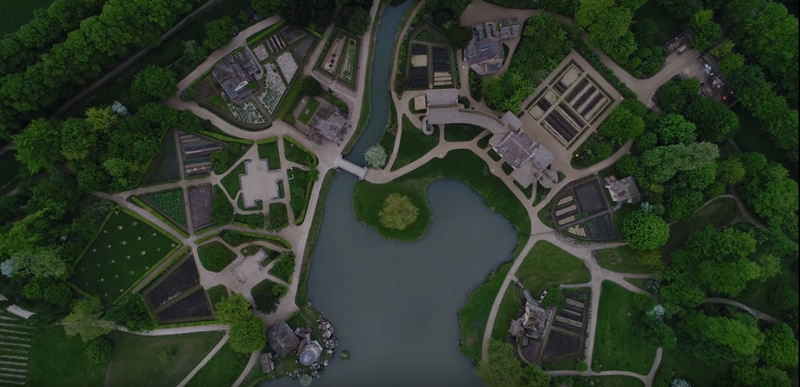
Dior restores two exceptional places at the Château de Versailles

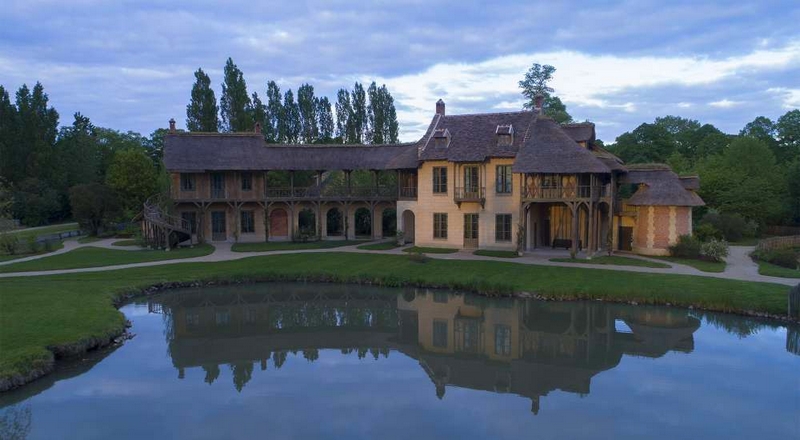
The Queen’s House and Réchauffoir/ The Warming Room (where dishes were warmed before being served at the royal table) – reopened to the public on May 12th, thanks to patronage from Dior. Dior 2018 haute joaillerie jewels evoke a secret Versailles, one made of private passageways and clandestine boudoirs.

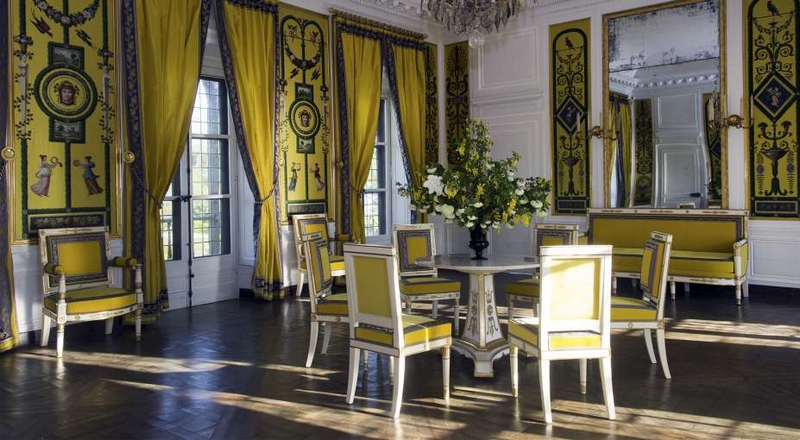
Located in the heart of the hamlet built for Marie-Antoinette by Richard Mique between 1783 and 1787, the House was in need of full restoration work. Alongside this, it has been refurnished according to its oldest known historic condition, which is as it was designed for Empress Marie-Louise, the second wife of Napoleon I. For the first time in two centuries visitors will be able to discover the extreme refinement of the interior decor of the House and its contrast with the picturesque bucolic appearance of the exterior.

Queen’s House” in Versailles -
© Thomas Garnier

The restoration of the Queen’s House and the Warming Room, located nearby, had become all the more necessary since their state of dilapidation prevented them from being open to the public.

The project, launched in 2015, involved cleaning and full restoration of the stonework, framework and roofing. The structures have been strengthened to allow guided tours while the flooring, woodwork and paintwork have been restored according to descriptions in the 18th-century work logbooks, or according to the arrangements made in the early 19th century by Empress Marie-Louise, the wife of Napoleon I and the last person to live here.
AN EXCEPTIONAL REFURNISHING PROJECT

The restoration of the interior decor and refurnishing of the main rooms in the Queen’s House and the Games House were a major part of this operation. Two hundred years after the fall of the Empire, these places have rediscovered their refinement designed for Marie-Louise and the deliberate contrast desired by the French sovereigns between rustic “shabby” exteriors and interiors of mind-blowing luxury.

Masons, joiners, carpenters, thatchers, electricians, heating engineers, painters, gardeners… All types of tradesmen (or almost) have taken part in this operation led by Jacques Moulin, Head Architect for Historic Monuments. From cabinetmakers to silk suppliers, trimmings suppliers, upholsterers, ancient textile restorers, leather workers, bronze workers, sculptors and gilders, multiple artistic craftsmen have contributed to the success of the project, managed by Jeremiah Benoit, Head Curator at the Palace of Versailles in charge of the Palaces of Trianon. Once again, the high- level expertise of French craftsmen has been brought to the fore.

Le Hameau de la Reine
Queen’s House – Le Hameau de la Reine; photo Le Hameau de la Reine on youtube
Queen’s House Versailles
Queen’s House © Didier Saulnier


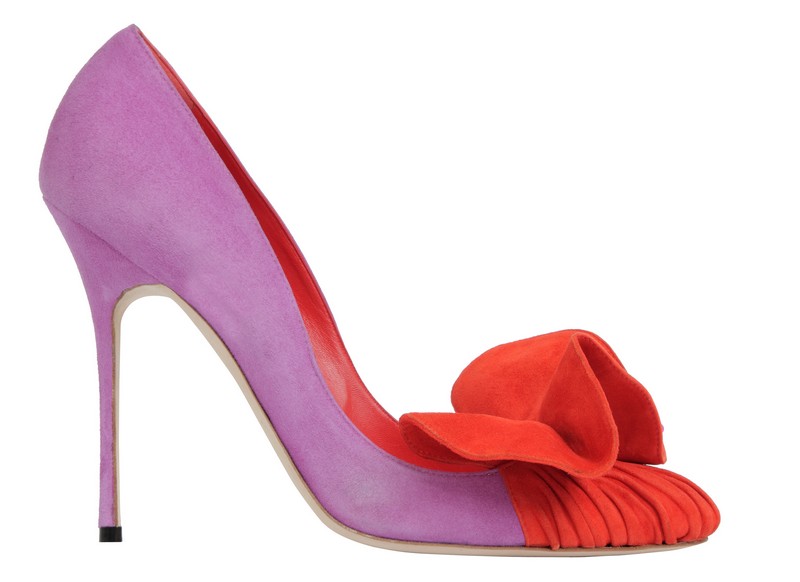
Manolo Blahnik: The Art of Shoes retrospective

Manolo Blahnik: The Art of Shoes is an intimate retrospective spanning 45 years of work by one of the most influential figures in fashion. With over 30,000 unique styles in the infamous private archive, Spanish fashion designer and founder of the eponymous high-end shoe brand Manolo Blahnik with the curator Dr. Cristina Carrillo de Albornoz … Read more

The Largest Origami Flower blooms in the oldest Kitchen garden in the world

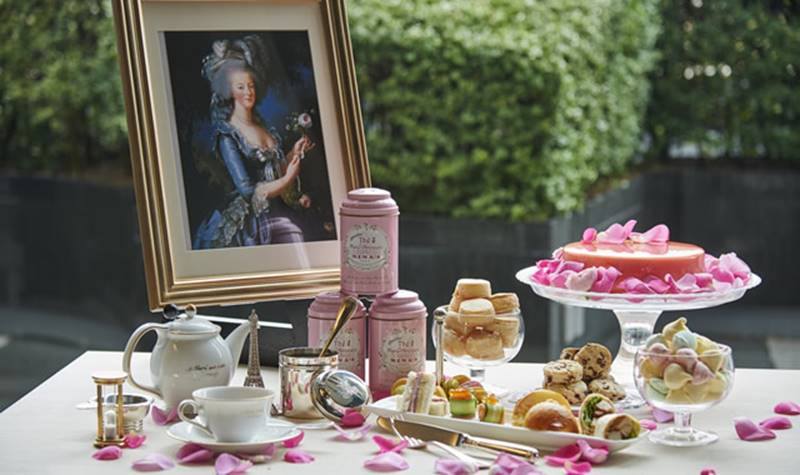
The world’s Largest Origami Rose has a diameter of 5.08 m (16 ft 8 in) and was made with a rare Japanese golden Futa-washi (a traditional paper from Kanazawa, Japan – managed by only 3 families). Nina’s Marie-Antoinette – Luxury Parisian Tea House – and Le Potager du Roi de Versailles (King’s Kitchen Garden) are … Read more

Le bouquet de la Reine perfume to support Chateau de Versailles Palace restoration

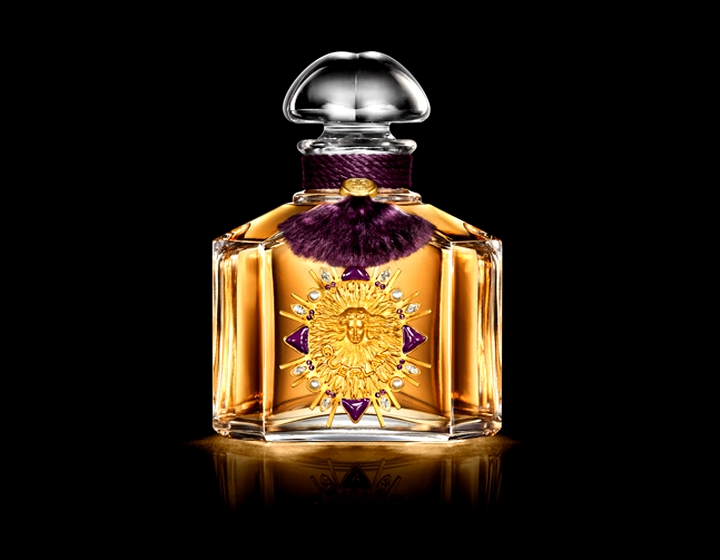
“She was a “prototype for fashion and taste”, wrote her biographer, Stefan Zweig, in 1932. Among the paradoxes of a life marked by the wildest frivolity and the darkest tragedy, a timeless style came to the fore. In a deluge of inventiveness, Marie-Antoinette set the fashion of the 18th century, which continues to inspire the … Read more

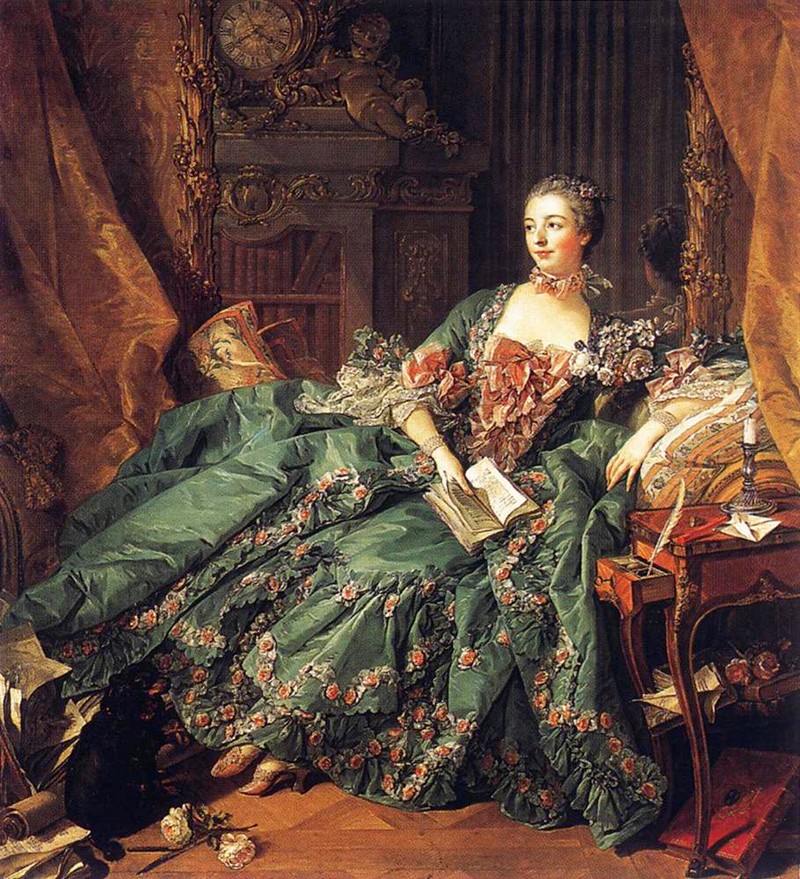
From baroque to bling: how France became king of high style

In early modern Europe, as political power shifted, one country became a leader in luxury. Now the V&A’s new galleries reveal how, through conflict and colonialism, France gained its artistic supremacy