How Successful Businesses Maintain High Productivity

  It’s no secret that the most successful businesses in any field are incredibly efficient and productive. What’s even more noteworthy about thriving companies is that they achieve this feat over a long period of time. Indeed, while most businesses enjoy isolated pockets of success from time to time, the best organizations manage to maintain … Read more

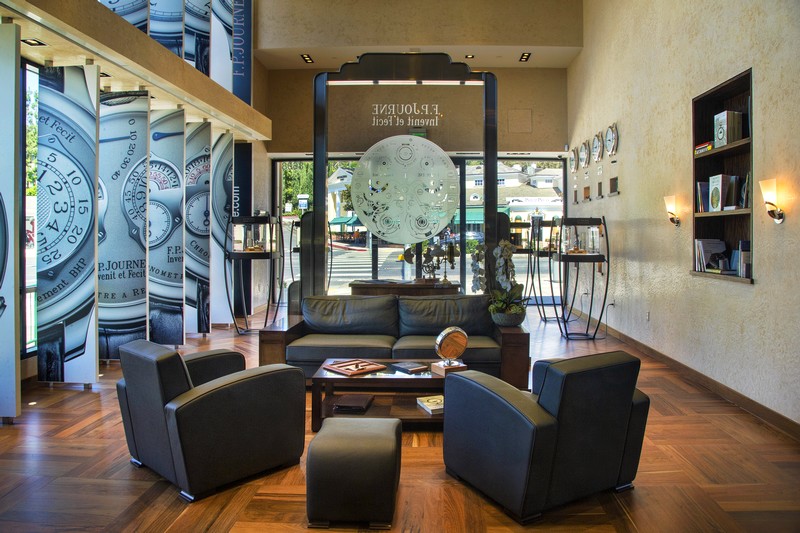
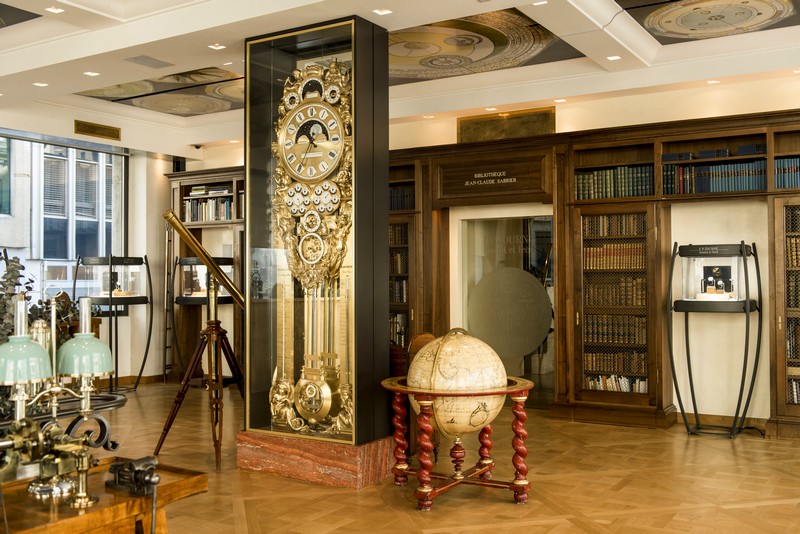
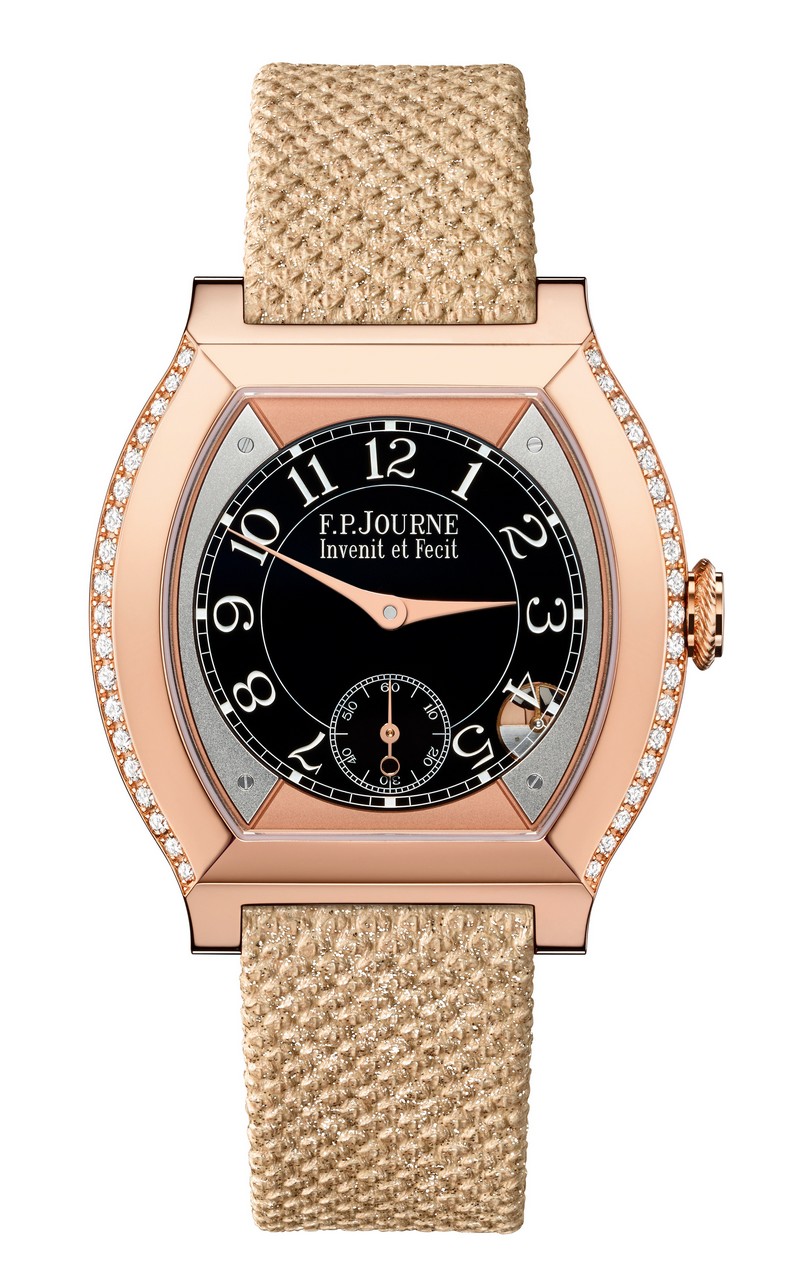
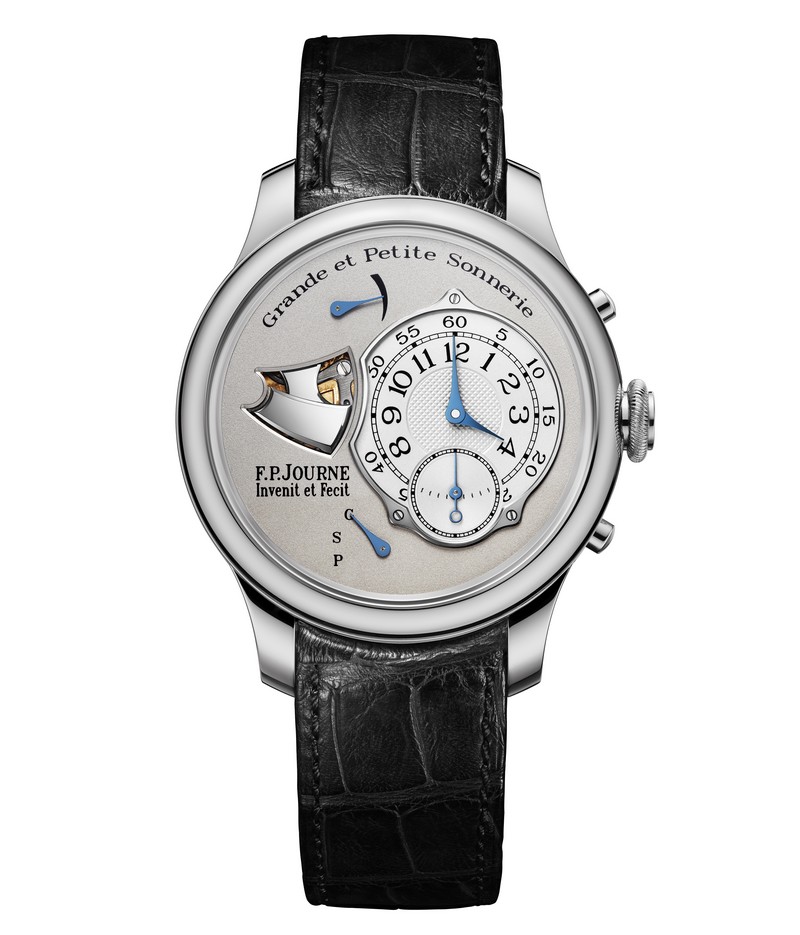
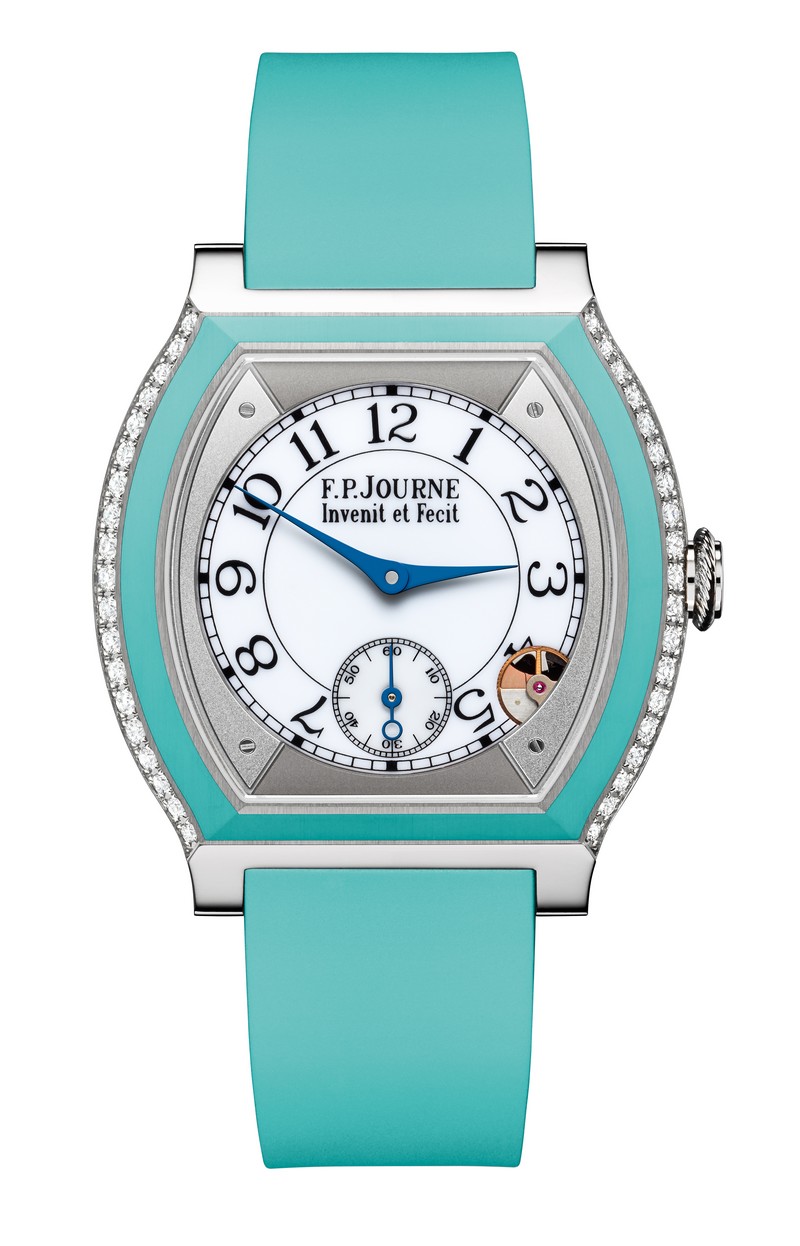
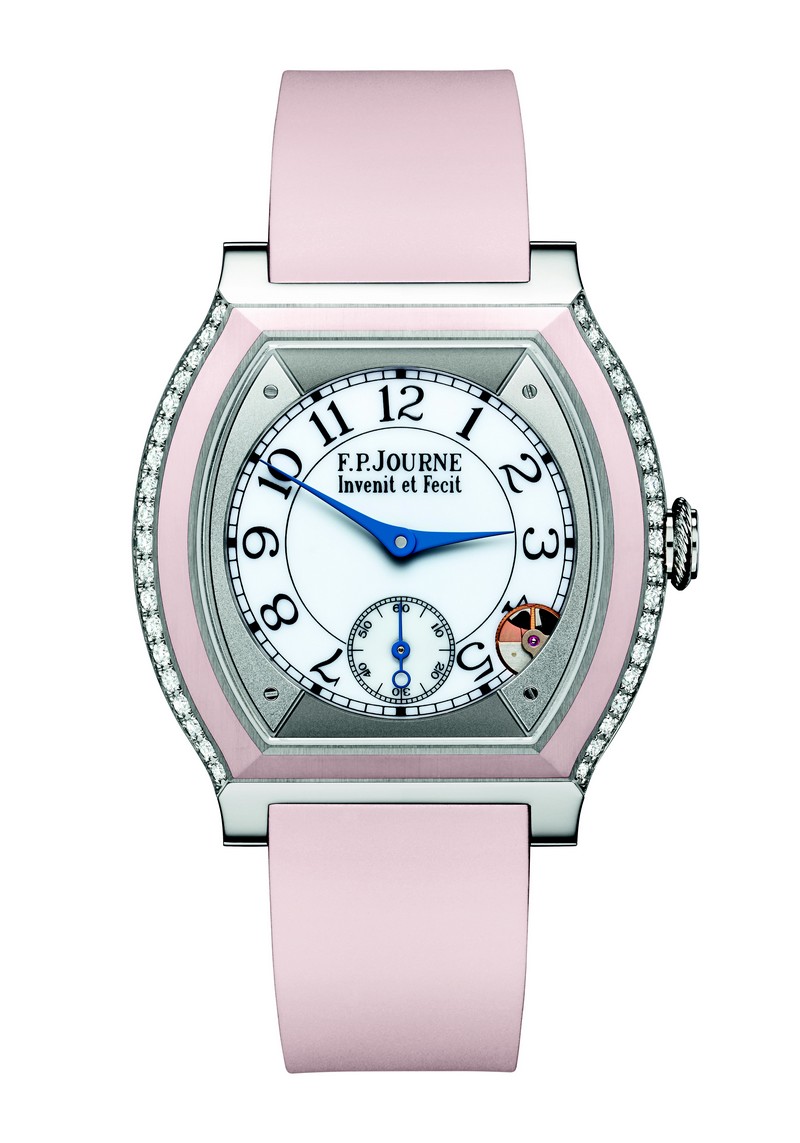
F.P. JOURNE. The Haute Horlogerie Maison tradition – preserved, re-invented and ‘fecit’

Article BY PHILIPPE MIHAILOVICH.

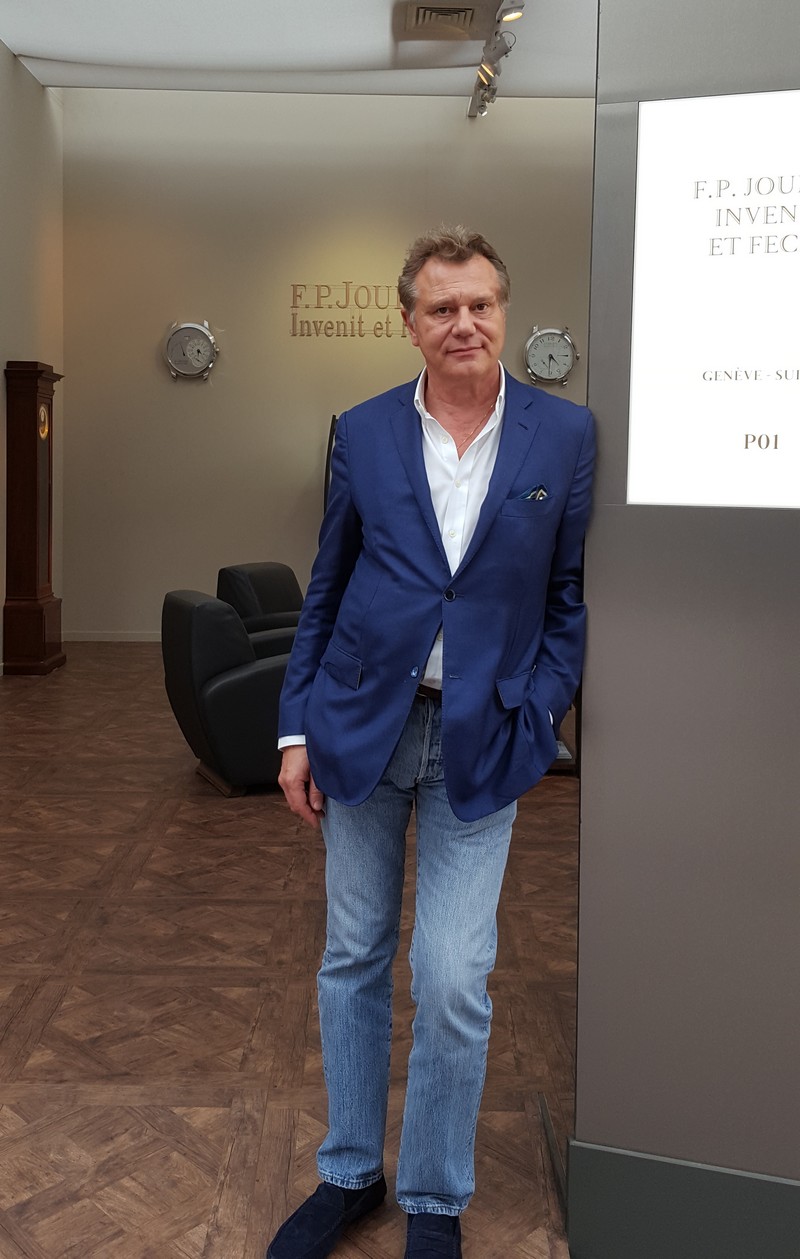
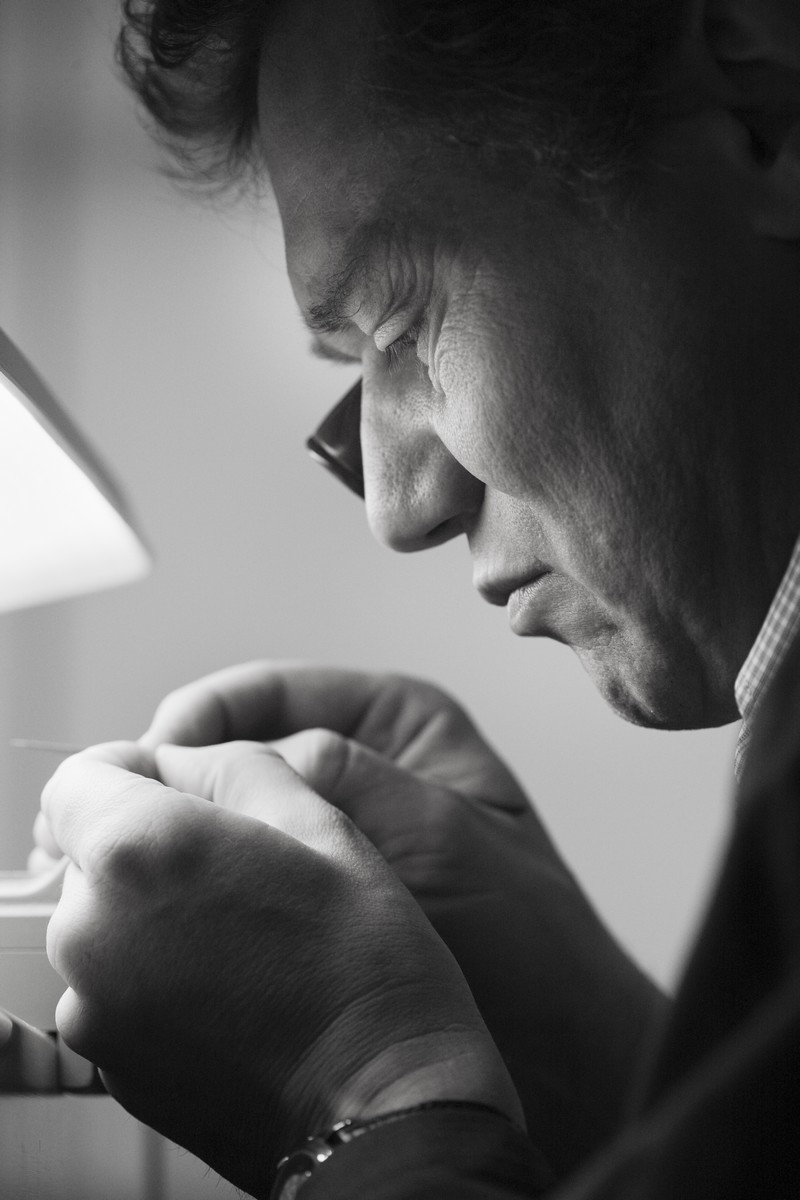
F.P.Journe, horloger. Geneve, Mars 2017 © Fred Merz
F.P.Journe, Master Watchmaker, Geneve,  © Fred Merz ; www.fpjourne.com/

The Nobel of Watchmaking

This year’s La Biennale Paris was honoured by the presence of the living legendary Master watchmaker and constructor, François-Paul Journe. For luxury watch enthusiasts, it was a big deal indeed. The highly respected Biennale –formally known as the Biennale des Antiquaires has been a must-attend event for art lovers from across the world for more than half a century that is quintessentially representative of the French “art de vivre”.

The Biennale, run by the France’s National Antique Syndicate (SNA) brings together nearly 400 members and has a role to ensure the protection and promotion of the antique dealer profession. It not only tends to attract a highly sophisticated clientele but also tends to serve as a guarantee that the works presented there will have a strong value in 100 years’ time. For French-born Journe -who began training at a watchmaker school on his native city Marseille at the age of fourteen and then had the good fortune to continue training at his uncle’s antique watch and clock restoring workshop in Paris’ famous Carré Rive Gauche district that houses more than 100 top art and antique dealers – the Biennale could be seen as fitting naturally with his DNA.

Before becoming a leading Swiss timepiece manufacturer in the heart of Geneva, Journe had already retraced the intellectual and philosophical paths taken by those who had conceived and crafted some of the greatest 18th century pieces and began the construction of his first tourbillon pocket-watch at the age of twenty, not having the money to purchase one. His need for independence led him to set up his craftsman’s workshop on rue de Verneuil in the Carré Rive Gauche district, where he received visits from a select circle of informed collectors who commissioned him with making some one-of-a-kind creations. He designed and crafted mysterious clocks, the “sympathique” clock, and subtle mechanisms for unique creations and received the Gaia Prize – the ‘Nobel of watchmaking’ award for special achievements in watchmaking in 1994 and is today the most awarded watchmaker at the Grand Prix d’Horlogerie de Geneve.

Increasing demand emanating from Switzerland led him to develop a Manufacture dedicated to building movements for various brands. He thereby placed his historical and technical knowledge as a watchmaking design-engineer in the service of industry but began dreaming about a collection of high horology watches offering the same qualities – comfort, innovations and performances – for a wider public. Journe can today be considered as the heir of famous masters of the past whose creations he had the chance to restore when he was younger. His integrity in the creation of innovative timepieces imposes him naturally as the link between the golden age of horological science and contemporary watchmaking.
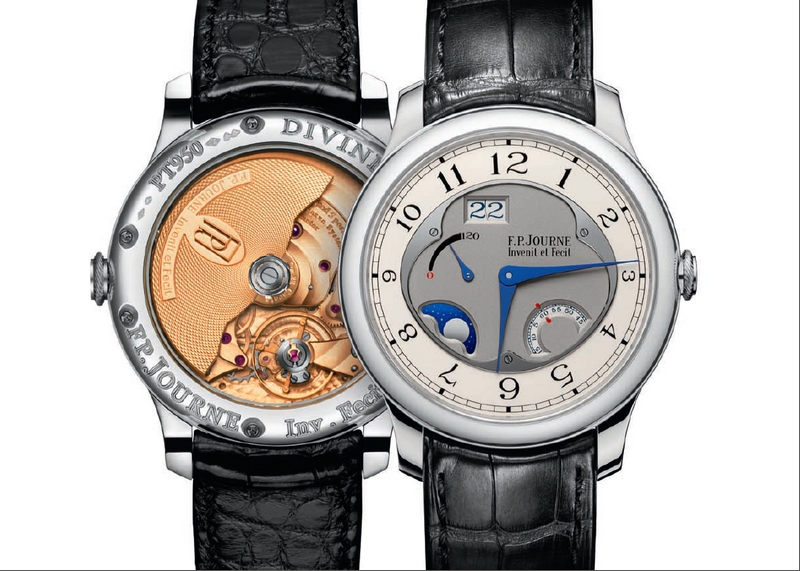
 

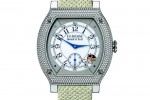
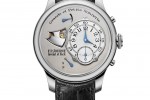
FPJourne Watch - The Haute Horlogerie Maison tradition - preserved, re-invented and fecit
www.fpjourne.com/

Me Fecit (MEF)

In 1994, François-Paul Journe started designing his vision of contemporary watchmaking and in 1999 presented a collection of wristwatches signed F.P.Journe with the Latin wording – Invenit et Fecit – meaning “invented and made”. It thereby certifies that each of the watches carrying his name results from an entirely original conception with rigorous craftsmanship. ‘Me fecit’ is defined by Brepols Publishers as « a sign not only of burgeoning self-awareness, but also of a certain level of excellence long maintained by the medieval craft tradition, early Renaissance artists began to inscribe their paintings along with the declaration ‘Me fecit’ ».

For instance on the base of the statue of Benedict XII in Rome, one can see the incription, « Paulus de Senis me fecit ». ‘Invenit et Fecit’ is so important as a motto to FP Journe that it even takes the place traditionally given to the provenance, ‘Geneva’ under the house or creator’s name.

This author’s personal research and theories on High Luxury branding identifies the evolution from artist/creator or ‘griffe’ towards ‘maison’ and then the democratisation towards a ‘luxury brand’ business structure that is more about industrialisation than art (1).

The word maison is rarely found in brand books but it is a highly important competitive differentiator versus brands. A true maison implies that all the know-how is in the house – no sub-contracting, and often no wholesaling either, no third party. A maison will envision, invent, create, craft, construct and produce everything in-house. It will keep ‘know-how’ secrets in the house. It sell direct to customers and as such, will know its customers directly. It also entails taking full responsibility for every step of the process, no blaming of others and no hiding behind ‘fake’ brand names. The founder, owner, conceptualiser or creator’s name is the house name. The founder’s family name is its honour.

A maison is very very different to an industrialised factory. Its emphasis is more on art and craftsmanship than on commercial reproduction and sales. FP Journe has recreated and preserved exactly that model for haute horlogerie. It is no longer a one-man independent craftsperson and neither is it a global group with a massive factory that can produce hundreds, thousands or millions of pieces per year, as would an industrialised luxury watch brand such as Rolex. Normally an haute horlogerie maison depends on customers discovering it through their own channels, word of mouth or research. It depends more on editorial press than advertising and of course, if the Master Watchmaker-founder of the Maison is alive, it offers a client the chance of meeting this person directly, just as one may have had the chance to meet Picasso in his time, Patek and Philippe or Breguet – something the big heritage houses can no longer offer.
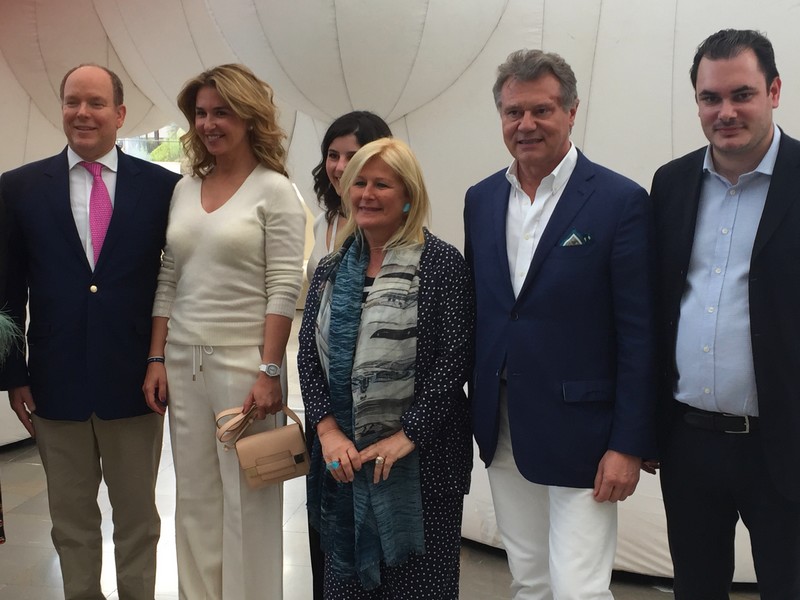
Artmonte-carlo 2017_Prince Albert II De Monaco, Safia El Malqui Al Rashid, Lia Riva, F.P.Journe, Thomas Hug
Artmonte-carlo 2017_Prince Albert II De Monaco, Safia El Malqui Al Rashid, Lia Riva, F.P.Journe, Thomas Hug; https://www.fpjourne.com/
Manufaktur F.P. Journe
F.P. Journe Manufacture

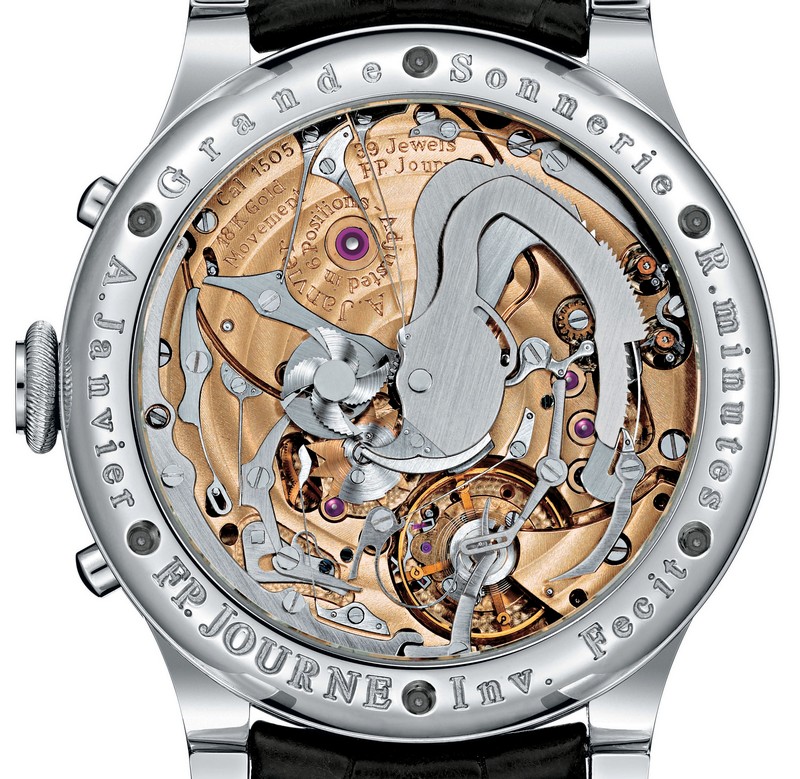
FP Journe was founded with one principle in mind: innovate and uphold, if not outrival the high standards of Haute Horology. Every effort was made to ‘verticalise’ the production in order to produce inside its walls, almost all the components necessary for the making of F.P.Journe watches. It includes the creation and production of its entire dial and watch cases which echo with the movement in perfect harmony. The modernity of machines and instruments is essential to reach the expected level of perfection, but it is also paramount to maintain craft tradition, since many operations are still done manually, with an infinite precision, tirelessly repeated until flawlessness. With its unmatched technical and watchmaker skills, Journe makes a point of honour to design and manufacture its mechanical watches one by one and in small series. In his Manufacture, François-Paul Journe is the master watchmaker and that differentiates the maison from the typical ‘luxury’ watch brands.

With a limited production of less than 900 timepieces per year, the sanctuary of the F.P.Journe Manufacture honours artisanal work. It prides itself in maintaining a genuine watchmaker’s Art. Each certified watchmaker is reacquainting with the state of the Art of haute horology, making a specific watch according to Journe’s technical sensitivity, and performing all production stages from beginning to end without anyone interfering in the process, including the delicate rating, casing-up and testing. In a never-ending
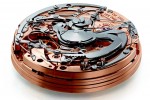
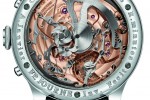
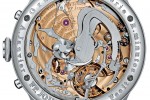
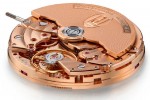
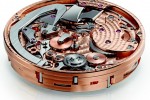
quest for perfection, at the crossroads between Arts and Haute Horology, the F.P.Journe Manufacture is a world in itself, embodying excellence, know-how and innovation. Each calibre produced in precious 18K rose Gold, a unique specificity of the brand, is entirely invented and made in the Geneva Manufacture with its’ label Invenit et Fecit as a reminder.

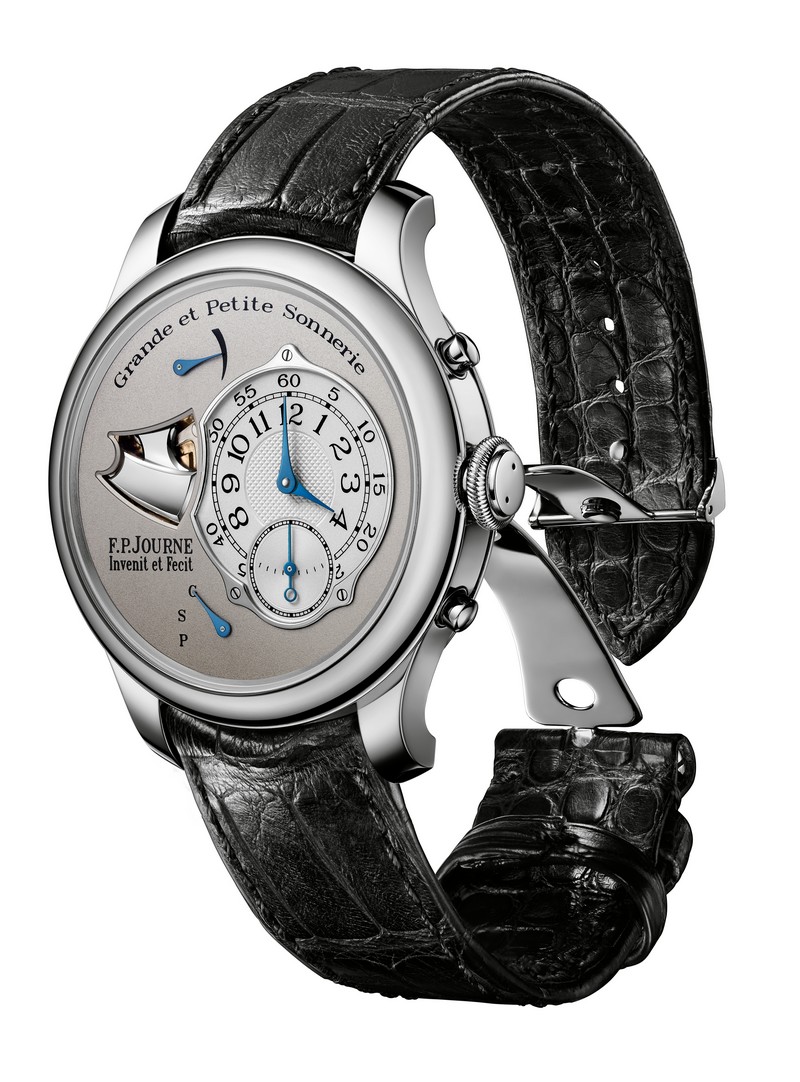
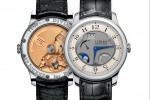
Journe’s creations tend to be quickly imposed with the status of World Premiere, thanks to their unique conception, their originality and technical performance. These horologic works, but also his Manufacture, embody his desire for perfection and have been honoured by the most prestigious international watch awards. This year F.P. Journe was once again rewarded for its exceptional watch creations – the Octa Lune Havana which was granted «Best of the Best 2017» by Robb Report Russia in the category Watch Best Dial.

Other than seeking to win more awards, the haute horlogerie maison has now started organising a Young Talent award in collaboration with the FHH (Fondation de la Haute Horlogerie) that will be launched during the SIHH in Geneva in January 2018, is watch partner of the salon artmonte-carlo and recently created The Prix Solo award for artgenève. Journe looking to the future has not meant a neglect of the past. The house still purchases its own rare watches from past collections and restores them as new. It should not be long before the entire world of luxury timepiece shoppers discovers this exceptional maison and this no doubt poses a major threat to the mass luxury brands that are depending more and more on their heritage stories and hiring local celebrities and internet influencers to help sell as many pieces as they can, as quickly as they can, in order to cash in on demand from those who don’t know any better. Let’s see which ones will last the test of time!

1) https://www.luxurysociety.com/en/articles/2010/04/the-hauteluxetm-series-step-5-meet-the-family-and-friends/

See youtube video here: https://youtu.be/Fdc7nrTVMV
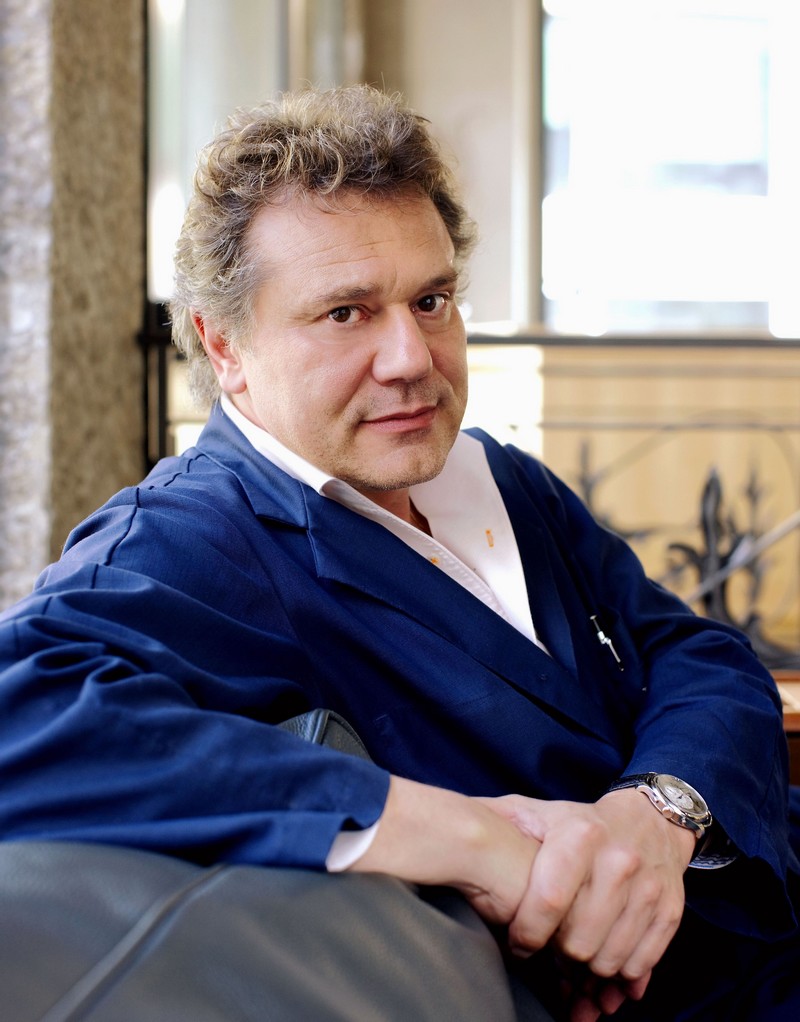
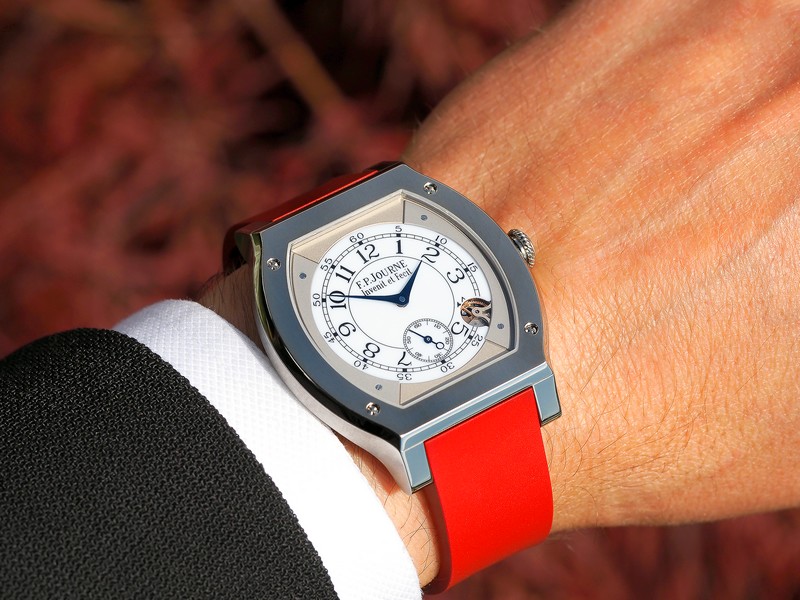
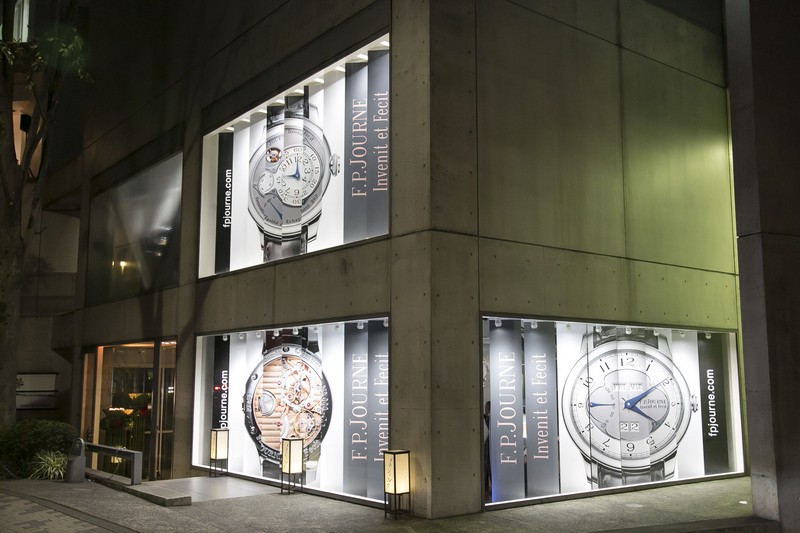
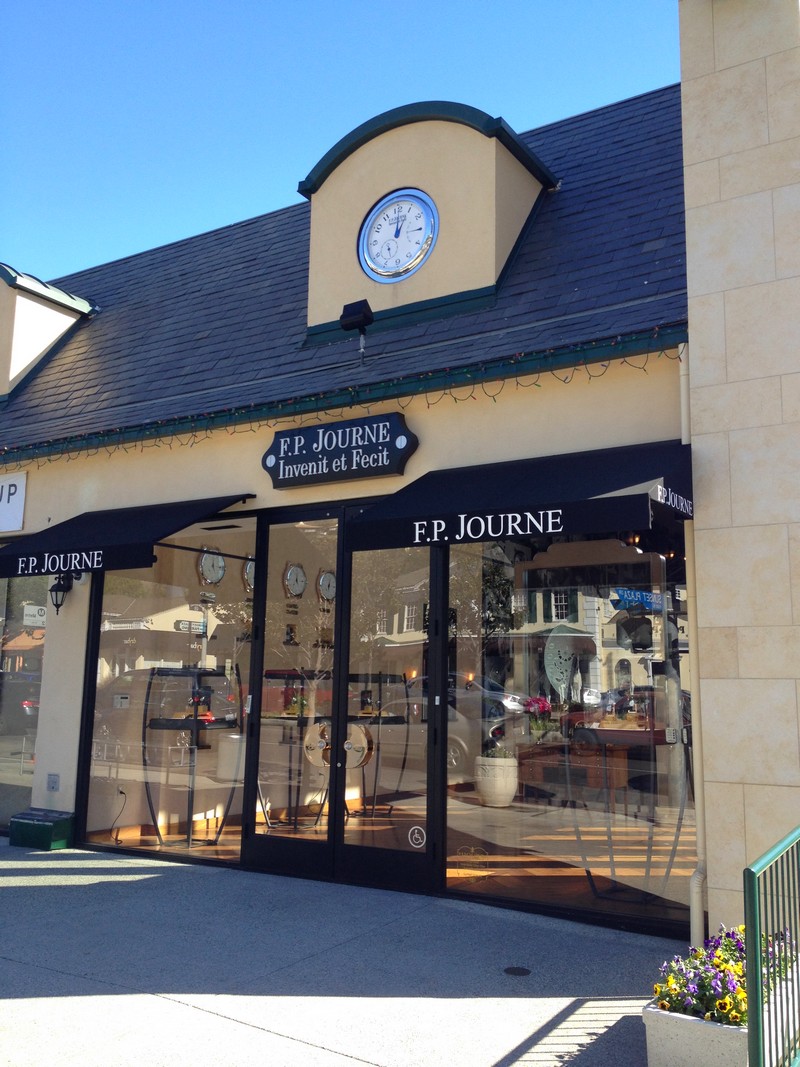
2017-F.P.Journe_portrait 2017-FPJourne Los Angeles- 2017-FP Journe innovative watches FP Journe_SONNERIE SOUVERAINE_danse_blc_cuir OLYMPUS DIGITAL CAMERA Manufacture F.P.Journe. Geneve, Mars 2017 © Fred Merz | Lundi13 FPJourne Windows Tokyo store by night FPJourne - The Haute Horlogerie Maison tradition - preserved, re-invented and fecit 2017- FP Journe LA_Ext Manufacture F.P.Journe. Geneve, Mars 2017 © Fred Merz | Lundi13 FP Journe_or_snake_sertie FP Journe SONNERIE_SOUVERAINE_F.P.JOURNE watches

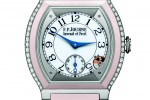
FP Journe_Turquoise_40mm_sertie FP Journe_Powder Rose Watch 2017 - FP Journe timepieces - GrandS_Dos_Acier_cuir - Watch

Is Yoga Relevant to Luxury Branding?


by Philippe Mihailovich.
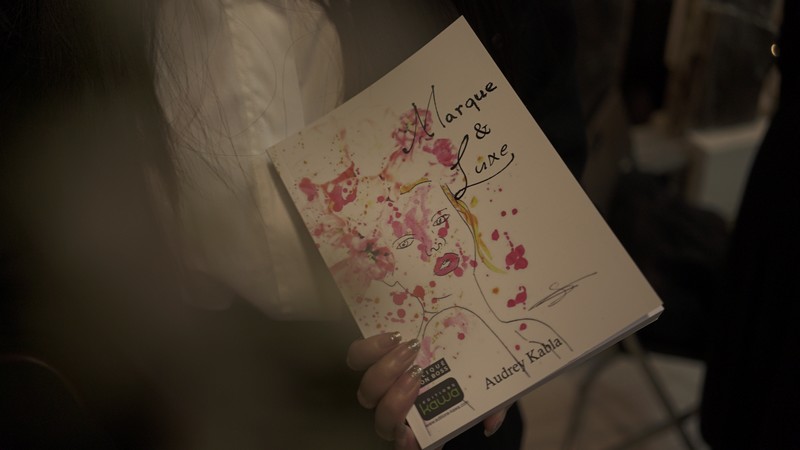
marque-and-luxe-by-audrey-kabla-launch-january-2017

Audrey Kabla, author of the new book Marque & Luxe, is not the usual high-flyer that one usually encounters from the rank and file in the field. She got off to a good start whilst studying for her business degree by having a 6 month stint at Christian Dior Couture followed by an international marketing and sales assistant job at Hilton in Chicago , completed a Luxury MBA at the ESG in Paris and landed a job at Smartbox as a product development manager to create luxury gift boxes before joining Tellus watches as an International Sales and Marketing Manager. Before the year was out, she found herself in the position of International Brand Manager for the Timex Group and two years later as Head of the Luxury marketing & communication Master of Sup de Pub, a leading Paris business school that prepares students for the advertising world whilst simultaneously founding Epykomène, a ‘House of Luxury marketing & French know-how worldwide’.

The secret of her quick rise can perhaps be attributed mostly to her creation of what she calls, “the YUXA concept” which is primarily the application of yoga principles to brands. Let us keep in mind that the Ig® Nobel Prize * for Economics was recently awarded to a team of New Zealand scientists who investigated brand personality tests and proved that respondents can attach human characteristics to rocks in their paper “The Brand Personality of Rocks” (1)

Of course, to a scientist, a rock cannot possibly have a personality, let alone a bottle of shampoo or a fragrance, however one only needs to speak to jewellers and stone sculptors to see that they indeed try to understand a rock before cutting it into something. A perfumer certainly aims to create a brand with ‘character’ just as architects aim to create hotels packed with personality. The human being relates to the world around him in a way he can relate to, a human way, so he may see his car as having a personality as much as he may identify with the personality of his dog.

“We humans have made some Luxury brands iconic”, Audrey argues. “We are loyal clients, we are promoters, we are lovers and believers. Some brands are way closer to us than other human beings, we trust them more. A few of them, we even consider like family, like close friends, like someone who won’t disappoint us. We use brands to dream, feel better, feel less lonely, feel driven… This is a fact, we have sacralised Luxury brands to compensate on some social pillars links that are suffering a bit today (religion, marriage, family)”.

Radiatereal.com offers to show how “the seven brand chakras” can apply in “a personal branding and business development program for heart-centred entrepreneurs” and Dr. Kunal Banerji of brandchakra.com offers “management therapy” to “explore new branding opportunities through new age brandology modules”. Even in Australia, Soulspace, Brisbane are offering Business Chakra Workshops as is Brianna Rose Branding who offers “business chakra healing” which only goes to show that Audrey could be onto something indeed.

“A brand is like a human being”, Audrey continues, “It has a name, values, history, dreams, ambitions, personality… so it behaves like a human being. In 2016, what people are looking for is being themselves, being happy and building something pure and unique and so do Brands. Instead of being focused on our image, let’s cherish our inner self: in a company it can be embodied by our brand, our products but also our collaborators and clients.”

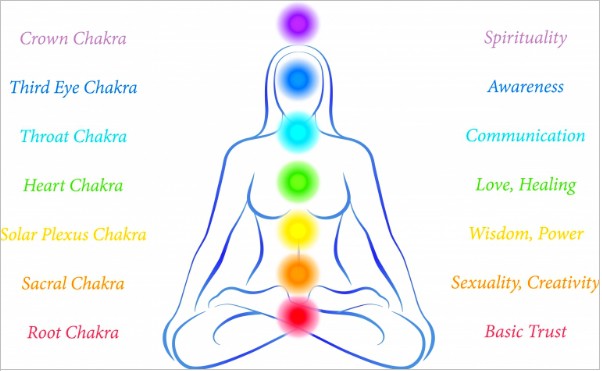
Yogapassion.com offers an interesting diagram to illustrate the “qualities associated with the chakras (see below) in which one can see words familiar with the marketing profession such as Awareness and Communication although clearly the meanings are very different i.e. awareness of self is not the same as aiming for brand awareness amongst consumers. Yoga is very inner-directed whilst marketing tends to be outer-directed. Branding used to be a part of marketing. Today one can argue that marketing is merely a part of branding. Contemporary brands, not luxury brands alone, are expected to have a sense of purpose, a philosophy, be meaningful, and therefore project a heart and a soul.

the-chakras-map
chakra map from Loveballs.co

“Yoga is a very good way to do that”, Audrey explains. “People find happiness, balance & creativity in taking care of themselves. While aligning their body with their soul and heart, we are in movement while celebrating the present moment. We are focusing on who we are, who/what makes it happen and our very own pleasure of practice via meditations, postures and chakras opening. I have applied the precepts of Yoga into luxury marketing like an everyday way of life, way of work, way of love. That became the YUXA”.

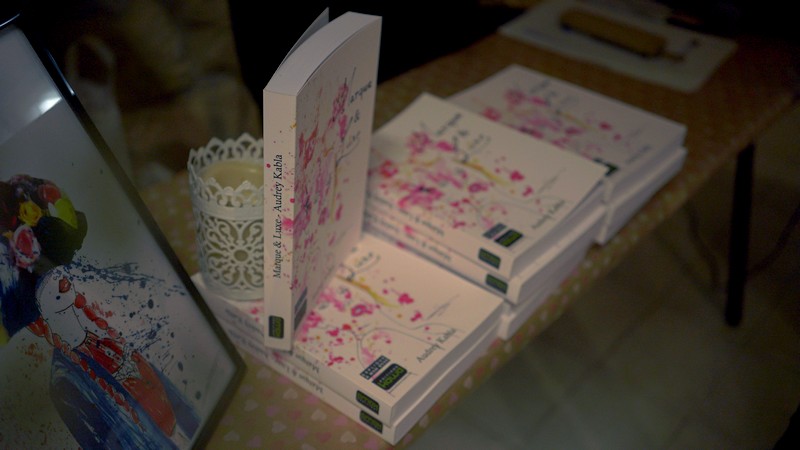
“In the book the brand will have the practice for opening the Brand chakras as described under the 7 shades of Luxury. Every practice is unique as every brand is, and those 7 shades of Luxe with their codes and meditative advice can be applied to any Luxury brand that is looking to treat herself and everyone that believes and loves it”, she adds.

In the Book, the first “shade of YUXA” is in fact the crown chakra or “tiara” that Audrey links to the ‘heritage’ of a luxury brand. Shade 2 is the third eye that Audrey links to a luxury brand’s “know-how”. Shade 3, the voice or throat chakra, she links to the brand’s “emotions”. Shade 4, the heart, she links to the “service’ aspect of the brand. Shade 5, the stomach or solar plexus, she links to the ‘exclusivity’ aspect of the brand, whilst Shade 6, the sacral chakra she associates with the ‘avante-gardiste’ or innovative trait. Finally, Shade 7 the base or root, she links to ‘prestige’. One can wonder why Prestige is not the first Shade and Heritage or Pedigree the 7th Shade?

marque-and-luxe-by-audrey-kabla-launch-january-2017-the-book

“My points are”, she states, ”How can Luxury brands activate their role as objects of cult (that WE have make them as)? How can they empower us in a timeless and genuine way? How to make sure Luxury brands can sustain their success as well as the dreams of their believers.”

Surely there can be no harm in trying to apply the chakras to brand analysis and strategy. Should it apply to luxury brands only? Clearly luxury brands lend themselves more to this on the grounds that they are expected to be primarily handcrafted with passion, as opposed to industrial brands. Applying chakra principles could certainly help to improve the inner-brand but its hard to see how they apply to building relationships with the clients. Aspects of love are not inner-directed emotions, but are fundamentally linked to sharing. A true luxury brand generously considers its clients first as with gift-giving or offering a selfless gesture.

No doubt the yoga approach will be more attractive to brand directors who practice yoga whilst it is likely to deter those that are not yoga-orientated. If however, the trend is towards chakra-analysis, we should certainly expect to see yoga teachers evolving into brand consultants and specialized brand practitioners having to learn about yoga. I know that I won’t be one of them.

* The Ig Nobel Prizes honor achievements that first make people laugh, and then makes them think.  The prizes are intended to celebrate the unusual, honor the imaginative — and spur people’s interest in science, medicine, and technology.
(1) https://www.marketingscience.info/4129-2/

reading-marque-and-luxe-by-audrey-kabla-launch-january-2017


Christian Lacroix – A brilliance of Branding in Unexpected Places

An article and video interview By Philippe Mihailovich.

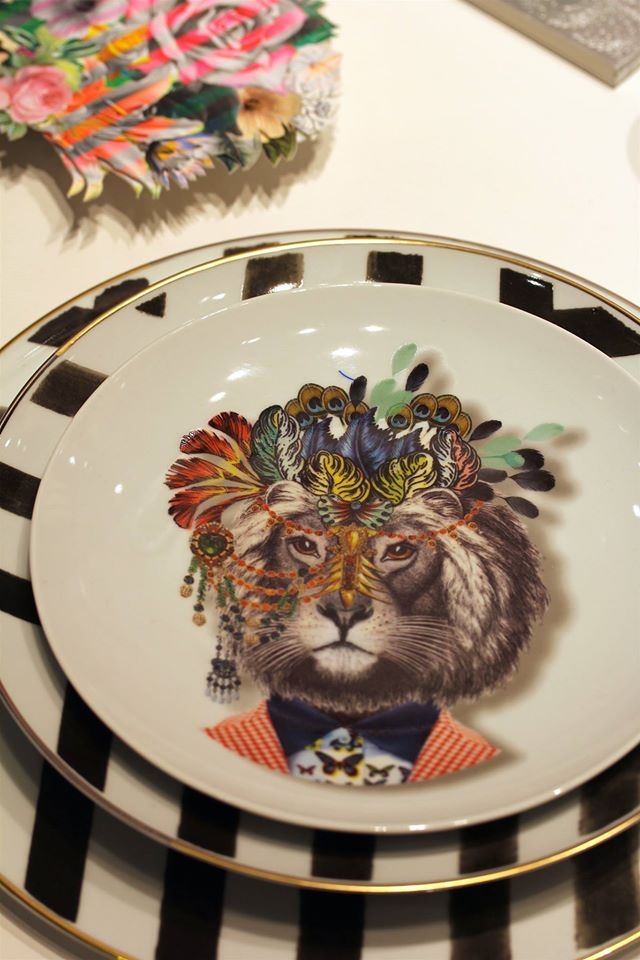
christian lacroix maison and objet 2016

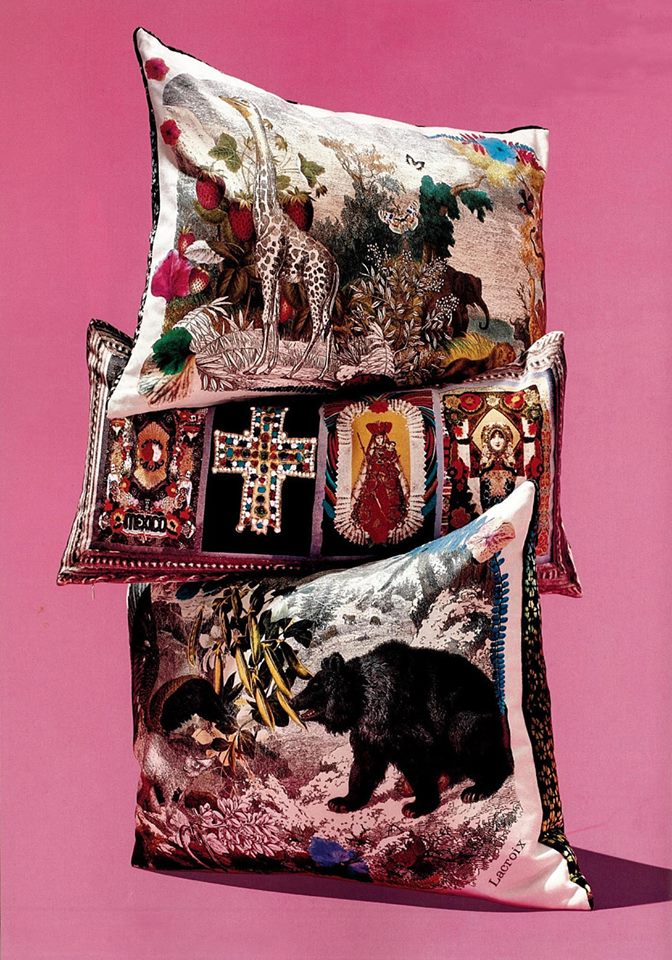
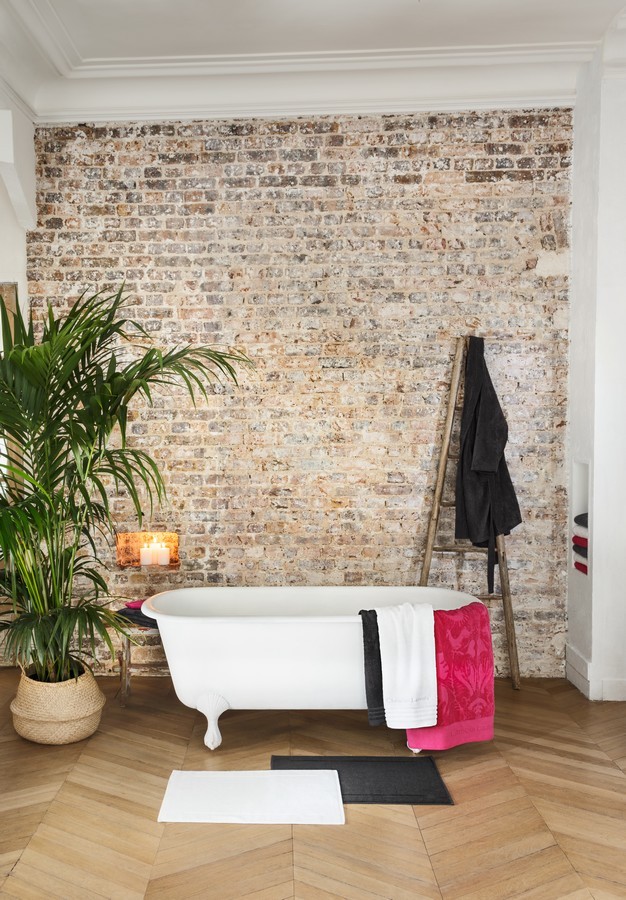
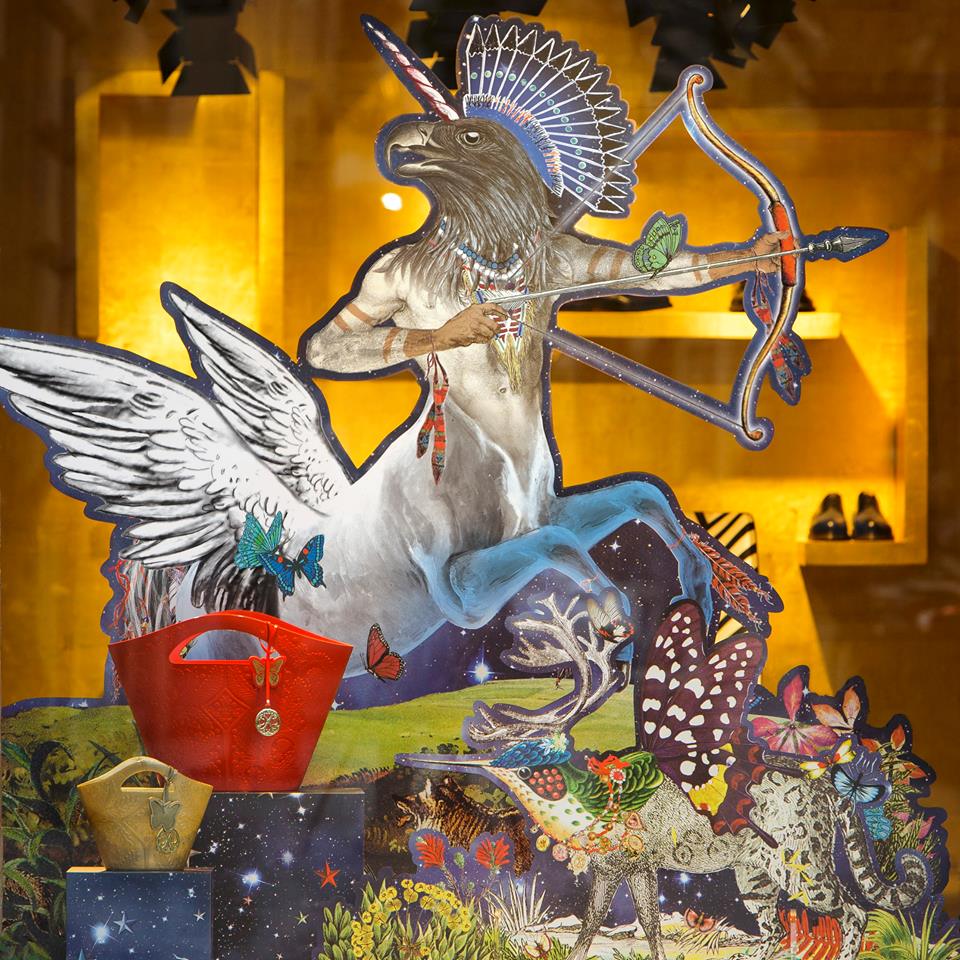
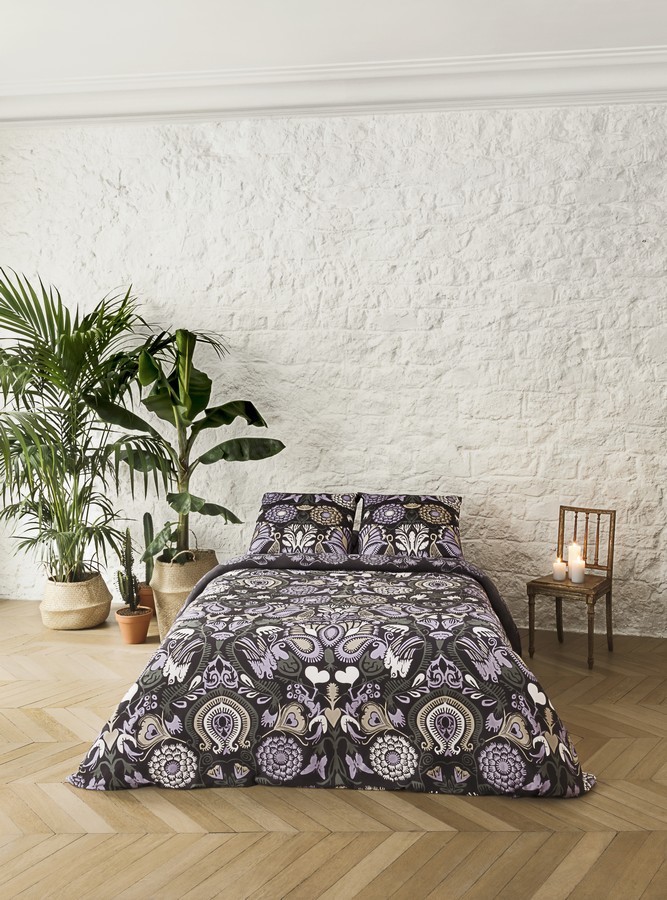
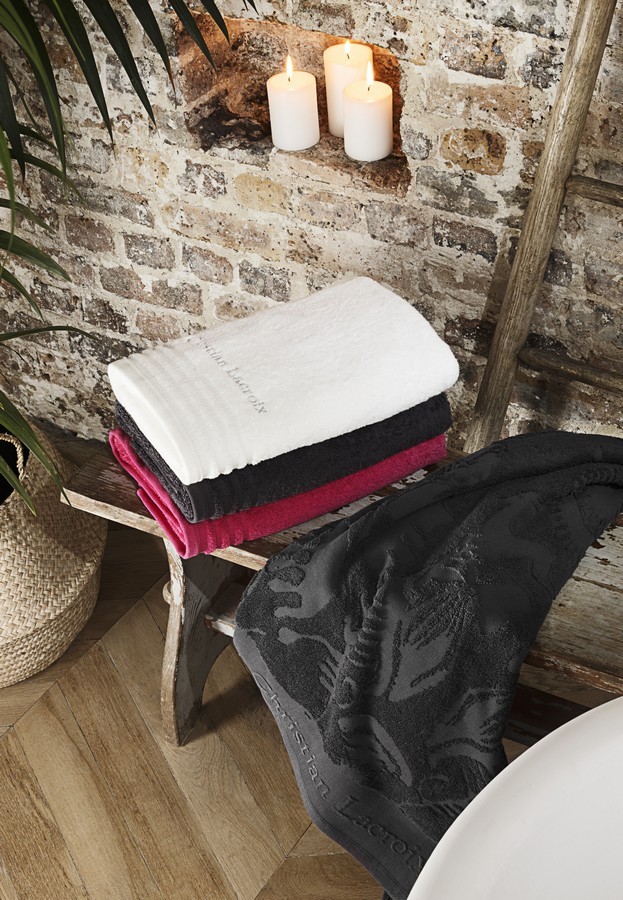
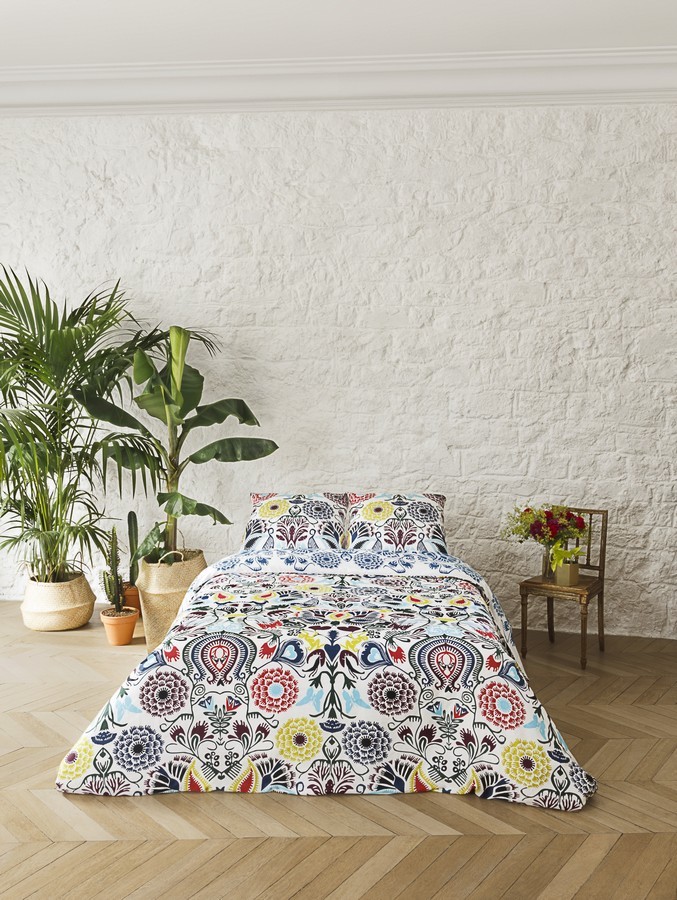
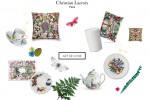
One of the greatest critical success factors for a brand, whether it be a mass market brand or a luxury, is the element of surprise. Of course, we all prefer pleasant surprises to shocks. Apple tends to surprise whilst Benetton chooses to shock. I must admit my own shock when I first came across the Christian Lacroix bedding promotion in a French supermarket chain, Carrefour. “Oh goodness”, I thought, “this brand will end up everywhere just as what happened to Pierre Cardin”. Cardin is often cited as the perfect example of over-licensing, becoming over-exposed and meaningless however one has no doubt that massive amounts of royalties pour into Monsieur Cardin’s bank account daily.

As a young brand manager working in South Africa, I will never forget how generous Monsieur Cardin (née Pietro Cardini) was when we wrote to him to ask if he would be happy to sign off some affordable but elegant walls and doors to attach Hollywood-style in front of the ugly Apartheid government-built ‘matchbox’ houses in Soweto where Pierre Cardin was most respected for his design style and gave instant status. It was not out of greed that he accepted to do so as the royalty offered was minuscule. It was his sincere generosity and wish to offer elegant items at affordable prices. Sadly his brand image has suffered since then.

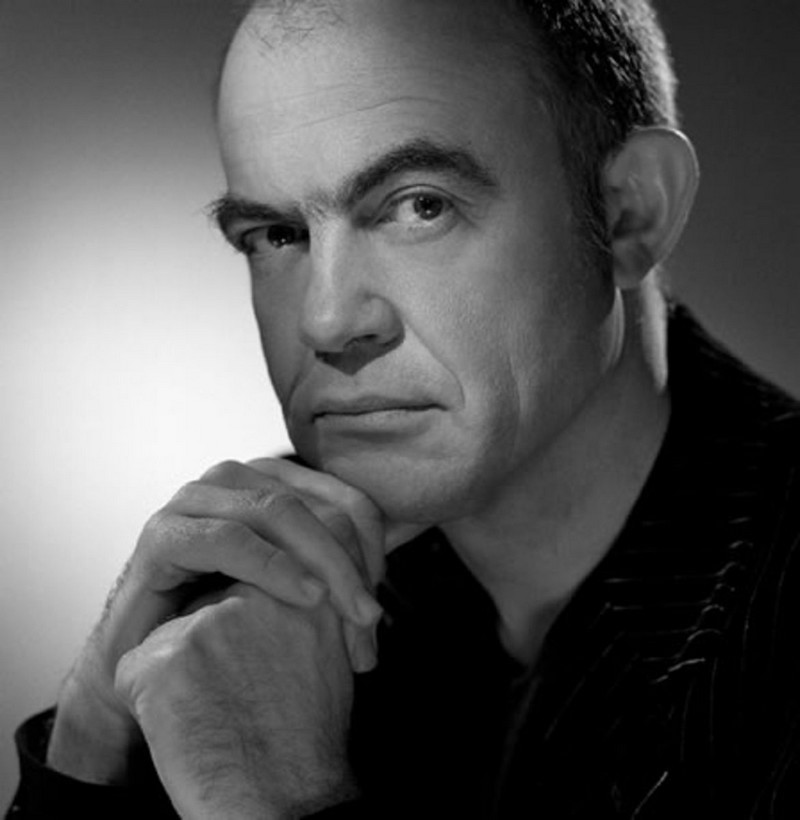
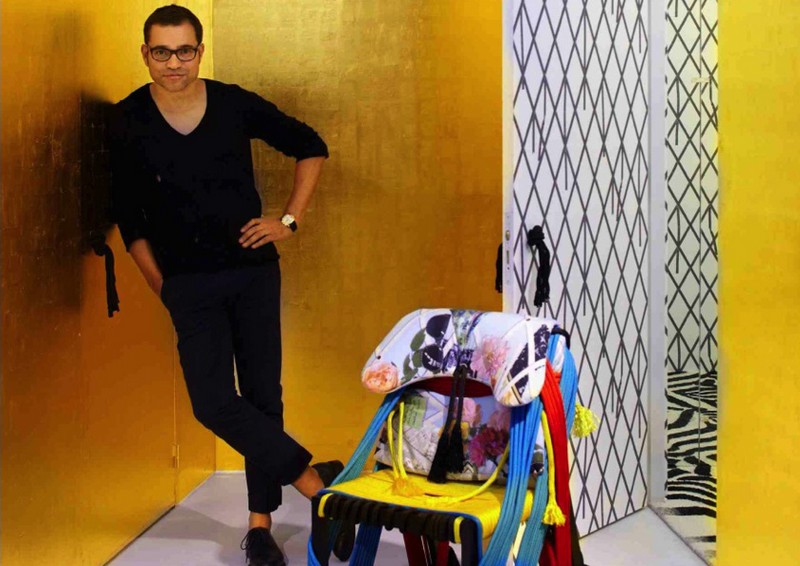
Christian Lacroix Portrait
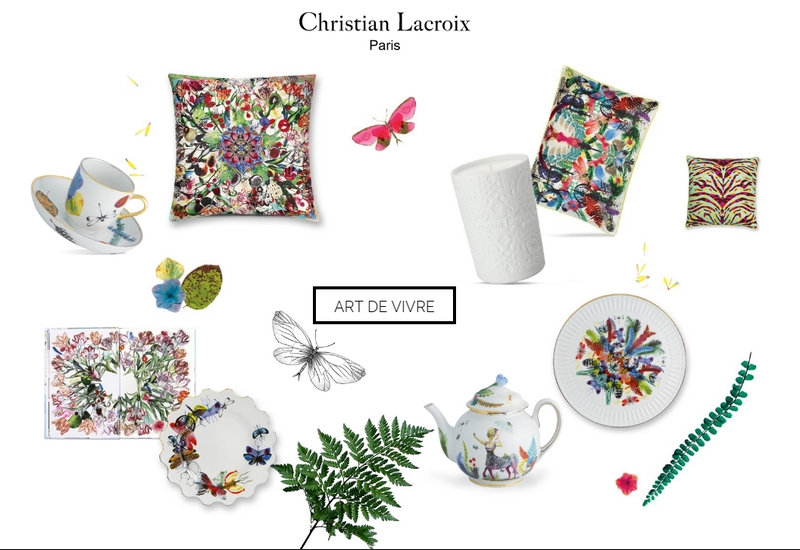
christian lacroix paris art de vivre 2016
Christian Lacroix SS2016 Incroyables et Merveilleuses © Richard Powers - 3_1
A chance meeting with Christian Lacroix CEO, Nicolas Topiol at the Maison & Object trade fair in late January came as a pleasant surprise (watch the HauteLuxe interview here). At last, I could find out if Christian is truly happier not having to bother with the frenzy of endless fashion collections anymore and if he was having fun conceptualizing and designing costumes for the Ballet de l’Opera, and if it was so underpaid that he was forced to design homeware items for French supermarkets as well.

Lacroix brand presentation_USA_HD-8

christan lacroix -

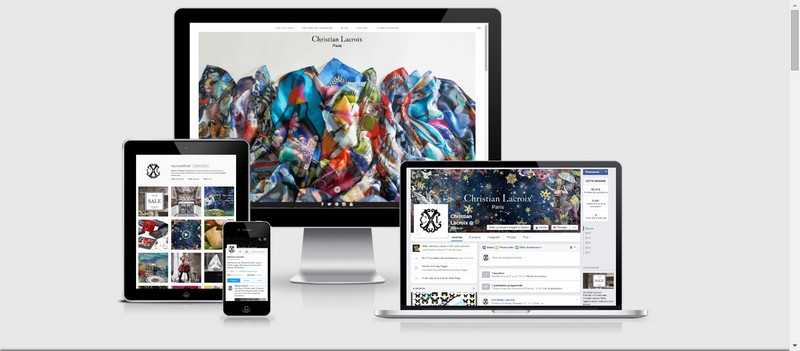
online activities
The greatest surprise was to find how open M.Topiol was to answering any of the questions and how thoughtful and strategic he has been with the house that owns the name, universe and DNA of Christian Lacroix but in fact, its artistic director is Sacha Walckhoff, Lacroix’s ex-studio director who “recently came to the realisation that he has spent longer working with the Christian Lacroix brand longer than Christian Lacroix himself did” (1).

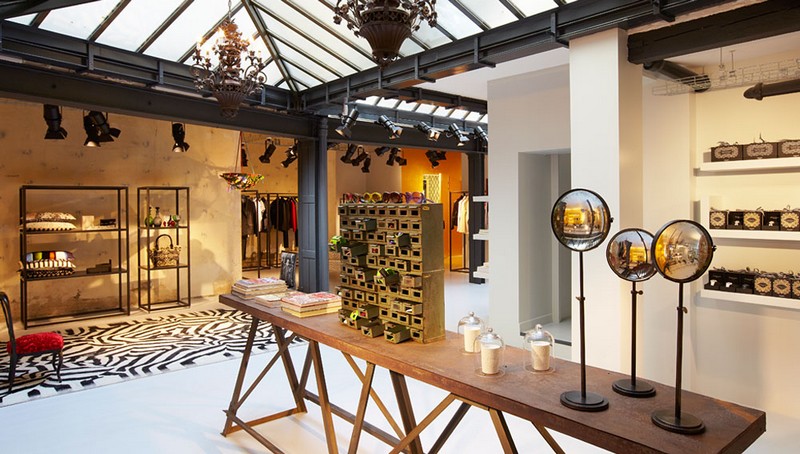
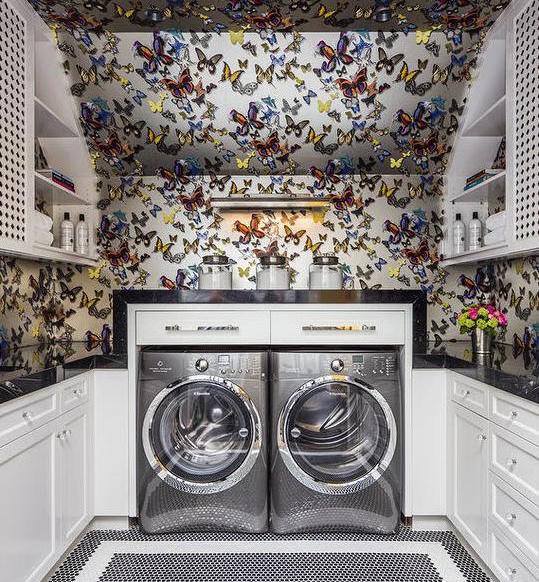
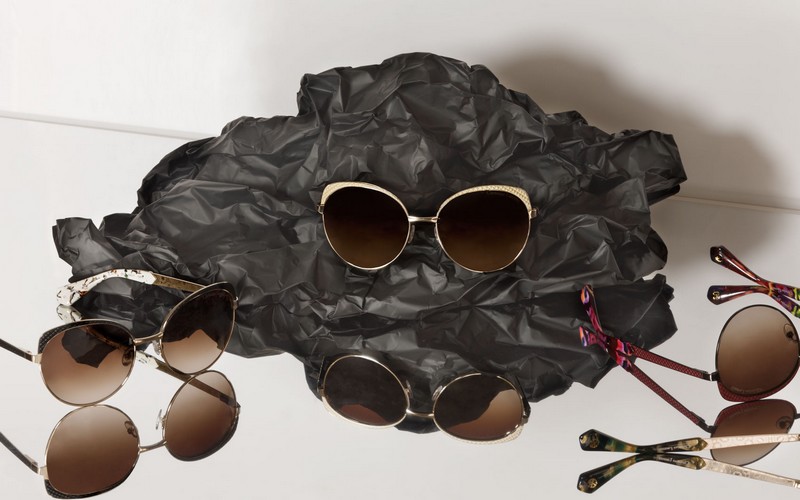
Six years ago, Reuters(2) reported that the fashion company’s total losses over the previous 23 years must have reached between 150-200 million euros. Topiol had tried to steer this famous and very admired brand away from bankruptcy and has since been charged with giving it a life without its ‘face’ or its female fashion. With Walckhoff, their internal creative staff as well as some exceptional collaborations, licensees and co-branding partners, the soul of the brand seems to still be living in the house and the brand is emerging as a strong force in interior design.
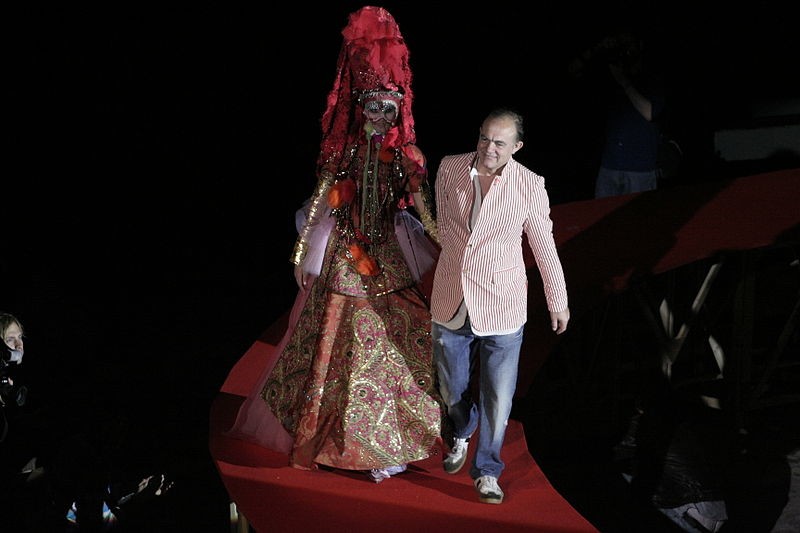
800px-Lacroix_rip_juillet08

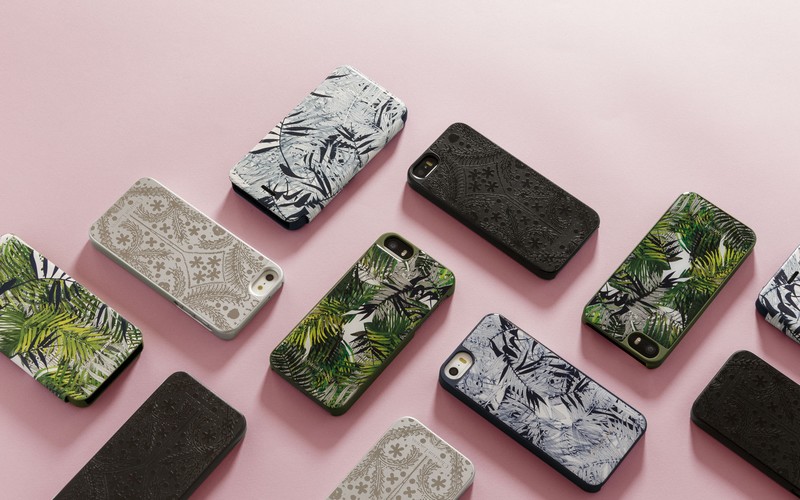
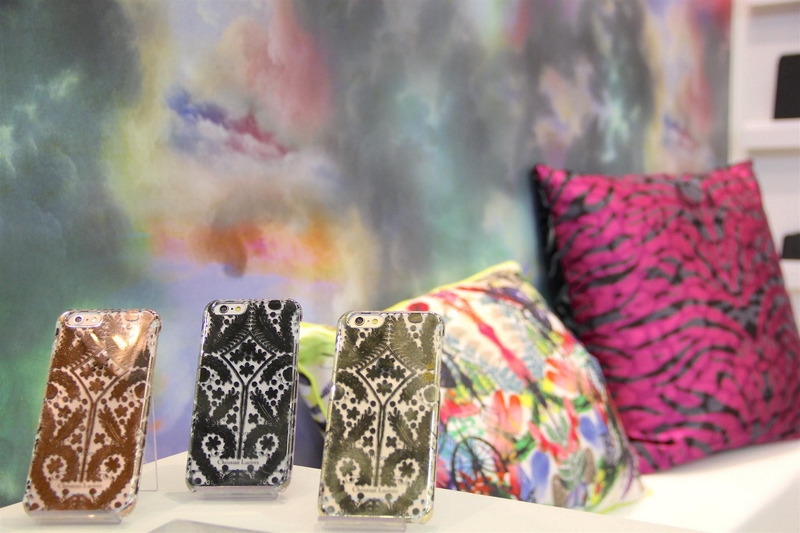
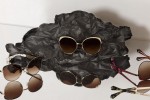
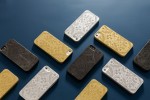
coque1 ©Neil Bicknell Lunettes ©Brian Daly

In the past many fashion houses suffered from their exit from fashion and, or loss of their creative founders, and not through death. Sometimes exiting fashion is a blessing, sometimes a curse. Kenzo initially suffered greatly, as did Yves st Laurent, Helmut Lang, Jil Sander and countless others. Margiela seems to be managing, but not many do. We have recently witnessed Gaultier and Viktor & Rolf abandon ready-to-wear to focus on haute couture to raise their image whilst keeping fragrances and other license to maintain cash flow. The risk for V&R is that unless they push L’Oreal to show fashion in the advertising they will become known as perfumers.

When Clarins shut down the Thierry Mugler brand to focus on Angel, they not only lost their core roots but ended up making the perfume more famous than its creator. Chanel can be cited as the greatest success story of recent times, emerging from what was almost only a perfume brand to become the great global luxury brand it is today. Balenciaga managed it too and others such as Jean Patou must still be thinking about it.

Often the brand extensions have been a blessing and often a curse. In the nineties, the luxury houses from Dior to Ralph Lauren and others went on a worldwide frenzy to buy back their licenses. It was a moment to regain total control of image, quality, distribution and the like. It was a movement back to the concept of ‘Maison’ where all the know-how is in the house and nothing is contracted out or sub-contracted. It was the moment to draw the line between Maisons and Brands. Licensing had become a dirty word for most. It seems to be easier to blame licensing than to blame oneself for mismanagement.

CHRISTIAN  Lacroix at Maison and Objet 2016 christian lacroix --

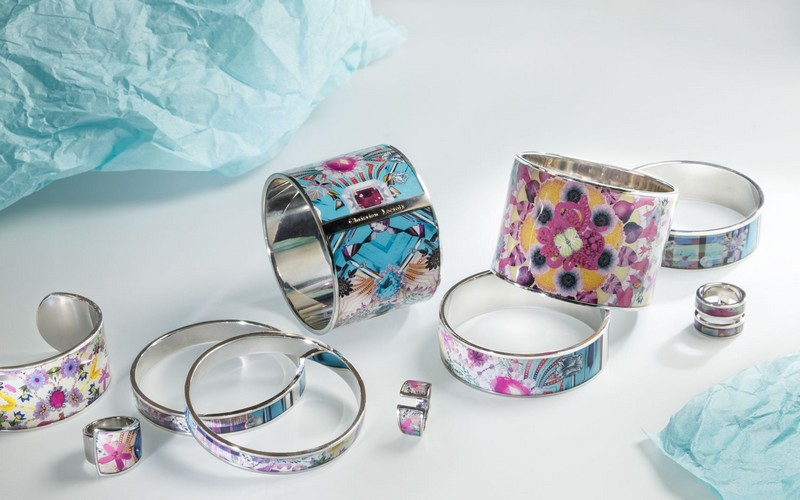
Christian Lacroix Jewellry ©Neil Bicknell

When I wrote the first academic brand stretching strategy and case study on Richard Branson’s Virgin empire in 1995 (3), Branson was accused of stretching his brand too far. In many instances it was true, the brand had been entering categories such as colas and vodka without establishing any true legitimacy via innovations to those categories. Today Virgin remains one of the few examples in the world where a brand is born at the low-end (mail order record company) and has ended up offering luxury space flights. That’s licensing at its best. You invest all the money, Virgin takes a 51 percent ownership, if not more, places a few of its loyal managers into the top echelons of your company, and off you go.

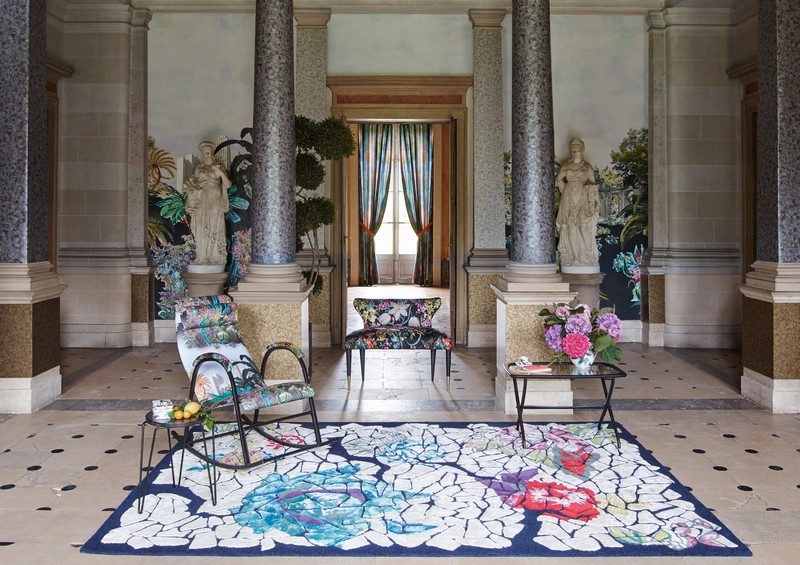
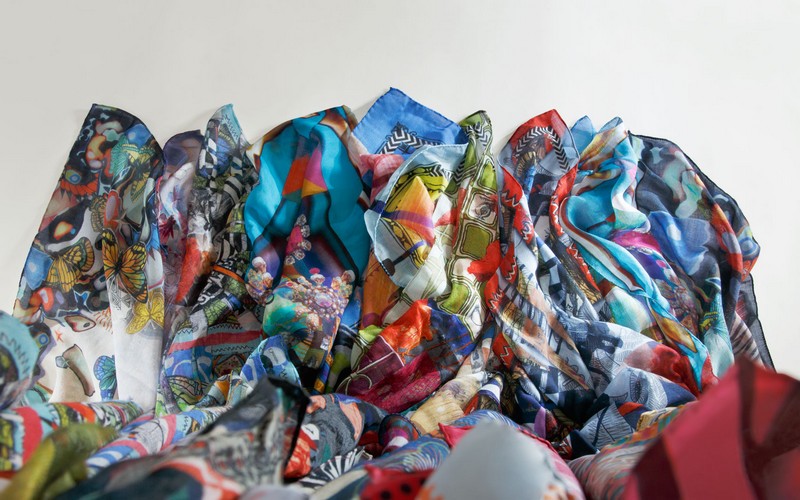
Just as Branson regenerated his brand in order to restart as an Entertainment to travel, health and ultimately an investment group that embodies the soul, culture and values of its founder that include fun and brilliant customer service, Nicolas Topiol has regenerated the house of Christian Lacroix. The core foundations of fabulous fabrics, amazing color combinations and patterns form key aspects of its universe and the warm soul of its founder – inspirations from the sunny south of France and the sophistication of 18th Century Paris including Palais de Versailles – have remained as if its founder has remained.

Unlike the heritage houses that often begin repeating the same codes and even designs of their past, Christian Lacroix is entering new categories with an Haute Couture heritage prestige and global prestige, raising the creative bar in industries that seem to have relied on offering simpler decorative offers. You can now expect this brand to turn up in unexpected places, and expect to be pleasantly surprised. Don’t despise the brand for bringing high-end aesthetics to popular product categories, simply take advantage of the opportunity, because it won’t be around longer than was the Karl Lagerfeld collection for H&M.

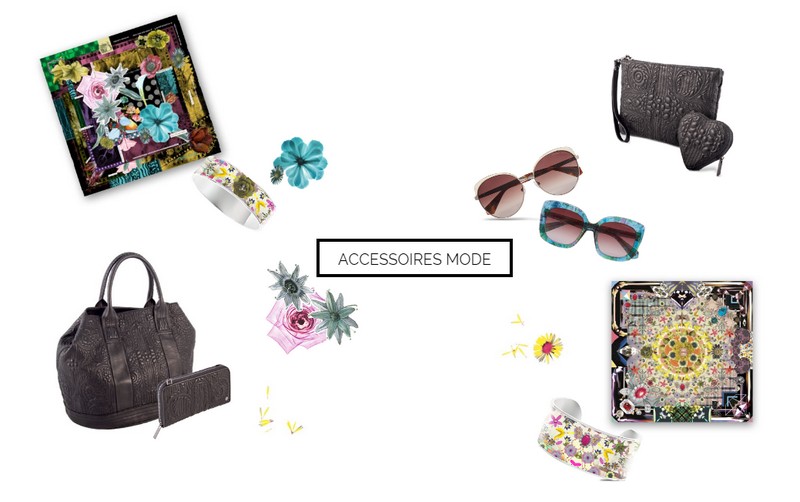
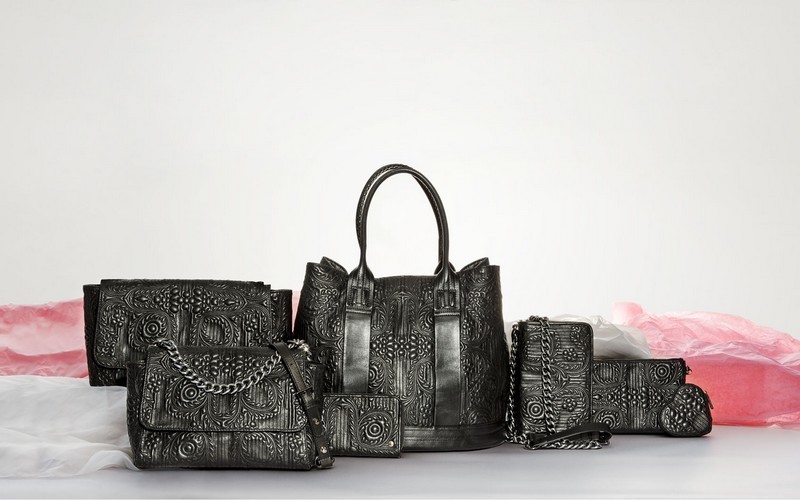
christian lacroix accessories

  1. Selina Denman An inspired chat with the creative director of Christian Lacroix http://www.thenational.ae/arts-life/luxury/an-inspired-chat-with-the-creative-director-of-christian-lacroix#page2
  2. INTERVIEW-Christian Lacroix brand lives on, CEO says http://uk.reuters.com/article/idUKLDE61N10U20100308
  3. Mihailovic,P. ‘Time to Scrap the Rules: Entering Virgin Territory’, The Journal of Brand Management, Volume 3, # 1, August 1995, pp
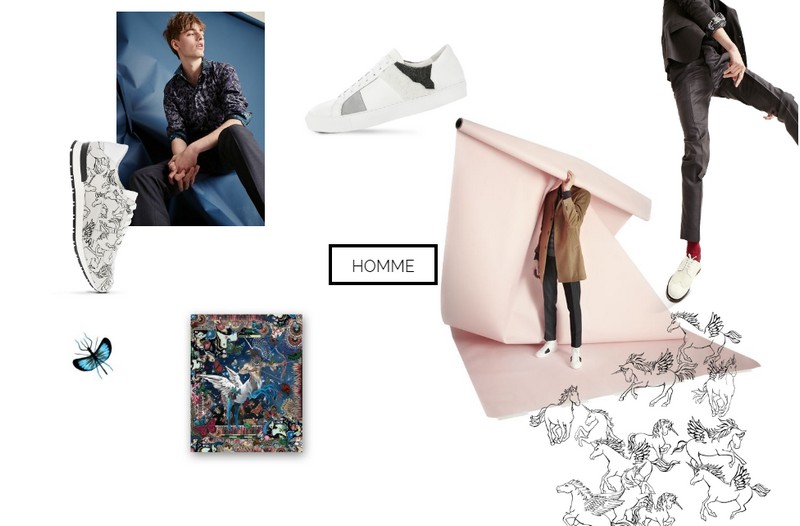
    christian lacroix homme
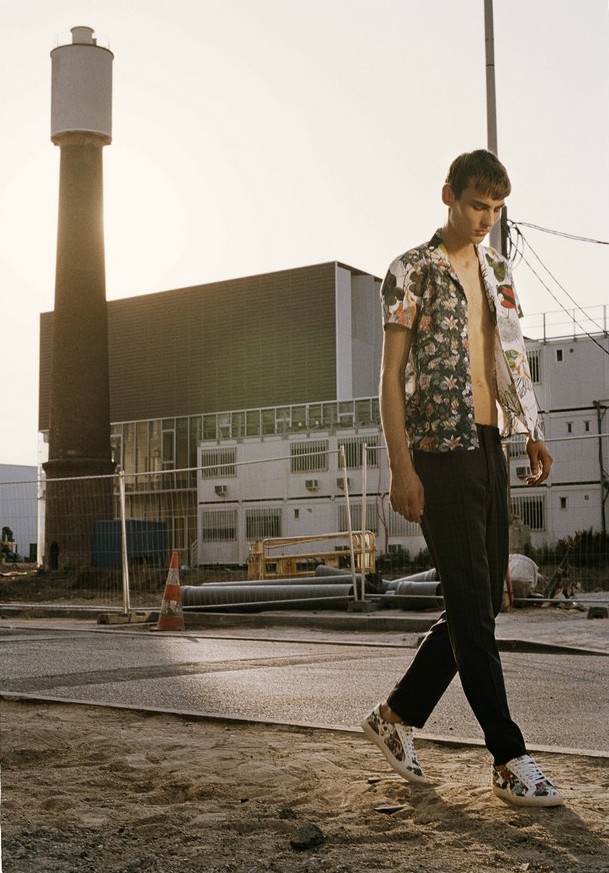
    22-32Christian Lacroix SS16-3 ©CG Watkins
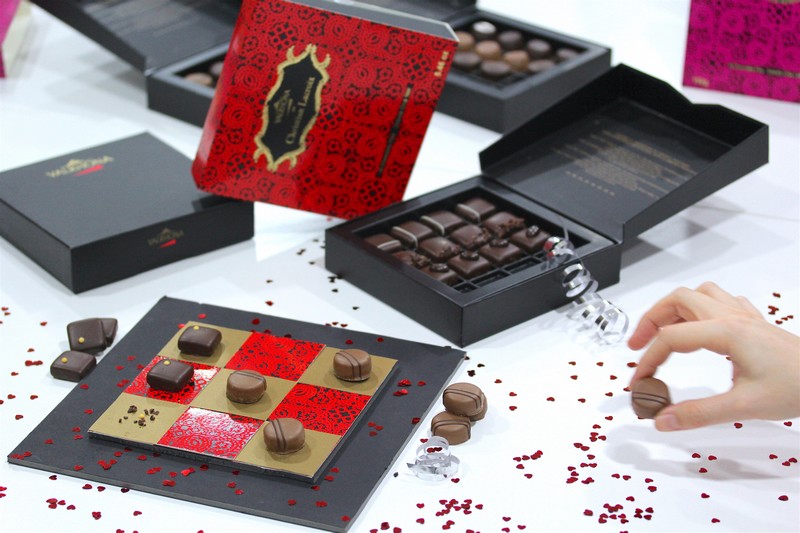
    Valrhona maro ©Neil Bicknell
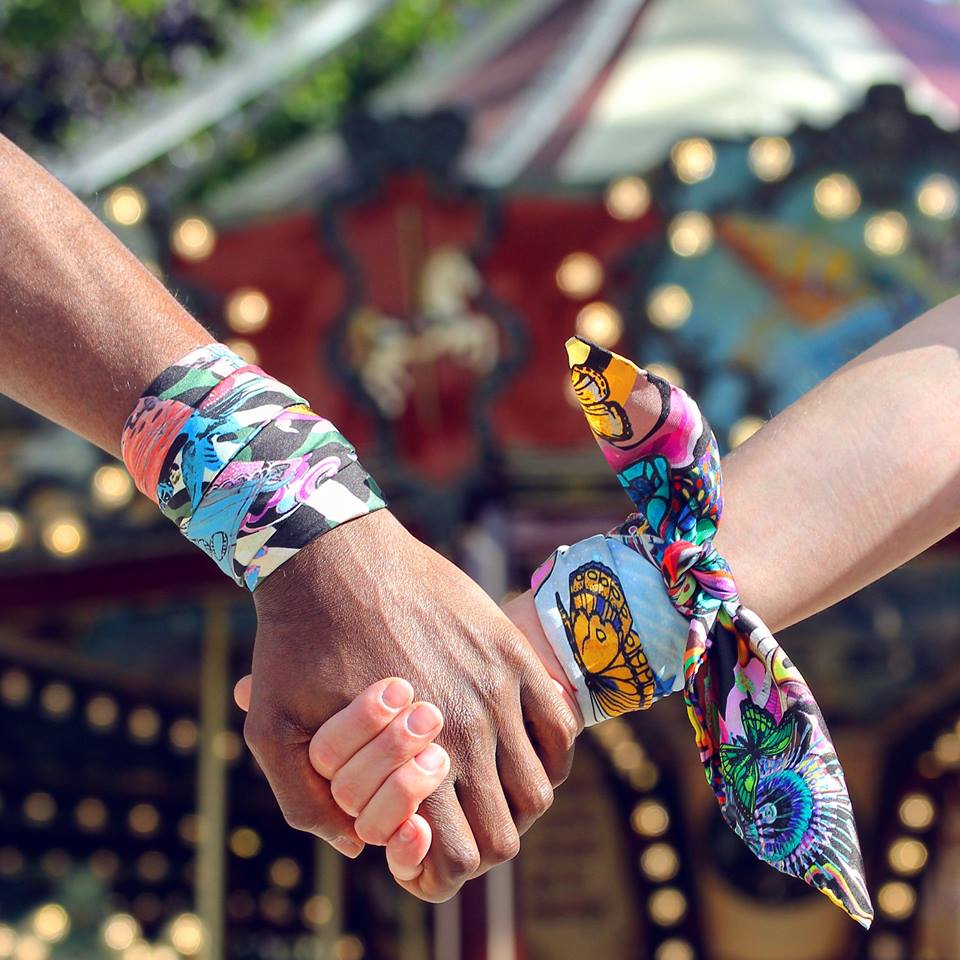
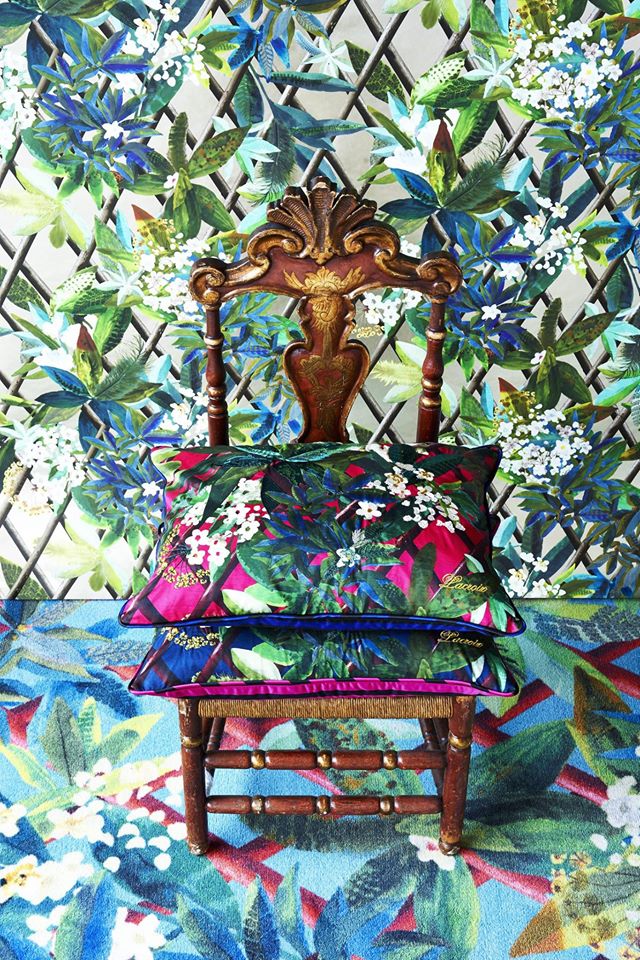
  4. Christian Lacroix silk scarveschristian lacroix maison and objet 2016-christian lacroix maison and objet 2016--cushionschristian lacroix maison and objet 2016--pernechristian lacroix maison and objet 2016- Christian Lacroix's Butterfly ParadeLa Grande Epicerie 1 lunette ©Neil Bicknell CL Maison Promeco by Neil Bicknell 9
  5. christian lacroix maison and objet 2016--CL Maison Promeco by Neil Bicknell 6 CL Maison Promeco by Neil Bicknell 1 CL Maison Carrefour by Neil Bicknell 2 CL Maison Promeco by Neil Bicknell 10 christian lacroix scarves©Neil Bicknell Christan Lacroix Brand Presentation-61

Curators may be sceptical but branding is vital for museums

The Tate and British Museum are among institutions that have adopted brand thinking – taken seriously, it can help our scholarship reach more people