EBACE Connect 2021: Advanced Air Mobility Technology is Here Now. During EBACE Connect 2021, leaders in innovative technologies shared updates on advanced air mobility (AAM), electric vertical takeoff and landing (eVTOL) aircraft and electric and hybrid airplanes, while discussing the importance of technology advancements, sustainability, public acceptance and harmonized public policy to the future success of … Read more
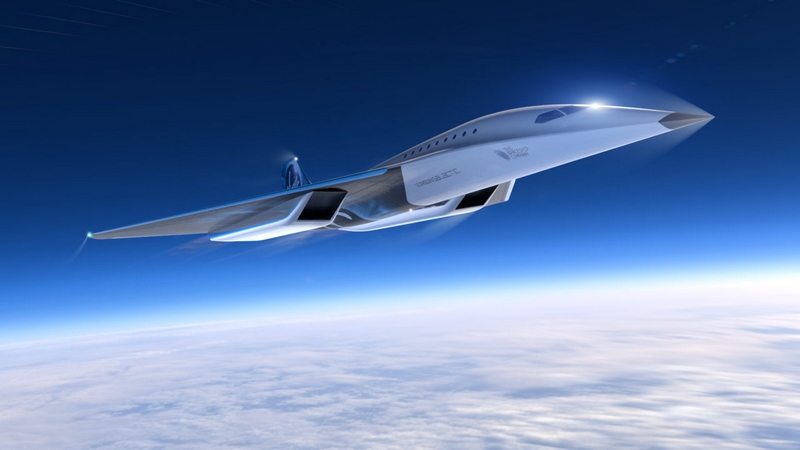
Virgin Galactic Unveils Mach 3 Aircraft Design for High Speed Travel, and partnership with Rolls-Royce. Virgin Galactic unveiled the design of its high speed aircraft. The aerospace and space travel company also revealed that it will collaborate with Rolls-Royce for designing and developing the engine propulsion technology for the high speed commercial aircraft. … Read more
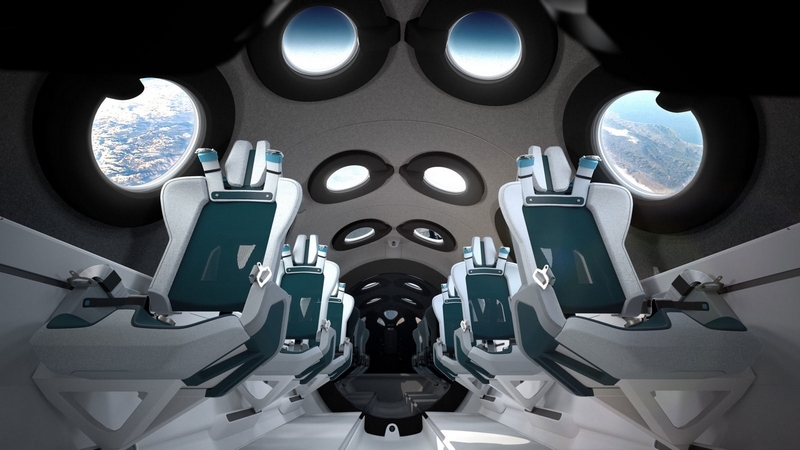
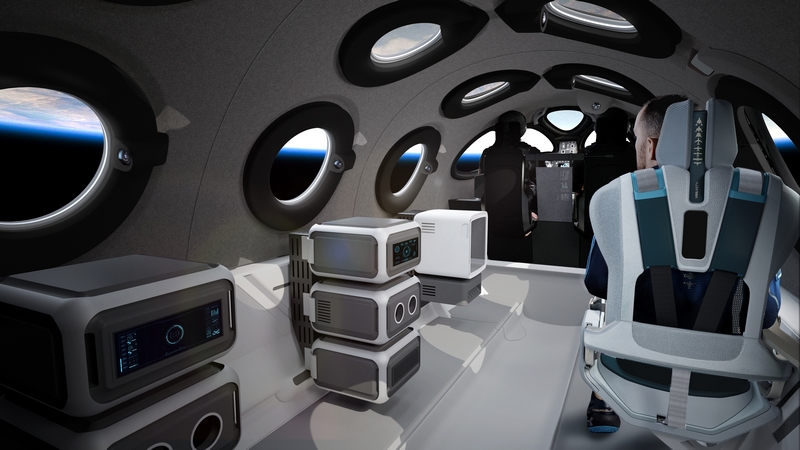
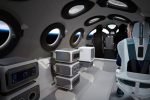
Aspiring astronauts and space enthusiasts around the world, now have the opportunity to explore the Virgin Galactic cabin design and spaceflight experience through an augmented reality enabled mobile app. The unveiling of the spaceship cabin design marks the latest milestone towards Virgin Galactic’s operational readiness and will accentuate the Company’s focus on using inspired and bold design to transform the entire customer journey.
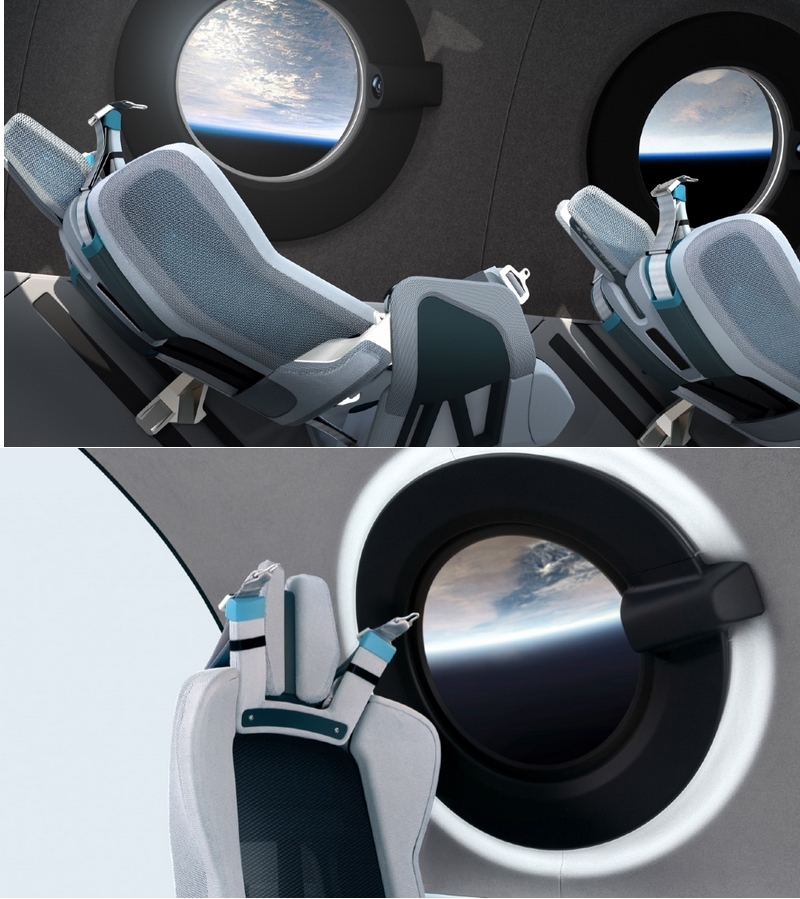
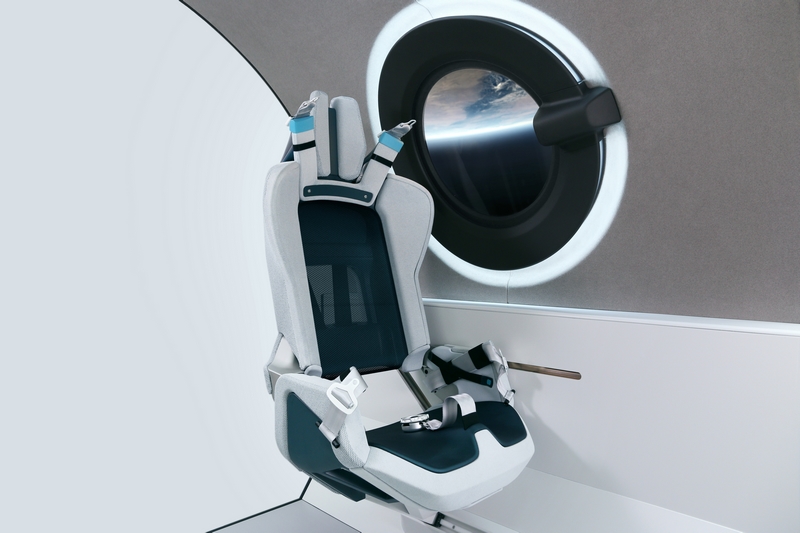
The cabin designed by London design agency Seymourpowell is equipped with 12 individually sized seats, created using the highest-grade aluminium and carbon-fiber manufacturing techniques. The individually sized, reclining seats are conceived for G-force management and float zone volume.
@virgingalactic.com
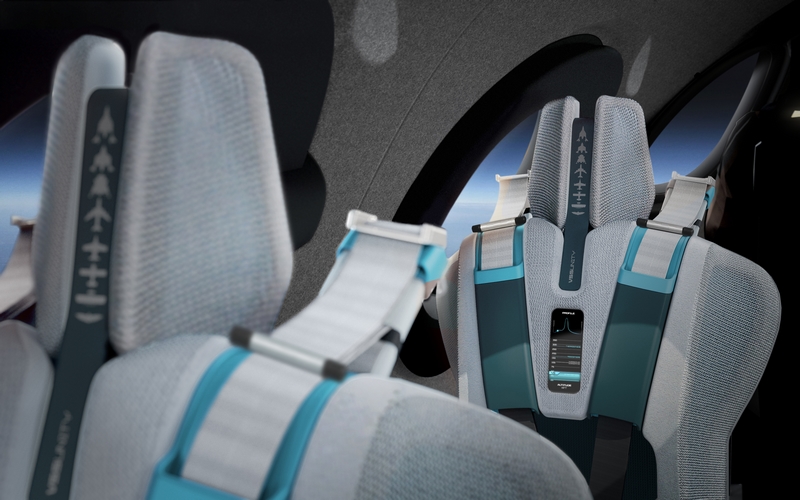
The importance of astronaut comfort to optimize performance is accentuated by the use of engineered foam and technical fabrics. Virgin Galactic’s partner Under Armour developed the astronaut spacesuits and also the fabric technology featured in the cabin seats. Harnessing insights from more than two decades of maximizing human performance, Under Armour created a 3D knit featuring constructions that map breathability and function into the fabric encasing each cabin seat to provide comfort and mobility during spaceflight.
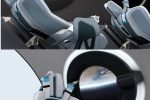
Each seat has been engineered to match the dynamism of the flight. A pilot-controlled recline mechanism, optimally positions astronauts to manage G- forces on boost and re-entry and frees up cabin space to maximize an unrestricted astronaut float zone when in zero gravity.
Virgin pioneered mood lighting on its commercial aircraft, and that idea has been translated by Virgin Galactic, into the new era of commercial spaceflight. Multi-color LEDs are concealed within the “Halo” window surrounds and are used to subtly reflect back and therefore elevate, the human responses to each of the contrasting stages of flight. At the pinnacle of the experience, as the Earth comes into view against the black sky of space, all lighting is extinguished, bringing an instant focus to the profoundly beautiful vista.
Virgin Galactic Seat Profile; @virgingalactic.com
To further elevate the experience of floating in zero-gravity, the cabin includes a first for space travel, a large, circular mirror on the aft bulkhead which, by adding a tint to the reflective surface, allows astronauts to view themselves weightless.
“Aspiring astronauts can bring their dream of spaceflight one step closer by joining the Virgin Galactic Spacefarer community today. For a $1,000 refundable deposit, they will be front of line for newly released spaceflight reservations,” said Virgin Galactic in the statement.
Virgin Galactic’s SpaceShipTwo Completed Second Flight from Spaceport America.
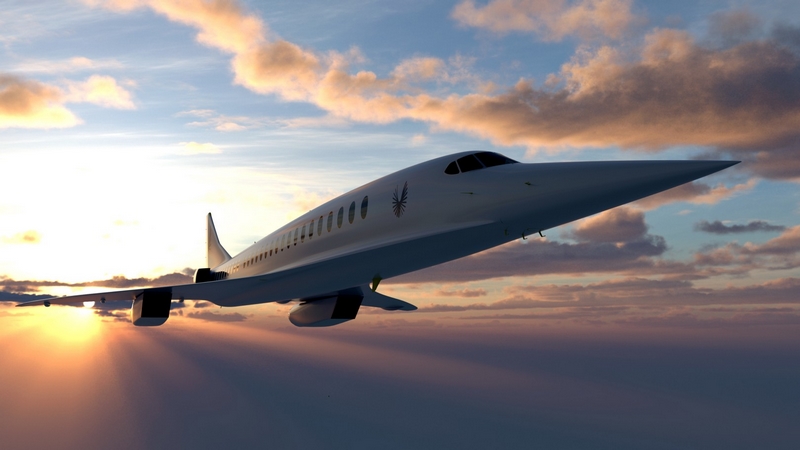
XB-1 is the first step in bringing supersonic back to the world. Boom Supersonic XB-1 will make a very public debut on October 7. Supersonic returns: The world’s first independently developed supersonic jet will make a very public debut on October 7. With XB-1, Boom Supersonic, the aerospace company building the world’s … Read more
One of the first drone deliveries was operated not by a tech giant from Silicon Valley but by small-time criminals who saw potential in the new technology.
In late 2013, days before Amazon announced its futuristic plan to operate a fleet of automated vehicles, four people were arrested for attempting to smuggle contraband into a Georgia state prison using a drone.
Guards had noticed a remote-controlled helicopter hovering above Calhoun prison. Later, they found the six-rotor drone in a nearby car alongside what appeared to be its cargo: pouches of tobacco and mobile phones.
Five years later, Amazon still hasn’t launched its sky delivery service, while the proliferation of cheap, commercially available drones worldwide has far outpaced the ability of authorities to control them.
Security personnel surround Venezuela’s president, Nicolás Maduro, during an attempted drone attack in Caracas in August 2018.Photograph: Xinhua/AP
Responding to the threat, a host of companies – from state-run defence contractors to startups – have developed products that can detect, track, jam, destroy or even commandeer rogue drones.
These services comprise a market that is expected to grow by between 20% and 30% in the next few years and could be worth £4bn by the middle of the next decade.
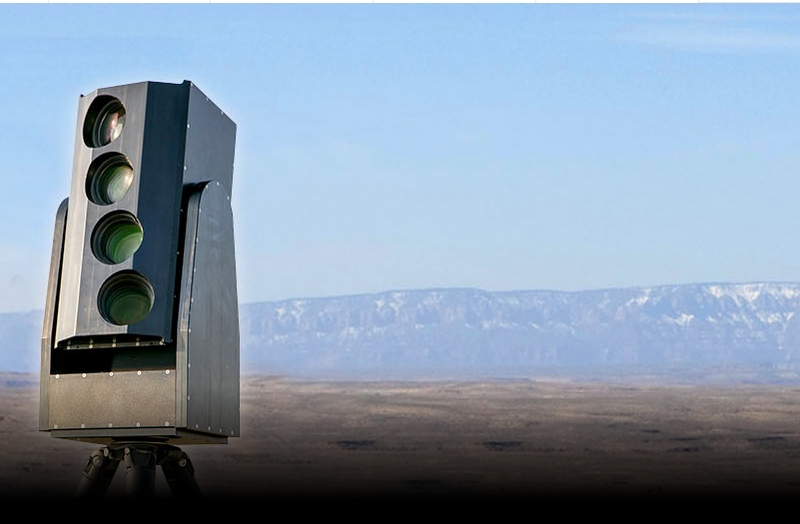
“It’s a very, very big issue,” said Alex Riahi, who works for Israel Aerospace Industries (IAI), Israel’s major aerospace and defence manufacturer. In September IAI released its Popstar system, which can detect and track drones up to 4km away in day or night.
The Popstar system was developed for detecting, handling and tracking drones.Photograph: Israeli Aerospace Industries
IAI sells drone defence to foreign governments to place along their borders or around sensitive sites such as army bases or power plants to avoid spying or air attacks, and also provides equipment to shoot down military drones. But it is increasingly finding interest from other clients – airports, for example – who want to protect against shop-bought drones.
Although coy about pricing, Riahi said the cost of these systems was less than the expense to a major airport of shutting down for an hour.
Israel, with its history of drone warfare, has become a key producer of anti-drone products, especially as members of the military intelligence services often transfer their knowledge to start hi-tech companies after they leave the army. The booming industry has also sprung up in the US, Europe and China.
A host of smaller firms are entering the market. Vorpal, another Israeli company, has compiled a database of signals emitted by 95% of drones that are available to buy, giving its clients the ability to detect most drones buzzing overhead.
“There is no civil technology today that gives you 100%, bulletproof, all-cases, all-drone-types solution,” said Avner Turniansky, Vorpal’s vice-president of strategy. His VigilAir product has been tailored to work in dense urban environments where high buildings and radio “noise” often hide drone signals.
During this year’s Eurovision song contest held in Tel Aviv, Israeli police bought his system and caught more than 20 people who were operating drones in no-fly zones over venues. Authorities wanted to clear the air to prevent any potential attacks, but also to make sure drones did not accidentally fall over large crowds.
Turniansky said none of the perpetrators had apparent nefarious aims and in most cases they were completely clueless that they were flying illegally.
An anti-drone system on display at an exhibition in Israel in November.Photograph: Jack Guez/AFP via Getty Images
Drones often have internal safeguards such as software that prevents them from flying over sensitive sites, meaning the drone will stop in midair as if it has hit a virtual wall. But Turniansky said at least one confiscated drone at Eurovision had been tampered with to block its GPS, allowing it to fly freely.
Once detected, drones can be taken control of with a remote cyber-attack or, more straightforwardly, shot out the air with net guns. Radiofrequency jammers are also used, although not in airports where they could affect safety systems. “In an airport, nobody wants to jam,” Turniansky said.
He said Vorpal’s system not only tracks drones but also allows users to locate the people flying them. This information is often more crucial than the location of the drone, as taking down one drone disrupting an airport is useless if the operator has more to hand. “In such cases, the ability to tell you where the operator is very valuable,” Turniansky said.
Nimo Shkedy is also Israeli but his drone defence company, ApolloShield, is headquartered in New York. He sells counter-drone technology, including jamming “guns” that block drones with radio waves. In the US, these types of systems can only be sold to government agencies or with official authorisation, but the list of potential clients is growing.
“We started with stadiums and public events,” said Shkedy. “But now this technology and these requirements are all over the place – airports, VIPs, prisons, borders, power plants, oil refineries, nuclear power plants, seaports, yachts,” he said.
Shkedy and his business partner started the firm in 2016 after hearing that the Israeli supermodel Bar Refaeli had unsuccessfully attempted to shut down the airspace above her wedding to prevent paparazzi from using drones. If she and her billionaire fiancé, Adi Ezra, had anti-drone products, they could have blocked off their area themselves.
“We realised it was a big problem and it’s on the rise,” Shkedy said. “And it’s been on the rise ever since.”