Space investments: Demand for cosmos-related investing is rising and many are seeking opportunities in the sector


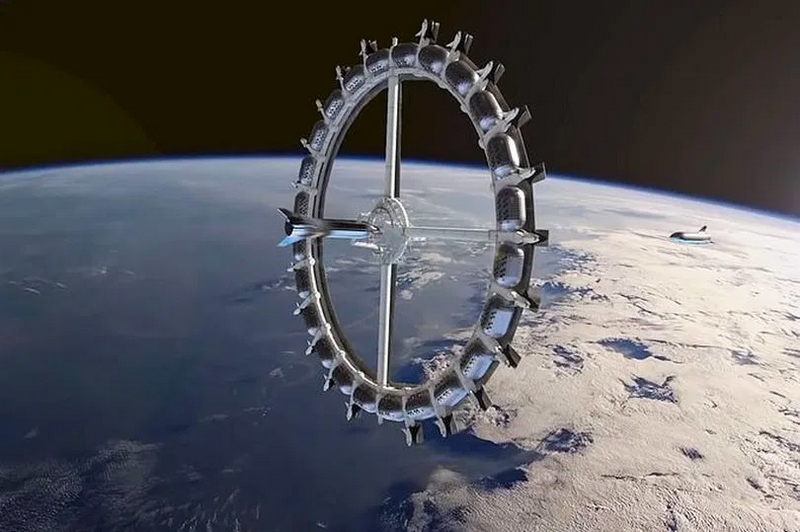
Von Braun Space Station – world’s first space hotel with artificial gravity; @gatewayspaceport.com

Increasing demand for private funding, and growing public-sector interest is calling investors to look toward the stars as new space-focused ventures, technologies, and public companies are escalating.

Investing in the Cosmos Going Mainstream.

As the global space economy emerges – private investment in space companies in 2020 set a new annual record with $8.9 billion, according to New York-based firm Space Capital. And Morgan Stanley estimates that the industry could generate revenue of more than $1 trillion in 2040, up from $350 billion, currently.

Astronauts Chris Hadfield and Scott Kelly will headline a panel on space exploration at Context Summits’ flagship
Miami 2022 event, to be held January 24 through January 26 at the JW Marriott Miami Turnberry Resort & Spa.

“Demand for space-related investing is rising and many are seeking opportunities in the sector. These space pioneers will provide an exclusive, first-time discussion sharing their personal space experiences,” said Eric Noll, Context CEO.

“While space exploration previously was the sole domain of government agencies, today commercial companies and investors are paramount. It is still in the early days, but something family offices and hedge funds should keep on their radar,” Noll concluded.

In a recent Context 365 weekly livestream, Michael Mealling, general partner of Starbridge Ventures, a venture capital fund focused on commercial space technology, and CNBC anchor Guy Adami, provided an introduction to space investments, why now is the time to invest, what has changed and what to avoid.

Mealling noted that space has become “investible” following Congress passing laws in 2004 allowing commercial,
private company activity in space. That opened the door for non-government participation. Contributing to the
growth, in recent years, there have been dramatic reductions in both the costs of launching and, through
miniaturization, building spacecraft. Today the private sector has satellites offering numerous applications, most notably earth observation and communications.
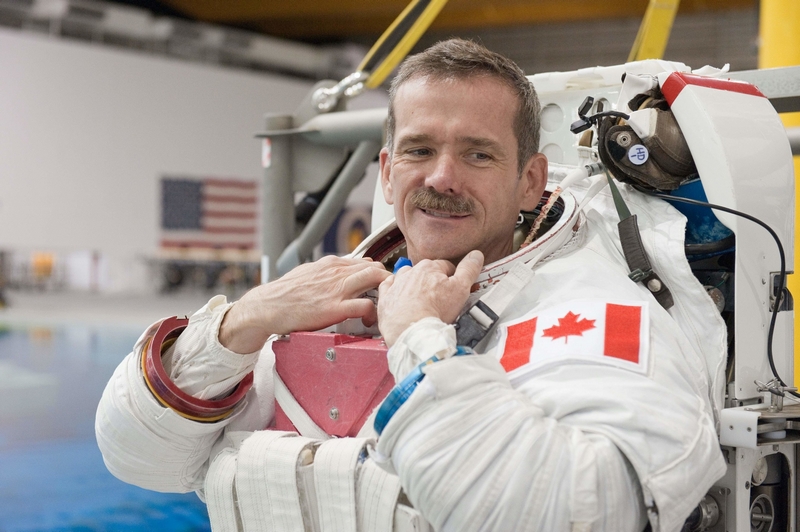
@Context flagship event is honored to kick-off Miami 2022 with astronauts Colonel Chris Hadfield and Captain Scott Kelly; @context365.com

Chris Hadfield is a retired Canadian Space Agency astronaut, engineer, science communicator, singer, and former
fighter pilot. He was the first Canadian to walk in space. He has flown two Space Shuttle missions and served as
commander of the International Space Station.

Scott Kelly is a former military fighter pilot and test pilot, an engineer, a retired astronaut, and a retired U.S. Navy captain. A veteran of four space flights, Kelly commanded the International Space Station (ISS) on three expeditions and was a member of the yearlong mission to the ISS. In October 2015, he set the record for the total accumulated number of days spent in space, the single longest space mission by an American astronaut.

Context Summits Miami 2022

Context Summits Miami 2022 will be held Monday, January 24 through Wednesday, January 26 at the JW Marriott
Miami Turnberry Resort & Spa. The in-person event will bring together qualified investors and hedge funds for
several days of productive, prescheduled one-on-one meetings.
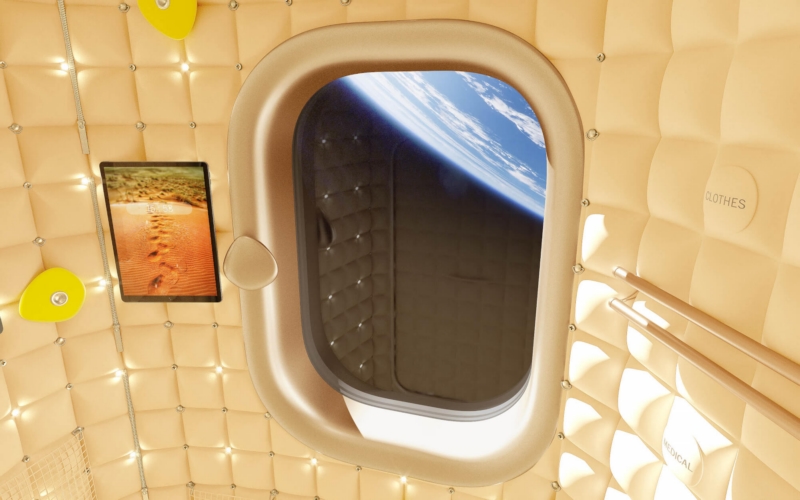
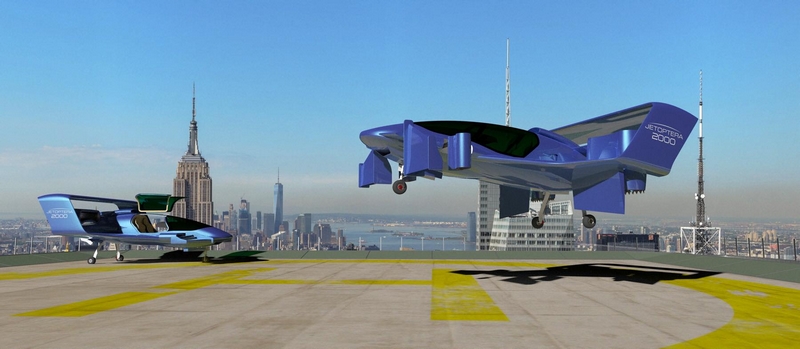
Axiom Space Hotel Interior with décor by interior designer Philippe Starck @axiomspace.com

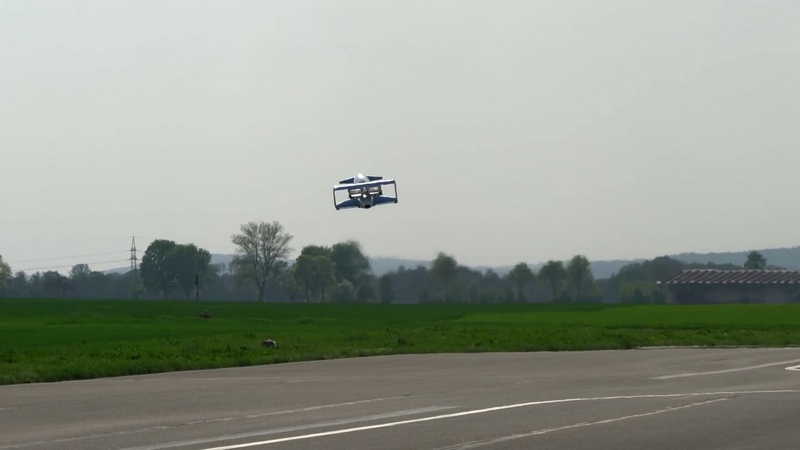
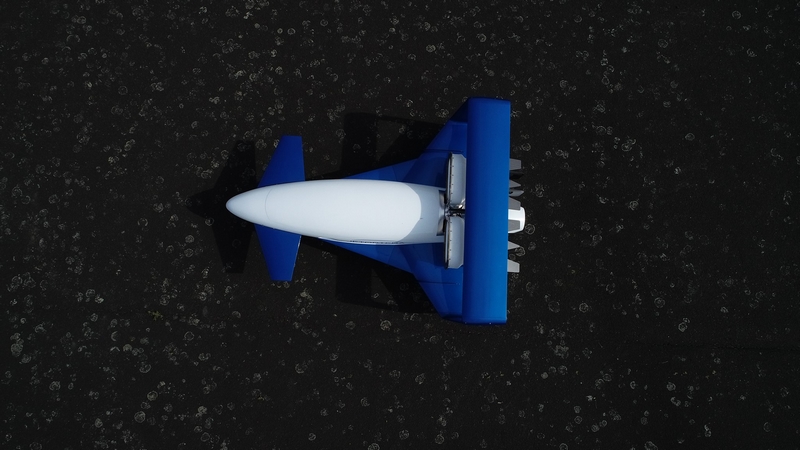
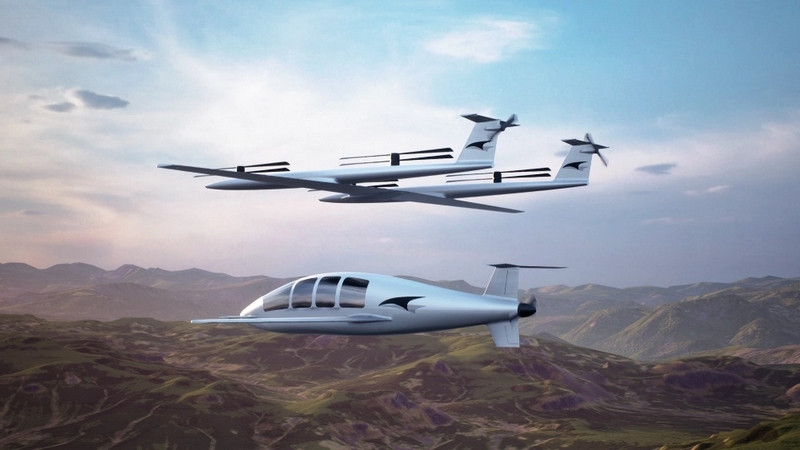
Jetoptera flying car’s unique propulsion system is turning the air around the craft into powerful thrust


@Jetoptera

Jetoptera’s vision is to create a world where aerial mobility is commonplace for both cargo and people. Jetoptera J-2000 is powered by a new system called fluidic propulsion system (FPS).

The Seattle startup has developed a unique propulsion system integrated with a novel bladeless airframe. This
allows Jetoptera to create lighter, more efficient, and less complex aircraft. This innovative technology enables vertical and short takeoff and landing (V/STOL), high speeds, sizable payloads and range, and maneuverability.

“Our planes can take off from and land almost anywhere without the fear of a rotor strike and fly like a real plane! A scalable solution for unmanned and manned aerial vehicles up to 4 passengers.” – Jetoptera.

@Jetoptera / @jetoptera.com

Jetoptera design

Jetoptera’s design is a true distributed propulsion that is integrated into a novel airframe. It improves propulsive
efficiency by more than 10% while lowering fuel consumption by more than 50% compared to small turbojets. The
propulsion system saves approximately 30% in weight compared to turbofans or turboprops and also significantly
reduces complexity. The integrated aircraft is capable of hovering and VTOL.

The complete propulsion system is a unique combination of a gas turbine and fluidic thrust augmentation that can
distribute thrust across the airframe. It can be implemented in various geometric shapes, can be embedded with the airframe, and has no propellers or rotating parts. The system is used in all phases of flight.

The combination of VTOL and high speed has proven elusive, especially in a compact, quiet, efficient, and safe
aircraft. The Fluidic Propulsive System enables all that and 200 mph speeds, say Jeloptera’s founders.

Direct turbofan through Fluidic Propulsive System for hover/low speed and transition to turbofan for high speed,
folding thrusters into the wing, resulting in 400+ mph cruise / 400 mi range. If the concept will come into production, Jetoptera will be the fastest commercial VTOL aircraft in the world.

The ability to give thrusters non-round shapes allows conformal integration with upper wing resulting in doubling of lift coefficient. This new design enables takeoff and landing over a 50 ft obstacle within 150 ft.

@Jetoptera

Jetoptera Gas Generator

Pairing the simple architecture of a gas generator with the advanced augmentation system results in significantly
superior efficiency versus typical small turbojets. It also guarantees great operability and low fuel burn at all stages of flight.

Thrust augmentation

Output of the gas generator is channeled through specially designed augmentation components. The exhaust gasses
entrain and accelerate ambient air. Augmentation and low exhaust temperatures enable VTOL and high
maneuverability.

In March, Jetoptera was awarded two 2021 Small Business Technology Transfer (STTR) contracts from the USAF
(United States Air Force) to further characterize the noise of its patented Fluidic Propulsive System (FPS™) in an anechoic chamber wind tunnel and to prove that the FPS™ used with an Upper Surface Blown Wing (USB)
configuration will produce specific lift force levels similar to those of a rotor-wing aircraft, yet without moving parts.

@Jetoptera

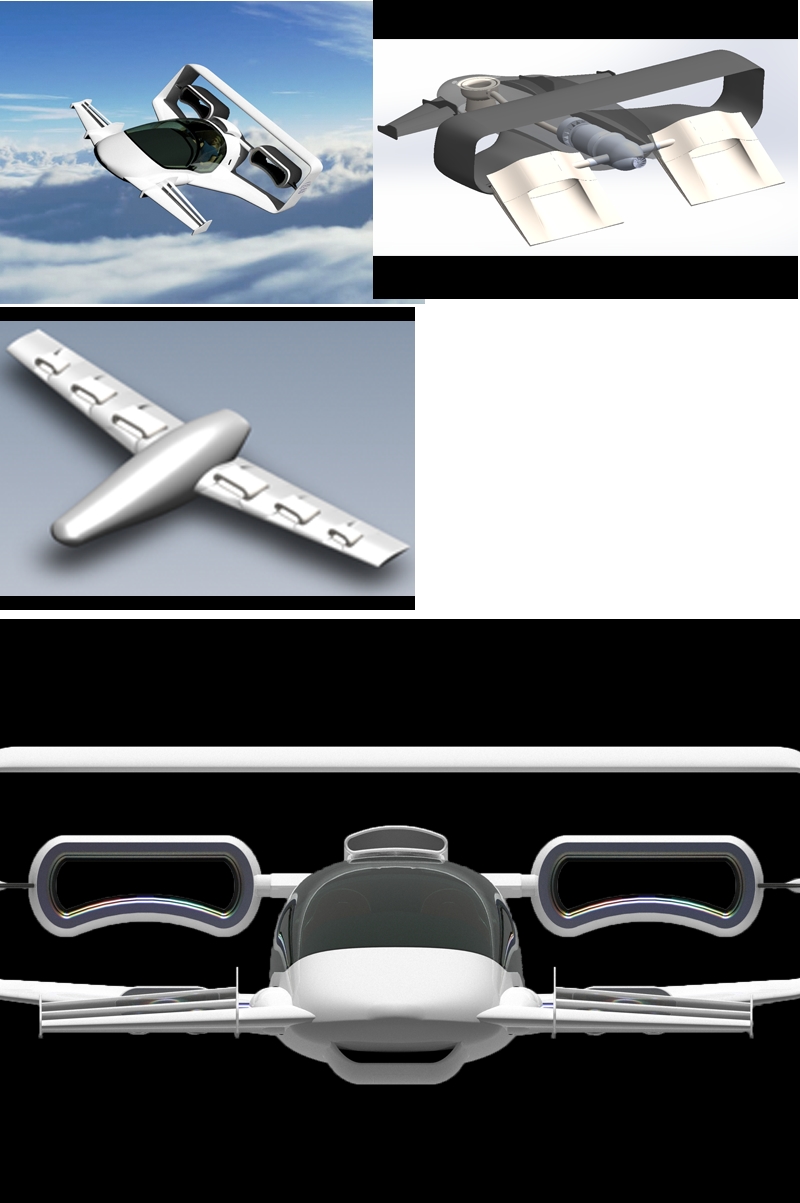
The 8-seat all-electric eFlyer 800 will have only one-fifth the operating costs of traditional airplanes


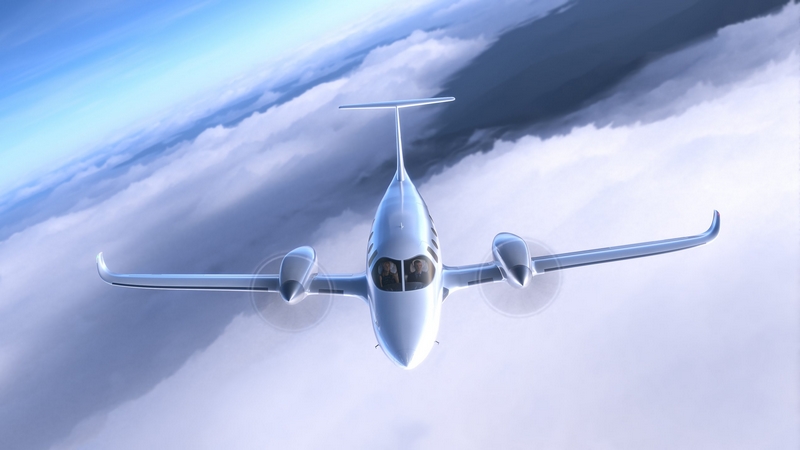
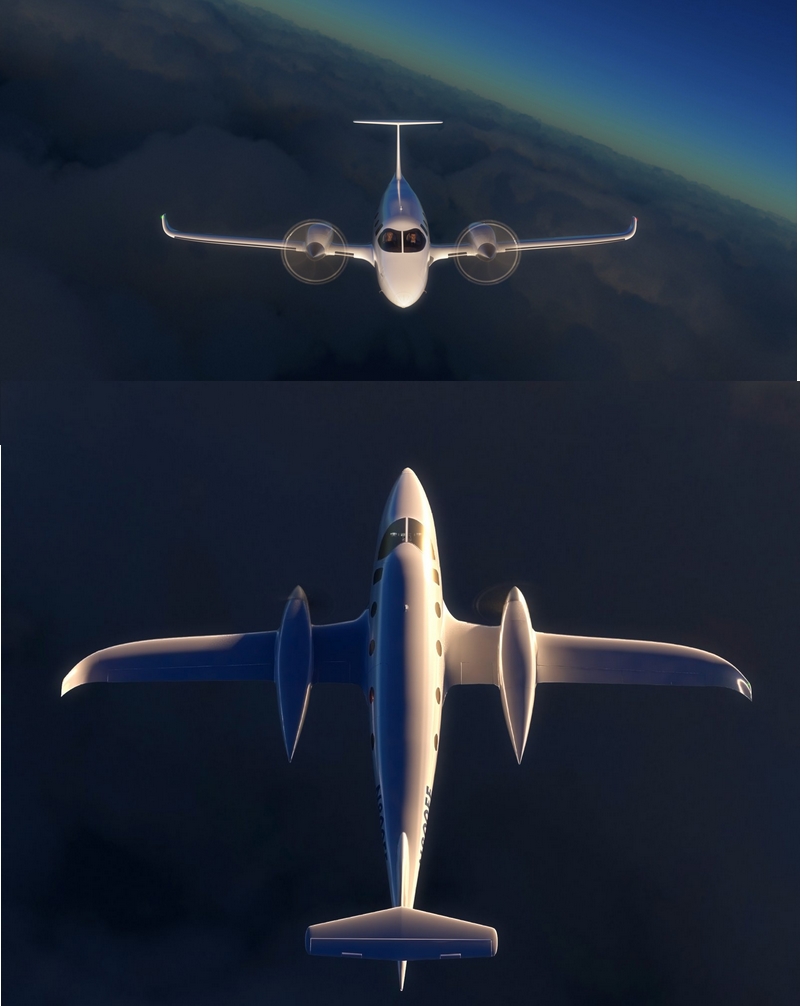
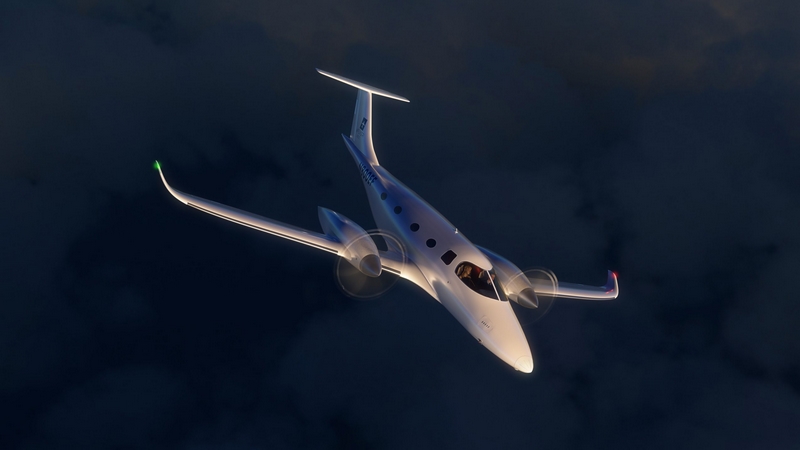
CAD engineering images of @Bye Aerospace eFlyer 800

Bye Aerospace Unveils 8-Seat All-electric eFlyer 800 with remarkable economy and performance.

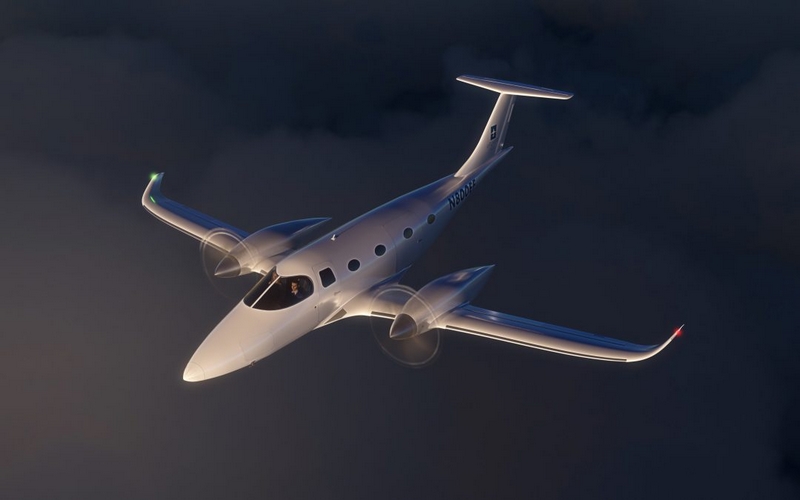
Bye Aerospace has announced an eight-seat all-electric twin turbo-prop class airplane, the eFlyer 800, in response to growing demands for regional all-electric airplanes with significantly reduced operating costs, plus increased capacity and utility.

Performance estimates for the eFlyer 800 include up to 320 knot cruise speed, 35,000 feet ceiling and 500 nm range
with 45-minute IFR reserves at normal cruise speed of 280 knots. Safety features include two wing-mounted electric
motors, each with dual redundant motor windings, quad-redundant battery packs and a full airplane parachute.

Additional potential features include emergency auto-landing system, intelligent algorithm ensuring envelope
protection, terrain avoidance and routing for emergency auto-land, and also an option for supplemental power solar
cells and in-wheel electric taxi.

CAD engineering images of @Bye Aerospace eFlyer 800
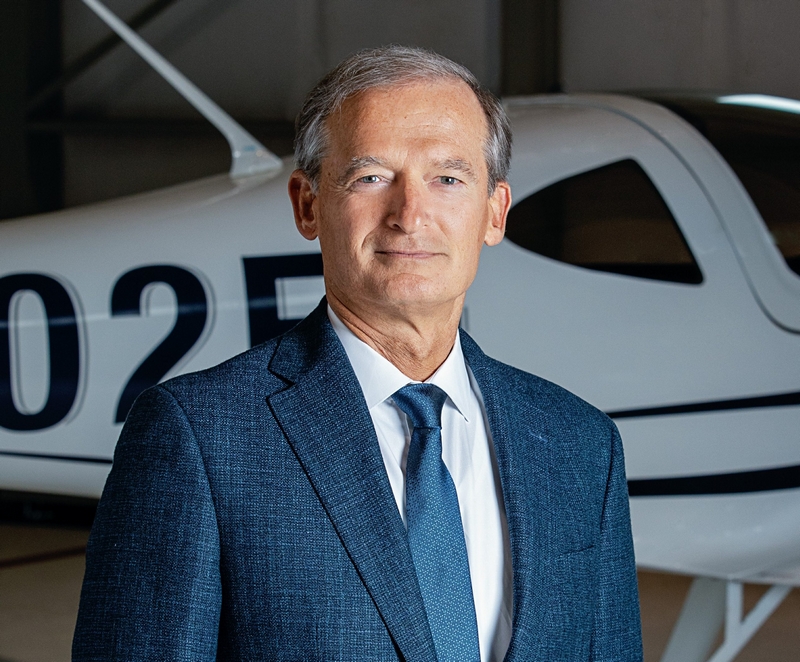
George E. Bye, CEO of @Bye Aerospace/ @byeaerospace.com

The airplane’s 8-seat configuration consists of up to seven passengers and one or two pilots. The eFlyer 800 will have only one-fifth the operating costs of traditional twin turboprops and is geared for the air-taxi, air-cargo, regional and charter aircraft markets.

“The eFlyer 800 is the first all-electric propulsion technology airplane that achieves twin-turboprop performance and safety with no CO2 and extremely low operating costs,” said George E. Bye, Bye Aerospace CEO. “This type of remarkable economy and performance is made possible by the electric propulsion system and advanced battery cell technology that results in significantly higher energy densities.”

Bye Aerospace and Safran are currently assessing the most efficient electric powertrain for the eFlyer 800 (dual
ENGINeUS electric motors and GENeUSGRID electric distribution and network protection system).

“Safran product lines with the ENGINeUS™ motors, rated from 50kW to 500kW/1MW and GENeUSGRID™ systems, perfectly fit with the Bye Aerospace portfolio of e-aircraft,” said Hervé Blanc, Executive Vice President and General Manager Power with Safran Electrical & Power.

Bye said eFlyer 800 customer deposit agreements are complete, and several are being developed with U.S. and
European air-taxi, air-cargo and air charter services. “Details about those agreements will be announced soon, and as they are finalized,” he said.

Bye Aerospace is in the process of obtaining FAA Part-23 certification for the eFlyer 2 for the professional flight
training mission and the four-seat eFlyer 4 for air taxi, cargo and advanced training uses. All the company’s current and future families of aircraft feature engineering, research and electric aircraft solutions designed to specifically address compelling market needs. Benefits include five-fold lower operating costs, no CO2 emissions, and decreased noise.

Bye Aerospace estimates the eFlyer aircraft will eventually eliminate the release of millions of metric tons of CO2 each year as its deliveries begin and the general aviation fleet is replaced.

CAD engineering images of @Bye Aerospace eFlyer 800

Talyn eVTOL can fly three times farther than most competitors

Talyn can take off and land anywhere in half the time. This new eVTOL is the fastest and greenest way to fly between cities. It skips the airports and flies straight to your destination. 100% battery electric flight with vertical take-off and landing. Talyn can take off and land anywhere, directly from your door to the … Read more

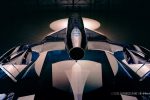
Space travel: Virgin Galactic’s new VSS Imagine will reflect whatever environment it is passing through

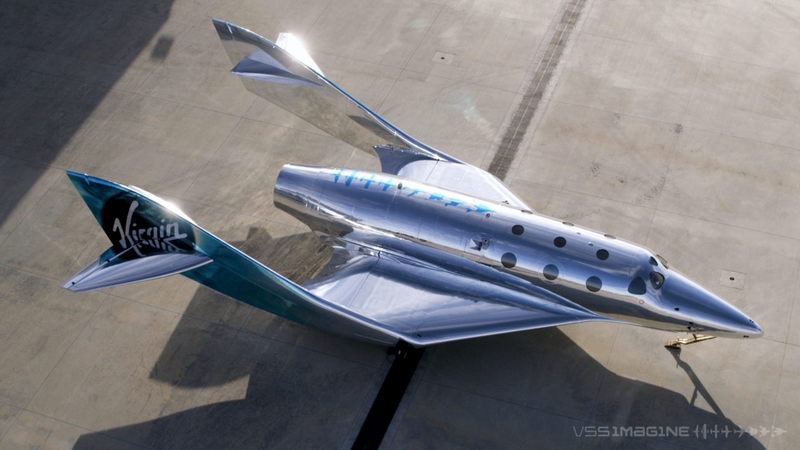
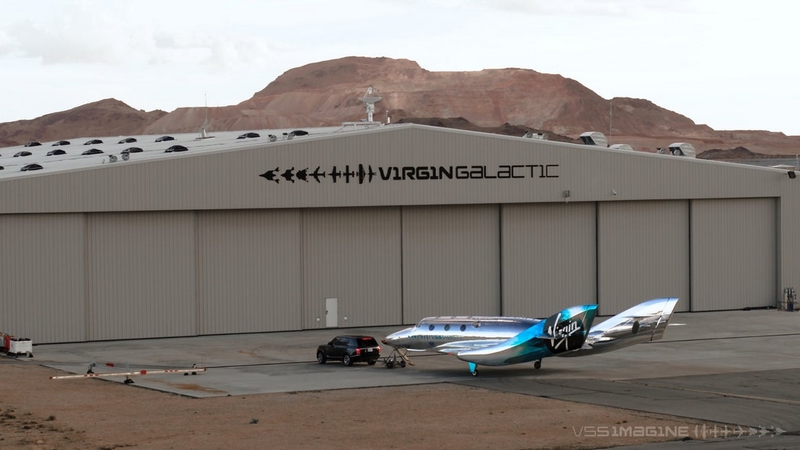
@Virgin Galactic VSS Imagine spaceship

Virgin Galactic’s Mirror-Like Spaceship Brings Us One Step Closer to Space Travel.

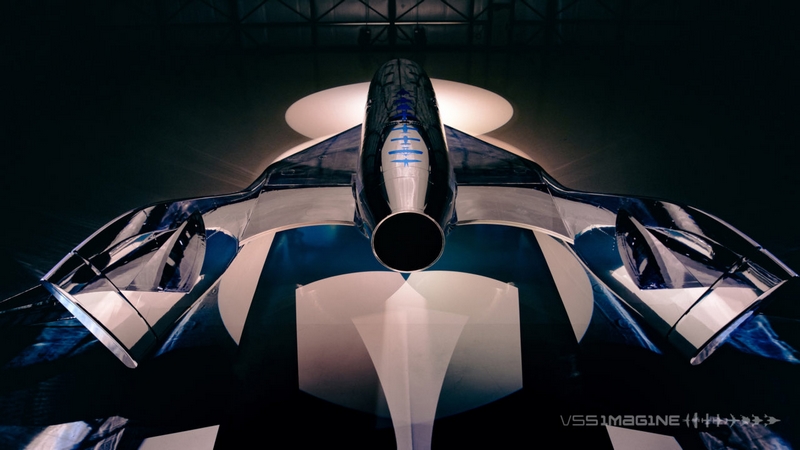
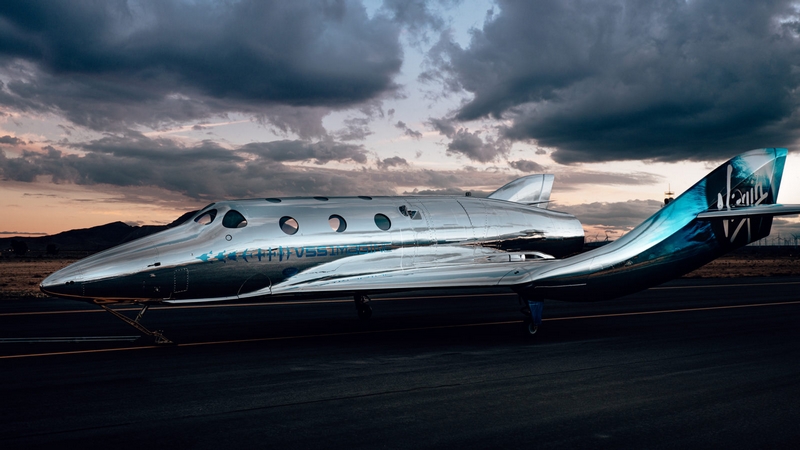
Virgin Galactic’s new ‘VSS Imagine,’ scheduled to enter commercial service next year, will reflect whatever environment it is passing through. Breakthrough livery design allows Imagine to mirror the surrounding environment as it moves from Earth to Space.

Virgin Galactic unveiled the Company’s first Spaceship III in its growing fleet, VSS Imagine. VSS Imagine will commence ground testing, with glide flights planned for this summer from Spaceport America in New Mexico.

The breakthrough livery design, finished entirely with a mirror-like material, reflects the surrounding environment,
constantly changing color and appearance as it travels from earth to sky to space. Along with providing thermal
protection, this dynamic material is naturally appealing to the human eye, reflecting our inherent human fascination with space and the transformative experience of spaceflight.

Leveraging a modular design, the SpaceShip III class of vehicles are built to enable improved performance in terms of maintenance access and flight rate. This third generation of spaceship will lay the foundation for the design and
manufacture of future vehicles.

@Virgin Galactic VSS Imagine spaceship

As VSS Imagine begins ground testing, manufacturing will progress on VSS Inspire, the second SpaceShip III vehicle
within the Virgin Galactic fleet. The introduction of the Spaceship III class of vehicles is an important milestone in Virgin Galactic’s multi-year effort that targets flying 400 flights per year, per spaceport.

“Virgin Galactic spaceships are built specifically to deliver a new, transforming perspective to the thousands of people who will soon be able to experience the wonder of space for themselves. As a SpaceShip III class of vehicle, Imagine is not just beautiful to look at, but represents Virgin Galactic’s growing fleet of spaceships. All great achievements, creations and changes start with an idea. Our hope is for all those who travel to space to return with fresh perspectives and new ideas that will bring positive change to our planet.’’ – Richard Branson, Founder, Virgin.

Future Astronauts are invited to be part of every step along the Virgin Galactic journey. One of Virgin Galactic’s Future Astronauts, Dee Chester, had a unique opportunity to play her part in the rollout of VSS Imagine, as her Astronaut Edition Range Rover towed the new spaceship out of the hangar for the first time.

VSS Imagine is unveiled ahead of VSS Unity’s next test flight, which is planned for May 2021.

“VSS Imagine and Inspire are stunning ships that will take our future astronauts on an incredible voyage to space, and their names reflect the aspirational nature of human spaceflight.” – Michael Colglazier, CEO of Virgin Galactic.

Virgin Galactic’s Mirror-Like Spaceship Brings Us One Step Closer to Space Travel; @Virgin Galactic VSS Imagine spaceship

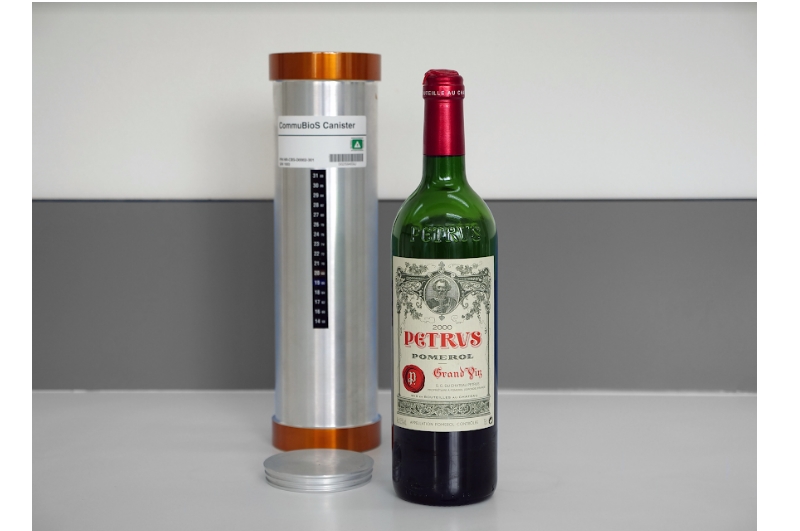
Space wine: Twelve bottles of Château Petrus 2000 sent to space deliver their first secrets

  Space Cargo Unlimited revealed the first results of the scientific research carried out on wine that aged more than one year on board the ISS, as part of Mission WISE. Twelve bottles of Château Petrus 2000 spent 14 months orbiting the earth on the International Space Station. The project is part of Mission WISE, … Read more