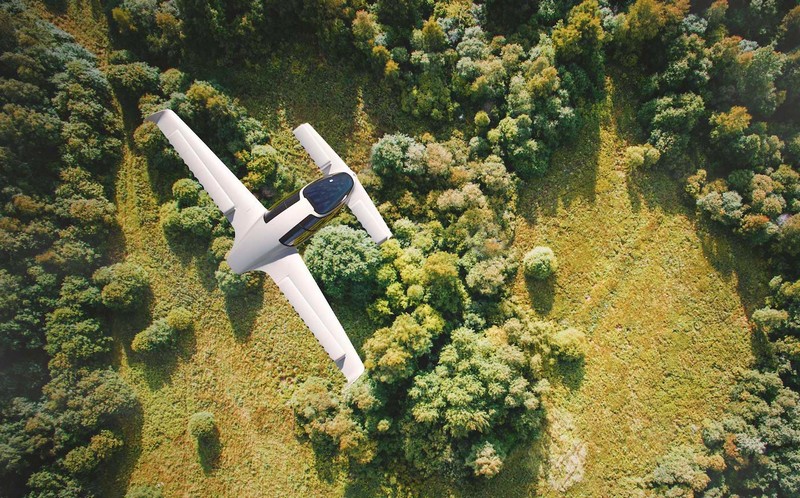
Flying cars: why haven’t they taken off yet?

Despite their potential, no one has managed to take them from flight of fancy to everyday reality

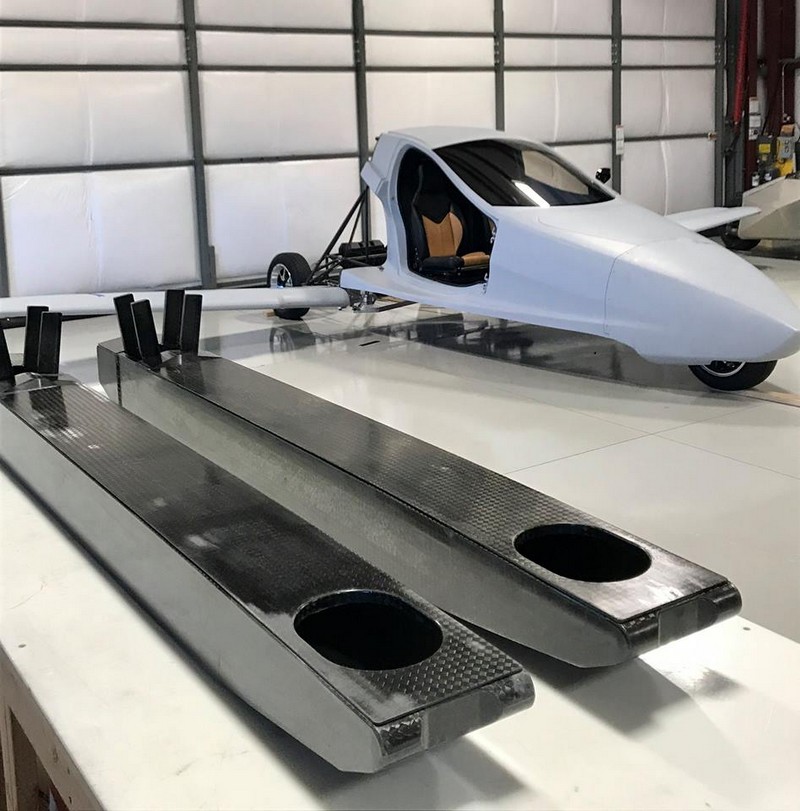
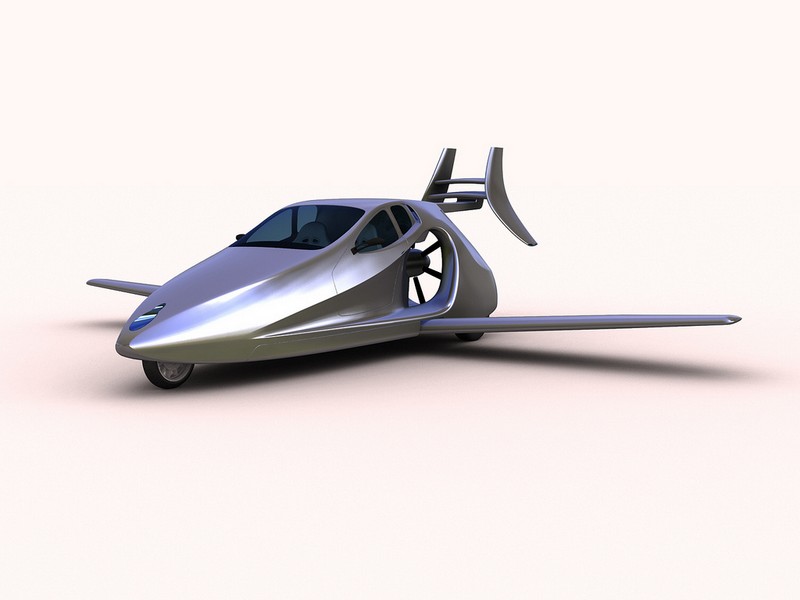
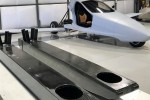
Samson Motors Switchblade is a real flying car that actually flies

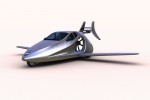
Samson Motors Switchblade metallic
Samson Motors Switchblade; Image: samsonmotorworks

The Switchblade – The World’s First Flying Sports Car Has the best of both worlds.

The revolutionary Switchblade three-wheeled Flying Car leads the field as the first of this new vehicle line to meet the growing demand for flying cars and roadable aircraft.

On the ground you will need either an automobile license or a motorcycle license. In the air you will need a private pilot license.

The Switchblade is a three wheel, street legal vehicle that you drive from your garage to a nearby local airport. Once there, the wings swing out and the tail extends in under 3 minutes. You then fly your registered aircraft directly to the destination – at up to 200 mph and 13,000 feet. You simply land, transform your flying sports car back to driving mode – the wings safely stowed and protected – and continue to your final destination.

The Italian-inspired clean shape is designed to produce a down-force in gusty wind conditions, stabilizing the lightweight vehicle on the road. The wings are set at the correct angle so you literally fly the plane off the runway. Landings are similar, in that you simply fly the vehicle onto the runway to land.

Standard features of these flying car include extendable wings and tail, wings fully protected while driving, redundant ignition and fuel systems,5-speed transmission for driving, dual ground / air  lighting systems, digital instrument display, premium sound system, heating and air conditioning, adjustable leather seats,  complete vehicle parachute, front and rear crumple zones, a roll over protection, front and rear disc brakes, safety glass front windshield.
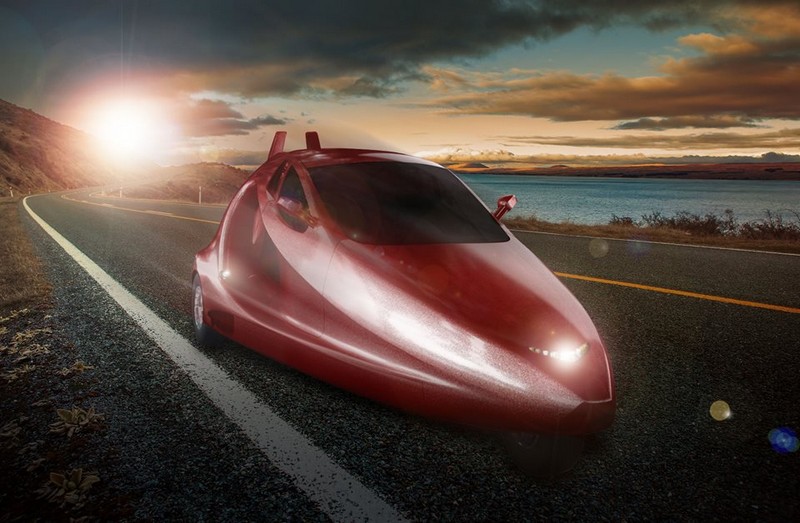
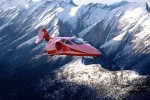
Samson Motors Switchblade Samson Motors Switchblade red

Samson Motors Switchblade Flying Car PERFORMANCE:

Maximum Airspeed: 190 mph / 305 kph;
Cruise speed: 160 mph / 257 kph;
Max driving speed: 125+ mph / 201+ kph;
Range: 450 miles / 724 km;
Fuel capacity: 30 gal / 114 L;
Take-off distance: 1,100 ft / 335 m;
Landing distance: 1,600 ft / 488 m;
Stall speed (with flaps): 67 mph / 108 kph;
Max Takeoff Weight: 1,750 lb / 794 kg;
Payload: 544 lb / 247 kg.

Experimental / Homebuilt class, requires the owner to build 51% of the vehicle, says Samson Motors, so the kit is delivered majorly assembled.  Should you desire professional assistance, one of the company Builder Assist Centers will be able to help you complete the vehicle in as  little as three weeks, adds Samson Motors.
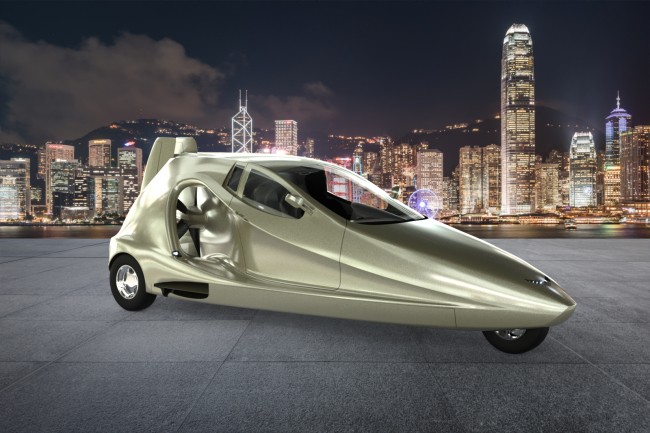
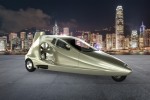
Samson Motors Switchblade - silver

WOULD YOU LIKE TO GET YOUR SWITCHBLADE 1-1.5 YEARS EARLIER THAN THE CROWDS?

Right now, there is an easy way to beat the crowds and get a much earlier delivery position. It’s called the Switchblade Reservation Program.

“Currently, there is no money required until after we fly. After that point, for Reservation Holders, there will be a $2,000 deposit, refundable less $500. Once our first Switchblade comes off the production line and deliveries have begun, the Deposit turns hard,  and you either stay in, maintaining your position, or are refunded $1,500,” explained Samson Motors Switchblade.
Gyronautics, Airplanes without runways, and the transport revolution: On-demand urban air taxis are one step closer to reality

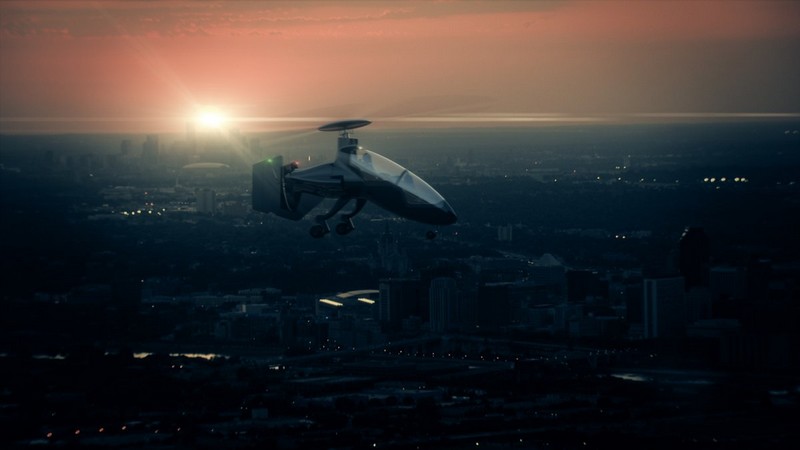
Switch Mobility And Skyworks Global Announced a Joint Venture. Coud this joint venture introduce a viable urban air taxi model?   Door-to-door, customized transportation experience may soon only be a click away, says Skyworks, the world’s leading expert in gyronautics, a sustained autorotative flight platform. Gyronautics, a technology born nearly a century ago, modernized by … Read more

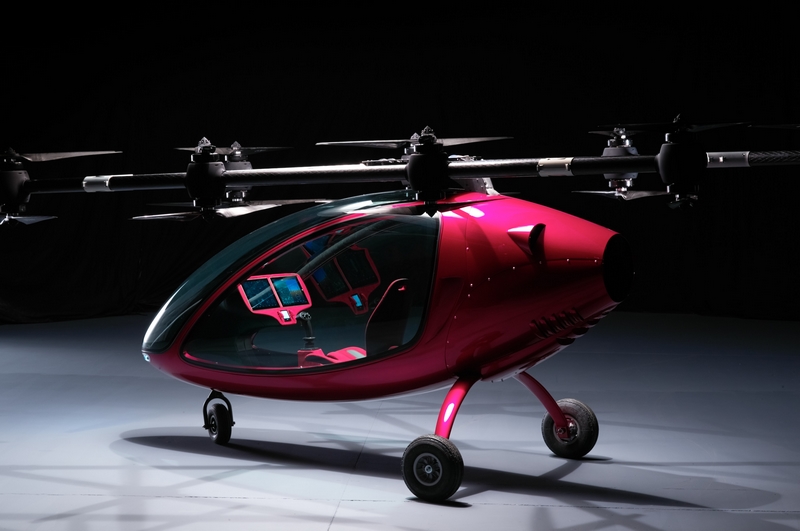
Select Your Destination and The Passenger Drone, the Most Advanced Manned Autonomous VTOL in the World, Takes Over

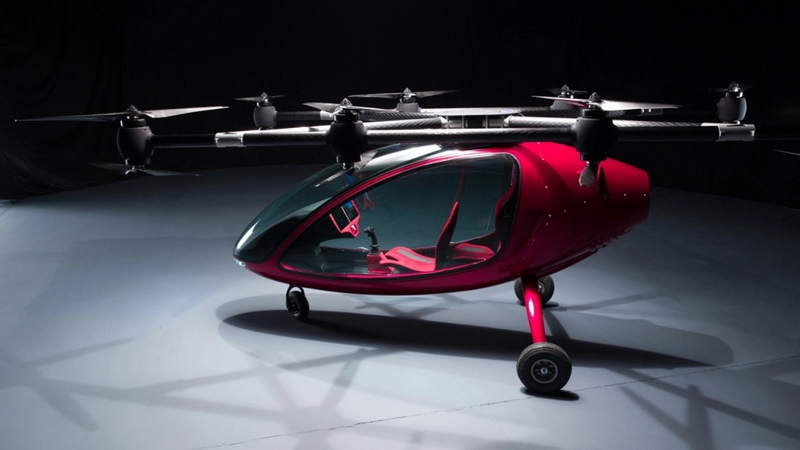
Slightly larger than a small car, the industry leading, Passenger Drone has the potential to change the traditional means of commuter transportation.

Passanger Drone Photos

With the launch of Passenger Drone and few other similar projects in 2017 there is a completely new market segment forming in aviation market – the electric VTOL ( Vertical Takeoff and Landing) Manned Aerial Vehichles (MAV). Passenger Drone is joining the MAV club alongside some of the largest companies in the world (Uber, Airbus, Google, Daimler and many others) who are working in the same direction.

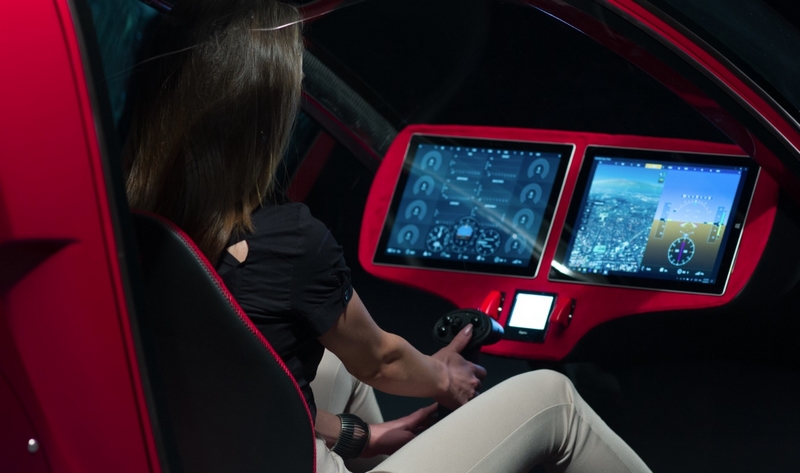
Utilizing its easy to use touch-screen, passengers simply select their destination, sit back and relax, as the drone takes over, eliminating stressful commutes with the ability to travel up to 80 km/h. Passenger Drone was launched in September 2017 and is currently the most advanced VTOL platform in the world with maximum take off weight of almost half a ton ( 1000lbs) it provides fully autonomous flying and exceptional safety.

The aircraft commenced flight testing in early May 2017 and for the last few months has performed intensive testing with different simulated payload weights, simulated engine failures and different control modes. In August 2017 first manned flights with passengers onboard took place and the results and passenger feedback is overwhelming – the Passenger Drone is very easy to fly in both manual and autonomous modes and it shows amazing stability and maneuverability.

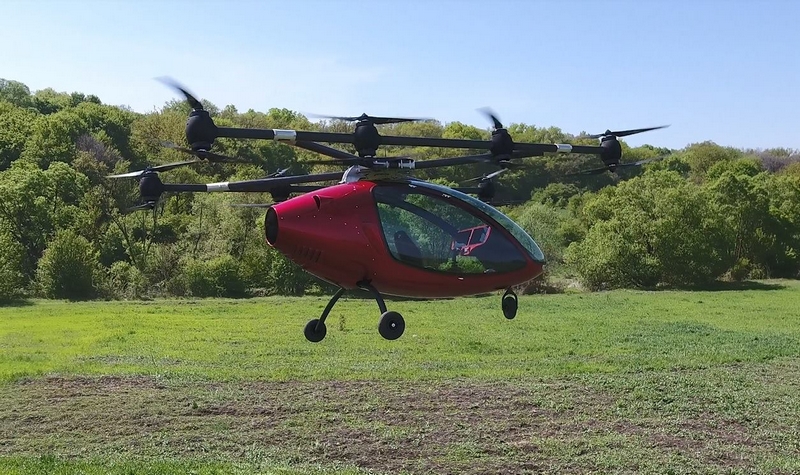
Passanger Drone Photos-outdoors

Equipped with 16 electric engines (unlike the internal combustion engines of traditional helicopters), it’s a low noise, high speed, and economical mean of transportation which emits zero emissions. Its engine system sheds the complexity of most quad-copters providing enhanced safety, performance, greater payload and range, and less noise than anything else available on the marketplace.The vehicle’s structure is composed of lightweight and strong carbon fiber composites, specially created for Passenger Drone. The avionics, stability systems and electrical control systems have been custom designed specially for the PassengerDrone.

“Over time, VTOLs have the potential to become the go-to form of daily transportation surpassing that of owning a car. Air travel has historically been seen as an expensive proposition, due in great part to the small volume of production seen in today’s aerospace industry. Mass production of the Passenger Drone could potentially revolutionize traditional notions of transport.” explained passenger drone.

Passanger Drone Photos-- Passanger Drone Photos-


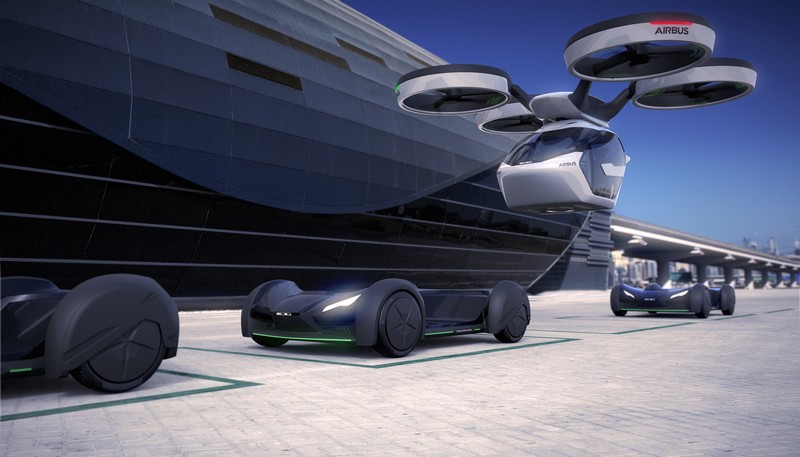
Pop.up zero emission concept vehicle makes full use of both ground and airspace

How to address the mobility challenges of megacities? Here are some possible answers… With traffic congestion projected to hugely increase by 2030, Airbus x Italdesign decided to combine their engineering expertise to tackle how to best achieve a sustainable, modular and multimodal urban mobility system – giving rise to the Pop.Up concept. Pop.Up is the … Read more

Fly the dream with world’s first practicable jet

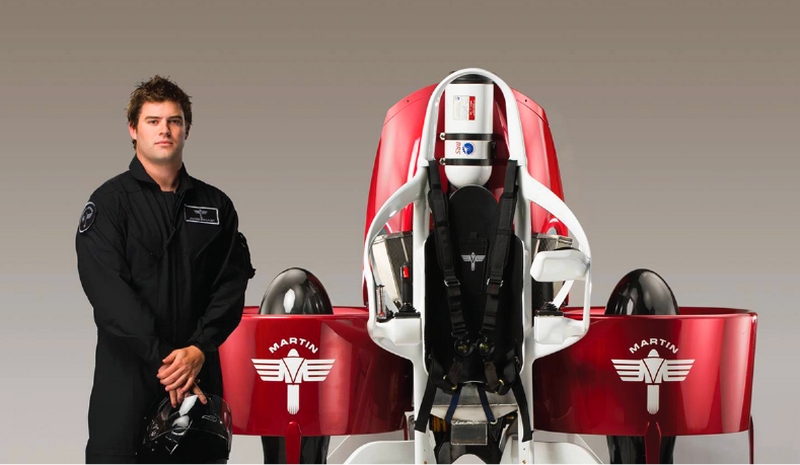
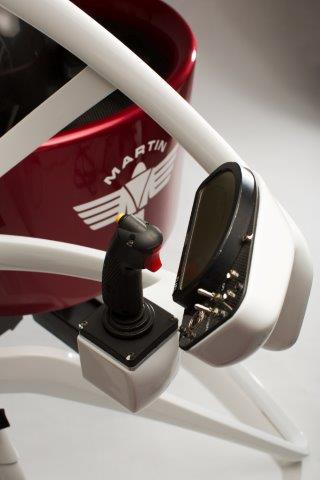
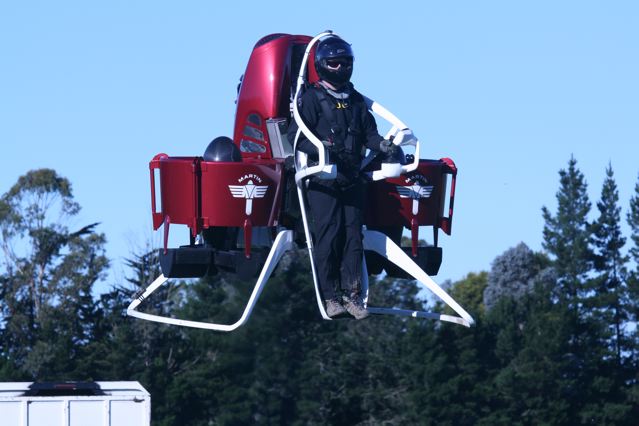
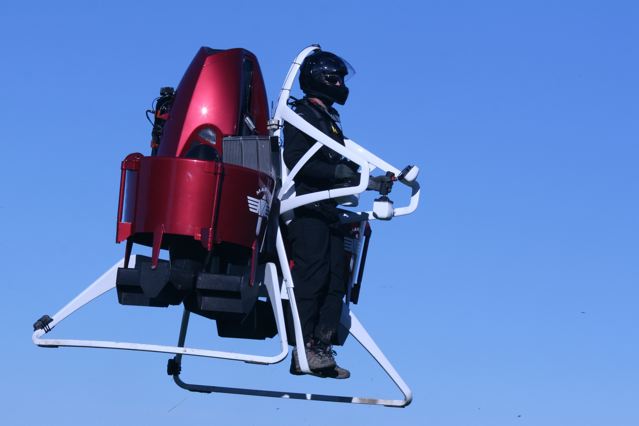
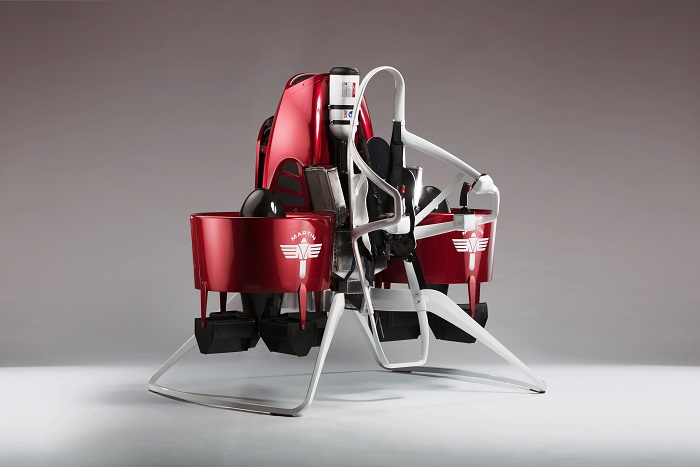
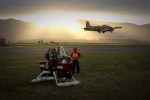
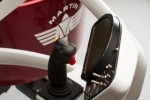
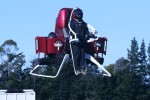
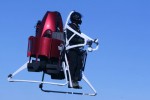
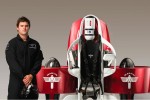
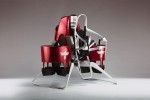
Martin Jetpack for personal aviation. You can fly the dream in Monaco. 2016 Top Marques Monaco will host the European launch of the Martin Jetpack for personal aviation – the world’s first practicable jet pack being marketed for sale later this year.

martin jet_pack 2016-

After wowing China and the Emirate of Dubai the next stop for this international company based in New Zealand is Top Marques where visitors to the exhibition will be able to see the future of personal transportation first hand.

Designed to be the world’s safest light aircraft, the Martin Jetpack is aimed at adventurers, futurists and visionaries who take up the challenge to explore and venture to places that others can only imagine.

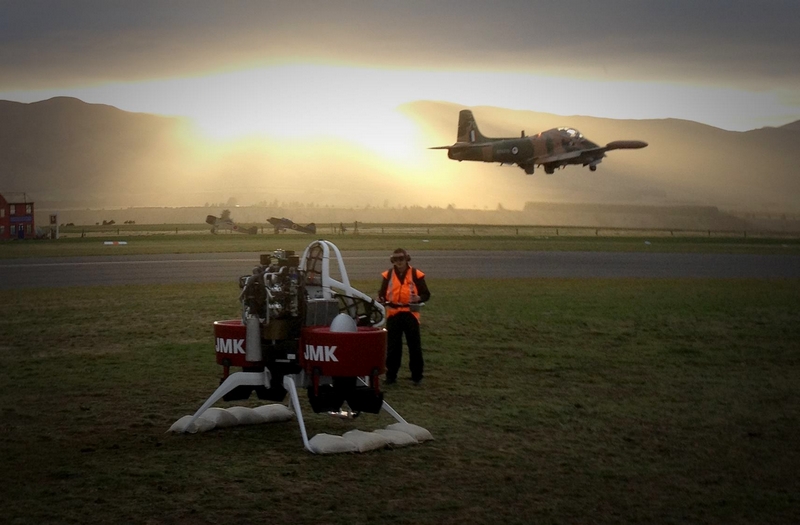
The Martin Jetpack is a disruptive technology, much like the helicopter was when first developed, with substantial capabilities. It is able to be flown by a pilot or via remote control and can take off and land vertically (VTOL). Because of its small dimensions, it can operate in confined spaces that other VTOL aircraft such as helicopters cannot access, such as close to or between buildings, near trees or landing on the deck of a super yacht without the need for a full-size helipad.

The price of the Personal Jetpack is yet to be confirmed but it is likely to be in the region of US $150,000-$200,000. In addition, training and licence requirements will need to be established with the aviation authorities of each country, a process that is already underway in partnership with the New Zealand Civil Aviation Authority.

martin jetpack NZ martin jet_pack 2016-flight-details martin jet_pack 2016-flight- martin jet_pack 2016-flight martin jet_pack 2016 Martin Aircraft company