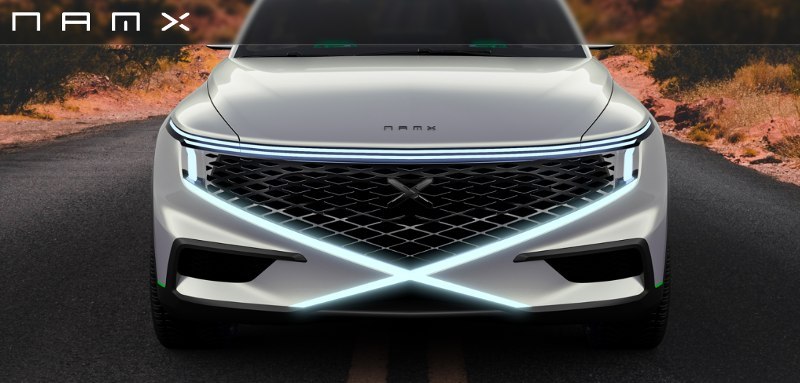
This hydrogen-powered SUV wants to become a new reference in the world of zero-emission cars

Namx and Pininfarina unveiled the HUV concept, a hydrogen-powered SUV partially fueled by removable capsules, paving the way for a seamless and carbon free experience of mobility. NAMX’s HUV is part of a large-scale industrial and technological project whose ambition is to reconcile human mobility and environmental preservation thanks to green hydrogen. Faouzi ANNAJAH and … Read more

The hybrid approach combines hydrogen power with the benefits of electric power


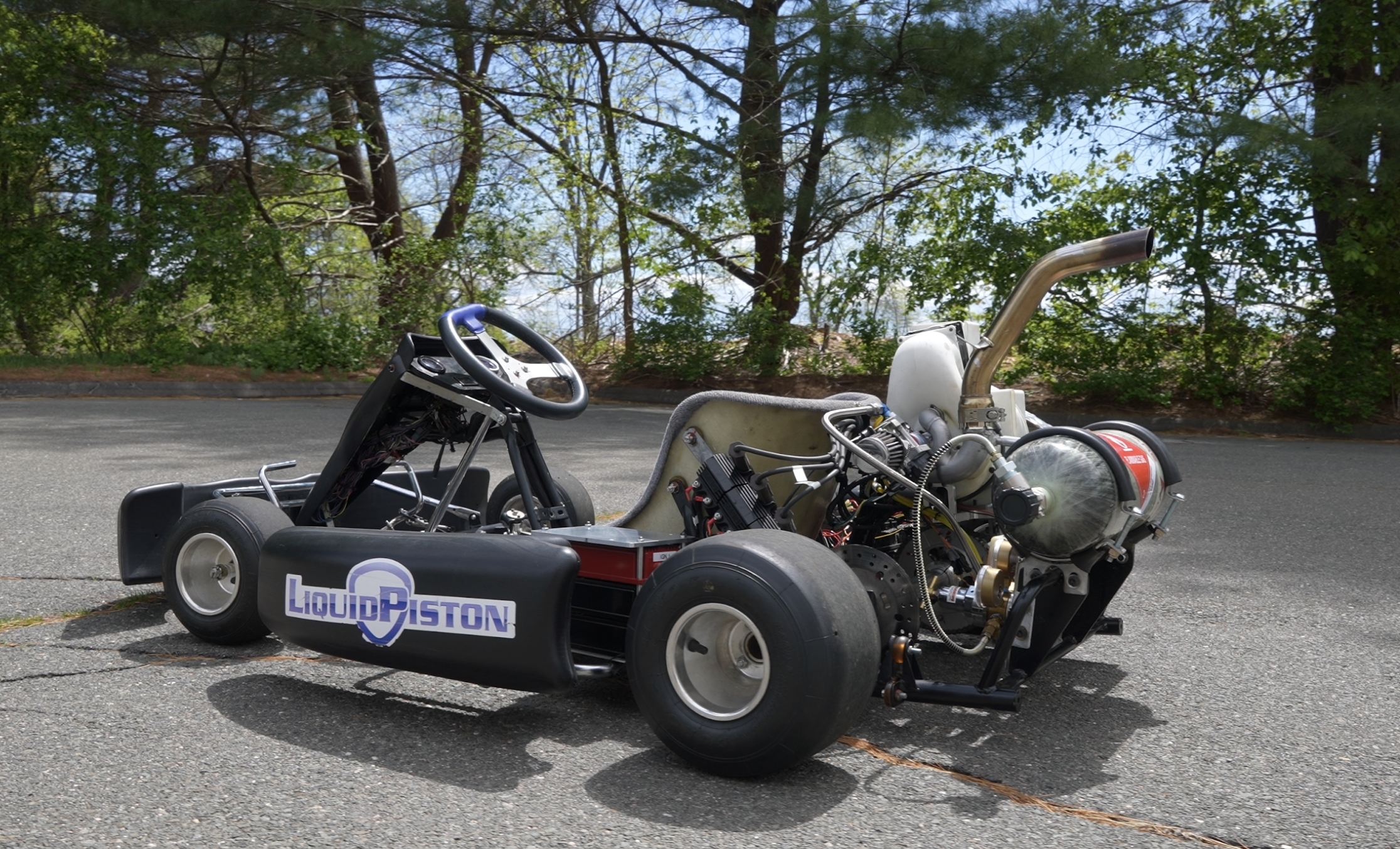
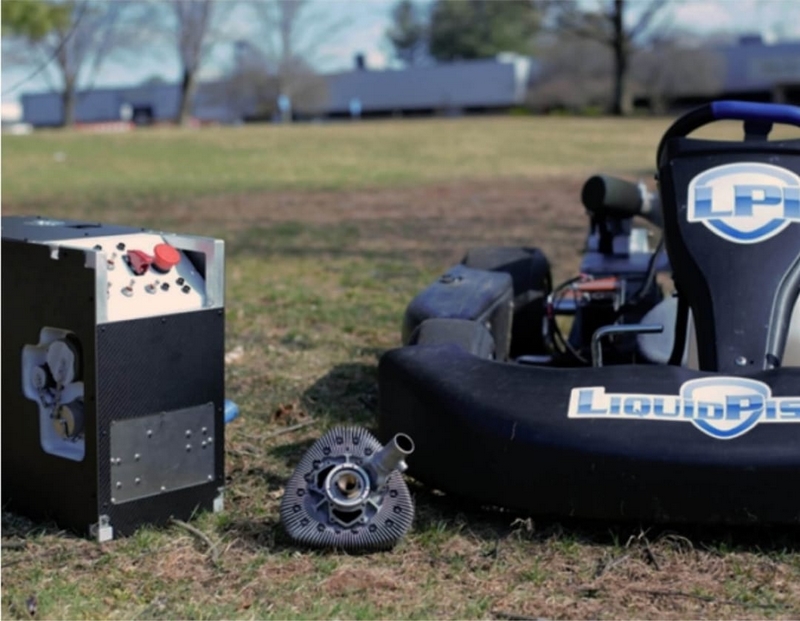
LiquidPiston replaced a traditional go-kart engine with its hybrid-electric X-Engine powered by hydrogen.
@LiquidPiston

Zero Emission Engine Technology Is a Reality.

According to Alec Shkolnik, CEO and co-founder of LiquidPiston, in the not so distant future, we could see an X-Engine taking hydrogen gas created using energy from solar panels and wind turbines to power electrified vehicles. LiquidPiston,Inc., developer of advanced rotary diesel and multi-fuel internal combustion engines, is creating a truly zero emissions vehicle while minimizing battery size, weight and cost. The company replaced a traditional go-kart engine with its hybrid- electric X-Engine powered by hydrogen.

LiquidPiston Successfully Runs Hybrid-Electric X-Engine on Hydrogen, Proves Zero Emission Engine Technology Is a Reality.

This week, LiquidPiston released a video with Warped Perception announcing its innovative X-Engine’s ability to run on hydrogen gas. The successful use of hydrogen gas to power the X-Engine, a next-generation rotary engine, demonstrates that fuels created using renewable energy are a possible pathway forward to enable engines to become zero emission power generation technologies. This is the sixth fuel variation that has been shown to power the X-Engine along with gasoline, propane, kerosene, diesel, and jet A fuel.

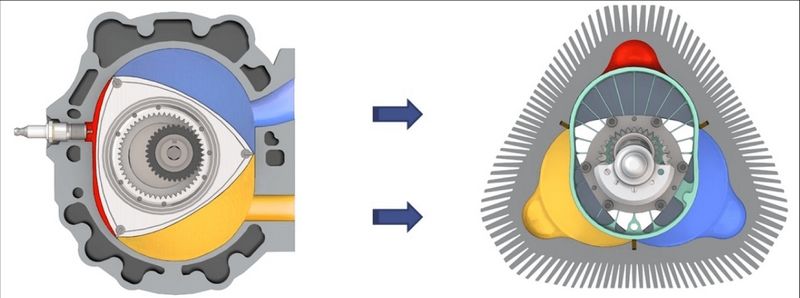
To demonstrate the viability of hydrogen fuel powering the X-Engine, the LiquidPiston team modified its 4.5 lb X-Engine (core) to run on hydrogen. The engine was then installed in a hybrid-electric configuration on a go-kart, which was originally powered by a 39-pound gasoline engine. The hybrid approach combines the benefits of hydrogen power with the benefits of electric power, and can enable regenerative braking, where the simple act of braking works to recharge the go-kart’s battery, allowing for longer travel times between refueling stops.
@LiquidPiston

The developmental X-Engine was initially tested at the company’s on-site dyno testing facility. In the video from Warped Perception, you can see how the architecture of the X-Engine enables LiquidPiston to overcome the inefficiencies of a traditional rotary engine and run on fuel like hydrogen. The video provides insight into the X-Engine operation through high-speed footage of hydrogen combustion within the engine’s chambers and also shows how the hybrid electric system is set up on the go-kart, including an initial debugging run followed by a successful system test.

Hydrogen can be generated without CO2 emissions, and when the burning hydrogen is recombined with air inside the engine, the primary output is water. Such an approach has proved difficult with piston engines, because the ignition energy of hydrogen is extremely low, and any hot spots cause premature ignition of the fuel. The hydrogen combustion process is also significantly faster than that of traditional fuels. The X-Engine offers a pathway to address these challenges in a package that is more powerful and lower cost than fuel cells.

“An X-Engine running on hydrogen gas could be a viable solution to a number of sustainable transportation challenges – from aviation to automotive,” said Alec Shkolnik, CEO and co-founder of LiquidPiston.

Today’s solutions for power and energy are held back by a lack of technological innovation. Gasoline engines are
inefficient, diesel engines are big and heavy, and electric power/batteries weigh a lot compared to what they produce.
LiquidPiston’s engines are up to 10x smaller and lighter than traditional diesel engines and increase efficiency by up to 30 percent thanks to the company’s patented thermodynamic cycle.
@LiquidPiston

Project Zeus: How a hydrogen fuel cell electric Jaguar Land Rover works

     Jaguar Land Rover is developing a prototype hydrogen fuel cell electric vehicle. Hydrogen fuel cell electric vehicle (FCEV) prototype to begin testing in 2021.   Since 2018, the global number of Hydrogen fuel cell electric vehicles (FCEVs) on the road has nearly doubled while hydrogen refuelling stations have increased by more than 20%. … Read more

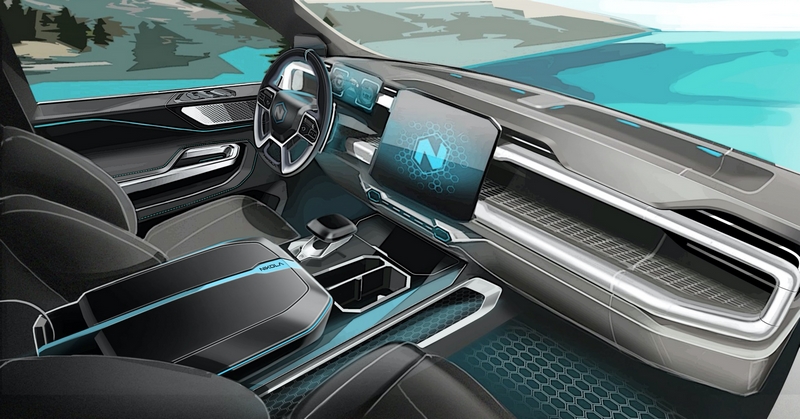
This zero-emission pickup is designed to exceed every electric or petrol pickup in its class

    Nikola Badger – the electric pickup truck with an estimated range of 600 miles. The Badger Is The World’s Most Advanced Zero-Emission FCEV / BEV Pickup Truck With An Estimated 600 Mile Range. The Badger by Nikola Corporation is engineered to deliver 980 ft. lbs. of torque, 906 peak HP and 455 continuous … Read more

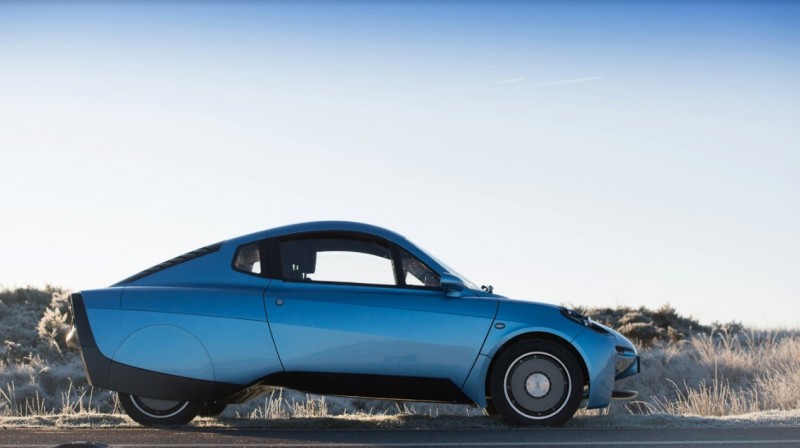
‘It’s a no-brainer’: are hydrogen cars the future?

Inventor Hugo Spowers has a dream: to replace today’s cars with his own hydrogen prototype. Is the world ready?

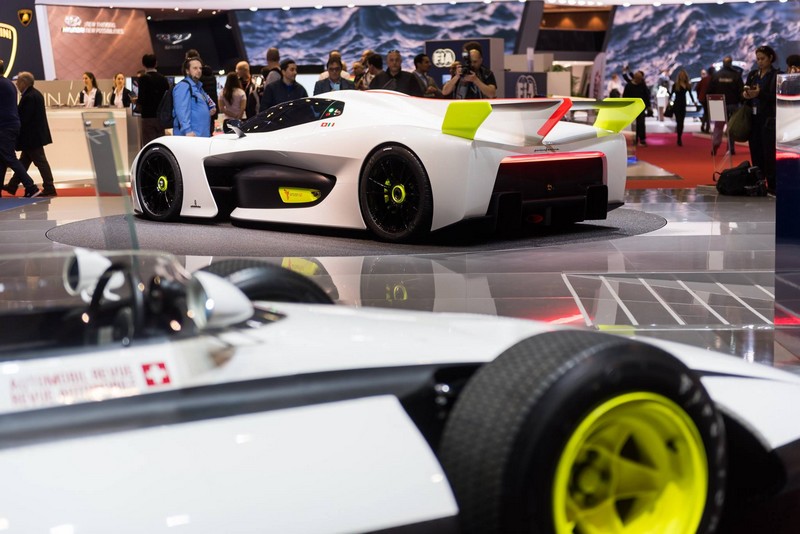
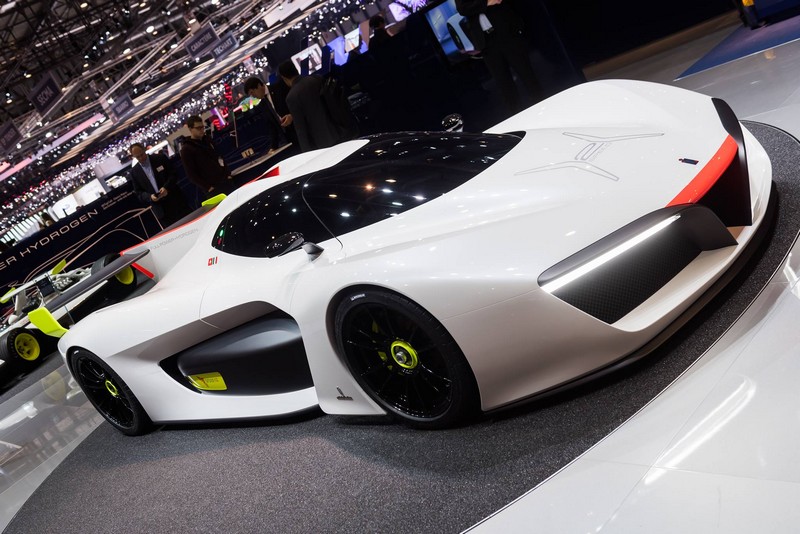
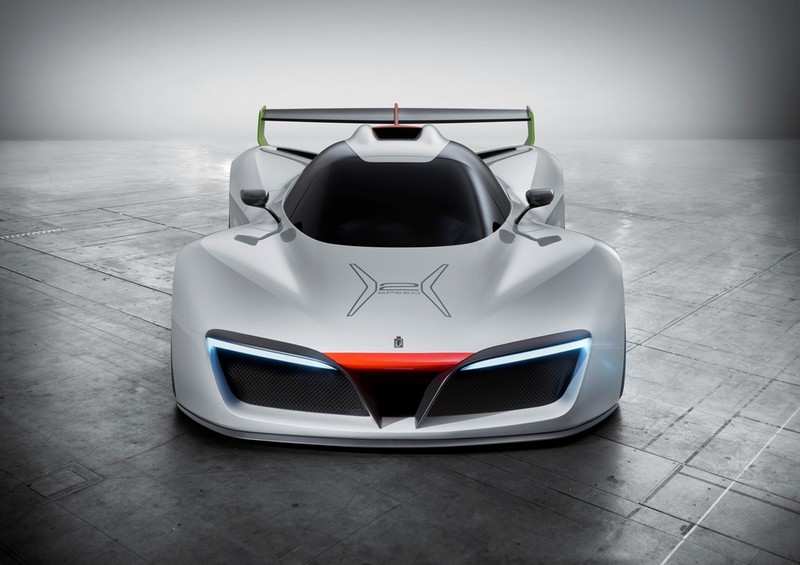
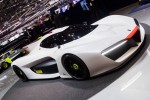
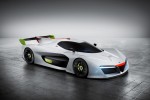
Pininfarina H2 Speed at Geneva Motor Show. Welcome to the world’s first hydrogen, high performance car

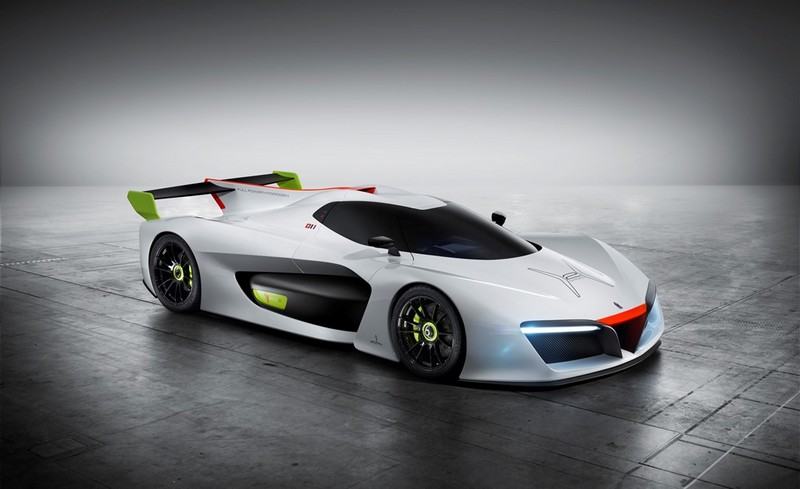
H2 Speed is Pininfarina’s innovative vision of a high-performance track car based on revolutionary hydrogen fuel cell technology.

pininfarina h2 at 2016 geneva motor show

A zero emissions vehicle able to reach 300 km/h by releasing just water vapor into the atmosphere is on display at the Geneva Motor Show.

H2 Speed car by Pininfarina will appeal to passionate people who love speed, performance and innovation and, at the same time, are attracted by the exclusivity typical of a Pininfarina-designed vehicle produced in a limited series. Halfway between a racing prototype and a production supercar, the H2 Speed is the world’s first hydrogen, high-performance car. It is not by coincidence that its name joins together H2, the formula for gaseous hydrogen, and the English word Speed, as if to say that it is the force and energy of Nature that generate the vehicle’s high performance, fostering the excitement that is typical of passion and sport.

The new supercar is already subjected to severe track testing by GreenGT, a Franco-Swiss company which has been designing, developing and producing clean, sustainable propulsion systems since 2008.

pininfarina h2 Pininfarina H2- A zero emissions vehicle able to reach 300 km per h by releasing just water vapor into the atmosphere

The power of a green engine
The technology presented by GreenGT is the substantial outcome of a two-year development and testing programme that has embodied the form of the H2 Speed concept. GreenGT proposes ‘Full Hydrogen Power’ technology, a powerful electric-hydrogen fuel cell drive chain. The result is a zero emissions vehicle
able to reach 300 km/h by releasing just water vapor into the atmosphere. With a maximum power of 503 horsepower, the engine accelerates from 0 to 100 km/h in 3.4 seconds. Also notable is the rapid refueling, unknown to traditional electric cars: a full tank of hydrogen can be done in only 3 minutes.

Pininfarina H2 Speed eliminates both air and noise pollution. The compressor gives the vehicle’s engine a very special tone, completely different to that of conventional electric cars. So even the noise made by the car is close to the emotion of silence, sounds and hisses that evokes science fiction.

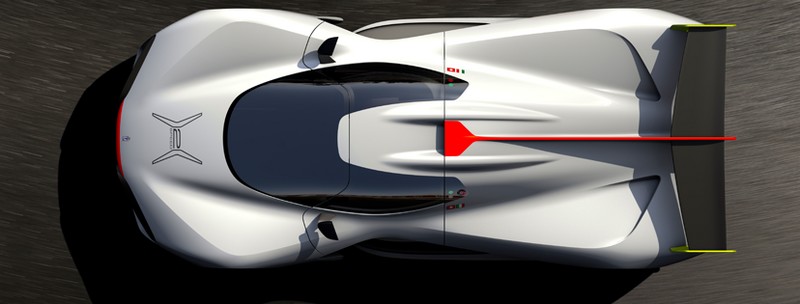
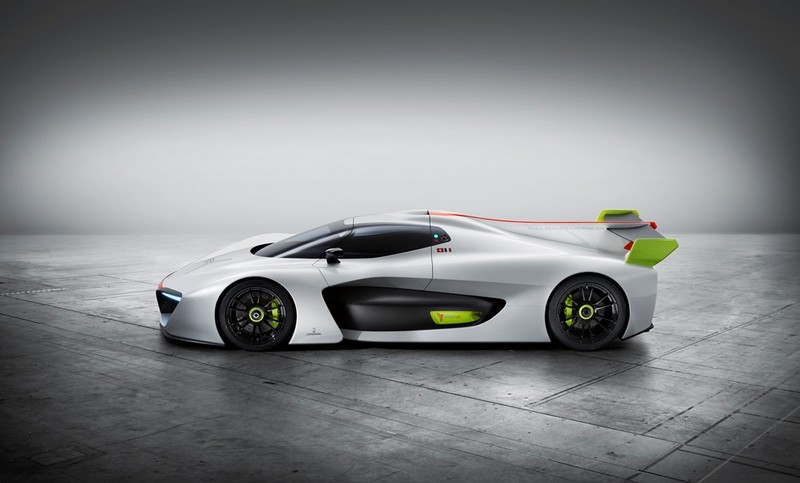
Although it is based on the traditional styling cues of sports cars (low, aggressive proportions, strong design and an emotional synergy between car and driver), the H2 Speed presents the designer with a two- fold challenge: to design a car on a carbon frame and on the mechanical layout of a high performance car of extreme proportions (length 4700, height 1087, width 2000, wheelbase 2900) and at the same time clothe the GreenGT Full Power Hydrogen system, an innovative technology that offers, in terms of vehicle architecture, the necessary originality to generate a unique, outstanding product.

pininfarina at Geneva Motor Show 2016--

The sinuously three-dimensional shape springs naturally from an original styling process where the most important constraint – the two large hydrogen tanks at the side – becomes an opportunity. To avoid weighing down the side of the vehicle, the hydrogen cylinders are faired instead of being incorporated into the body volume but they remain visible through a window in the rear part of the fairing where the fuel cap is easy to access.

The choice of body colour is inspired by the Sigma Grand Prix and gives it a modern interpretation with a plain pearlescent shade of white.

“The H2 Speed logo and graphics are a modern tribute to the styling of the Sigma Grand Prix and as in that iconic car of ’69, the presence on the sides of the Swiss flag, associated here with that of Italy, represents a symbolic celebration of the renewed alliance between a Swiss company (GreenGT) and Pininfarina,” explained Pininfarina.

pininfarina at Geneva Motor Show 2016- pininfarina at Geneva Motor Show 2016