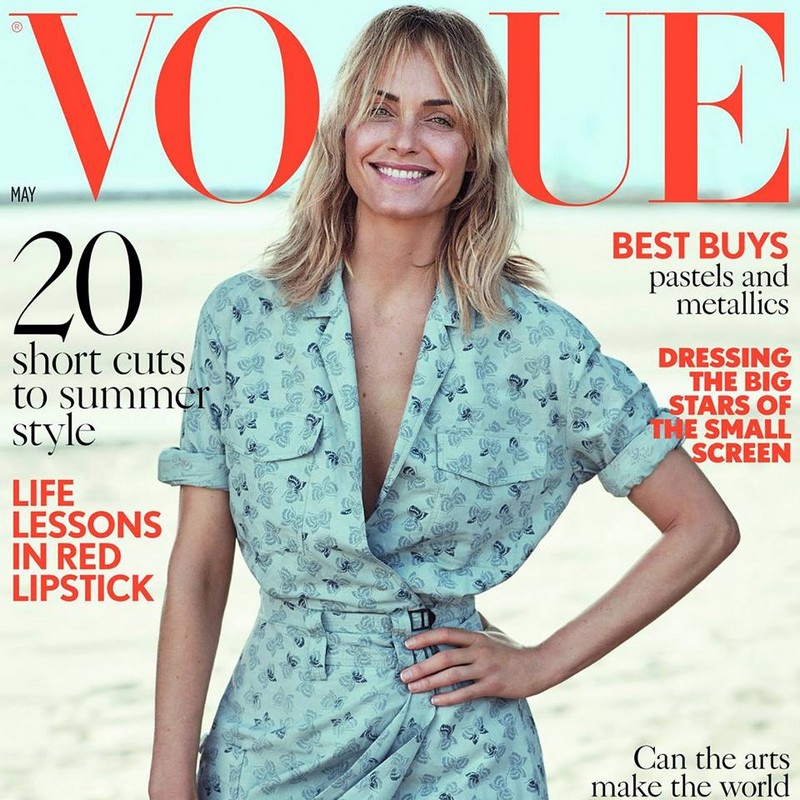
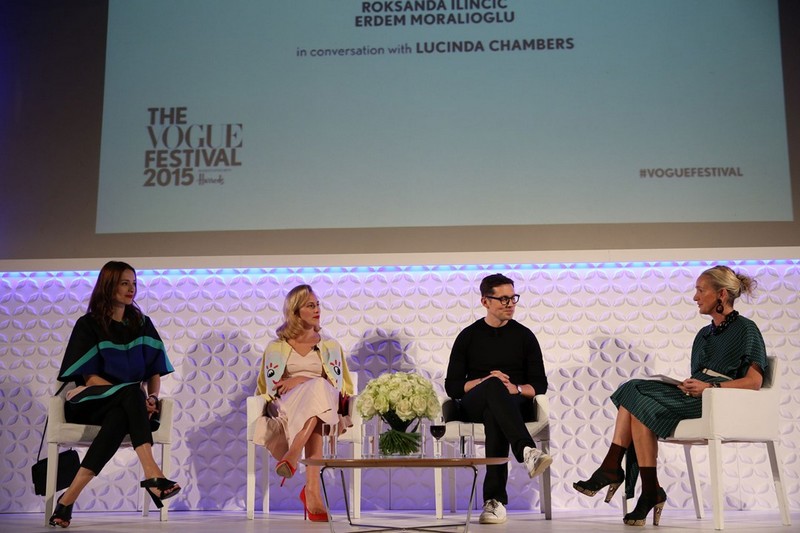
The Vogue Festival 2016 returns with an even more stellar line-up of activities and speakers – and Harrods will be sponsoring the fashion-packed event for the third year in a row. Taking place over the weekend of the 21st and 22nd of May on the East Albert Lawn in Kensington Gardens and the Royal Geographic … Read more
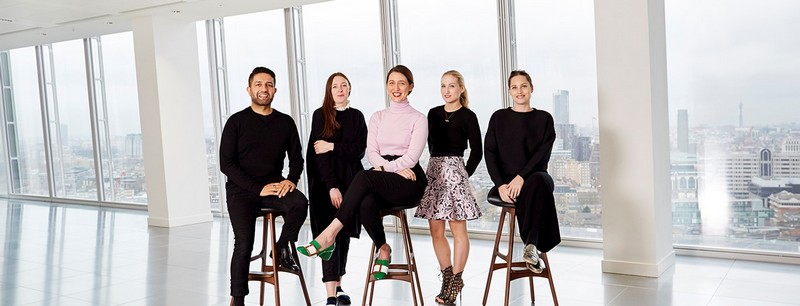
The 2016 BFC/Vogue Designer Fashion Fund shortlist.
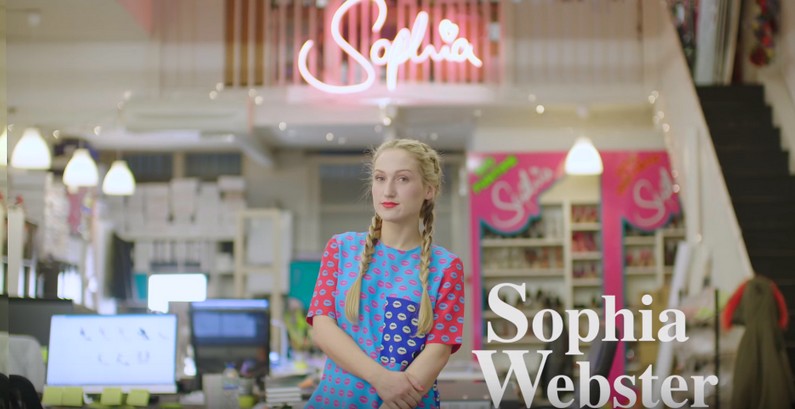
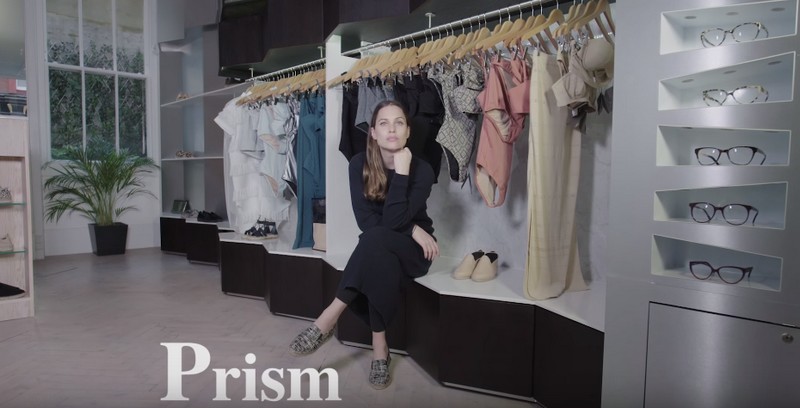
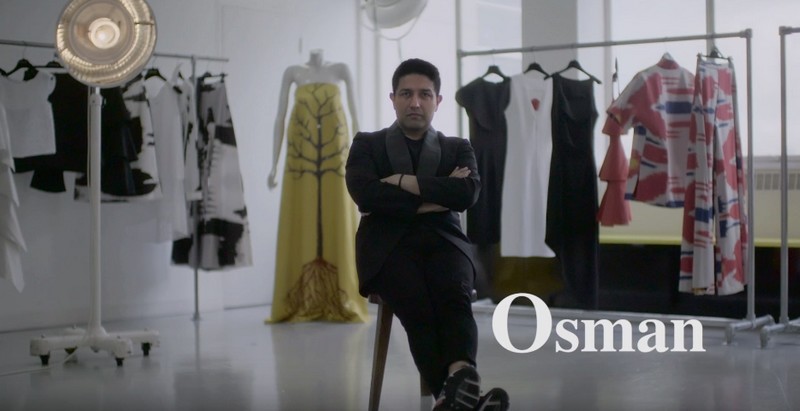
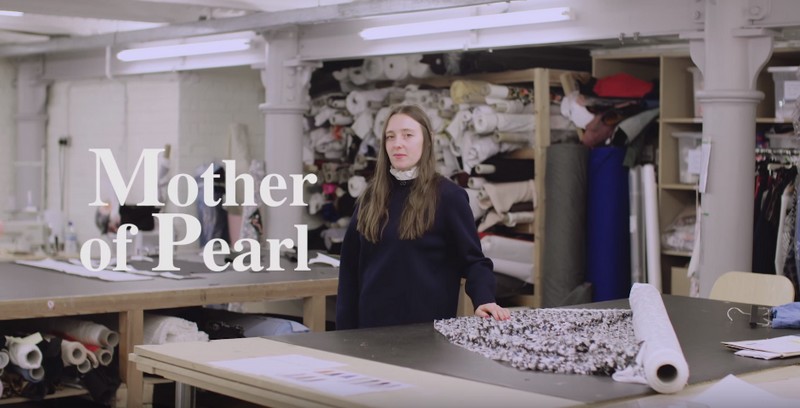
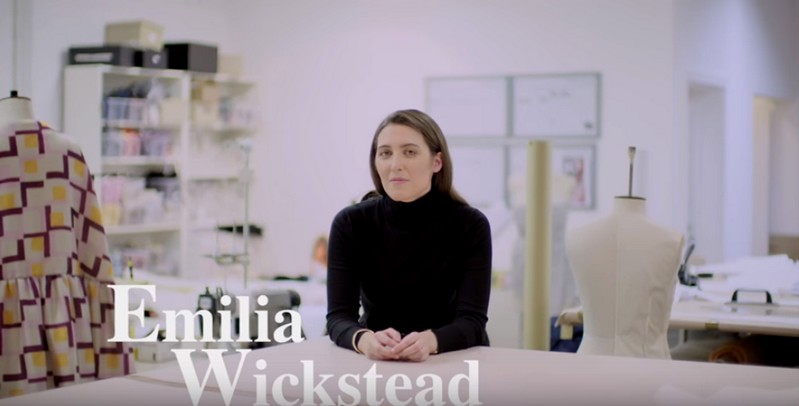
The BFC/Vogue Designer Fashion Fund provides one designer with a bespoke, high level mentoring support programme over a twelve month period, as well as a £200,000 grant to provide the necessary infrastructure to take them to the next stage in its business. The 2016 shortlist is: Emilia Wickstead, Prism, Sophia Webster, Mother of Pearl, and Osman.
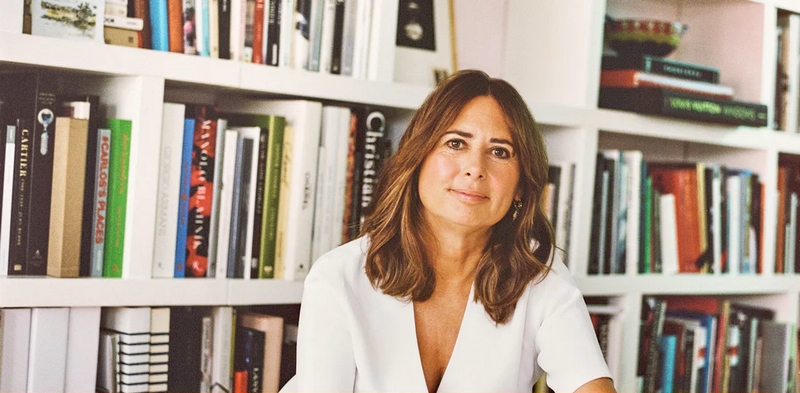
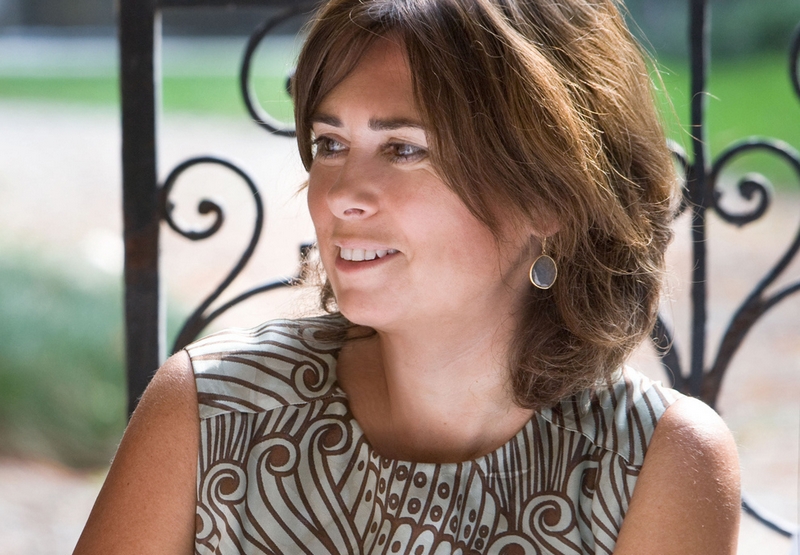
The nominated designers are selected by the Fund Judging Committee and have all been chosen for their potential to develop into a global designer brand. Chaired by Alexandra Shulman OBE, Editor of British Vogue, the committee comprises of experts from across the fashion industry: Caroline Rush CBE, British Fashion Council; Ian Lewis, Harrys of London Limited; Joan Burstein CBE, Browns; Lisa Armstrong, The Daily Telegraph; Mary Homer, Topshop; Samantha Cameron, British Fashion Council Ambassador; Sarah Manley, Burberry; Susanne Tide-Frater, Farfetch/Victoria Beckham; and Victoria Beckham.
“This is an inspiring shortlist because of its diversity. It’s a great representation of the spread of British fashion designers and all the contenders have huge strengths to their creative visions,” said Alexandra Shulman OBE, Editor of British Vogue and Chair of the Fund Committee.
“We have been impressed by this year’s shortlist. These brands represent the best of London’s fashion talent as well as showing impressive business acumen. These designers all have the potential to become Britain’s next generation of global fashion brands,” commented Caroline Rush CBE, Chief Executive of the British Fashion Council.
To coincide with the announcement, Harrods dedicated one of its world famous windows to the five shortlisted designers.
The BFC / Vogue Designer Fashion Fund (The Fund) was launched by BFC Chairman Harold Tillman in September 2008 as part of the BFC’s 25th anniversary celebrations. The Fund is supported by Burberry, Harrods, Paul Smith, Topshop and Vogue. Since its inception, winners of The Fund include Erdem (2010), Christopher Kane (2011), Jonathan Saunders (2012), Nicholas Kirkwood (2013) & Peter Pilotto (2014).
The winner of the award will be announced Tuesday 22nd March 2016.
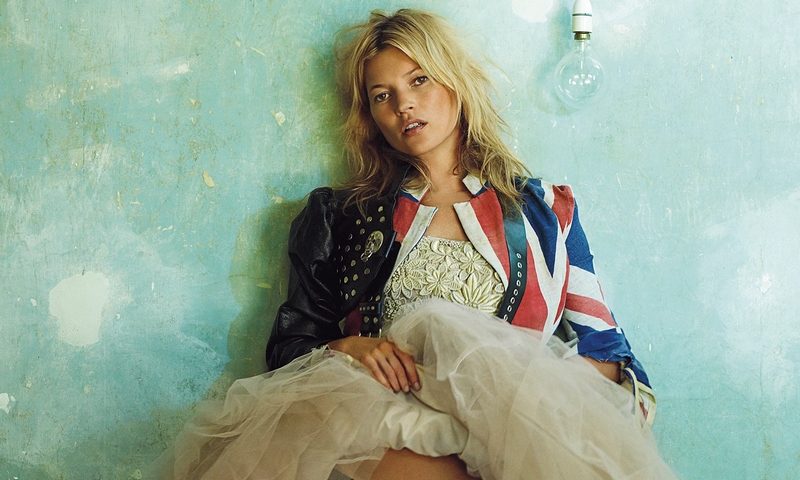
At first glance, it’s all chiffon and glamour: Kate Moss in a huge hooped skirt, photographed by Mario Testino in 2008; David Hockney posing with a sequin-clad Maudie James in 1968, as captured by Cecil Beaton; Anne Gunning, swathed in pink in Jaipur in the 50s, looking away from Norman Parkinson’s lens.
But the National Portrait Gallery’s major spring exhibition, celebrating 100 years of British Vogue, will argue that it is much more than a style magazine.
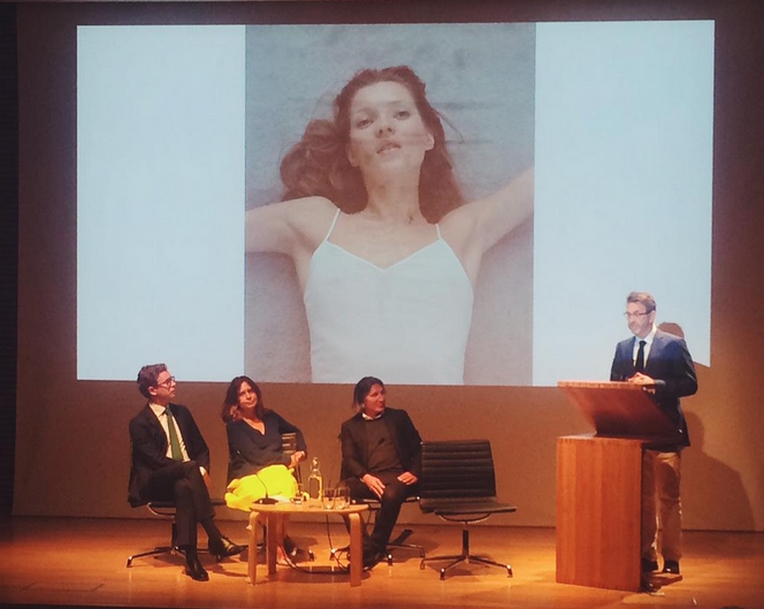
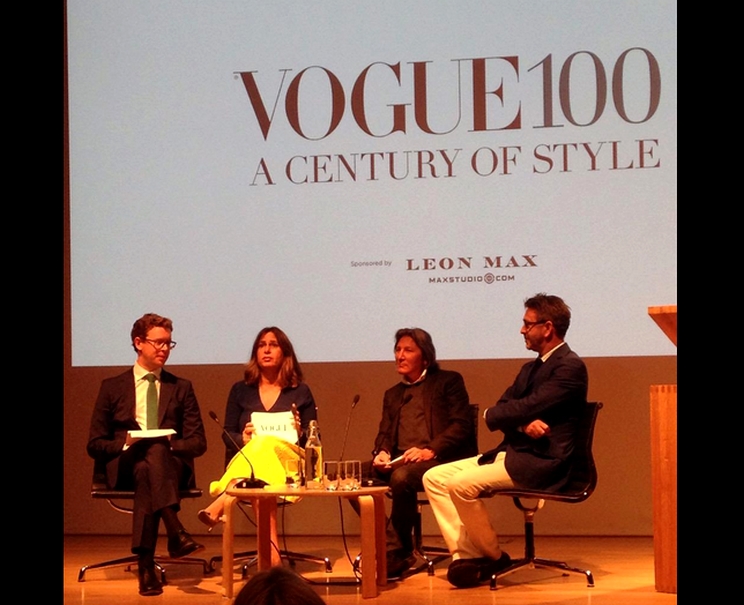
“As well as the fashion bible it has now become, it is a cultural record of the times,” said current editor Alexandra Shulman at a launch event for Vogue 100, A Century of Style, on Monday. The exhibition, opening on 11 February next year, will launch the magazine’s centenary celebrations, which also include a behind-the-scenes BBC2 documentary.
A preview of the exhibition
British Vogue first hit newsstands in 1916 and – as with many desirable fashion brands – the ability to leverage this illustrious heritage has been key to the magazine’s success.
The exhibition will highlight British Vogue’s work with “the greatest photographers in modern history”, said curator Robin Muir, including Edward Steichen, Helmut Newton, Man Ray and Irving Penn, and will include portraits of Marlene Dietrich, Henri Matisse, Francis Bacon and Fred Astaire.
The show will also incorporate moments of recent fashion history, such as the 1990 Peter Lindbergh cover – featuring Naomi Campbell, Linda Evangelista, Tatjana Patitz, Christy Turlington and Cindy Crawford – widely regarded as defining the supermodel era, and the notorious 1993 Corinne Day shoot that helped introduce Kate Moss, and so-called “heroin chic”.
Photograph by Cecil Beaton titled The Second Age of Beauty is Glamour.Photograph: Cecil Beaton/Conde Nast Publications
Tellingly, as printed magazines fight to underline their relevance in the digital age, Vogue 100 will begin in the present day, with a room devoted to digital fashion film. Visitors will then “travel back in time to the 90s, with Herb Ritts and Corinne Day; to the 80s with Bruce Weber and Peter Lindbergh; to the 70s with Helmut Newton and Guy Bourdin,” said Muir.
Finally, they will reach “the year zero and the quieter, beautiful, more meditative vintage masterworks of photographers such as Steichen and Man Ray,” he said.
Dr Nicholas Cullinan, director of the National Portrait Gallery, said that the show would represent “a panoramic image of the last century”.
That view is, however, undeniably well-heeled and overwhelmingly white. Questioned about a lack of racial diversity, Shulman said: “[British Vogue] has been a reflection of our culture for 100 years and it has been predominantly white culture. I think we just have to accept that. Though there certainly are a number of non-white people in the exhibition.”
As Britain became a more multicultural society, that shift was reflected in the photography, Cullinan said.
“Something we should be very proud of, and which I have included in the exhibition, is that British Vogue was the first mainstream magazine to have a black cover model, Donyale Luna, shot by David Bailey in 1966,” said Muir.
David Hockney, Peter Schlesinger and Maudie James appear in the major exhibition celebrating 100 years of British Vogue.Photograph: Conde Nast Publications
“It’s not all rarefied clouds of pink chiffon,” said Muir, adding that unexpected exhibits would include “extraordinarily graphic depiction of war” taken during the 1940s by Lee Miller.
“Those are not the sort of images anyone ever expected to be commissioned by a magazine like Vogue – but Vogue did have its own war photographer,” he said. “Real life intrudes – particularly at the magazine’s start, during the first world war, and during the second world war and the 1960s, when you can see class barriers being broken down in its pages.”
Muir added that Vogue was as much about creating magic and fantasy as it was about reflecting reality. “Cecil Beaton once said, ‘when I die I want to go to Vogue’ – and without wishing to dismiss the competition, saying ‘when I die I want to go to Marie Claire’ does not have the same kind of resonance.”