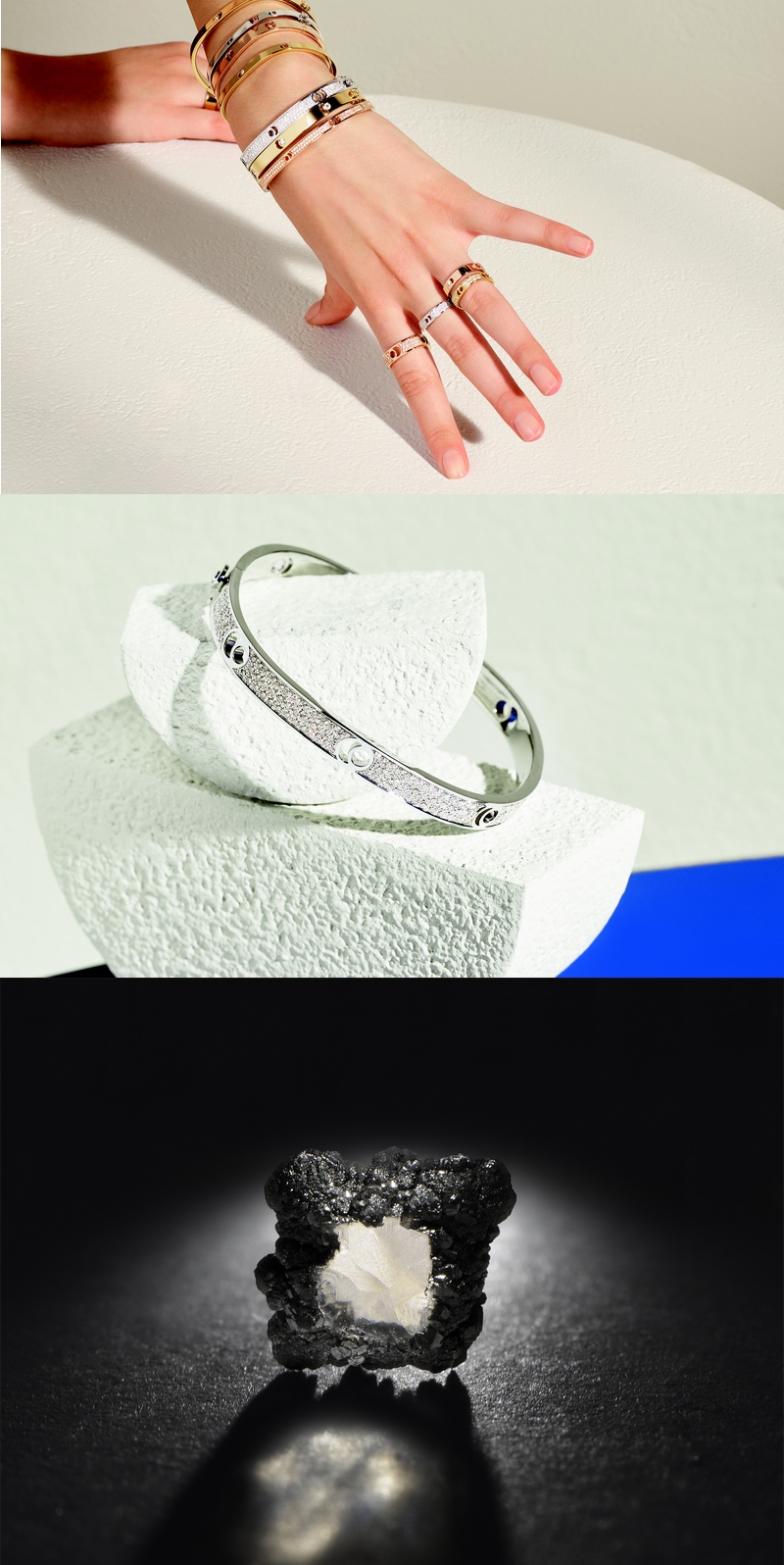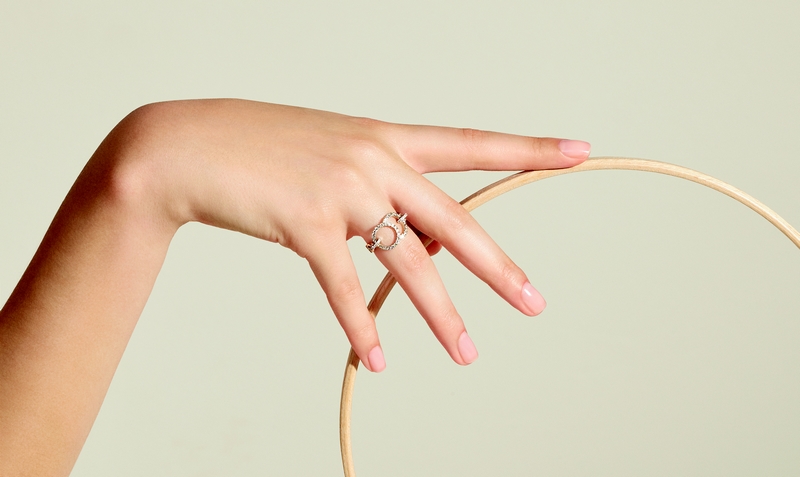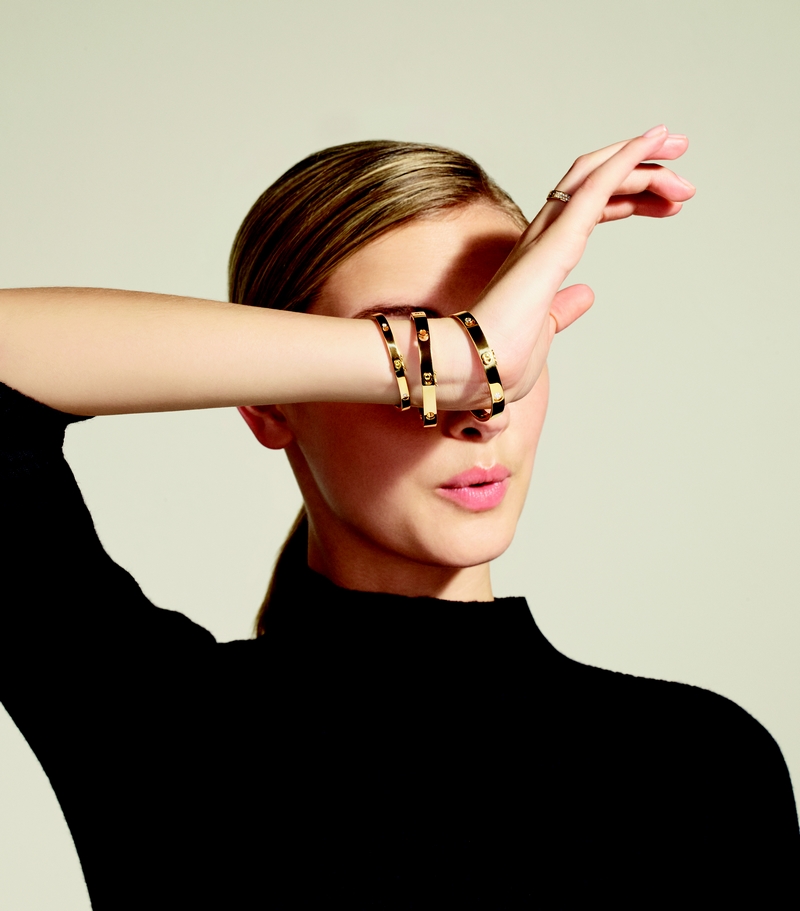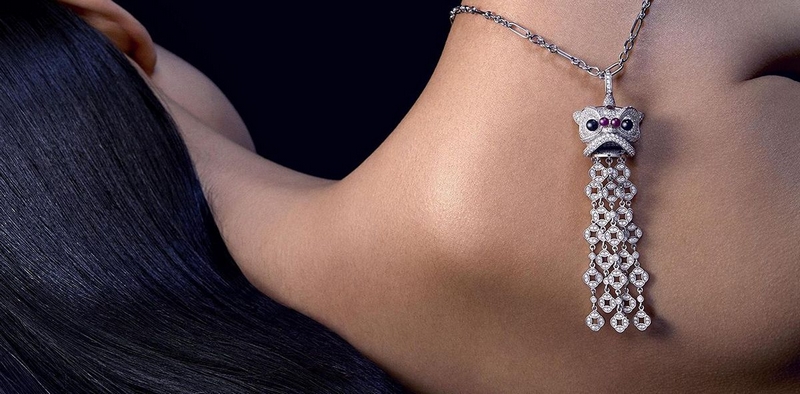
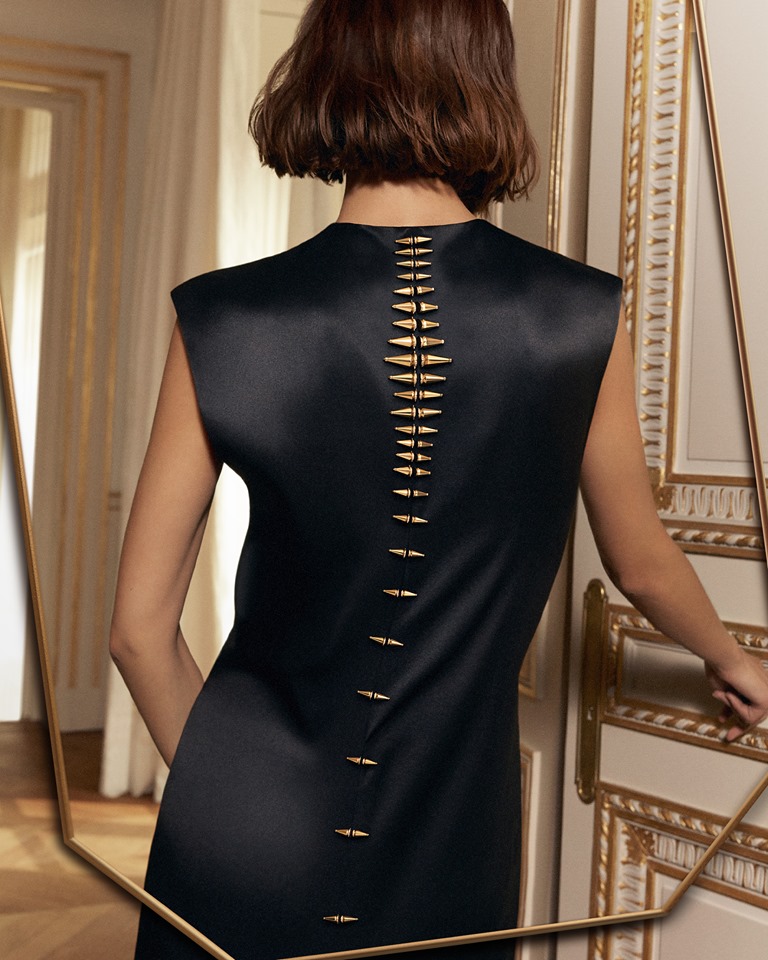
Paris Vu Du 26: Boucheron’s newest High Jewellery Collection Inspired by Paris Landmarks

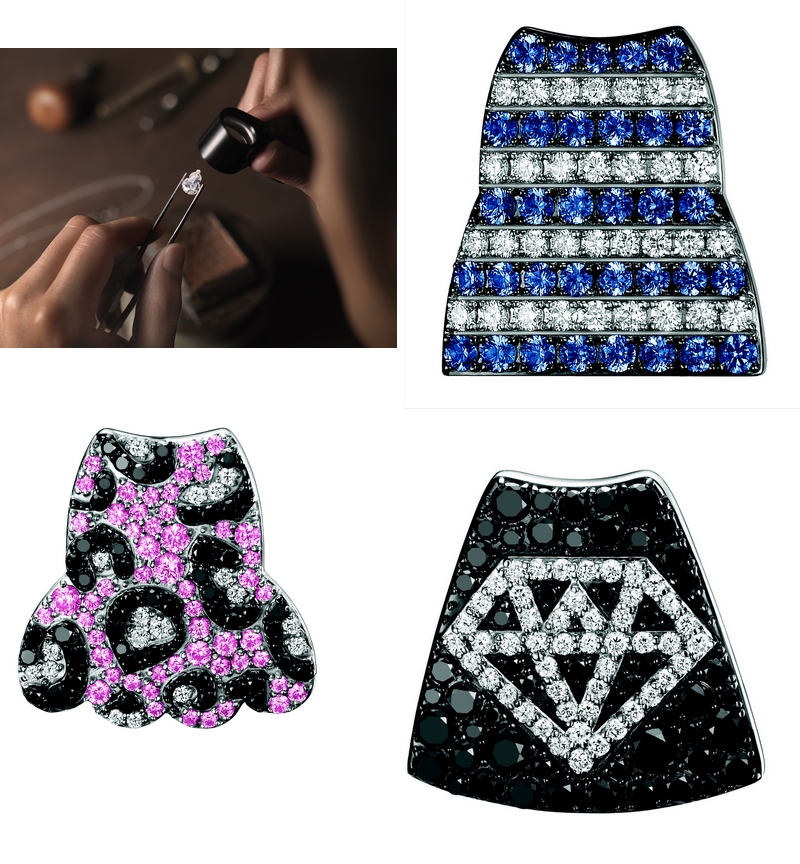
      Through this collection of High Jewelry, French luxury jewellery and watches house Boucheron conveys its own particular view of the Paris, which combines elements of reality with creative fantasies. For the very first time, The Boucheron Maison designs its own stone. Frédéric Boucheron was the first among the great contemporary jewelers to open … Read more

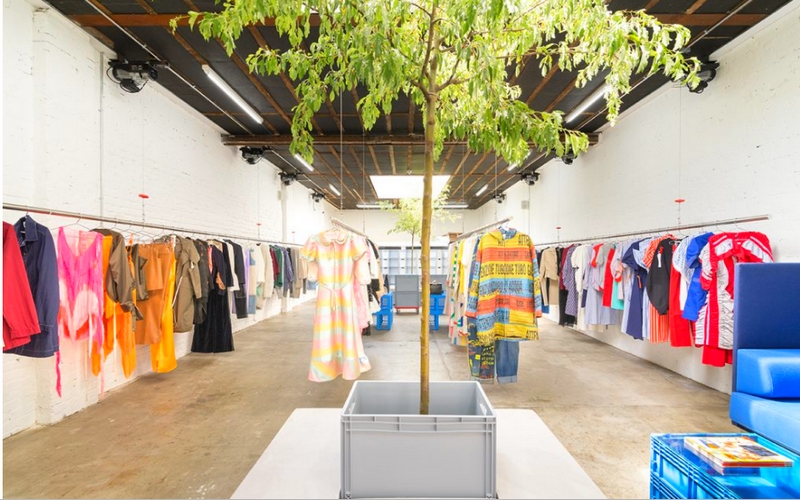
The fashion concept store that is rethinking retail

From speed-dating to upcycling workshops, the people behind Peckham Palms have created a space for new fashion talent. Is this a lesson to ailing bricks-and-mortar stores?

COURBET : The ‘disruptive’ French Sustainable Jewellery brand that even refuses ‘fairmined’ gold and diamonds


By Philippe Mihailovich & Caroline Taylor

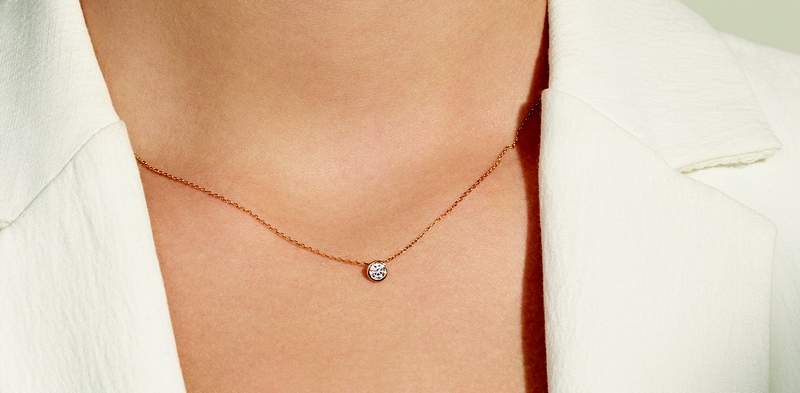
In line with 21st Century youth who are now demanding vegan leathers be used by luxury brands, we are now witnessing the emergence of a ‘sustainable’ high-end jewellery house on the famous Place Vendôme*, for whom anything mined is considered harmful to the environment and thereby unacceptable. Why buy gold from gold mines when you can recycle the gold from electronic waste such as graphics cards and computer processors? Why buy mined diamonds when real diamonds can now be grown in labs?
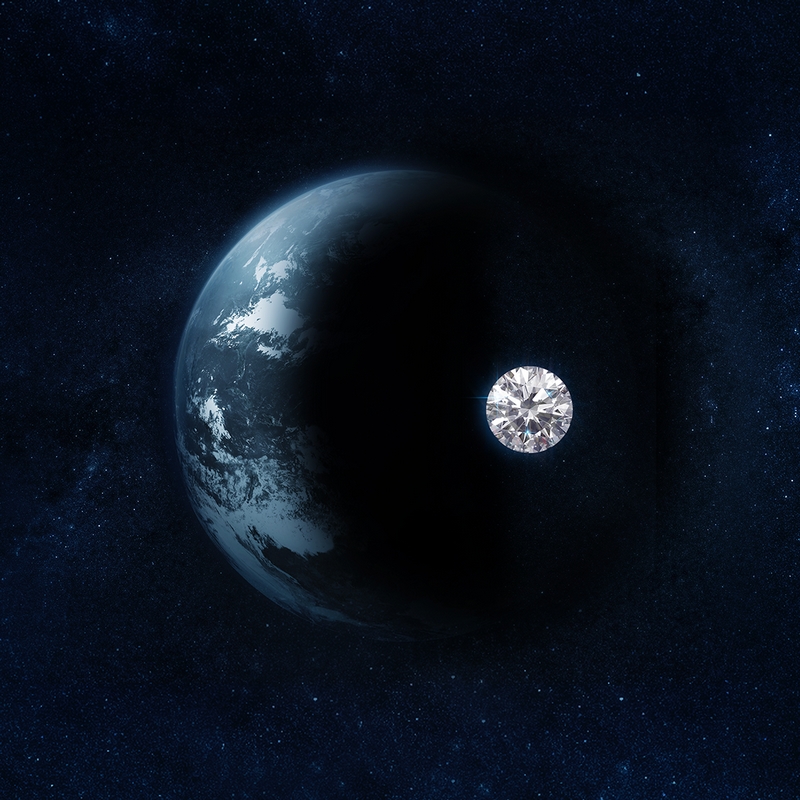
Courbet Jewelry Brand - 2019 -2luxury2
Courbet – Place Vendôme Fine Jewellery Maison; @en.courbet.com

These questions form the fundamental principles of Courbet and is likely to have a Stella McCartney effect on the entire jewellery industry. Most of the big luxury houses have committed themselves to 100% use of ‘ethical’ gold as quickly as possible. This would imply fairminded and fairtraded gold as well as recycled gold. Overall, it is certainly better for the miners themselves but not for the planet. Is it more ethical to overcome poverty to the detriment of the planet or to save the planet first?

One would hope that alternatives will be found for the families dependant upon the mining industry. The natural diamond industry includes miners, traders, polishers, jewelery makers and retailers, all adding their own margins, while the man-made sector controls many if not all of those functions in single firms. Some 10 million people work in the diamond industry, in some of the poorest areas of the world. The diamond industry contributes $8 billion a year to Africa (1).
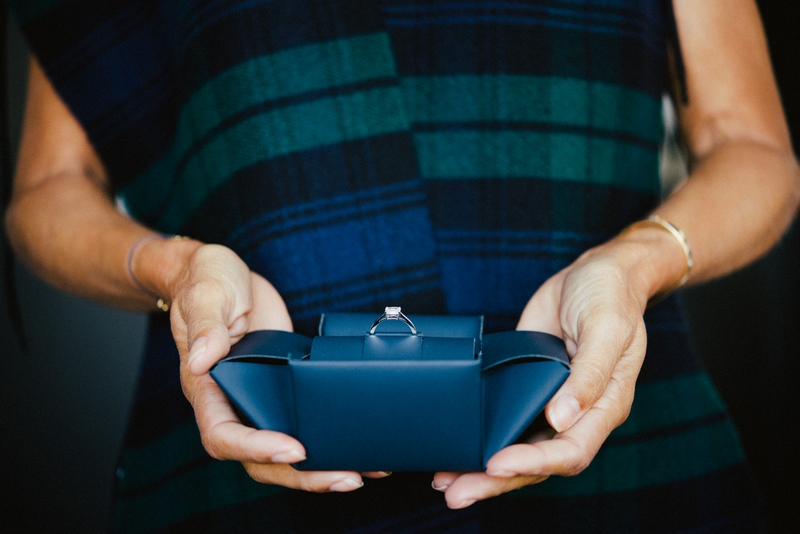

Courbet Jewelry Brand - Rings
Courbet – Place Vendôme Fine Jewellery Maison; @en.courbet.com
Courbet Jewelry Brand - The Founders
Courbet – Place Vendôme Fine Jewellery Maison ; @en.courbet.com

Growing Support for Lab-Grown Diamonds

How long will it take for jewellery customers to reject the beautiful rare stones produced by nature for the unique stones painstakingly produced in a lab?
Lab-grown diamonds may now be marketed in the United States as real gemstones, as long as they “clearly and conspicuously convey that the product is not a mined stone”(2).

For most of the twentieth century, the diamond market was entirely controlled by one company: De Beers. Total control of the industry meant that De Beers set diamond prices. Once De Beers had control of global supply, it could keep prices stable by stockholding rough diamonds during a weak market and then releasing them once demand increased. This monopoly no longer exists, and today diamond prices are driven by supply and demand (3).

In the USA, several law suits were filed in U.S. courts alleging that De Beers “unlawfully monopolized the supply of diamonds, conspired to fix, raise, and control diamond prices.” In the early 2000s the company changed strategies by licensing the De Beers brand name to the LVMH luxury group in order to sell directly to consumers through “its own retail stores” and brand name rather than focusing on B2B rough diamond supply control.

De Beers has now abandoned its decades-old policy of refusing to sell lab-grown diamonds, and now grow them at its Element Six labs in Britain, sell them through jewellery subsidiary Lightbox, and market them as “sparkly, pink, blue or white fashion accessories that are neither as rare nor precious as real gems” (4). The risk for the 130-year-old De Beers, which coined the marketing tag “A Diamond is Forever” in 1947, is that its branding of lab-grown gems could undermine natural diamonds.

As such, “De Beers targets younger consumers with its lab diamonds, sold under the Lightbox name for about $800 a carat”, claimed Bloomberg (5). “That’s a fifth of the price of existing man-made stones and one-tenth of the cost of buying a similar natural (mined) gem. The lab-grown industry has filed a complaint with the U.S. Federal Trade Commission, accusing De Beers of price dumping and predatory pricing. While De Beers has said it isn’t trying to disrupt existing lab-diamond producers, who have a small, but growing, share of the market, the company has a history of using price as a weapon”.

“Still, it’s not all about price”, says Bloomberg. “Man-made diamonds have positioned themselves as an ethical alternative to natural stones, which have long been associated with conflicts in Africa and the massive environmental footprint of modern mining. Leonardo DiCaprio, who starred in 2006 blockbuster ‘Blood Diamond,’ is a backer of San Francisco-based Diamond Foundry, one of the most famous synthetic brands.” De Beers says it simply saw a demand for lab-grown diamonds and now technology is sophisticated enough to produce gem quality as well as industrial stones, and decided to fill it. In so doing, they have also legitimised the man-made category.

Courbet is also breaking the mould by being based at the Place Vendôme where Paris showcases many the world’s leading high jewellery brands but Courbet does not have a retail presence. Clients are invited to make an appointment to visit its showroom-style loft space just above some of the most expensive, private and secretive jewellers such as JAR. The big difference is that Courbet is digitally driven and accessible to the world. The brand says it is following a DNVB ‘Digitally Native Vertical Brand’ strategy of cutting out all middlemen to sell directly online. It is also an Omni-channel strategy however, that aims to attract customers to its showroom, pop-ups, corners in department stores and the like.
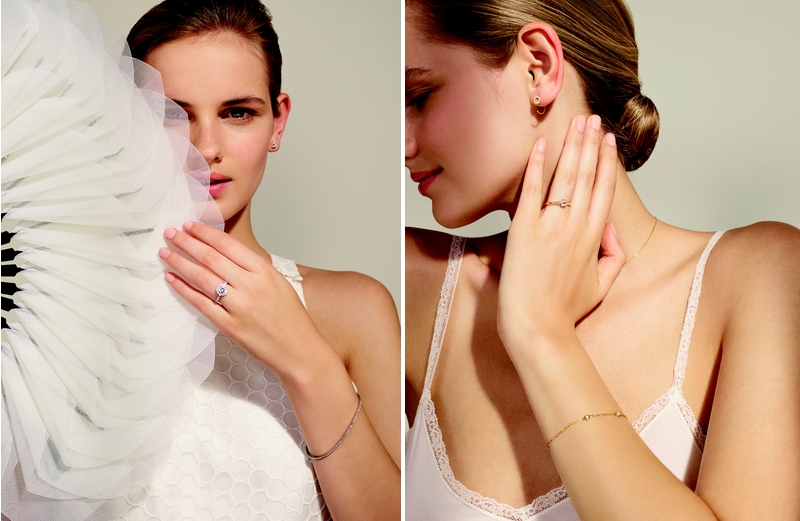
Courbet Jewelry Brand - 2019 -2luxury2-02
Courbet – Place Vendôme Fine Jewellery Maison ; @en.courbet.com

Growing Diamonds and Carbon Footprints

The extent to which online businesses create a carbon footprint of their own is still a subject of much debate. However, due to the colossal number of data centres that are needed to fuel planet earth’s internet obsession, the online world is now also beginning to damage the real world (6). Amazon recently announced its Shipment Zero goal under which the company aims to have 50 percent of all deliveries reach net zero carbon emissions by 2030. No doubt Amazon will resort to aviation biofuels, electric vehicles, recycled packaging and the like. A digital jewellery business will never leave such a large footprint, of course, but Courbet will be forced to monitor its total eco-system as it drives explosive growth across borders.

A bigger issue that lab-grown diamond businesses will be facing in the future will be that of total transparency regarding energy used to produce those diamonds. A recent report from JCK ‘The Industry Authority’ (7) questioning ‘just how eco-friendly’ these diamonds are is difficult to substantiate, if not impossible. Perhaps for this reason, the more circumspect lab-grown companies tend to use word sustainable.” “Man-made diamonds are unusual for a “sustainable” product as they are produced in factories”, it states,” The machines that produce diamonds “require constant energy, 24/7, running huge microwave-heat generators.”

“For now”, JCK reports, “saying a diamond is lab-grown is like saying it has a Kimberley Process certificate. It tells you some info, but not all. Even if lab-growns are more eco-friendly than mined, that’s an arguably inappropriate label to put on an item produced with large amounts of non-renewable energy. If a cookie contains 30 percent less sugar, that doesn’t make it a health food …. but is hopeful that the lab-grown boom will boost transparency in the diamond sector, as jewellers realize that many customers really do care about these things”.

“Most HPHT diamonds are produced in China, which sources 55 percent of its power from coal and 20 percent from hydro”, states the JCK report. “In India, another major producer, 75 percent of grid power comes from coal and 10 percent from hydro. Singapore, home of IIA, uses little renewable energy.” For reasons of transparency, Courbet will be obliged to own or collaborate with the most eco-friendly labs and aim to be able to at least claim “certified carbon-neutral” which is done by a full third-party audit.
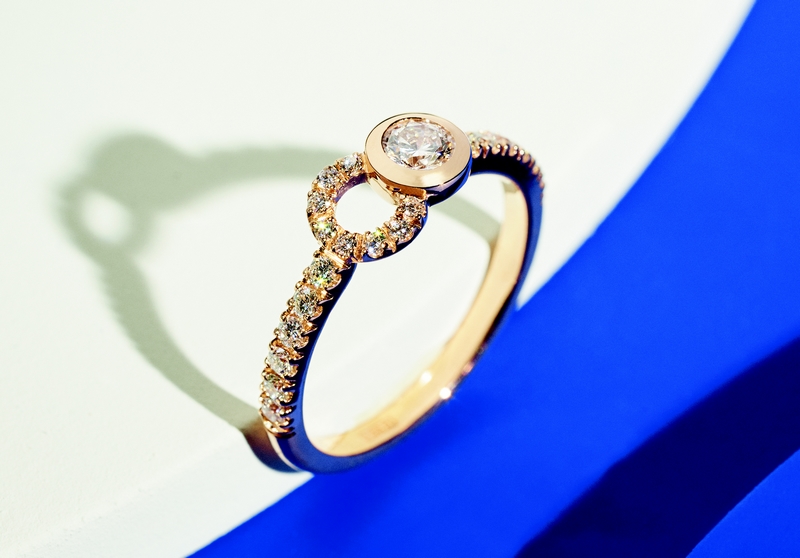
Courbet_Celebration_Co_ring
Courbet – Place Vendôme Fine Jewellery Maison ; @en.courbet.com

Growing Brand Awareness

Since its humble beginnings in 2018, Courbet can proudly claim to have generated more than ‘600 articles in tier-one publications such as The New York Times, Forbes and Les Echos as well as a handful of interviews on major television shows’. As a result, it has been the department stores themselves that have invited Courbet to be present in their stores, often right opposite Cartier!

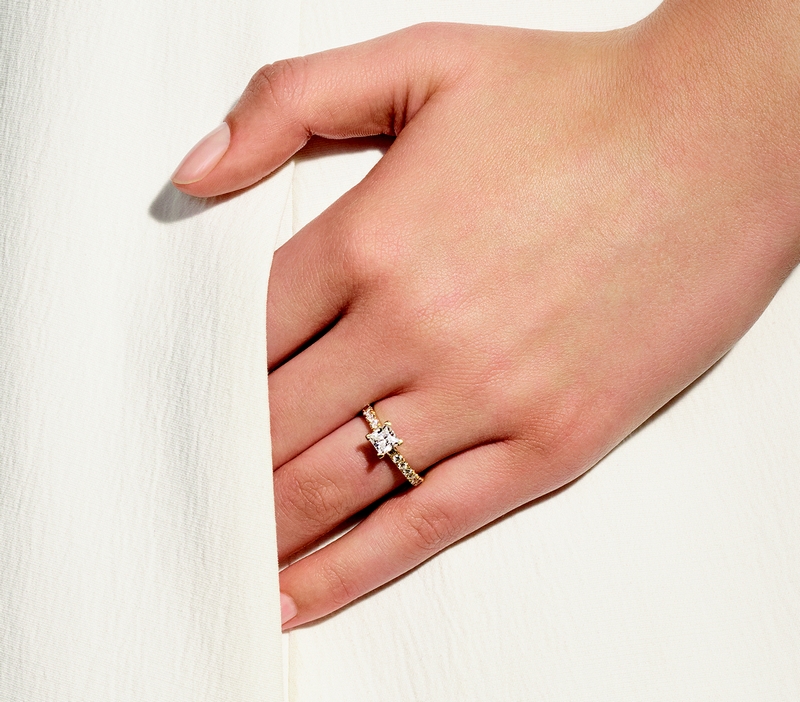
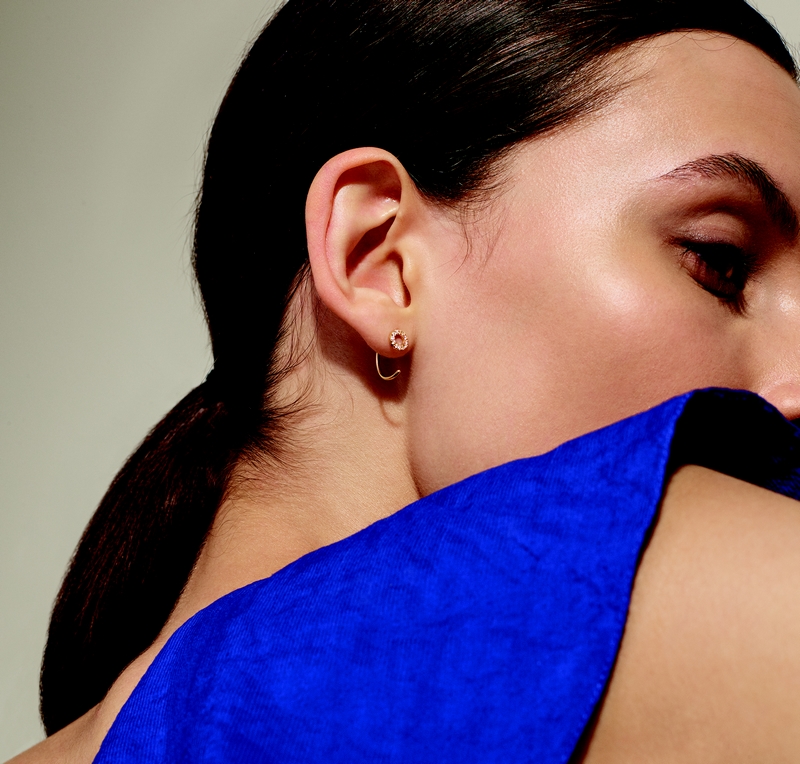
The fact that the brand is digital and specialises in lab-grown diamonds does not mean that it should be compared to Swarovski or worse still, Pandora! In fact, its most affordable lines could be more realistically compared to Tiffany’s and then upwards. The three key product categories catered for are Bridal Rings, Brand Coded Collections and Unique pieces, some may include the world’s biggest lab-grown diamonds commanding prices greater that 500,000 Euros!

“The collections revolve around themes of the universe and the planets that are dear to the brand”, says Courbet, “Fluid lines, strong statements of modern luxury, elongated and sparkling”. “The Courbet name was inspired by Place Vendôme itself,” say the co-founders, Marie-Ann Wachtmeister and Manuel Mallen. They “desired an artistic connotation and selected Gustave Courbet, the French rebel painter of nature and women, world-famous for his painting L’Origine du Monde. What’s more, Courbet once dismantled the Napoleonic pillar at the center of Place Vendôme as a testament to his desire for world peace and change”.

“We are signaling the coming of a new age on the Place Vendôme,” Manuel Mallen, co-founder of Courbet, said in an interview to The New York Times (8). “It is not by accident that we chose this name. The jewellery houses on the Place Vendôme know that their products have damaged the environment in one way or another,” Mr. Mallen said. “The time has come for change.”

This very interesting venture, a totally 21st Century brand with a 19th Century name is certainly one worth tracking. One cannot help wondering how the name will be pronounced by Americans, Japanese or the Chinese and how easy it will be to remember compared to the digital brands such as, Uber, Bolt or even the new jewellery start-up called 404 Place Vendôme which is not really at the Place and does not wish to be ‘disruptive’ or ‘to speak to Millenials’ but are totally aimed at them, offering personalised jewellery within 15 days from its fake virtual address named after the error code, « 404 not found ».

We would assume that anyone who loves fine jewellery, is against mining and the environmental harm that certain practices have had on this planet, will be interested in hearing what the co-founders of this dynamic digital brand have to say (video interview above).

We remain convinced that many brands may wish to copy the Courbet concept as quickly as possible. To copy its values and principles is relatively easy. To offer a different creative direction is also easily achievable. Competing with the numerous technical patents that Courbet have, will, however, be a much harder challenge. Courbet are aiming to keep raising the bar and setting the new standards for the world. How long before they are acquired by Richemont, LVMH, Kering or Fosun?

* “Place Vendôme, the Paris home of Haute Joiallerie where all the big jewellery names have their showrooms, has just had a makeover, reinstating its reputation as one of the most beautiful city squares in the world”- Suzy Menkes, Vogue Magazine UK, 2 Aug 2019. https://www.vogue.co.uk/article/suzyjewels-place-vendome-jewellers-change-settings-for-customers-and gemstones?fbclid=IwAR346d0rDIbPdSYfg4XV2mq5O0HtKQr4xWJRmfUJBEstsNA2bYYrPwig3o3


Philippe Mihailovich and Caroline Taylor (PhD Researcher, GIC-CUG) are luxury brand consultants at HAUTeLUXE and Visiting Professors of Luxury Brand Management at leading business, fashion and jewellery schools in both Paris and China. They are also Paris representatives and contributors to 2LUXURY2.com.

(1) https://www.jckonline.com/editorial-article/lab-created-diamonds-eco-friendly/
(2) https://www.nytimes.com/2018/09/11/style/jewelry-courbet-synthetic-diamonds.html
(3) https://www.diamondportfolio.com.au/investor-centre/market-information/de-beers-monopoly-broken/
(4) https://www.reuters.com/article/us-diamonds-debeers-synthetic-analysis/lab-grown-diamond-prices-slide-as-de-beers-fights-back-idUSKCN1OK0MQ
(5) https://www.bloomberg.com/news/articles/2018-09-04/lab-made-diamonds-for-less-why-de-beers-s-plan-worries-rivals
(6) https://salmanzafar.me/digital-carbon-footprint/
(7) https://www.jckonline.com/editorial-article/lab-created-diamonds-eco-friendly/
(8) https://www.nytimes.com/2018/09/11/style/jewelry-courbet-synthetic-diamonds.html
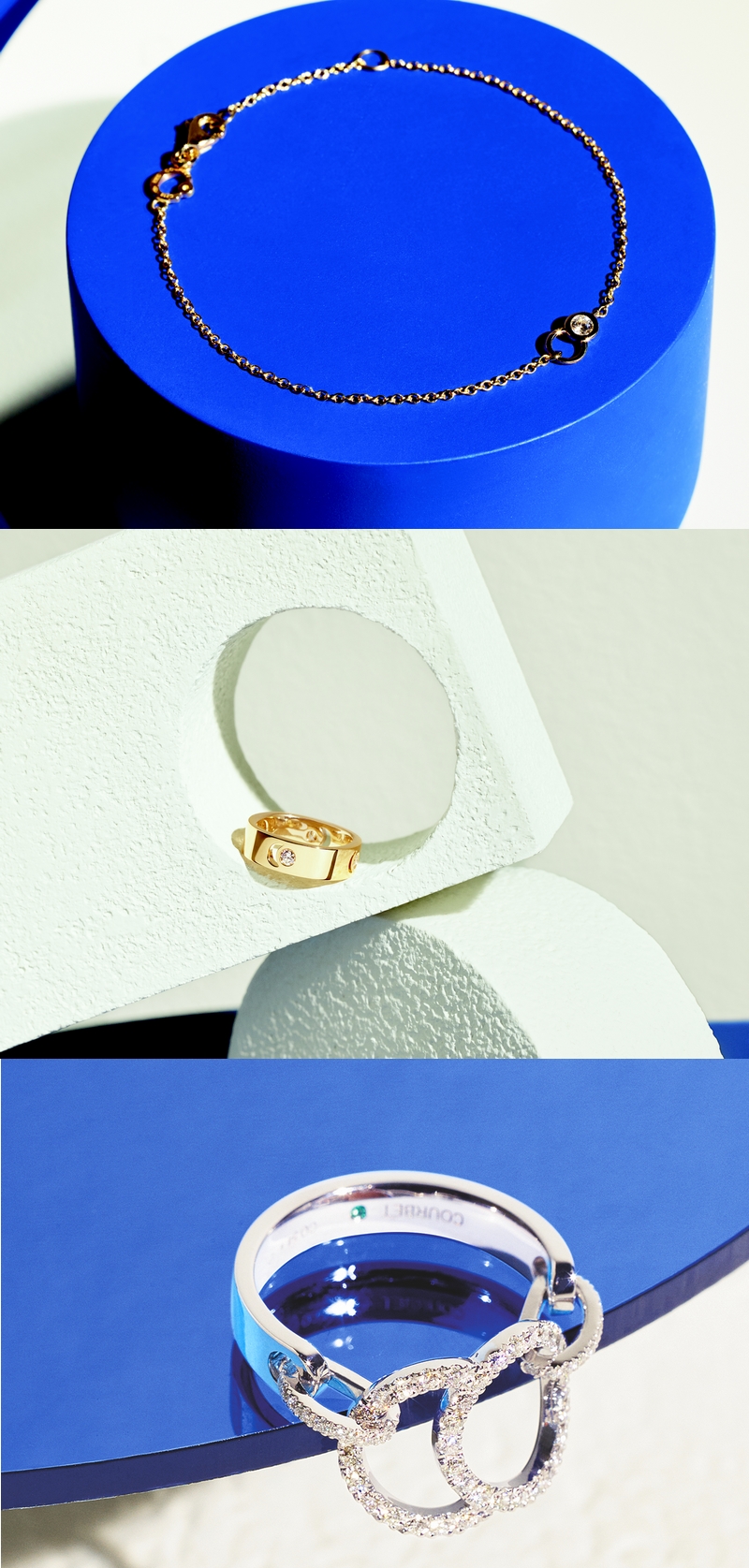
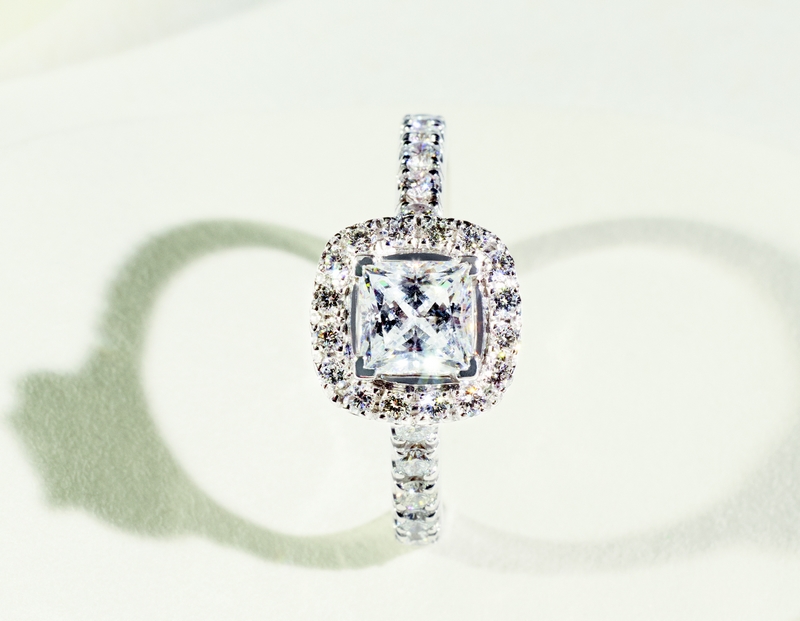
Courbet Jewelry Brand - 2019 portfolio
@Courbet
Courbet_Celebration_HaloPrincesse_still_life
Courbet – Place Vendôme Fine Jewellery Maison ; @en.courbet.com
Courbet Jewelry Brand - 2019 portfolio -
Courbet – Place Vendôme Fine Jewellery Maison ; @en.courbet.com
Courbet Jewelry Brand - 2019 -2luxury2-05
Courbet – Place Vendôme Fine Jewellery Maison ; @en.courbet.com
Courbet Jewelry Brand - 2019 -2luxury2-04
Courbet – Place Vendôme Fine Jewellery Maison ; @en.courbet.com
Courbet Jewelry Brand - 2019 -2luxury2-04- earrings
Courbet – Place Vendôme Fine Jewellery Maison ; @en.courbet.com
Courbet Jewelry Brand - 2019 -2luxury2-03
Courbet – Place Vendôme Fine Jewellery Maison ; @en.courbet.com
Courbet Jewelry Brand - 2019 -2luxury2-01
Courbet – Place Vendôme Fine Jewellery Maison ; @en.courbet.com

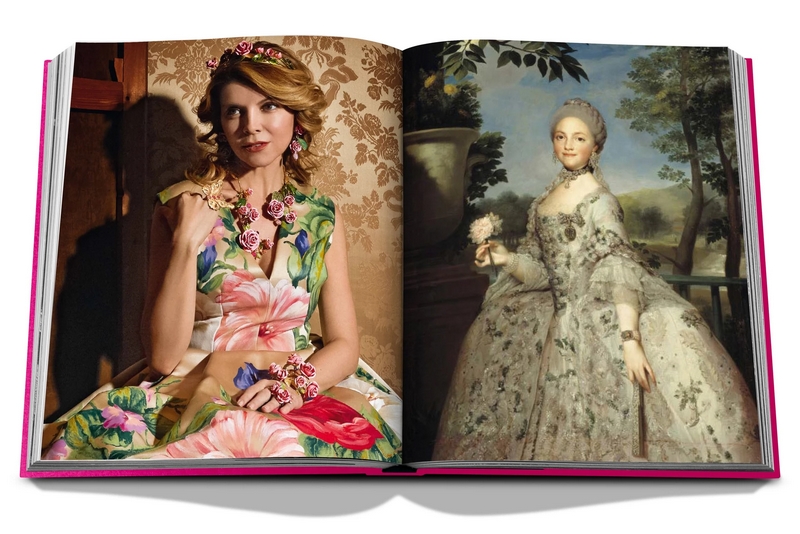
The queens of Alta Moda photographed by Domenico Dolce

    Domenico Dolce and Stefano Gabbana’s coffee table book presents the queens of Alta Moda. Each Dolce and Stefano Gabbana’s fashion queen tells her own story. “I think a queen’s job is very difficult,” Domenico Dolce told townandcountrymag.com. Domenico Dolce began photographing the most beautiful women of his Alta Moda two years ago. The … Read more
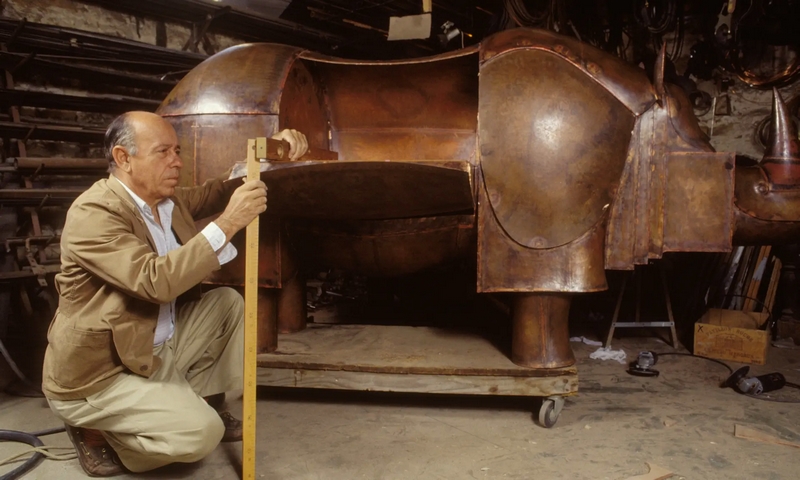
Fantastique beasts: cult art from the Lalannes’ private collection to go on sale

Surreal works from the home of François-Xavier Lalanne and his wife Claude expected to fetch up to £20m

The Chinese now Competing on La Place Vendôme!


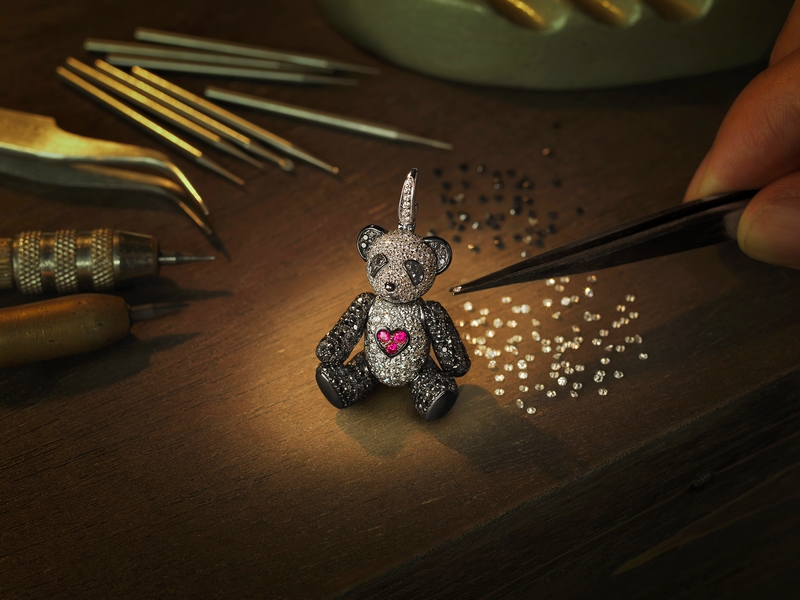
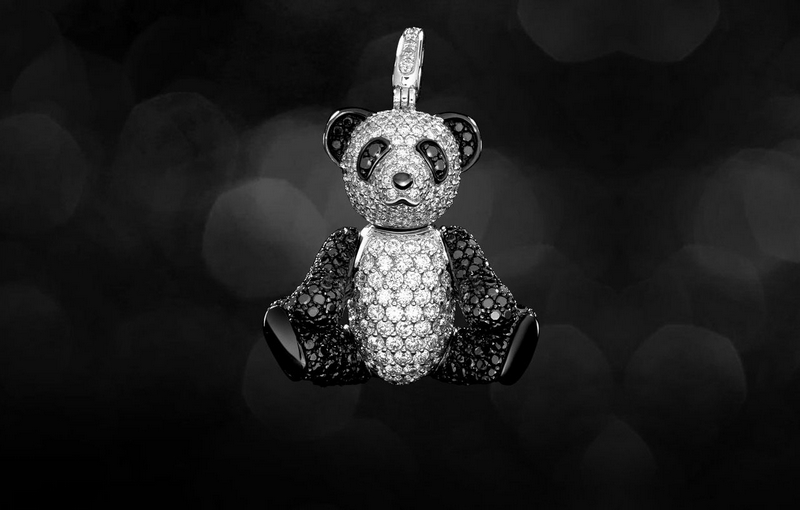
Qeelin Chinese luxury jewellery brand Pandas
Qeelin jewellery pandas; qeelin.com

By Philippe Mihailovich & Caroline Taylor

Paris Haute Joaillerie (High Jewellery) Week is attached to the Haute Couture Fashion Week so that high-end fashion clients visiting Paris can be tempted to purchase gorgeous jewellery to complement their dresses or vice versa. This year’s Fall/Winter 19/20 shows began on the 30th June so by the 1st July the likes of Boucheron, Chanel Joaillerie, Chaumet, Louis Vuitton Joaillerie, Anna Hu and Mikimoto opened their exhibitions for press and EIPs from one to four days on the official calendar. The Haute Joaillerie presentations are almost always held at the Place Vendôme.

One of the original reasons for the fame of this prestigious ‘place’ was due to the famous aristocrats who lived on the place. Positioned strategically between the Tuileries Gardens and Opera Garnier, the wealthy elite would regularly stroll by. The famed Ritz was the first hotel on the place and has historically attracted the super-wealthy and influential from all over the world and still does. Mademoiselle Chanel lived there until the end of her life.

Fréderic Boucheron was the first to seize the opportunity in 1893 to relocate his business from the arcades of the Palais Royal nearby to become the first jewellery ‘maison’ on the Place Vendôme and competitors soon followed. To be a jewellery brand on the Place today partly states that the house is able to produce high jewellery but also implies that it aims to set the standards for the world.

This particular fashion week was a Kering Group special. Not only was it a great time to open the doors of their refurbished Boucheron maison – which includes a private apartment for guests to rent that has a bath overlooking the Place – it also allows the house to deepen its links to Ritz. It is the Ritz, in fact, that services the space. Boucheron has also Chinese-ified the house by restoring a little Chinese “styled” room and now even dresses staff in what seems to be a Westernised interpretation of the Mandarin gown, also known as Qipao or Cheongsam.

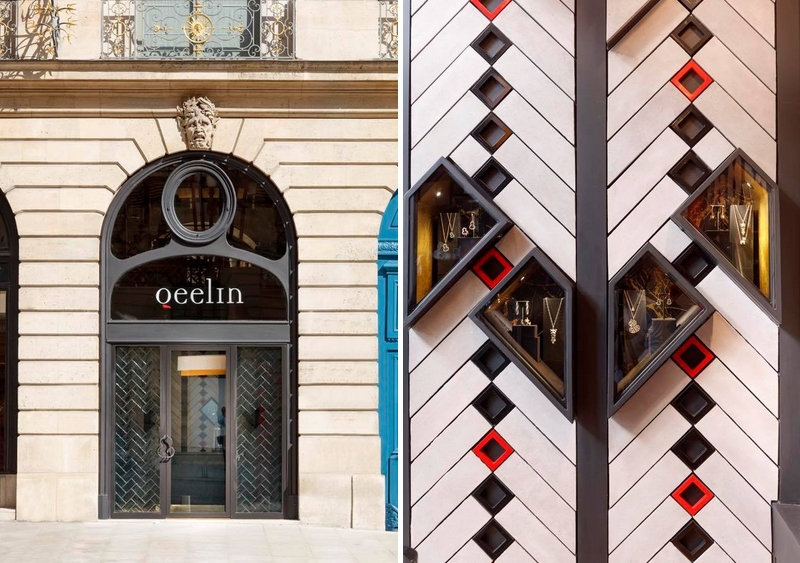
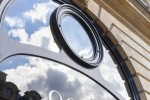
qeelin place vendome paris boutique opening 2019
@qeelin.com

A few hundred meters away, a few steps from the Chanel Joaillerie maison, Kering also used this fashion week to officially open its Gucci High Jewellery boutique. This move follows the trend of strong fashion brands such as Dior and Chanel entering the Place Vendôme using their well-established fashion universes to challenge the old established jewellery houses that are better known for their product creations than for their brand universes. However, unlike Chanel and Dior who employed expert high jewellery designers to enter this field with legitimacy, Gucci’s jewellery designer is their fashion designer, Alessandro Michele, who was notably not at this low key opening.

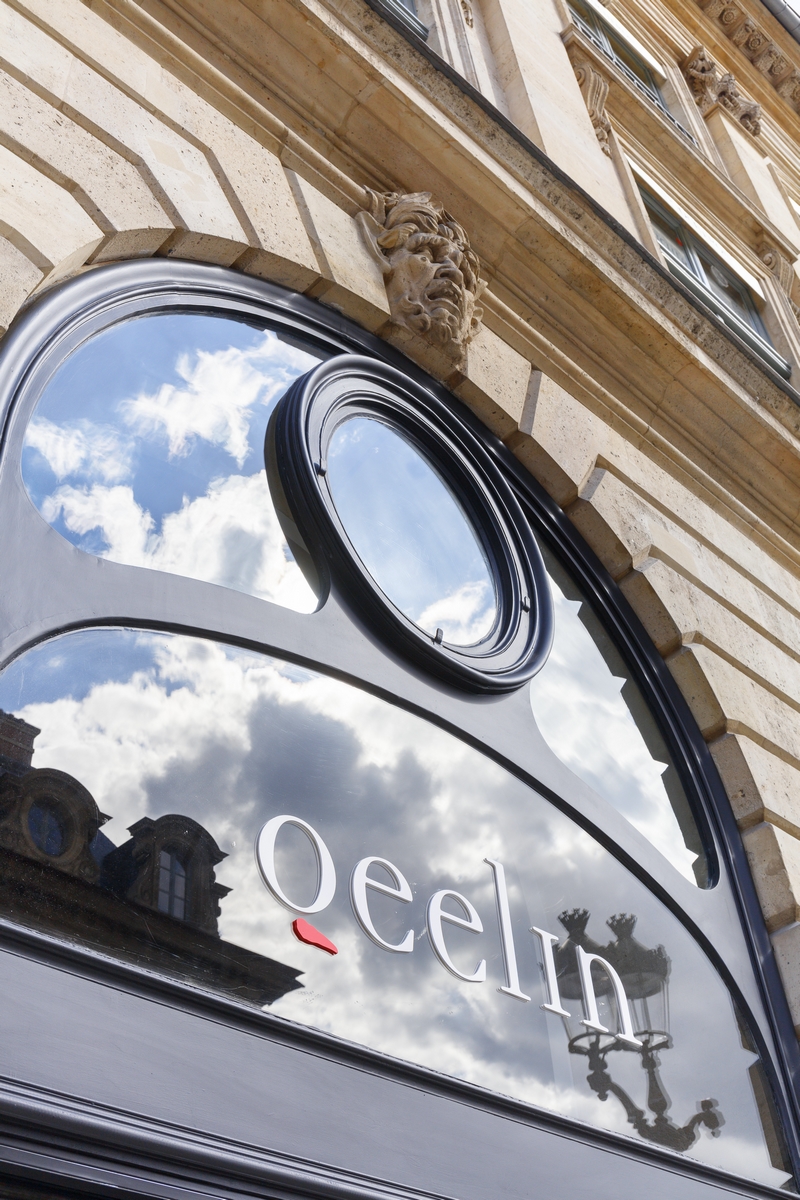
Right next door to Boucheron was the long-awaited opening of Kering Group’s Qeelin brand claiming to be “The First Chinese Jeweller Boutique to open on the Place Vendôme”. Indeed it is, although a few hundred meters away, in the same street across the road, one can find the recently formed Chinese high jewellery house, TTF that only opened its doors this time last year – but technically the street name is not the same.

Qeelin can certainly claim to be the first Chinese ‘luxury’ jewellery brand to have opened in Paris having initially presented itself at the prestigious Crillon Hotel and then at the iconic fashion concept store, Colette followed at by a corner Galeries Lafayette. Then, just as sister house Boucheron had done in the 19th century, the brand opened its first stand-alone boutique at the prestigious Palais Royal in 2007 –- but this secretive luxury shopping area is not one that many tourists, especially American and Chinese tourists, are aware of. Place Vendôme will clearly boost the brand’s visibility with both Western and Chinese tourists alike.

Qeelin Chinese luxury jewellery brand window 2019
@qeelin.com
Qeelin Chinese luxury jewellery brand 2019-04
@qeelin.com

Should the World’s great European Maisons of the Place Vendôme be worried? To some extent, yes.

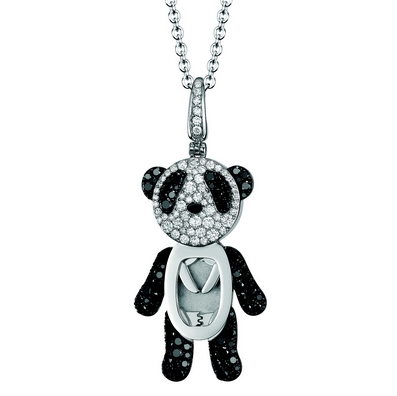
Qeelin is clearly a brilliant jewellery marketing and design concept with a product range created to appeal primarily to the Chinese. The same can be said for TTF. Whilst TTF has traditionally focused on Chinese New Year collections and Jadeite – things that Westerners care little about, Qeelin focuses on cutesy things and charms linked to Chinese heritage that are not sure to also win over western shoppers although some, such as the Panda/Teddy Bear, clearly can.

Having said that, what would be the situation of the Parisian luxury houses be today if they were not attracting Chinese customers? So yes, these houses should be worried because the new generation of Chinese shoppers are proud to buy Chinese brands – especially if they see their brands competing against the best in Paris at the best locations in Paris! The Chinese are travelling more frequently than ever and as Qeelin aims to represent the Chinese heart & culture, the challenge to Western brands is huge.

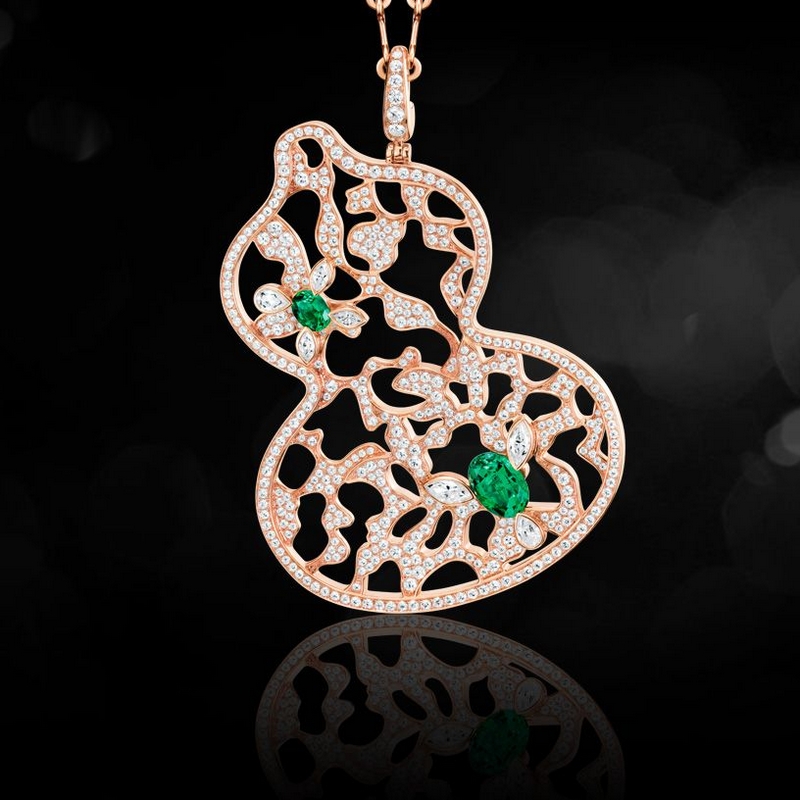
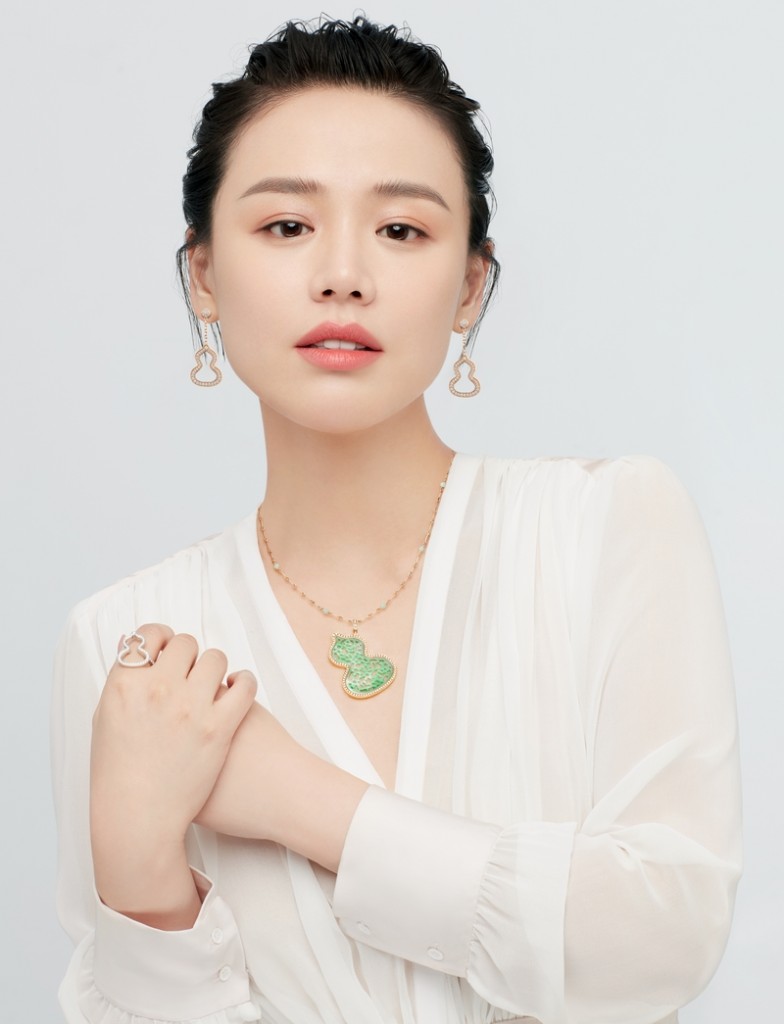
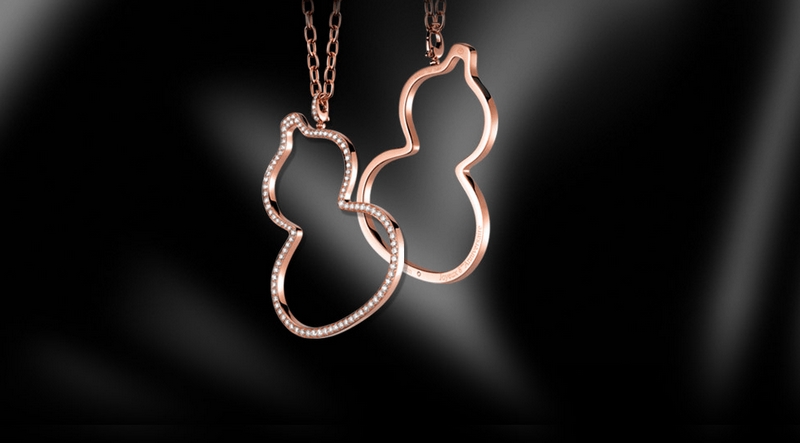
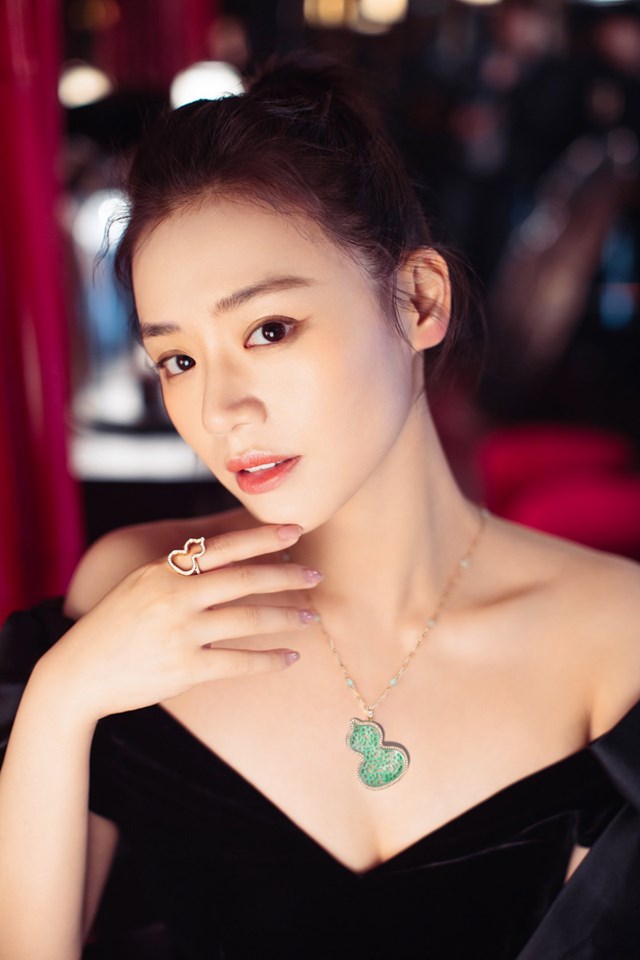
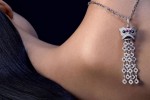
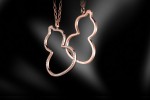
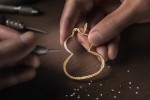
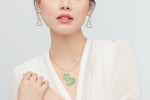
On top of which, Qeelin now has Sandra Ma, a famous actress in mainland China, as the face of their brand. Chinese actresses are not a new strategic move for the brand, they are part of its DNA. In fact, Qeelin first made headlines when the popular actress Maggie Cheung wore its Wulu ‘lucky charm’ while receiving the Gold Palm Award for “Best Actress” at the 2004 Cannes Film Festival. Qeelin is now famous for recurrent motifs like ‘Wulu’, a sort of enlarged figure 8, a symbol of good fortune in China, as well as the little pandas called ‘BoBo’ and ‘haha’ panda.

The brand has a contemporary design positioning, cleverly drawing inspiration from Chinese ideograms and symbols that are loaded with meaning that have not as yet been exploited by other brands. Qeelin was conceptualised and founded in 2004 by industrial designer and artistic director Dennis Chan (interviewed above) and French businessman Guillaume Brochard, who then left the business in 2015.

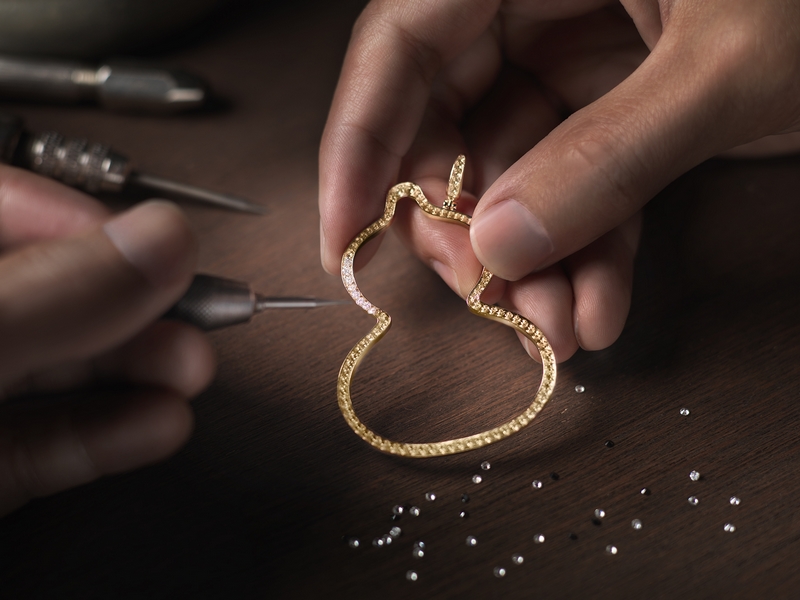
Not only is Chan a brilliant international award-winning designer that has lived and worked in Hong Kong and London, his designs have been exhibited at the Louvre in Paris and the Museum of Modern Art in New York. Like the great Karl Lagerfeld, Chan is focused on creating icons and iconic concepts and is succeeding in doing so. Already in the brand name we find a clever hidden link to his name – its part of his Chinese name as well as carrying a strong Chinese meaning, that of the Qilin- a legendary Chinese gourd, an auspicious Chinese mythical animal and an icon of love.

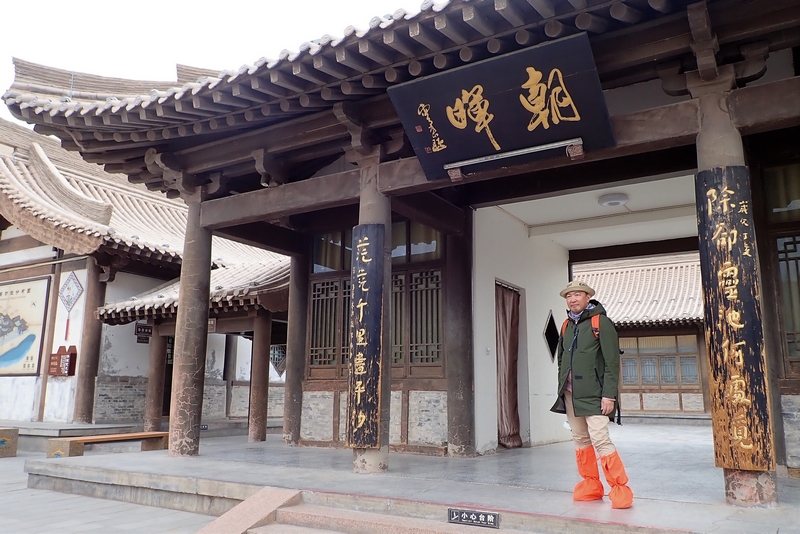
It all began on a trip that Hong Kong-born Chan did in 1997 following the footsteps of the legendary Marco Polo to the Buddhist Mogao Caves in Dunhuang – a former checkpoint on the Silk Road – seven hundred years ago when China was way ahead of the world in producing luxury goods and even in reading and writing. “At that time, European travellers who endeavoured to discover the East were awe-struck by the grandeur of China: its art, its crafts, its literature and its civilization,” explains Chan. In our video interview he shares his fascination with Chinese culture, because he too is new to it.

Qeelin Chinese luxury jewellery brand symbols 2019
@qeelin.com


qeelin.com
Qeelin industrial designer and artistic director Dennis Chan; @qeelin.com

It was in the city of Dunhuang, Gobi desert that Dennis Chan had a premonition of Qeelin’s identity. Much inspired by the statues of 1000 years old. He wanted to bring it back. He imagined “a jewellery brand that would pay tribute to Chinese culture, its expertise and heritage: a brand that would surely remind the west of its tropism for the far east in the time of Marco Polo, perpetuating centuries of cultural exchanges”.

That is the spirit that inspired him to found Qeelin, which, backed by Kering, has developed a substantial retail presence, operating nearly 40 mono-brand stores, mostly across Asia, the USA and France including shop-in-shops, and present now in the new boutique on Place Vendôme, commemorating the brand’s fifteenth anniversary.

Unlike TTF’s Artistic Director Harry Wu who is from Mainland China and created his brand as a fusion of both French and Chinese designers and craftsmen, Chan has a distance from both mainland and France, having perhaps more of a British mentality designing very strategically but always with a smile. Qeelin creates exquisite jewellery intended for daily wear that is meaningful, contemporary, and universal. It aims to bring a touch of playfulness and surprise into the world of fine jewellery. “HAHA” represents “happiness” (playfulness) and “harmony”, expressed through the amiable nature of the panda, a Chinese icon in itself.

The brand is now shifting from accessible jewellery upwards for the Cannes film festival and downwards towards greater accessibility. Chan’s latest hobby is rap and hip-hop music. The freedom in hip-hop is visually expressed through Chan’s sartorial style and the playful styling of his fine jewellery on men and women. Chan currently composes and produces music for fun – but fans are awaiting yet another breakthrough in his career when he brings his musical insights into his jewellery designs. This may be the right way for Qeelin to extend its appeal to Westerners. Let’s wait and see.


Philippe Mihailovich and Caroline Taylor are luxury brand consultants at HAUTeLUXE and Visiting Professors of Luxury Brand Management at leading business, fashion and jewellery schools in both Paris and China. They are also Paris representatives and contributors to 2LUXURY2.com.

Sandra Ma featuring Place Vendome Limited edition
Sandra Ma featuring Qeelin Place Vendome Limited edition; @qeelin.com
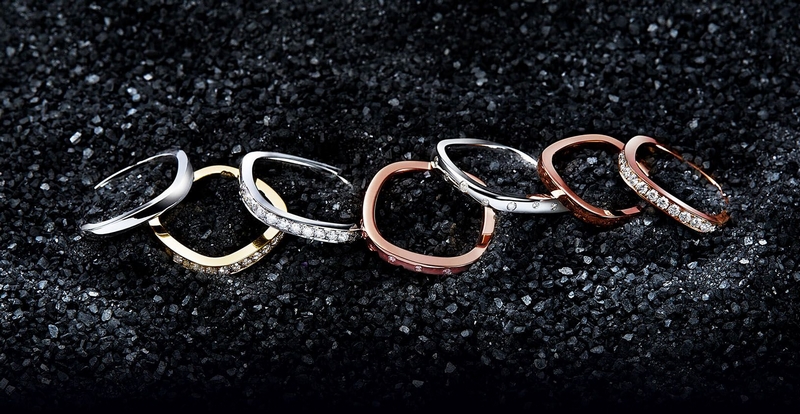
Qeelin Tien Di collection is neither circle nor square., celebrating harmony and everlasting love
Qeelin Tien Di collection is neither circle nor square., celebrating harmony and everlasting love; @qeelin.com
Qeelin Chinese luxury jewellery brand portfolio 2019-
@qeelin.com
Qeelin Chinese luxury jewellery brand 2019-02
@qeelin.com
Qeelin Chinese luxury jewellery brand portfolio 2019- Panda
@qeelin.com
Qeelin Chinese luxury jewellery brand 2019-03
@qeelin.com
Qeelin Chinese luxury jewellery brand campaign 2019
Sandra Ma for @qeelin.com
Qeelin Chinese luxury jewellery brand 2019-01
@qeelin.com