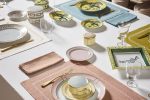
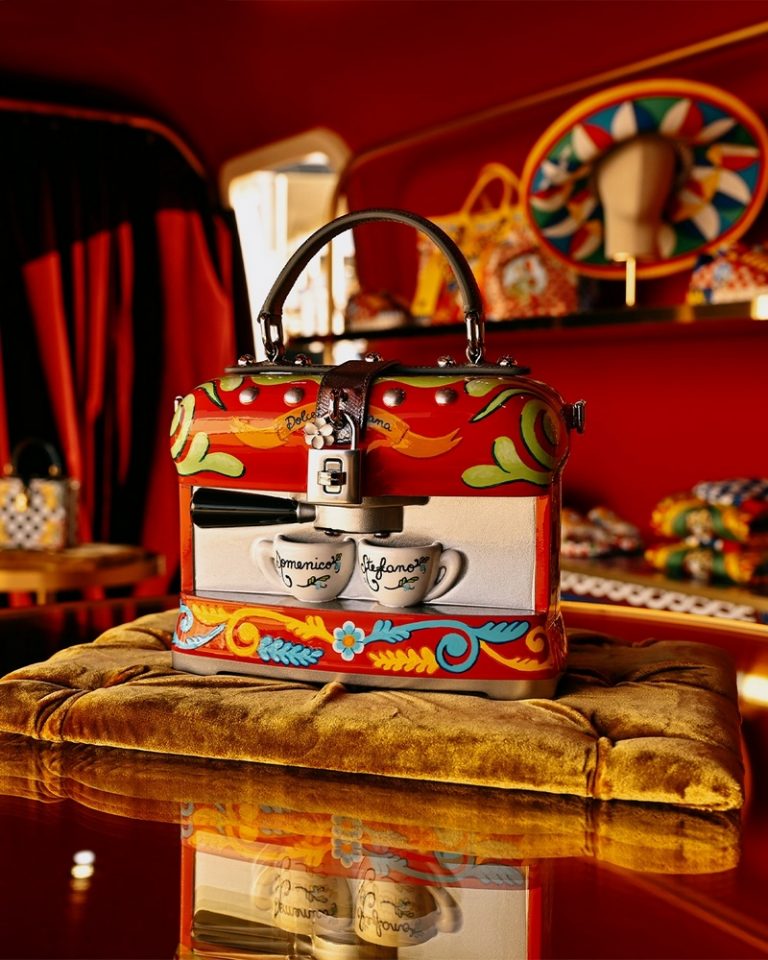
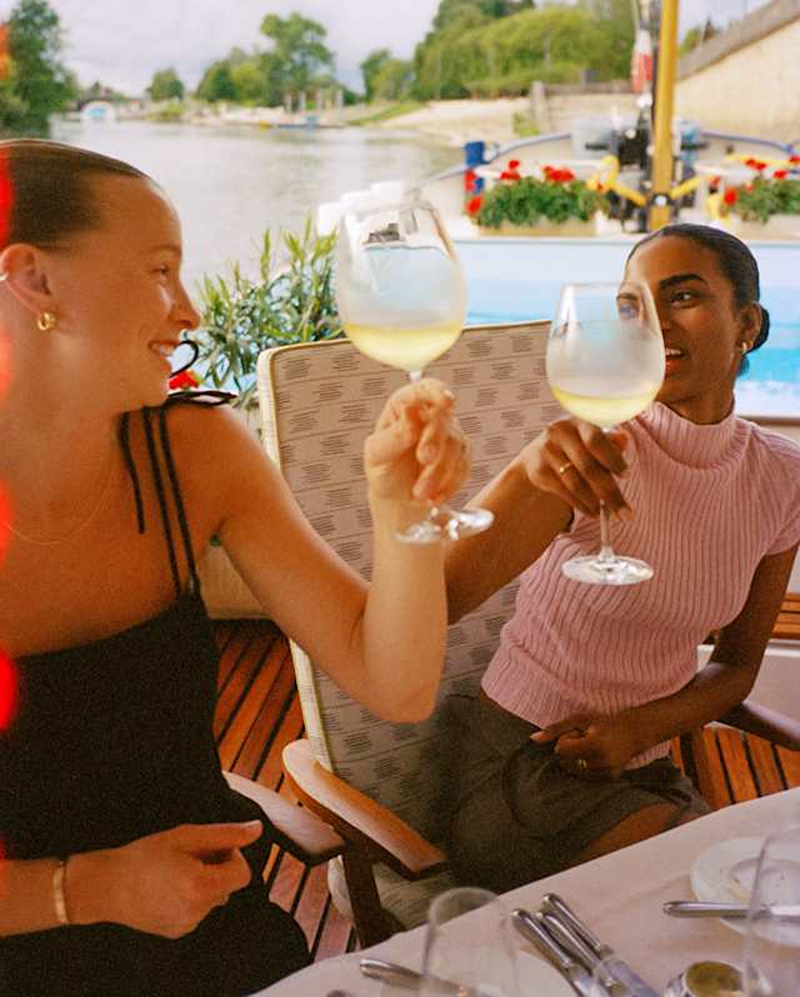
Forget everything you know about “fine china.” The strict, matching service your grandmother curated? It’s out. The rulebook is not just being rewritten; it’s being joyfully tossed onto a fire fueled by artisanal creativity and a thirst for individual expression. In 2026, the luxury dining landscape — the sophisticated “Art de la Table” — is defined by one phrase: The New Table Manners.
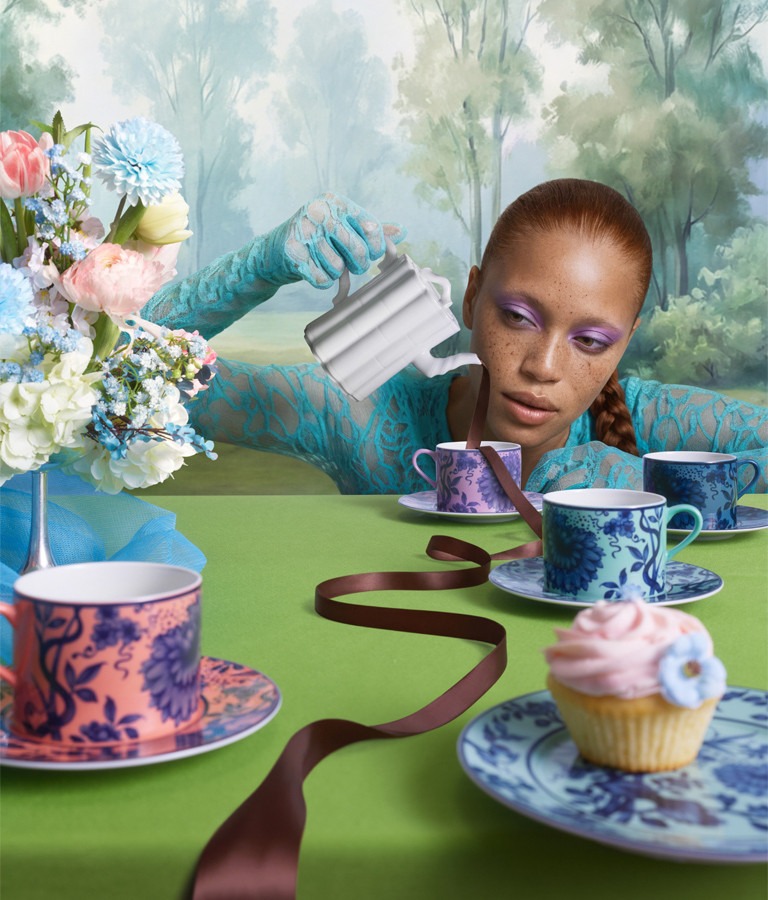
“Luxury isn’t about the ‘special occasion’; it’s about the beauty found in the mundane.”
It is a world where pattern clashing is encouraged, sustainability is sensory, and a €500 dessert plate might share a table with a vintage ceramic bowl found on a trip to Lisbon. This revolution is curated, highly intentional, and dominated by a roster of heritage powerhouses that have masterfully blended centuries of craftsmanship with contemporary edge. This is our definitive guide to the novelties and trends shaping the high-end table in 2026.
1. THE ERA OF MIX-AND-MATCH MAXIMALISM
The most disruptive trend of 2026 is the decisive end of uniformity. Brands are no longer selling complete sets; they are selling vocabularies. You are the author. The goal is a table that looks like it was curated over a lifetime, even if you bought it all yesterday.
The Manifesto Brand: Ginori 1735
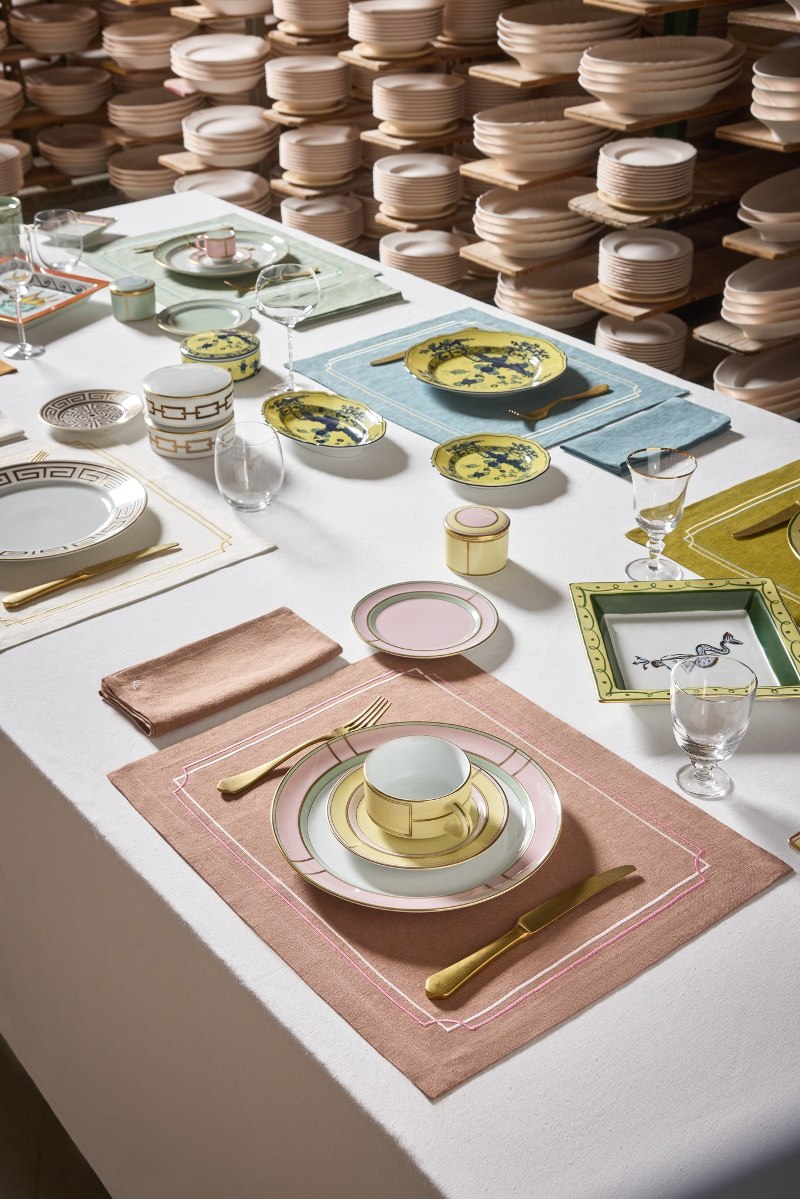
If one brand owns this narrative, it is Ginori 1735. Their iconic Oriente Italiano line — an orientalist floral pattern first conceived by Gio Ponti — has become the global foundation for the mix-and-match movement. The brand’s overarching campaign, “The New Table Manners,” has become a genuine cultural manifesto for personal expression at the table, explicitly dismantling the dogma of the formal, matched dinner service.
The face of this revolution is actor Jake Gyllenhaal, whose multi-year “Crafting Beauty for Life” campaign with Ginori 1735 has redefined the celebrity brand ambassador. Away from the red carpet, Gyllenhaal is depicted in intimate settings — morning coffee rituals centered around the geometric Catene and Labirinto collections, and hosting mismatched dinner parties. It is a masterclass in how heritage brands appeal to a new generation by emphasizing that luxury is not about the ‘special occasion’; it’s about the beauty found in the mundane.

Surrealist Poetry: Fornasetti
Right beside them, creating surrealist poetry, is Fornasetti. Known for the obsessive repetition of opera singer Lina Cavalieri’s face — a figure Piero Fornasetti became captivated by after discovering her portrait in a 19th-century magazine — Fornasetti pieces are not tableware; they are functional art. A single, bold Fornasetti charger acts as a conversation starter, instantly anchoring a mismatched table with high-concept wit.
Cultural Fusion: Vista Alegre & Bernardaud
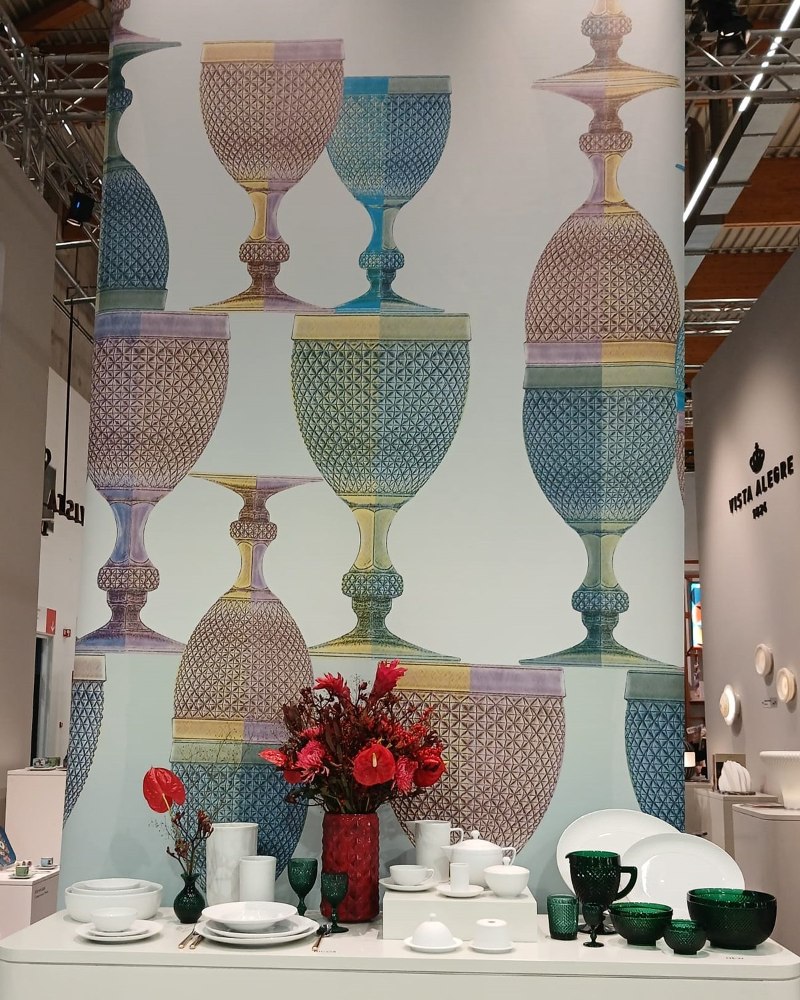
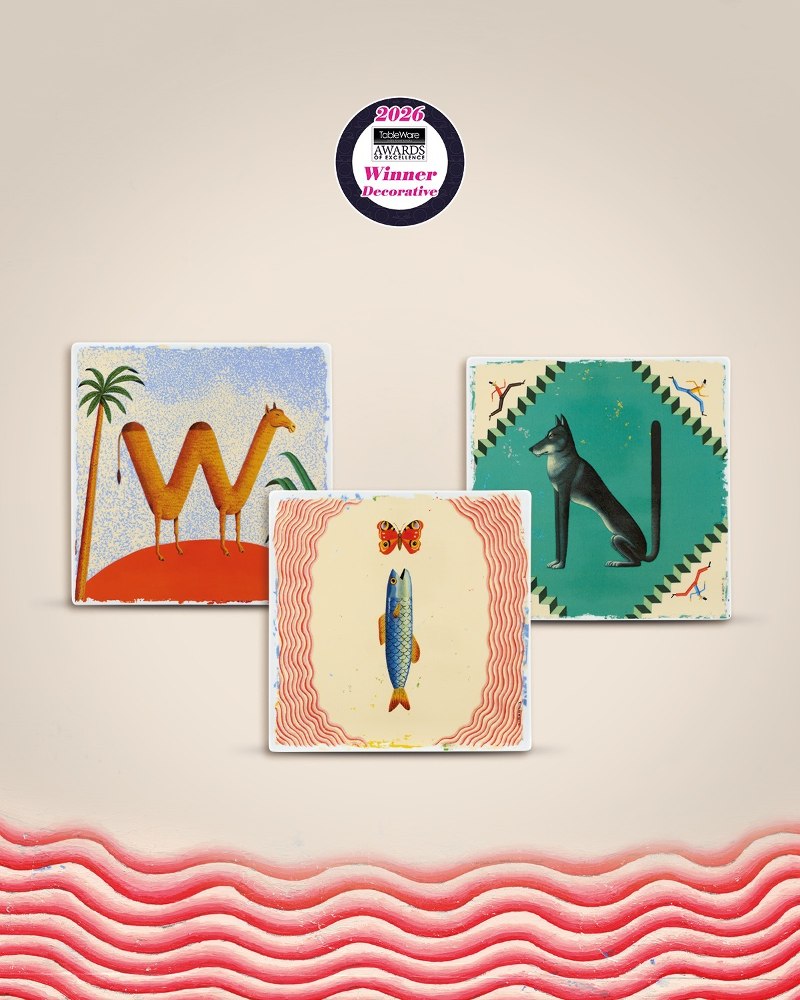
This maximalism is not just about chaos; it’s about storytelling. Vista Alegre of Portugal has mastered this. Their Vida Alegre collection, which took home a 2026 Tableware International Award of Excellence in the Decorative category, combines diverse global aesthetics into a coherent, vibrant story — a significant commercial and critical recognition for the Iberian house.
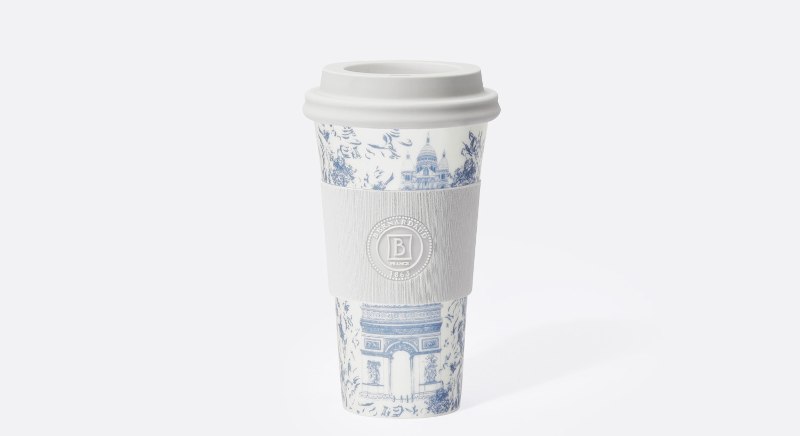
Bernardaud (France) approaches maximalism through the lens of contemporary art, and their collaborations have never been more ambitious. Their recent work with American artist Jeff Koons produced “Lobster” — a monumental porcelain sculpture produced in 99 editions, inspired by his iconic inflatable lobster and the tradition of French royal table centrepieces. In a parallel gesture toward emerging talent, the Fondation Bernardaud has launched an unprecedented open call for 2026, inviting international ceramic artists aged 18 to 40 to exhibit at their historic Limoges manufactory from mid-2026 through early 2027. A Bernardaud acquisition today is less about a full dining set and more about collecting limited-edition, artist-designed objects that transform a meal into an exhibition.
2. THE RISE OF SENSORY MINIMALISM
While one side of the luxury table is loud, the other is finding profound beauty in silence. This is “Quiet Luxury 2.0” — a minimalist aesthetic with a warm, tactile twist. The focus is on “Warm Minimalism”: surfaces designed to be touched, not just seen.
Modern Masters: Rosenthal
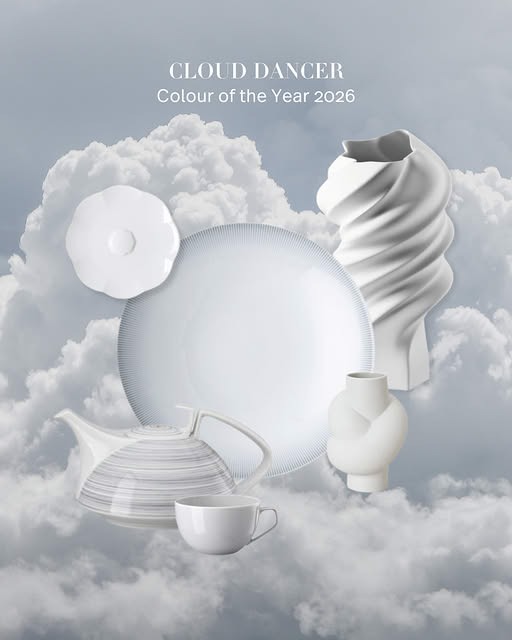
Rosenthal is the vanguard of this movement. Their award-winning Sonetto collection, which won the German Design Award 2025 in the “Excellent Product Design – Tabletop” category and launched from early 2025, is a textbook example of the trend. Rather than applied ornament, Sonetto achieves complexity through the interplay of materials — delicate porcelain plates with organic, trompe-l’oeil floral centres, contrasted against stoneware pieces with a raw, handmade aesthetic and robust shapes. It is beauty achieved through restraint and materiality rather than decoration.
In a different register, Rosenthal’s ongoing collaboration with Swarovski through the IDYLLIA collection continues to expand into 2026, celebrating the beauty of flora and fauna with crystal-enhanced forms. And the legendary Maria collection — the best-selling tableware shape of all time, with over five million cups sold in 25 years — continues its evolution with pastel colorways like Pale Orchid and Dream Blue, proving that even an icon can find new relevance.
Tactile Authority: Villeroy & Boch
Villeroy & Boch leads the “sensory surface” movement with conviction. Their Manufacture Rock collection brings a dark, matte slate look to the table, providing a deep, tactile canvas that makes food look vibrant. The NewMoon collection plays with asymmetry through a rim shaped like a crescent moon, drawing the eye without overwhelming the setting. Together, these collections demonstrate a core brand proposition: that a powerful table statement can be entirely quiet, using shadow, texture, and silhouette rather than pattern.

The first truly sustainable fine jewelry collection by a global luxury brand using 100% certified recycled gold
Find more hidden gems in our archiveTHE CURATED CALENDAR
Discover the world’s most prestigious gatherings & exhibitions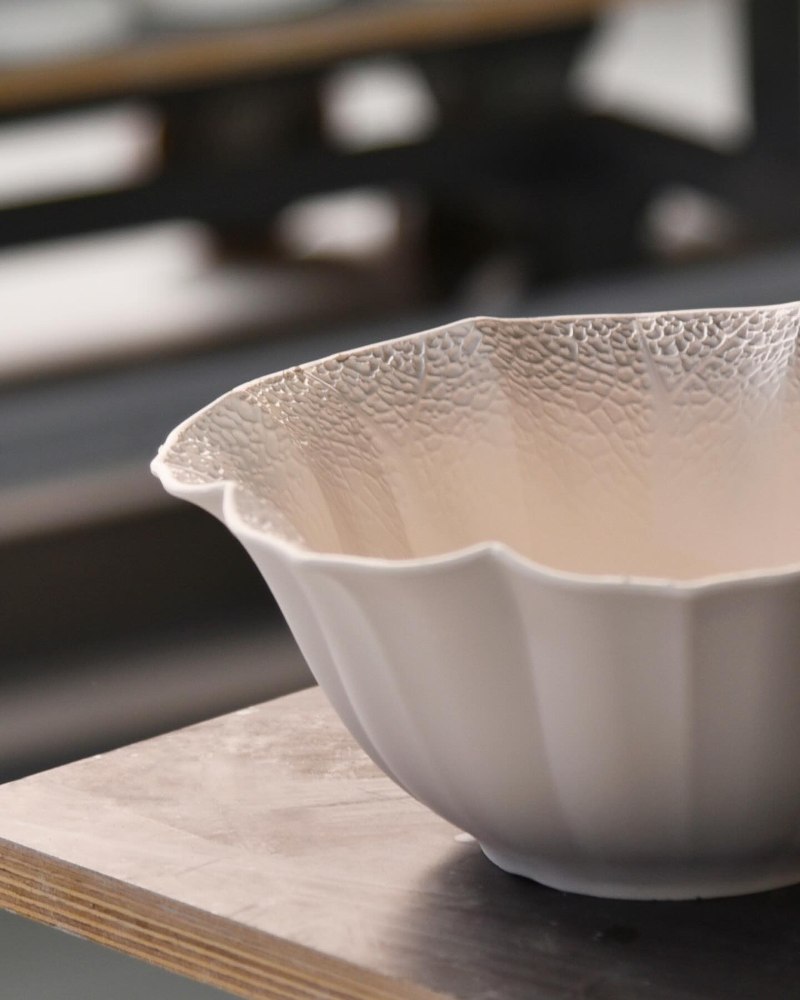
3. THE INVESTMENT COLLECTIBLES
For the serious connoisseur, the traditional titans of luxury remain essential, but even they are embracing the shift.
Colour in Motion: Hermès en Contrepoint
Far from the “A Sonata in White” described by some observers, Hermès’ most celebrated recent tableware achievement is anything but monochromatic. Hermès en Contrepoint — officially cited as one of the standout successes of 2025 in the brand’s own full-year financial results — is a 33-piece porcelain service hand-painted in watercolour by Irish artist Nigel Peake. Inspired by musical counterpoint, each of the 33 pieces carries its own frieze in a different shade, ranging across thirty colours from soft pinks and violets to vivid blues, greens, and oranges. Rather than dictating a singular arrangement, the collection’s genius lies in its infinite combinability — the ultimate expression of the mix-and-match ethos at a supreme level of refinement.
Underlining their long-term commitment to the category, Hermès is investing heavily in tableware production capacity, with a new manufacturing site under construction in Couzeix, Haute-Vienne, announced in 2025.
Crystal Redefined: Baccarat
Baccarat crystal remains unrivaled for its weight and light-refracting clarity. The house has long embraced the “everyday crystal” trend through its aptly named Everyday Baccarat collection — six perfectly crafted cut crystal glasses in different creative patterns, designed to accompany you from morning juice to evening aperitif.
But it is Baccarat’s collaborations that are generating real cultural conversation. Their recent partnership with New York- and Paris-based designer Harry Nuriev is a striking case in point. Nuriev’s “transformism” approach reimagines the maison’s historic Zénith chandelier by embedding fragments of everyday life — pens, jewellery, bottle caps, CDs — into its crystal arms and prisms. The resulting limited editions (including the Harcourt Black Set, restricted to just 26 pieces) blur the boundary between utility and cultural artefact. The collaboration also extends to the iconic Harcourt glassware, engraved with celebratory words and motifs.
The Enduring Archive: Meissen
Europe’s oldest porcelain manufactory — founded in 1710 in Saxony — maintains its investment-grade status through rigorous stewardship of history. The Meissen Exclusive Collection draws directly on original moulds, revisiting the most important porcelain pieces from the manufactory’s greatest artists, including the progressive modelling work of Johann Joachim Kändler and the experimental colour mastery of Johann Gregorius Höroldt. Each piece in this series is strictly limited, with only a few copies producible per year, preserving the rarity that defines true investment-grade porcelain.
THE FUTURE: HOW GEN ALPHA WILL RESHAPE THE TABLE
If Gen Z pushed Art de la Table toward sustainability and curated individual expression, Gen Alpha (born approximately 2010 onwards) and their immediate successors are about to dismantle fine dining altogether and rebuild it around a single concept: the Immersive Experience. By 2035, the distinction between a “formal” and “casual” table may well be meaningless.
Predicted Transformation 1: The Phygital Table
Gen Alpha is the first true “phygital” generation — digital and physical simultaneously. The table of 2035 will feature integrated technology: smart surfaces, embedded light systems, and augmented reality layers. Imagine a Fornasetti plate where the repeating face, viewed through AR, reveals a brief animation; or a Hermès service where the watercolour friezes, scanned through an app, unlock the story of their creation in Limoges. Fine china will become a programmable canvas.
Predicted Transformation 2: Extreme Customisation
Alpha consumers, raised on bespoke digital experiences, will reject mass production at a luxury level. They will treat high-end porcelain as highly sophisticated raw material for personal expression. A service from Bernardaud — already working with artists to push porcelain into entirely new formal territory — might ultimately involve a client sending a digital file of a texture, a landscape, or even the waveform of a favourite piece of music, which the heritage manufactory then executes in hand-finished porcelain. Every piece will be a 1-of-1.
Predicted Transformation 3: Sustainability as Luxury Identity
For Alpha, sustainability will not be a checkbox; it will be a core component of luxury itself. The highest-end brands will not simply use recycled materials — they will develop hyper-local, low-impact composites that carry a traceable, circular story. Luxury will be defined not by scarcity alone, but by the sophistication of a material’s full lifecycle narrative, from raw mineral to responsible end of life. We are seeing the early signals in 2026: Villeroy & Boch’s long-lived, buy-once design philosophy; Bernardaud’s deep investment in artisanal, locally-rooted production in Limoges. The next decade will push these commitments to their logical extreme.
The table has always been a mirror of the culture that gathers around it. In 2026, it reflects a world that wants beauty without hierarchy, craft without convention, and luxury that belongs not to the occasion, but to the everyday.