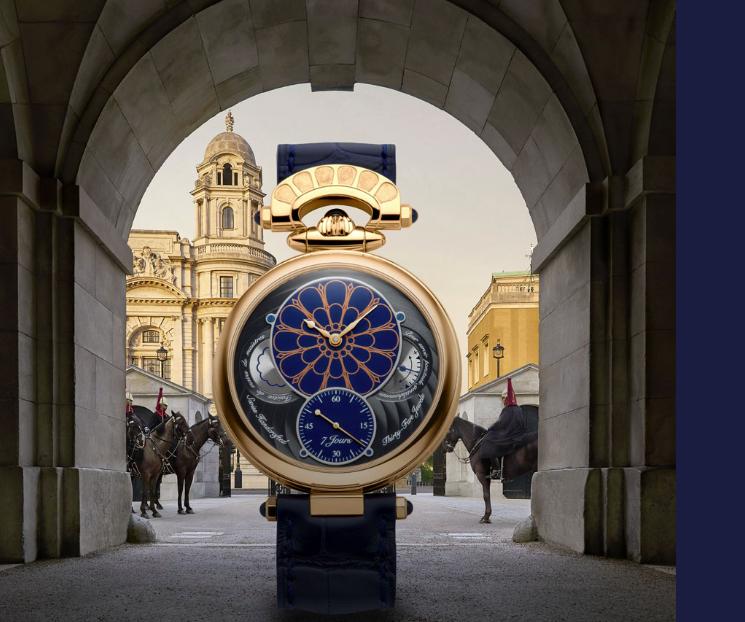
What do the rich do in their spare time except count their money and admire their bank accounts? No, only in cartoons Scrooge McDuck dives into the golden mountain, but in fact the billionaires are people too, and nothing human is alien to them. Some of them play chess or ukulele, others try hitting the … Read more
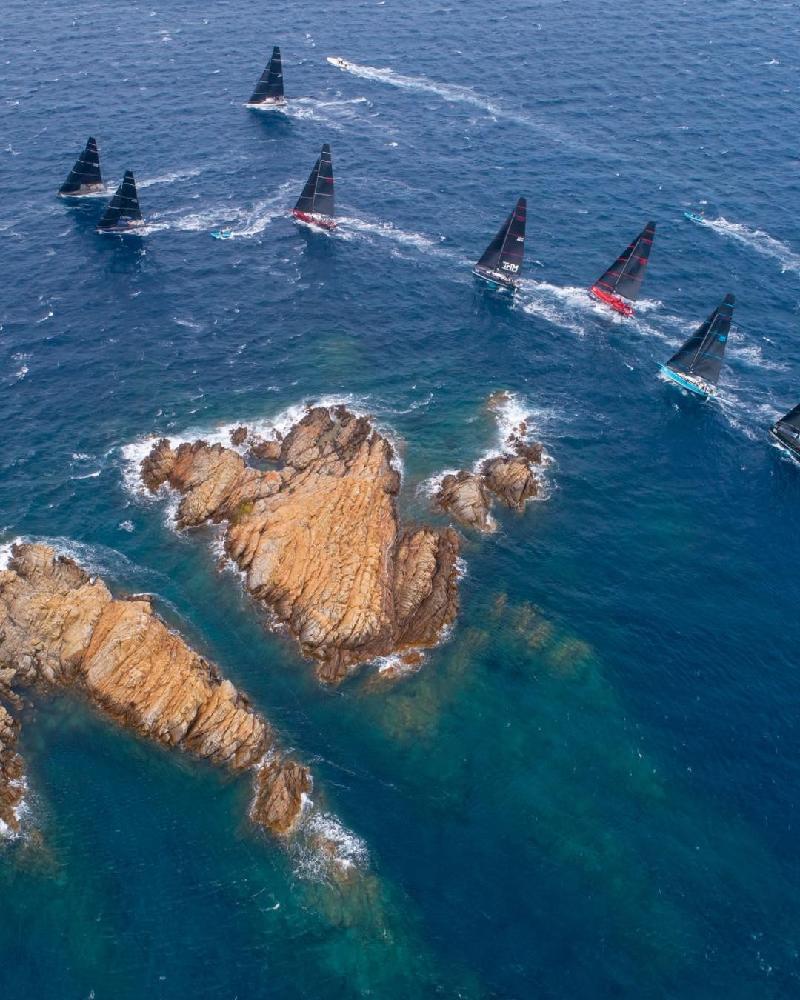
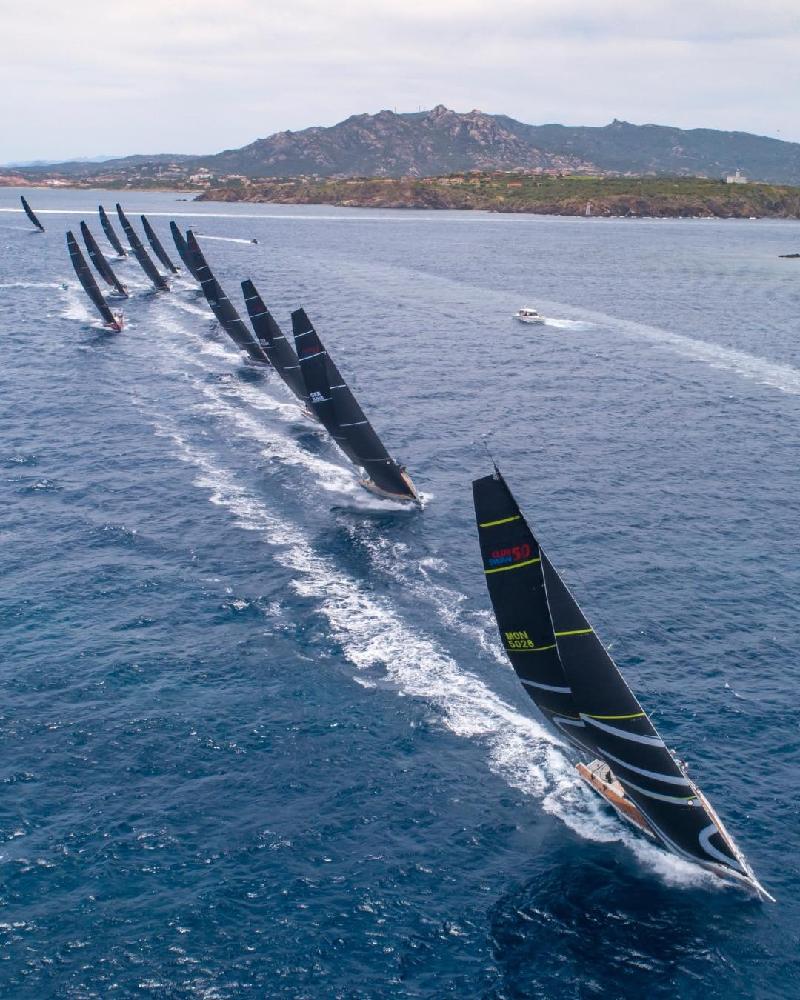
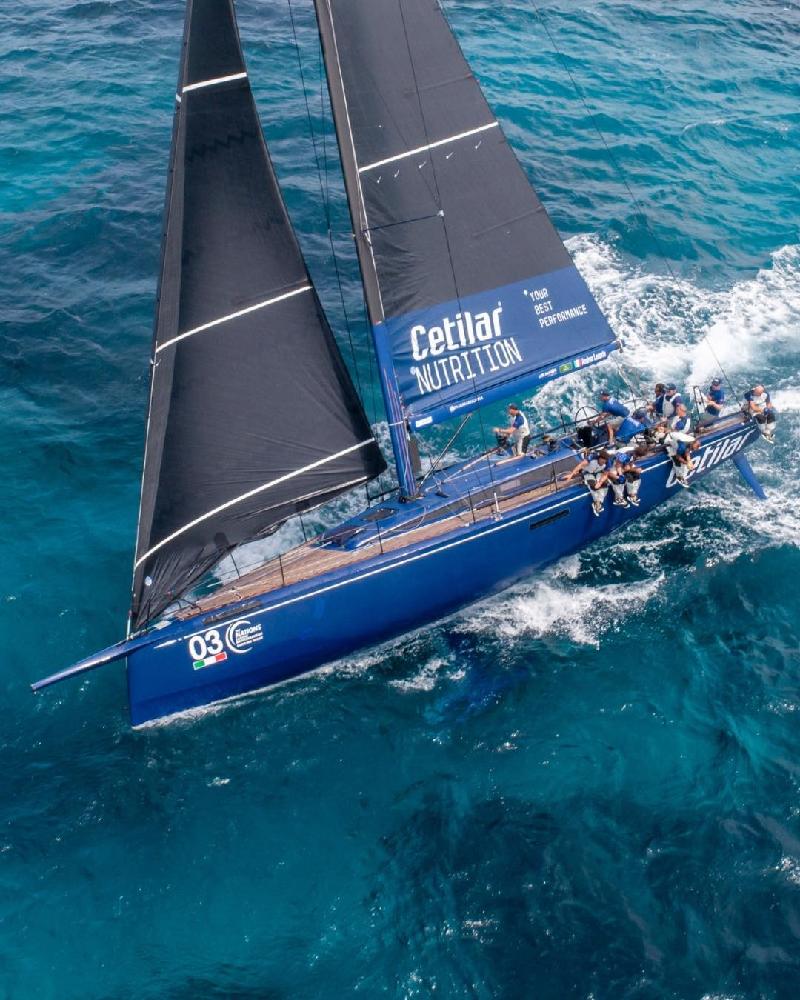
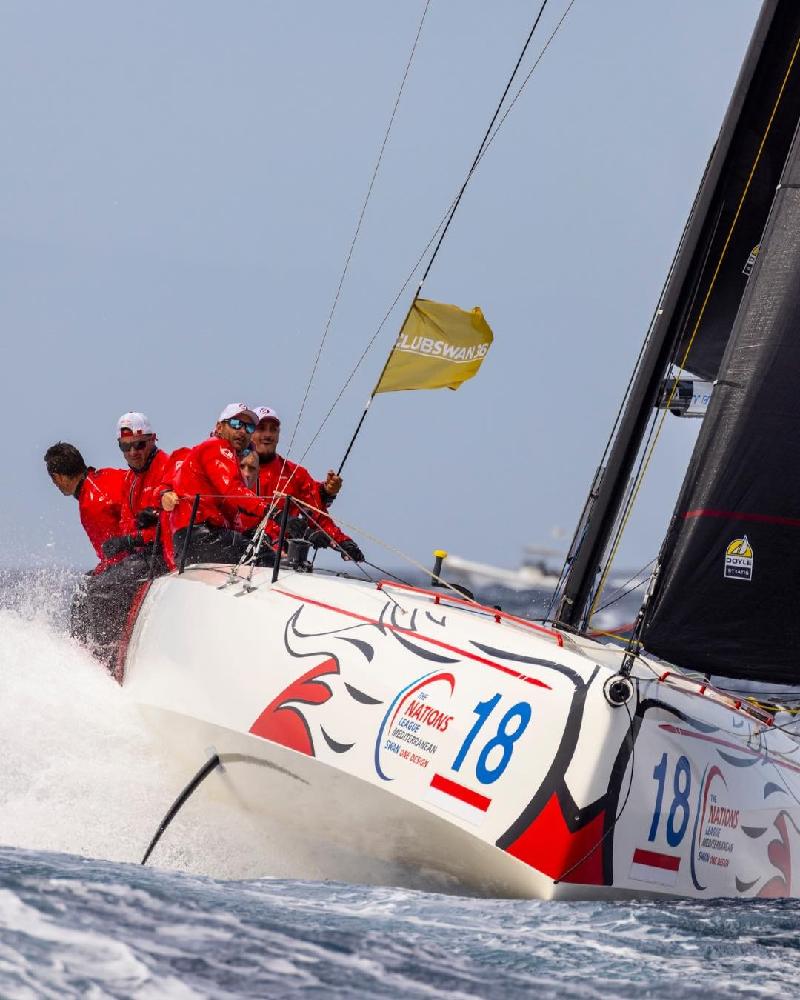
The fourth edition of The Nations Trophy regatta in Porto Cervo, Sardinia, concluded with exhilarating races and unforgettable sailing experiences. The ClubSwan one-design classes, under the thrilling conditions of the Mistral wind, showcased exceptional performance with some reaching impressive speeds.
@ClubSwan Racing / @Studio Borlenghi
Spectacular racing conditions will live long in the memory of the ClubSwan Racing fleet at the fourth edition of The Nations Trophy regatta in Porto Cervo, Sardinia.
The Mistral wind delivered in full, notably on the coastal race in the spectacular setting of the Costa Smeralda which saw the three ClubSwan one-design classes unleashed with some yachts reaching 20-plus knots surfing in flat waters.
Add in three days of competitive and friendly inshore racing — which saw seven races in varied and equally challenging conditions — and The Nations Trophy provided a memorable experience for all the 28 race teams gathered at the renowned Yacht Club Costa Smeralda, who managed the regatta and hosted the superb shoreside social events.
After four days of racing Italy emerged as the winner of The Nations Trophy, with the combined scores of their two best performing yachts — the ClubSwan 50s Vitamina and Cuordileone — putting them two points ahead of Germany, with Monaco taking the final place on the podium.
The victory marks Italy’s second Nations Trophy title having won the biennial event in 2019, while Spain and Germany have also claimed the trophy with wins in 2017 and 2021 respectively.
@ClubSwan Racing / @Studio Borlenghi
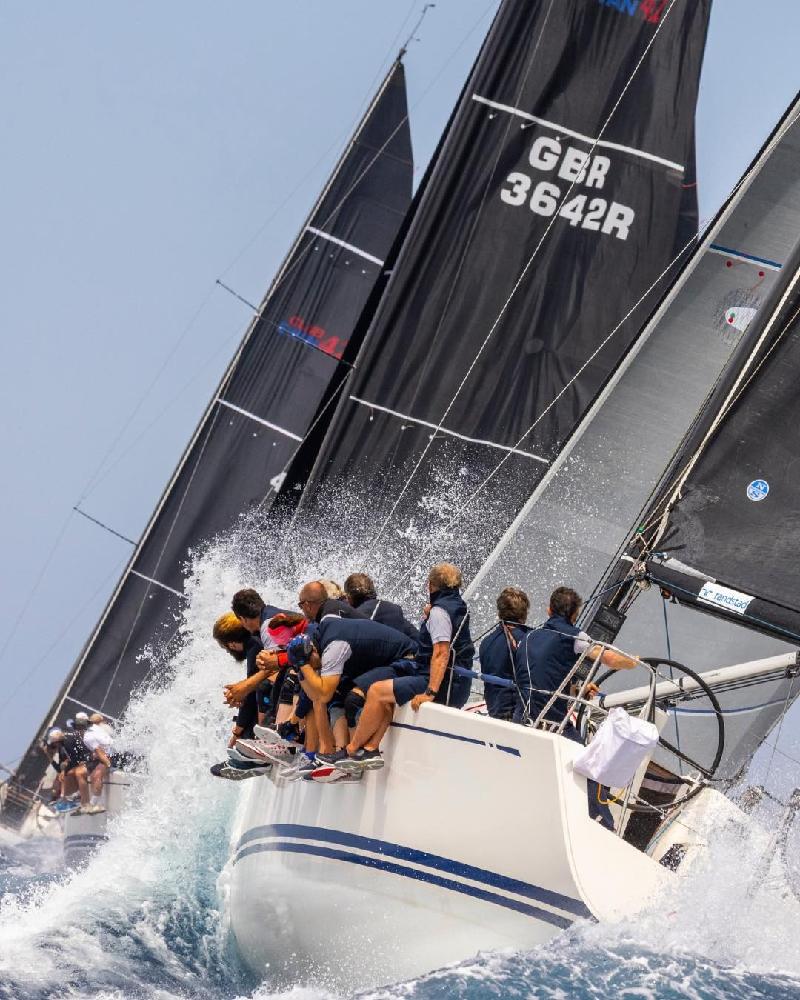
Out on the water nowhere was the contest harder fought than in the ClubSwan 42 class, which saw the leading four yachts only separated by five points going into the final day.
The Spanish CS42 Nadir (ESP), owned by reigning world champion and current circuit class leader Pedro Vaquer Comas, had edged ahead in the first three days of racing, but was pushed back into second place following today’s final race by Andrea Rossi’s Mela (ITA) who took three race wins on the way to the narrowest of victories. Jose Maria Meseguer’s Pez De Abril (ESP) was third.
A delighted Rossi said: “For me it has been tough because I made a mistake in the first race, but the crew stayed very focused. We reacted well as a team and we won the second and third race, and we started pushing, pushing until the end.
“So we finished on top of the podium. It is a pleasure to have a lot of friends on board Mela and be able to make this incredible comeback. It’s really good. We’re happy.”
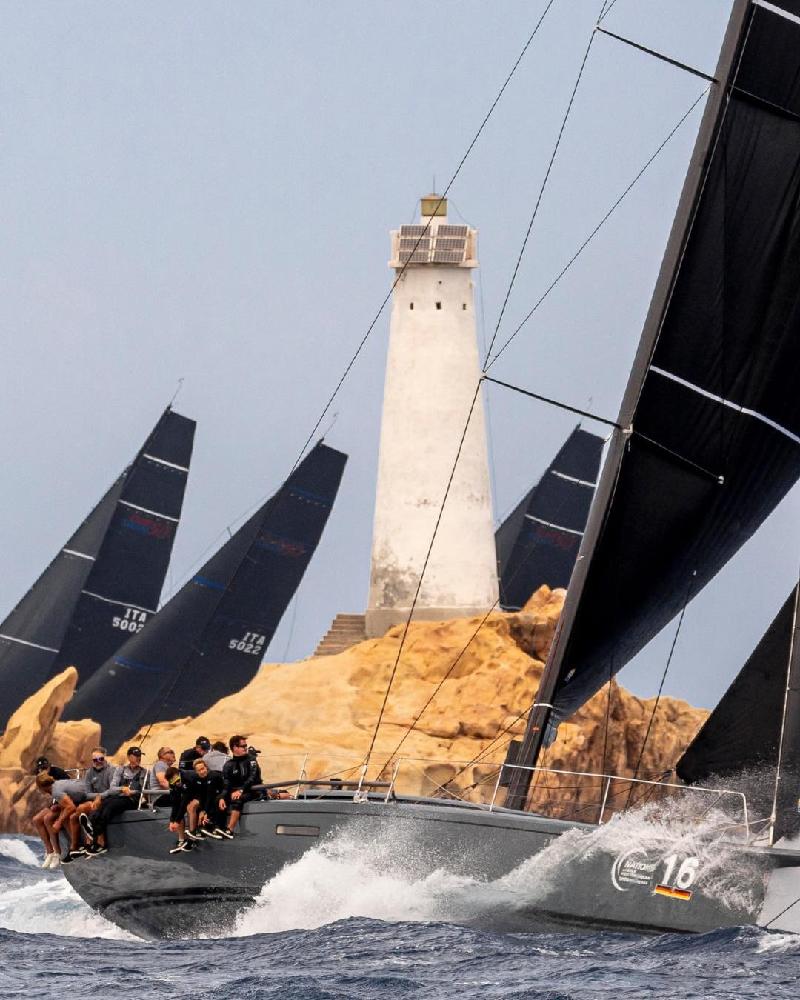
In the large ClubSwan 50 class Marcus Brennecke’s Hatari (GER) put down a marker on the first day with two race wins and was able to build on that with a succession of top-three results to take the class a full 13 points ahead of Andrea Lacorte’s Vitamina (ITA) and Leonardo Ferragamo’s Cuordileone (ITA), with her win confirmed with a day to spare.
“It was a great week,” said Brennecke. “We had basically everything with very light wind on the second day, then a good call from the race committee to sail the coastal race — the first we ever did in this class — and we had up to 36 knots of wind speed!
“The boat has never gone as fast as it did yesterday, with a 26 knot peak under gennaker. So we had lots of fun! Nothing broke, so everything was good.
“We are aiming to sail consistently and be there all the time with a slight wind or stronger winds, and so we are very, very happy.”
The Nations Trophy event was also particularly memorable for coastal race winner Graeme Peterson’s CS50 Moonlight (MON), as tactician Andy Horton pointed out: “It was the first win on this circuit for Graeme, so it will remain memorable for him and us to have won such an epic and visually stunning race in this iconic location for Swans.
@ClubSwan Racing / @Studio Borlenghi
“It was fantastic, the coastal racing in Porto Cervo and sailing in the archipelago is a unique experience.”
Over in the state-of-the-art ClubSwan 36 class Giangiacomo Serena di Lapigio’s G Spot (MON) demonstrated once again she is always a contender, taking four race wins on the way to a class win ahead of Edoardo Ferragamo’s Cuordileone (ITA) and Edoardo and Vanni Pavesio’s Fra Martina (ITA).
“It’s been really fantastic I must say,” said di Lapigio. “This place is always good with no surprises. It’s always windy and the organisation is top rate. So we really enjoyed today.
“I must say I’m happy because we won in very light wind, and we did the coastal race with 30-plus knots and it was really tough also for us. So we are improving.”
Ashore too the 2023 edition of The Nations Trophy was an event to remember, marking the milestone 25th anniversary celebration of Leonardo Ferragamo’s acquisition of Nautor Swan, the establishment of ClubSwan and the fourth edition of The Nations Trophy which has seen a year-on-year increase in the number of nations taking part. Daily prizes were awarded by Garmin, Quantum, Randstad and the YCCS.
Speaking at the celebratory Owners’ Dinner on Friday at the Yacht Club Costa Smeralda, during which owners and their guests received a stylish gift from the Ferragamo fashion brand, a ClubSwan Racing Main Partner, Leonardo paid tribute to the passion of ClubSwan sailors and the dedication and expertise of the build teams in Finland.
He said: “It has been 25 years since we started this great adventure, taking this already legendary yacht name to an international brand. And in those 25 years we have not found a better venue than the Yacht Club Costa Smeralda.
“We get so much motivation from the owners and their crews when we are building a boat and discussing projects together. So I thank them from my heart for being so passionate and supportive.”
ClubSwan Racing also thanked the YCCS for its sustainable commitment, in fact the Club obtained Clean Regattas Gold level Certification for the Nation’s Trophy, released by Sailors for the Sea.
The ClubSwan Racing season continues at the Copa Del Rey Mapfre regatta in Mallorca starting on July 31.
@ClubSwan Racing / @Studio Borlenghi@ClubSwan Racing / @Studio Borlenghi@ClubSwan Racing / @Studio Borlenghi
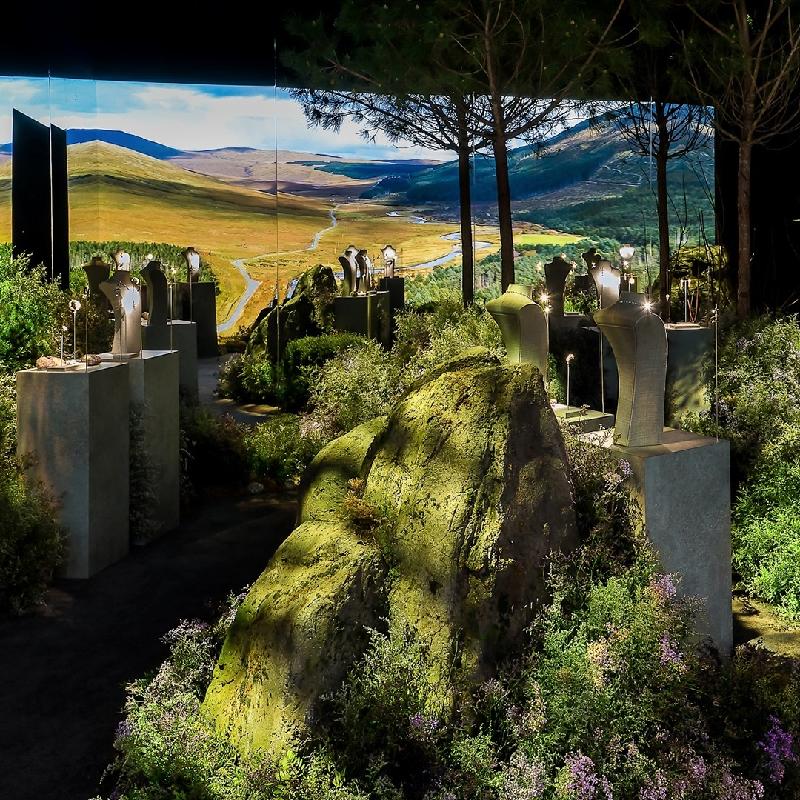
As Chanel unveils the enchanting Tweed de Chanel High Jewelry collection, it invites jewelry aficionados and fashion connoisseurs to experience the magic of tweed in an entirely new realm. Exceptional pieces imagined by the CHANEL Fine Jewelry Creation Studio, as supple and sensual as the fabric from which they were inspired. For decades, Chanel has … Read more
As usual, the recent 1.618 Paris Sustainable Luxury show had interesting new luxury brands, B2B suppliers and artists to present. Amongst them was the new luxury leather goods house created by the young Marie Veyron – unfortunately, not related to the famous Bugatti engineer.
“Can ostrich leather be sustainable”, some were asking? “Is Ostrich not an ‘exotic skin’ banned by the likes of Chanel?” and “Are ostriches really being raised in France?” “You stole my bird” said I, having been born in South Africa (South African farms account for 85 per cent of the world’s ostrich industry). “They must hate the horrible French weather,” I groaned.
Firstly, let us clarify some ignorance about ostriches. One being that they fall under ‘exotic’ skins because the bird is indeed exotic. In South Africa and now also Australia, Thailand and France, ostriches are raised like huge free-range chickens. Their meat is considered to me one of the healthiest for human consumption and therefore their skins are classified as an ‘agro-food’ by-product as are their gorgeous feathers, oil and even their giant eggs. In ancient Egypt, hunting Ostrich was an exotic sport, and being the fastest two legged creatures on earth made them a highly praised catch. The highest reliably measured running speed for ostriches is 61 Km/h!
A Pharaoh’s Luxury
Their prized eggs were luxuriously embellished and used as funerary gifts for their Pharaohs while is South Africa they were used as daily water bottles by the San and Khoi-Khoi hunter-gatherers (commonly referred to as Bushmen). A luxury in the North, perhaps due to its rarity, and a daily refillable ‘Evian’ bottle in the South. “This huge egg weights up to two kilograms and has a capacity of one liter or even more and have been known as a dietary supplement which contains a valuable amount of protein” stated Dr. Sara El Sayed Kitat of Alexandria University.(1)”
Beside its nutritional value, ostrich eggs where used for other purposes. Empty eggshells were decorated with painted or incised designs and placed in the tombs », she claims. » Ostrich eggs were connected with the concepts of prosperity, life, and resurrection of the Christ in the Coptic culture. In the Egyptian mythology, the ostrich is known to run around during sunrise, spinning and flapping its wings. In a text dating back to the New Kingdom (1552-1069 B.C.), the ostrich was described to dance greeting the sun rise everyday. This activity confirms the close relation between the ostrich and the sun cult, and accordingly to the concept of rebirth »
« Furthermore, ostrich feather was the emblem of the Egyptian goddess Maat, goddess of truth and was also worn by her as a headdress. Thus, the heart of the deceased was weighed against an ostrich feather during his final judgment », she adds. « The ancient Greeks offered ostrich eggs to their deities in the sanctuaries. The eggs of this bird became connected to the female womb and motherhood in the Bible. Suspending ostrich eggs continued to be found in the churches, monasteries, and even the Muslim graves in Egypt »
Nutritional Value
Unlike other poultry, Ostrich meat is a very lean red meat that contains more protein than beef, game and poultry. It provides an excellent source of potassium, selenium, B vitamins, iron, and more.
Its oil consists of over 70% oleic acid and palmitic acid, has a higher skin-permeability than most oils which allows it to better penetrate and hydrate the skin, enabling superior, natural anti-inflammatory results. It is often used as a massage oil for relief of sore or tight muscles, aches, pains, sprains, or inflamed joints. It can also help with can also be used to soothe aches, as well as easing joint pain, arthritis, rheumatism, and multiple sclerosis. As it has a high content of Omegas 3, 6 and 9, it is considered to have therapeutic benefits for the heart, hair, skin, and nails.
Finally, it is extremely tasty and would fall into the game meat category. In South Africa, not only are fresh steaks highly desired by performance sportspeople through to family kitchens, but their dried meat in the form of ‘biltong’ (dried steaks) and ‘droewors’ (dried sausage) and is extremely popular, as is Ostrich riding!
In France, Marie Veyron’s family farm primarily raises the birds as a healthy meat option and also produces a typically French-style ‘saucisson’, perhaps because the French sun does not allow for the South African sun-dried variations to be produced. Perhaps it will not be long before we are able to convince her to produce a new skin care line. France now has a handful of ostrich producers.
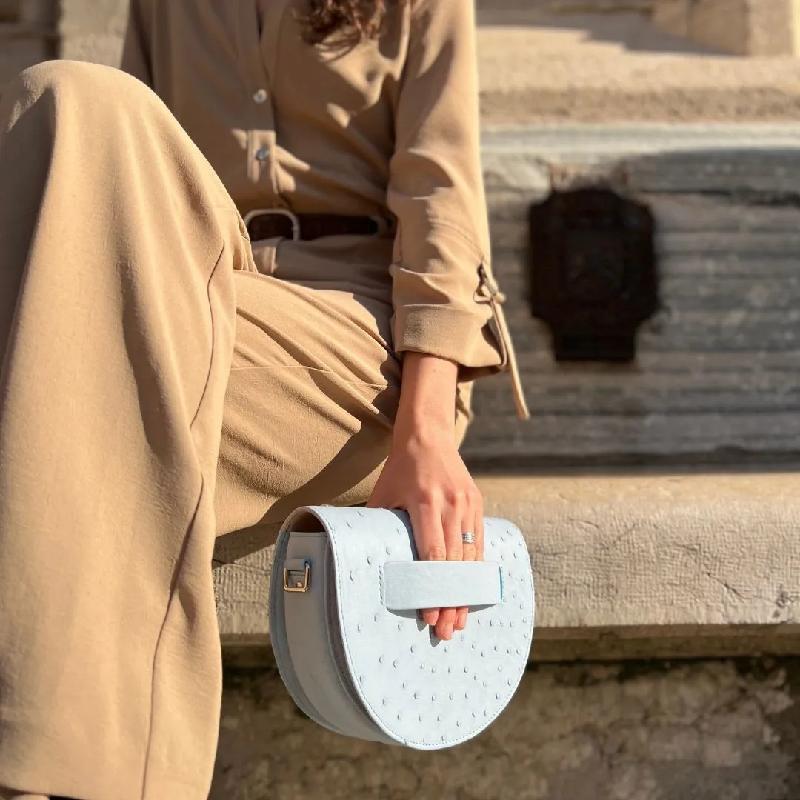
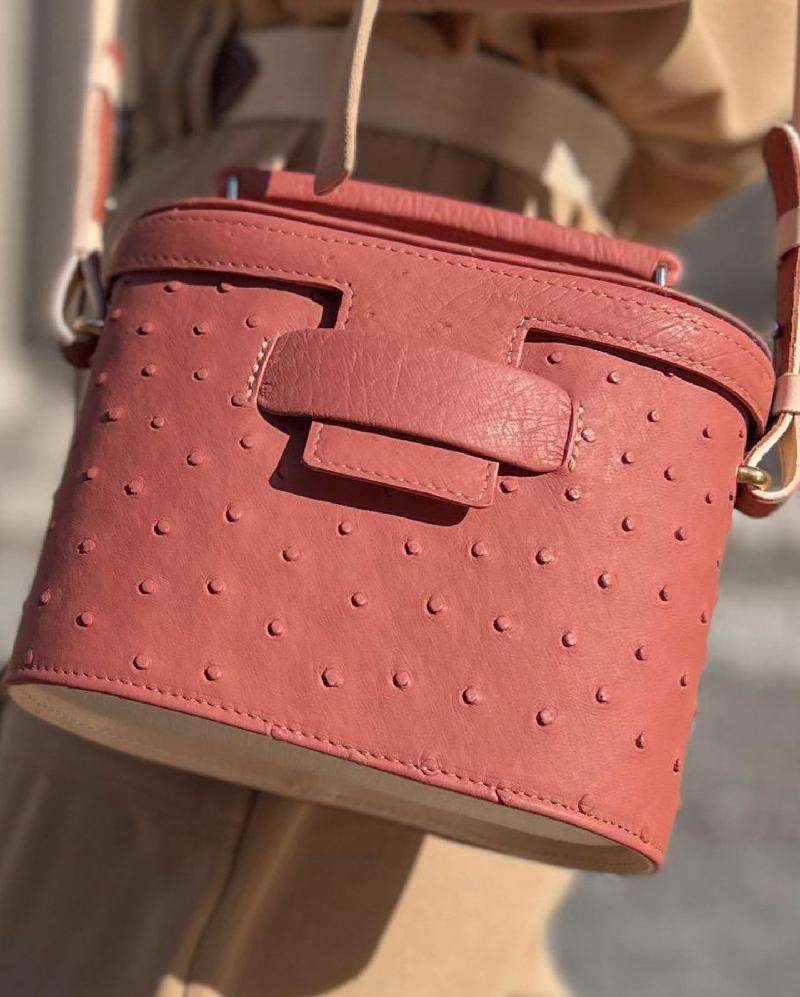
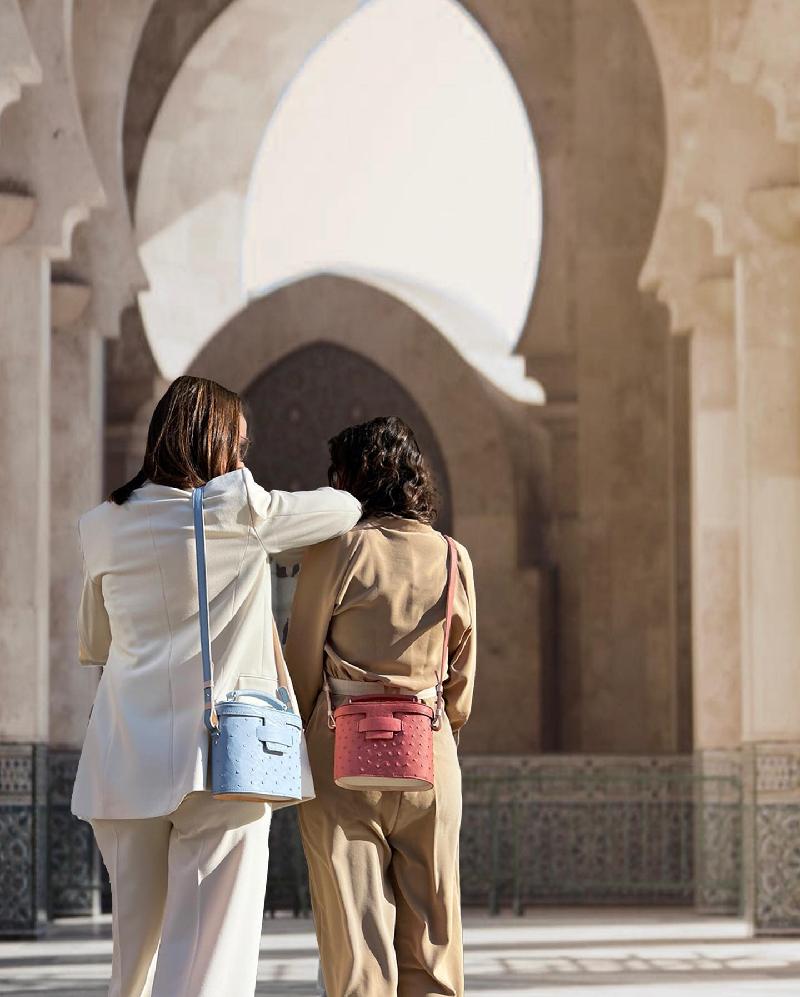
@Nilau Haute Maroquinerie Néra Céleste – Sac à main Néra en cuir d’autruche bleu céleste/ @nilau-paris.com;
Sustainable Leather Goods
As argued earlier, because ostrich is actually classified as an ‘agro-food’, its leather would be considered as ‘cruelty-free’ because the bird is not raised for its skin. Compare that to calf skin taken from young cows that are not yet 6 month’s old or so-called ‘chicken skin’ – despite its deceptive name – a form of calfskin derived from the skin of unborn calves. Can such bovine leathers be considered as sustainable or cruelty-free? As far as the term ‘exotic’ skin is concerned, it should simply be understood to cover creatures that are culled firstly for their skins such as reptiles and furs.
Ostrich leather is one of the highest quality products and has been successfully replacing the skins of protected animals from the market. Ostrich skin lends itself well to processing, but this process is laborious. The skin structure does not make it possible to subject it to mechanical stress. Therefore, until now, all stages of dressing have been carried out manually. As such, it is more expensive than cow leather, sheep leather, buffalo leather, goat leather and many other leathers. It is one of the top range types of leather in the world because of its soft texture and high resistance.
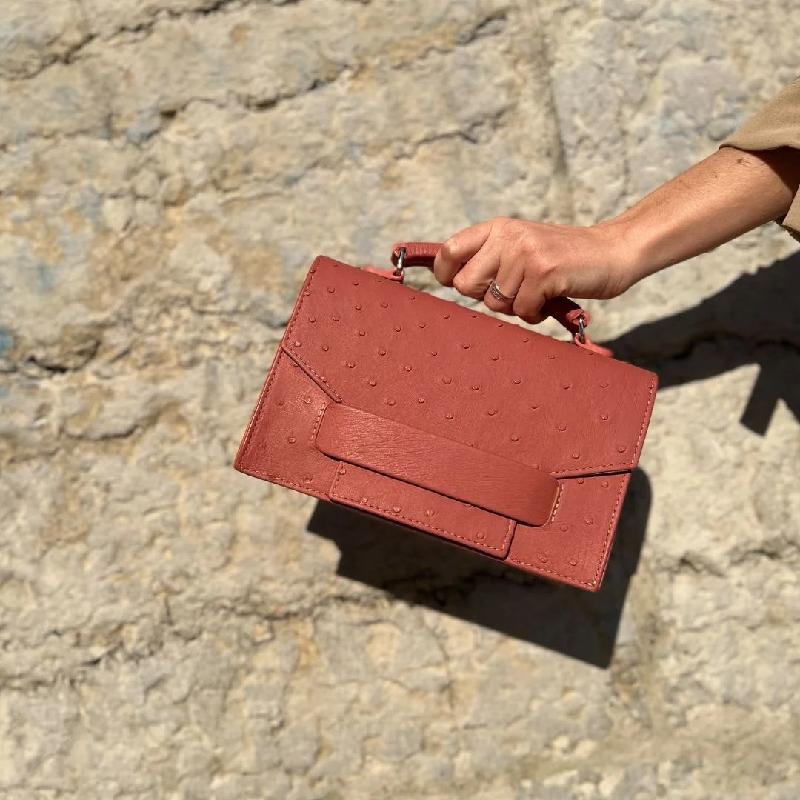
Ostrich leather is not only among the finest but is also the most durable. The natural oils protect the leather from sun exposure. It’s very high concentration of natural oils makes it extremely durable (more so than crocodile or snake leather and 5-6 times more than cow leather). It is no less prestigious than crocodile or snake skin and is certainly more ethical. Its unique pebbly texture makes it one of the leading materials for fine leather products. The leather is distinctive for its pattern of bumps or vacant quill follicles, ranged across a smooth field in varying densities.
Today, there are no obstacles to the trade in ostrich skin worldwide since this bird is classified as a domesticated bird and is considered an animal bred for economic purposes. Along with goods made of authentic crocodile or python leather, they top the list of the most popular luxury items in the world.
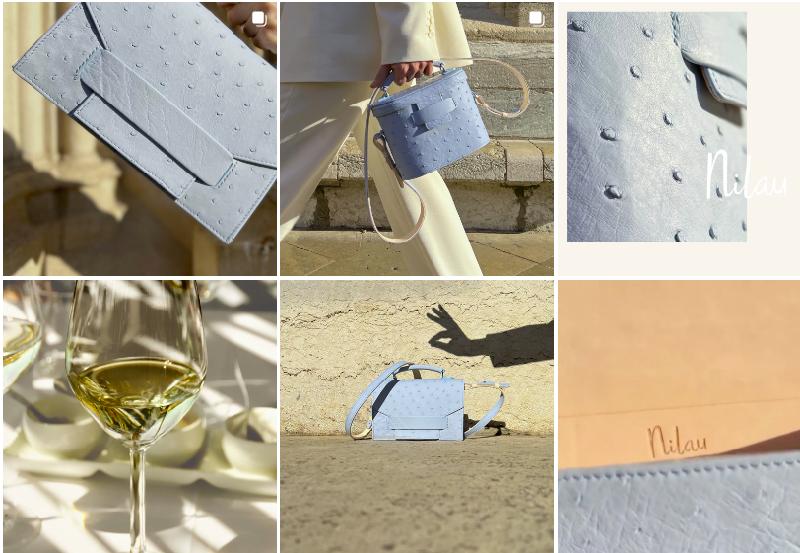
@Nilau Haute Maroquinerie
Nilau Haute Maroquinerie
Firstly, Marie Veyron’s family has worked with the best master craftspeople in France to produce the highest quality ostrich skins for the very high expectations the French luxury industry. As with the South African ostrich farms that supply Hermès, the birds are looked after extremely well from birth to ensure the highest quality meat, plumage, oil and skin. After all, happy birds won’t fight or flight.
« In addition to respecting their well being (huge enclosure so they can run as they want, small amounts of birds – only 60 to 80- in our farm so we are sure to take care of all of them and that they will flourish), our birds are cherished with our own food and grain produced on our family farm. At least we are sure that they are feeding correctly and they have all the nutriments that they need », Marie confirms.
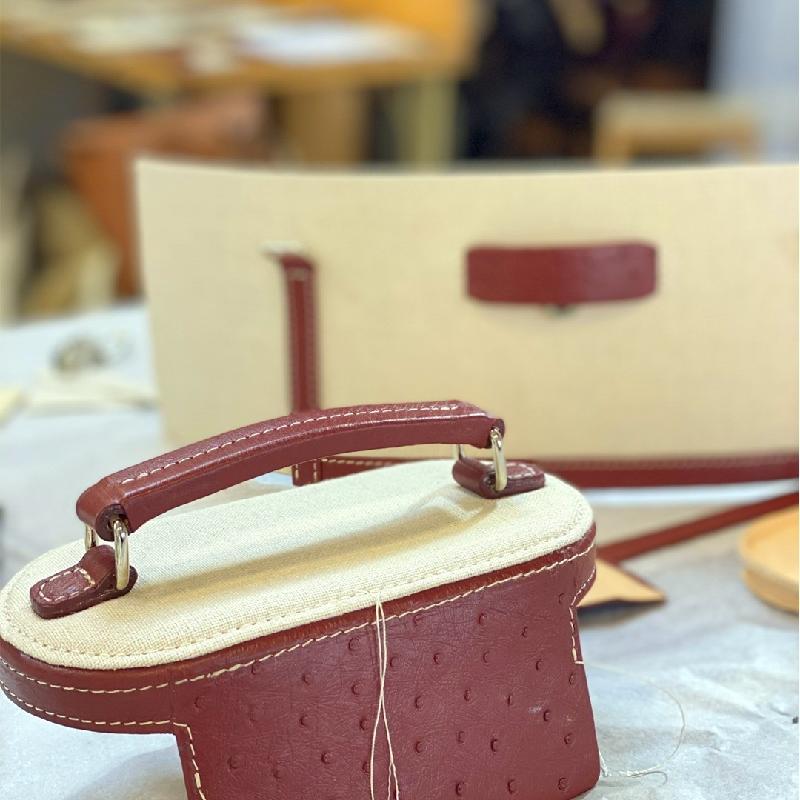
The skins require an intricate, specialised and expensive production process making its aesthetic value very costly. Once the skins have been treated by all the Master craftsmen associated with her family business, they are almost too beautiful to part with. As such, it is quite understandable that Marie would want to create luxury goods with such noble materials herself.
The name Nilau was hatched out of a concept of Lin – as in linen in French backwards with no link to the English ‘nil’ meaning nothing or zero although one can say that the brand has ‘no hidden bad things’ because Marie believes in total transparency alongside sustainability – and the ‘au’ part comes from the first two letters of the word Ostrich in French, ‘autruche’. Core to the concept is the mixture of linen and ostrich skin with some of her neighbour, Ictyos’ sustainable ‘sea leather’ thrown in for good measure. To Marie, Nilau implies something really smooth and, at the same time, strong – to compliment and describe her designs. “I didn’t want to use my own name because, as you said, people may think there is a link to the Bugatti », she added.
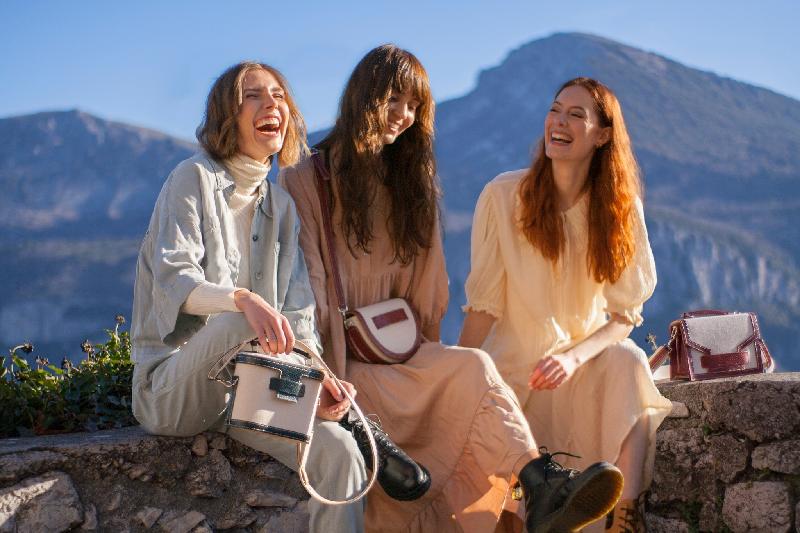
Given that Nilau’s concept includes various noble materials, not all being super expensive, the house is able to offer a level of affordable luxury without having to use bad quality naturals or synthetics. The mix of fabrics is bold and unusual and certainly seems both timelessly fashionable as well as ageless. This is a far cry from the extremely trendy, as in ready-to-wear or just old traditional department store styles offered by many heritage houses. In that sense she succeeds but the acid test will be the consumers themselves.
« I work with linen on my permanent collection as I want ostrich leather to be worn in everyday life. This is for me a style choice as I think it makes the design purer. The natural aspect of linen soften the strong character of the ostrich leather (with its dotes) or salmon (with its scales). Moreover, I use salmon skin to show that those both precious leathers, ostrich and salmon, are a co-production from the meat industry. People tend to eat more salmon than ostriches » she states. « Our ostrich plumage is generally given away for cabaret or feather makers ». The feathers are also very pleasant as body massage accessories.
Professors’ Notes
In our book, “HAUTE ‘Luxury’ Branding: Professor’s Notes”(2) we state that the key to to creating a great luxury brand is to have both a great product and strong principles, but not only. Patagonia has both but is not a ‘luxury’ brand. In France, our obsession is with great talent and someone you can trust. It is why we often find the brand named after the founder or the creator. It puts a face to the brand. When the person fails to sign their brand with their name, it could feel like an industrial brand. Nilau will be harder to make sense of, and to remember, than Marie Veyron. Such a beautiful and memorable French name communicates creativity or at least a personal touch.
Having said that, ready-to-wear brands play the same game. So here is where the French obsession with talent goes a little further. Who are your craftspeople and what ‘savoire-faire’ (expertise / know-how) do they bring to the party? Industrial brands cannot answer such questions without exposing themselves. Marie can. She specifies every single Master Craftsperson in France that forms part of Nilau’s process. Here is where process adds value to product. It is here where her brand rises above the mass ‘luxury brands’.
Is Nilau a maison? To an extent yes, because the entire process is controlled by the house, but given that the master craftsmen are not all in-house, Nilau would be considered to be at an ‘art’ atelier / studio or Griffe luxury stage (as defined in our book). It’s the perfect place to start.
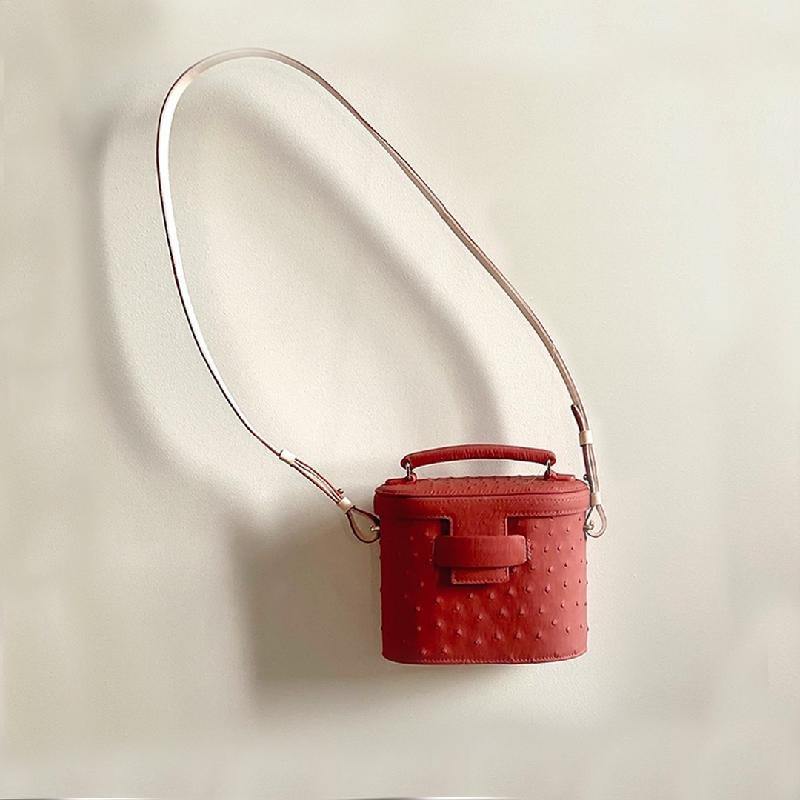
“I sketch bags directly from what I would like to wear. For instance, the bepine, is inspired from a binocular case that my grandfather had and that I was carrying around all my childhood », she confesses. « Even though I started the brand with only three designs, I have a book full of drawing as I love to imagine things. To get all this inspiration, I generally go outside and find a spot where I feel inspired (most of the time in a park, close to the nature) and I start drawing. I tend to lose track of time and it is only when I realise that 3 pages are already full that I go back to my SKEMA (the business school that she attended) business woman profile!”
1. El Sayed Kitat, S « Ostrich Egg and its Symbolic Meaning in the Ancient Egyptian Monastery Churches » in JGUAA_Volume 15_Issue 1_Pages 23-41. 2. Mihailovich, P & Taylor, C, « HAUTE ‘Luxury‘ Branding: Professor’s Notes”( 2021) Librinova
Closed to the public for over a century, the former Old War Office is now open as a Luxury Hotel. For more than a century, The OWO (formerly the Old War Office) was closed to the public, designed to keep people out and its secrets in. The OWO is a new center for living, entertainment, … Read more
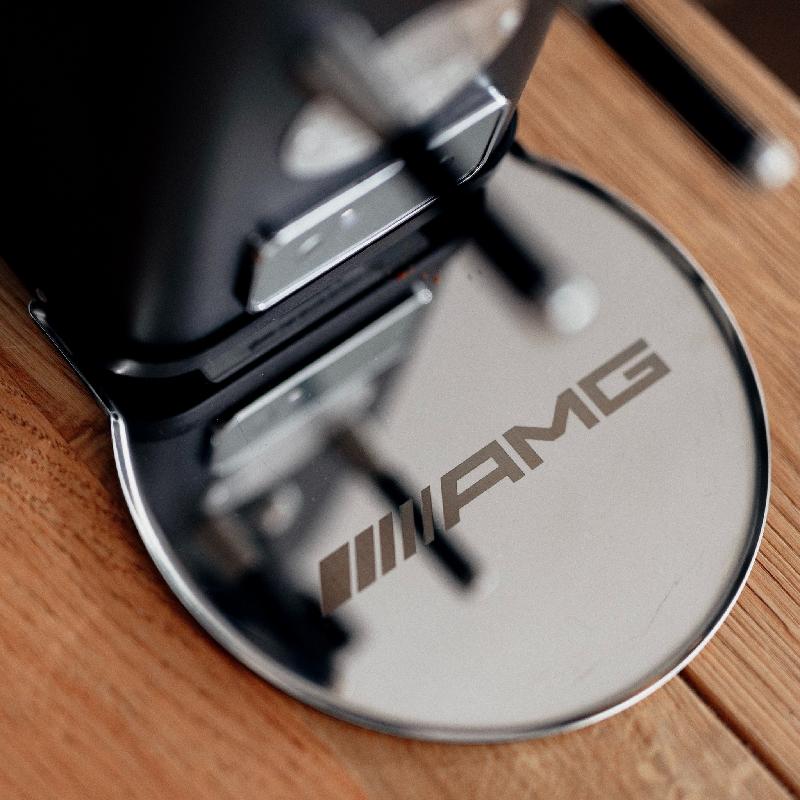
AMG Launched Its Own Coffee Machine. Start your day the right way: The ECM Synchronika AMG Edition No.1 For those who appreciate the finer things in life, AMG has always been synonymous with unparalleled performance, precision engineering, and luxurious craftsmanship. From their iconic supercars to their cutting-edge technologies, AMG has consistently pushed boundaries and delivered … Read more