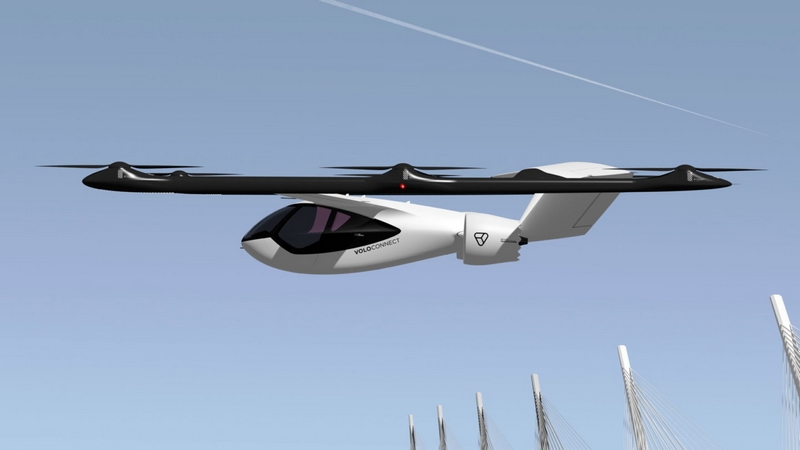
Volkswagen enters the eVTOL segment with a Flying Tiger

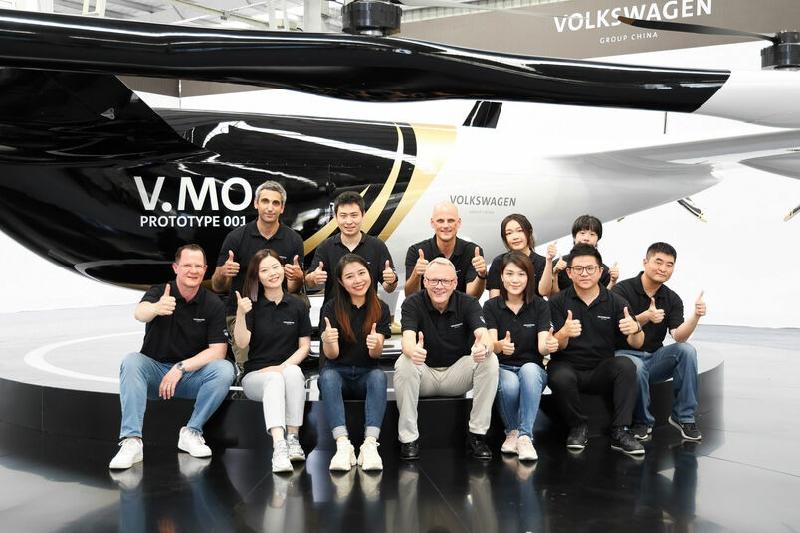
This initial prototype has also been nicknamed the ‘Flying Tiger’ due to its distinctive black and gold livery, which was painted to commemorate its launch in the Year of the Tiger. Volkswagen Group China unveiled its first electric Vertical Take-Off and Landing (eVTOL) passenger drone prototype, as part of its strategy to explore and break … Read more

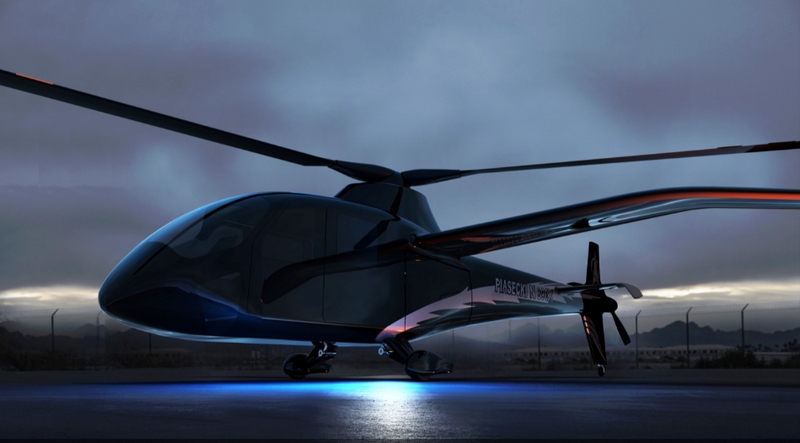
The World’s First Manned Hydrogen-Powered Helicopter will fly from 2025

  A New Partnership Will Dramatically Accelerate Global Availability of Hydrogen-Powered eVTOLs, Including World’s First Manned Hydrogen Helicopter. The global eVTOL market size is forecasted to grow from an estimated $74 million in 2025 to $860 million by 2030, according to new market research. In the first few months of 2021 alone, $5 billion of … Read more

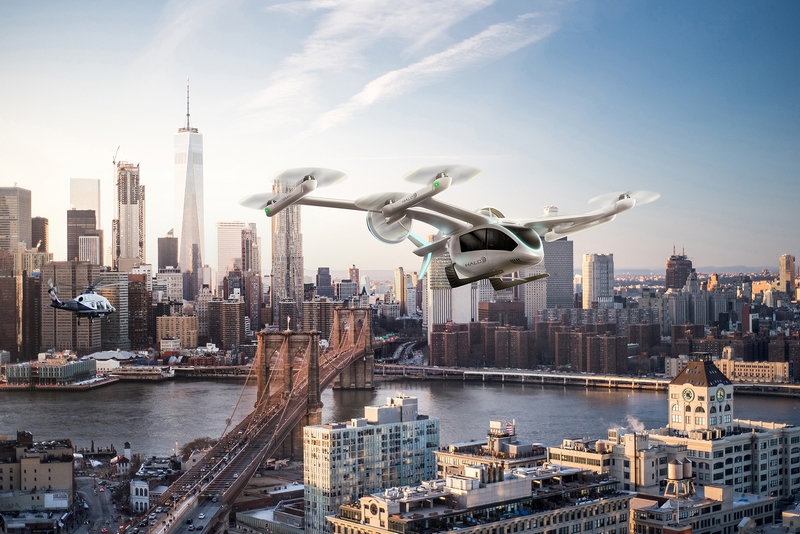
The first global provider for private urban air mobility announces a phenomenal vertical mobility platform

  Where private aviation was previously thought of in terms of moving people from airport to airport, today’s travel is becoming a doorstep-to-doorstep concept. Halo, the first global provider for private urban air mobility, has placed a firm order of 200 Eve Urban Air Mobility vehicles, making it the launch customer for this aircraft. The … Read more

Sustainable flight mobility solutions: eVTOL developer Volocopter unveiled VoloConnect


@Volocopter VoloConnect

EBACE Connect 2021 novelties: Volocopter unveiled its newest aircraft capable to travel longer distances.
Volocopter’s new urban air mobility aircraft is designed for connecting suburbs to cities.

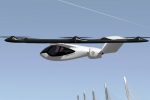
Volocopter, the pioneer of urban air mobility (UAM), unveiled its newest aircraft, VoloConnect, at EBACE Connect 2021.

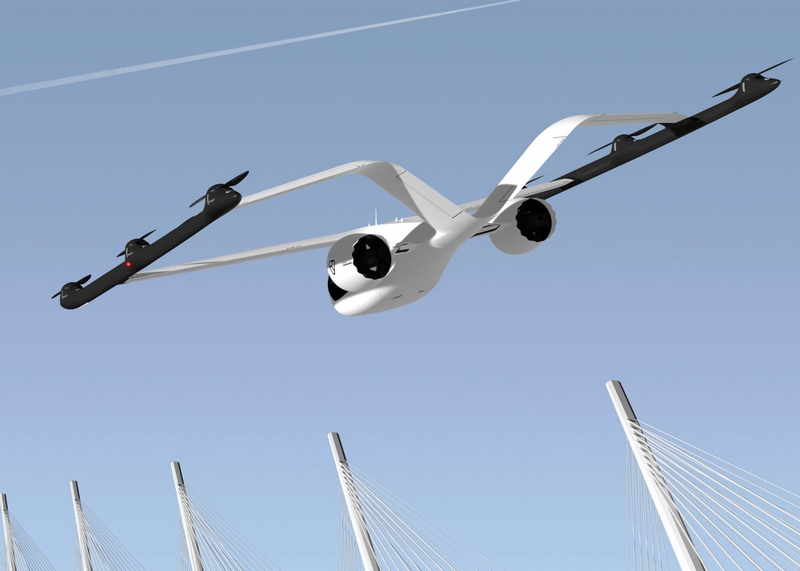
This electric vertical take-off and landing aircraft (eVTOL) is designed to connect suburbs to cities and complements ­the company’s existing family of aircraft for the intra-city mission. VoloConnect’s distinctive hybrid lift
and push design is expected to achieve certification within the next 5 years.


VoloConnect carries on Volocopter’s track record of developing high-tech, electric aircraft for the urban mission.

VoloConnect uses a hybrid lift and push design to transport up to four passengers electrically on routes of 100 km at
a speed of 180 km/h, with a top speed of ~250 km/h. The compact aircraft layout, necessary for urban missions, is
naturally stable and highly efficient during forward flight while maintaining a low stall speed. Volocopter’s Munich-
based team of experts, led by Chief Engineer Sebastian Mores, have been working on the aircraft for over two
years and filed several patents for its technology. They are already flying multiple scaled prototypes of VoloConnect
and are quickly progressing towards testing full scale prototypes.

@Volocopter

With the capacity to travel longer distances, VoloConnect joins Volocopter’s aircraft family and extends the company’s UAM ecosystem coverage to the suburbs. The new aircraft will be seamlessly integrated into Volocopter’s existing portfolio of urban air mobility ecosystem solutions: VoloDrone, VoloCity, VoloPort, and the digital platform, VoloIQ.

“VoloConnect embodies the next dimension of our mission to offer affordable, efficient, and sustainable flight mobility solutions for cities around the globe. Leveraging customer insights from our existing VoloCity and VoloDrone, VoloConnect’s capacity to support longer missions and higher payloads serves another strong growing market demand,” says Florian Reuter, Volocopter CEO. “We are confident that this aircraft family, and the years of experience and leading innovation on which it’s founded, will pioneer the way for electric UAM services to launch commercially and internationally.”

Volocopter takes a holistic approach to UAM by developing a full ecosystem that connects the necessary components to offer electric flight in cities. This ecosystem includes partnerships with global leaders such as Aéroports de Paris, Microsoft Azure, Lufthansa Industry Solutions, and many more. Additionally, Volocopter is the only eVTOL developer with a product portfolio of multicopter and fixed wing designs that can be used for passenger and cargo transportation.
@Volocopter VoloConnect

This new flying SUV offers a new generation commuter vehicle


World’s First Consumer Drive & Fly eVTOL; @Aska Fly

A new Flying SUV Wants to Be a Private Commuter for all of us. Enjoy the city and then quickly and safely travel to the countryside in your own private vehicle.

Flying cars have the potential to create the same kind of niche in mass transportation as conventional cars did one
century ago. Aska’s new urban air mobility vehicle enters the fast-developing urban air mobility sector with an offer for commuting between the city and suburbs.

World’s First Consumer Drive & Fly eVTOL

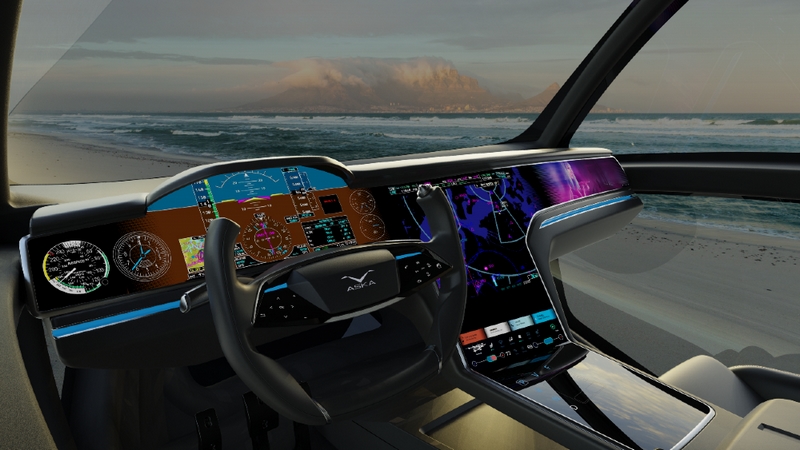
ASKA offers consumers a new generation commuter vehicle that combines the convenience of an automobile, with the safety, ease and efficiency of VTOL and STOL flight. Because ASKA is both drive and fly, it can be parked in existing parking spaces / garages and charge in existing EV charging stations.

World’s First Consumer Drive & Fly eVTOL; @Aska Fly

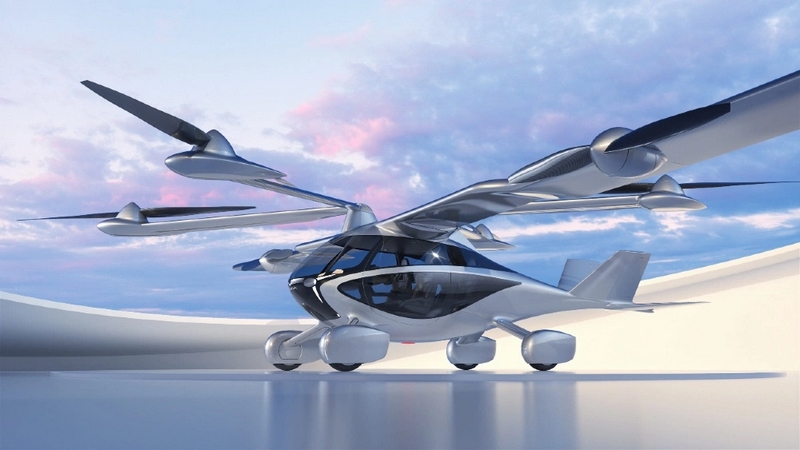
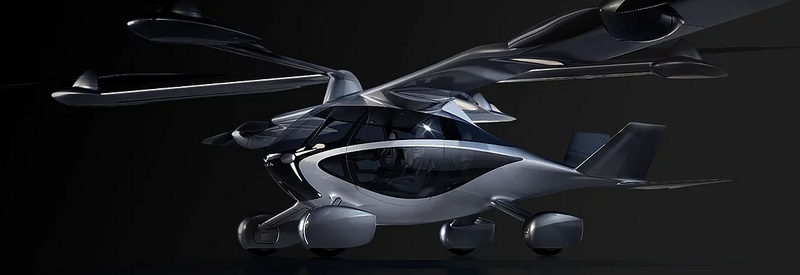
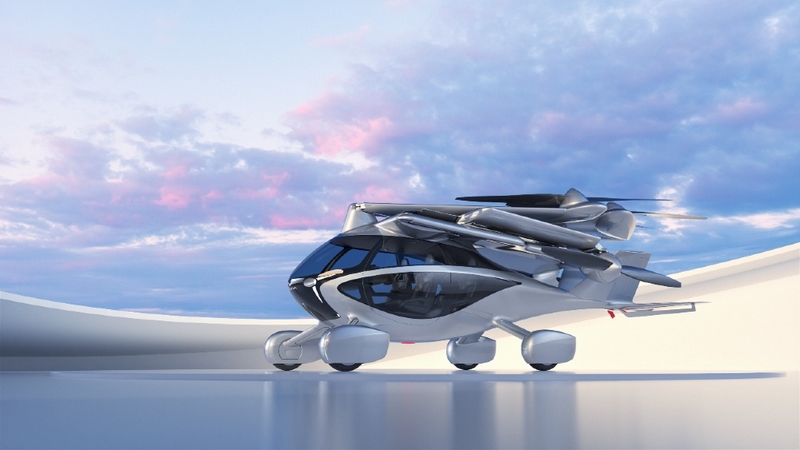
Aska’s flying car is a much larger air-mobility vehicle the size of an SUV.

With first deliveries scheduled for 2026 and a range of about 250 miles, this four-passenger flying car will feature electric motors powered by six batteries. ASKA has dual type of power supply sources. Each rotor has an independent battery power source plus a range extender power. Designed to ensure continued flight and a safe landing in the event of an emergency. The project features a robust energy management system with redundant power distribution architecture. Full electric system architecture of ASKA enables future models to convert range extenders to any other energy source such as hydrogen.

“The first deliveries may be limited to local roads. Our target is to obtain highway certification with a speed of 70 mph.” Aska Fly

The large wing design is optimized for safe landings and to reduce energy consumption. The flying SUV is boarded like a car, at home, in a garage or on the street, not on a busy airfield. The model gains additional safety with ballistic parachute. With the large propellers, ASKA has the best in class low Disc Loading (DL) and high Power Loading (PL) to hover with high efficiency and maneuverability.

World’s First Consumer Drive & Fly eVTOL; @Aska Fly

ASKA advances a great performant experience with its in-wheel motor technology, on the road or in the air. With this technology the wheels can be placed outside the fuselage, enabling better aerodynamics, and creating additional interior space to comfortably seat 4 passengers. It provides a high driving position, similar to a SUV, enabling the driver to have excellent visibility, and facilitates adequate ground clearance for Short Takeoff and Landing (STOL) mode.

In drive mode, the in-wheel motor supports dynamic handling capabilities for a great driving experience.

VIP customers who preorder the $789,000 ASKA will become influential partners in the ASKA Founders Club, a global community of people who share our passion for travel in the 3rd dimension.

Club members are encouraged to be active contributors in virtual brainstorming sessions with the founders and
engineering team. Their insights will be used to improve the design and user experience of ASKA. Benefits of this
Founders Club include updates on key developments in Advanced Air Mobility (AAM) curated from NASA, the FAA,
EASA and industry experts.

World’s First Consumer Drive & Fly eVTOL; @Aska Fly

UK is building its first Urban Air Port Air-One, an airport for flying cars


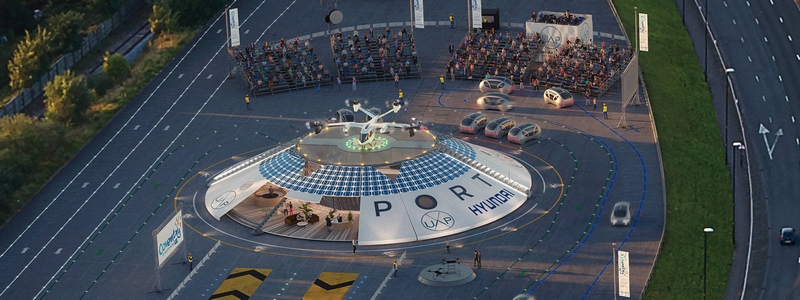
Urban Air Port Air-One eVTOL hub; @hyundai.news

Urban Air Port has the potential to revolutionise cities across the world, making them more connected, cleaner and accelerating our green economic recovery.

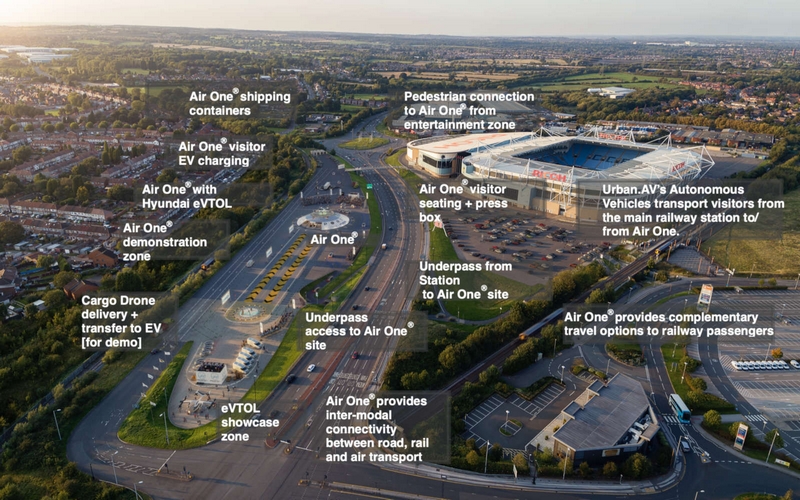
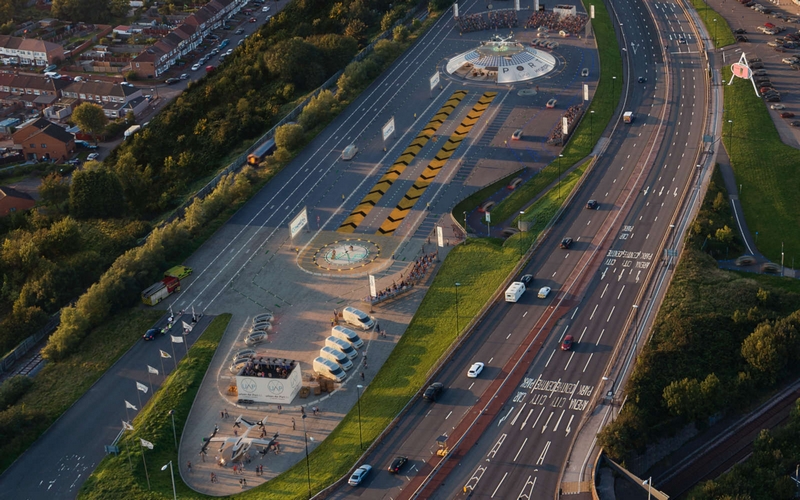
Urban Air Port Air-One is an innovative hub for future electric Vertical Take-Off and Landing (eVTOL) aircraft – such as air taxis and autonomous delivery drones – that will transport people and cargo across cities in the coming years.

The aviation company plans to install more than 200 zero emission sites worldwide over the next five years in response to global demand.

NASA predicts that urban-air mobility in the US alone could be worth up to $500 billion USD (£375 billion) in the near-term and states that a significant barrier to market growth is the lack of infrastructure, an issue which Urban Air Port was established to resolve.

The Urban Air Mobility Division of Hyundai Motor Group has chosen Urban Air Port as its priority infrastructure partner to support the global growth of this new sector. The South Korean company plans to create its own eVTOL aircraft and support the broader urban air mobility eco-system. Hyundai Motor Group is supporting the development of Air-One® as part of its plan to commercialise its aircraft by 2028.

The eVTOL hub provides an integrated approach to the decarbonisation of cities. It is designed to support any eVTOL aircraft and
complements other modes of sustainable transport as a hub for electric vehicles, buses or scooters. The design enables Urban Air Ports to be easily moved to alternative sites, as the air-mobility sector develops. This design also means the sites are ideal for disaster emergency management. Urban Air Ports can rapidly deploy drones and other eVTOL to collect and transport emergency supplies, equipment and people where needed.

Urban Air Port Air-One eVTOL hub; @hyundai.news

The physical footprint of an Urban Air Port is 60% smaller than a traditional heliport (the most comparable existing infrastructure). Using innovative construction, the sites can be installed in a matter of days, emit net zero carbon emissions and can be operated completely off-grid, meaning they do not always have to rely on a suitable grid connection.

“Cars need roads. Trains need rails. Planes need airports. eVTOLs will need Urban Air Ports. Over a hundred years ago, the world’s first commercial flight took off, creating the modern connected world. Urban Air Port will improve connectivity across our cities, boost productivity and help the UK to take the lead in a whole new clean global economy. Flying cars used to be a futuristic flight of fancy. Air-One will bring clean urban air transport to the masses and unleash a new airborne world of zero emission mobility.” – Ricky Sandhu, Founder and Executive Chairman of Urban Air Port.

Urban Air Port chose Coventry for the first site due to its important location in the heart of the UK and because it is a historic hub for the automobile and aerospace industry, with a pool of people and skills that can support the manufacturing industries of the future. The city’s unique location also provides easy access within four hours to most parts of the country. In December 2020, Coventry was named the best UK town for electric cars. Air-One will be unveiled during Coventry’s UK city of culture celebrations in 2021 and continue to form part of the Commonwealth Games in 2022.

Urban Air Port has been awarded a £1.2 million grant from UK Research and Innovation’s Future Flight Challenge. The programme is funded by £125 million from the Industrial Strategy Challenge Fund and is expected to be matched by up to £175 million from industry.

Urban Air Port Air-One eVTOL hub; @hyundai.news