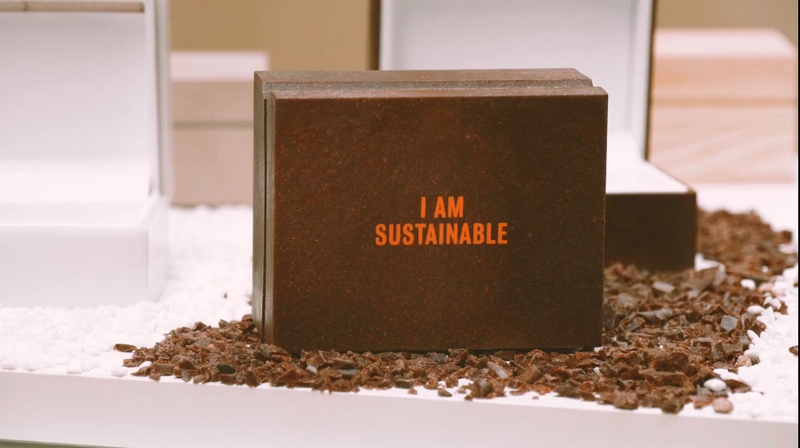
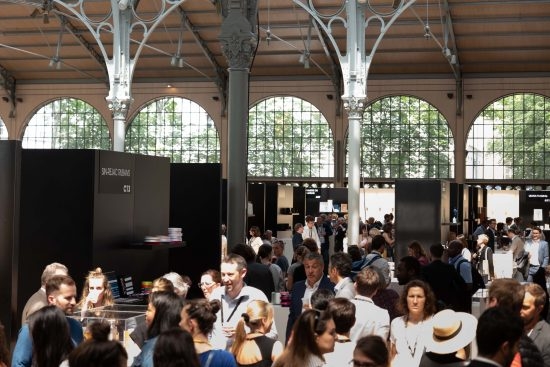
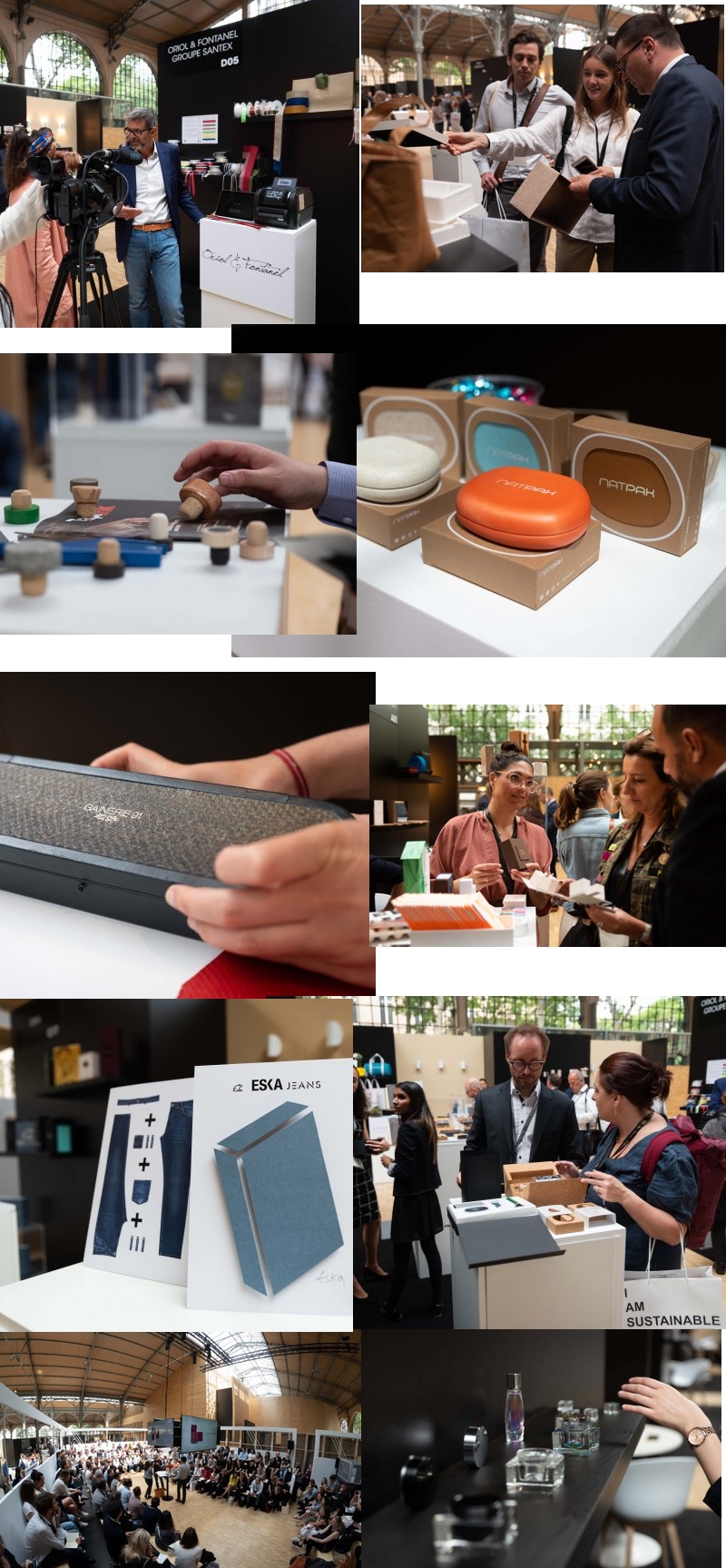
After the success of the first edition in June 2019, EDITION SPECIALE by Luxe Pack, the main event for the luxury packaging market, is renewing the theme “sustainable packaging and responsible consumption”. The trade show will occur at the Carreau du Temple in Paris on 26th and 27th May 2020.
After consulting with many luxury brands and packaging manufacturers; it appears that the challenge of sustainable development is the key factor for success in packaging innovations.
“Convinced by the diversity of the subject, Edition Spéciale by Luxe Pack will present even more sustainable packaging solutions and provide rich content as we go further together in the eco-design of tomorrow’s packaging,” explains Fabienne Germond, Director of the Luxe Pack trade shows.
ÉDITION SPÉCIALE by Luxe Pack 2019 edition; @editionspeciale-luxepack.com
Participation of market leaders and the emergence of new actors
This event will host 75 exhibitors, an increase of 18% compared to 2019. To this day, the exhibition is renewing the attendance of leaders in luxury packaging and the participation of new international actors; to guarantee the 2,000 expected visitors a panel of packaging solutions designed with the environmental concern in mind: lighter, refillable, “clean” finishes, natural materials, plant-based dividers, etc.
They already confirmed their attendance: ALBEA, BARALAN, BORMIOLI LUIGI, PROCOS, KNOLL, KURZ, GAINERIE 91, ESKA, QUADPACK, VERESCENCE, DIAM PACK, PROCOP, FAVINI and many more.
Start-up pitches and highlights
As the conferences of the 2019 edition registered record attendance, this year the talks will take place in a 250-seat auditorium.
The morning sessions will be open to experts, brands, and associations. The topics will be such as the role of luxury specialists, the packaging trends from one continent to another, design, and also online retail.
The afternoons will be dedicated to feedback from manufacturers/brands and will include topics focusing on natural materials, reuse, recycling, lighter products, etc.
Two “start-up pitch” sessions will give a voice to young innovators who are developing new innovative and inspiring materials for the (luxury) packaging industry:
– PILI which substitutes polluting dyes from the petrochemical industry with ecological pigments that are made naturally by bacteria.
– AUTHENTIC MATERIALS which has developed recycling processes for offcut waste from noble materials like leather, wood or horn, turning them into blended materials and composites for the luxury market.
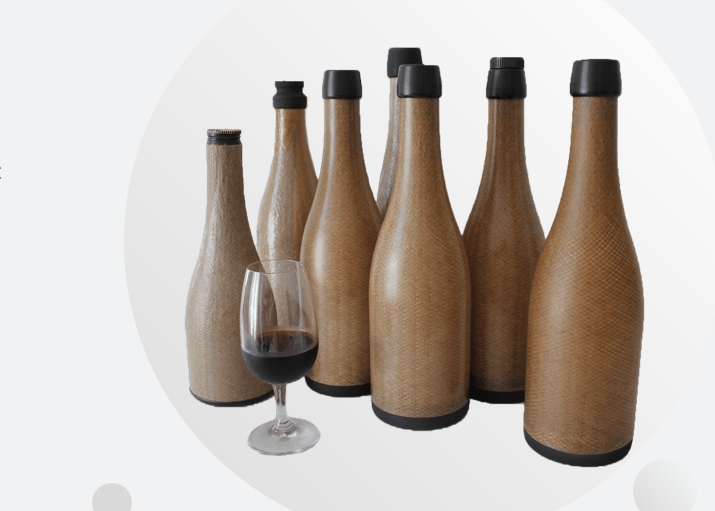
– GREEN GEN TECHNOLOGIES which has developed a bottle made of linen fibre and tree resin that is biodegradable (if crushed) and can resist to temperature variation.
– SYMBIOTEC which produces and sells eco-friendly packaging made from mycelium (a filamentary plant-based product made by many mushrooms).
– And many more…
Finally, in a dedicated area, visitors can discover how to make refillable ceramic bottles, for perfume and cosmetics. They will also find a collection of items designed as part of a creative design incubator, experimenting with new processes and procedures. Materials with a new look created from an abundant resource: waste.
Why are jeans so controversial? Is it the estimated 10,000 litres of water needed to grow the cotton for every pair? The dark blue lines of toxic pollution in China’s Pearl River that can be seen from space? The potassium permanganate, widely used to make new jeans look old and distressed, that may cause lung damage in workers? Or is it because there is no guarantee that those workers are paid a living wage, never mind being paid for the overtime they are forced to do?
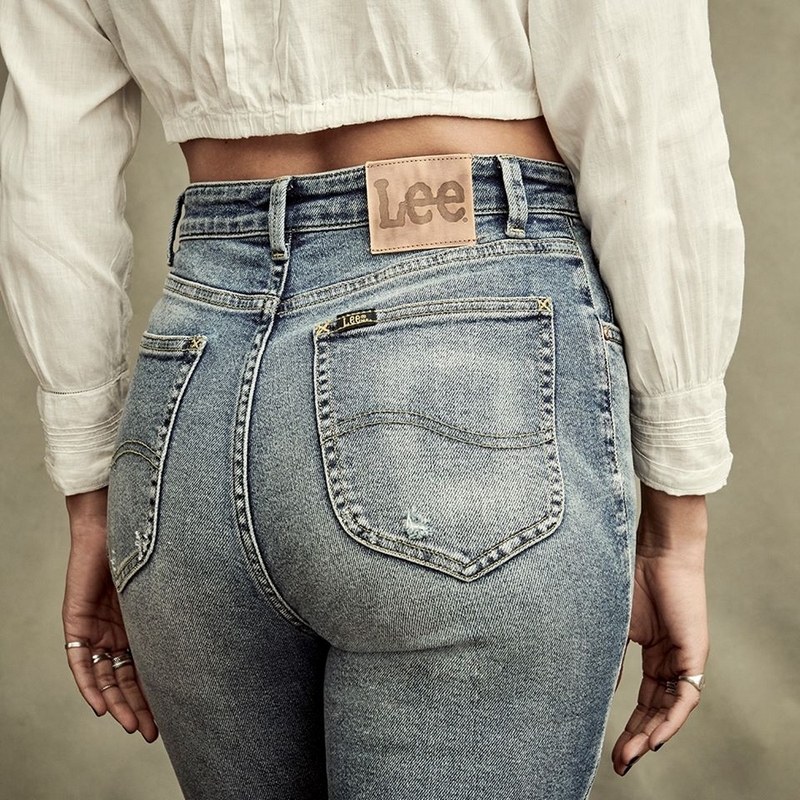
“The denim industry is at a pivotal moment,” says Roian Atwood, senior director of global sustainable business at Kontoor Brands, which owns Wrangler and Lee, when we met at ART (Art Repair Transform), a denim upcycling and mending workshop at the Copenhagen international fashion last month. Lee are among the 30 brands contributing to the Ellen MacArthur Foundation’s Jeans Redesign project, a new initiative governing all aspects of jean production from regeneratively farmed fibres to washing and finishing techniques – potassium permanganate, for example, is not allowed. Jeans must be made with rivets and hardware that can easily be removed after the jeans are no longer fit for purpose, allowing them to be recycled into something new. The first products bearing the Jeans Redesign logo will go on sale in the autumn.
The industry is working hard to make itself cleaner and more sustainable, investing in new technology such as the innovative dry foam to dye Lee’s Indigood jeans – the use of water is pretty much eliminated, as well as reducing energy and chemicals and hopefully ending the rivers of toxic blue effluent. Already in operation at three denim mills in Spain, Mexico and India, Lee is also launching “compostable” jeans this spring. “They will fully decompose,” says Atwood. “We believe it will take 200 days.”
Denim upcycling and mending workshop A.R.T at the Copenhagen International Fashion Fair.Photograph: Gio Staiano
There is still a long way to go. According to Atwood, there is “a new and emerging environmental issue we are not quite ready to talk about yet, which is that denim has become integrated with a lot of synthetics. The comfort and the stretch movement, athleisure and the omnipresence of the yoga pant have given rise to a lot more stretch in denim. It’s plastic,” he says. And as such, your skinny jeans are responsible for shedding microplastics.
Appropriately enough, we meet in the “confessional booth” designed for visitors to confess their fashion sins and record them for a podcast. “If we are confessing our sins, I am here to say I like to wear light jeans,” he says. “A dark pair of denim uses less water in the wash-down process.” The lighter the denim, the more washing processes it has been through and the more water it has used.
The designer Duran Lantink, who was commissioned to work with Lee’s deadstock to create a small collection of upcycled denim, wears jeans every day (he switches between two vintage pairs) but is aware of the issues. “I think that, by buying a pre-washed jean, it is ruin in reverse,” he says. “I don’t get that.”
For rent … Mud jeans.Photograph: PR
Lantink is part of a growing band of designers who are not just concerned about the environmental impact of the industry but also its waste. Bethany Williams, who has perfected the art of unpicking and upcycling unwanted jeans, has grown a cult following. Brands such as E.L.V. Denim (short for East London Vintage), which is sold at a range of stockists including Net-a-Porter, are building healthy businesses using secondhand denim as their raw material. “There are more jeans than people in the world,” says founder Anna Foster. At her studio and showroom, clients can choose from off-the-peg or custom-made jeans, ingeniously spliced together a few miles away at the Blackhorse Lane Ateliers in Walthamstow.
But slowing down production is not on the agenda for the big denim brands, who would prefer to cut their environmental impact by reducing water and chemical consumption while continuing to produce at the same levels. However, there are some smart and potentially highly disruptive initiatives coming from smaller independents. Netherlands-based Mud Jeans offers a subscription system that allows you to lease your jeans for €7.50 per month, including free repairs. Once you are finished with your jeans, you send them back and they will be recycled. Hiut Jeans, which has revitalised the denim industry in Cardigan, Wales, makes just 100 pairs of jeans per week. “We are here to try and make the best jeans we can and not the most jeans we can,” it says. It also offer free repairs for life.
How to shop sustainably for jeans
Start with vintage
Whether you are a denim aficionado or a student on a budget, you can find jeans to suit your budget and your style if you shop secondhand.
Raw is best
Raw denim hasn’t been washed and treated multiple times. This is what denim used to look like before we started to sandblast, bleach and rip it to make it look old. Buy a pair of unwashed jeans and let them age with you.
Avoid stretch
Let leggings be leggings and jeans be jeans. One hundred per cent means the denim in your jeans can eventually be recycled.
Look at the label
If you are buying new, check the fabric composition. You might want to do some research online first. Look for recycled cotton, GOTS certified organic cotton, Better Cotton Initiative cotton, or G-Star’s Cradle 2 Cradle Gold certification, which means it is 98% recyclable, 100% organic and uses the minimum amount of water.
Wash cold, if at all
One of the biggest sources of water impact and energy use is during the consumer use phase. Roian Atwood advises a cold wash. Hiut Denim has a No Wash Club.
Repair your jeans
A good pair of jeans can last for decades if you look after them and repair them. Ask your denim brand where you can have your jeans repaired. Levi’s has a number of tailor shops where you can customise or repair jeans. Nudie Jeans offers free repairs for life in their shops or, if you can’t get to one, they will send you a free repair kit. Hiut Jeans also offer free repairs.
Fifteen years ago obsolete products from LVMH luxury Maisons were incinerated with recovery of the energy generated. To limit this practice and engage the biggest luxury group in a circular economy approach, LVMH announced new waste recycling commitments in 2006. These commitments led to cooperation between LVMH and waste collection specialist CEDRE. Since 2010, CEDRE has … Read more