‘It’s a little worn out’: Parisians unveil plan for €250m Champs-Élysées makeover

Comité Champs Élysées - La plus belle avenue du monde
@Comité Champs Élysées – La plus belle avenue du monde; @.facebook.com/ComiteChampsElysees/

Powered by Guardian.co.ukThis article titled “‘It’s a little worn out’: Parisians unveil plan for €250m Champs-Élysées makeover” was written by Kim Willsher in Paris, for The Guardian on Wednesday 18th December 2019 18.22 UTC

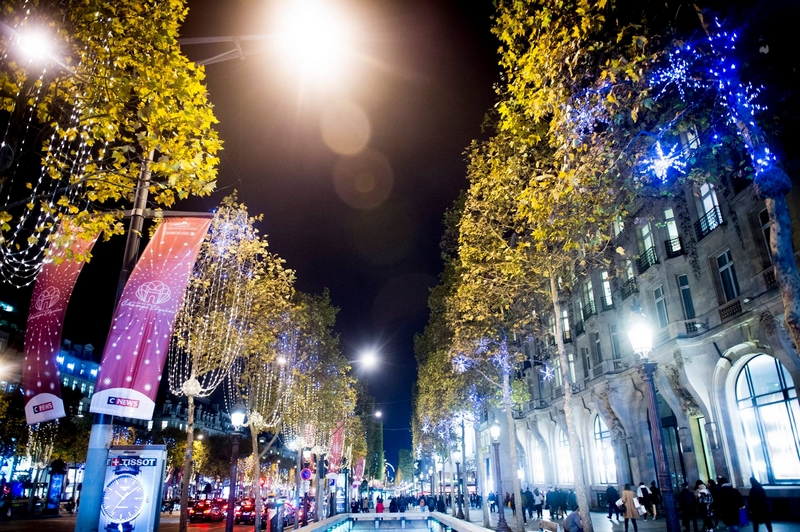
The Champs-Élysées, often called the “most beautiful avenue in the world”, is not what it was. The pavements are cracked, the trees that line the cobbled, traffic-clogged road struggle to survive in one of Paris’s most polluted areas, and Parisians stay away.

Now local community leaders have unveiled an ambitious €250m (£212m) project to restore the celebrated 1.2 mile (1.9km) long avenue to at least some of its former glory.

“It’s often called the world’s most beautiful avenue, but those of us who work here every day are not at all sure about that. The Champs-Élysées has more and more visitors and big name businesses battle to be on it, but to French people it’s looking worn out,” Jean-Noël Reinhardt, president of the Champs-Élysées committee said.

Reinhardt says his association, which represents those who live, work and trade on the avenue running from the Arc de Triomphe on Place Charles de Gaulle to Place de la Concorde, will present their plans to the candidates standing in next year’s municipal elections in January.

The Champs-Élysées makeover would need public and private investment, he told journalists.

“The last renovation of the Champs-Élysées was 25 years ago. We must bring the Champs-Élysées into the 21st century,” Reinhardt said. “We need to modernise, de-stress [the avenue] and encourage Parisians to come back”.

On May 8, 1945, Parisians gather on the Champs-Élysées to celebrate the German surrender in the second world war.
On May 8, 1945, Parisians gather on the Champs-Élysées to celebrate the German surrender in the second world war. Photograph: AFP/Getty Images

The Champs-Élysées was originally a mixture of swamp and kitchen gardens when André Le Nôtre, gardener to Louis XIV the Sun King, first laid out the wide promenade lined with a double row of elm trees on each side, called the Grand Cours. In 1709, it was renamed the Champs-Élysées and extended, and by the end of the century had become a popular place to walk and picnic.

The city celebrated its liberation from the Nazis in 1944 on the Champs-Élysées and World Cup victories still bring out the crowds, but its famous charm has faded. Today it is known for its expensive cafes, luxury shops, high-end car salesrooms and commercial rents that are among the highest in the world, as well as the annual Bastille Day military parade. More recently it was the scene of some of the most violent clashes between gilets jaunes and riot police.

Its name is French for the mythical Greek paradise, the Elysian Fields; but Parisians largely shun it.

Crowds celebrate in the Champs-Élysées after France won the football World Cup in 1998.
Crowds celebrate in the Champs-Élysées after France won the football World Cup in 1998. Photograph: Gabriel Bouys/AFP via Getty Images

Architect Philippe Chiambaretta, whose firm PCA-Stream drew up the plans, said research showed that of the estimated 100,000 pedestrians on the avenue every day, 72% are tourists and 22% work there. The eight-lane highway is used by an average of 3,000 vehicles an hour – most passing through – and is more polluted than the busy périphérique ring road around the French capital.

Chiambaretta said it needed to be developed to be “ecological, desirable and inclusive”.

“It was always designed for the people and shouldn’t just be a luxury avenue,” Chiambaretta said.

He admitted the Champs-Élysées had become a place that summed up the problems faced by cities around the world: “Pollution, the place of the car, tourism and consumerism.”

The ambitious plans include reducing the space for vehicles by half, creating tunnels of trees and encouraging more aesthetic use of commercial spaces such as terraces. The committee also wants a major rethink of the area all around the Champs-Élysées to make it more pedestrian friendly up to and including the nearby River Seine, with traffic diverted into a tunnel.

“We work here every day so we know we have to profoundly change things. We can’t just say it’s the responsibility of the public authorities. We want the Champs-Élysées to remain a centre of attraction in the world, we want tourists to keep coming but we want the Parisians who used to come here 100 years ago to come back,” Reinhardt said.

A  reimagining of the Champs-Élysées
A reimagining of the Champs-Élysées. Photograph: PCS-Stream

Plans to improve the Champs-Élysées are not new, but as Paris prepares to host the 2024 Olympics, there is an impetus to spruce up the city’s most celebrated street before the world descends.

A Paris city hall spokeswoman said the Champs-Élysées is already closed to traffic one Sunday every month and the city authorities had already carried out work including a cycle lane on the avenue.

Chiambaretta says some of the work could begin after next year’s elections, but the wider project would have to wait until after the games.

Futuristic sketches showing the Arc de Triomphe surrounded by sand and water or transformed into an ice rink are, Chiambaretta admits, probably a pipe dream.

Giving the Champs Élysées and its surroundings a makeover is not, he says. “We have to think big and not just about the Champs-Élysées, but all around it,” he says.

The proposals are in the early stages and would need the approval of the Paris authorities and public investment. City Hall did not wish to comment on the plans drawn up by the committee.

guardian.co.uk © Guardian News & Media Limited 2010

Published via the Guardian News Feed plugin for WordPress.
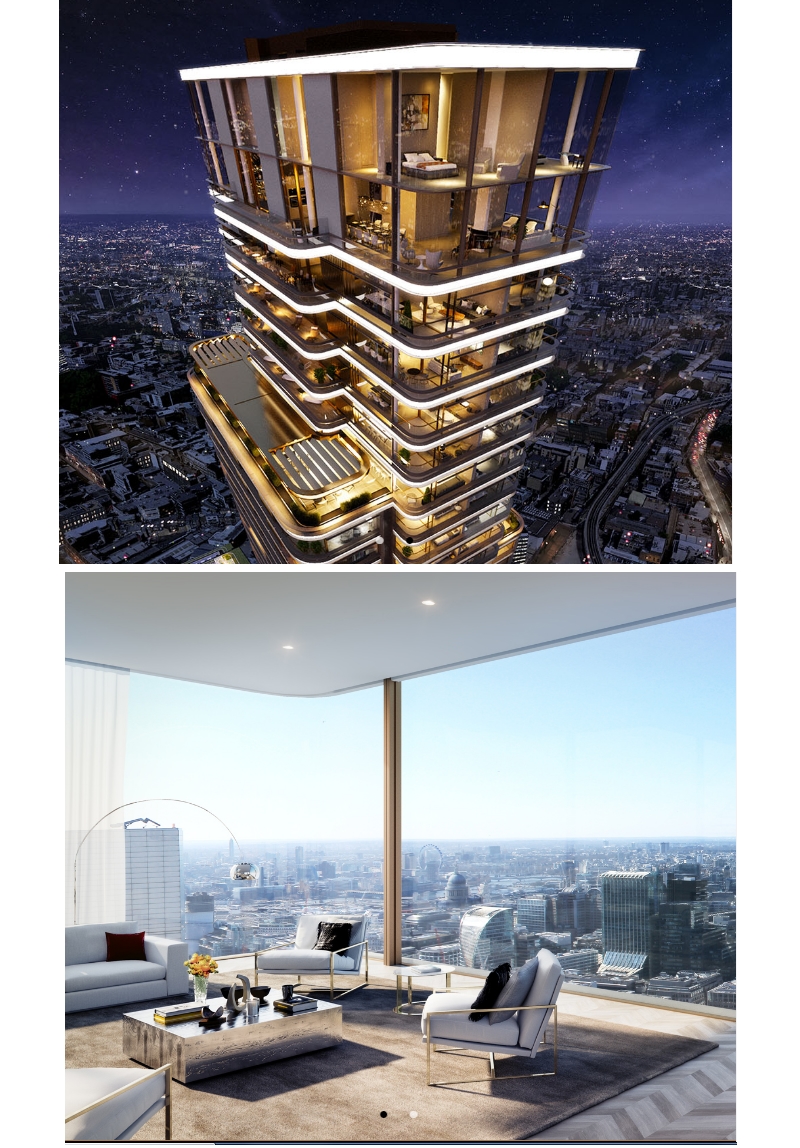
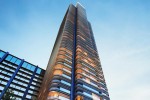
The first residential tower in London fully-designed by world-acclaimed Foster + Partners


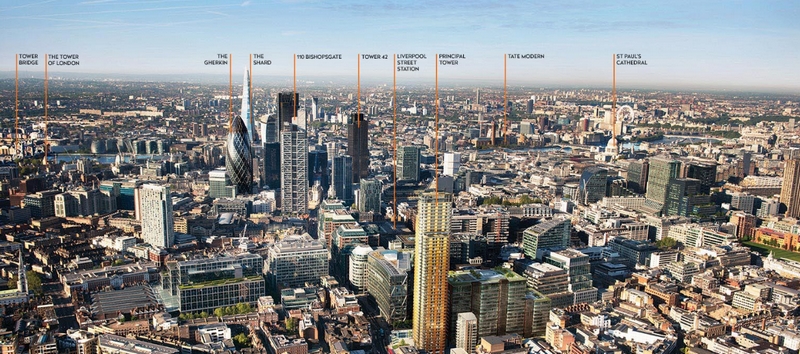
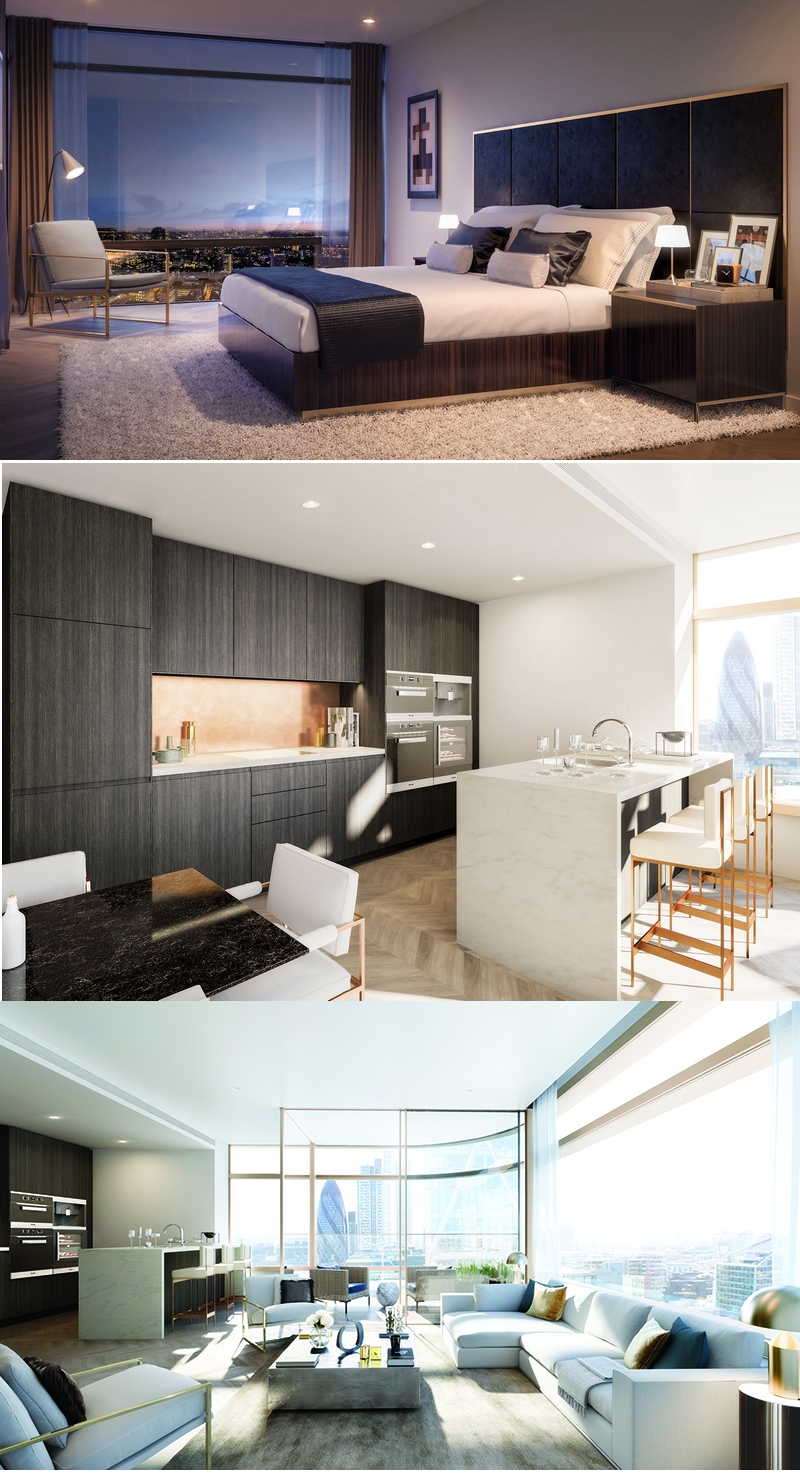
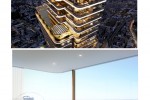
Principal Tower is a soaring testimony to London’s continuing influence and vision. The spectacular views of London are an integral part of the apartments – epic vistas of an epic skyline.

Principal Tower London - PENTHOUSE - TOP OF THE WORLD
Principal Tower London – PENTHOUSE – TOP OF THE WORLD; @principaltower.com

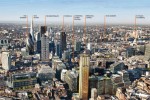
Joining other landmarks in the City such as “The Gherkin”, “The Cheesegrater” (Leadenhall Building) and the “Walkie-Talkie” (20 Fenchurch Street), Principal Tower is poised to become a world-class building in the iconic skyline of London.

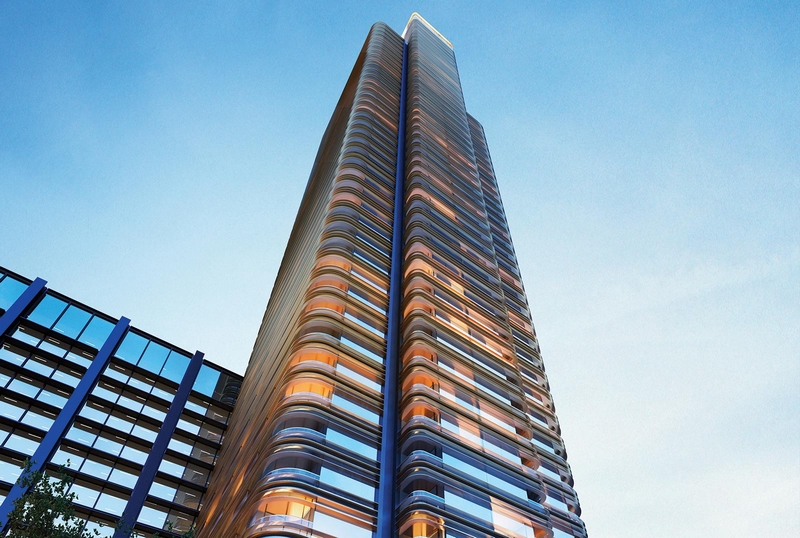
Commissioned by Concord London and Brookfield Properties, the first residential tower in London fully-designed, both inside and out, by world acclaimed architecture firm Foster + Partners, combines spectacular architecture and breath-taking views with intelligent, elegant design of the highest specification. Foster + Partners’ first residential skyscraper in London contains 299 luxury apartments.

Principal Tower London - Location
Principal Tower London; @principaltower.com

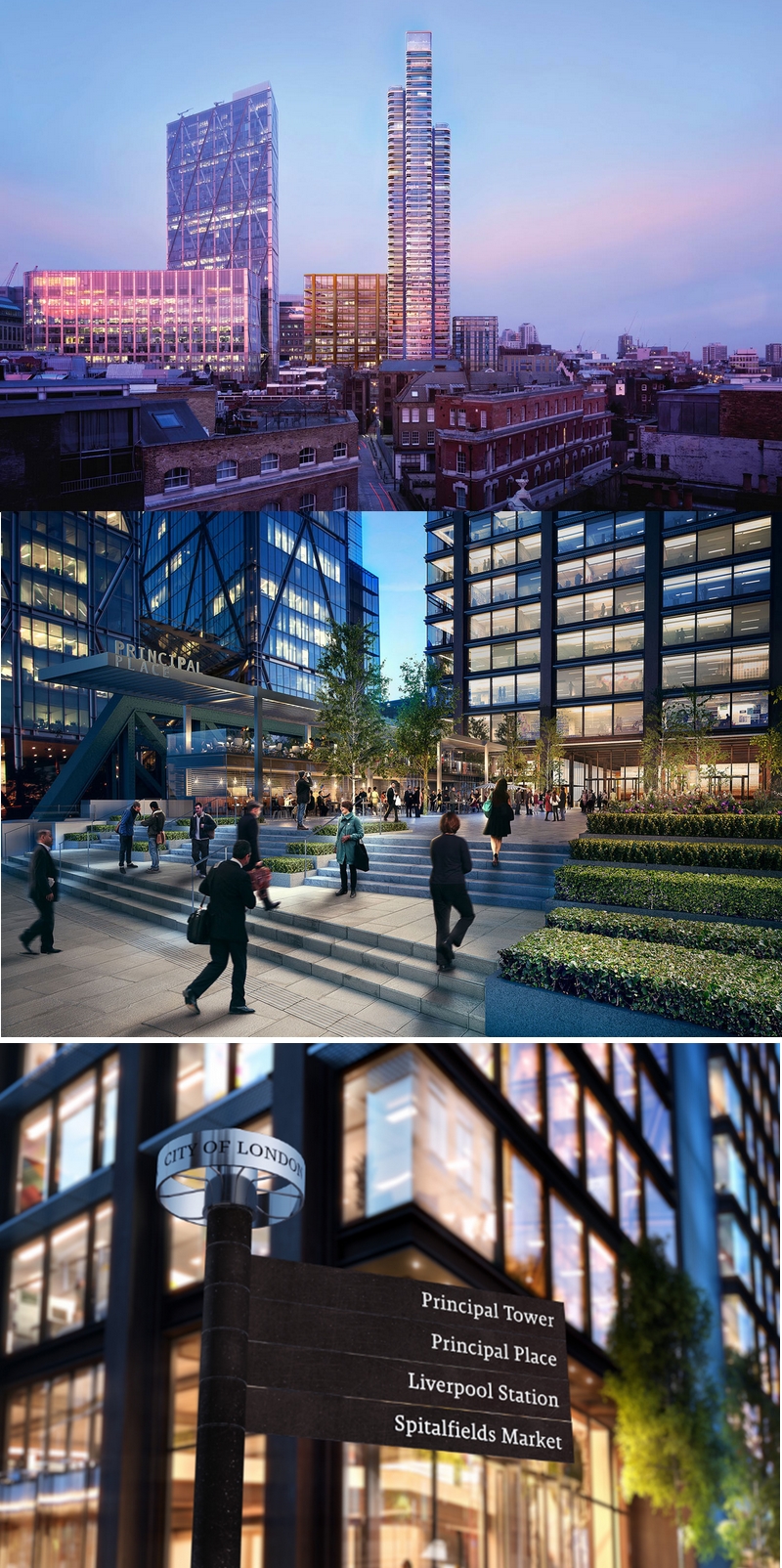
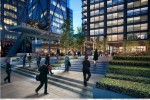
Each of the luxurious apartments in this 50-storey tower also benefits from the residents’ gym and spa, screening room, lap pool, 24-hour concierge and the newly built adjacent tree-lined piazza of shops, restaurants and bars.

There are subterranean bicycle storage facilities available and opportunities to acquire parking spaces. With a City address, but within walking distance of trend-setting Shoreditch, the development offers fast, efficient transport links, as well as a wealth of cultural and culinary experiences on the doorstep.

Designed by Foster + Partners, Principal Tower signifies the epitome of understated elegance. Inspired by the architectural landmarks in its vicinity and the historic views it offers across the capital, Foster + Partners has created a svelte new addition that responds to the uniqueness of its location both geographically and culturally,” commented Principal Tower London developers.

All interiors are designed by Foster + Partners’ own in-house interiors practice in collaboration with LIV Interiors to seamlessly blend with the architecture. A cool palette, carefully considered detailing and the very best materials combine to create serenely elegant spaces.

“Principal Tower is an integral part of a composition of buildings that includes the new Amazon headquarters, the adjacent low-rise residential buildings and the refurbished and restored Light Bar,” Grant Brooker, director at Foster + Partners told deezen,

“It was designed specifically for this location – the character of the buildings and the form is specific to the place it occupies, and it would certainly not be built like this anywhere else in the city,” added Brooker.

https://www.youtube.com/watch?v=E-l3Yo3Cnuk

Principal Tower London - Residential Tower
Principal Tower London; @principaltower.com
Principal Tower London - Interior
Principal Tower London; @principaltower.com
Principal Tower London - 2019
Principal Tower London; @principaltower.com


text

Desert ski slopes and outdoor aircon: can the scorching emirates really go green?

It is one of Earth’s biggest carbon emitters, a place where SUVs roar from manmade islands to malls with ski slopes. Can an architecture triennial in the UAE really teach us how to go green?

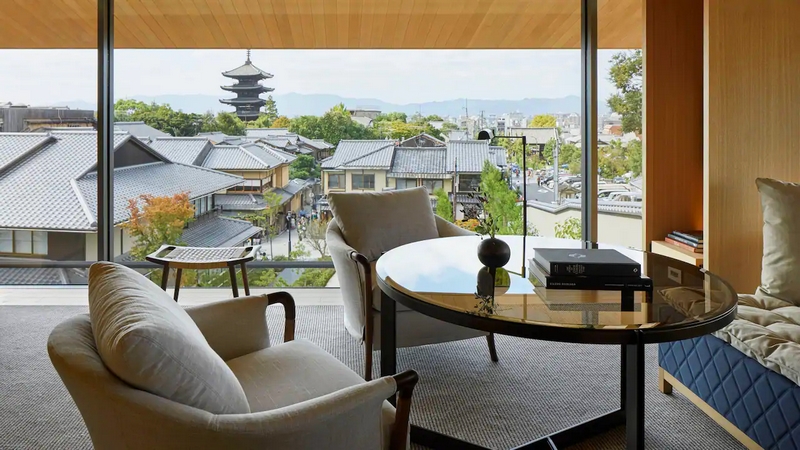
Officially Open: Park Hyatt Kyoto – a serene Higashiyama hillside retreat for discerning travelers

  Park Hyatt Kyoto is a celebration of Japanese harmony and tranquility. The new high-end address is unlocking the unique character of Japan’s ancient capital of high arts and crafts. Embodying the quintessential Japanese guesthouse, this new luxury hotel is located in one of the Tokyo’s best-preserved historic districts, Higashiyama hills. The region is known … Read more

Welcome to Manc-hattan: how the city sold its soul for luxury skyscrapers

Giant towers are sprouting up all over Manchester. But how will sky lounges and penthouse olive groves help the city’s rocketing homelessness problem?

The Louis Vuitton Fondation pays tribute to Charlotte Perriand as an architect and visionary creator

    “Charlotte Perriand: Inventing a New World” at the Fondation Louis Vuitton from October 2, 2019 to 24 February, 2020 The Louis Vuitton Fondation pays tribute to Charlotte Perriand as an architect and visionary creator through a large-scale exhibition of her work exploring the links between art, architecture and design. An engaged visionary who … Read more