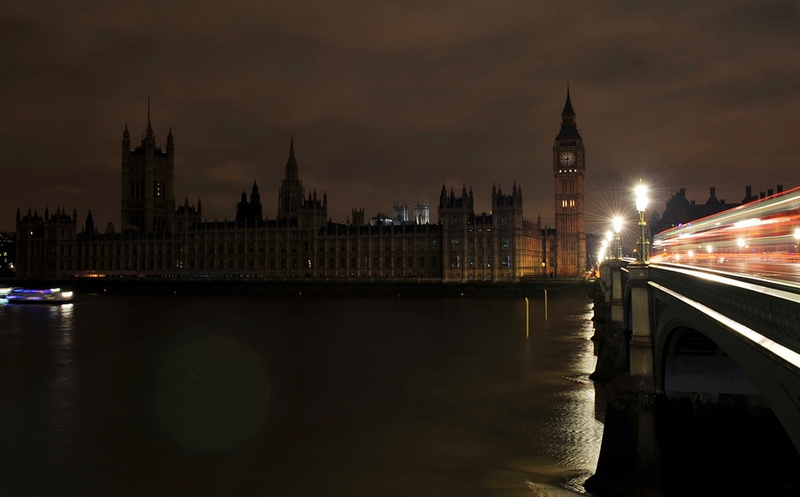
Earth hour: millions will switch off lights around the world for climate action

#YourPower. “Climate Change is a people problem. This is the time to Use #YourPower. Join the global movement to #ChangeClimateChange.”
london earth hour


Powered by Guardian.co.ukThis article titled “Earth hour: millions will switch off lights around the world for climate action” was written by Karl Mathiesen, for theguardian.com on Friday 27th March 2015 09.37 UTC

The UN secretary general, Ban Ki-moon, has said hundreds of millions of Earth hour participants around the world will demand a strong global climate agreement by switching off their lights for an hour on Saturday night.

Many of the world’s brightest lights will go dark at 8:30pm (GMT) as Earth hour marks its ninth year. In a video address, Ban said the symbolic switching-off held more significance than ever, just nine months before a pivotal UN meeting on the climate crisis in Paris.

“Climate change is a people problem. People cause climate change and people suffer from climate change. People can also solve climate change. This December in Paris, the United Nations is bringing nations together to agree a new, universal and meaningful climate agreement. It will be the culmination of a year of action on sustainable development,” said Ban.

More than 7,000 cities in 172 countries are expected to take part in the world’s largest ever demonstration, which has grown from a single World Wildlife Fund (WWF) event in Sydney in 2007.

“Earth Hour shows what is possible when we unite in support of a cause: no individual action is too small, no collective vision is too big. This is the time to use your power,” said Ban.

Organisers said this year’s demonstration would be the biggest yet. Sudhanshu Sarronwala, chair of Earth Hour global said: “Climate change is not just the issue of the hour, it’s the issue of our generation. The lights may go out for one hour, but the actions of millions throughout the year will inspire the solutions required to change climate change.”

Some the world’s most famous landmarks will turn their lights out. The UN building in New York will join London’s Houses of Parliament, Rio de Janeiro’s Cristo Redentor (Christ the Redeemer) and the Eiffel Tower in Paris. In Bulgaria a giant Danube sturgeon fish will be drawn in fire in the capital, Sofia. Millions of other, more humble, participants will take part by simply switching from electricity to candlelight for an hour.

Colin Butfield, director of campaigns at WWF-UK said the mass participation was a demand for climate action and politicians should take heed. “The fact that such a huge number of people are taking part in Earth Hour across the world and are using it as a moment to inspire action on sustainability in their own communities sends a really clear message that the public is ready to tackle climate change – we now need politicians to show the same drive,” he said.

Britain’s energy and climate change secretary, Ed Davey, who has been heavily involved in the climate negotiations at the UN, called for a response to climate change that was commensurate with its threat. “It’s time for everyone to recognise that climate change will touch just about everything we do and everything we care about. Earth Hour is an excellent opportunity for millions of people across the world to take one simple step to show they’re serious about backing action on climate change,” said Davey.
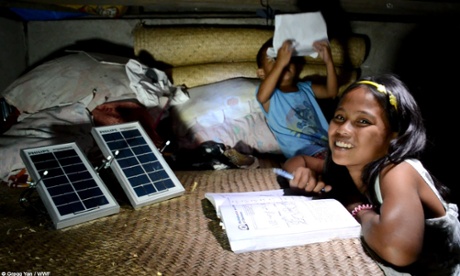
Joy Dominguez
Joy Dominguez, 11, studies under a solar lamp. Photograph: Gregg Yan/WWF

Ban said the focus on climate change should not distract from Earth Hour’s other key mission: introducing clean energy to the most remote and impoverished communities on Earth. “By turning out the lights we also highlight that more than a billion people lack access to electricity. Their future wellbeing requires access to clean, affordable energy,” he said.

In 2014 Earth Hour used a crowdfunding platform to raise money and deliver thousands of fuel-efficient stoves to families in Madagascar and solar kits to remote villages in Uganda. The organisation also supplied islands in the Philippines with solar power for the first time and raised money for victims of Typhoon Haiyan.

guardian.co.uk © Guardian News & Media Limited 2010

Published via the Guardian News Feed plugin for WordPress.

Amazon’s trees removed nearly a third less carbon in last decade – study

Fall in amount of carbon absored by rainforest means even greater cuts to manmade emissions are needed to combat climate change, warn scientists

Don’t feed the ducks bread, say conservationists

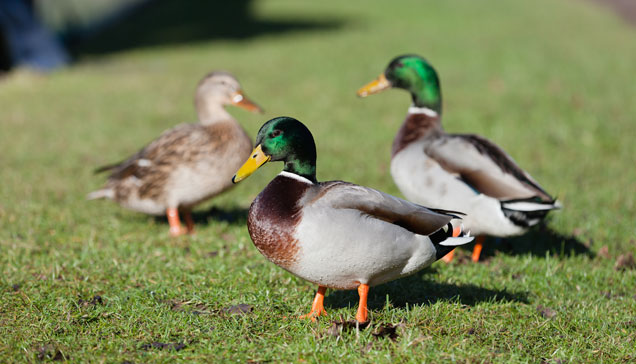
keep our ducks healthy - healthy food for ducks keep our ducks healthy don't feed ducks with bread


Powered by Guardian.co.ukThis article titled “Don’t feed the ducks bread, say conservationists” was written by Karl Mathiesen, for The Guardian on Monday 16th March 2015 06.01 UTC

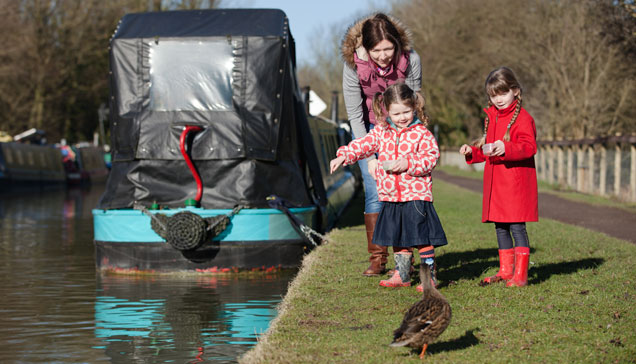
The seemingly innocent act of feeding ducks with bread is harming waterfowl and polluting waterways, conservationists warned on Monday as they urged people to use more benign alternatives.

A survey by the Canal and River Trust found nearly a quarter of English and Welsh people had together fed six million loaves of bread to ducks last year. Uneaten bread causes algal blooms, allows bacteria to breed and attracts rats and other vermin.

Apart from affecting water quality, the trust and other agencies said the duck feeders may be unwittingly damaging the health of the birds.

A spokesperson for the government’s Animal and Plant Health Agency said: “Large amounts of bread and other human foodstuffs can be harmful to wildfowl, leading to potentially fatal or disabling health conditions. Uneaten food can also cause changes to the chemical and bacteriological content of water, increasing the risk of avian disease.”

A spokeswoman for the RSPB said making large quantities of bread easily available stops ducks from eating a natural, balanced diet.

“White bread in particular has no real nutritional value, so while birds may find it tasty, the danger is that they will fill up on it instead of other foods that could be more beneficial to them,” she said.

“There’s also a risk that ducks and other water fowl could get an illness known as angel wing, which is caused by not getting the right nutrients in their diet. The illness causes a deformity in birds’ wings that can hamper the way they fly or even stop them altogether, which could obviously be fatal.”

Peter Birch, national environment manager for the Canal and River Trust, said the aim was not to discourage people from interacting with wildlife, but to do it in a way that recognised their particular needs.

“Please come and feed the ducks but do it sensibly so your children and future generations can enjoy it too. The charity is asking the public to make a few simple changes. Bread’s not great for a duck’s health as it’s nothing like their natural diet so don’t overfeed them with large quantities of it.

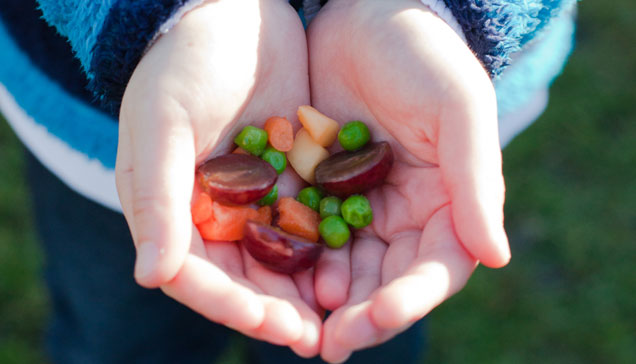
“Try to vary what you give them and swap it for healthier more natural treats like oats, corn, or defrosted frozen peas. And exercise portion control,” he said.

Birch also said that feeding regularly in particular places makes ducks habitually reliant on food from humans and leads to an accumulation of duck faeces in the water, on paths and bridges.

“Don’t follow the crowds, spread the love, and visit a new family of ducks to prevent large quantities of the starchy duck ‘junk food’ from clogging up the same places and potentially damaging the environment.”

Peter Rawson, a resident of Stalybridge in Manchester, said his local waterway had become plagued by Canada geese, despite there being few places for them to graze naturally.

“They are only in Stalybridge because there is a ready, and seemingly endless, supply of bread provided by some of the locals and the output from all this consumption can be seen all over the towpath,” he said.

Sfd (Safe for ducks)

  • Cracked corn
  • Wheat, barley or similar grains
  • Oats
  • Rice (cooked or uncooked)
  • Birdseed (any type or mix)
  • Grapes (cut in half)
  • Frozen peas or corn (defrosted, no need to cook)
  • Earthworms
  • Mealworms
  • Chopped lettuce or other greens or salad mixes
  • Chopped vegetable trimmings or peels
  • Duck pellets

Nsfd (Not safe for ducks)

  • Bread
  • Chips
  • Crackers and biscuits
  • Popcorn
  • Sugary food – sweets, chocolate

guardian.co.uk © Guardian News & Media Limited 2010

Published via the Guardian News Feed plugin for WordPress.
What is the Bill and Melinda Gates Foundation?

The $43.5bn trust is the largest philanthropic organisation in the world and is committed to the eradication of malaria and polio, and controlling the spread of tuberculosis and HIV

Is a ban on GM crops more harmful than growing them?

UK’s chief scientist has said GM crops could provide plentiful food with less damage to the environment and at lower costs. But does that mean we should grow them? Karl Mathiesen investigates.

Let us know your thoughts. Post in the comments below, email karl.mathiesen.freelance@theguardian.com or tweet @karlmathiesen

Brian Cox: scientists giving false sense of debate on climate change

‘Research presented as overly precise climate predictions rather than best advice is manipulated by nonsensical sceptics’