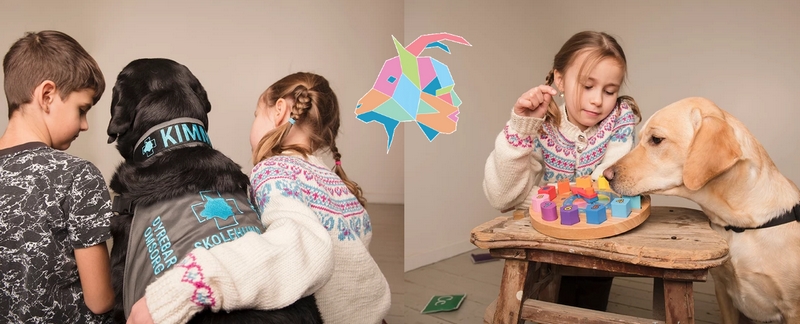
Cats, camels and a Jesus lizard: the rise of animal-assisted therapy

Once considered eccentric, using animals in psychotherapy is becoming popular as research reveals benefits

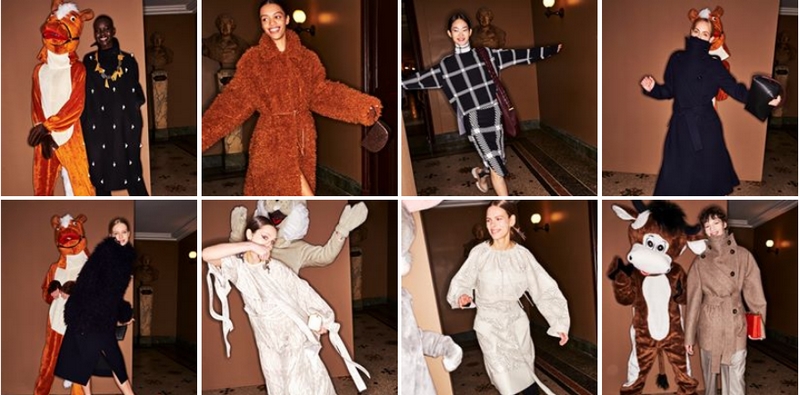
Stella McCartney goes wild to drive home animal-free message

Paris show features wildlife costumes to emphasise the label’s planet-friendly ethos

Seasons are supposed to change, but they are not supposed to change life on earth


Add the Seasons to UNESCO’s World Heritage List.
Outdoor clothing brand, Bergans of Norway, together with WWF Norway, has launched an initiative to ‘Save the Seasons’ in a bid to have them added as part of UNESCO’s World Heritage list.
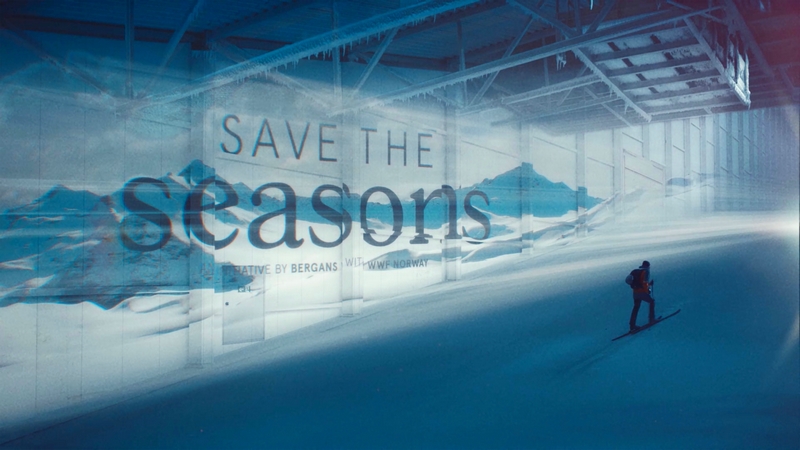
@Bergans of Norway

Temples, Stonehenge, pyramids and… seasons? The global seasons should be considered to be of outstanding value to humanity.

Seasons are changing affecting whole ecosystems. Seasons are supposed to change, but they are not supposed to change life on earth.

Everything previously included on UNESCO’s World Heritage list is either a physical object, building or city. Bergans and WWF Norway state the changing seasons affect and threaten much of what is on the list, yet, aren’t considered in the preservation of these sites or as a heritage for future generations.

“The seasons are the very foundation of life, which in turn is directly linked to our cultural heritage. The seasons must, therefore, be declared as worthy of conservation as much as a physical object,” says Karoline Andaur, head of WWF Norway.

To be included on the World Heritage list, sites must be of outstanding universal value and meet at least one out of ten criteria. Bergans and WWF Norway believe that our seasons meet nine of these and are now calling upon all global citizens and governments to sign a petition to help save the most important heritage of all.

The campaign is a statement saying that cultures, buildings and areas are in danger because of climate change. A statement saying that by destroying our environment, we are also damaging our heritage.

The seasons control natural processes, from mating, pollen, rain, drought, and weather. If the bees wake up too late for the blossom, it’s disastrous for both them and the plants. This is just one of many signs that the seasons are under threat.

“For us, this is essentially about preserving nature for future generations. Bergans has existed for 112 years out of our love for the outdoors. The rhythm of nature is in the process of being disturbed and entire ecosystems will be destroyed. Animals, plants, and humans are at risk of losing the basic conditions they require for life, and the cultural heritage of the world is under threat,” said Jan Tore Jensen, CEO Bergans of Norway.

 

Experience Ai Weiwei’s first virtual reality artwork, Omni

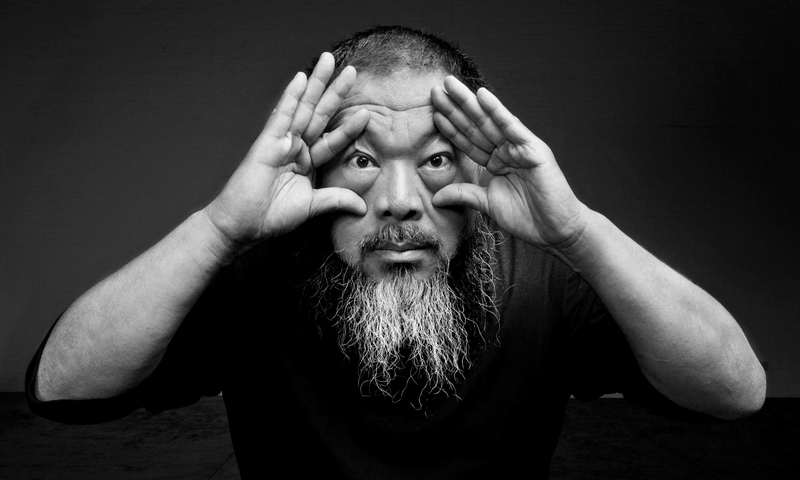
Ai Weiwei. Photograph: Gao Yuan. Ai Weiwei Studio

Powered by Guardian.co.ukThis article titled “Experience Ai Weiwei’s first virtual reality artwork, Omni” was written by Alex Needham and Simon Hattenstone, for theguardian.com on Tuesday 21st January 2020 13.30 UTC

Ai Weiwei’s first virtual reality video, which you can see here, is called Omni. It fuses together two films the artist has made focusing on the migrant crisis, immersing viewers in the upheaval of displacement and exile for both animals and humans.

The first part of Omni focuses on the elephants of Myanmar. Once, they worked with their trainers, mahouts, dragging logs from the jungle. Now the government has placed severe restrictions on their jobs and the animals are redundant. Lost and confused by the destruction of their natural environment, the elephants attempt to return to the wild, sometimes coming across the refugees whose camps have been erected on their long-lost migratory routes.

“I relate to the elephants,” Ai says. “There are lot of small ones who have lost their parents. Elephants are like humans. Without parents they cannot survive. They have to stay with them until they are seven years old.”

The second part of Omni drops the viewer into the centre of a migrant camp known as Cox’s Bazaar, in Bangladesh just over the border from the refugees’ home in Myanmar’s Rakhine state, where they have fled persecution, ethnic cleansing and a military crackdown. The work provides a migrants’-eye view of daily activities, such as queuing for supplies, and takes the viewer through the camp, from its tents to its markets and playgrounds.

As well as the harshness of life in the camp, it shows solidarity, sharing and teaching. “I feel a lot of positive things about humanity even in the worst conditions,” Ai said. “I don’t want to show that there is just sadness. Happiness and sadness always coexist. That’s a reason to protect that happiness.”

  • Omni was produced with Acute Art, who work with artists to make virtual and augmented reality videos. On 30 January, Ai Weiwei will show the project to an audience at a Guardian event at Conway Hall, London.
  • Viewers on mobile should have the YouTube app already pre-installed. You must click on the title in the embedded video, and will then be taken to the video in-app where you can actually experience the video in 360 degrees.

guardian.co.uk © Guardian News & Media Limited 2010

Published via the Guardian News Feed plugin for WordPress.

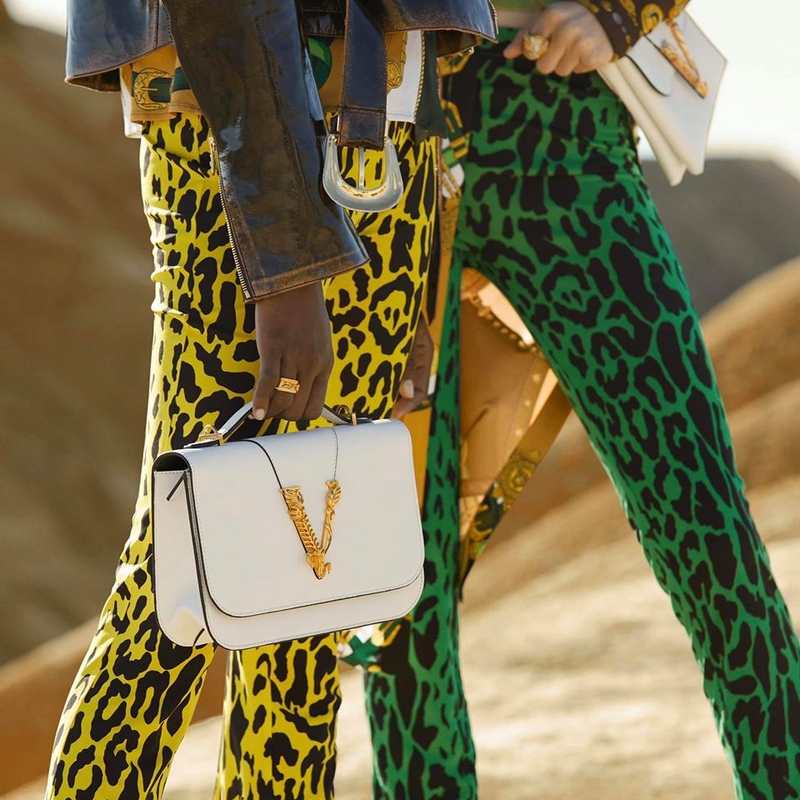
Versace bans kangaroo skin after pressure from activists

Italian campaigners confirm company has stopped using skins in leather goods

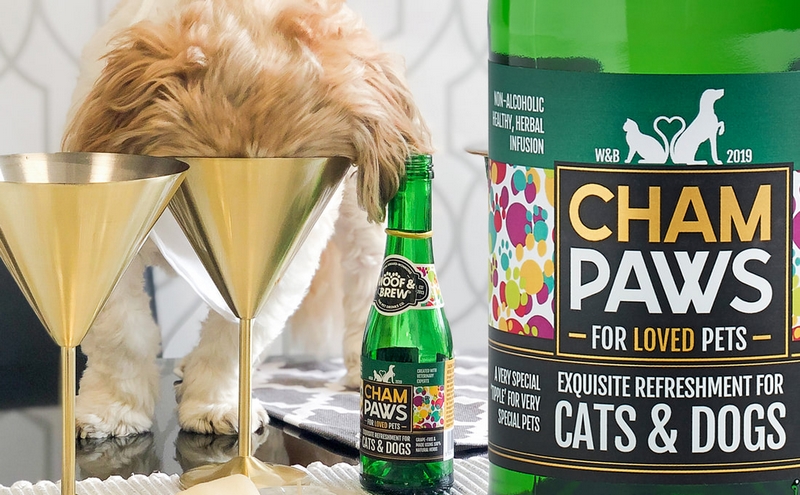
‘I gave a blueberry facial to a vegan dog’: inside the pet pampering boom

From cat spas to dogs Fitbits, pets are more fussed over than ever. What’s behind the mini-me phenomenon?