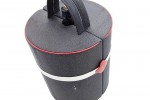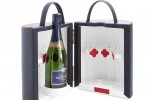
Luxury Lifestyle Awards 2016: Platinum Heritage – Best Luxury Travel Company in UAE. Interview with Adam McEwan, Managing Director of Platinum Heritage.

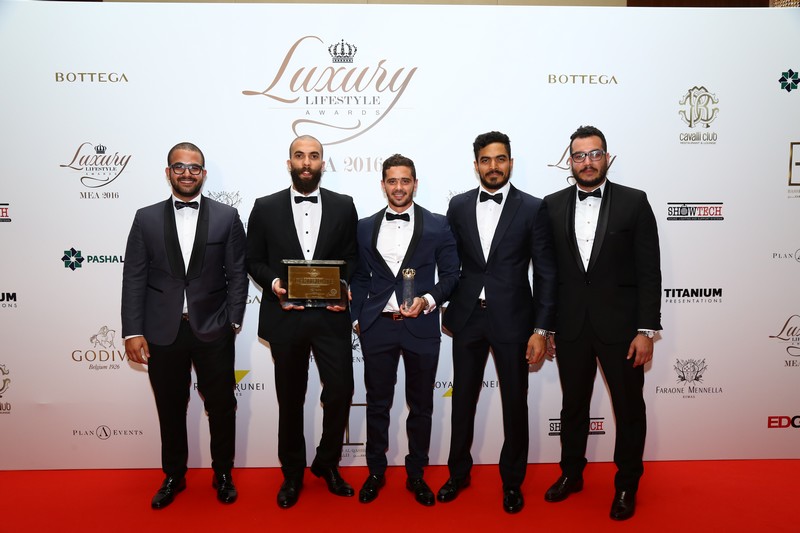
2luxury2 and Luxury Lifestyle Awards 2016 are pleased to introduce Adam McEwan, Managing Director of Platinum Heritage, awarded the 2016 Luxury Lifestyle Awards trophy for Best Luxury Travel Company in UAE at the recent Luxury Lifestyle Awards Middle East and Africa 2016 Gala Dinner at Conrad Dubai hotel on 26th May. As Adam McEwan says, their aim has … Read more

Luxury Lifestyle Awards 2016: Nozomi Riyadh – Best Luxury Restaurant in Saudi Arabia. Interview

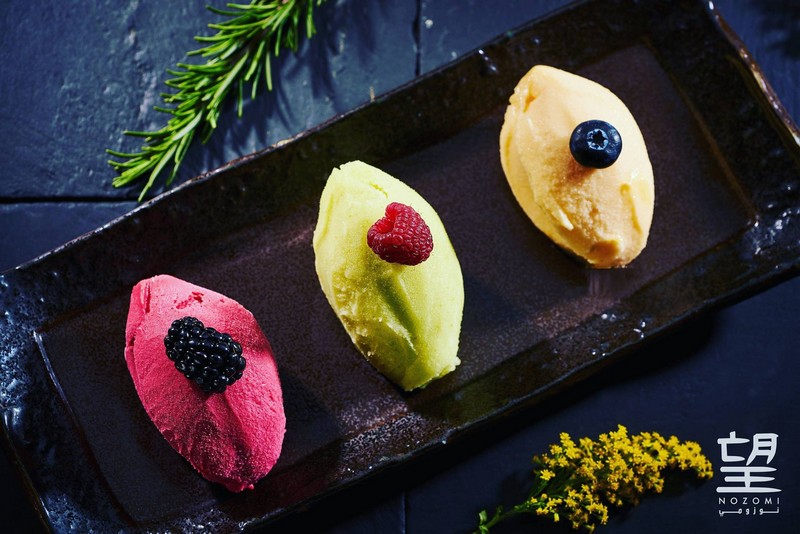
For the second year running, Nozomi Riyadh received the prestigious Luxury Lifestyle Award for the best Luxury Restaurant in the Kingdom Of Saudi Arabia. Award Winning Nozomi Restaurant brings an exciting and unique dining experience to the heart of Riyadh. Located in a spectacular new building on Dabab Street, Nozomi Restaurant serves contemporary Japanese cuisine … Read more

Luxury Lifestyle Awards 2016: Studio Five Cairo – The Best Interior Design Company of Egypt. Interview with architect Ahmed Tarek

  “Keep the dream alive, as dreams are not going to chase you.” Ahmed Tarek The past decade has seen a boom in architecture and interior design firms in Egypt. One such firm causing a stir in the design scene is Studio Five, set up by five inspirational young designers just three years ago. Ahmed … Read more

Olafur Eliasson and the power of the sun

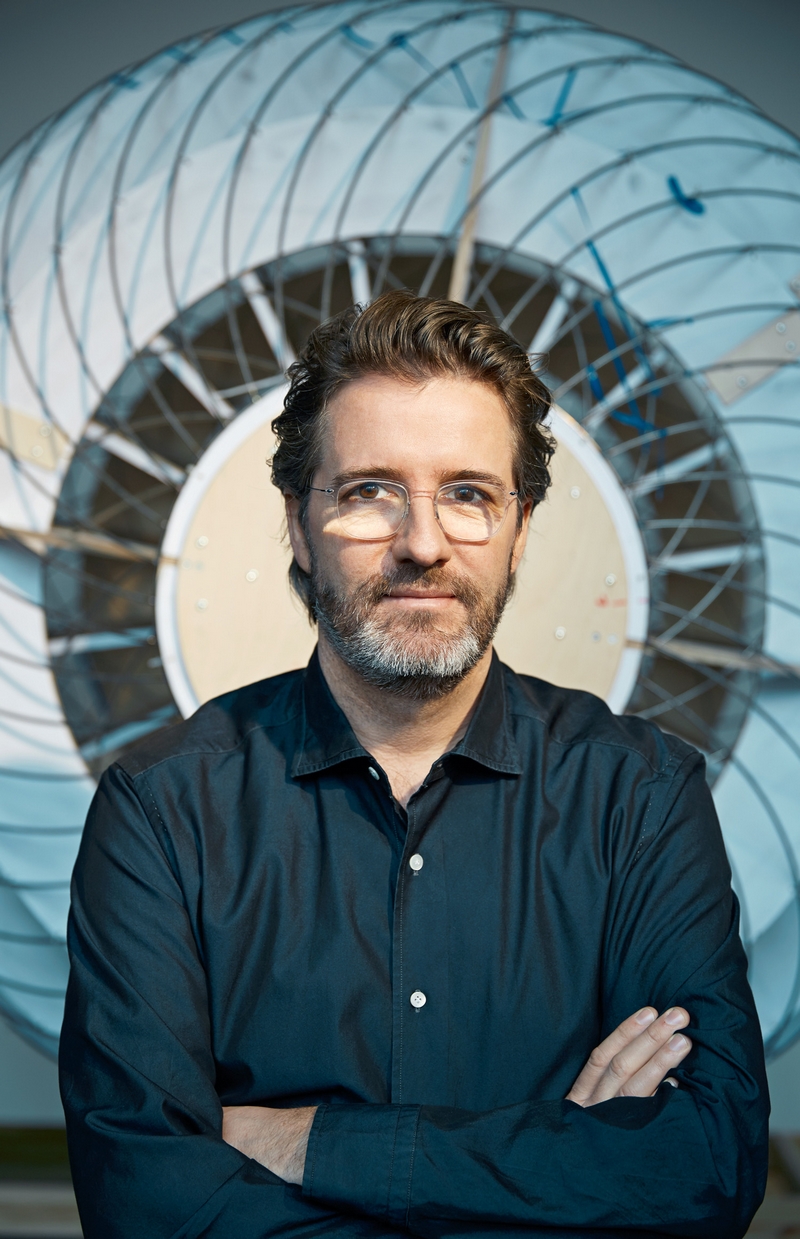
First Olafur Eliasson invented the Little Sun solar-powered lamp for parts of the world without electricity (and Glastonbury). Now the artist has come up with a solar-powered phone charger

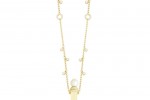
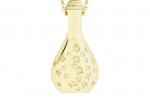
JOHN RUBEL – Since before 1915. The World’s first Independent High Jewellery Heritage Brand?

“A brand exists first and foremost in the mind of the consumer. It may live as long as it is remembered. The logic of brand revival or recyclability is that some brands are buried in consumers’ psyches and as such may still have value. These ‘dormant’ brands are more likely to gain readier acceptance by consumers than would a totally new brand, and at a much lower cost…capitalising on an established heritage…” (1) Mihailovich & de Chernatony.

Article and  exclusive video interview by Philippe Mihailovich  – HAUTeLUXE.net & Caroline Taylor
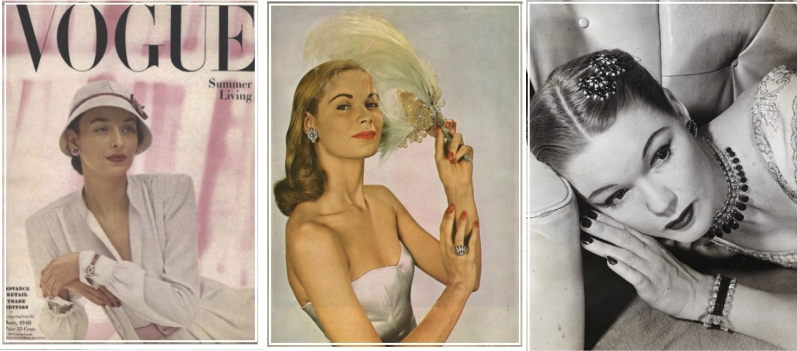
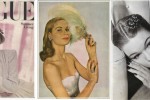
john rubel-jewrly vogue-magazine -

The awakening of dormant luxury brands is now a new phenomenon but it has always been more common for investment funds to seek such names in fashion e.g. Vionnet, Jacques Fath. Many, such as Worth, Jean Patou, Chanel, Balenciaga were kept alive primarily due to their perfume businesses. LVMH billionaire Bernard Arnaud bought the luxury luggage ‘sleeping beauty’ in 2010 and is slowly expanding the maison across the world after 30 years of ‘sleep’. Britain’s Penhaligon’s ‘barber’ perfumery too was brought back to life after over 30 years of silence and has proved a big success.

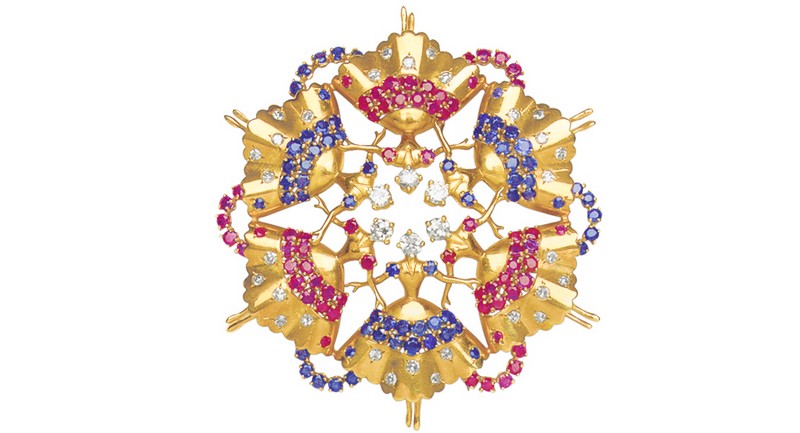
The John Rubel story is quite different. First born in Budapest as Rubel Aba and relocated to Paris’ rue Vivienne in 1915, the Rubel brothers soon established themselves as one of the most extraordinary craftsmen. They almost instantly became a preferred workshop, alongside the Verger brothers for the prestigious Van Cleef & Arpels who would exhibit at High Jewellery fairs in Paris and New York proudly displaying the names Rubel Frères and Verger alongside their own (2).
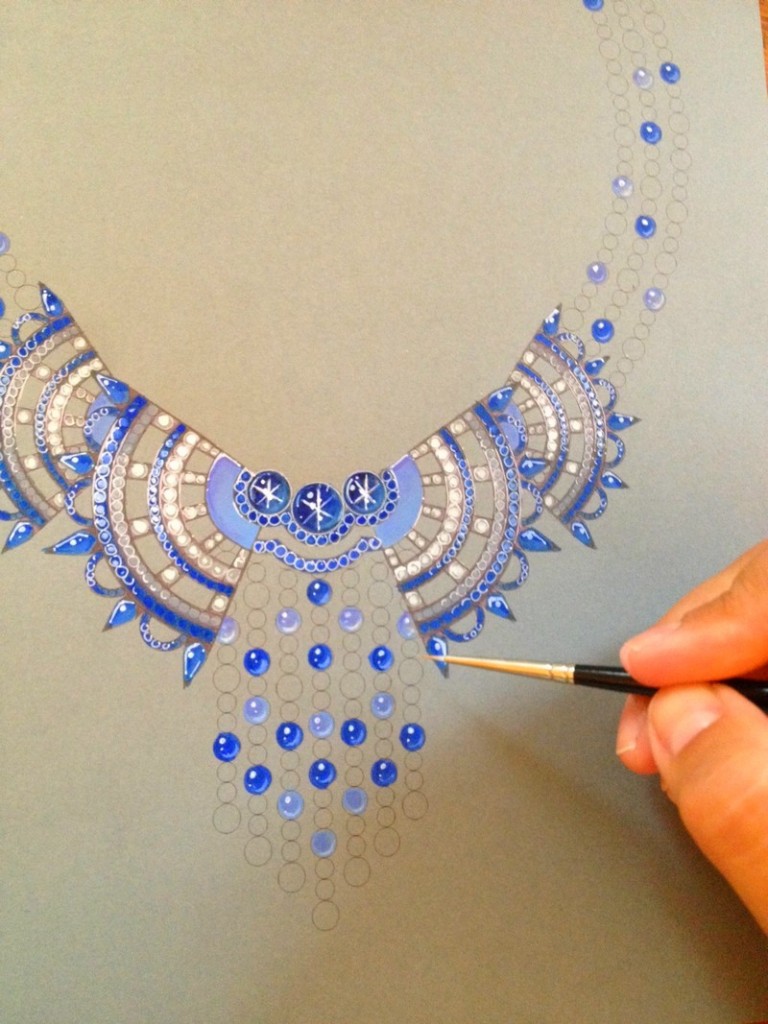
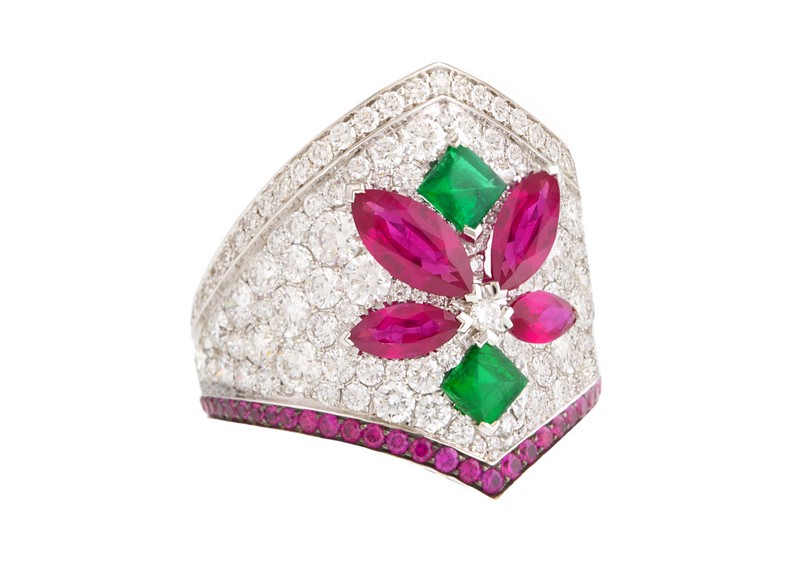
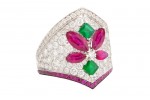
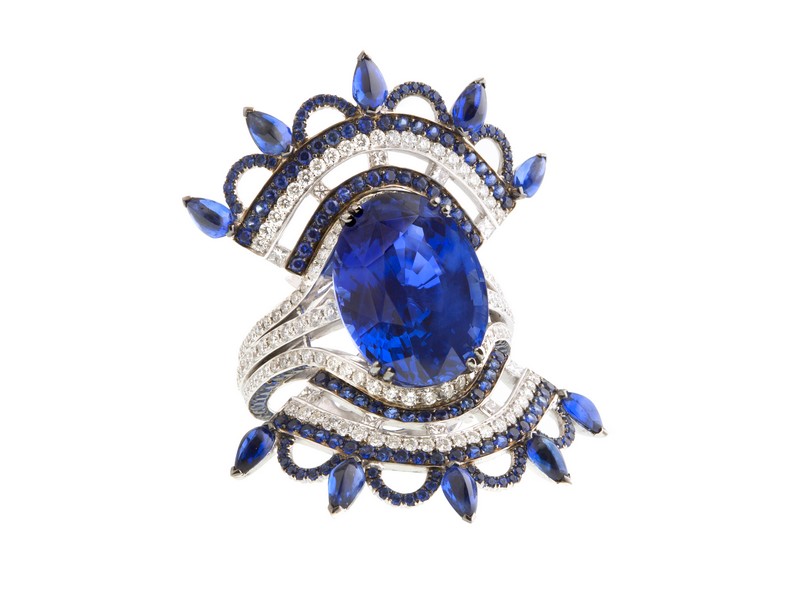
Bleu Carmen - Or gris, diamants saphirs- John Rubel Jewelry - 2luxury2

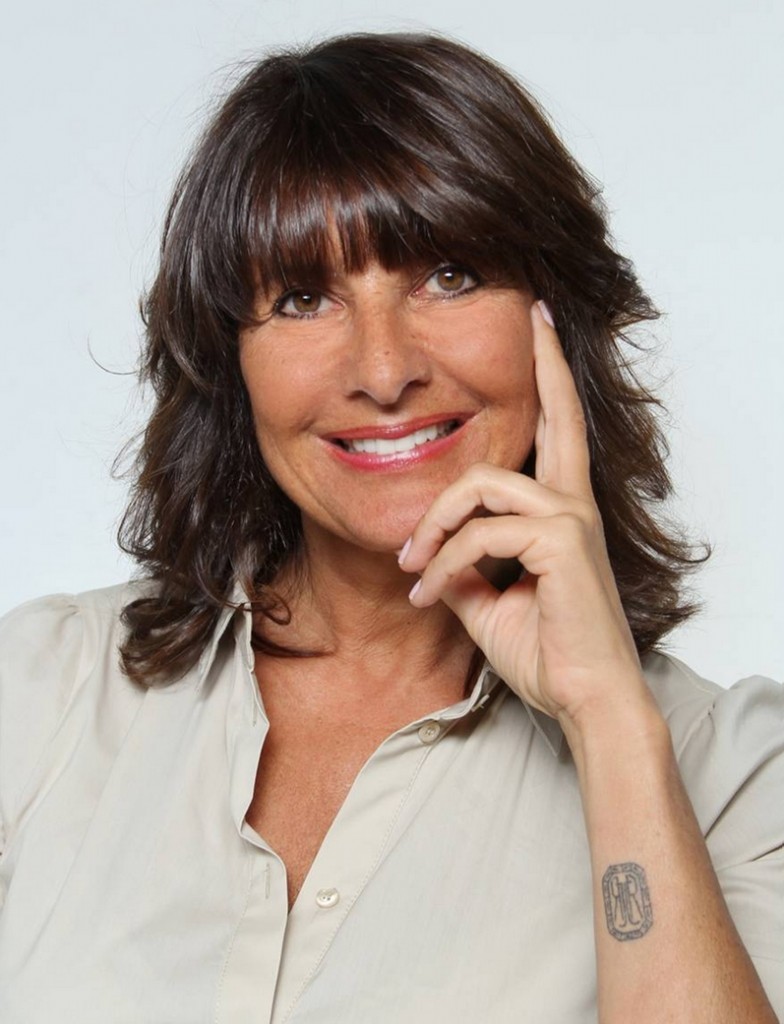
SophieMizrahi Rubel NB-John Rubel Jewelry President - Heir- Artistic Director

In those days, the houses of Cartier, Chaumet, Boucheron and others on the Place Vendôme did not all have well defined brand DNA codes and were very open to workshops offering them creations. In fact, as Sophie Mizrahi-Rubel, President, heir and creative head of John Rubel explains, “the big houses did not have the strong identities that they have today”. As with the major jewellery houses in China, one could easily swap the signage of the houses around and we would be hard pressed to notice.

The concept of ‘Maison’, where the house controls everything from the beginning through to the end, with no sub-contracting, was something few houses were in a position to do. As such, the Rubel Brothers grew in fame alongside Van Cleef & Arpels and their shared favourite designer Maurice Duvalet and by 1939 they had agreed to move to New York with VCA where the new centre of gravity for jewellery had shifted.

Some of the most sought-after antique jewellery today would be the exceptional pieces bearing the both the names Rubel and VCA and if anything has kept the Rubel name far from being forgotten, it is the antique jewellery connoisseurs and leading auction houses of the world. By 1943, Sophie’s great uncles, Jean and Robert Rubel had opened their own ‘maison’, John Rubel in the prestigious 5th Avenue close to the Savoy- Plaza Hotel, a move that clearly brought their collaboration with VCA to an end.
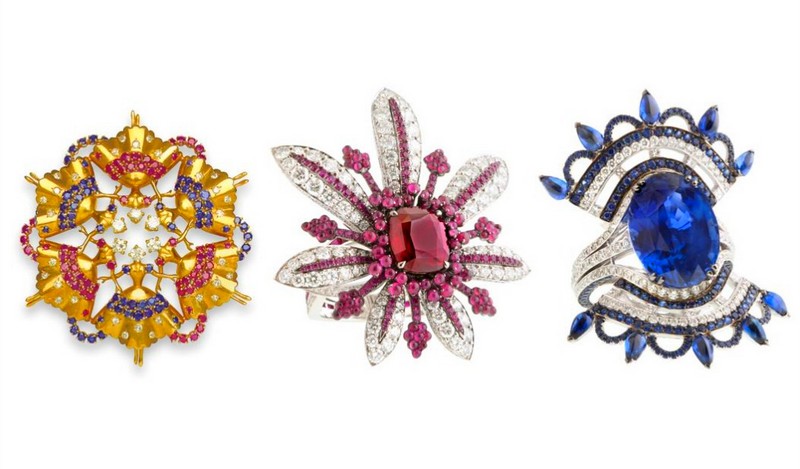
John Rubel Jewelry - The World’s first Independent High Jewellery Heritage Brand

Did Sophie simply inherit the successful family business?

Sophie was born in France to a father who was a leading diamond dealer and a mother who specialised in precious gems. She was clearly born with jewellery in her veins and had been very inspired by all in the family to the extent that she already had the confidence as a student at University, to help modify bridal rings for friends and others. She later went on to study gemology and before long, was calling on houses on the Place Vendôme offering her sketches to VCA, Boucheron and the like, just as her great uncles had done, except that their business no longer existed.

Before long the famous houses were buying her designs and production of at least ten to twenty pieces – note that the houses did not have chains of stores worldwide at the time and internal creative directors planning the collections, by price point, in advance. Mizrahi-Rubel was then approached by LVMH’s Fred Jewellers to work for them full-time which she did for a number of years before joining Cartier and later Mauboussin. Unlike the fashion industry where Lagerfeld can work for Chanel, Fendi and his eponymous label, in high jewellery it viewed as a conflict of interest.
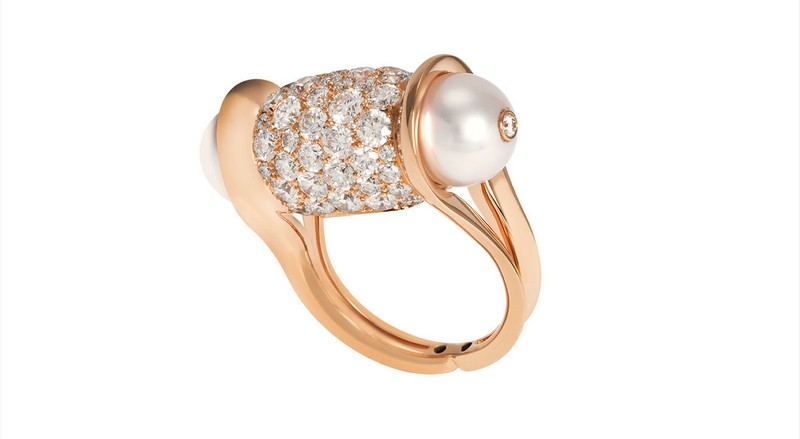
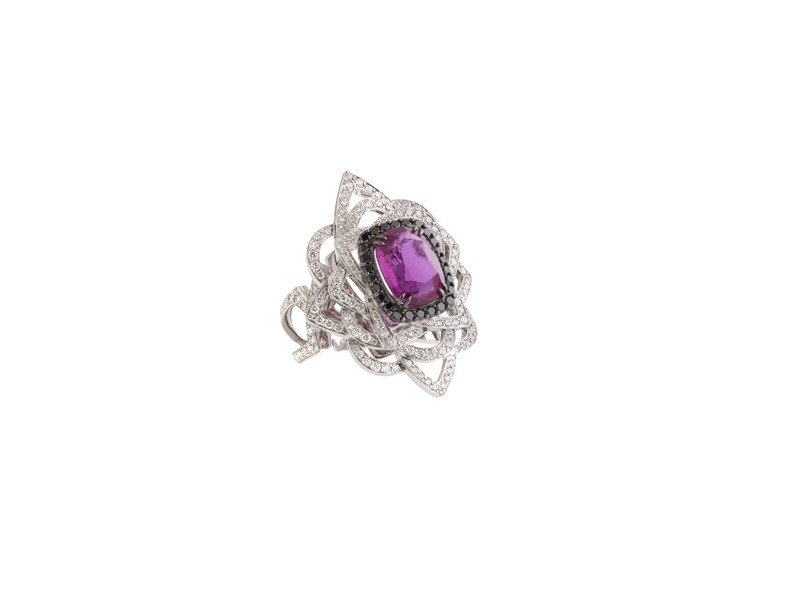
Ginger-Web ring by John Rubel - 2luxury2

With Mauboussin and chasing mass-market sales for a faster turnover growth, and other Place Vendôme houses opening retail outlets at the speed of mass-market brands, Sophie could see that connoisseurs at the high- end of the business were fast defecting to lesser-known independent jewellers, the field she loved so much.
It was time for her to once more design exceptional, rare and timeless pieces driven by creativity or by what the stone requires rather than in accordance with a marketing plan. It was time too, to resurrect the family brand and she had clearly earned the right to do so.

Unlike the ‘sleeping beauty’ luxury houses mentioned earlier, this one has the authenticity of having a true family member behind it. Perhaps only Fabergé comes close to sharing such a story and even won the Grand Prix d’Horlogerie de Genève award in 2015. Sophie Mizrahi-Rubel is certainly on track to be a Haute Joaillerie award-winner for house of John Rubel in the near future.

1. Mihailovic, P. and de Chernatony, L. ‘The Era of Brand Culling: Time for a Global Rethink’ The Journal of Brand Management, Volume 2, #5, April 1995, pp 308-315;

2. Jean Jacques Richard, “L’Histoire des Van Cleef et des Arpels” 2010.
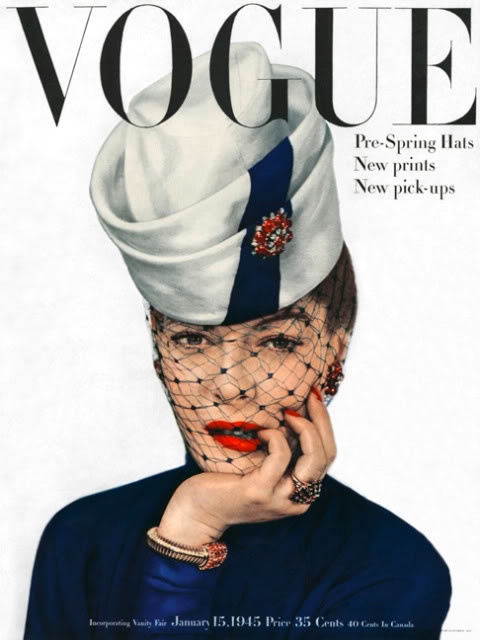
john rubel-jewrly vogue-magazine - cover january-1945 John Rubel- Jolie Mo¦éme

John Rubel- Bleu Carmen bague- ring   John Rubel Jewelry -rockette The World’s first Independent High Jewellery Heritage Brand John Rubel - Mistinguett bague-ring John Rubel - Ginger saphir ring John Rubel - Ginger diamants ring John Rubel - Amelia - or rose 1-2016  John Rubel - Amelia - or gris 1

Maltier le Malletier. The ‘oldest’ new French reference for luxury trunk-making and leather goods
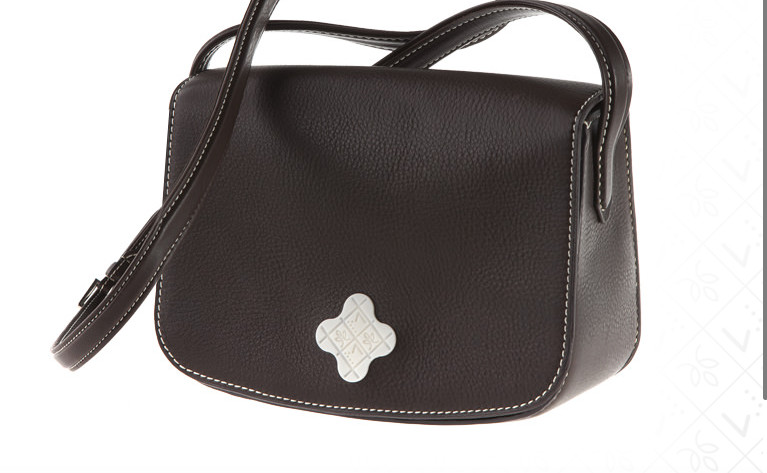
Article by Caroline Taylor.
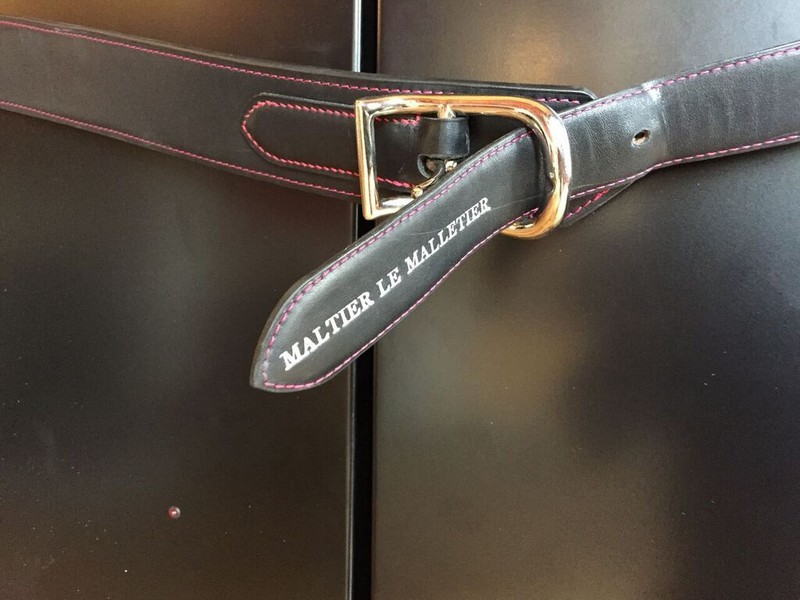
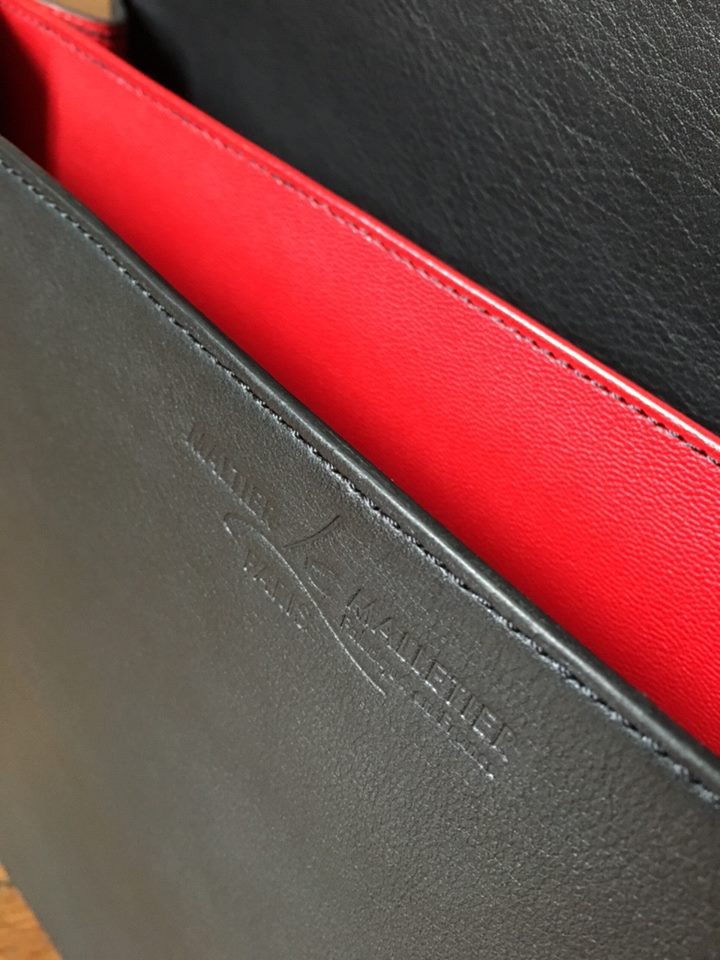
Maltier le Malletier
was born thanks to the successful combination of three stories: the reconnection of two childhood friends, Benoît Maltier and Guillaume Désert; Benoît’s family trunk making history – whose forefathers took the name of their artisanship, “Maltier”, derived from the French word “un malletier” meaning trunk-maker; and finally, their passion for ancient French trunk-making traditions and “savoir- faire”.

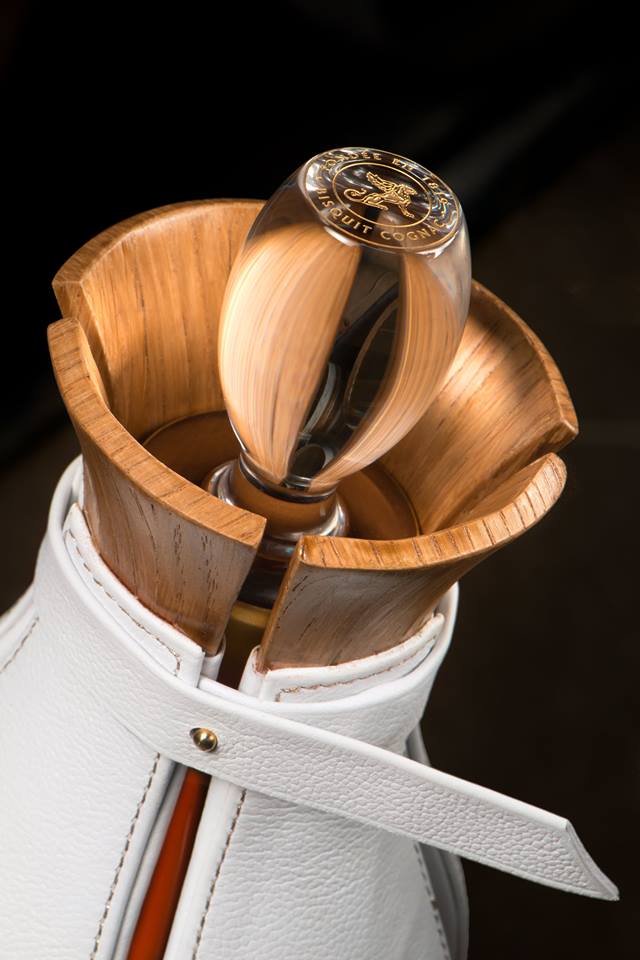
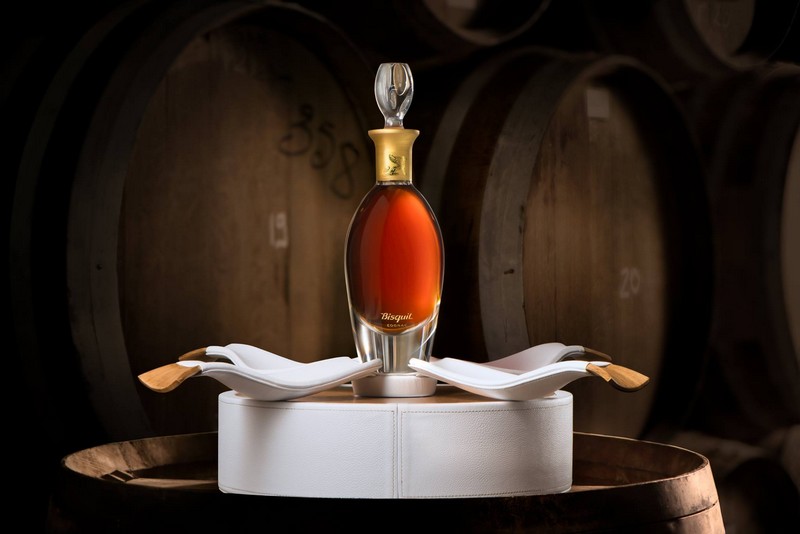
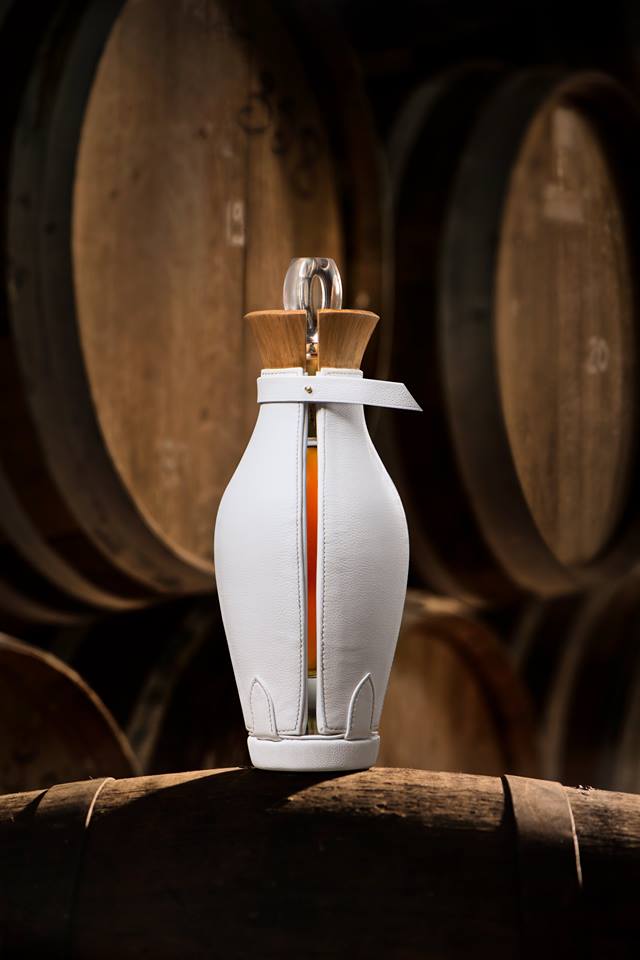
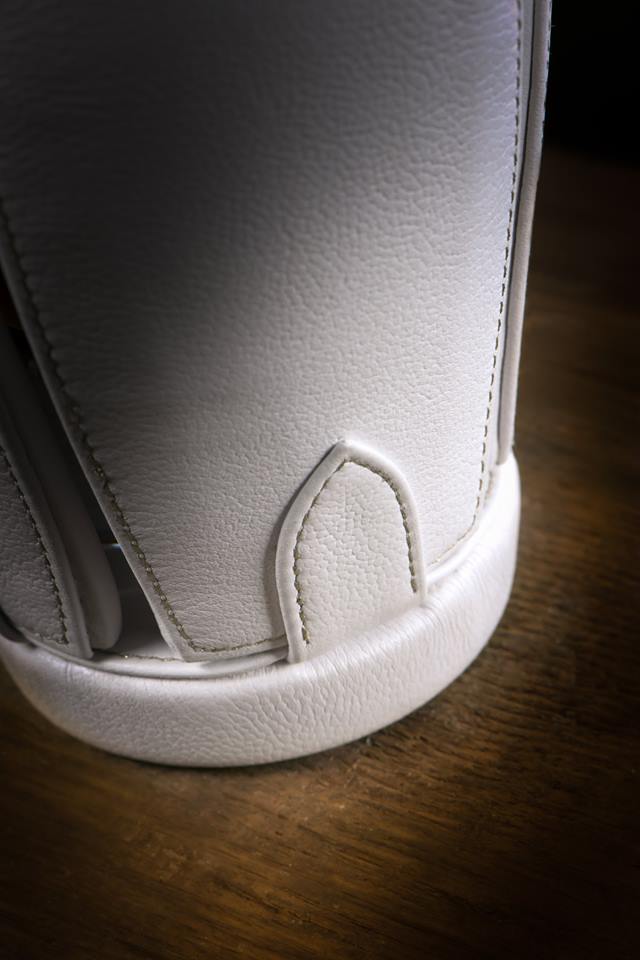
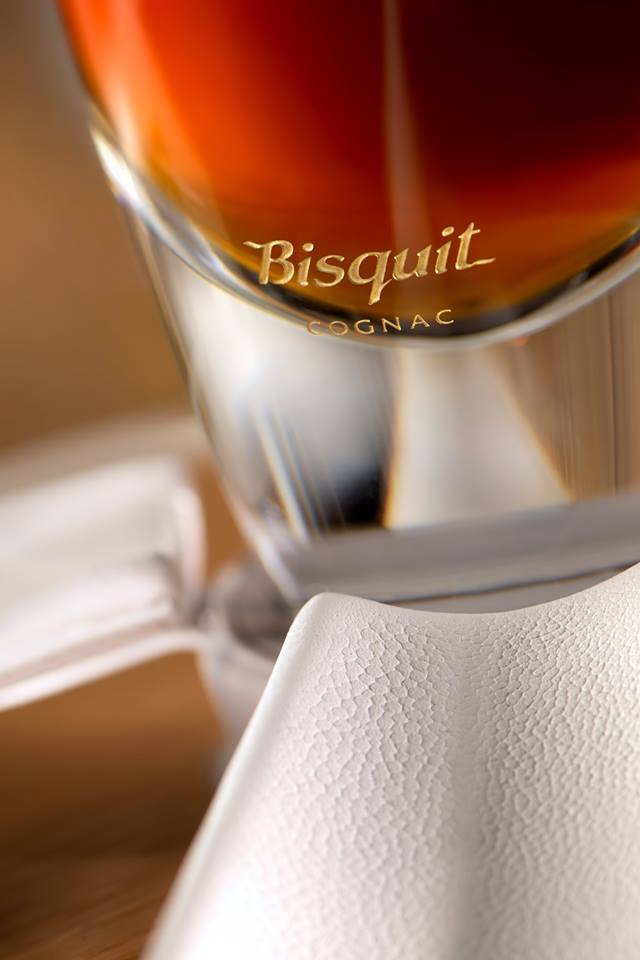
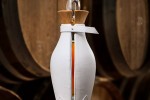
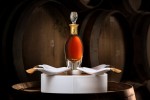
Maltier le Malletier -  carafe de Bisquit cognac by Maltier le Malletier 2015-


Indeed, Benoît Maltier’s family were one of the most distinguished trunk making Maisons in France in the 17th century, long before the advent of Louis Vuitton, Goyard (previously Morel) around 1850 and more recently, Pinel & Pinel and a reborn Moynat. Maletier malletier, based in the Vienne-Poitiers region, would be commissioned to create exclusive and luxurious trunks by the regional aristocracy but by the time of the French Revolution, this renown family brand had faded along with others from it’s time.

Maltier le Malletier Taittinger-2015- Maltier le Malletier - The ‘oldest’ new French reference for luxury trunk-making and leather goods

Maltier le Malletier -  carafe de Bisquit cognac by Maltier le Malletier 2015

The revival of a 16th-century family brand

One can trace the first malletiers and coffretiers to 14th Century France. At the time, these artisans were all-rounders making boxes, chests, sideboards and other structures of wood covered with leather. It was only in 1379 that Charles V regulated the profession by various statutes and by 1479, only seven such professionals were registered in the Kingdom of France.

During the reign of François 1er, the first carriages appeared and revolutionised trunk-making to meet the travel needs of aristocrats and by the sixteenth and seventeenth centuries all wealthy travellers had their personalised trunks. Many craftsmen from goldsmiths to shoemakers were named after their crafts as did Benoît’s ancestor.

Maltier le Malletier - Paris France- Designed by Benoit Maltier, made by our master craftsmen-

maltier le malletier -

After going their separate ways after high school and losing touch for many years, Guillaume stumbled upon some of Benoît’s fabulous furniture designs and decided to reconnect with him. In 2011, they saw each other in Paris and realised that their friendship had never changed.  A year later, Guillaume, who had studied law and political sciences, wanted to start a shoe-shining business in Paris. Knowing that Benoît had studied furniture making and design at L’École Boulle and at
the Institut du Design de Saint-Luc, he called upon Benoît to ask for his help in designing the perfect seat for his future clients.

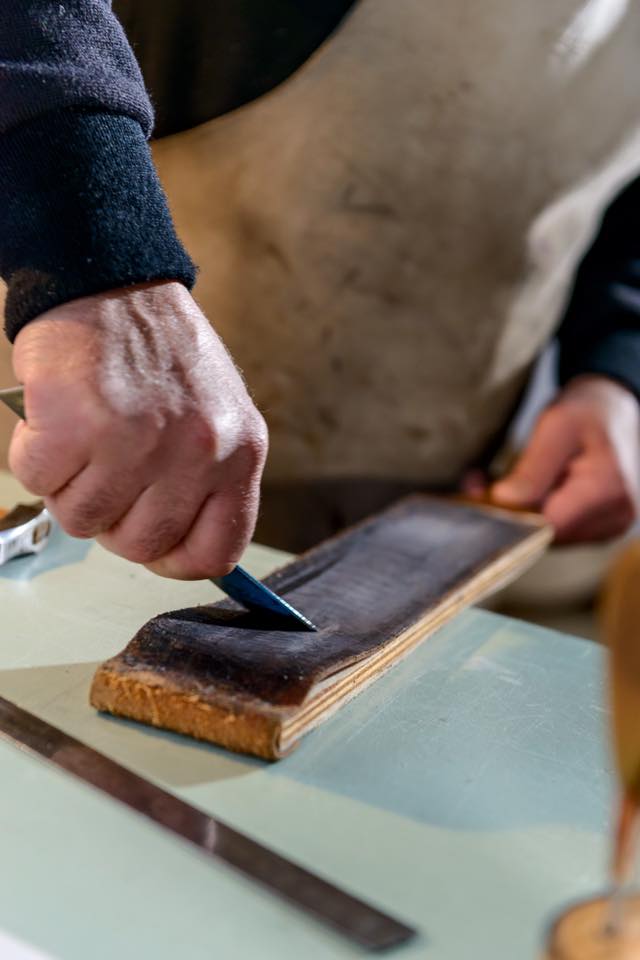
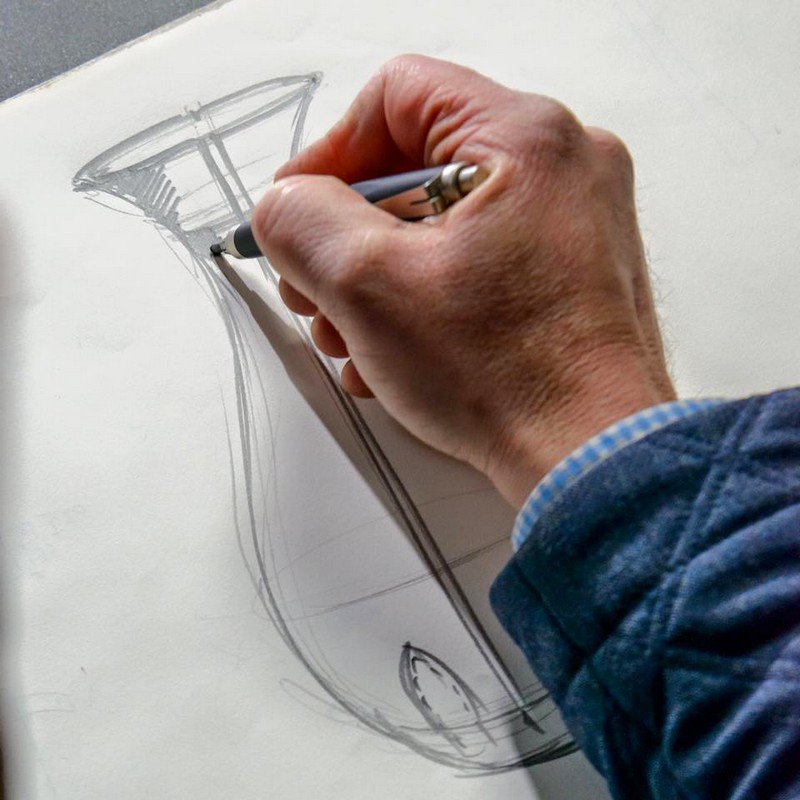
Both friends met up again in Paris and Benoît started sketching a closable trunk shaped chair that would contain all the necessary accessories for Guillaume’s shoe-shining business. While he was sketching, Benoît spoke about the history of his name, the family trunk-makers in the 17th century and mentioned that he was thinking of going into trunk-making.

A few weeks after sketching Guillaume’s trunk-chair, Benoît came back to Guillaume to inform him that he had finally made the decision to go into trunk-making and to revive his family history and family brand. He asked Guillaume to partner up with him, and Maltier le Malletier was born, or somewhat reborn.

Maltier le Malletier Taittinger-partnership- Maltier le Malletier Taittinger-2015-project Maltier le Malletier - Paris France-

A contemporary touch to the old art of traditional trunk making

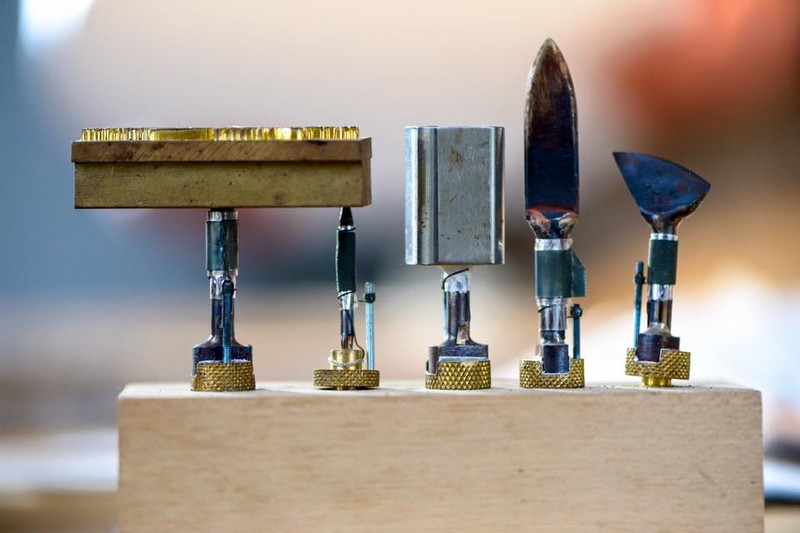
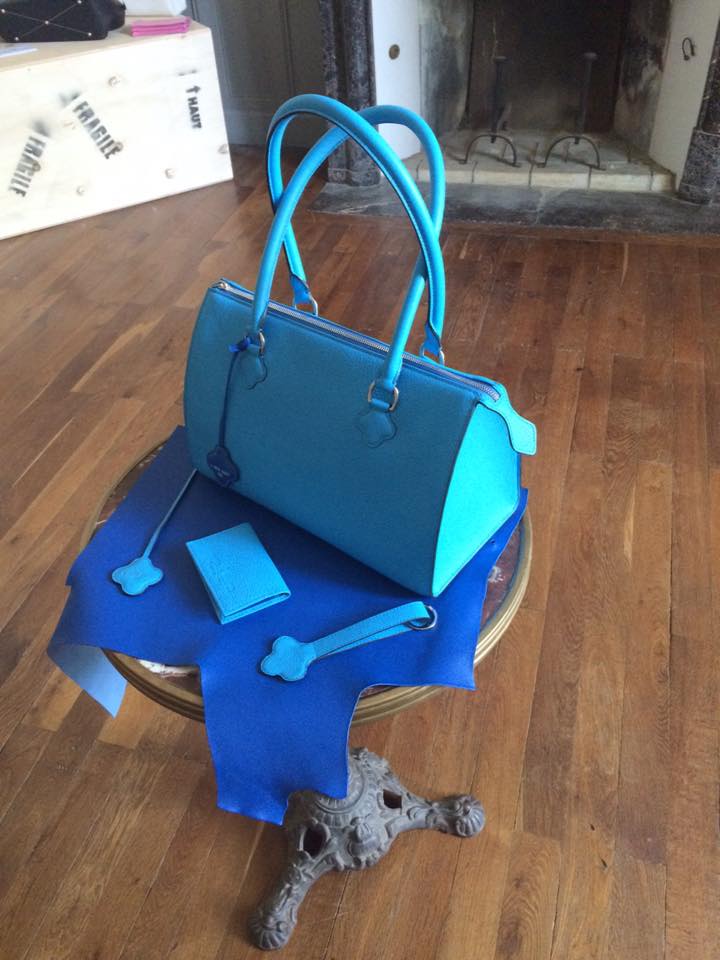
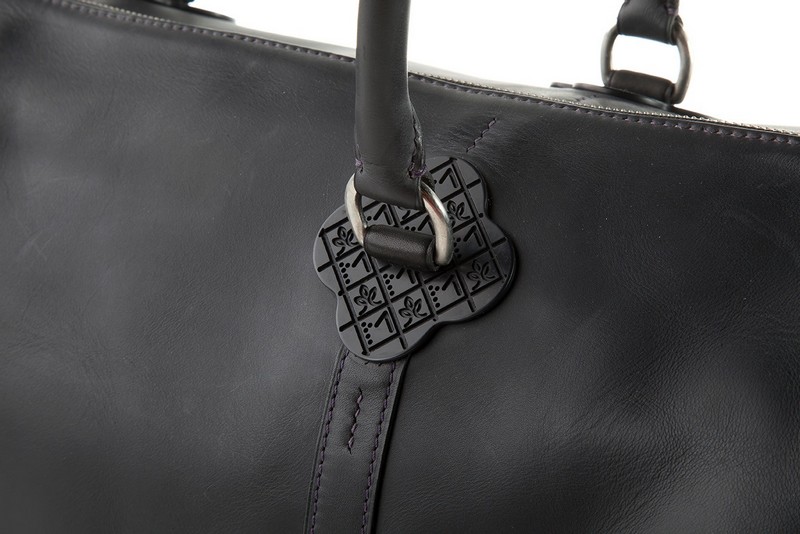
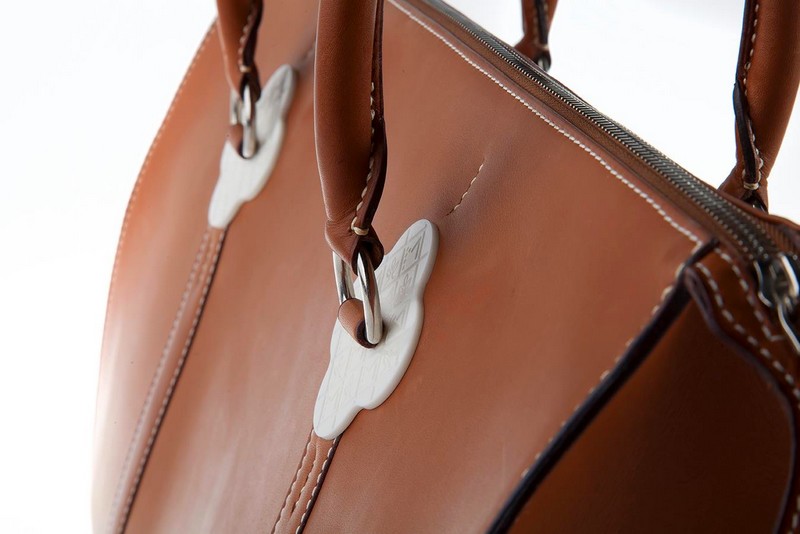
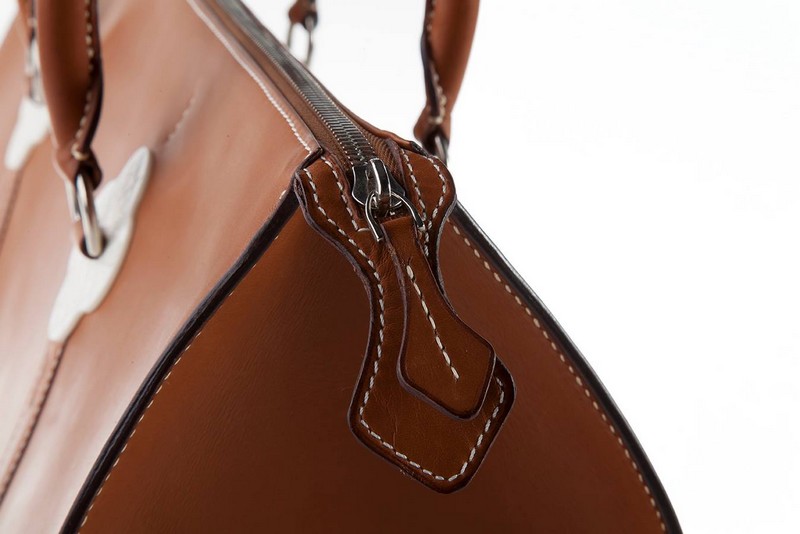
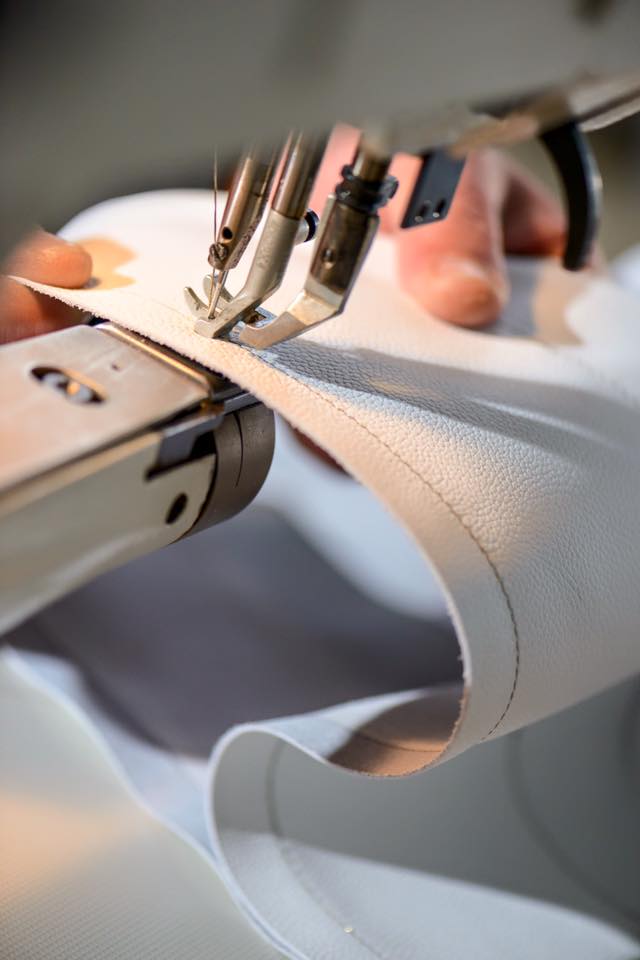
Today, what differentiates Maltier le Malletier from other trunk makers lies not only in its unusual creations but also within it’s use of both technically advanced and traditional techniques as well as the combined use of traditional and modern noble materials. When Benoît uses contemporary materials such as Corian – a mineral resin derived from bauxite ore – he uses it in a very traditional way. The mix of these unusual materials and techniques add a very contemporary touch to the very old art of traditional trunk making.

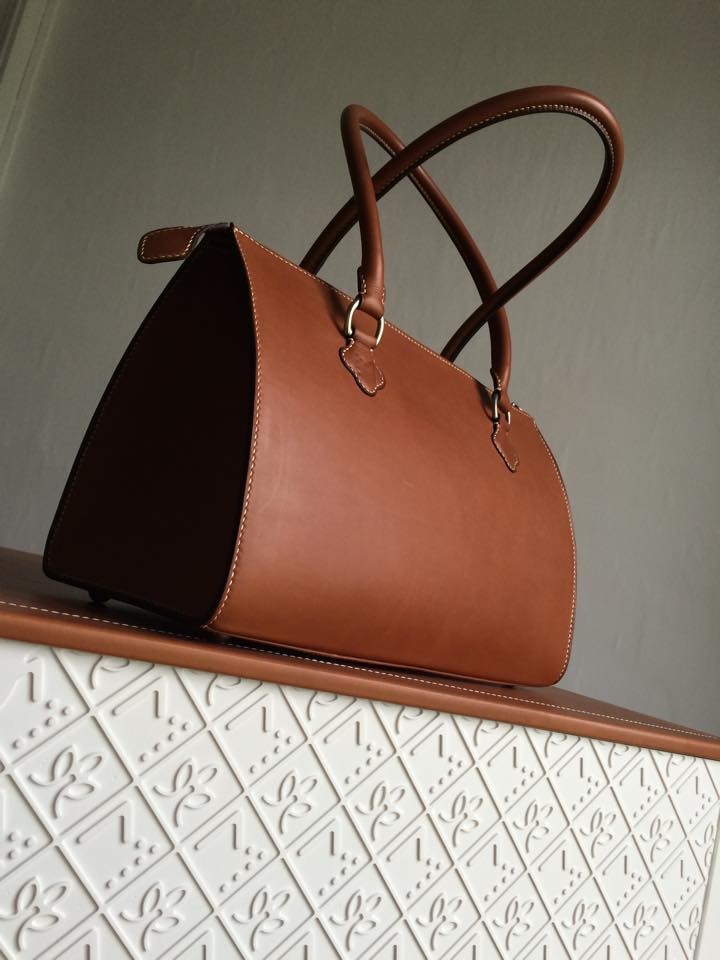
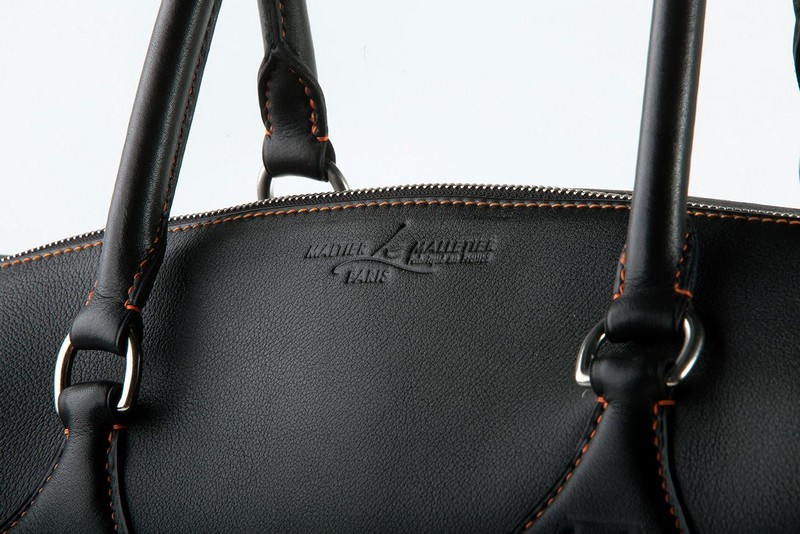
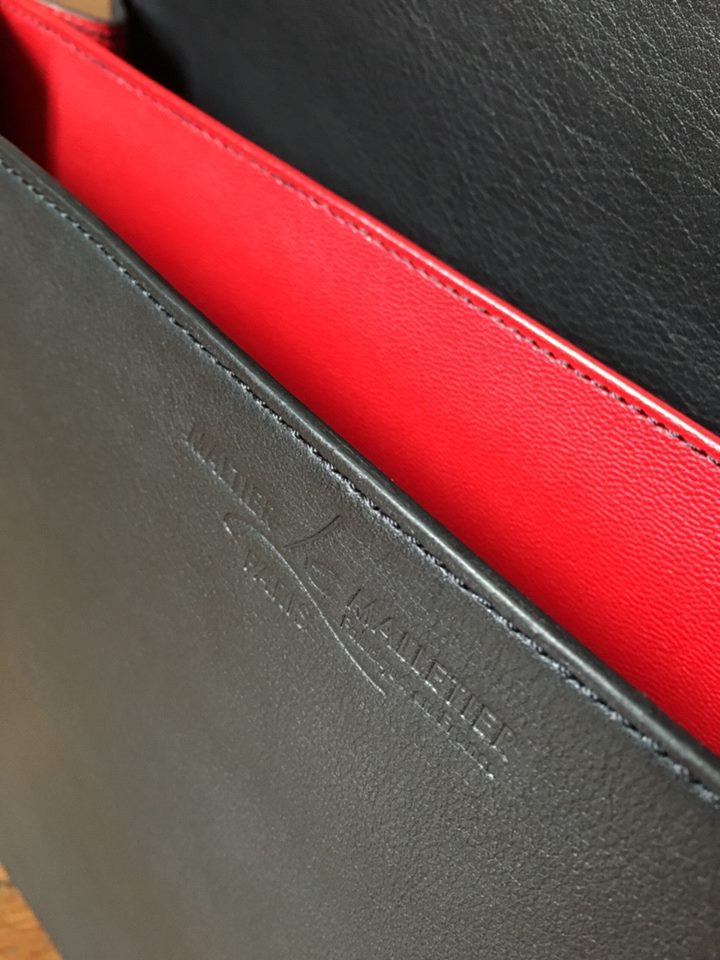
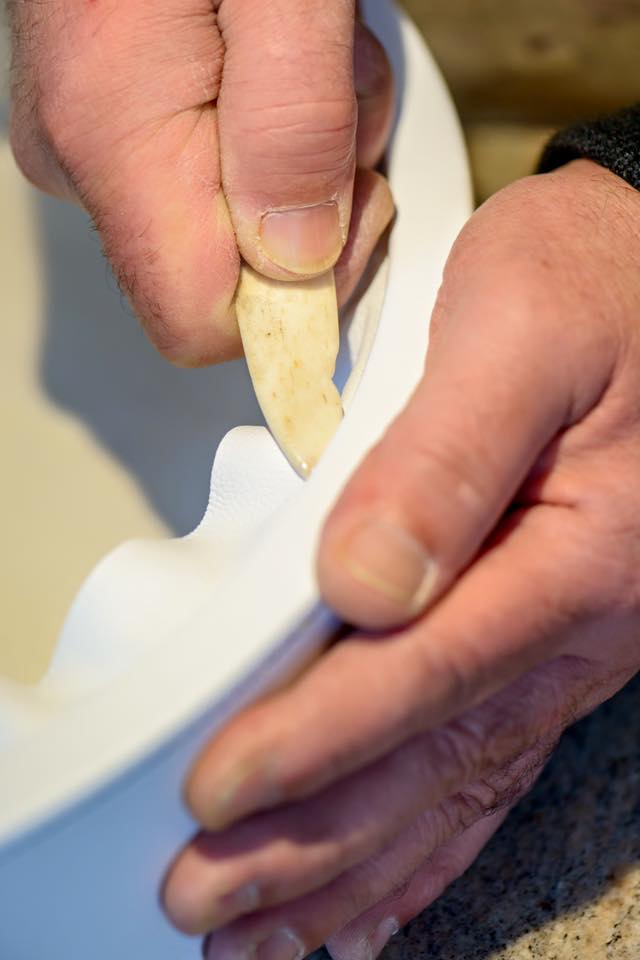
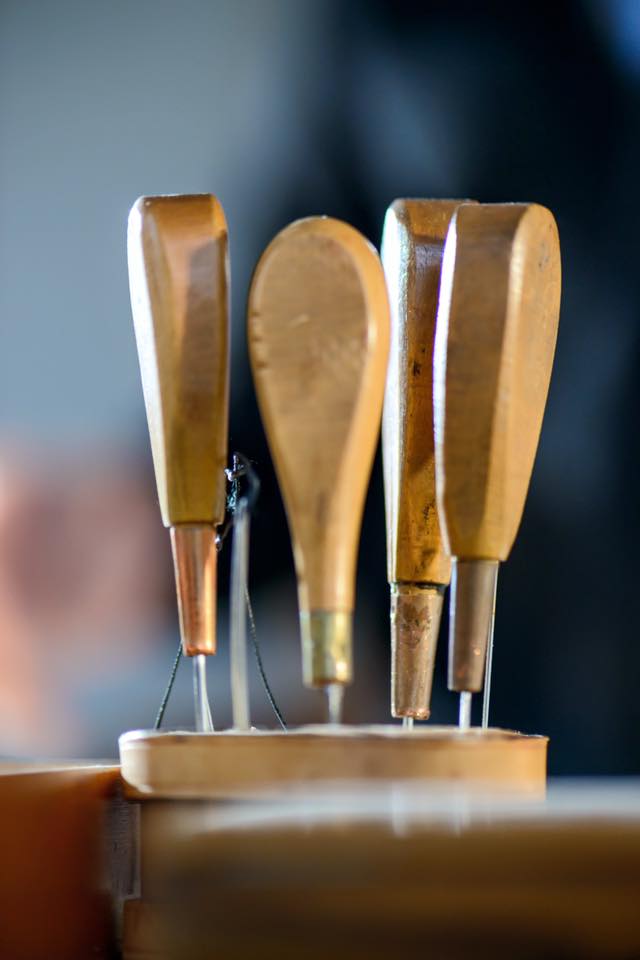
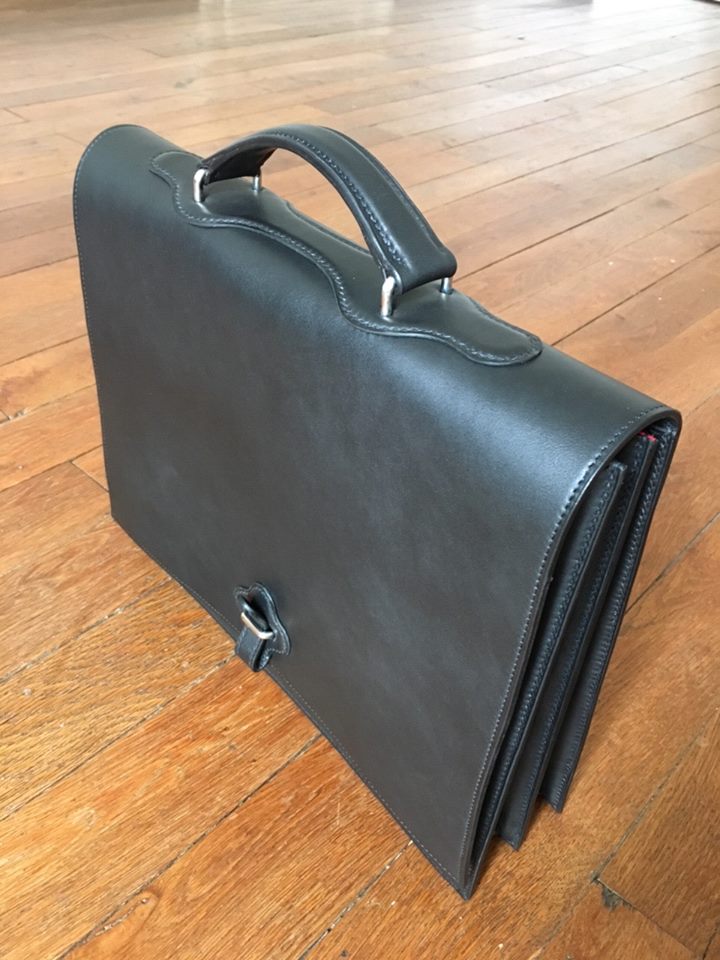
The Maison primarily aims to offer incomparable craftsmanship. All trunks are custom-made to excellence in the extreme at their workshop in Neuville-de-Poitou where Benoît Maltier personally oversees the production of each and every one of his creations which are all numbered and signed on approval.

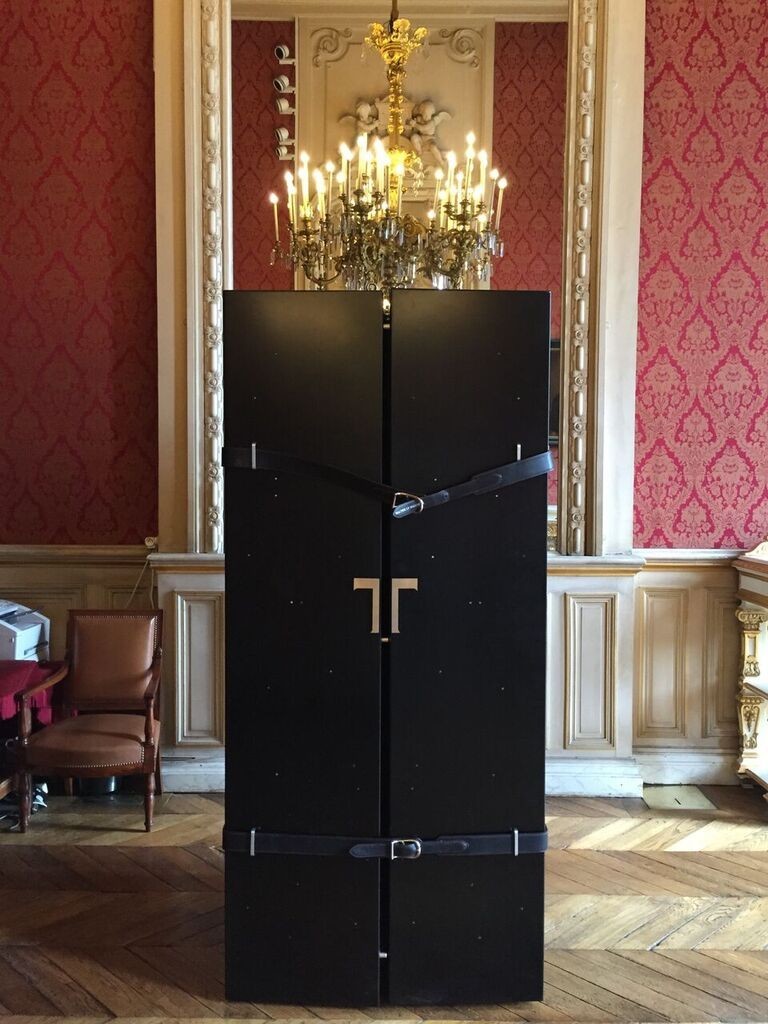
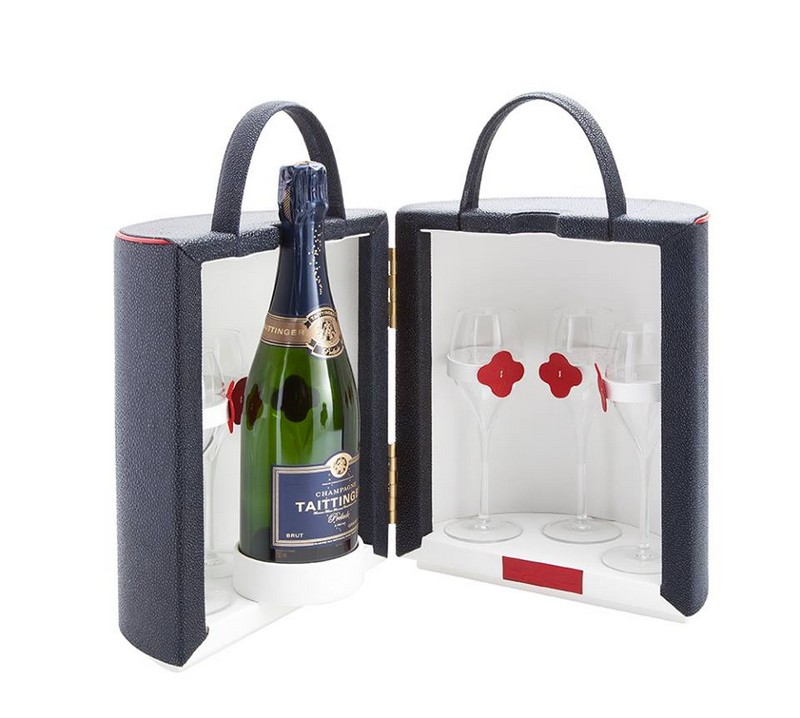
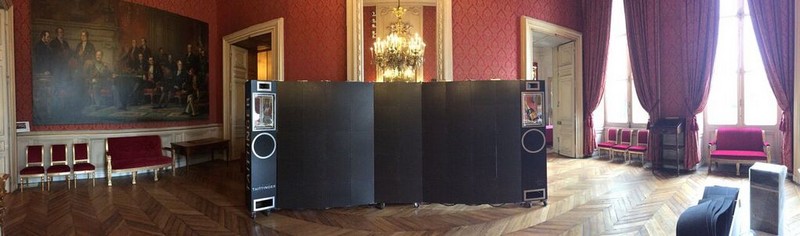
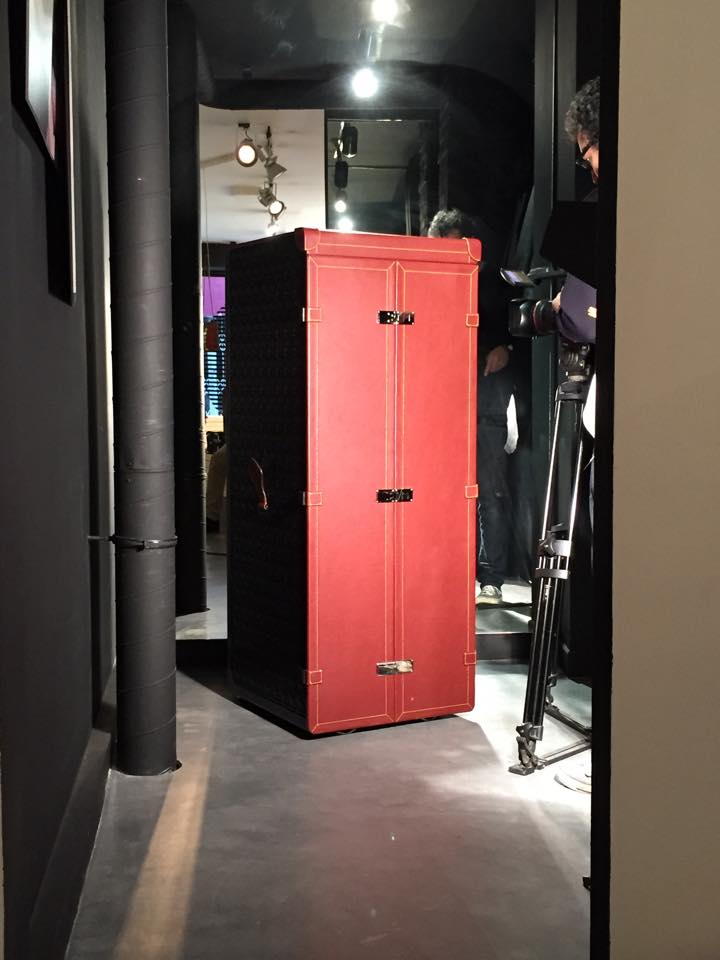
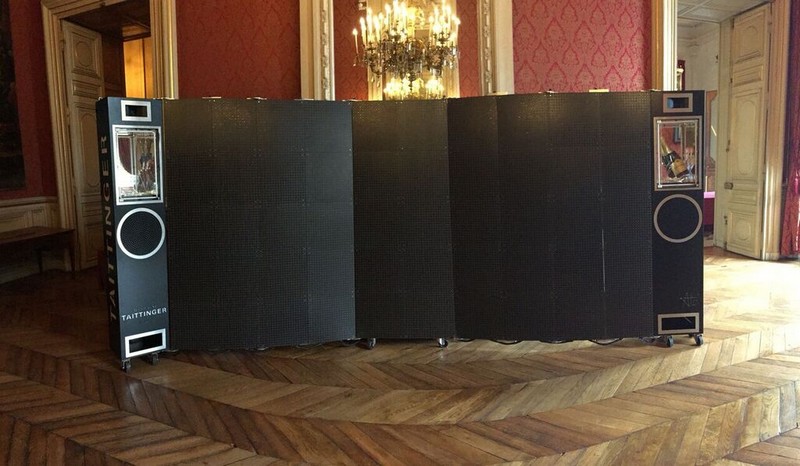
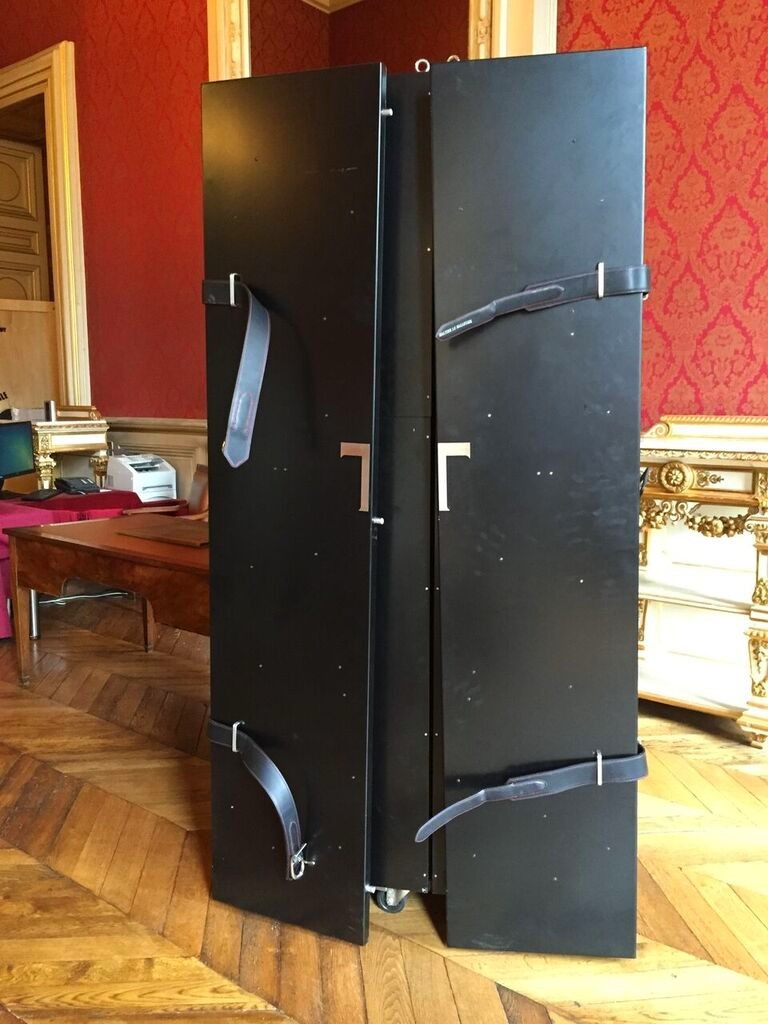
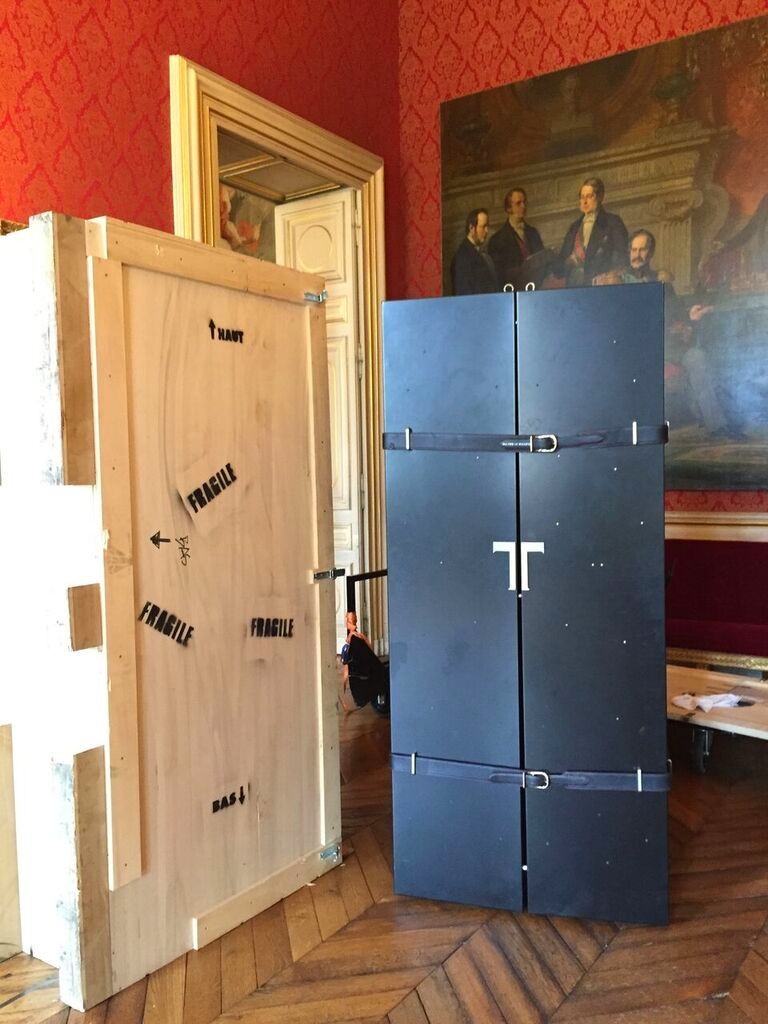
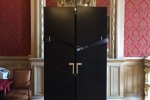
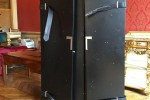
As seen in the video, Maltier le Malletier have created exceptional items for Taittinger Champagne and Bisquit cognac. A few more exciting creations for French wines and spirits way but until they open their workshop/shop in Paris one day, potential customers should not hesitate to visit them at the ADC showroom, 76 rue Quincampoix, 75003 Paris.


Maltier le Malletier - Paris France

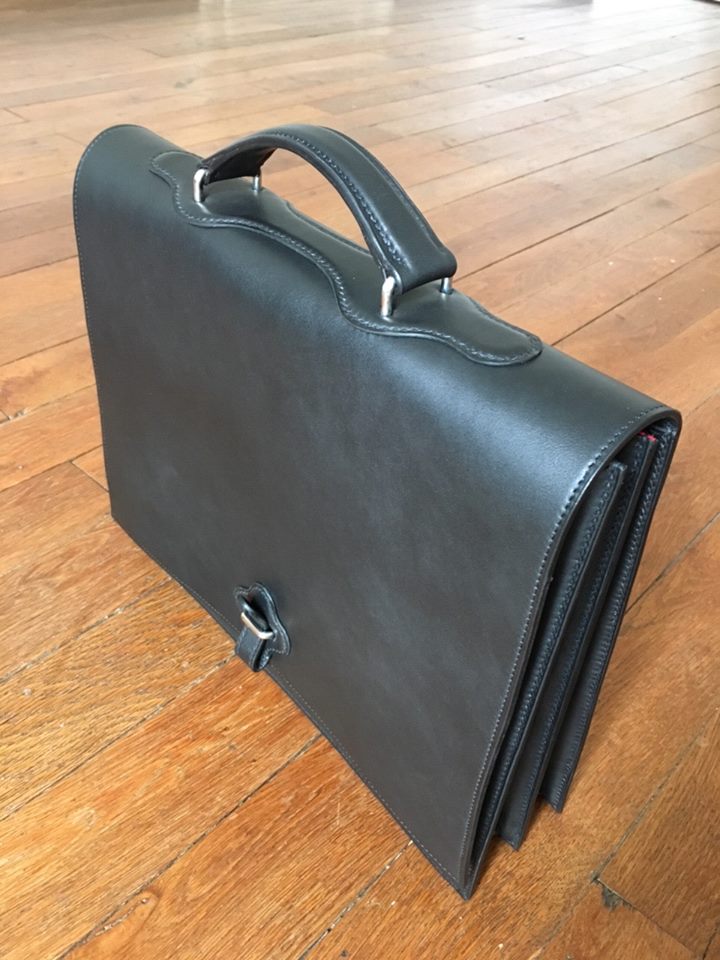
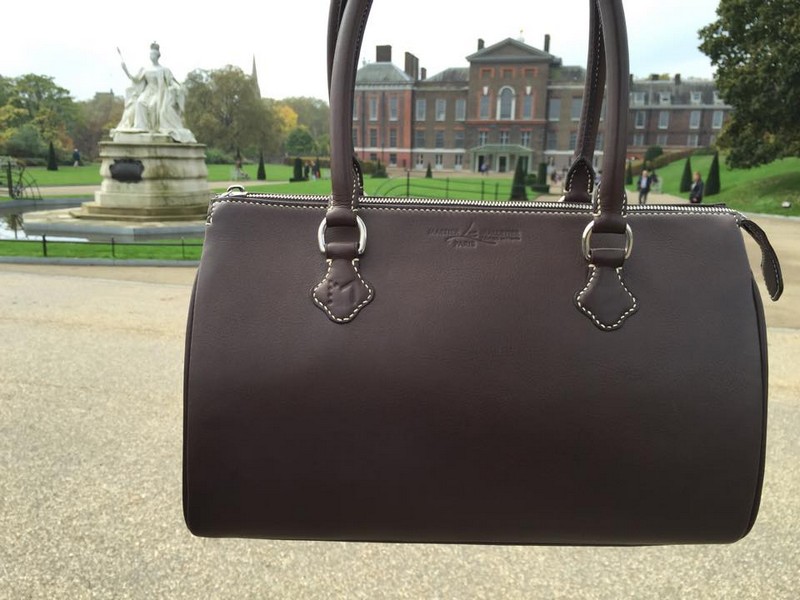
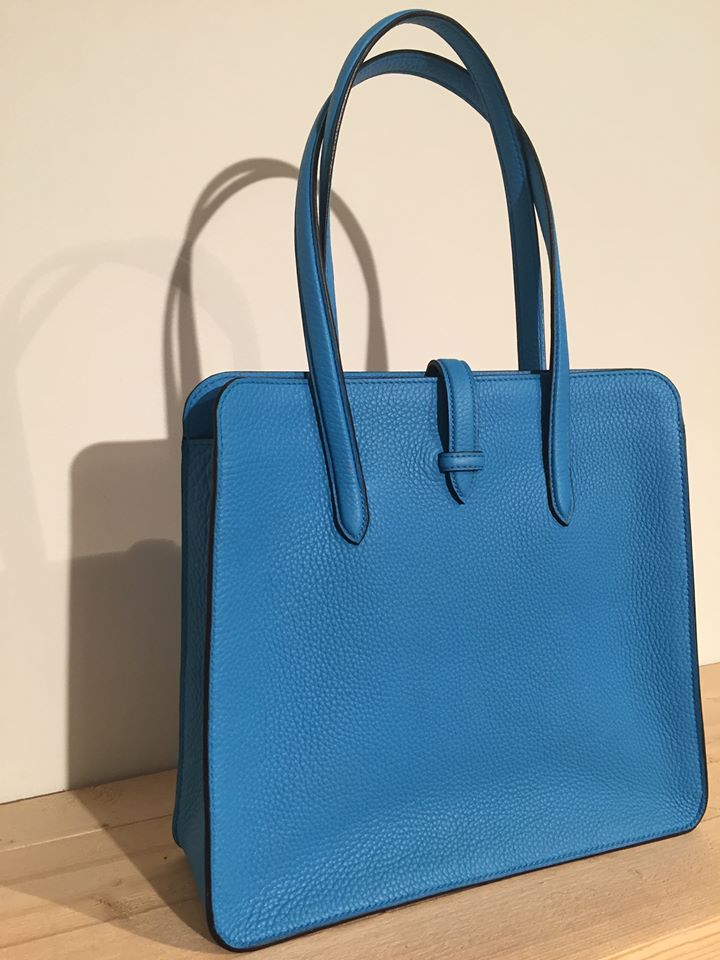
Maltier le Malletier - luxury bags

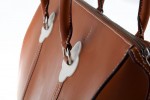
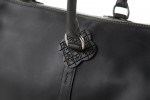
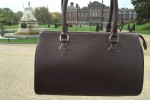
Maltier le Malletier - trunk maker revival Maltier le Malletier - luxury trunks Maltier le Malletier - luxury bags-- Maltier le Malletier - luxury bags- Maltier le Malletier - luxury bags - Paris France- Maltier le Malletier - luxury bags - Paris France Maltier le Malletier - design Maltier le Malletier  cartable- Aliénor is in London Maltier le Malletier  cartable  Maltier le Malletier Taittinger-2015-project- Maltier le Malletier Taittinger-2015 Maltier le Malletier for Taittinger-2015 Maltier le Malletier bags - Paris France Maltier le Malletier - Une carafe de Bisquit cognac by Maltier le Malletier Maltier le Malletier - Paris France- Designed by Benoit Maltier, made by our master craftsmen--  Maltier le Malletier - Paris France- Designed by Benoit Maltier, made by Maltier le Malletier master craftsmen-- Maltier le Malletier - Paris France- Designed by Benoit Maltier, made by Maltier le Malletier master craftsmen Maltier le Malletier  cartable- Maltier le Malletier  cartable  Maltier le Malletier -  carafe de Bisquit cognac by Maltier le Malletier 2015 project Biscuit Cognac