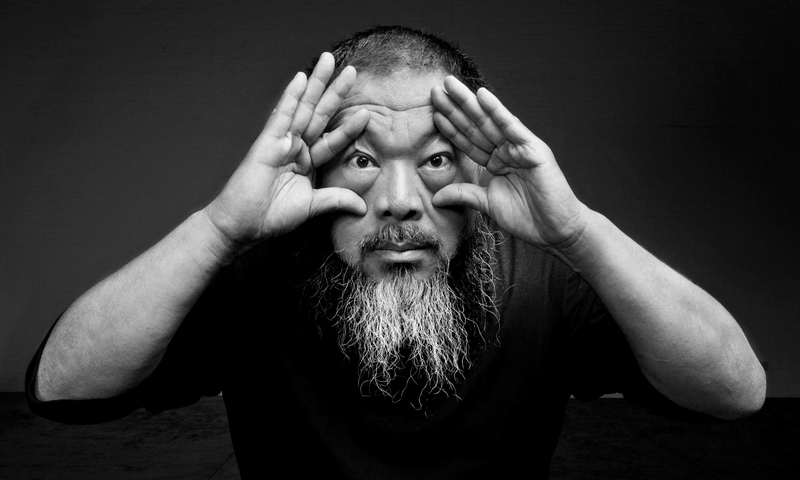
Ai Weiwei’s first virtual reality video, which you can see here, is called Omni. It fuses together two films the artist has made focusing on the migrant crisis, immersing viewers in the upheaval of displacement and exile for both animals and humans.
The first part of Omni focuses on the elephants of Myanmar. Once, they worked with their trainers, mahouts, dragging logs from the jungle. Now the government has placed severe restrictions on their jobs and the animals are redundant. Lost and confused by the destruction of their natural environment, the elephants attempt to return to the wild, sometimes coming across the refugees whose camps have been erected on their long-lost migratory routes.
“I relate to the elephants,” Ai says. “There are lot of small ones who have lost their parents. Elephants are like humans. Without parents they cannot survive. They have to stay with them until they are seven years old.”
The second part of Omni drops the viewer into the centre of a migrant camp known as Cox’s Bazaar, in Bangladesh just over the border from the refugees’ home in Myanmar’s Rakhine state, where they have fled persecution, ethnic cleansing and a military crackdown. The work provides a migrants’-eye view of daily activities, such as queuing for supplies, and takes the viewer through the camp, from its tents to its markets and playgrounds.
As well as the harshness of life in the camp, it shows solidarity, sharing and teaching. “I feel a lot of positive things about humanity even in the worst conditions,” Ai said. “I don’t want to show that there is just sadness. Happiness and sadness always coexist. That’s a reason to protect that happiness.”
Omni was produced with Acute Art, who work with artists to make virtual and augmented reality videos. On 30 January, Ai Weiwei will show the project to an audience at a Guardian event at Conway Hall, London.
Viewers on mobile should have the YouTube app already pre-installed. You must click on the title in the embedded video, and will then be taken to the video in-app where you can actually experience the video in 360 degrees.
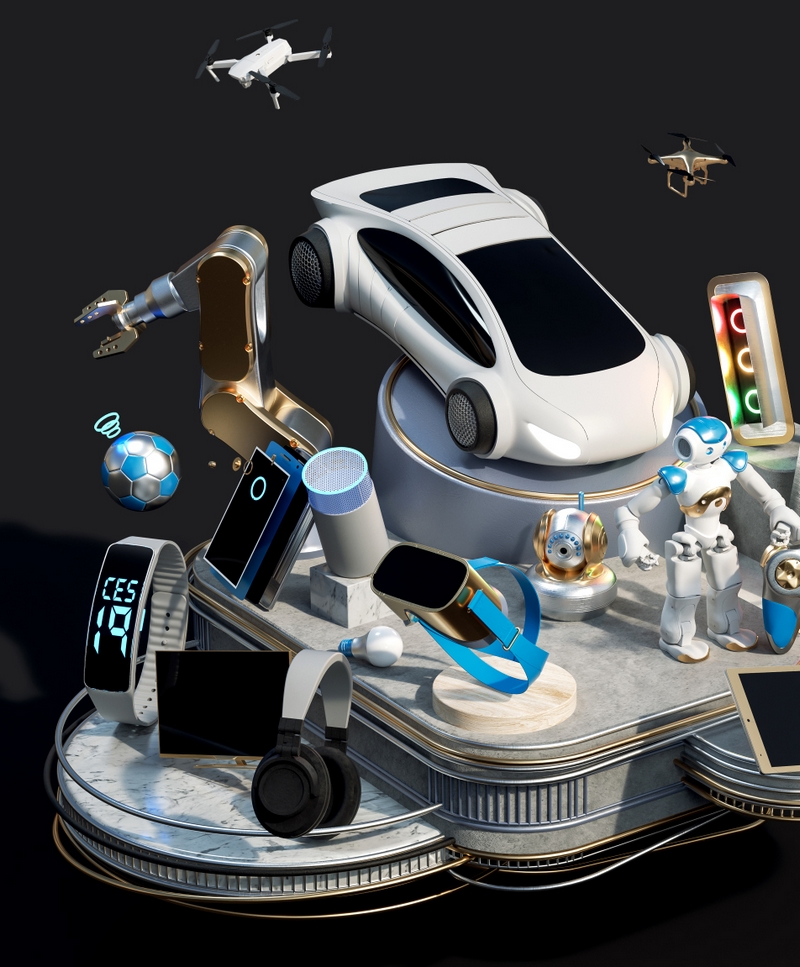
Focus topics of IFA NEXT, the innovation platform of IFA Berlin 2019. Smart cities, the future of mobility, artificial intelligence, robotics and virtual reality – these and many other topics are the focus of IFA NEXT, the innovation platform of IFA, an exciting mix of start-ups, tech companies and research institutions. … Read more
The Digital Health Summit at CES 2019, the largest and most influential tech event in the world, is previewing impactful trends, next big things and innovations that are redefining the tech, medicine, healthcare, and wellness industries in 2019. This year, the Digital Health Summit is bravely going where no tech’s gone before. The new transformative tech is encompassing artificial intelligence, augmented and virtual reality, sports, robotics and more.
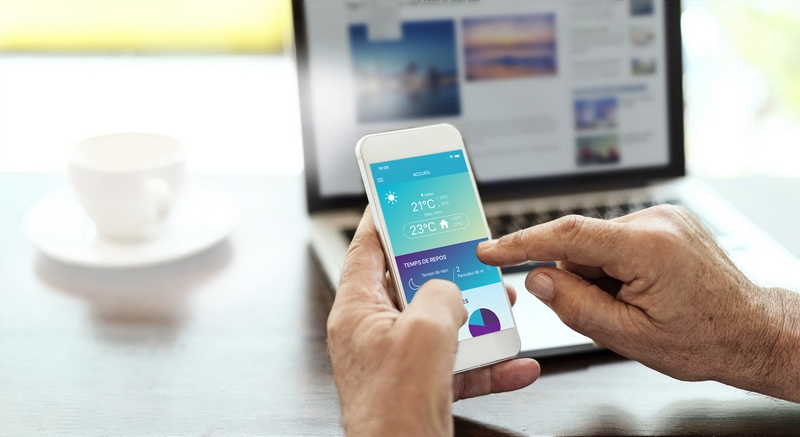
Improving vulnerable people’s life, Domalys’ Aladin allows the elderly to remain independent longer by detecting early signs of illness and reducing falls. This may seem unnecessary, but each year, says domalys, 646 000 people die from consequences of a fall over the world. There are 37 million serious falls requiring medical intervention. Besides the medical gadgets, CES is also addressing mental illness and chronic disease.
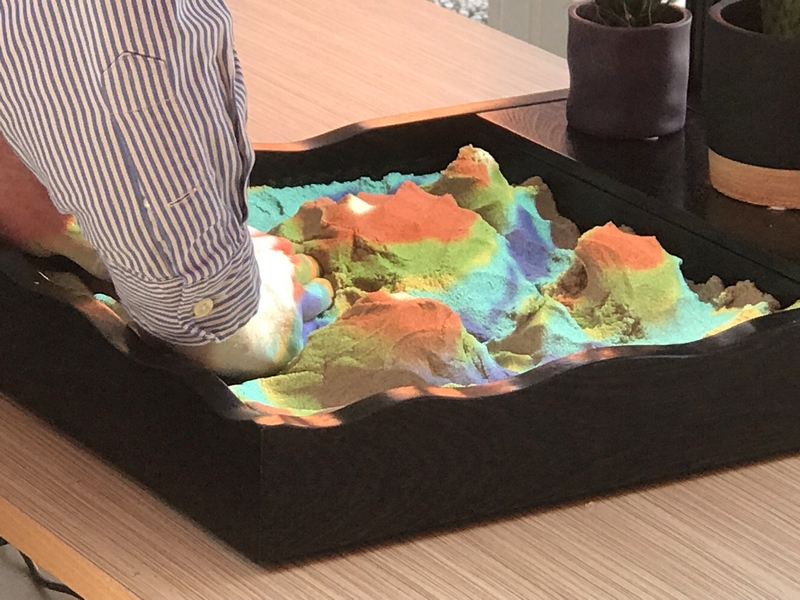
Ullo debuts the Inner Garden – an immersive and meditative sensory experience that is designed to reduce anxiety. “Inner Garden happens to also be an ideal tool of relaxation for anyone, from staff, to professionals and relative carers. It is particularly suitable for the regulation of anxiety, in addition to cognitive and sensory stimulations,and emotional resources,“ say the creators of the product initially designed to raise awareness of mindfulness.
photo: Domalysphoto: samsung snailsound
Virtual Reality AI (Artificial Intelligence) therapist – AI-Driven Health Solutions
VRHealth is unveiling in Las Vegas VR and AI Therapist to reduce hot flashes from chemotherapy and menopause. “VR can be an amazing replacement for opiates or any kind of nonnatural hormone, and eliminate their negative side effects.” Eran Orr, Founder and CEO of VRHealth, told Forbes.
In partnership with Oculus Go and Rift, VRHealth can be used for pain management for birthing mothers and cancer patients during chemotherapy. The VR technology has the power to alleviate patient anxiety before and after surgery.
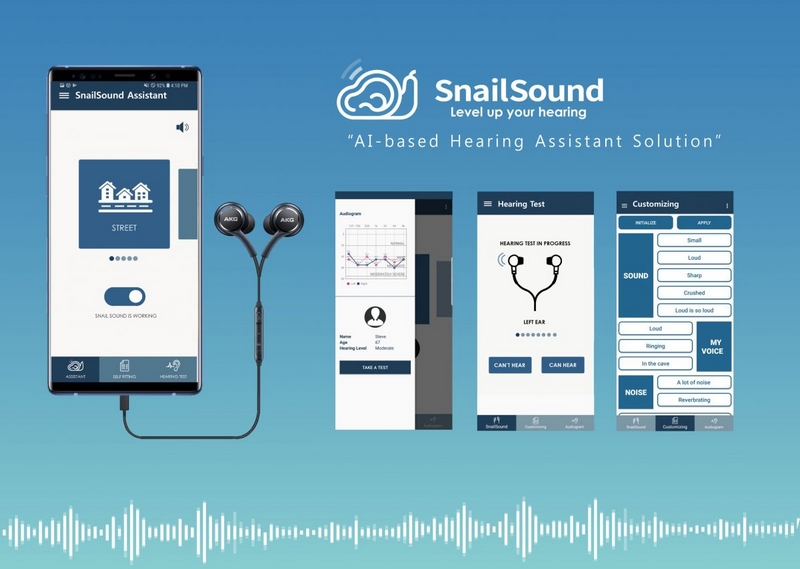
Samsung Electronics is showcasing eight innovative new projects related to Artificial Intelligence (AI), developed from its C-Lab(Creative Lab) program. The new C-Lab projects include an auto-adjusting monitor ‘Girin Monitor Stand’, an AI desk light‘alight’, and a hearing assistant solution ‘SnailSound’.
An auto-adjusting monitor stand called Girin Monitor Stand ensures users have proper posture. The sensor embedded stand keeps tracking the user’s posture, especially neck and head, in real-time. When the user has a bad posture, it subtly moves the monitor which naturally trains users to assume better posture without noticing the change in monitor position. Users can correcttheir posture by repeating this pattern to avoid postural strain in the neck, back, and shoulders.
‘alight’ is an AI desk light which provides an optimal environment to increase concentration and provides lighting which isbeneficial for the health of users. It detects user actions through the embedded camera and automatically changes the light according to the situation such as study, relax and focus.
Digital health continues to grow at an impressive pace offering new solutions for diagnosing, monitoring and treating illnesses and advancements in health care delivery. One of the industry’s boldest moves forward in digital health is propelling the patient to the epicenter of health care. The online pharmacy are now offering convenient access to medicines with a personal and discreet service. The Independent Pharmacy allows people to get the treatment they need, when they needed it. The medical experts have years of industry experience to allow them to safely provide medicines online through a a specialist website.
CES 2019 is also taking a close look at the true potential of remote-care programs. In today’s health care environment, critical patient assessments are made within short appointment-based interactions with physicians. The next decade, says CES Digital Summit experts, is tearing down these walls as patient-generated health data (PGHD) collected from tech resources are allowing for comprehensive and continuous patient care programs.
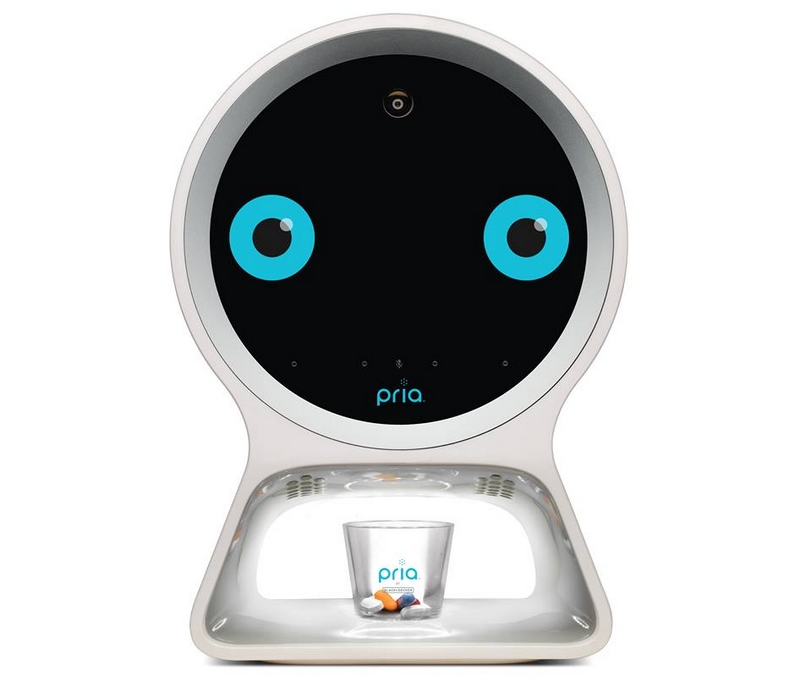
photo: pria at home
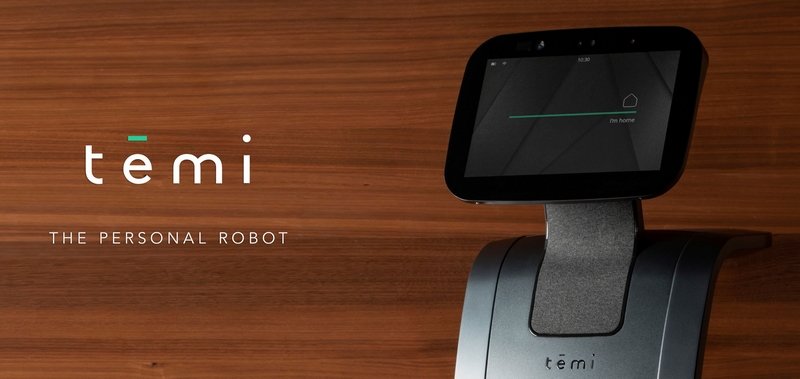
Have you ever meet a robot?
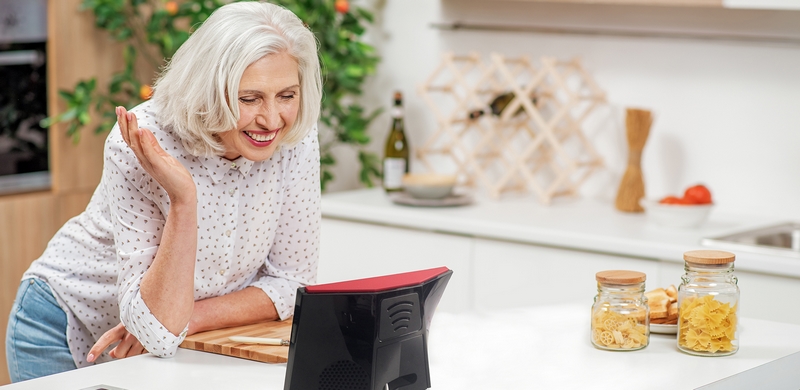
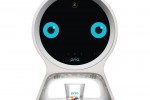
In the near future, personal robotic assistants like Temi will be the ultimate way to consume content and services, including medical services. The PRIA by Black+Decker is an automated medication management and home health assistant. It not only reminds the individual of medication schedules, but can actually dispense the proper dose. In addition, PRIA tracks caregiver visits and other events, offers nutritional information and enables the individual to easily connect to family or caregivers. Electronic Caregiver’s Addison Care is named after its ambient augmented reality virtual caregiver, Addison. She’s a 3D animated caregiver designed to engage aging and chronically ill clients throughout the home to supplement their care and to provide various health and safety features.
The world’s most luxurious full-body shiatsu massage chair also debuts at CES 2019. Offering complete relaxation at home or in the office, the DreamWave M.8 shiatsu massage chair incorporates rear-swinging doors to deliver a new level of convenience in massage chairs.
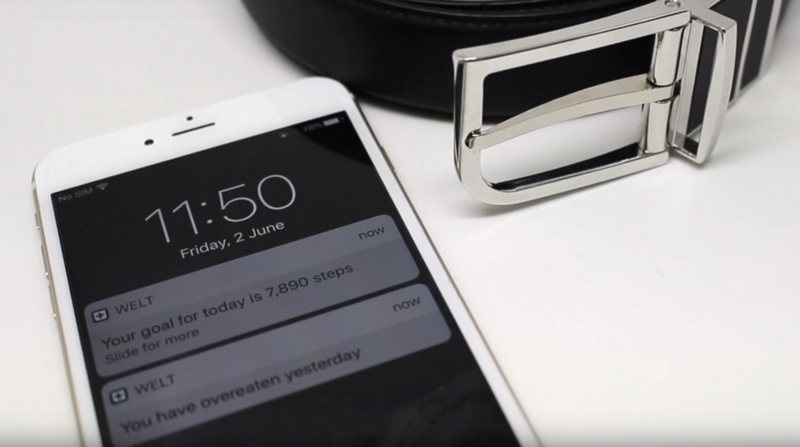
photo: Welt smart healthcare belt
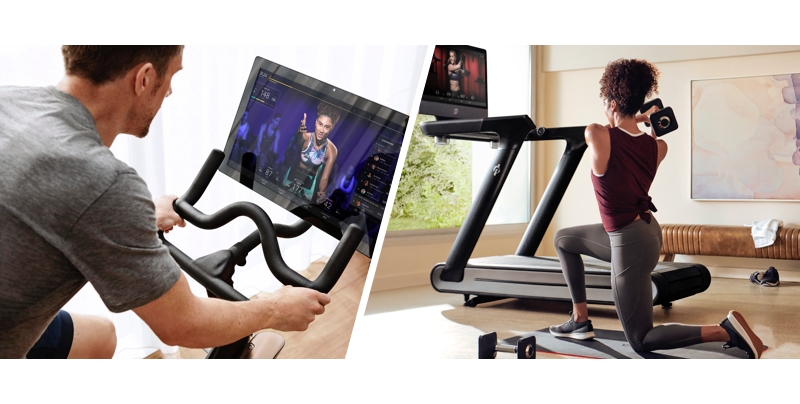
Fitness trackers, smartwatches and other wearables will be fitness trend number one in 2019.
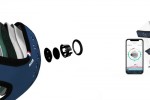
One of the most natural wearable for healthcare is a …smart belt. Welt smart healthcare belt keeps track of the users’ overall health by measuring waist size, steps taken, sitting time, and overeating habits with the tracking technology. Welt is the first health tracker that is belt wearable for everyday use. TempTraq Continuous Temperature Monitoring Patch is the only wearable wireless temperature monitor patch for babies that continuously monitors and records body temperature and sends alerts. CES Health section is also the stage for the launch of a remote intimacy App for Apple Watch. Sexual health innovator OhMiBod also announces an OhMiBod skill for Amazon’s echo devices.
The improved fitness trackers are now measuring more biologic measurements and are able to track your overall health. Those with multiple conditions will identify risk factors before they escalate. How well these innovations work in the real world? The future of healthcare will be much more technical and, certainly, will include smart wearable or implanted devices. The digital care companion will develop personal relationships with users and will accompany a patient at every point on their care journey.
temi the personal robot; photo: robotemidomalys alladin lamp; photo: domalysphoto: Ullo Inner Garden;