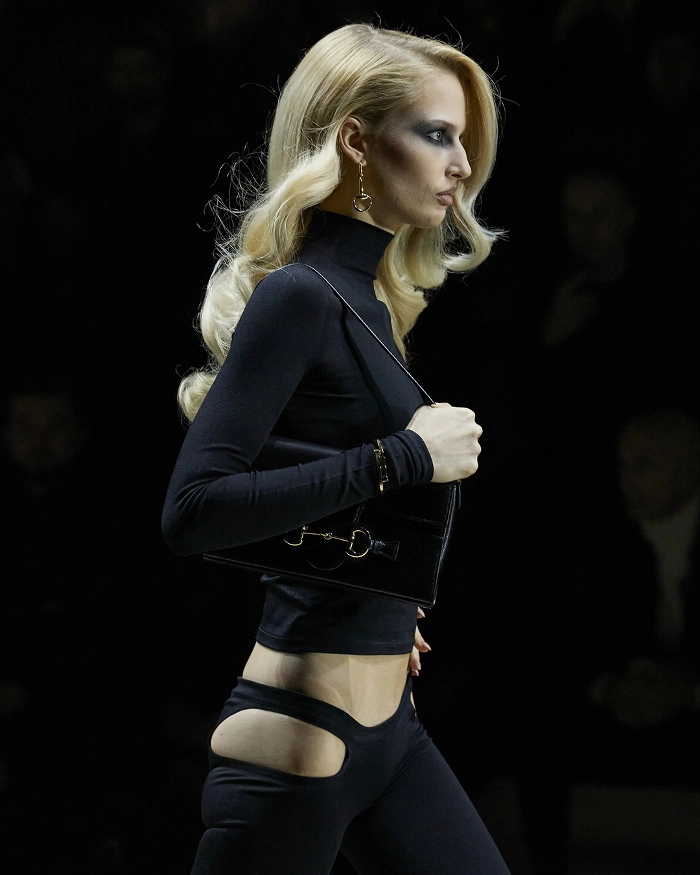
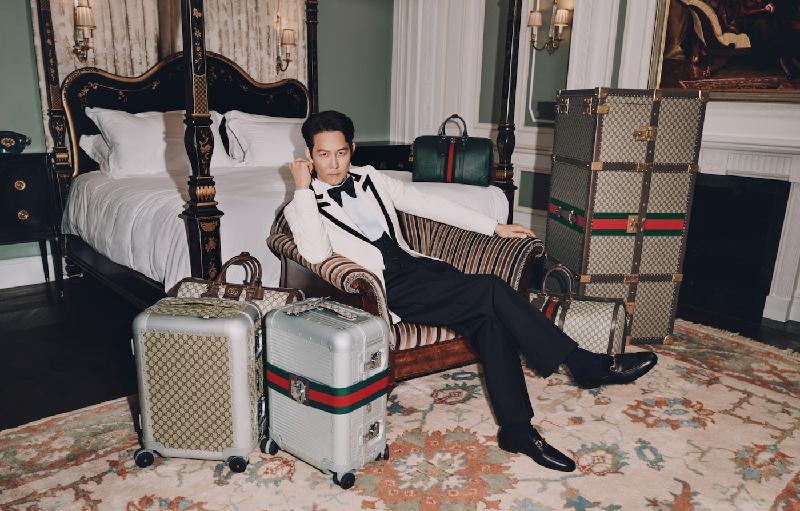
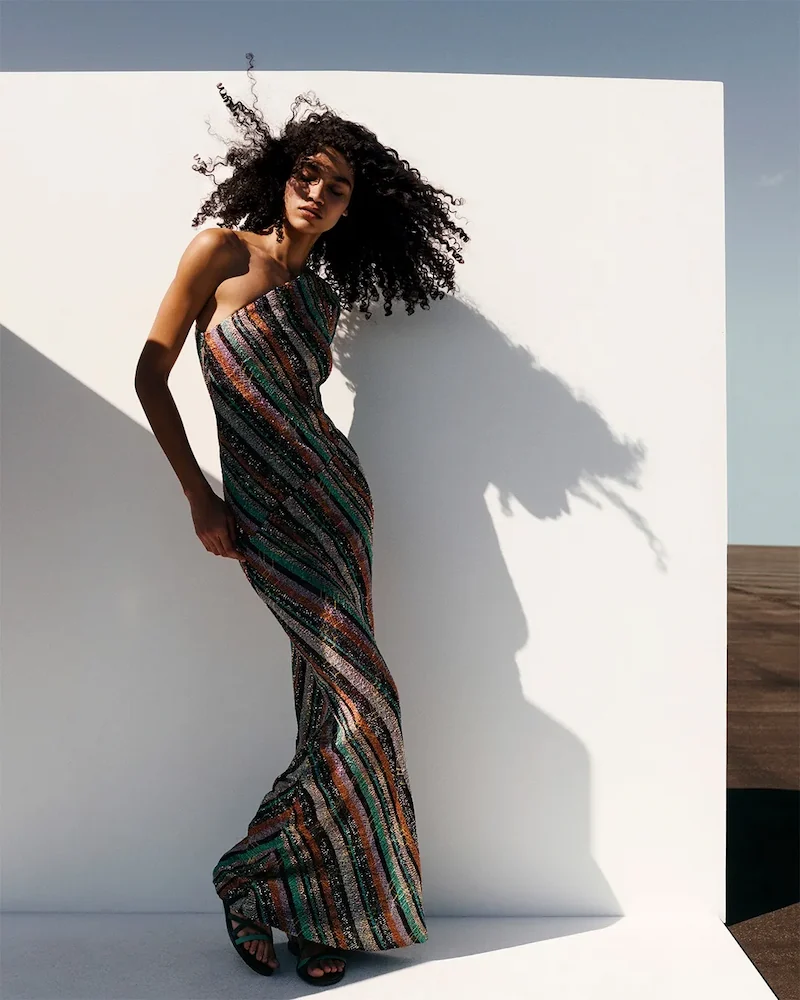
Gucci’s Creative Director Demna Gvasalia steps away from the runway — and into a cloister. His first exhibition for Gucci might just be the cultural moment of the season.
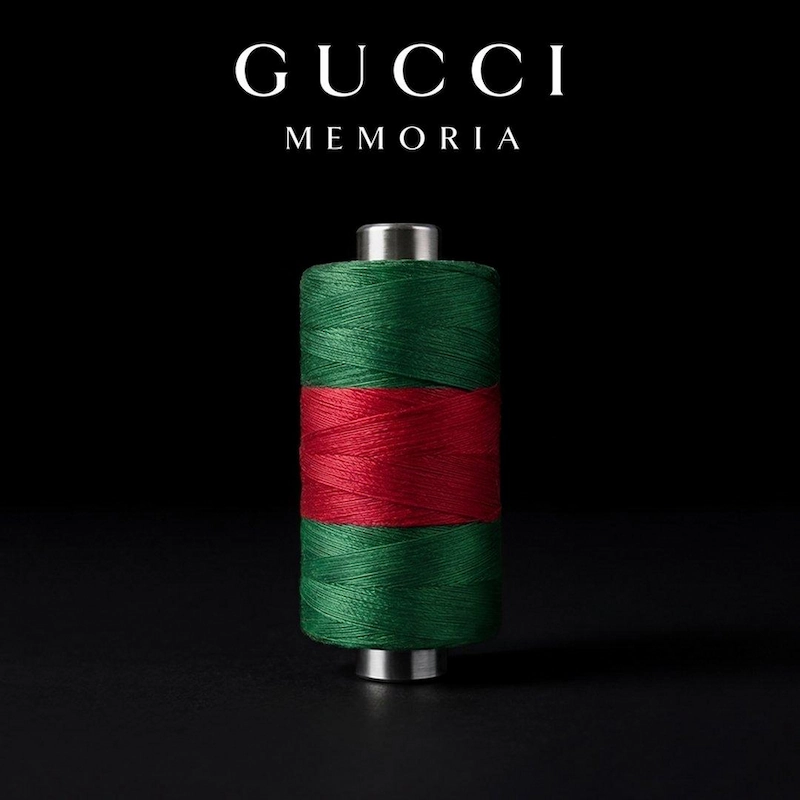
There are design week announcements, and then there are announcements that make you stop scrolling. Gucci’s reveal of “Gucci Memoria” — an immersive exhibition opening at Milan’s Fuorisalone 2026 — is firmly the latter. But before we get to the cloister, the candles, and the century of stories, let us introduce the man behind it all.
His name is Demna — just Demna, the way only the truly iconic need only one name.
The Georgian-born designer Demna Gvasalia spent a decade turning Balenciaga into arguably the most talked-about fashion house on the planet, building a universe of ideas where high concept and streetwear collided with irreverent, sometimes unsettling, always unforgettable results. He joined Gucci as artistic director in 2025, stepping into one of the most storied and challenging roles in luxury fashion: inheriting a house with 105 years of history, a devoted global following, and the urgent task of writing its next chapter. Since his arrival, he has been doing something quietly unusual for a designer of his profile — listening, researching, going back to the archives, understanding the DNA before attempting to rewrite it. Gucci Memoria is the first public result of that deep dive. And it is arriving not on a runway, but in one of Milan’s most beautiful Renaissance cloisters.
Mysterious, layered with meaning, and arriving at a moment when the fashion world’s attention on Demna is at an all-time high, this is the kind of project that turns a design calendar into a cultural event.
Mark the dates: Gucci Memoria will open to the public April 21 to 26 at the city’s 16th-century Chiostri di San Simpliciano, with a press preview held on April 20. Entry is complimentary, with tickets available from April 10 via the official Gucci website, and doors open daily from 10 a.m. to 8 p.m. In other words: no excuses.
A First. A Cloister. A Century of Stories.
What makes Gucci Memoria remarkable before a single visitor has even crossed the threshold is its context. This marks Demna’s first exhibition for the house — a significant milestone for an artistic director who has since been methodically, deliberately rebuilding the world’s understanding of what Gucci means in 2026.
Curated by Demna himself, the exhibition revisits the house’s legacy through a contemporary lens, highlighting its rich heritage, evolving identity, and continued commitment to creative expression. Gucci describes it as a symbolic retelling of the house’s 105-year history, reflecting its many facets, transformations, and creative expressions — inviting visitors to experience an immersive narrative that bridges past and present.
One hundred and five years. That is an extraordinary amount of material to work with — and an extraordinary amount of pressure to distil into something that feels neither nostalgic nor clinical, but genuinely alive.
The Setting Is Everything
The Map to Modern Luxury
THE CURATED CALENDAR
Discover the world’s most prestigious gatherings & exhibitionsThe choice of the Chiostri di San Simpliciano is not incidental. This is a place of uncommon beauty — a Renaissance cloister in the heart of Milan’s Brera neighbourhood, where stone colonnades frame a central garden that has stood largely unchanged for five centuries. The historic setting underscores the dialogue between tradition and modernity at the very heart of the project.
It is also, quietly, Gucci’s territory. Last year, Gucci used the very same Chiostri di San Simpliciano for its Fuorisalone 2025 exhibition “Bamboo Encounters,” a biographical narrative curated around the bamboo material that has been part of the brand’s identity since the 1940s. The house knows this space. It knows what it can do. The return feels intentional — a thread of continuity in an exhibition explicitly about continuity.
Demna’s Vision: Archive as Weapon
To understand what Gucci Memoria might be, it helps to understand where Demna’s head has been since arriving at the house. He has spoken openly about immersing himself in understanding the “Gucciness of Gucci” — visiting the archives in Florence, touring the Gucci factories, and witnessing the brand’s industrial scale at first hand. His first lookbook collections, “La Famiglia” and “Generation Gucci,” were explicitly archival in spirit — explorations of what has been handed down, and what might be kept.
His runway debut at Milan Fashion Week this past February drew on the experience of entering a museum, filling the monumental Palazzo delle Scintille with replicas of sculptures from the Uffizi and the Museo Archeologico Nazionale di Napoli — a show set steeped in Italian cultural memory and the weight of history. The themes of heritage, memory, and cultural continuity were unmistakable. Gucci Memoria, then, is not a pivot — it is a deepening. The same inquiry, moved from a runway to a room you can walk through slowly, at your own pace, without the pressure of a front row.
This is Demna doing something quite specific: using design week — a context historically about the future of objects and living — to ask a more uncomfortable question. What do we keep? What do we owe to what came before? What does a house of 105 years actually mean?
Why This Will Be the Exhibition of the Week
Fuorisalone runs as a citywide programme of exhibitions, installations, and cultural events staged across Milan beyond the main festival venues — open to the public, free to attend, and bringing together brands, designers, and cultural institutions for experimental and immersive projects throughout the city. In that context, Gucci Memoria has every ingredient to become the conversation-defining event of the week. The venue is extraordinary. The curator is the industry’s most scrutinised creative mind right now. The theme — memory — is deceptively simple and infinitely rich.
And then there is the pure drama of it. Fashion houses do not typically hand their first major exhibition to a new artistic director within a year of their arrival. That Gucci has done so signals something: confidence, urgency, or perhaps both. Demna has clearly been given the keys — not just to the wardrobe, but to the archive room.
Whatever he has found there, we will see it at the Chiostri di San Simpliciano starting April 21.
The cloister, the memory, the century.