NYC Bids Farewell to Foie Gras and Hello to Cognitive Cocktails
New York City’s fine-dining scene is currently undergoing a mid-life crisis, but instead of buying a sports car, it’s bought a laboratory and a gym membership. According to a new forecast by the Culinary Architect Studio, the “old luxury” of heavy creams, gold-leaf garnishes, and food comas is being evicted. In its place? “Functional Fine Dining”—where your $400 tasting menu is judged not by how it tastes, but by how much it helps you win your 9:00 AM board meeting the next day.
Forget “counting calories.” In 2026, Manhattan’s elite are counting nootropics and gut-brain axis metrics. Here are the three movements currently turning NYC kitchens into bio-hacking centers:
1. Neuro-Gastronomy (Food for Your “Focus Mode”)
The high-end diner has officially realized that a three-hour steakhouse lunch is basically a biological shut-down command. To combat the “physiological crash,” chefs are pivoting to Neuro-Gastronomy.
The Goal: Intense flavor that delivers cognitive energy rather than lethargy.
The Tools: Nootropic-rich ingredients and “high-absorption lipids” designed to fuel the brain. It’s “Mood-Performance Food”—essentially, dinner that works as hard as you do. If your appetizer doesn’t increase your mental clarity, is it even an appetizer?
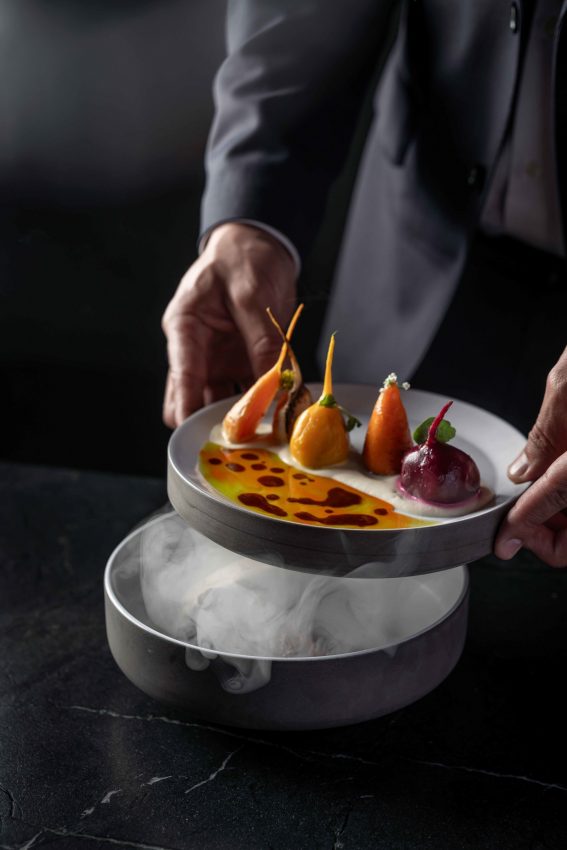
2. The Death of the “Fake” (Enter Oleic Architecture)
In a stinging critique of the last decade, the report declares the End of Substitutes. NYC is over “pretend” food. If it’s not butter, don’t try to make it look, smell, or lie like butter.
The Map to Modern Luxury
THE CURATED CALENDAR
Discover the world’s most prestigious gatherings & exhibitionsThe “Oleic Architecture” Protocol: Pioneered by Chef Eitan Eliraz, this method ditches synthetic stabilizers and margarine for structured plant-based fats—think ultra-elevated, single-origin olive oils.
The Vibe: Hyper-authenticity. Whether you’re Vegan, Kosher, or just picky, the rule is: no more masks. If a chef can’t make the ingredient stand on its own, it shouldn’t be on the plate.
3. “Circular Gastronomy” (Waste is a Technical Failure)
Sustainability has moved past the “feel-good” marketing phase and into a high-stakes Technical Flex. In 2026, throwing away a beet green or a fish bone isn’t just bad for the planet; it’s seen as a lack of skill.
Root-to-Fruit: This is the new benchmark for mastery. The “Circular” aesthetic means using every molecule of an ingredient. High-earning Gen Z and Millennials now view food waste as a “culinary failure.” In short: if you can’t turn that carrot peel into a sophisticated foam, you’re not a chef; you’re an amateur.
Dinner as an Audit
The message for NYC’s restaurant groups is clear: Audit your ingredients or face extinction. The “Functional Palate” demand means that high-net-worth diners are now looking for “Molecular Purity.” If a restaurant is still using ultra-processed bases or “masking” poor ingredients with salt and fat, they are losing market share to the chefs who treat a menu like a wellness prescription.