Meet the first-ever candidate for FAA certification of an autonomous eVTOL air taxi

Wisk Unveils World’s First Self-Flying, Four-Seat, All-Electric, Vertical Takeoff and Landing Air Taxi.
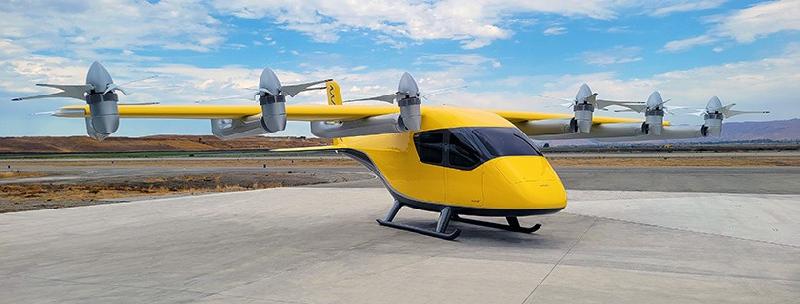
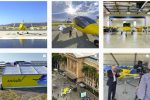
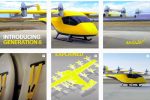
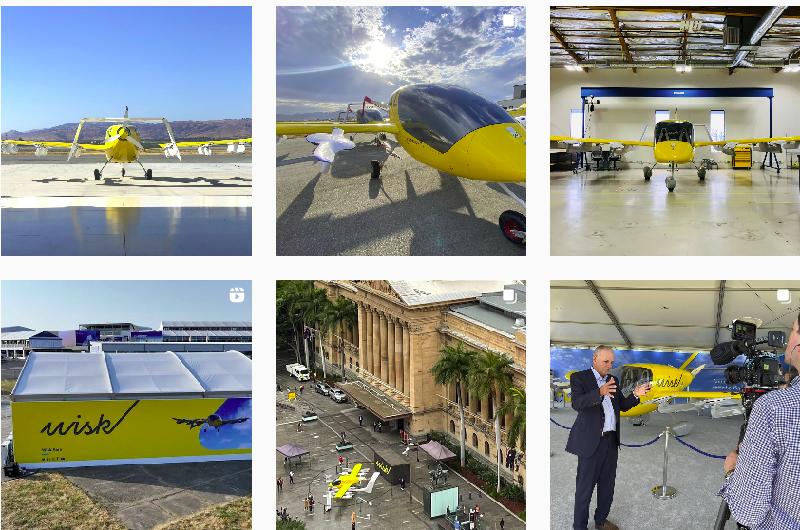
Wisk’s 6th Generation air taxi @Wisk Aero

Wisk’s 6th Generation air taxi – the most advanced in the world – is designed to meet and exceed rigorous commercial safety standards, making it one of the safest systems in aviation.

Autonomous flight with human oversight, industry-leading accessibility design, and an environmentally-conscious approach makes Wisk’s 6th Generation air taxi accessible, affordable, and sustainable.

Wisk Aero, a leading Advanced Air Mobility (AAM) company and pioneer in autonomous, electric flight, revealed the world’s first self-flying, all-electric, four-passenger vertical takeoff and landing (eVTOL) air taxi. As Wisk’s go-to-market aircraft, Generation 6 represents the first-ever candidate for type certification by the FAA of an autonomous eVTOL.

“Our 6th Generation aircraft is the culmination of years of hard work from our industry-leading team, learnings from our previous generations of aircraft, commitment from our investors, and the evolution and advancement of technology.”

“In 2010, we set out to find a way to skip traffic and get to our destination faster,” said Gary Gysin, CEO of Wisk. “That inspiration evolved into a mission to deliver safe, everyday flight for everyone. Over the past 12 years, we’ve pursued that mission through the development of five different generations of full-scale aircraft. Our 6th Generation aircraft is the culmination of years of hard work from our industry-leading team, learnings from our previous generations of aircraft, commitment from our investors, and the evolution and advancement of technology.”

Wisk is backed by two aviation leaders, The Boeing Company and Kitty Hawk Corporation. Additionally, through its strategic partnership with Boeing, Wisk has a competitive advantage leveraging 100+ years of Boeing expertise in aircraft development, scale manufacturing, and certification. In addition, Boeing’s eVTOL and autonomy engineering resources help further advance Wisk’s development.

In 2014, Wisk was one of the first companies in the world to complete a full transition (vertical takeoff to wingborne flight) and, in 2017, was the first company in the U.S. to fly an autonomous, all-electric, vertical takeoff and landing air taxi designed for passenger use.

With this aircraft, Wisk has all the chances to redefine long-standing concepts of flight and usher in a safer, scalable, and more accessible era in aviation.
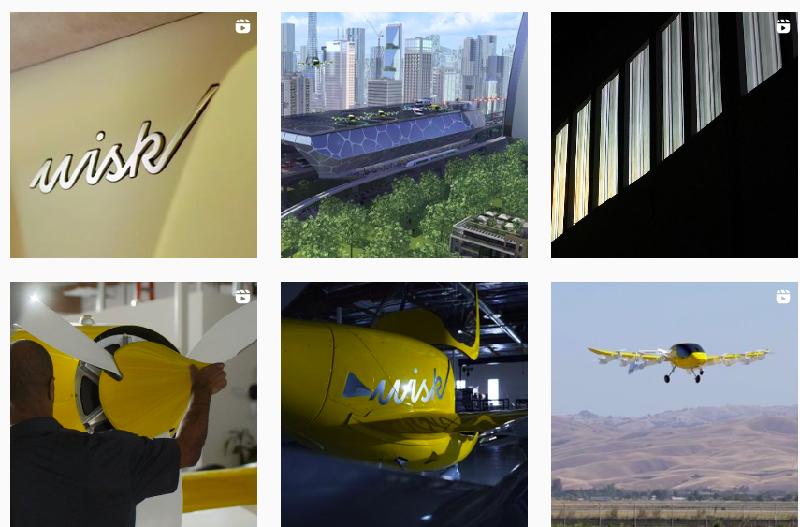
@instagram.com/wisk.aero/

Wisk’s newest aircraft will set the standard for the air taxi market and the future of travel by leveraging:

  • A Safety-First Approach

Through a multifaceted approach – including autonomous flight with human oversight, a simplified design with fewer moving parts, fully redundant systems, and no single point of failure – Wisk’s aircraft is being designed to exceed today’s rigorous aviation safety standards of a one-in-a-billion chance of an accident.

  • Autonomous Flight with Human Oversight

Wisk is one of the only AAM companies to pursue a self-flying first approach. This approach is core to the company’s overall strategy and is most importantly a critical element in bringing one of the safest systems to market in aviation. It is also the key to unlocking the scale and the full potential for the broader AAM industry.

Wisk’s multi-faceted self-flying first approach includes:

  • Leveraging the same proven technology that accounts for more than 93% of automated pilot functions on today’s commercial flights;
  • New, innovative technology such as improved detect and avoid capabilities, sensors, and more;
  • Wisk’s logic-driven, procedural-based, decision-making software which provides reliable, deterministic outcomes;
  • Multi-vehicle supervisors that provide human oversight of every flight and have the ability to intervene when needed.

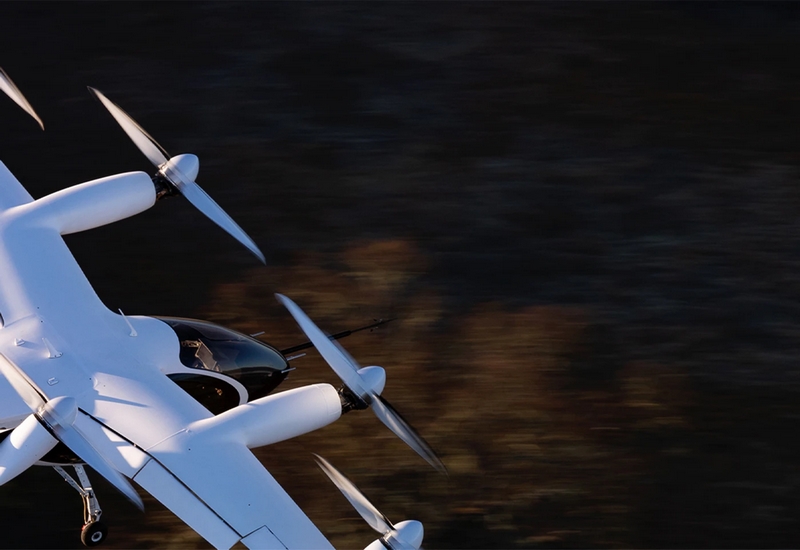
Wisk’s 6th Generation aircraft design and configuration includes proprietary 12 propeller design and boom configuration with improved propulsion systems. Tilting propulsion units in front of the wing and fixed lift units aft of the wing are optimized for range, improved aircraft control and performance, and efficient energy management.

The aircraft features a raised wing design, extended booms, and increased size and number of propeller blades to improve safety, stability, and the passenger experience, while reducing both in-cabin noise and the aircraft’s overall noise footprint.

A larger passenger cabin with 4 seats and ample storage for baggage and personal carry-on items is making it one of the most versatile air taxis in the market.
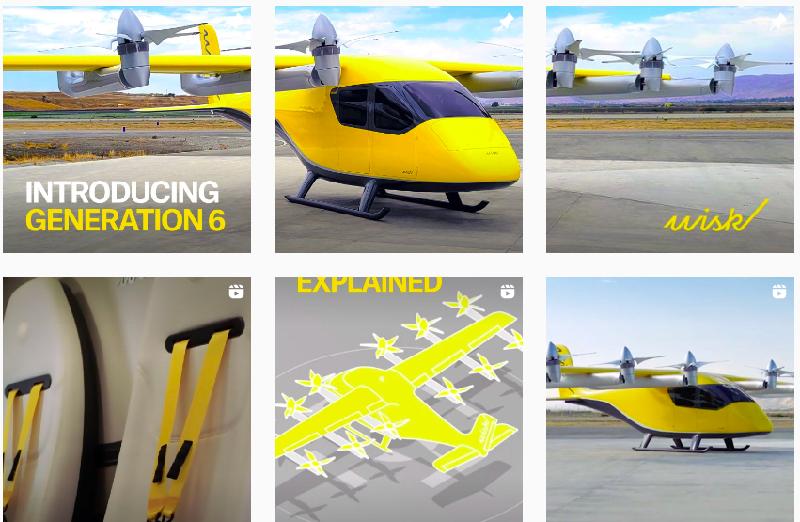
@instagram.com/wisk.aero/

Wisk’s 6th Generation aircraft is designed to be a service for everyone, with a price target of $3 per passenger, per mile.

In addition to affordability, Wisk has made accessibility a cornerstone of its design process. Generation 6 incorporates a number of accessibility features, from an entry and exit designed for individuals across the mobility spectrum, to user interfaces that seamlessly accommodate people living with hearing, vision, and other impairments. Wisk is one of the few industry players that have prioritized catering to such a wide demographic of passengers.

Specifications and Performance

Wisk’s 6th Generation aircraft leverages key learnings and insights from its previous five generations of eVTOL aircraft to deliver a new level of performance.

Cruising speed: 120 knots;
Range: 90 miles with reserves (~144 kilometers with reserves);
Altitude: 2,500 – 4,000 ft above ground;
Seats: 4;
Dimensions: <50 foot wingspan;
Power: electric;
Operation: Autonomous with human oversight.
@instagram.com/wisk.aero/

eVTOL manufacturer and NASA study the acoustic signature of the Electric Air Taxis

  Joby, the California-headquartered transportation company developing an all-electric vertical takeoff and landing aircraft, and NASA Collaborate to measure noise footprint of electric air taxi. NASA’s AAM National Campaign is designed to promote public confidence in emerging aviation markets, such as passenger air taxis, through flight testing in realistic scenarios and data analysis that will … Read more

Tap a place on the map and Next iFly one-Person eVTOL will go there


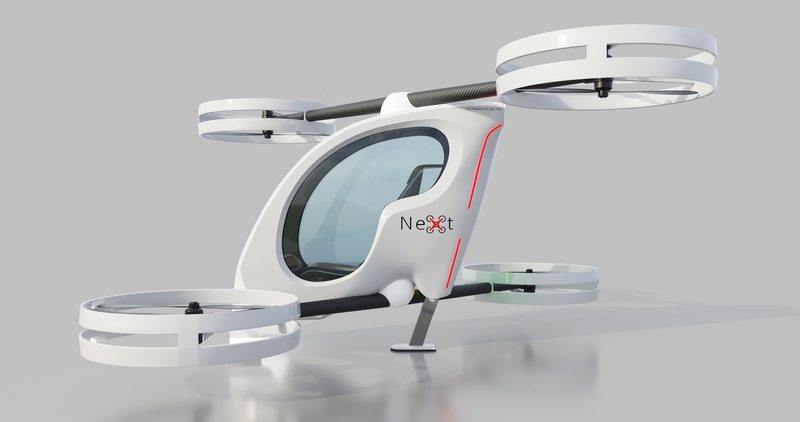
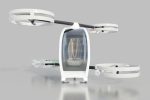
@Next iFLY eVTOL Personal Air Vehicle

This One-Person eVTOL is ready to take you anywhere.

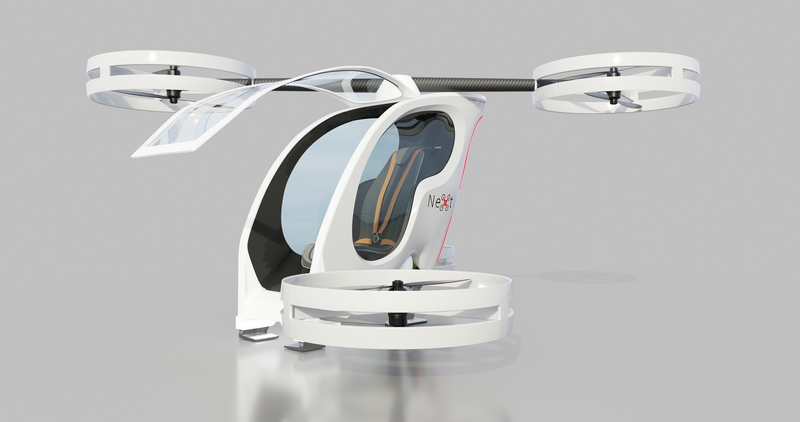
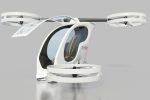
Advanced air mobility start-up NeXt has introduced an all-electric vertical take-off and landing (evTOL) personal air vehicle. NeXt is seeking an investment partner for funding iFLY which has undergone extensive successful proof-of-concept flight testing and has recently been awarded a United States Patent.

NeXt Unveils iFLY eVTOL Personal Air Vehicle

If you ask anyone what superpower they wish they had, the ability to fly ranks right up there at the top of the list and it’s one of the oldest and most enduring human aspirations. iFLY takes flying to new heights by making it simple and safe for everyone.

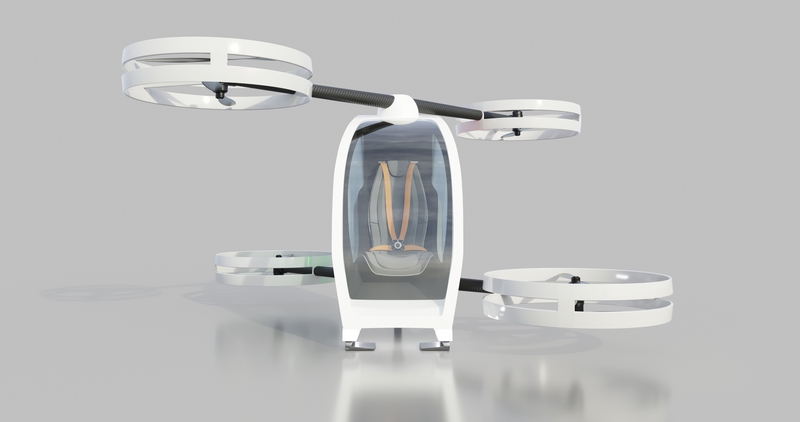
@Next iFLY eVTOL Personal Air Vehicle

The flying vehicle engages users with a powerful and intuitive mobile companion app. Users simply tap a map to select a destination landing site using the touchscreen on their iOS or Android mobile device which provides instructions to iFLY for a seamless and enjoyable autonomous flight experience to a destination without the need for pilot interaction in the traditional sense of conventional airplanes.

iFLY has eight propellers guarded in protective safety enclosures, eight electric motors that run on batteries and a comfortable passenger compartment. NeXt is currently exploring the possibility to qualify iFLY initially as a Powered Ultralight by the FAA so that no pilot’s license will be required to fly.

@Next iFLY eVTOL Personal Air Vehicle

iFLY provides a unique combination of high stability, high agility and destination flexibility with a powerful set of integrated safety features including advanced redundant flight control systems which control the speed of the electric motors to change the overall speed and direction of flight.

The new vehicle calculates wind speed, altitude and the energy required to safely fly to and from a destination and automatically returns home or lands in a safe area, if necessary, in the event the battery approaches a minimum acceptable safe power level.

The VTOL will also be provided with a ballistic parachute that automatically deploys in the event of an emergency.

In not so distant future iFly will become reality, if the company manages to find investors.

@Next iFLY eVTOL Personal Air Vehicle

Select Your Destination and The Passenger Drone, the Most Advanced Manned Autonomous VTOL in the World, Takes Over

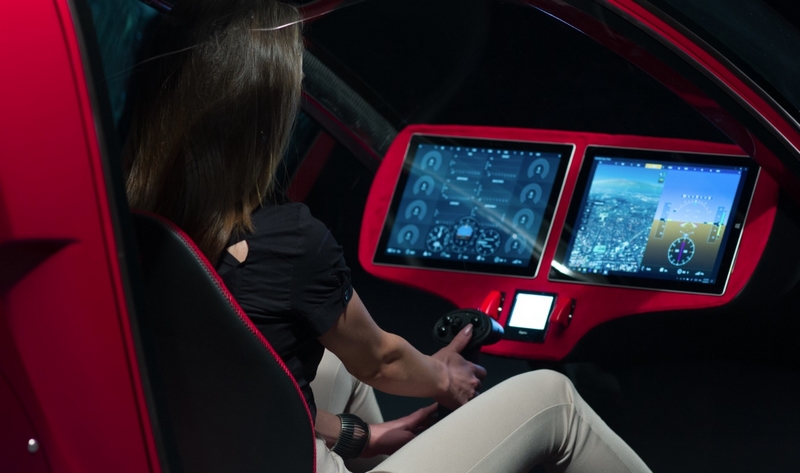
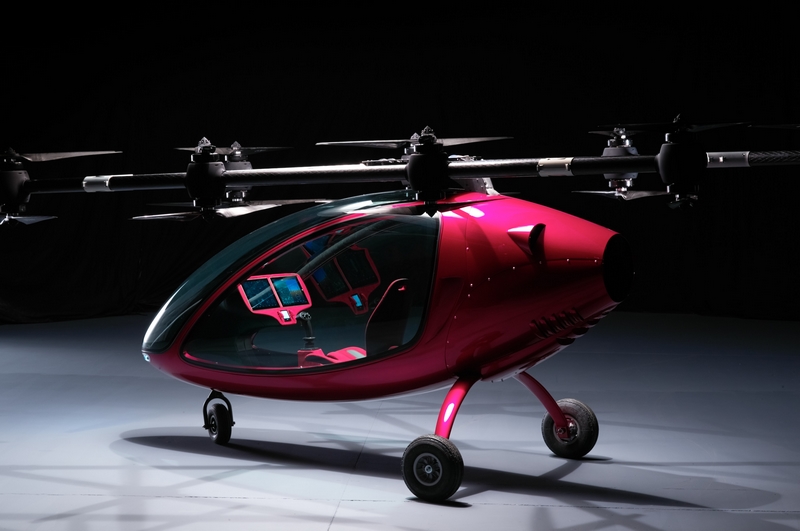
Slightly larger than a small car, the industry leading, Passenger Drone has the potential to change the traditional means of commuter transportation.

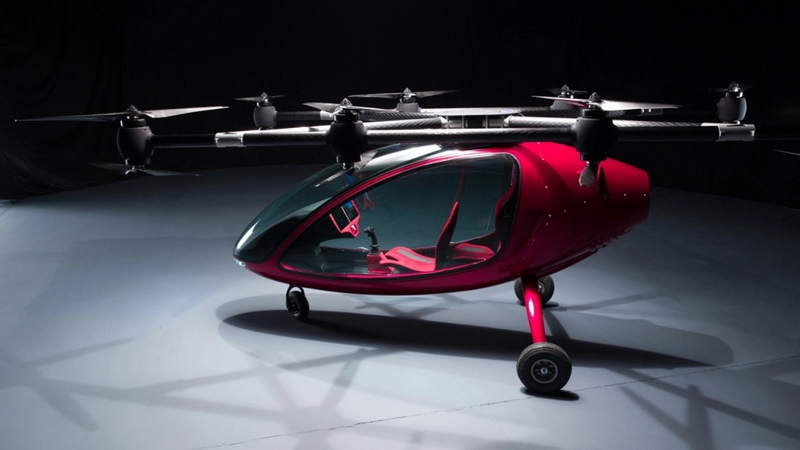
Passanger Drone Photos

With the launch of Passenger Drone and few other similar projects in 2017 there is a completely new market segment forming in aviation market – the electric VTOL ( Vertical Takeoff and Landing) Manned Aerial Vehichles (MAV). Passenger Drone is joining the MAV club alongside some of the largest companies in the world (Uber, Airbus, Google, Daimler and many others) who are working in the same direction.

Utilizing its easy to use touch-screen, passengers simply select their destination, sit back and relax, as the drone takes over, eliminating stressful commutes with the ability to travel up to 80 km/h. Passenger Drone was launched in September 2017 and is currently the most advanced VTOL platform in the world with maximum take off weight of almost half a ton ( 1000lbs) it provides fully autonomous flying and exceptional safety.

The aircraft commenced flight testing in early May 2017 and for the last few months has performed intensive testing with different simulated payload weights, simulated engine failures and different control modes. In August 2017 first manned flights with passengers onboard took place and the results and passenger feedback is overwhelming – the Passenger Drone is very easy to fly in both manual and autonomous modes and it shows amazing stability and maneuverability.

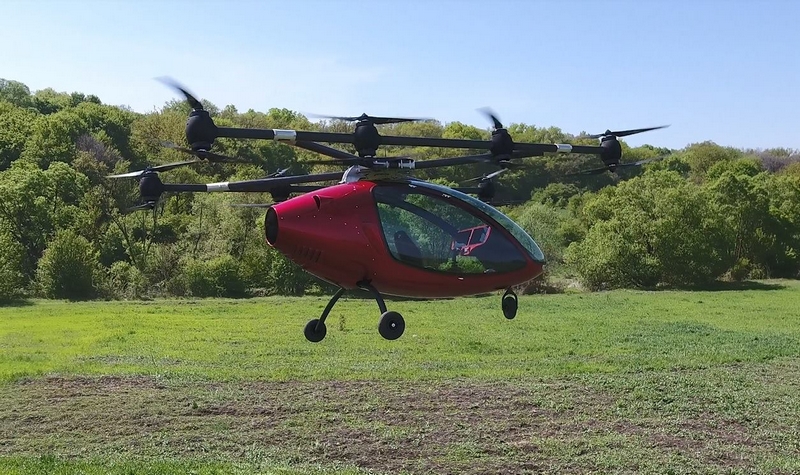
Passanger Drone Photos-outdoors

Equipped with 16 electric engines (unlike the internal combustion engines of traditional helicopters), it’s a low noise, high speed, and economical mean of transportation which emits zero emissions. Its engine system sheds the complexity of most quad-copters providing enhanced safety, performance, greater payload and range, and less noise than anything else available on the marketplace.The vehicle’s structure is composed of lightweight and strong carbon fiber composites, specially created for Passenger Drone. The avionics, stability systems and electrical control systems have been custom designed specially for the PassengerDrone.

“Over time, VTOLs have the potential to become the go-to form of daily transportation surpassing that of owning a car. Air travel has historically been seen as an expensive proposition, due in great part to the small volume of production seen in today’s aerospace industry. Mass production of the Passenger Drone could potentially revolutionize traditional notions of transport.” explained passenger drone.

Passanger Drone Photos-- Passanger Drone Photos-