Hydrogen Aviation is Gaining Altitude With This New 76-Seat Zero-Emission Aircraft
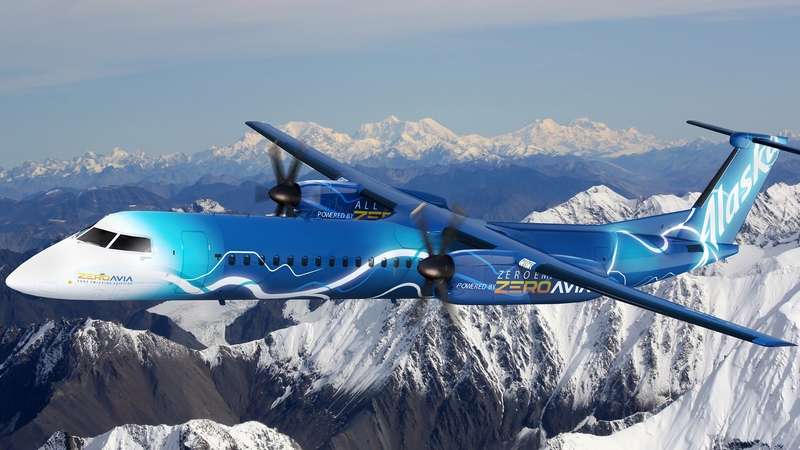
    Imagine a future where flying an aircraft between Seattle and Portland produces zero emissions. Alaska Air Group Collaborating with ZeroAvia to Develop Hydrogen Powertrain for 76-Seat Zero-Emission Aircraft. ZeroAvia is gaining altitude as the leader in zero-emission passenger aircraft as it announces a development collaboration with Alaska Air Group, the parentcompany of Alaska … Read more
Hydrogen to arrive in airports by 2035, Climate Impact of Aviation, and other Aviation News

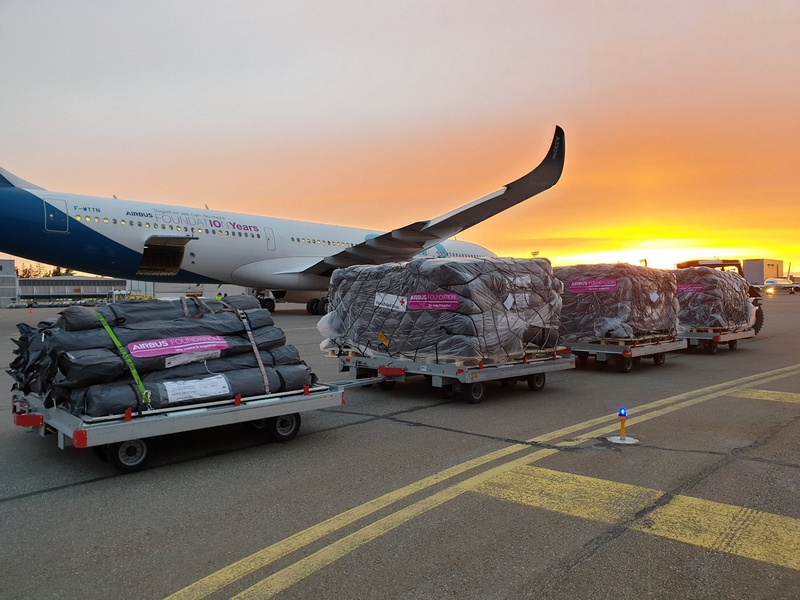
First hydrogen-powered commercial aircraft to arrive in airports by 2035 A partnership between an aircraft manufacturer, an airport authority and a hydrogen expert is an important and necessary step to prepare for the entry-into-service of a zero-emission aircraft by 2035. Air Liquide, Airbus and Groupe ADP Partner to Prepare Paris Airports for the Hydrogen Era. … Read more

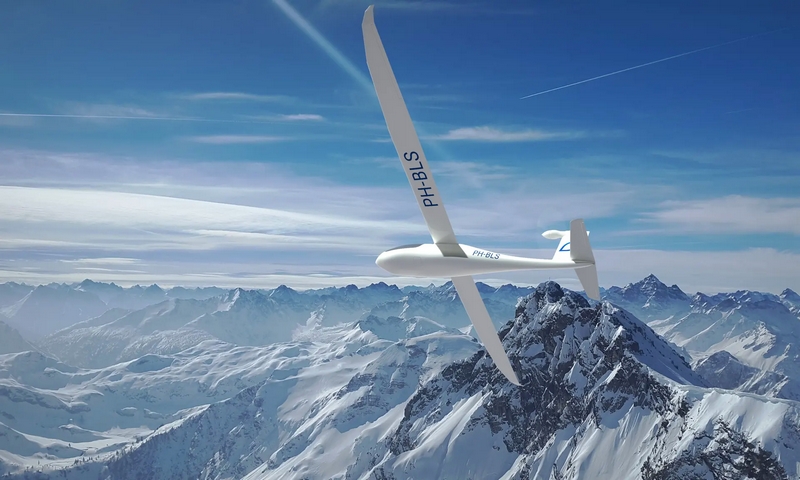
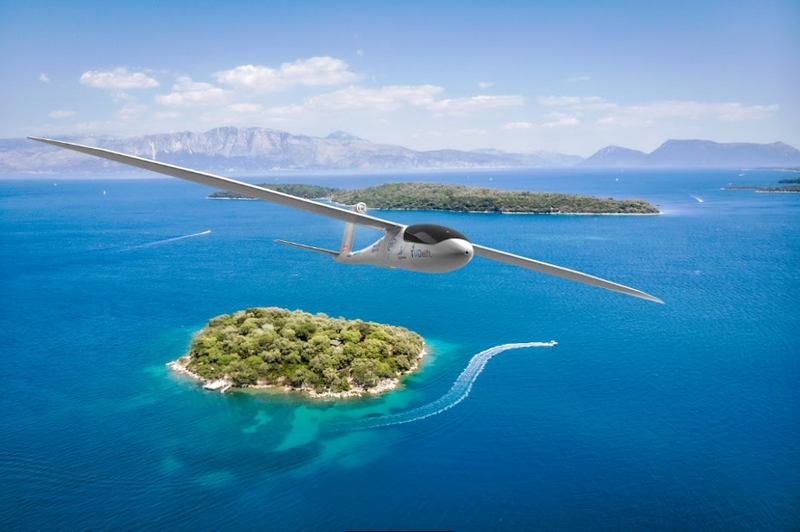
AeroDelft to fly world’s first aircraft with liquid-hydrogen fuel cells this summer

  AeroDelft team, just revealed a prototype called Phoenix PT. The brand new aircraft is bringing the team one step closer to achieving sustainable aviation. The student team AeroDelft has revealed the finished structure of their prototype airplane powered by liquid hydrogen, called ‘Phoenix PT’. The hydrogen airplane does not produce any harmful emissions to … Read more

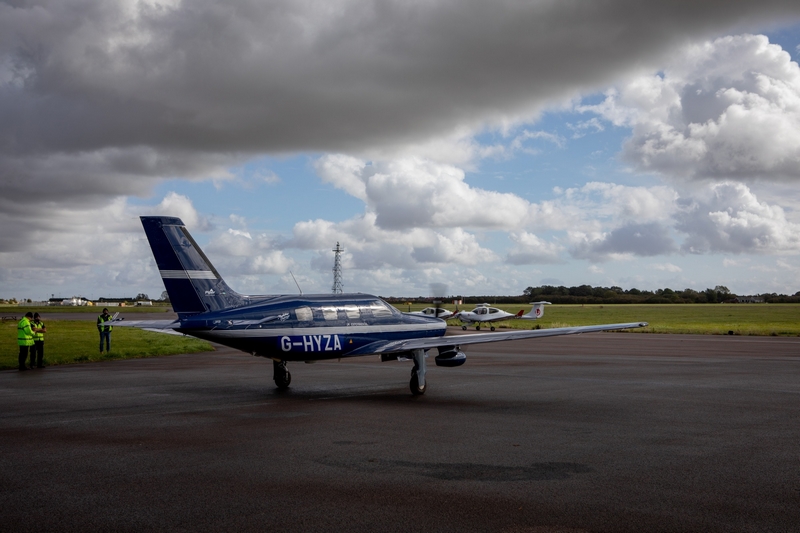
hydrogen aviation: ZeroAvia secured funding to deliver a breakthrough hydrogen-electric powered aircraft by 2023

  ZeroAvia’s HyFlyer II will deliver the first certifiable hydrogen-electric powertrain for aircraft of up to 19-seats, making zero emissions flight a reality for passengers. ZeroAvia secures £12.3m UK Government grant to bring 19-seat hydrogen-electric aviation powertrain to market. ZeroAvia, the leading innovator in decarbonising commercial aviation, has secured £12.3m ($16.3m) in Government funding through … Read more

Flight risk: can we take the carbon out of air travel?

Greta Thunberg’s zero-carbon Atlantic crossing is not an option for most. But it might be in years to come, if experiments with hydrogen, solar and batteries pay off