The Paris climate summit at a glance

Get up to speed on the most important climate change event ever with our bite-size guide

Humans have already used up 2015’s supply of Earth’s resources – analysis

Earth Footprint Network 2015 - Earth Overshoot Day 2015


Powered by Guardian.co.ukThis article titled “Humans have already used up 2015’s supply of Earth’s resources – analysis” was written by Emma Howard, for theguardian.com on Wednesday 12th August 2015 21.00 UTC

Humans have exhausted a year’s supply of natural resources in less than eight months, according to an analysis of the demands the world’s population are placing on the planet.

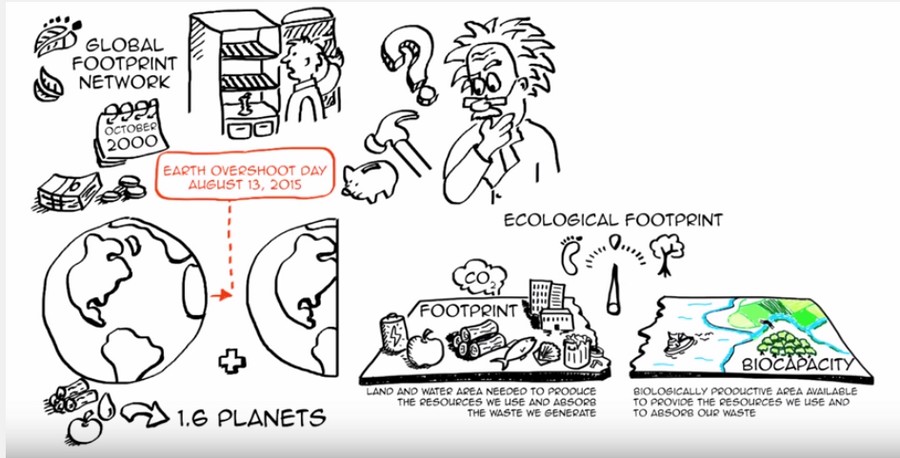
The Earth’s “overshoot day” for 2015, the point at which humanity goes into ecological debt, will occur on Thursday six days earlier than last year, based on an estimate by the Global Footprint Network (GFN).

The date is based on a comparison of humanity’s demands – in terms of carbon emissions, cropland, fish stocks, and the use of forests for timber – with the planet’s ability to regenerate such resources and naturally absorb the carbon emitted. That implies the excess demands being placed on natural systems are doing more permanent harm that cannot be easily undone.

The GFN estimates that human consumption first began to exceed the Earth’s capacity in the early 1970s and the overshoot day has been falling steadily earlier ever since, due to the growth in the global population alongside the expansion of consumption around the world.

Fossil fuel ticker

Mathis Wackernagel, president of the GFN told the Guardian: “The big problem is not that our deficit is getting bigger, it is that it cannot be maintained in the long-run. Even though we are in a deficit equation we are not taking measures to take us in the right direction. The problem is psychological – somehow we are missing this basic physical law. It is obvious to children, but for 98% of economic planners it is a minor risk not worth our attention. In the end the question is – does it matter to the government?”

The GFN estimate that the world’s population currently consumes the equivalent of 1.6 planets. This figure should rise to two planets by 2030 based on current trends. On a per capita basis, the UK consumes around three times more than the equivalent level that ecosystems can renew, but its relative share is dropping as developing economies grow and consume more.

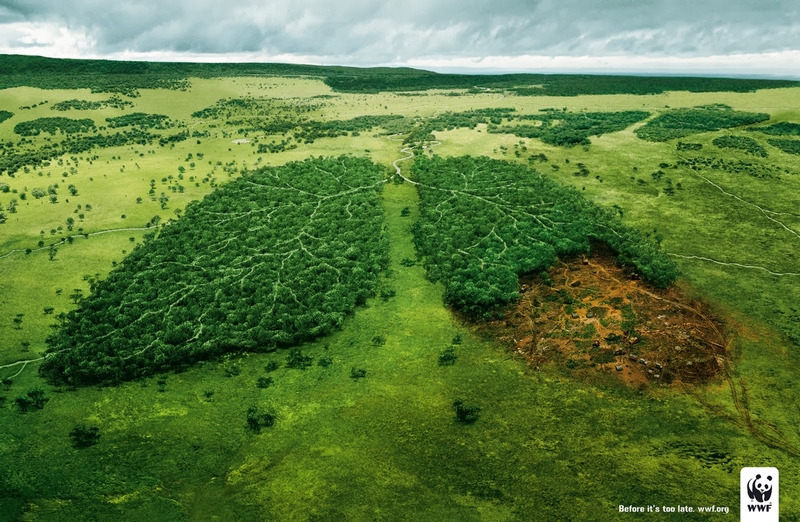
The impact of this “ecological deficit” can be witnessed through deforestation, soil erosion, depletion of water resources and the accumulation of greenhouse gases in the atmosphere.

Wackernagel added that the UN’s crunch international climate change conference in Paris in December and global diplomatic efforts were providing hope for change.

“The conference in December is sparking conversations and we are seeing unheard of agreements between the US and China,” he said.

“The two biggest emitters are starting to co-operate and the G20 leaders have recognised we have to move out of fossil fuels by the end of this century – although this is a bit too slow in my opinion.”

guardian.co.uk © Guardian News & Media Limited 2010

Published via the Guardian News Feed plugin for WordPress.
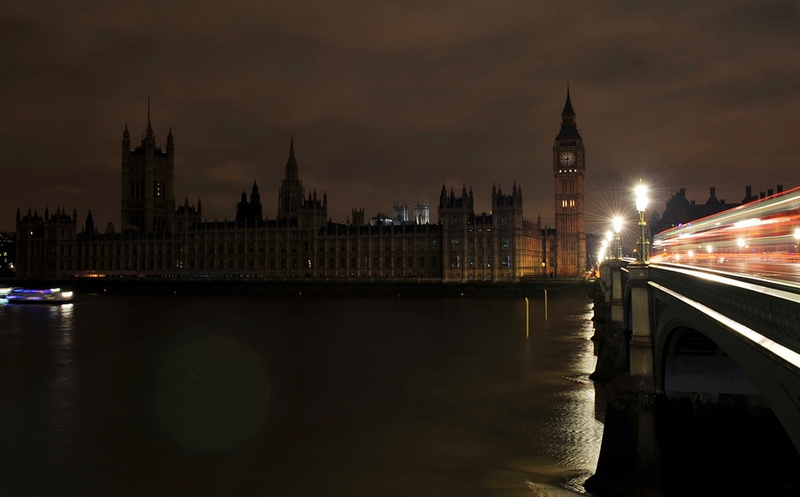
Earth hour: millions will switch off lights around the world for climate action

#YourPower. “Climate Change is a people problem. This is the time to Use #YourPower. Join the global movement to #ChangeClimateChange.”

london earth hour


Powered by Guardian.co.ukThis article titled “Earth hour: millions will switch off lights around the world for climate action” was written by Karl Mathiesen, for theguardian.com on Friday 27th March 2015 09.37 UTC

The UN secretary general, Ban Ki-moon, has said hundreds of millions of Earth hour participants around the world will demand a strong global climate agreement by switching off their lights for an hour on Saturday night.

Many of the world’s brightest lights will go dark at 8:30pm (GMT) as Earth hour marks its ninth year. In a video address, Ban said the symbolic switching-off held more significance than ever, just nine months before a pivotal UN meeting on the climate crisis in Paris.

“Climate change is a people problem. People cause climate change and people suffer from climate change. People can also solve climate change. This December in Paris, the United Nations is bringing nations together to agree a new, universal and meaningful climate agreement. It will be the culmination of a year of action on sustainable development,” said Ban.

More than 7,000 cities in 172 countries are expected to take part in the world’s largest ever demonstration, which has grown from a single World Wildlife Fund (WWF) event in Sydney in 2007.

“Earth Hour shows what is possible when we unite in support of a cause: no individual action is too small, no collective vision is too big. This is the time to use your power,” said Ban.

Organisers said this year’s demonstration would be the biggest yet. Sudhanshu Sarronwala, chair of Earth Hour global said: “Climate change is not just the issue of the hour, it’s the issue of our generation. The lights may go out for one hour, but the actions of millions throughout the year will inspire the solutions required to change climate change.”

Some the world’s most famous landmarks will turn their lights out. The UN building in New York will join London’s Houses of Parliament, Rio de Janeiro’s Cristo Redentor (Christ the Redeemer) and the Eiffel Tower in Paris. In Bulgaria a giant Danube sturgeon fish will be drawn in fire in the capital, Sofia. Millions of other, more humble, participants will take part by simply switching from electricity to candlelight for an hour.

Colin Butfield, director of campaigns at WWF-UK said the mass participation was a demand for climate action and politicians should take heed. “The fact that such a huge number of people are taking part in Earth Hour across the world and are using it as a moment to inspire action on sustainability in their own communities sends a really clear message that the public is ready to tackle climate change – we now need politicians to show the same drive,” he said.

Britain’s energy and climate change secretary, Ed Davey, who has been heavily involved in the climate negotiations at the UN, called for a response to climate change that was commensurate with its threat. “It’s time for everyone to recognise that climate change will touch just about everything we do and everything we care about. Earth Hour is an excellent opportunity for millions of people across the world to take one simple step to show they’re serious about backing action on climate change,” said Davey.

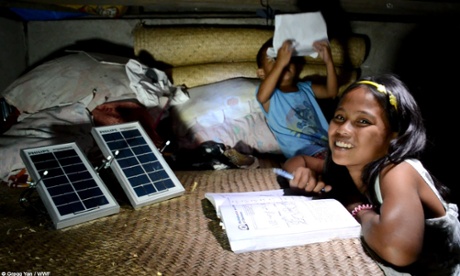
Joy Dominguez
Joy Dominguez, 11, studies under a solar lamp. Photograph: Gregg Yan/WWF

Ban said the focus on climate change should not distract from Earth Hour’s other key mission: introducing clean energy to the most remote and impoverished communities on Earth. “By turning out the lights we also highlight that more than a billion people lack access to electricity. Their future wellbeing requires access to clean, affordable energy,” he said.

In 2014 Earth Hour used a crowdfunding platform to raise money and deliver thousands of fuel-efficient stoves to families in Madagascar and solar kits to remote villages in Uganda. The organisation also supplied islands in the Philippines with solar power for the first time and raised money for victims of Typhoon Haiyan.

guardian.co.uk © Guardian News & Media Limited 2010

Published via the Guardian News Feed plugin for WordPress.
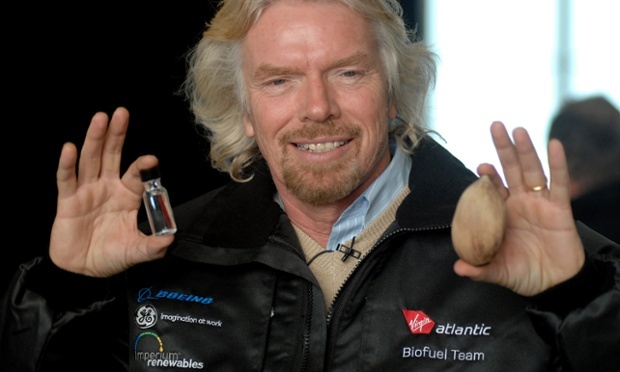
Cheaper oil could damage renewable energies, says Richard Branson

Entrepreneur claims Saudi Arabia is encouraging collapse in oil price in bid to undermine fracking and clean energy

Forests are emerging out from the shadow of fossil fuels in climate debate

Letting people living in forests become nature’s guardian is bringing both development and saving ecosystems