Wisk Unveils World’s First Self-Flying, Four-Seat, All-Electric, Vertical Takeoff and Landing Air Taxi.
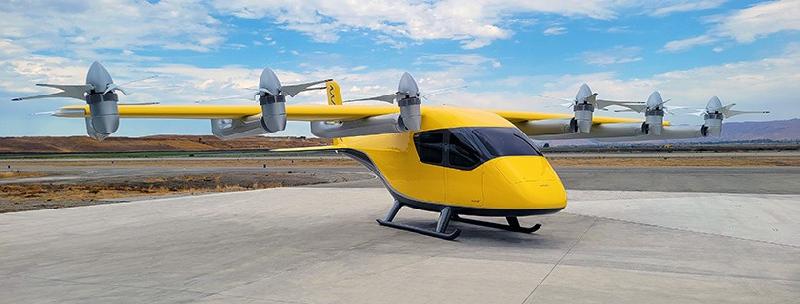
Wisk’s 6th Generation air taxi – the most advanced in the world – is designed to meet and exceed rigorous commercial safety standards, making it one of the safest systems in aviation.
Autonomous flight with human oversight, industry-leading accessibility design, and an environmentally-conscious approach makes Wisk’s 6th Generation air taxi accessible, affordable, and sustainable.
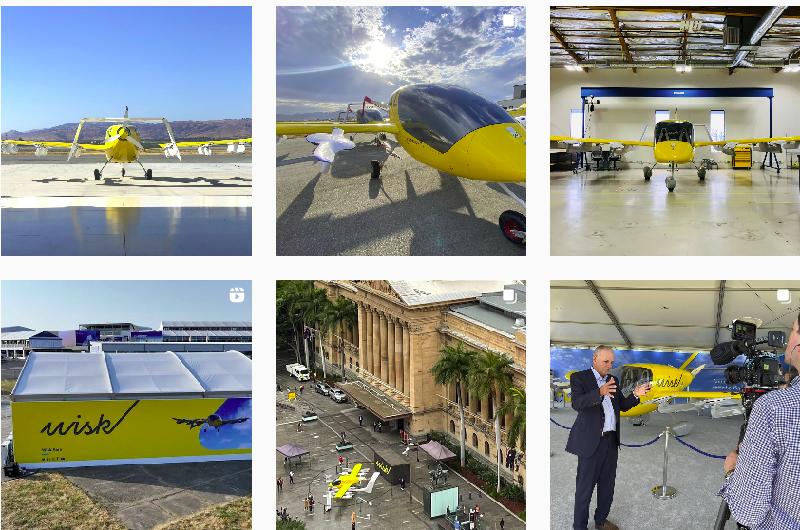
Wisk Aero, a leading Advanced Air Mobility (AAM) company and pioneer in autonomous, electric flight, revealed the world’s first self-flying, all-electric, four-passenger vertical takeoff and landing (eVTOL) air taxi. As Wisk’s go-to-market aircraft, Generation 6 represents the first-ever candidate for type certification by the FAA of an autonomous eVTOL.
“Our 6th Generation aircraft is the culmination of years of hard work from our industry-leading team, learnings from our previous generations of aircraft, commitment from our investors, and the evolution and advancement of technology.”
“In 2010, we set out to find a way to skip traffic and get to our destination faster,” said Gary Gysin, CEO of Wisk. “That inspiration evolved into a mission to deliver safe, everyday flight for everyone. Over the past 12 years, we’ve pursued that mission through the development of five different generations of full-scale aircraft. Our 6th Generation aircraft is the culmination of years of hard work from our industry-leading team, learnings from our previous generations of aircraft, commitment from our investors, and the evolution and advancement of technology.”
Wisk is backed by two aviation leaders, The Boeing Company and Kitty Hawk Corporation. Additionally, through its strategic partnership with Boeing, Wisk has a competitive advantage leveraging 100+ years of Boeing expertise in aircraft development, scale manufacturing, and certification. In addition, Boeing’s eVTOL and autonomy engineering resources help further advance Wisk’s development.
In 2014, Wisk was one of the first companies in the world to complete a full transition (vertical takeoff to wingborne flight) and, in 2017, was the first company in the U.S. to fly an autonomous, all-electric, vertical takeoff and landing air taxi designed for passenger use.
With this aircraft, Wisk has all the chances to redefine long-standing concepts of flight and usher in a safer, scalable, and more accessible era in aviation.
Wisk’s newest aircraft will set the standard for the air taxi market and the future of travel by leveraging:
- A Safety-First Approach
Through a multifaceted approach – including autonomous flight with human oversight, a simplified design with fewer moving parts, fully redundant systems, and no single point of failure – Wisk’s aircraft is being designed to exceed today’s rigorous aviation safety standards of a one-in-a-billion chance of an accident.
- Autonomous Flight with Human Oversight
Wisk is one of the only AAM companies to pursue a self-flying first approach. This approach is core to the company’s overall strategy and is most importantly a critical element in bringing one of the safest systems to market in aviation. It is also the key to unlocking the scale and the full potential for the broader AAM industry.
Wisk’s multi-faceted self-flying first approach includes:
- Leveraging the same proven technology that accounts for more than 93% of automated pilot functions on today’s commercial flights;
- New, innovative technology such as improved detect and avoid capabilities, sensors, and more;
- Wisk’s logic-driven, procedural-based, decision-making software which provides reliable, deterministic outcomes;
- Multi-vehicle supervisors that provide human oversight of every flight and have the ability to intervene when needed.
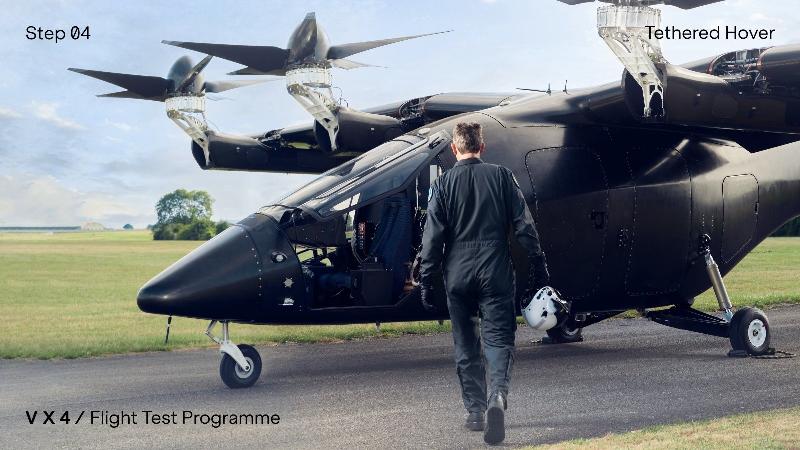
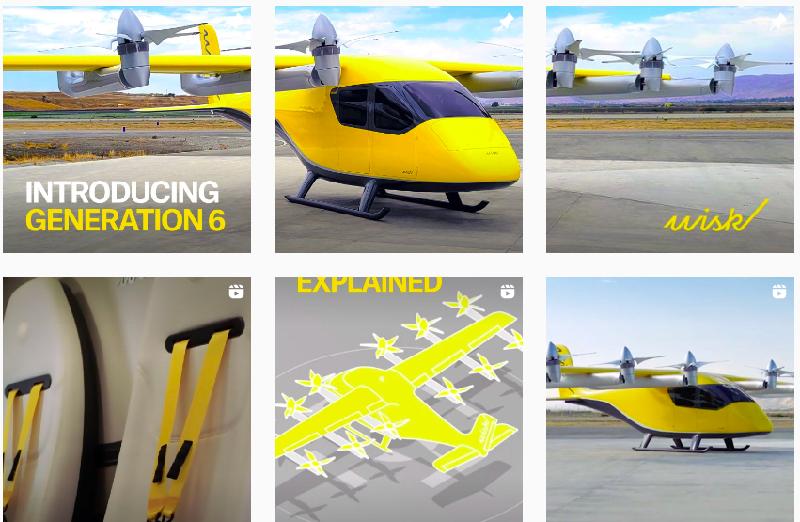
Wisk’s 6th Generation aircraft design and configuration includes proprietary 12 propeller design and boom configuration with improved propulsion systems. Tilting propulsion units in front of the wing and fixed lift units aft of the wing are optimized for range, improved aircraft control and performance, and efficient energy management.
The aircraft features a raised wing design, extended booms, and increased size and number of propeller blades to improve safety, stability, and the passenger experience, while reducing both in-cabin noise and the aircraft’s overall noise footprint.
A larger passenger cabin with 4 seats and ample storage for baggage and personal carry-on items is making it one of the most versatile air taxis in the market.
Wisk’s 6th Generation aircraft is designed to be a service for everyone, with a price target of $3 per passenger, per mile.
In addition to affordability, Wisk has made accessibility a cornerstone of its design process. Generation 6 incorporates a number of accessibility features, from an entry and exit designed for individuals across the mobility spectrum, to user interfaces that seamlessly accommodate people living with hearing, vision, and other impairments. Wisk is one of the few industry players that have prioritized catering to such a wide demographic of passengers.
Specifications and Performance
Wisk’s 6th Generation aircraft leverages key learnings and insights from its previous five generations of eVTOL aircraft to deliver a new level of performance.
Cruising speed: 120 knots;
Range: 90 miles with reserves (~144 kilometers with reserves);
Altitude: 2,500 – 4,000 ft above ground;
Seats: 4;
Dimensions: <50 foot wingspan;
Power: electric;
Operation: Autonomous with human oversight.