Fly the dream with world’s first practicable jet

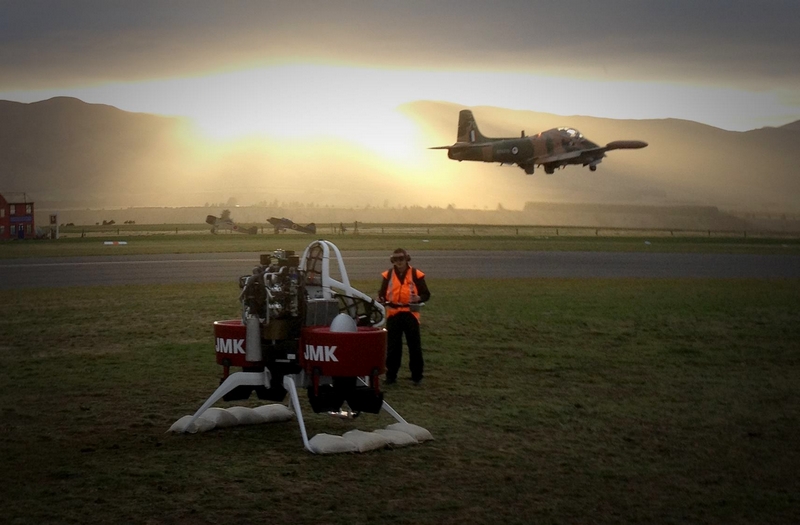
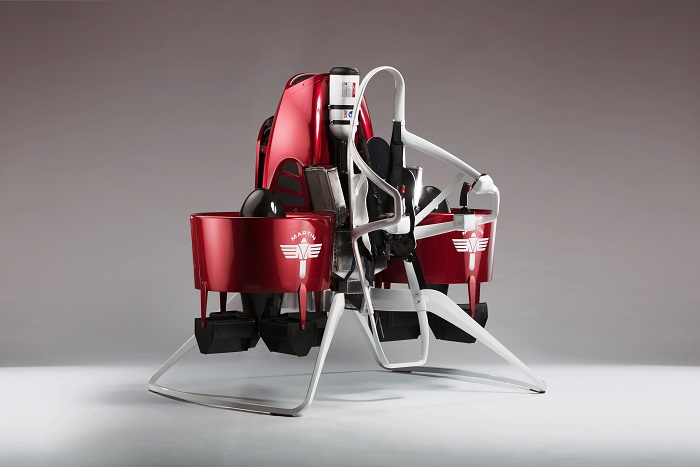
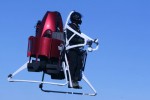
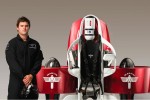
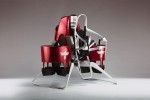
Martin Jetpack for personal aviation. You can fly the dream in Monaco. 2016 Top Marques Monaco will host the European launch of the Martin Jetpack for personal aviation – the world’s first practicable jet pack being marketed for sale later this year.

martin jet_pack 2016-

After wowing China and the Emirate of Dubai the next stop for this international company based in New Zealand is Top Marques where visitors to the exhibition will be able to see the future of personal transportation first hand.

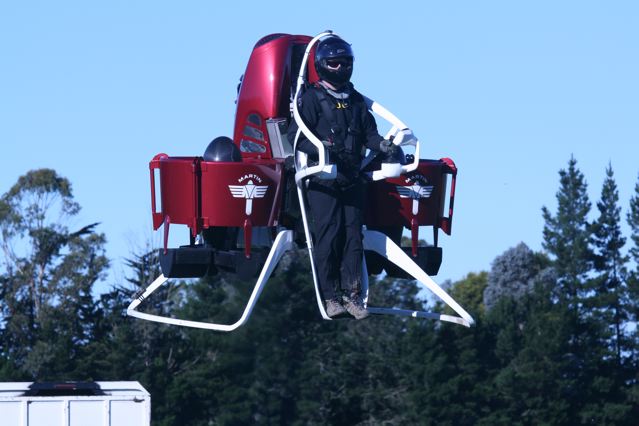
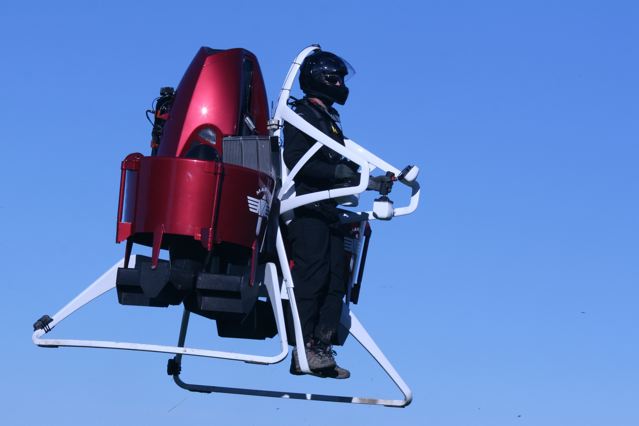
Designed to be the world’s safest light aircraft, the Martin Jetpack is aimed at adventurers, futurists and visionaries who take up the challenge to explore and venture to places that others can only imagine.

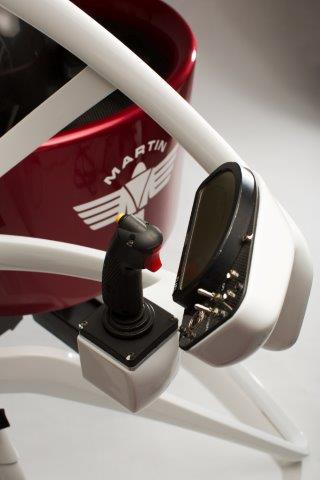
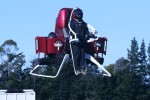
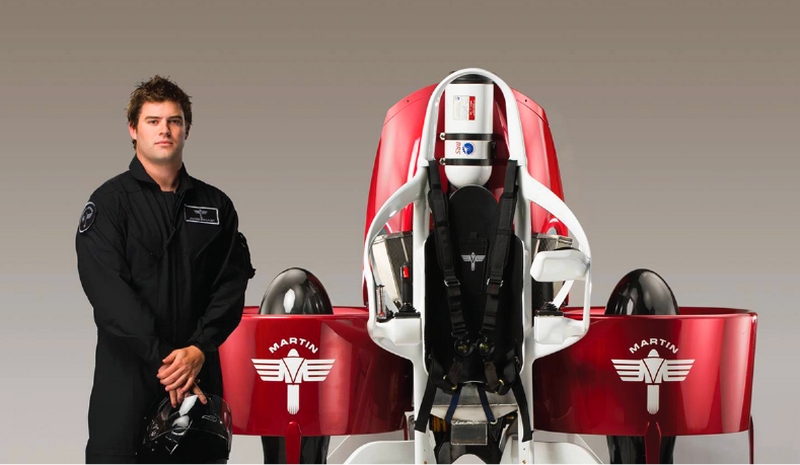
The Martin Jetpack is a disruptive technology, much like the helicopter was when first developed, with substantial capabilities. It is able to be flown by a pilot or via remote control and can take off and land vertically (VTOL). Because of its small dimensions, it can operate in confined spaces that other VTOL aircraft such as helicopters cannot access, such as close to or between buildings, near trees or landing on the deck of a super yacht without the need for a full-size helipad.

The price of the Personal Jetpack is yet to be confirmed but it is likely to be in the region of US $150,000-$200,000. In addition, training and licence requirements will need to be established with the aviation authorities of each country, a process that is already underway in partnership with the New Zealand Civil Aviation Authority.

martin jetpack NZ martin jet_pack 2016-flight-details martin jet_pack 2016-flight- martin jet_pack 2016-flight martin jet_pack 2016 Martin Aircraft company


Revolutionary green vehicles line up for Top Marques Monaco 2016

World class supercars, innovative electric vehicles and exciting tuners are coming to Top Marques Monaco this year. Visiting Casino Square during Top Marques  is a must if you want to see more supercars than you can imagine. Monaco’s premier auto show is showcasing each year some of the most exciting electric vehicles on the market. … Read more

ArcaBoard, a 21st-century flying carpet. The first revolutionary breakthrough in motion since the bicycle, automobile, and airplane

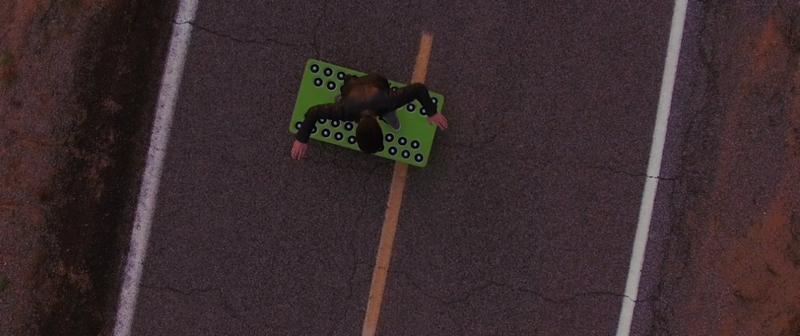
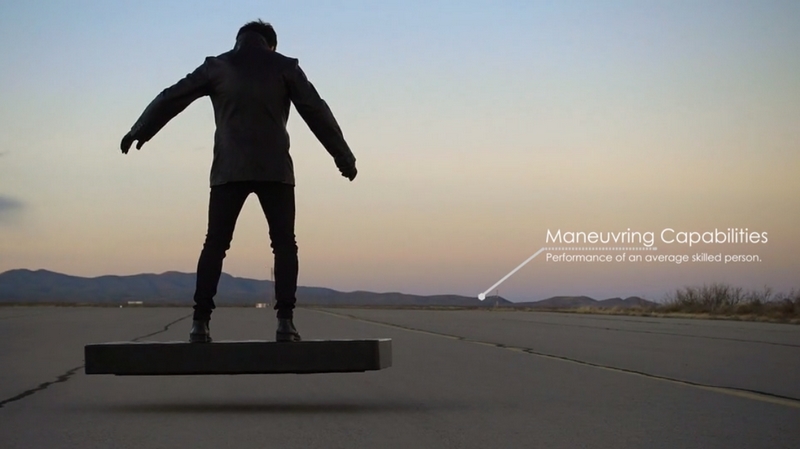
ARCABOARD - World's first flying hover board

We are always dreaming of total freedom of movement, total freedom of travel. For the first time in history, every person will be able to fly whenever they want, wherever they want with an electric powered flying machine called Arcaboard. ArcaBoard represents the first revolutionary breakthrough in motion since the bicycle, automobile, and airplane. It was created by ARCA Space – an aerospace company established in Las Cruces, New Mexico, whose main objective is the exploration of space.

The electric powered flying carpet with 272 horsepower and 203,000 watts of installed power is the most powerful and lightest personal vehicle ever created, say its creators.

“ArcaBoard represents a revolution in motion. For the last 17 years we have developed aerospace technologies that looked to the sky. We took our knowledge and applied it to everyone’s dreams. Dreams of flying,” said Dumitru Popescu, CEO of ARCA Space Corporation. ArcaBoard is built from composite materials, it has a length of 145x76x15 cm (57x30x6 inches) and a weight of 82 kg (180 lbs). This technology allows a person with a weight up to 110 kg (243 lbs) to be able to fly.

ARCABOARD - World's first flying hover board- arca board dumitru popescu ceo-arca space arca board dumitru popescu ceo-arca space corp - top marques monaco 2016

The vehicle is able to fly up to 30 cm (1 ft) and with speeds up to 20 km/h (12.5 mph) and the overall performance is limited by the onboard sensors. The maximum endurance is 6 minutes, but with the ArcaDock accessory the user can be back in action in 35 minutes.

The ArcaBoard — the first ever flying hover board – will be unveiled to the public in a world exclusive on April 14th at Top Marques Monaco 2016, the ‘ultimate luxury car show’. Visitors will be able to see the revolutionary vehicle in action and take one home for 14,900 USD.

“This groundbreaking and green technological innovation creates an entirely new transportation sector which runs entirely on electric energy. Launching it in Monaco mirrors the values of this state as a beacon in the green movement,” said Popescu.

The groundbreaking invention is one of dozens of cutting-edge exhibits to be showcased at the 13th edition of Top Marques from April 14th to 17th in the Grimaldi Forum.

arca board dumitru popescu ceo arca board dumitru popescu ceo-arca space copr

Why the world’s most awarded luxury cruise line needs a global express jet

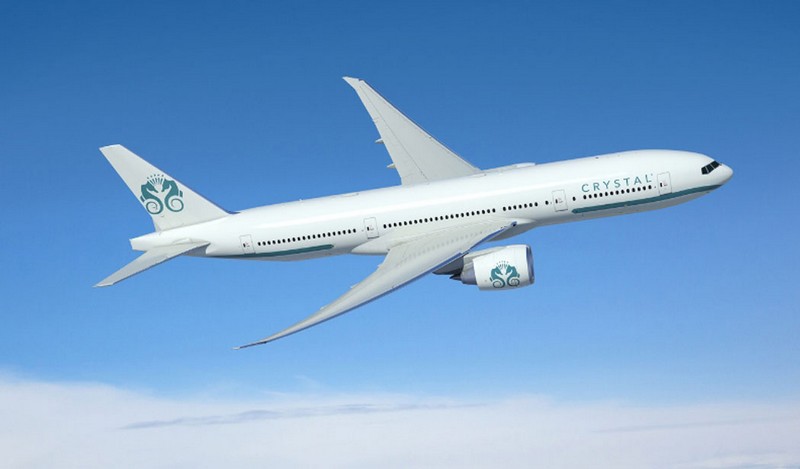
New ways for you to travel the world: The world’s most awarded luxury cruise line adds a Bombardier Global Express XRS to its fleet. Crystal’s Air Service to take off in April 2016. Luxury travelers seeking the next level of ease and exclusivity during their journeys now have a Bombardier Global Express XRS offered by … Read more

Fly the green way with Volocopter

A new two-seat e-multicopter makes a revolutionary step in transportation.
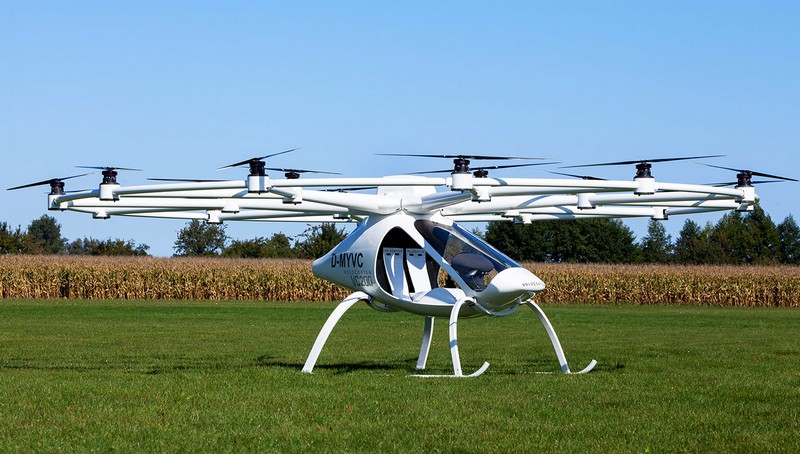
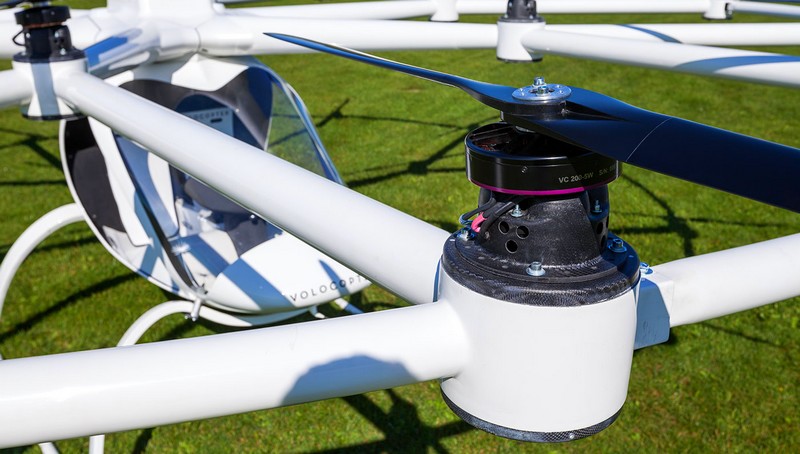
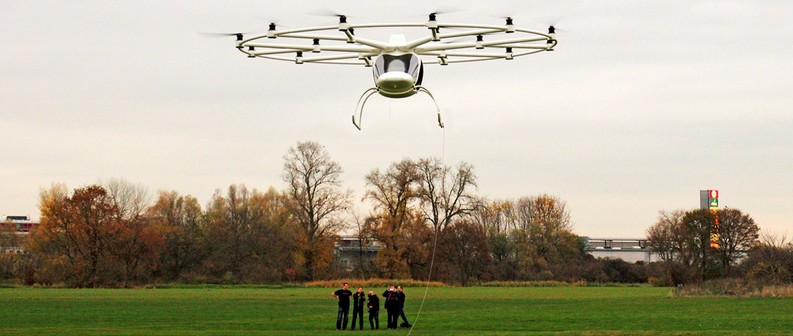
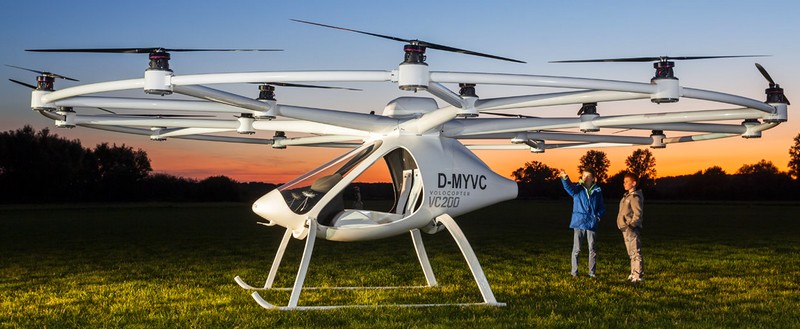
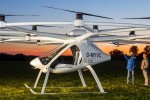
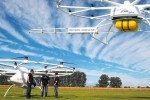
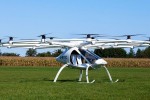
volocopter 2016 on the ground

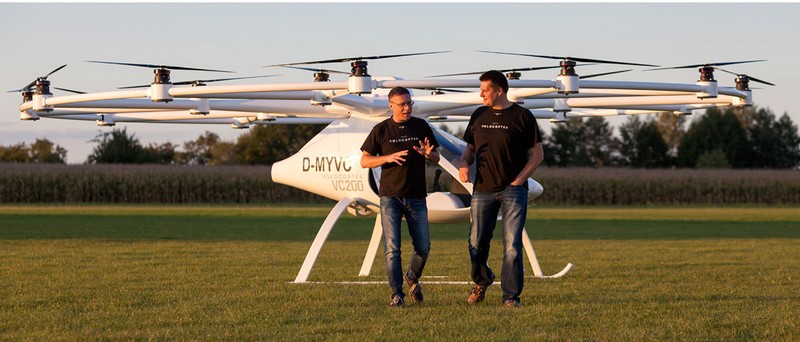
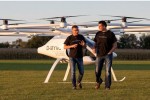
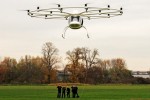
The Volocopter VC200 redefines the helicopter. Learning to pilot vertical takeoff and landing now requires fewer costly and time consuming flying lessons. Volocopter revolutionary e-multicopter will provide clean, energy-efficient transportation.

The Volocopter combines the joy of flying with the highest levels of safety. And not only that – thanks to its reduced mechanics it is low maintenance and extremely easy to operate.

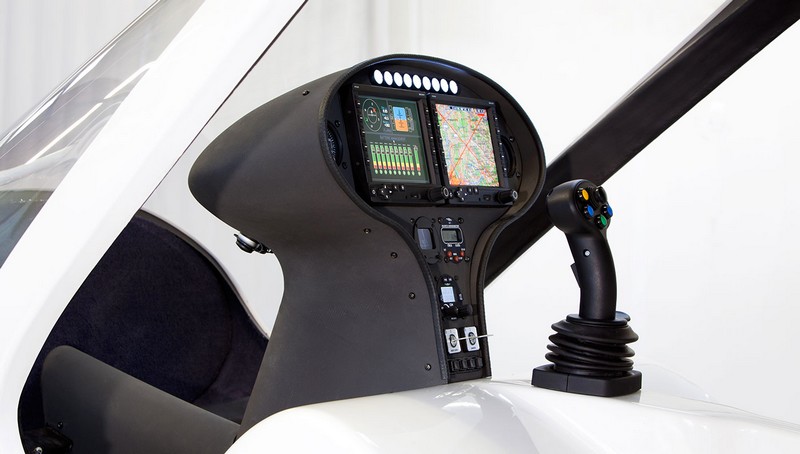
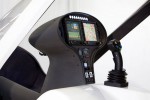
“The pilot merely has to command direction via a joystick and the 2-seater, ultralight aircraft glides into the desired position. In this process our comprehensive redundancy concept ensures a level of safety that immediately compensates a failure of the drive units and forgives a large number of flying errors. Moreover, we have already developed the prototypes of the VC200 with environmentally-friendly rechargeable battery technology,” said Volocopter’s team.

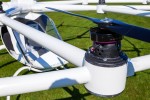
volocopter 2016 volocopter 2016 transportation volocopter 2016 revolutionary transportation - e-multicopter

The revolutionary safety & propulsion system of the Volocopter will serve as a platform for additional aviation systems in the future. It is the perfect platform for both vertical takeoff manned aircraft and heavy-duty drones. The flight concept of the Volocopter facilitates piloted, remote-controlled or even completely autonomous air operations. This creates the potential for many diverse applications.

The modular flight systems can be developed in various sizes. Depending on client’s requirements, a purely electric or hybrid form of propulsion can be used to power the aircraft.

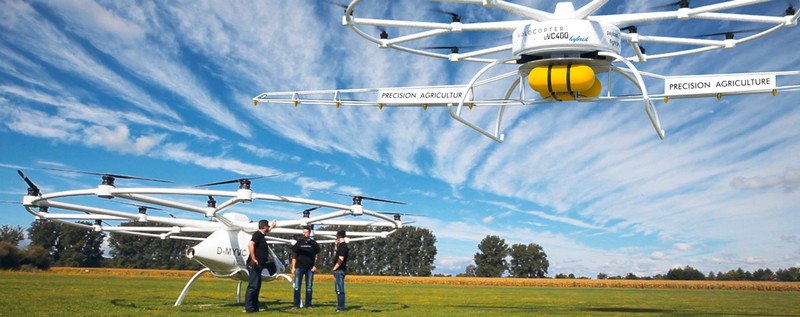
The Volocopter can be operated with a pilot, using remote controls or completely autonomously. It allows the Volocopter to serve a broad range of purposes and solve many unique problems like mobility concept for transporting people/mass transit, platform for physical measurement devices, autonomous farming of fields in the precision agriculture sector, yacht tender, pleasure rides for amusement, recreation or sightseeing, air-taxi and so on.

volocopter 2016 revolutionary transportation - e-multicopter 2016- volocopter 2016 revolutionary transportation - e-multicopter 2016 volocopter 2016 joystick


NASA’s aeronautics research is building Quiet Supersonic X-plane

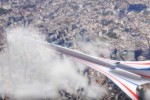
NASA’s aeronautics research is building Aviation Horizons X-plane – a quieter supersonic passenger jet.
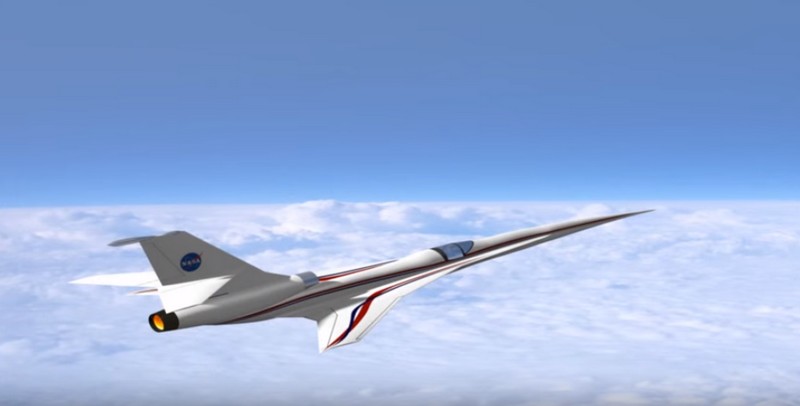
NASA aeronautics research is building Quiet Supersonic X-plane

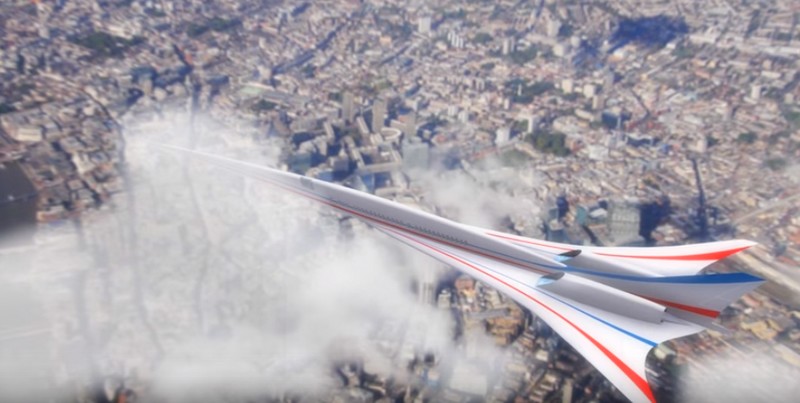
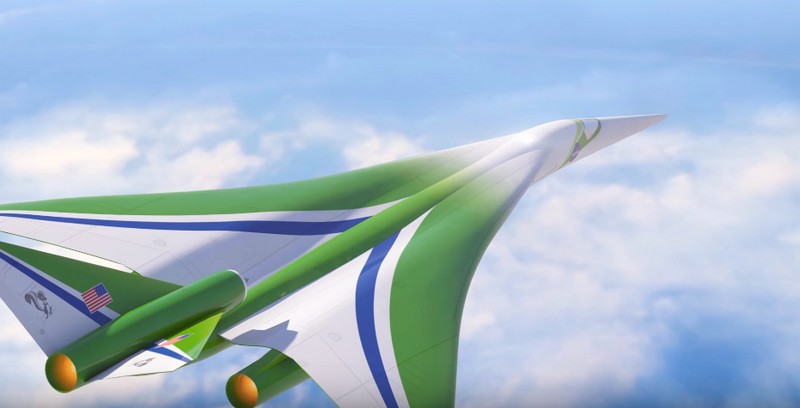
Taking a giant leap to the next generation of civilian aircraft, NASA begins work to build a quieter supersonic passenger jet. The return of supersonic passenger air travel is one step closer to reality with NASA’s award of a contract for the preliminary design of a “low boom” flight demonstration aircraft. This is the first in a series of ‘X-planes‘ in NASA’s New Aviation Horizons initiative.

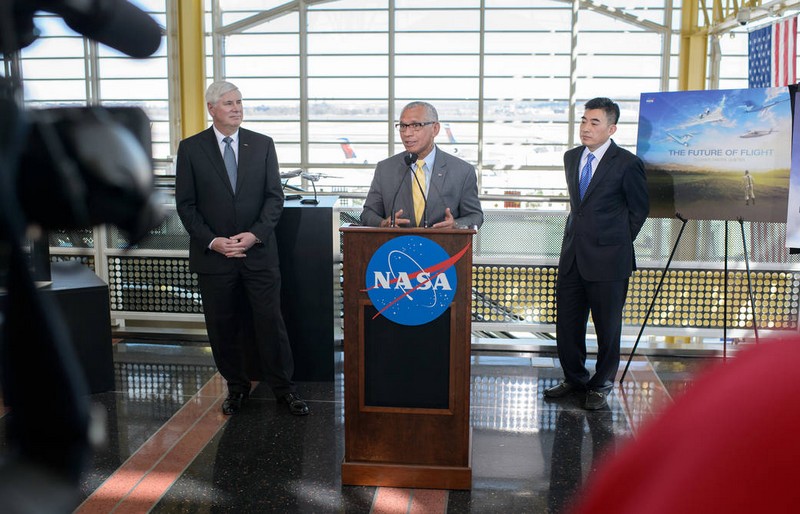
“NASA is working hard to make flight greener, safer and quieter – all while developing aircraft that travel faster, and building an aviation system that operates more efficiently,” said NASA Administrator Charles Bolden. “To that end, it’s worth noting that it’s been almost 70 years since Chuck Yeager broke the sound barrier in the Bell X-1 as part of our predecessor agency’s high-speed research. Now we’re continuing that supersonic X-plane legacy with this preliminary design award for a quieter supersonic jet with an aim toward passenger flight.”

Booming and shaking supersonic research, NASA selected a team led by Lockheed Martin Aeronautics Company of Palmdale, California, to complete a preliminary design for Quiet Supersonic Technology (QueSST). The work will be conducted under a task order against the Basic and Applied Aerospace Research and Technology (BAART) contract at NASA’s Langley Research Center in Hampton, Virginia.
NASA aeronautics research is building Quiet Supersonic X-plane-- NASA Administrator Charles Bolden

After conducting feasibility studies and working to better understand acceptable sound levels across United States, NASA’s Commercial Supersonic Technology Project asked industry teams to submit design concepts for a piloted test aircraft that can fly at supersonic speeds, creating a supersonic “heartbeat” — a soft thump rather than the disruptive boom currently associated with supersonic flight.

“Developing, building and flight testing a quiet supersonic X-plane is the next logical step in our path to enabling the industry’s decision to open supersonic travel for the flying public,” said Jaiwon Shin, associate administrator for NASA’s Aeronautics Research Mission.

Lockheed Martin will receive about $20 million over 17 months for QueSST preliminary design work.

The company will develop baseline aircraft requirements and a preliminary smaller aircraft design, with specifications, and provide supporting documentation for concept formulation and planning. This documentation would be used to prepare for the detailed design, building and testing of the QueSST jet. Performance of this preliminary design also must undergo analytical and wind tunnel validation.

In addition to design and building, this Low Boom Flight Demonstration (LBFD) phase of the project also will include validation of community response to the new, quieter supersonic design.

NASA’s 10-year New Aviation Horizons initiative has the ambitious goals of reducing fuel use, emissions and noise through innovations in aircraft design that departs from the conventional tube-and-wing aircraft shape.

The New Aviation Horizons X-planes will typically be about half-scale of a production aircraft and likely are to be piloted. Design-and-build will take several years with aircraft starting their flight campaign around 2020, depending on funding.
NASA aeronautics research is building Quiet Supersonic X-plane-