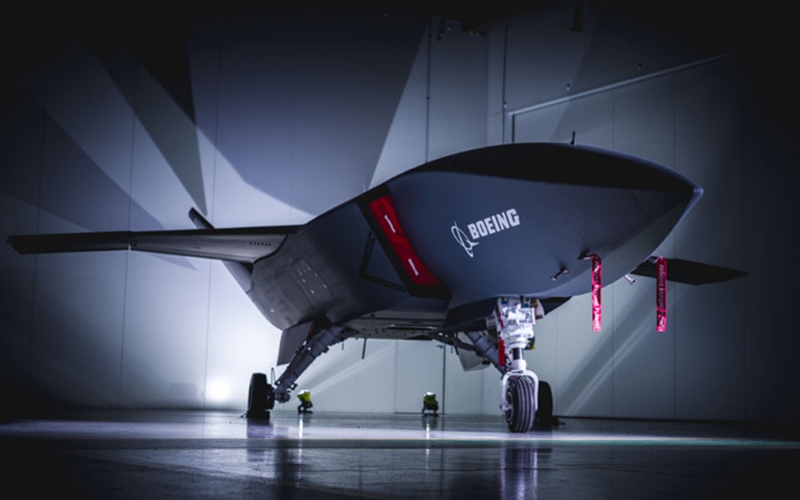
Loyal Wingman – Boeing’s largest investment in an unmanned aircraft outside of the United States

    Boeing Rolls Out First Loyal Wingman Unmanned Aircraft. The Loyal Wingman prototype now moves into ground testing, followed by taxi and first flight later this year. The prototype will advance Boeing’s global Airpower Teaming System. Boeing-led Australian industry team has presented the first unmanned Loyal Wingman aircraft to the Royal Australian Air Force, … Read more

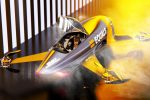
Who’s ready for the future of racing? Airspeeder is merging an F1 race car with a racing drone


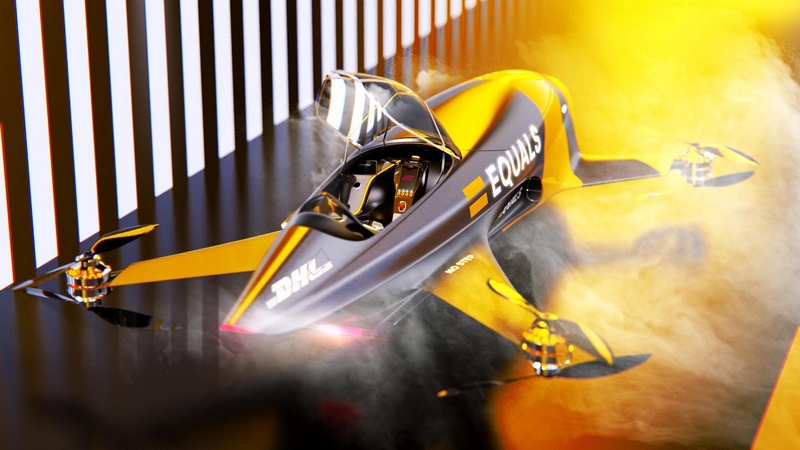
Motorsport evolved: Airspeeder race eVTOL is built for a future international race series.
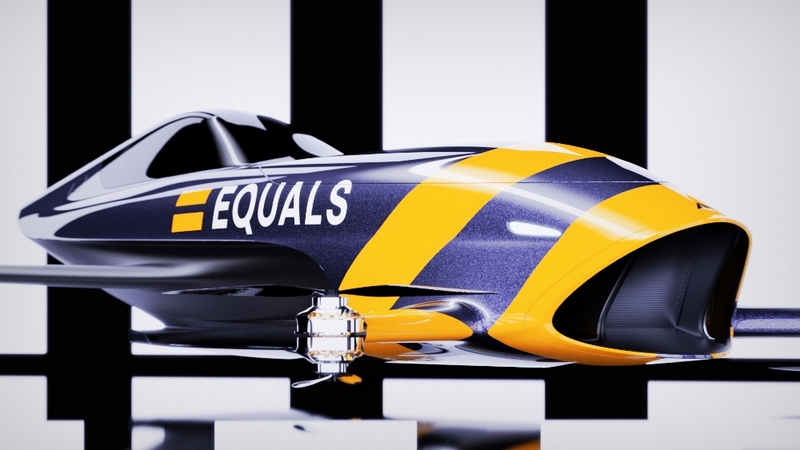
@airspeeder

The world no longer demands what traditional motorsport delivers. The future of transport is flight. Airspeeder takes what is dreamed in E-Sports and makes it reality, says Australian aviation firm Alauda Racing, a leading performance flying car manufacturer. Their vehicles power the world’s first electric flying car racing series. Alauda Aeronautics is a Sydney-based company founded by Matt Pearson in 2016.
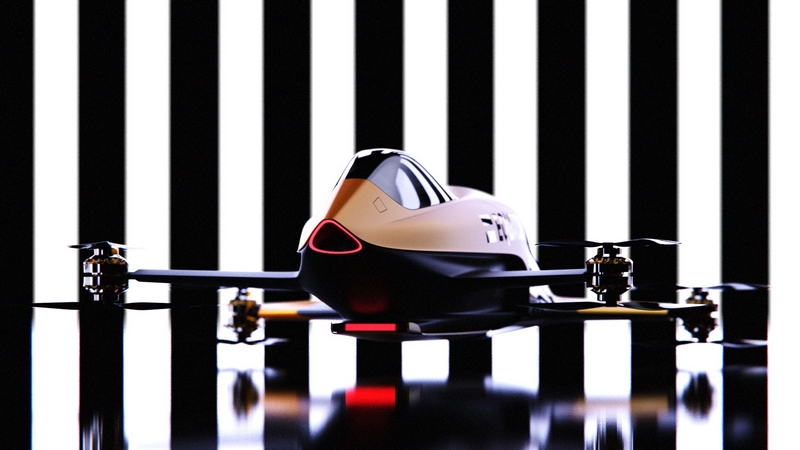
@airspeeder

Airspeeder will be synonymous with the world’s first electric flying car racing series.

It is the world’s first racing series for manned electric flying cars. With elite pilots race manned electric multicopters above some of the world’s most exotic locations, this new sport is found at the confluence of frontier technology and new world entertainment. The sport promises to be the greatest modern sporting spectacle on the planet, with pilots propelled to speeds of 200kph in the largest, most powerful octocopters on the planet.

Alauda Racing is currently at a stage of advanced testing. Its MK2 electric flying multicopters successfully completed trials throughout2019. A team of test pilots recruited from the US Air Force and Martin Aviation will test the MK3 advanced development prototype in the Mojave desert.

The MK4, first shown as a concept in the summer of 2019 will be co-developed in the UK and South Australia, with the latter proving the perfect testing ground for both ground control and manned flights as the sport nears its inaugural ‘Beta Season’. This will included public manned test flights that will demonstrate Airspeeder’s potential to be the most exciting sport on the planet. The firm is poised to deliver this flight but exact timings will be dependent on the lifting of restrictions related to the current global health crisis.

Matthew Pearson and CCO, Jack Whithanshaw are actively engaged in open dialogue with the wider passenger flying car industry (eVTOL) to open co-development channels that address the key issues of safety, regulation and awareness.

“We believe in open innovation. Looking back to the development of both the car and aeroplane over a century ago, it was sporting competition that drove progress. We are delighted to work in close collaboration with global regulators and the wider eVTOL industry to bring closer a revolution in airborne mobility,” said Matt Pearson, Founder, Alauda & Airspeeder.

Airspeeder’s vision has been affirmed by significant institutional backing. The firm has secured funding from two of Australia’s leading technology Venture Capital firms, Saltwater Capital and Jelix Ventures. The investment into the future of mobility backs a pioneer in eVTOL (Electrical Vertical Take Off and Landing), which is a sector that is predicted to be worth $1.5 trillion by 2035.

Final ‘manned’ tests of the Speeders are technically ready. These flights will take place in the desert surrounding the firm’s HQ in South Australia once restrictions relating to the global health crisis are lifted. First head-to-head dual races are planned to take place in late 2020.

@airspeeder
@airspeeder

All-electric & whisper quiet: WatFly’s Atlas recreational eVTOL is safe, electric, and easy to fly

    Flight isn’t about following tradition. It should inspire you. It should bring you surprising, beautiful experiences and a feeling of freedom. Free of runways: Wherever you decide to go, just keep enjoying the journey while the flight computer of this recreational eVTOL from Canada handles the controls. Watfly’s Atlas proprietary award-winning electric ducted … Read more

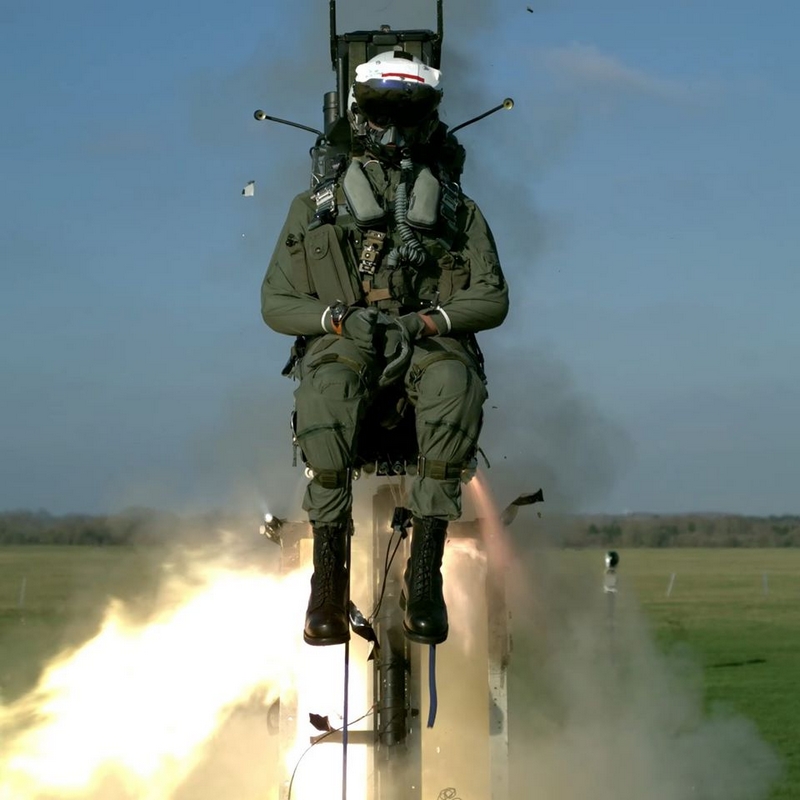
New MBII and Online Configurator for a unique watch for pilots ejected using Martin-Baker ejection seats

      Ever wanted to add your own flair to an aviation watch? It’s over 10 years since the first Bremont Martin-Baker (MB) watch was released; a design born of the challenge to create a unique piece for pilots that had ejected using Martin-Baker ejection seats. It has become something of an icon in … Read more

The first airline to test innovative technology identifying travellers with medical conditions

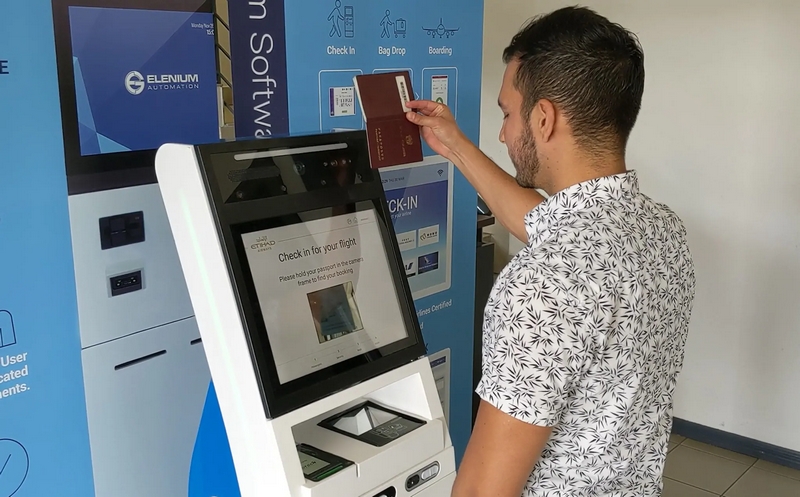
      Health screenings can become standard across airports, without putting staff in harm with manual processes. The introduction of touchless self-service and automated health screening will encourage passengers to return to travel sooner. Etihad Airways, the national airline of the UAE, will partner with Australian company Elenium Automation to trial new technology which … Read more

Interplanetary Travel: SpaceX’s Starship can take you into low Earth orbit and possibly to the moon or Mars


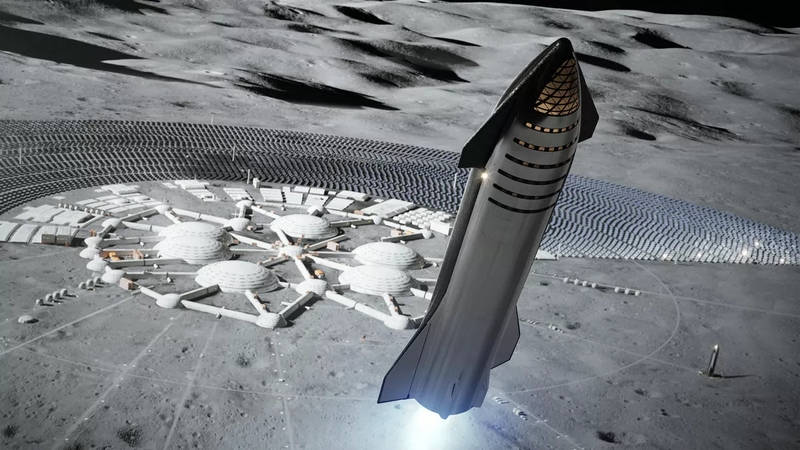
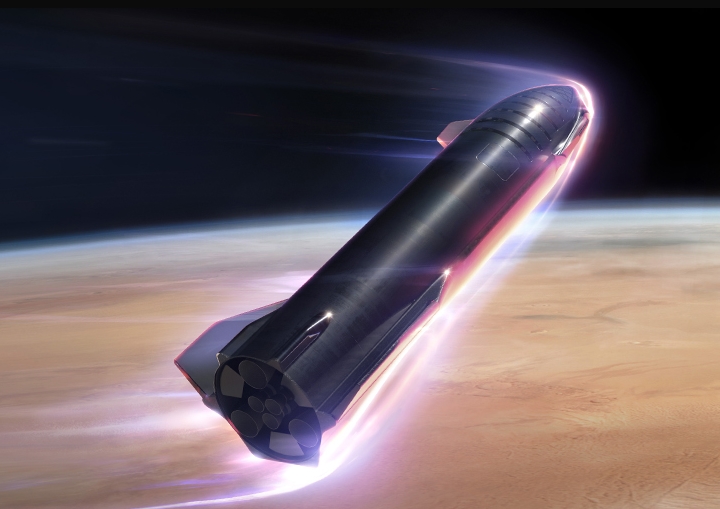
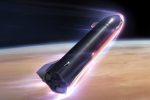
Designed for interplanetary activities, SpaceX’s Starship is one step closer to reality. The extraterrestrial vehicle is currently undergoing development in Boca Chica, Texas.

@spacex.com/starship

SpaceX designs, manufactures and launches the world’s most advanced rockets and spacecraft. The company was founded in 2002 to revolutionize access to space and enable a multi-planetary society. Today, SpaceX performs routine missions to space with its Falcon 9 and Falcon Heavy launch vehicles for a diverse set of customers. SpaceX provides further support to NASA with the Dragon spacecraft by conducting cargo resupply and return missions to and from the International Space Station (ISS). Soon, SpaceX will begin transporting crew to the ISS as well.

To offer competitive launch and resupply services, SpaceX has incorporated reusability into the Falcon and Dragon systems, which improves vehicle reliability while reducing cost. The Starship Program now leverages SpaceX’s experience to introduce a next-generation, super heavy-lift space transportation system capable of rapid and reliable reuse. SpaceX unveiled Starship’s first user manual.

SpaceX’s Starship system represents a fully reusable transportation system designed to service Earth orbit needs as well as missions to the Moon and Mars. This two-stage vehicle—composed of the Super Heavy rocket (booster) and Starship (spacecraft) is powered by sub-cooled methane and oxygen. Starship is designed to evolve rapidly to meet near term and future customer needs while maintaining the highest level of reliability.

The Starship crew configuration can transport up to 100 people from Earth into LEO and on to the Moon and Mars. The crew
configuration of Starship includes private cabins, large common areas, centralized storage, solar storm shelters and a viewing gallery.

Starship was designed from the onset to be able to carry more than 100 tons of cargo to Mars and the Moon. The cargo version can also be used for rapid point-to-point Earth transport. Various payload bay configurations are available and allow for fully autonomous deployment of cargo to Earth, Lunar, or Martian surfaces.

Fully-reusable Starship and Super Heavy systems are expected to allow for space-based activities that have not been possible since the retirement of the Space Shuttle and Space Transportation System or have never been possible before. With a fully reusable Starship, satellites can be captured and repaired in orbit, returned to Earth, or transferred to a new operational orbit.

@spacex.com/starship