Luxurious Feel With Low Environmental Impact: LVMH Cosmetic Brand Adopts Limex

The cosmetics industry is making planet-positive changes like switching to environmentally friendly materials, recycling cosmetic containers, and creating refill-packaging programs. Limestone-based material “LIMEX” adopted for LVMH’s cosmetic brand KENDO’s OLEHENRIKSEN sustainable packaging. LIMEX Pellet (injection molding grade), a material mainly made from limestone, was adopted for skincare packaging launched under one of LVMH‘s brands, KENDO’s … Read more


Leading truffle companies continue unearthing new opportunities for sustainability

Truffle companies continue focus on growth toward greener, more sustainable leadership in the truffle industry. Sabatino Truffles Updated Sustainability Initiatives on Earth Day 2022 On the anniversary of Sabatino Tartufi’s Earth Day initiatives, the company has provided an update on the company’s progress toward driving sustainability in the truffle industry. Since the company’s sustainability-focused initiatives … Read more

Luxury beauty brand partners with the International Space Station (ISS)

  What if the next great discovery to improve our planet came from research off the planet? The Center for the Advancement of Science in Space, Inc. (CASIS),  manager of the ISS National Lab, is holding a sustainability challenge in partnership with leading global prestige beauty brand Estée Lauder. Plastic waste is highly prevalent on … Read more

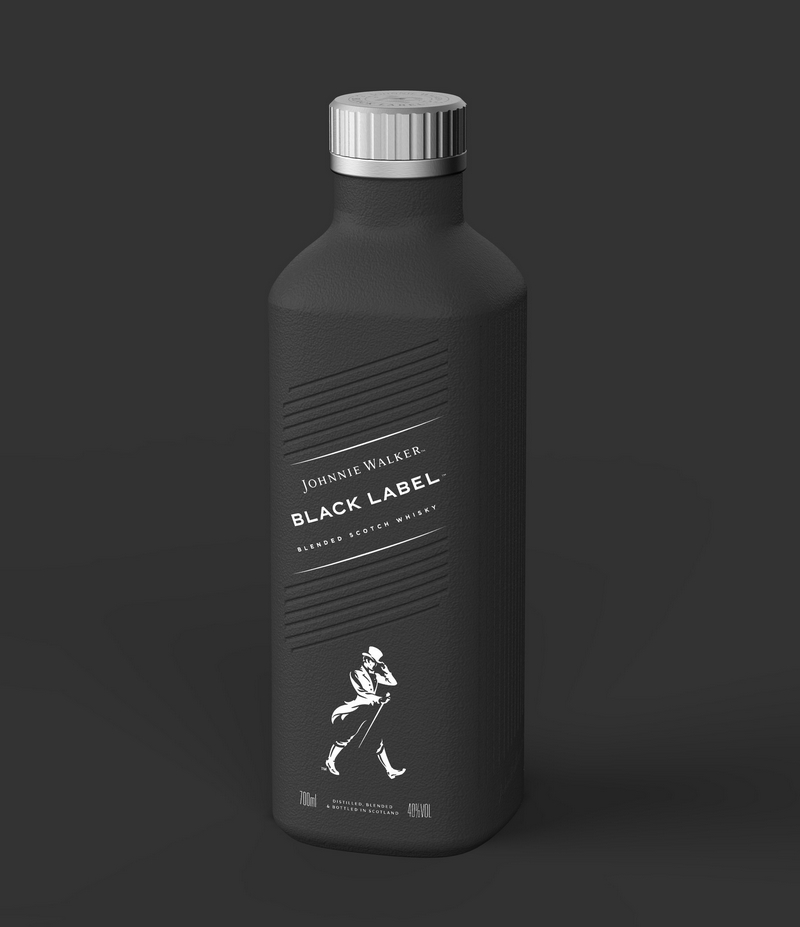
Pulpex Limited: The World’s First Ever 100% Plastic Free Paper-based Spirits Bottle

    This ‘first-of-its-kind’ scalable paper-based bottle is designed and developed to be 100% plastic-free and expected to be fully recyclable. This bottle has the potential to be truly ground-breaking. Launch of ‘Pulpex Limited’ – a new partnership between Diageo and Pilot Lite to launch new spirits bottle made of paper. The bottle is made … Read more

‘Sheet masks are the new plastic straws’ – the movement to streamline your skincare

For a long time beauty routines only seemed to get more elaborate. But thanks to environmental concerns – as well as questions about the effectiveness of layering products – some corners of the industry are finally arguing that less is more