Six forces are quietly reshaping what “luxury” means at the table — and none of them are about gold leaf.
The easiest way to spot a shift in luxury is to watch what stops working as a status signal. In high-end dining, “expensive” alone stopped being enough a while ago. What’s replaced it in 2026 is a more layered kind of exclusivity — part artistic collaboration, part scientific sourcing, part sheer, engineered scarcity. Here’s the full picture.
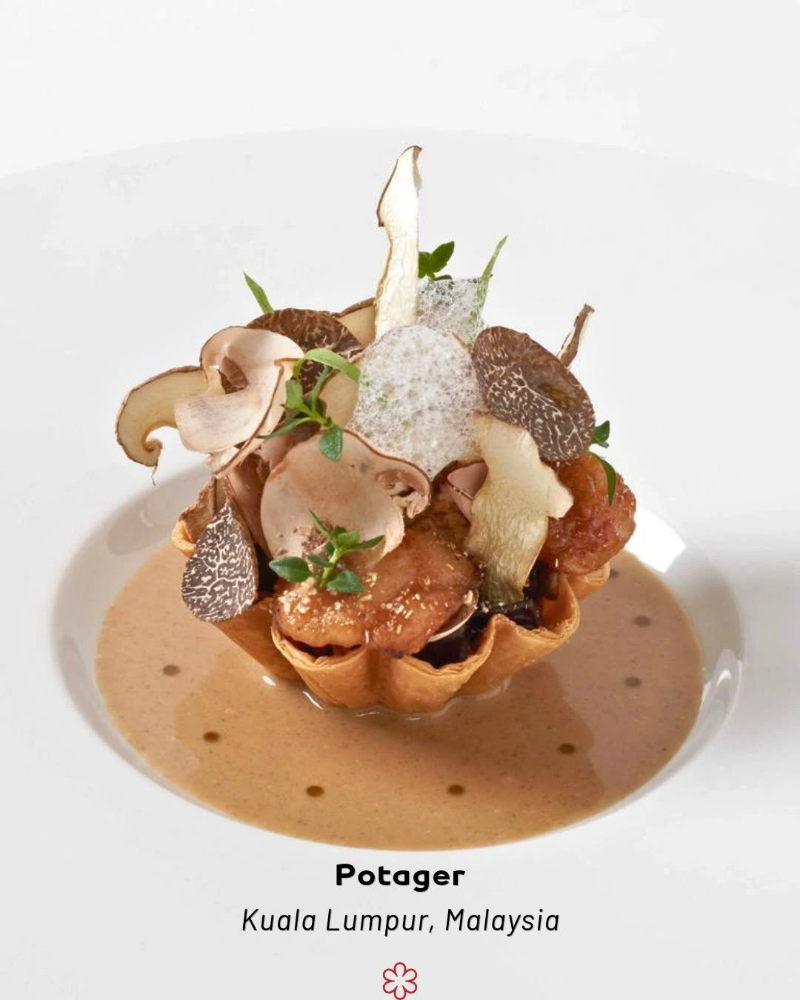
Celebrity Chefs Are Becoming Brand Architects, Not Just Cooks
The celebrity chef model has quietly evolved past “famous person with a restaurant.” Today’s top chefs function as cultural influencers, brand builders, and high-value business assets for corporations, hospitality groups, and global consumer brands, with demand for their services at an all-time high — expanding well beyond the kitchen into multi-day retreats, destination dining, yacht catering, and luxury villa services.
Meanwhile, the biggest names are still opening restaurants, but with noticeably more restraint than the empire-building era of the 2010s. Daniel Humm, the Swiss-born chef who spent over two decades helming Eleven Madison Park — the fine-dining institution that reached the top of both the Michelin and New York Times rating systems — opened a new restaurant simply called Humm in New York’s West Village this September. The broader 2026 pattern: veteran chefs are launching more conservative concepts (steakhouses, brasseries), while the next generation takes the bigger creative swings.
The Dining Room Is Now a Co-Authored Artwork
Perhaps the most visible new trend: chefs are pairing with name-brand designers and artists the way fashion houses pair with architects, treating the room itself as part of the culinary statement.
For Humm, the interiors are a collaboration between French designer Pierre Yovanovitch — known for his sculptural, materially rich residential and hospitality work — and Italian painter Francesco Clemente, whose work also shaped Eleven Madison Park’s Clemente Bar. It’s not an isolated case: another closely watched fall opening in La Jolla pairs its chef with designers Paul Basile and Jules Wilson. Expect more restaurant press releases to name-check their designer and artist collaborators with the same weight they give their sommelier.
“Artisanal” Now Means Traceable, Not Just Handmade
The single loudest theme across 2026 forecasts is a pull away from ostentation toward clean, ingredient-first cooking. Dining trends are leaning toward clean, thoughtful, high-quality cuisine that puts ingredients first, with diners increasingly wanting real transparency and clean sourcing over excess. As one steakhouse chef summarized it: “Think lighter luxury, without ‘diet theater,’ and dishes that feel cleaner and fresher while still satisfying.”
There’s a service-side version of artisanal too — relationship over spectacle. At one acclaimed steakhouse, staff know regulars’ favorites and guests can reach the owner directly by phone or text, with relationship-driven service now described as the new luxury. A Wynn Las Vegas executive chef made the same case from a different angle: “People will seek out experiences that make them feel special and unique, something that only a person could replicate.”
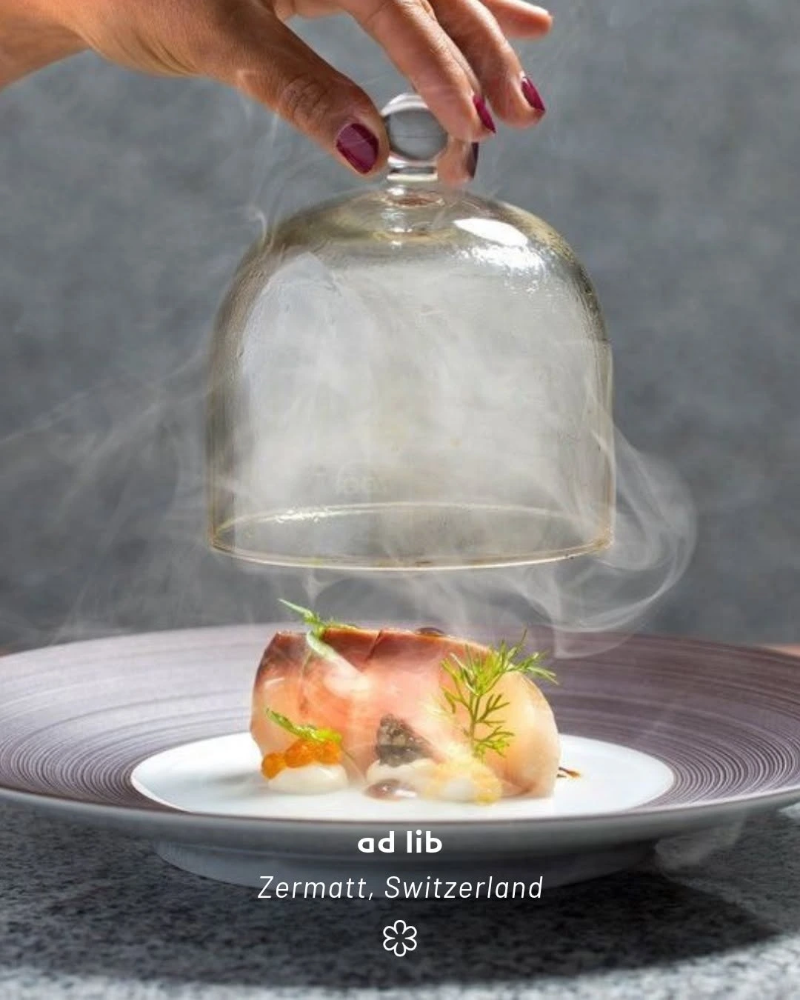
Seasonality Has Evolved Into Ecosystem Mapping
“Seasonal menu” is starting to look quaint next to what top kitchens are doing now. Menu design is no longer governed by traditional seasons but by the mapping of specific ecosystems, with chefs collaborating with biologists and anthropologists to rescue forgotten ingredients from vertical microclimates, arid deserts, or marine depths. That’s a considerably deeper commitment than a rotating market menu — closer to field research than seasonal cooking.

Bob Dylan’s Heaven’s Door Spirits entering Europe
Find more hidden gems in our archiveTHE CURATED CALENDAR
Discover the world’s most prestigious gatherings & exhibitionsUnique Experiences: Dining as Full-Sensory Production
Passive tasting menus are giving way to immersive theater. Diners no longer want passive experiences — they want immersion, storytelling, interaction, and entertainment, which has driven demand for live cooking demonstrations, chef-led dinners, and pop-up restaurants. And people are genuinely willing to pay for it: a majority of Americans say they’d pay a premium for a dining experience with a distinct vibe in 2026, and a meaningful share now factor a restaurant’s “Instagram/TikTok worthiness” into where they choose to eat.
The Real Cost of a Seat at the Top
Flagship tasting menus at the very summit of fine dining now regularly clear $400–550. One three-Michelin-star restaurant — named World’s Best Restaurant, North America in 2026 — offers a $420 tasting menu or a $550 chef’s menu, with wine pairings at $245 or a $475 reserve pairing. Across the Atlantic, London’s top tasting menus run £215–225 before wine, while a two-Michelin-star Indian restaurant’s menu reaches £155. At the very top end, ultra-luxury New Year’s Eve tables in Dubai have been priced as high as roughly $9,500 for a private group minimum spend, with individual packages around $3,800.
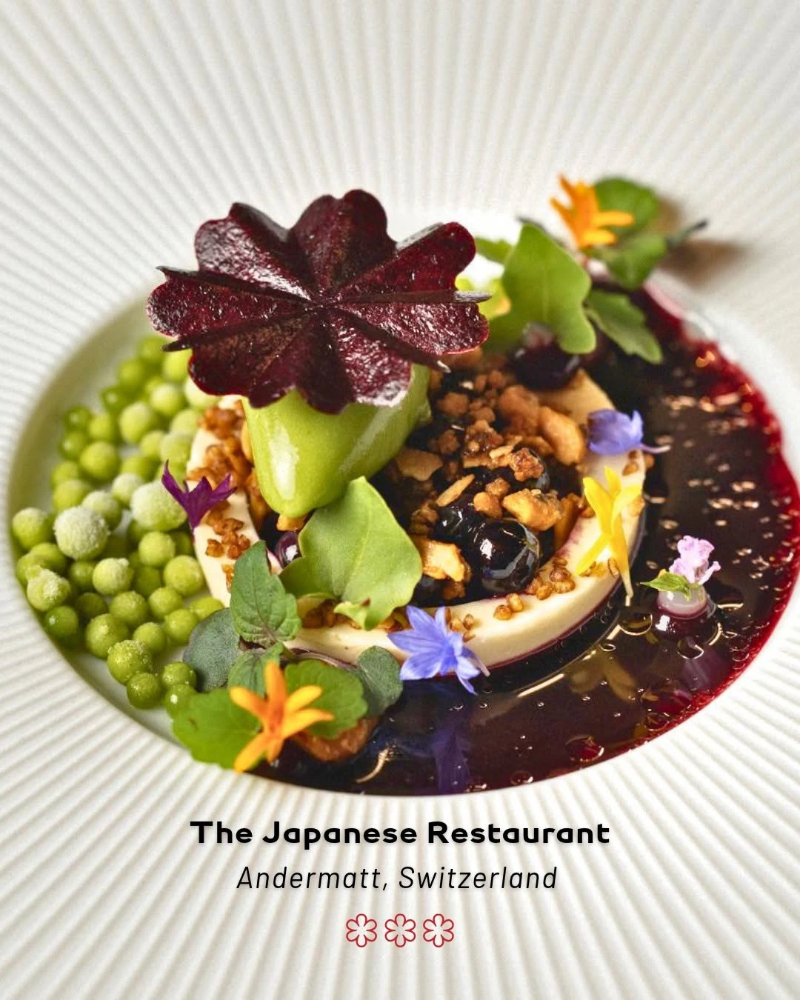
Reservations: Scarcity, Engineered by Design
Booking a top table has become its own micro-industry. A 40-seat restaurant can only physically serve 80–120 covers a night, while social media can generate viral demand that overwhelms any room overnight — meaning the best tables sell out in minutes regardless of size. Paid access has become a genuine category: a $500-a-year membership now buys priority booking at partner restaurants, and premium credit card concierge programs allocate a small number of covers to cardholders, with New York and Los Angeles offering the deepest access.
Some restaurants have opted out of the booking economy entirely — arguably the clearest signal of where true exclusivity now lives. One Catskills chef stopped taking new reservation requests altogether back in 2014, with a backlog that now runs past 2030. A Fort Lauderdale supper club is booked solid through the same year and has closed its list to newcomers. And one legendary New York institution doesn’t run a waitlist at all — its ten tables belong entirely to longstanding regulars, no amount of app-refreshing included.
The throughline: in 2026, the loudest luxury flex at the dinner table isn’t the price on the menu — it’s the story behind who designed the room, who sourced the ingredient, and how impossible the table was to get in the first place. The check is almost incidental.
