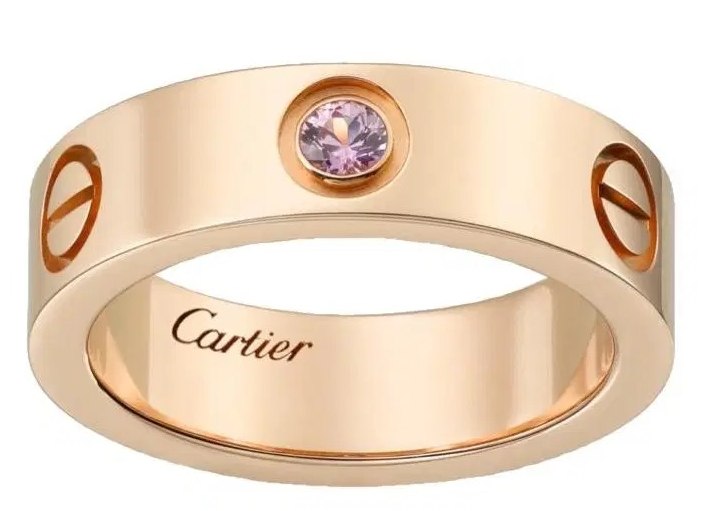
In the high-stakes world of premium fashion, we often talk about “investment pieces” and “timeless silhouettes.” Yet, the reality inside our dressing rooms tells a different story. Vestiaire Collective — the global leader in curated pre-loved luxury and a pioneer in the circular fashion economy—has just released a provocative study that challenges why we feel sartorially bankrupt despite having wardrobes that are, quite literally, bursting at the seams.
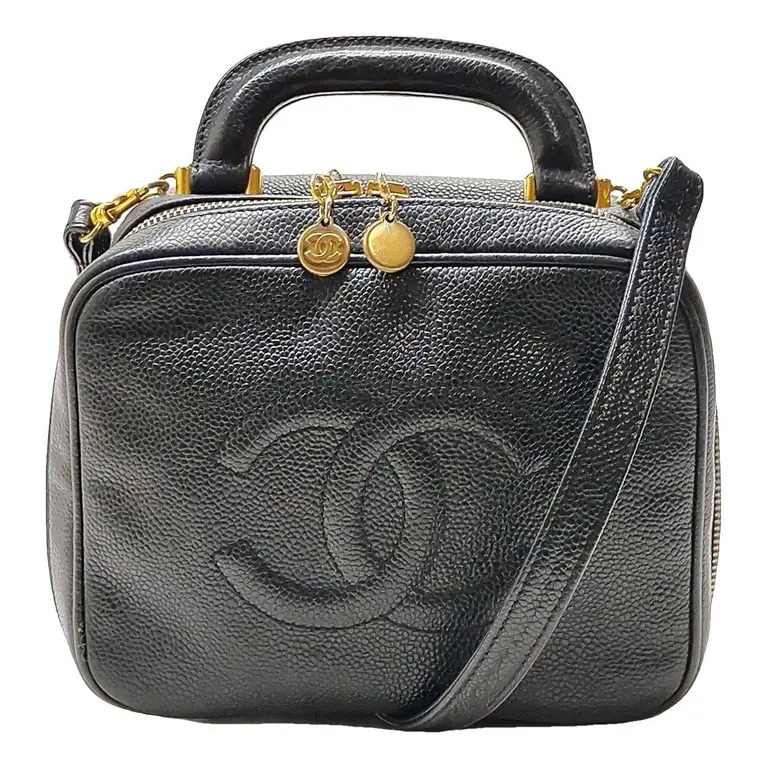
Chanel Leather Bag in Very good condition @us.vestiairecollective.com
THE STUDY: METHODOLOGY BEHIND THE MADNESS
This wasn’t just a casual poll. Vestiaire Collective conducted an exploratory, mixed-method research project involving over 5,000 survey responses across major fashion hubs, including Italy, France, Germany, the UK, and the US. To get to the truth, they performed 10 in-person wardrobe audits to measure the “perception-reality gap”. By combining attitudinal data with physical counts, they’ve managed to quantify the emotional and economic cost of our daily dressing frustrations.
THE ABUNDANCE PARADOX
The findings are a wake-up call for anyone who has ever stared at a rail of designer silk and felt they had “nothing to wear.” The study reveals that 84% of consumers experience this frustration, a number that climbs to 94% for Gen Z. Interestingly, the problem isn’t a lack of choice. In fact, 50% of people who frequently feel they have “nothing to wear” actually own over 200 items. During the audits, it was discovered that people underestimate their possessions by nearly 50%—in one instance, a participant believed she owned 15 dresses, only to find she actually had.
THE PSYCHOLOGY OF THE “CONFIDENCE CRASH”
The psychological core of this crisis is perhaps the most stinging revelation. It’s not that our drawers are empty; it’s that we are suffering from a “confidence crash”—a profound emotional disconnection that makes our existing clothes feel invisible or inadequate. The research highlights that 86% of “nothing to wear” moments are actually triggered by internal factors like body image or insecurity rather than a literal lack of options. When we lose that internal spark, we stop seeing the potential in the garments we already own, leading us into a “Reactive Consumption Trap”. We buy something new not because we need the fabric, but because we are chasing the temporary high of a “fix” to make the feeling of insecurity go away.
THE HIGH COST OF REACTIVE SHOPPING
The study found that 90% of those who feel they have nothing to wear immediately buy something new to resolve the perceived problem. But this is merely a temporary bandage that fails to address the underlying emotional rift. From a financial perspective, this clutter is stagnant capital. On average, participants held approximately $1,000 in potential resale value in rarely worn luxury and designer items.
Essentially, your “nothing” is someone else’s “something”.
BREAKING THE CYCLE
The data suggests that the solution isn’t adding more, but rather curating with intention. Engaging with a circular platform like Vestiaire Collective acts as a remedy, reducing weekly wardrobe panics by 23% and making users 50% more likely to never experience that familiar frustration again. By shifting the focus from “more” to “better,” we move away from reactive consumption and toward a more conscious, inspired relationship with our clothes. It turns out the best thing you can wear today might already be in your closet—you just need a fresh set of eyes to find it.