The luxury market is steady at around €1.5 trillion, and jewelry is doing the heavy lifting. A fun but critical look at what Bain’s 25th Luxury Study says, and what it avoids saying.
Luxury has been through an Iran war, shaky macroeconomics and a Chinese consumer who has stopped writing blank cheques. Its answer is to hold steady. Bain & Company’s 25th Luxury Study puts overall luxury spending at roughly €1.5 trillion, essentially flat. (Luxury Daily’s headline rounds that up in dollars to $1.6 trillion. At current exchange rates the figures are closer than they look.)
Zoom in on personal luxury goods, meaning bags, shoes, apparel, watches, jewelry and the like, and sales are forecast at €367 billion in 2026, up 2%, or 3% at constant exchange rates. That is the financial equivalent of a polite nod at a dinner party.
Jewelry: the only guest actually dancing
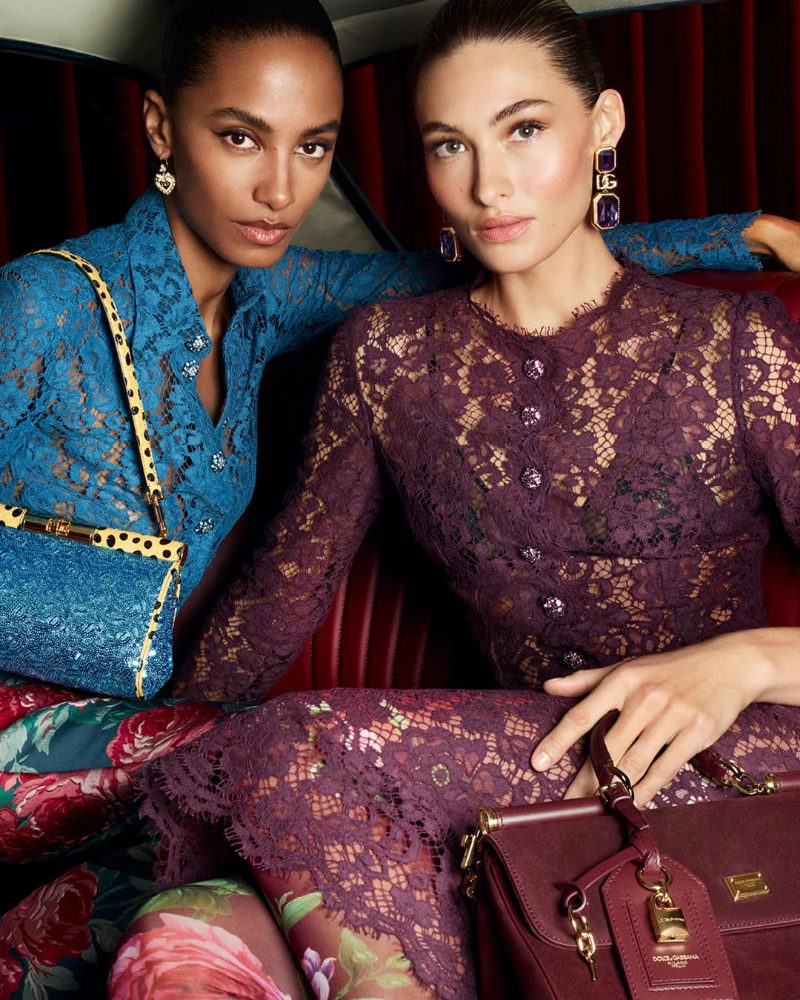
If this were a party, jewelry would be on the table. Jewelry sales are forecast to rise 8% to 10% in 2026, with growth across price points and a clear perception of value among consumers. Eyewear is also resilient. Apparel and leather goods are barely moving, and shoes are likely to contract modestly.
Jewelry has an advantage that a €3,000 handbag lacks. A diamond doesn’t need a logo to justify itself, and it can be passed down, resold and insured. Customers have noticed that “value” and “luxury” don’t have to be strangers. The handbag, on the other hand, has spent years being repriced upward by brands that seemed to believe gravity was optional.
A world tour in five shrugs
The regional picture is wildly uneven:
- Americas: Strong, led by the US, though softening sequentially from the third quarter.
- China: Weaker in the second half, likely flat for the full year, citing macro headwinds, tax changes on offshore trusts and growing competition from local brands. In other words, Chinese shoppers have discovered that domestic brands exist, and that they are good.
- Middle East: Contracted because of the Iran war.
- Europe: Expected to improve in the second half thanks to tourist spending. The continent’s luxury economy still works largely as a very elegant gift shop.
- South Korea and Japan: Korea surged and Japan held steady. Quietly, they are the best-behaved students in class.
The “luxury value equation” is the real story
Buried in the Bain text is the most honest sentence of the study: continued strain on the luxury value equation. Translated from consultant to human, that means customers are asking whether the thing is worth the price.
Luxury spent several years raising prices faster than it raised reasons to pay them. Now it is surprised that shoppers are checking the secondhand market first. Bain’s wider research suggests around half of luxury shoppers do exactly that, and resale continues to grow faster than the primary market. The industry once treated secondhand as an annoying cousin. It is now a competitor with excellent margins and no marketing budget.
Profit margins: calm, with a quiet “but”
Margins have been stable in 2026, reflecting action by key players. Good news, though “action” mostly means cost discipline. The study also says brands will need further “rewiring” of operations, using AI and other digital tools. Rewiring is the new “transformation”, which was the old “restructuring”. The vocabulary changes while the invoice stays the same.
AI: your next personal shopper (and gatekeeper)
Bain’s wider work shows roughly half of luxury shoppers already use AI somewhere in the buying journey. That creates an uncomfortable question for brands built on mystique. If an algorithm compares, validates and recommends, who controls the story? A brand whose appeal depends on “you wouldn’t understand” will struggle when the customer’s assistant understands everything in four seconds, including that the same factory made two bags with different price tags.
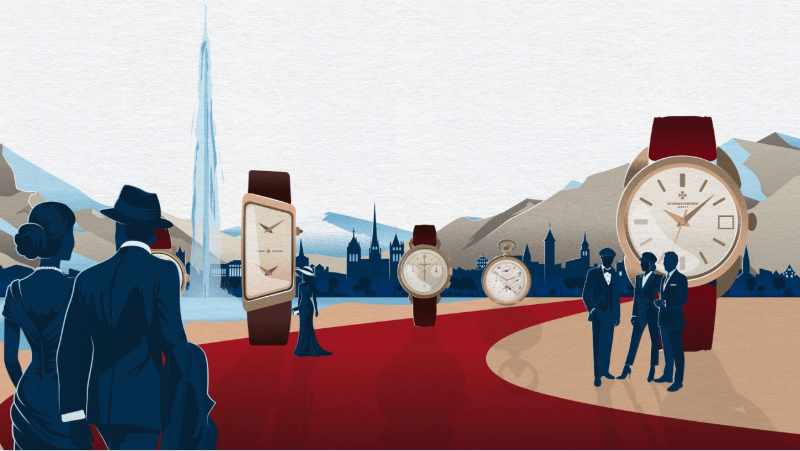
The Map to Modern Luxury
THE CURATED CALENDAR
Discover the world’s most prestigious gatherings & exhibitionsLongevity: the optimistic pitch (read with a raised eyebrow)
Looking further ahead, the study points to consumer longevity: people living longer, more active, wealthier lives, which extends their years as luxury customers and creates new high-growth categories. It is a smart observation. Healthy 75-year-olds with money are a very attractive segment.
It also reads as a neat reframe. “Our growth problem is solved because wealthy people will live longer” is optimistic, and it conveniently avoids the matter of younger shoppers who cannot afford the entry-level product. Longevity is a demographic tailwind, not a strategy.
Meaning over ownership, from the people who sell ownership
The study’s other big idea is that brands can win by amplifying the meaning of luxury, connecting it more with how people live than with what they own. Related Bain research shows experiences outpacing tangible goods in consumer sentiment, with bookings for immersive dining, leisure and entertainment up about 30%.
There is something delightful about an industry built on selling objects to announce that the future is “beyond objects”. It is a bit like a bakery that has discovered the true meaning of bread is the feeling of togetherness. Still, the shift is real. Hotels, yachts, restaurants and private travel are where the emotional (and financial) energy is moving, and fashion houses are scrambling to build “universes” that sell a lifestyle without a price tag on a single item.
2027: somewhere between “meh” and “okay”
Bain’s most likely scenario for 2027 is personal luxury goods sales landing somewhere between flat and 4% growth at constant currency. That range is wide enough to park a yacht in. It is accurate, but less a forecast than an elegant way of saying “we’ll see”.
The verdict
What’s good: The industry is resilient. Jewelry proves that real value still sells, margins are holding, and brands are being forced to think about relevance instead of just price hikes.
What deserves a raised eyebrow:
- A “snap chart” can’t show whether the growth is volume or just higher prices.
- “Transformation” and “rewiring” are doing a lot of work in a report from a firm that sells transformation.
- Regional swings (China flat, Gulf shrinking) show how exposed the industry is to a handful of customer groups.
- The longevity and meaning arguments are interesting, but they are narratives, not numbers.
The takeaway: Luxury in 2026 has not collapsed and has not roared. The winners will probably be brands that treat customers as clever, informed adults rather than walking wallets, which is a radical idea for an industry built on exclusivity. Until then, the safest accessory is a ring.
